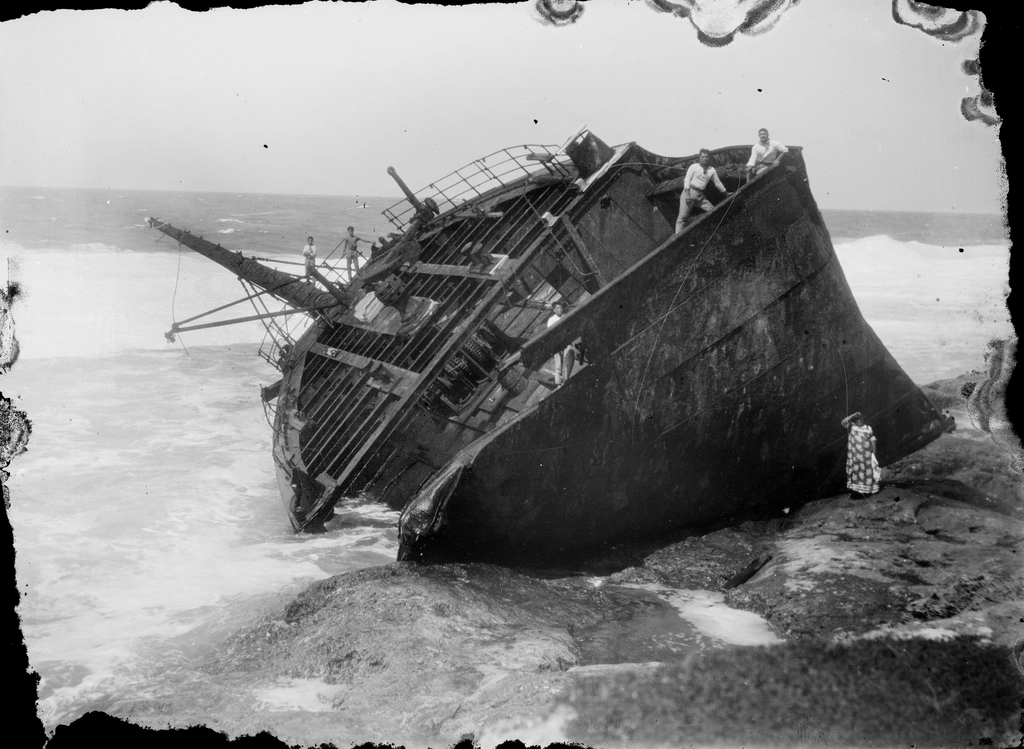
Most people picture shipbuilding history as a straight line: crude rafts first, then simple boats, then the polished “classic” styles we see in documentaries. Underwater archaeology keeps torching that story.
Again and again, divers pull up wrecks that look too advanced for their supposed era – hulls using techniques historians swore hadn’t been invented yet, decades or even centuries before the record admits it. These time-confusing ships force experts to quietly rewrite the caption. The past, it turns out, was messier, faster, and far more connected than the neat textbook timelines suggest.
Here are 12 wrecks whose construction seems to predate the very tradition they’re supposed to represent. Some of these will make you question everything you thought you knew about “early” seafaring – starting with a ship that shouldn’t have looked this finished for its time.
#12 – The Uluburun Ship: A Bronze Age Hull That Looks Shockingly “Classical”
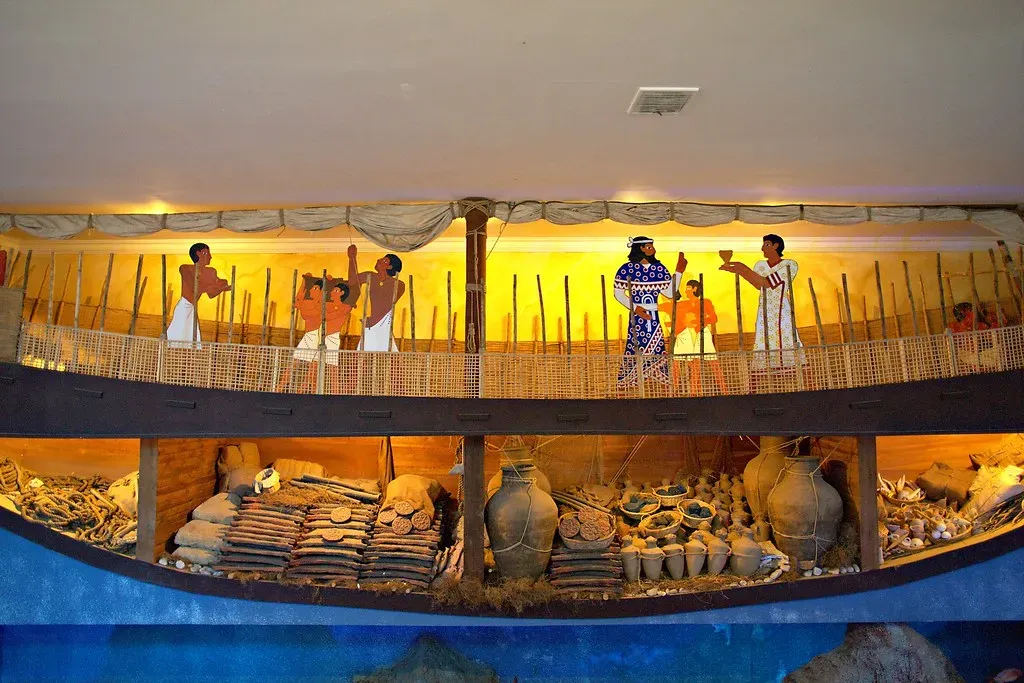
At first glance, the Uluburun shipwreck off the coast of Turkey looks like something built by a later, more advanced maritime culture. The hull planking, the fastening methods, and the sophistication of the cargo all feel too early for a 14th-century BCE ship. Yet radiocarbon dating and the objects on board tie it firmly to the Late Bronze Age.
The surprise is that it already shows a fully developed shell-first hull construction technique – the same basic method Mediterranean shipwrights would lean on for the next thousand years. Its tightly fitted mortise-and-tenon joints and its carefully planned, mixed cargo hint at a shipbuilding tradition that was already old news by the time this vessel sank. Uluburun isn’t a beginning. It’s a mature product with no visible starting point.
Fast Facts
- Discovered in 1982 off Uluburun, on Turkey’s southern coast
- Dated to roughly the 14th century BCE, deep in the Late Bronze Age
- Hull measures around 15 meters (50 feet) long
- Cargo included roughly 10 tons of copper and tin ingots, plus glass, ivory, and gold
- Built shell-first from cedar planks joined with mortise-and-tenon fastenings
#11 – The Dover Bronze Age Boat: “Too Advanced” for Pre-Iron Age Britain
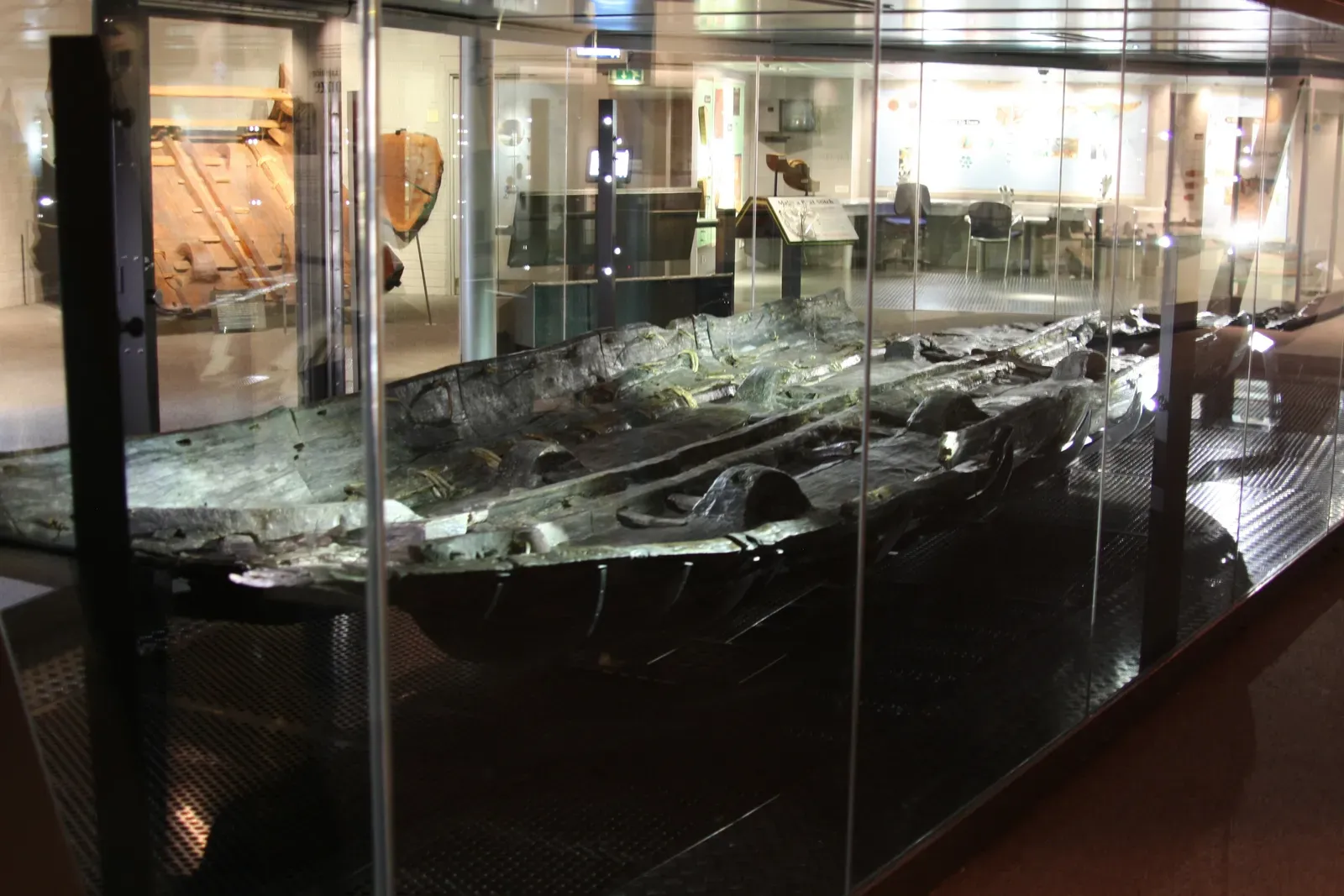
The Dover Bronze Age Boat, found in southern England, gets treated like a local curiosity. In reality, it’s one of the quietest bombshells in European maritime archaeology. Dated to around the 16th century BCE, it shows sophisticated plank-built construction using edge-joined timbers and wedges – in a region many historians still picture as dugout-canoe territory.
The carpentry doesn’t match the old stereotype of “primitive” Bronze Age Britain at all. Worse for the tidy narrative, the Dover boat fits neatly into a North Sea plank-boat tradition that supposedly emerges much later. That means British and Channel communities were already building complex, seagoing cargo boats before we’re told “real” shipbuilding arrived with the Iron Age or the Romans – and it hints at cross-Channel trade far earlier than the comfortable story allows.
#10 – The Ferriby Boats: North Sea Technology Centuries Before Its Time
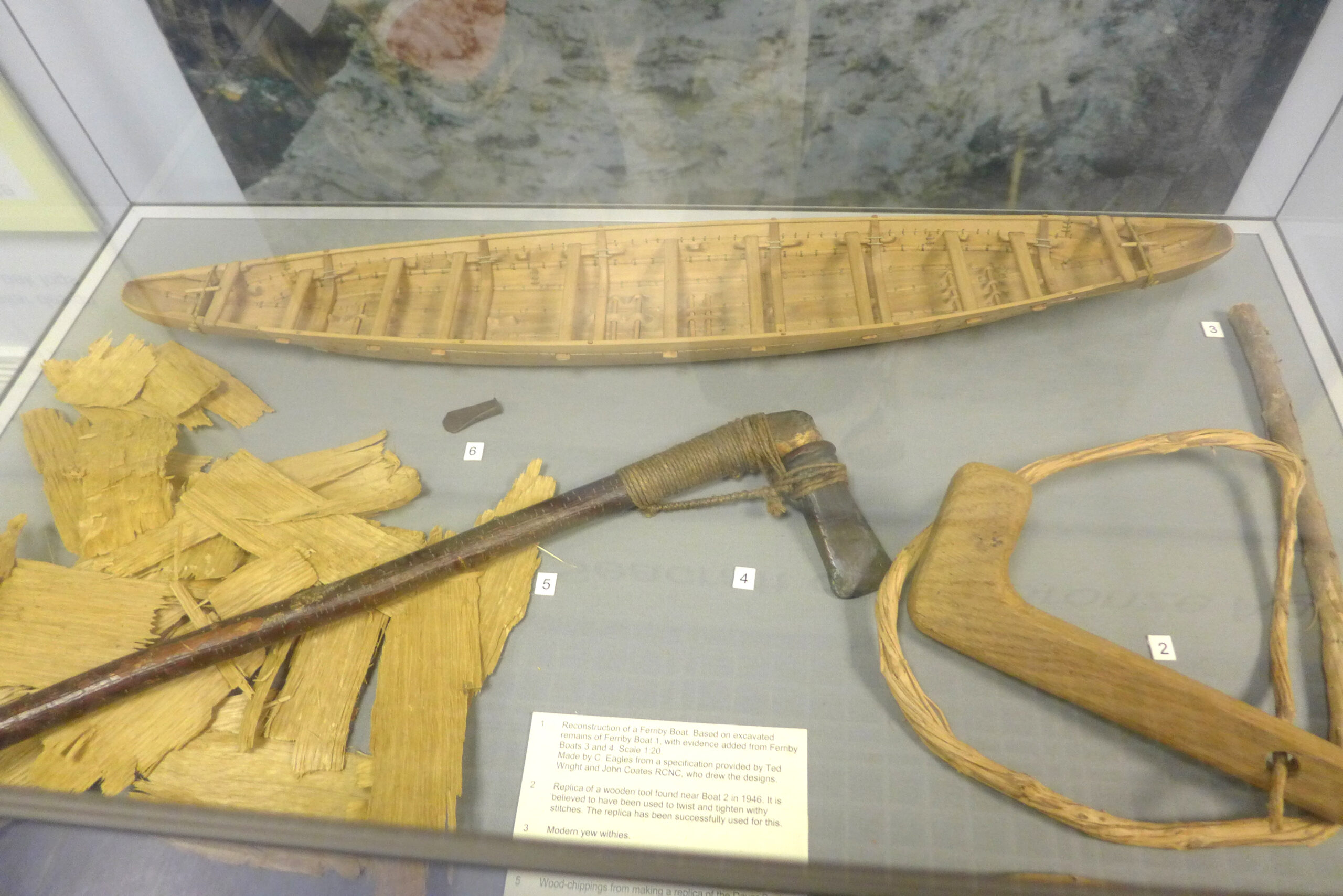
If the Dover boat feels early, the Ferriby boats from England’s Humber Estuary push the timeline back even further. Some of these plank boats date to the early 2nd millennium BCE, built from carefully stitched and pegged planks forming a large, robust hull – not a hollowed-out log. That’s centuries before large, purpose-built wooden hulls are “supposed” to appear in this region.
The craftsmanship points to a community of specialists, not a lone tinkerer with a lucky idea. Many archaeologists once assumed the North Sea took its cues from Mediterranean know-how. Ferriby flips that script entirely: a local, complex tradition thriving long before classical shipwrights ever show up in writing. Some researchers even argue these boats could handle open-water crossings, which, if true, means maritime networks existed here that are older and richer than most Iron Age “origin” stories admit.
At a Glance
- Found at North Ferriby, along the Humber Estuary in England
- Dated to roughly 2030-1700 BCE, well into the early Bronze Age
- Built from oak planks rather than a single hollowed log
- Planks sewn together with yew withies and sealed with moss and wooden wedges
- Ranks among the oldest known plank-built boats found anywhere in the world
#9 – The Kyrenia Ship: A “Roman-Style” Hull From a Supposedly Greek Tradition
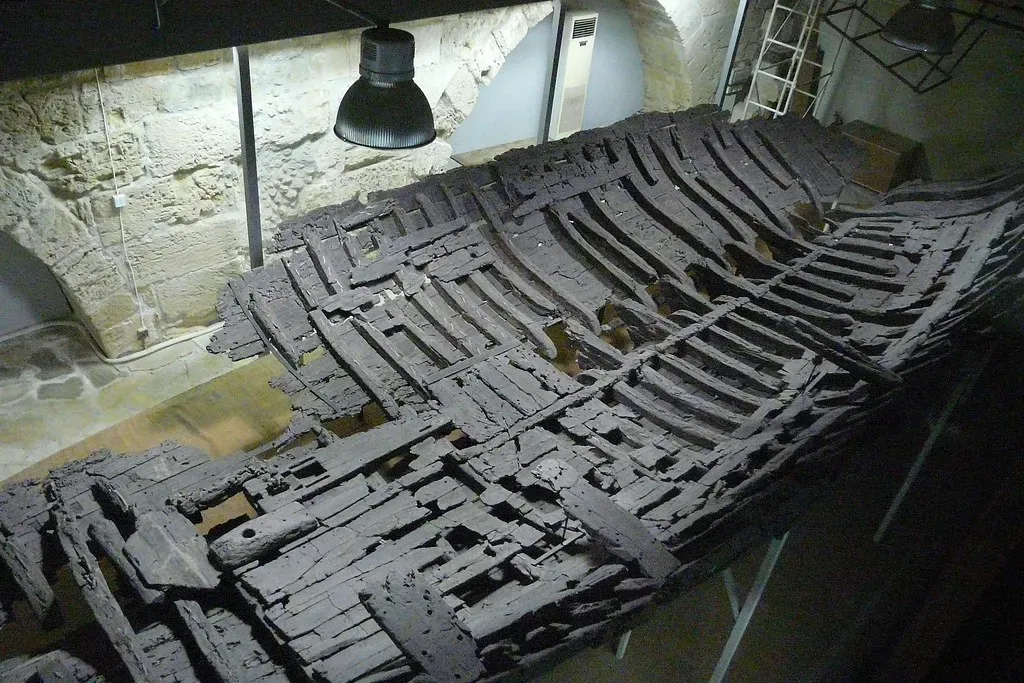
The Kyrenia ship, wrecked off Cyprus around the late 4th century BCE, is usually filed away as a simple Greek merchantman. That label is convenient for textbooks, but the hull itself is awkwardly ahead of its time. It shows fully developed shell-first construction with dense mortise-and-tenon joints and a disciplined framing pattern – almost a preview of what historians later call standard “Roman” Mediterranean shipbuilding.
Kyrenia quietly wrecks the idea that Greek shipwrights were simplistic predecessors to “proper” Roman engineers. Instead, it suggests Roman shipbuilding tradition was already maturing inside Greek and Hellenistic workshops long before Rome got the credit. The balance of cargo capacity, seaworthiness, and repairability in this ordinary coastal trader hints at generations of trial and error hiding just out of view.
#8 – The Mazarrón Phoenician Ships: Deep-Sea Thinking in a “Coastal” Culture
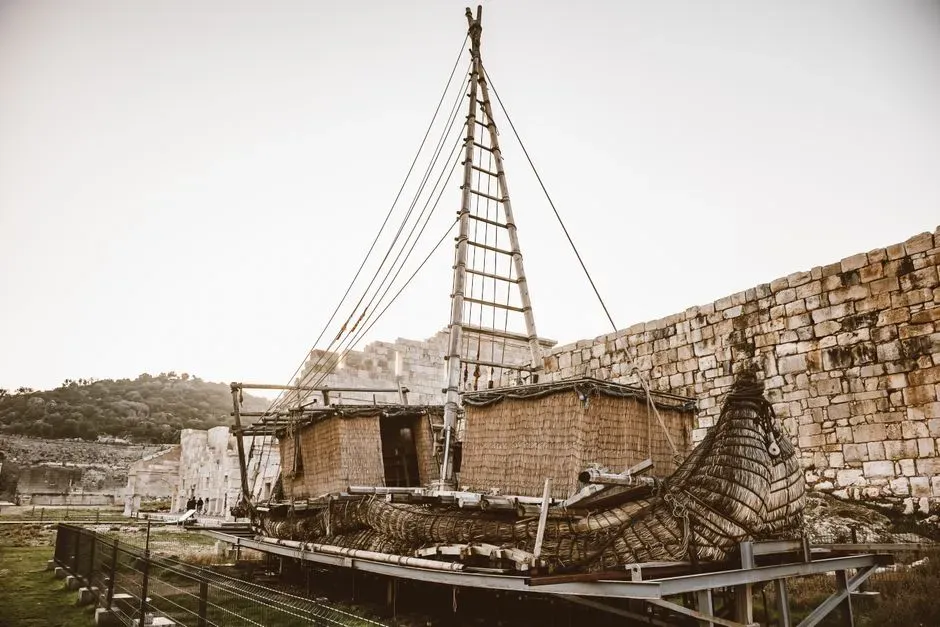
Popular history reduces Phoenician ships to generic “trading galleys.” The two small Phoenician boats found at Mazarrón in Spain tell a sharper, stranger story. Dated to around the 7th to 6th centuries BCE, they show well-organized framing and carefully joined planking, deliberately built to carry dense cargo through a choppy Western Mediterranean.
These hulls look like the product of a long internal evolution, not a first attempt at anything. You can see the DNA of later, bigger Iberian and Western Mediterranean merchantmen in their layout and joinery – yet our written and visual sources for that tradition don’t start until much later, mostly under Roman influence. Phoenician craftsmen were clearly refining this design decades earlier, in workshops whose knowledge barely made it into the historical record at all.
#7 – The Gokstad Ship: Viking Ocean Engineering That Feels Anachronistic
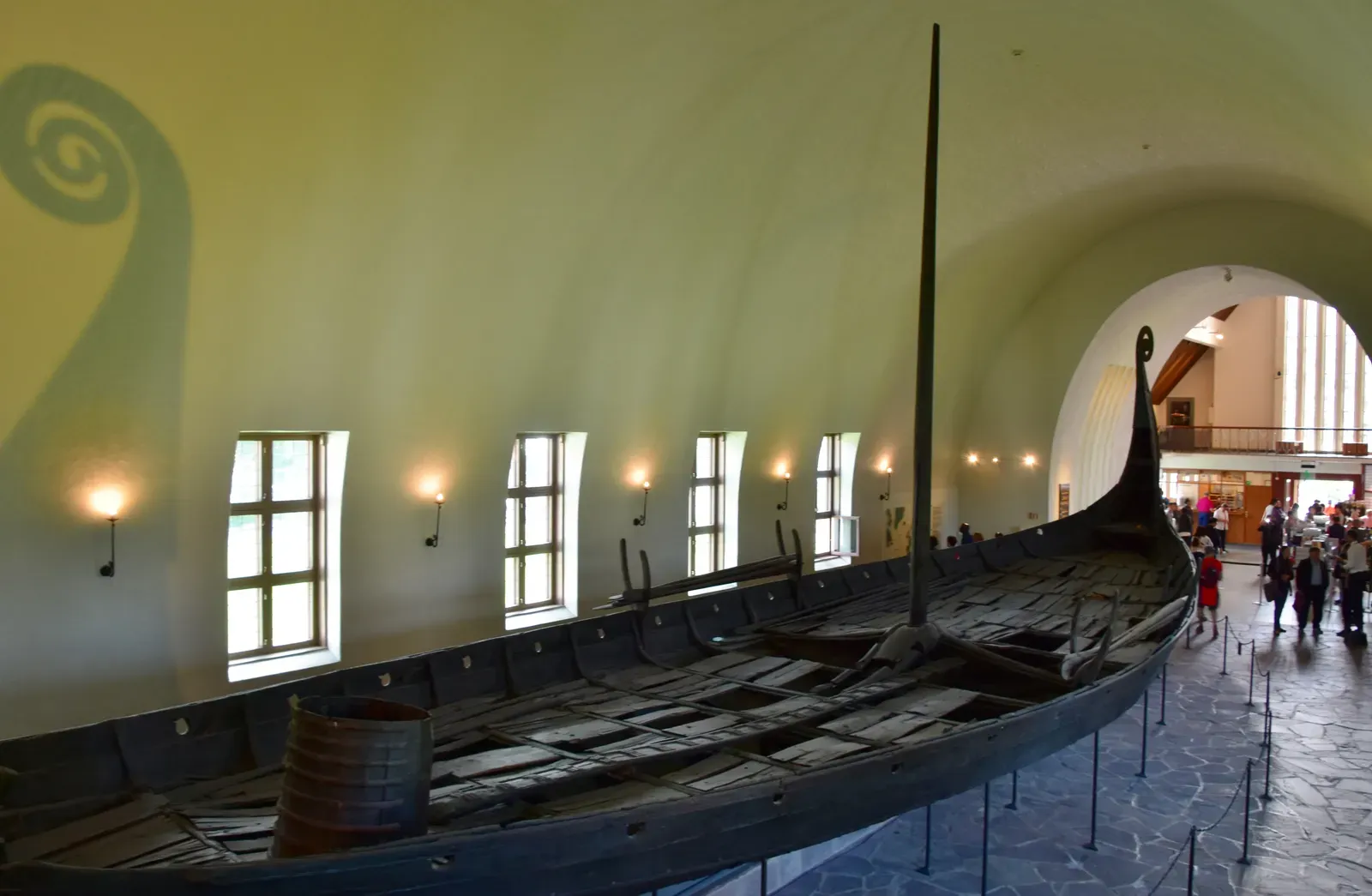
People love to romanticize Viking ships, but few stop to process how early the best examples actually appear. The Gokstad ship, buried around the late 9th century CE in Norway, is so technically polished it might as well be a late-career product of a long Viking shipbuilding tradition. Its perfectly proportioned clinker-built hull, flexible framing, and fast yet seaworthy form look like the finish line of a very long design experiment.
Yet in our records, it shows up near the beginning of the Viking Age story. Textbooks imply Vikings “developed” their famous longships as they expanded outward. The timber evidence says the opposite – high-performance seafaring hulls were already sitting there when the historical spotlight finally swung toward Scandinavia. By the time history starts paying attention, the so-called Viking tradition is already middle-aged.
#6 – The Oseberg Ship: Ornate Burial, Suspiciously Mature Technology
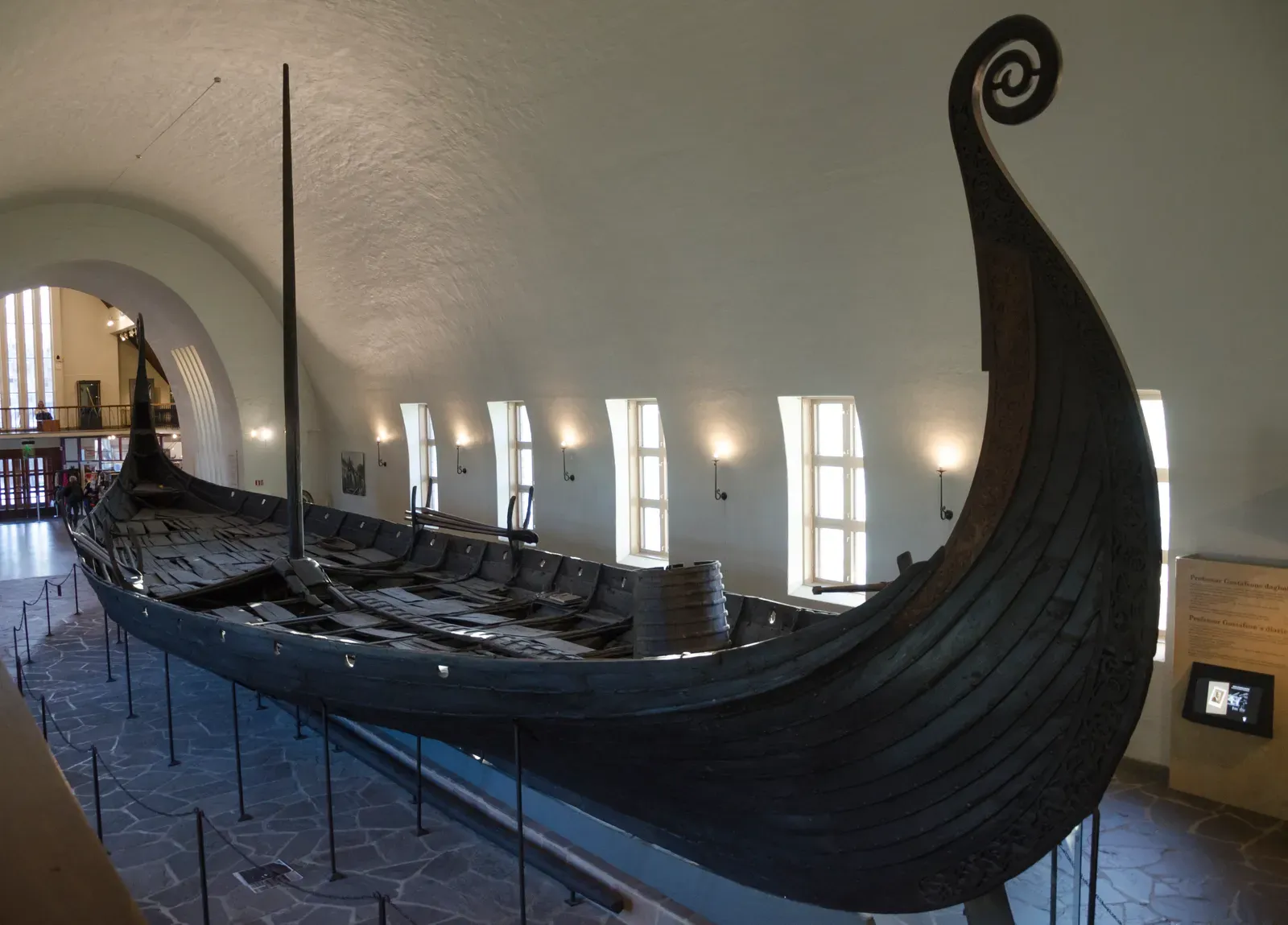
The Oseberg ship usually gets discussed for its art – dragon heads, carved posts, elaborate textiles. Technically, it’s even more provocative. Dated to the early 9th century CE, Oseberg shows a highly refined clinker-built hull with thin planking, tight fastenings, and a remarkably fair, balanced shape. Many scholars now read it not as an early experiment but as an already-specialized type, likely built more for ceremony and coastal work than blue-water voyages.
Every boat we’ve excavated from that era already shows the fingerprints of generations of prior experimentation – none of them look like a first draft.
Common observation among Scandinavian maritime archaeologists
The uncomfortable question is how far back that lineage actually goes. If Oseberg is this sophisticated, the “learning curve” era must be hiding offstage – lost in poorly preserved boats and undocumented coastal traditions. The “Viking ship” isn’t a sudden invention around the 800s. It’s just the visible tip of a much older North European clinker tradition.
#5 – The Khufu Solar Boat: Egyptian Joinery Centuries Ahead of Its Era
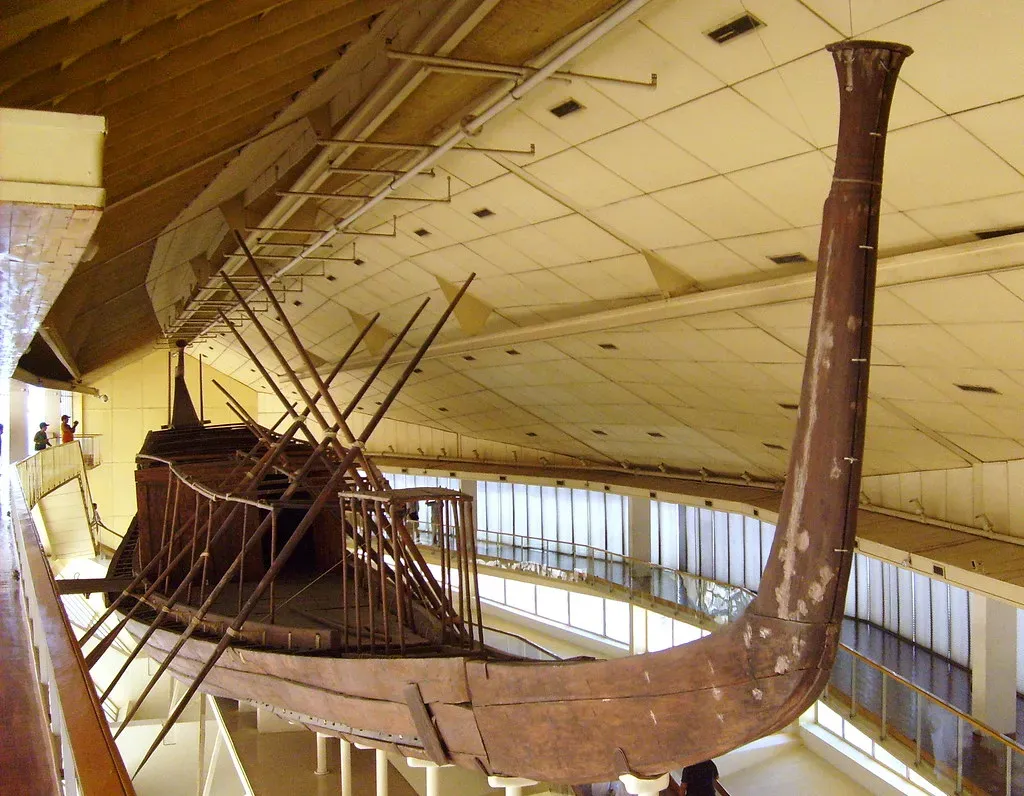
Plenty of people have seen photos of the Khufu solar boat, buried near the Great Pyramid at Giza, but few grasp how strange it looks in context. This mid-3rd-millennium BCE vessel is built from massive cedar planks with complex lashings, precisely cut joints, and a hull form capable, at least in principle, of real river and possibly coastal work. It doesn’t look like a clumsy ceremonial model. It looks like a distilled, confident version of a mature working tradition.
The catch is that this working tradition is almost invisible in earlier material. By the time Khufu ruled, Egyptian shipwrights already had a sophisticated mental model of how long planks, curved hulls, and flexible joints behave in water – implying decades, maybe centuries, of quiet experimentation on the Nile before this symbolic “ultimate” boat was sealed away. Khufu’s boat doesn’t start Egyptian shipbuilding. It’s a high-end latecomer to a craft world that was already old.
Worth Knowing
- Unearthed in 1954 from a sealed pit beside the Great Pyramid
- Stretches roughly 43.6 meters (143 feet) end to end
- Built almost entirely from imported Lebanese cedar
- Reassembled from 1,224 separate pieces held with rope lashings and mortise joints – no nails
- Roughly 4,500 years old, yet already structurally confident
#4 – The Yenikapı Byzantine Wrecks: “Medieval” Hulls in an Awkwardly Early Phase
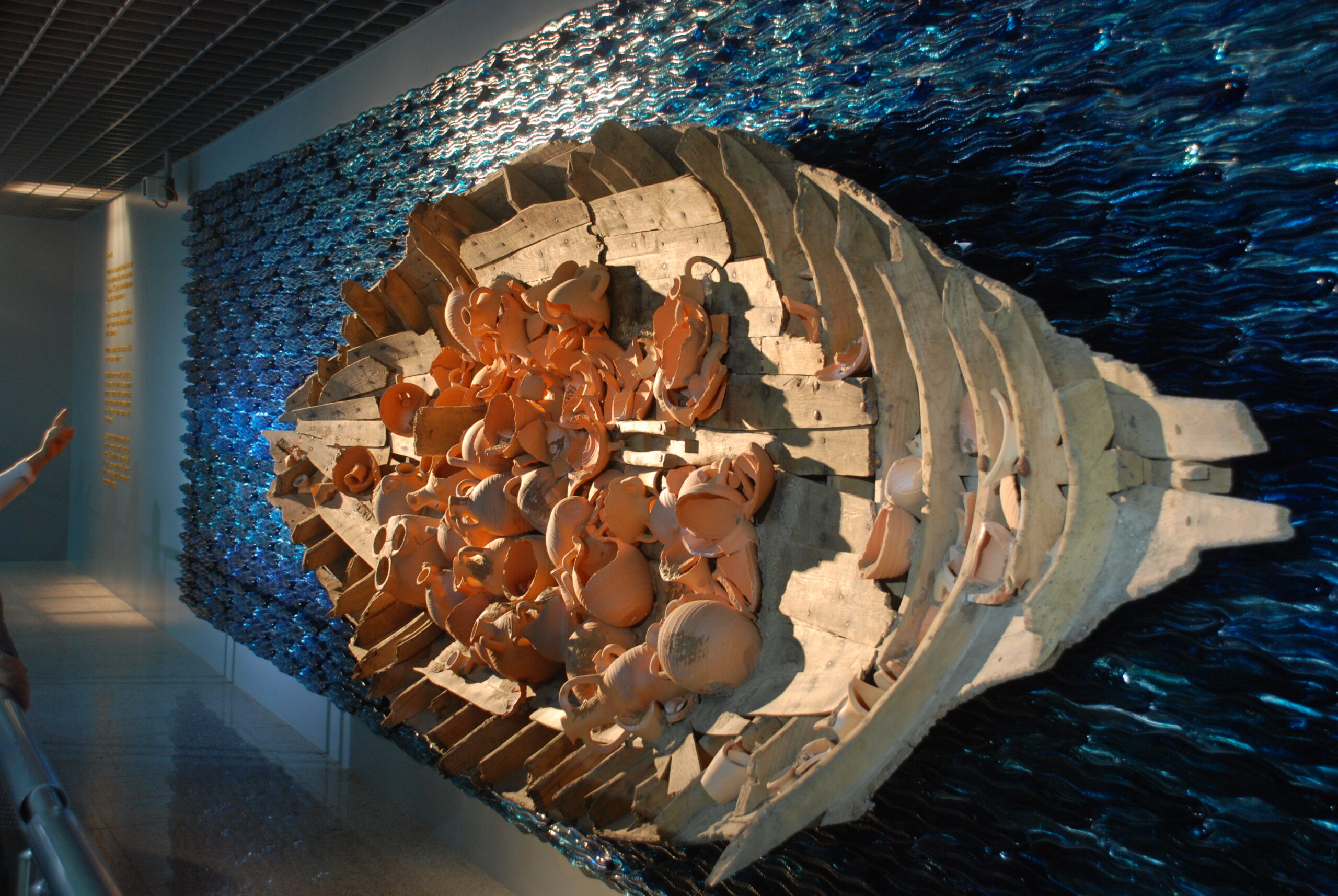
Excavations at Istanbul’s Yenikapı harbor uncovered a fleet of Byzantine wrecks spanning roughly the 5th to 11th centuries CE. On paper, this fits the standard story of a busy medieval port. But some of the earlier wrecks show advanced transitions from classic shell-first to more frame-first construction – techniques most people still associate with later medieval or even early modern shipbuilding.
These boats suggest the Mediterranean didn’t flip a switch from ancient to medieval styles overnight. Shipwrights were quietly testing hybrid methods much earlier, with internal framing taking on more structural load in ways that prefigure techniques Atlantic shipbuilders would later claim as their own. None of this made it into surviving texts. The ships themselves are the only witnesses that these “Western European” methods were gestating in Eastern workshops centuries before anyone wrote a word about them.
#3 – The Serçe Limanı Glass Wreck: Early Frame-First Thinking in the Mediterranean
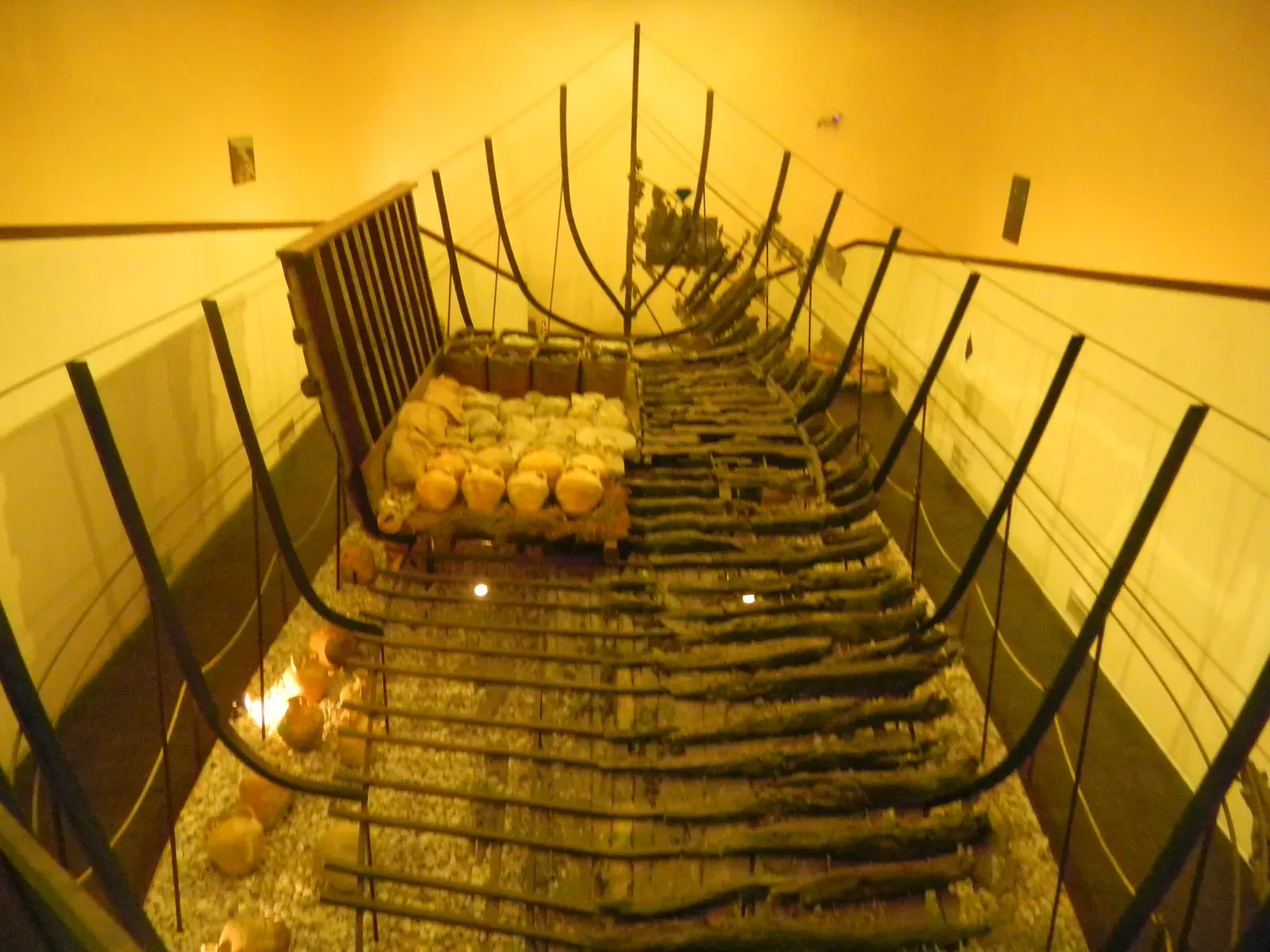
The 11th-century Serçe Limanı wreck in Turkey is famous for its massive cargo of glass, but it’s just as fascinating structurally. Its builders use an approach where internal frames play the leading role in shaping and stiffening the hull, with planking attached in a way that looks strikingly like later frame-first, or “skeleton-first,” methods.
Standard teaching says the Mediterranean stayed shell-first until frame-first construction arrived as a late-medieval or early modern revolution. Serçe Limanı complicates that tidy story. Set it beside later Ottoman, Venetian, or Iberian hulls and you can trace a direct line of thinking – more internal structure, more repeatable shapes, better control over load and repair. Mediterranean shipbuilders were clearly experimenting with quasi-frame-first ideas earlier than the clean period labels admit, quietly seeding what Atlantic powers would later amplify and take credit for.
#2 – The Mary Rose: A Tudor Warship With Proto-“Ship-of-the-Line” DNA
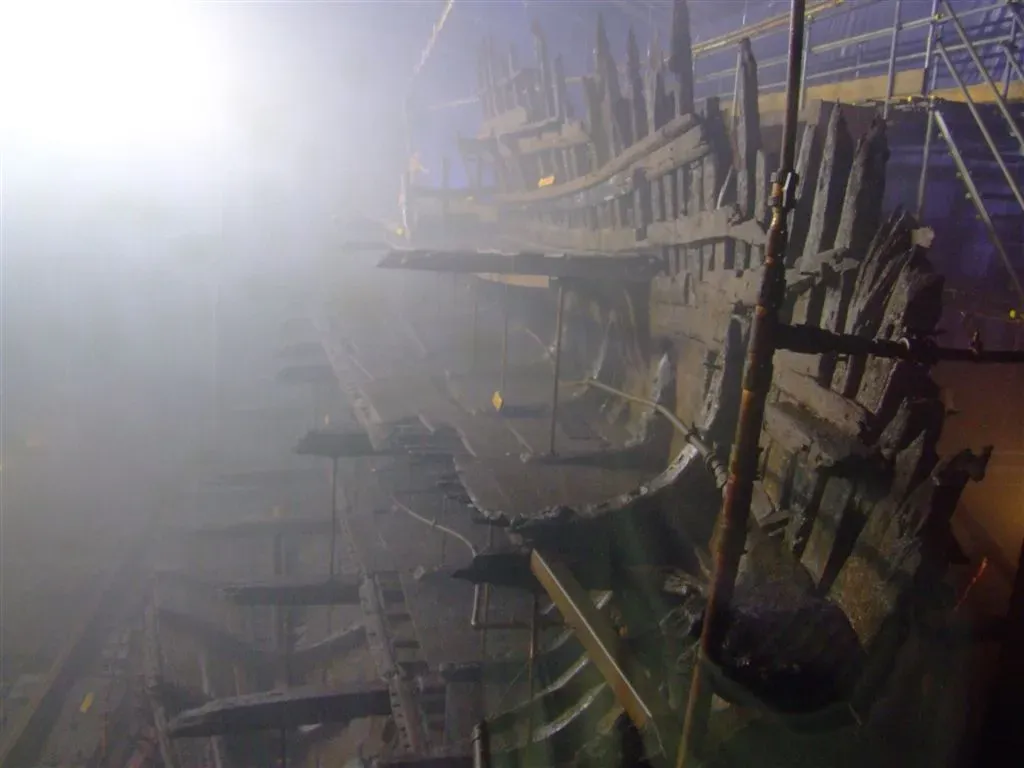
The Mary Rose, Henry VIII’s flagship, sank in 1545 – but her structure feels like a preview of a shipbuilding tradition that supposedly flowers a century later. Her remains show dense internal framing, heavy scantlings, and a hull built to mount and absorb the recoil of numerous heavy guns. She looks less like a tentative early gun-armed vessel and more like a rough prototype of the line-of-battle ships that would dominate the 17th and 18th centuries.
Most popular narratives act as if naval architects invented the ship-of-the-line concept in a sudden burst of genius decades later. The Mary Rose shows how far down that road Tudor shipwrights already were. Her compromised stability and repeated modifications read like a learning curve happening in real time – builders reaching toward a type that official doctrine wouldn’t even have a name for until decades afterward.
Quick Compare
- Mary Rose (sank 1545): carrack-style hull carrying roughly 91 guns behind newly cut gunports
- Classic 17th-century ship-of-the-line: purpose-built, multi-decked gun platform with standardized broadside doctrine
- The gap: formal “line-of-battle” tactics weren’t written down until decades after Mary Rose already carried that core structural logic
#1 – The Vasa: A “Too Modern” Warship From a Tradition Still Being Written
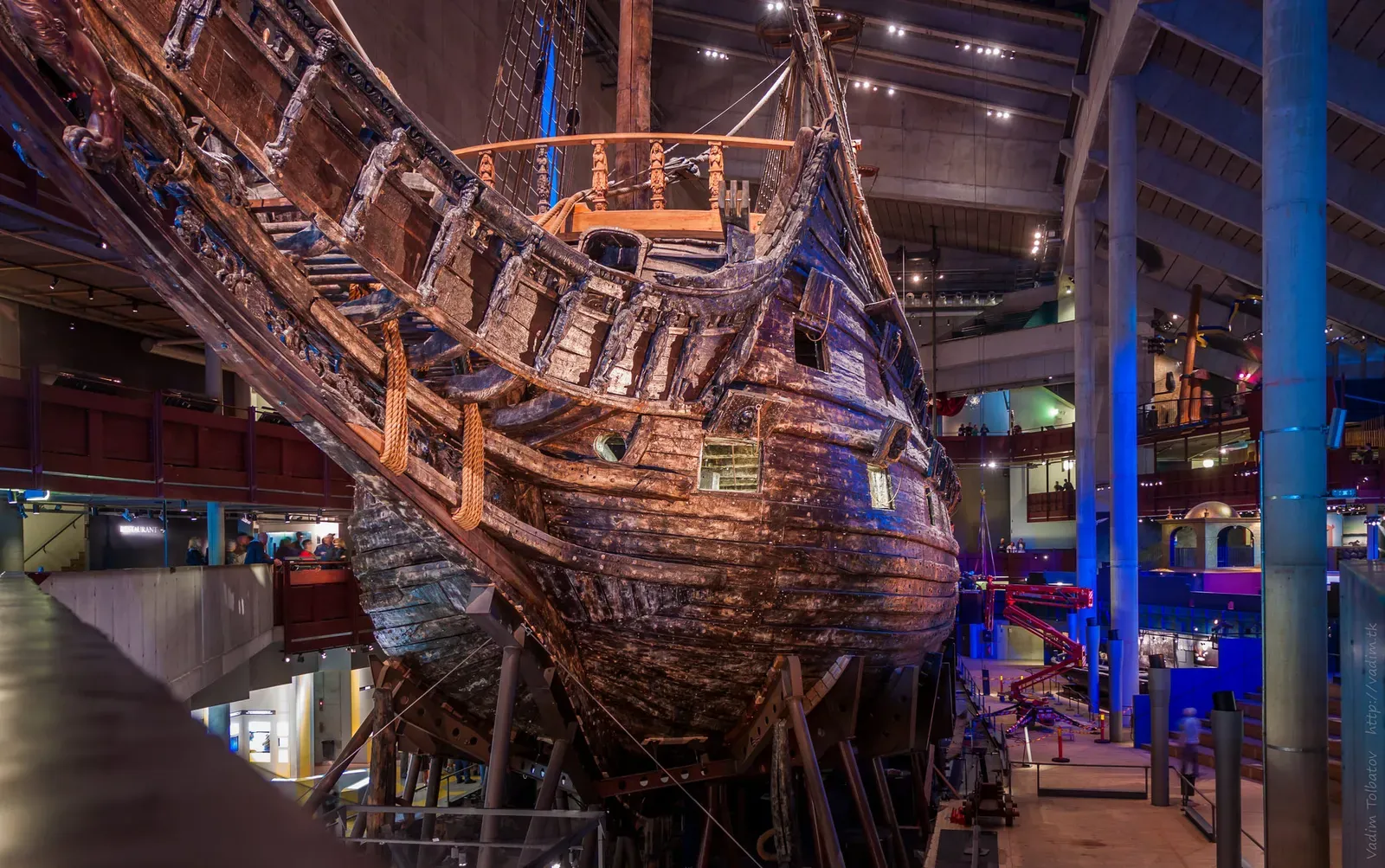
The Vasa, launched in 1628 in Sweden and sunk almost immediately, is famous for its instability. What gets less attention is how startlingly advanced it looks in the bigger story of Northern European warship design. Vasa’s surviving hull shows a massive, multi-decked gun platform, heavily framed structure, and sculpted hydrodynamics that line up more with later 17th- and even early 18th-century capital ships than with supposedly “early” gun-carrying vessels.
This is exactly why Vasa is the perfect closer for this list. The so-called “age of the line-of-battle ship” is usually dated after Vasa sank, yet here’s a vessel already carrying that DNA – broadside weight, vertical center of gravity, structural reinforcement for heavy artillery – even though the shipwrights miscalculated and paid for it within minutes of setting sail. Vasa proves the technical tradition of big-gun ships was running ahead of the written tactical tradition, not following it. It’s a disaster, yes, but a disaster that reveals exactly how far ahead the builders were reaching.
The Bottom Line
Taken together, these 12 wrecks don’t just tweak our timelines – they expose a deeper bias. We keep assuming shipbuilding traditions begin when we first write about them or draw them, but the wood keeps saying otherwise. Over and over, the best-preserved wrecks already look mature, as if we’ve walked into a movie halfway through and mistaken the middle for the opening scene.
The real pattern here is that innovation happens quietly, in workshops and harbors that leave no texts behind, and we only notice how wrong our “origin stories” were when something sinks in exactly the right conditions to be found centuries later. Some readers will insist these ships are outliers. I’d argue the opposite – they’re a representative sample of a past we’ve systematically underestimated. If a handful of lucky wrecks already look this far ahead of schedule, imagine what’s still buried, rotted, or waiting to be found.
Did we skip a wreck, or do you disagree with where one belongs on this list? Drop your take in the comments and defend your timeline.