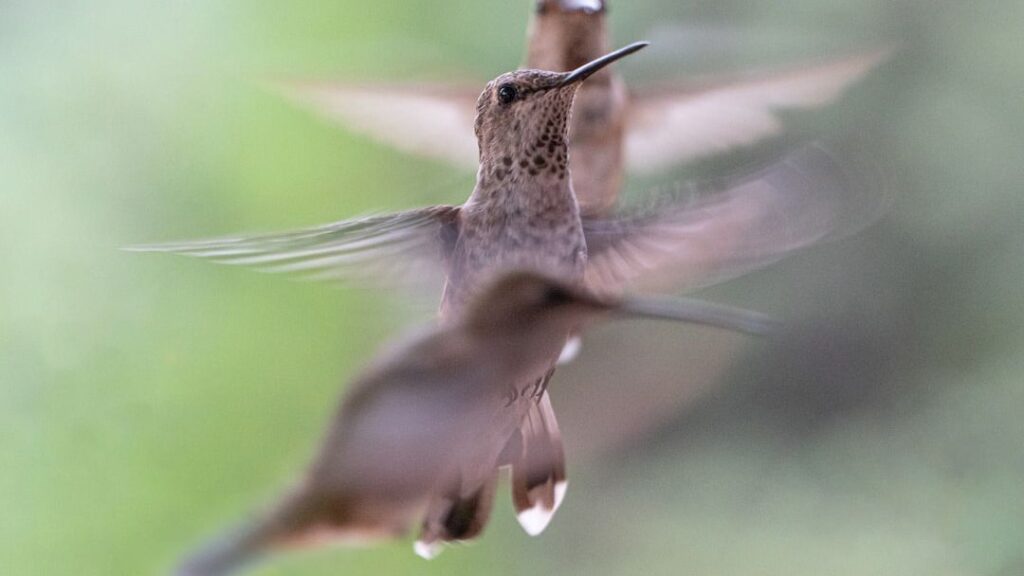
If you have ever watched a hummingbird, you know how strangely intense they are. Their wings blur, their hearts pound faster than a racing engine, and yet they seem to sense the world around them in a way we barely understand. Now imagine this: the sky goes oddly quiet, the air turns heavy, and somewhere on a nearby feeder a hummingbird suddenly changes its behavior, as if it just read the weather report before you did. That eerie moment, right before a tornado, might be telling us more than we realize.
Scientists are beginning to piece together how birds respond to severe storms, but when it comes to hummingbirds, the evidence is still early, scattered, and full of mystery. We do know that many birds react to changes in air pressure, wind, and sound long before humans notice anything is wrong. With hummingbirds, those reactions are likely to be subtle, fast, and easy to miss unless you are watching very closely. What follows is a grounded, best-available look at twelve things hummingbirds are likely to do in the minutes leading up to a tornado, based on what we know about bird biology, storm behavior, and how these frantic little dynamos survive on the edge of exhaustion.
1. Sudden, Intense Feeding Bursts
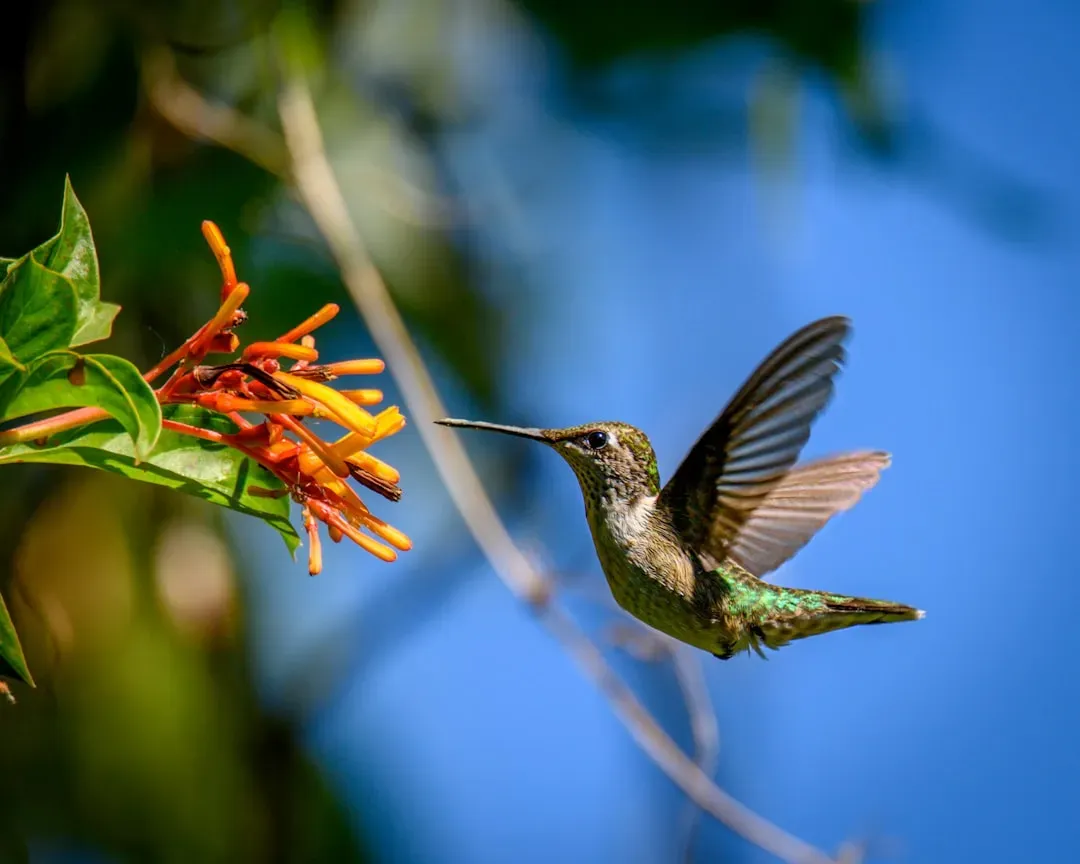
One of the most plausible things hummingbirds do before a violent storm is ramp up their feeding in a short, frantic burst. Hummingbirds live almost hour to hour on razor-thin energy margins, so if something in the environment hints that flying or foraging is about to get harder, grabbing extra fuel quickly makes a lot of survival sense. Bird researchers have long known that many species increase feeding before a cold front or heavy rain, and it would be surprising if hummingbirds were an exception.
Right before a tornado, the sky can darken, the wind can shift, and the air pressure can fall – all signals that could push a hummingbird into a last-minute fueling spree. You might see them hit feeders or flowers in fast, repeated visits, barely pausing between sips. It is a bit like a driver topping off the gas tank after seeing storm clouds on the horizon. There is not a giant stack of hummingbird-specific tornado studies yet, but their basic physiology strongly supports this idea: when the world suddenly looks risky, they grab sugar first, ask questions later.
2. Abrupt Drop in Aerial Play and Chasing
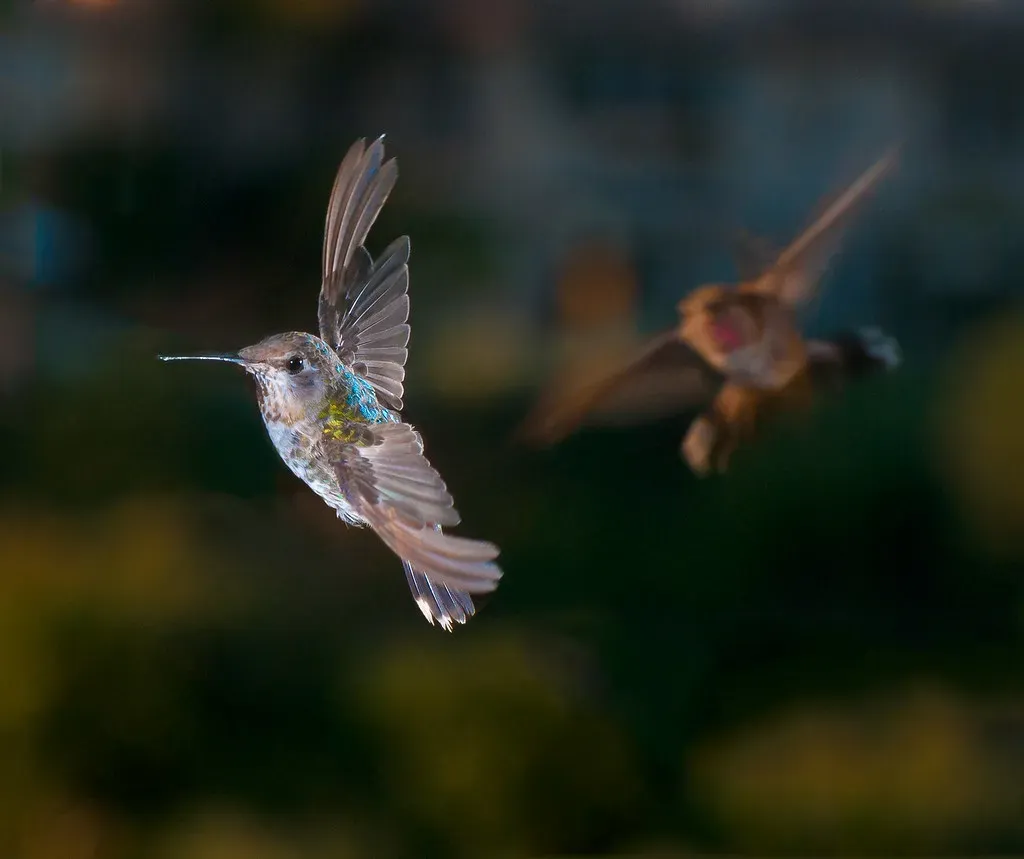
On a normal day, hummingbirds are tiny flying gladiators, wasting astonishing amounts of energy chasing each other away from feeders and flowers. Those spiraling chases and midair jousts are not just for fun; they help secure access to food and mates. But they are also optional, and optional behaviors are usually the first to vanish when conditions get dangerous. As weather worsens, you would expect hummingbirds to switch from aggressive showmanship to simple survival mode.
Minutes before a tornado, that might look like a feeder that suddenly goes quiet in a very specific way. The birds may still feed, but the wild acrobatics and noisy chasing drop off sharply, replaced by short, efficient visits. It is a bit like a busy café that goes from chatting and laughter to quick, quiet takeaway orders when everyone spots the storm rolling in. Scientists studying other birds have documented similar shifts from display behavior to pure foraging when storms approach, and it stands to reason that hummingbirds follow the same basic survival script.
3. Shifting to Low, Sheltered Perches
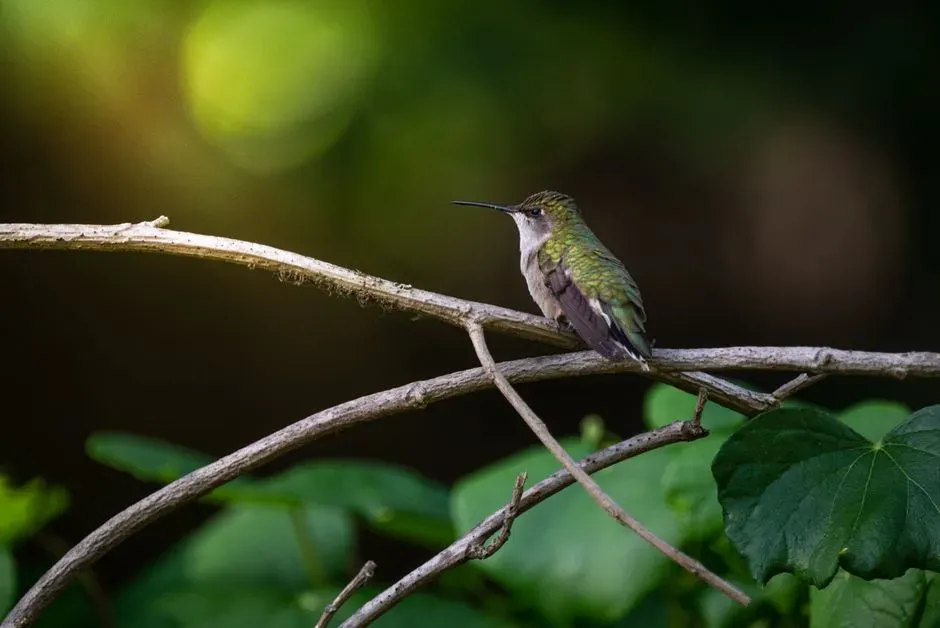
Hummingbirds spend more time perched than most people realize, especially when they are digesting huge sugar loads. As severe weather approaches, those perches become a life-or-death decision. Instead of sitting exposed on the highest twig with a good view, a hummingbird is more likely to move to lower, denser cover where wind and flying debris have less force. In many birds, this kind of microhabitat choice changes quickly as soon as wind speeds pick up or the first heavy gusts arrive.
Right before a tornado, this could look like hummingbirds melting into shrubs, hedges, or the leeward side of trees, vanishing from their usual open display branches. You might not see them at all unless you are deliberately checking sheltered foliage. The logic is simple and deeply rooted in bird behavior: when the sky turns hostile, visibility and status displays no longer matter as much as staying out of the direct blast. Even if we do not have a neat dataset labeled “hummingbird perches in tornado minutes,” the combination of their fragility and what we know about bird sheltering makes this shift very likely.
4. Hyper-Attentive Scanning and Startle Responses
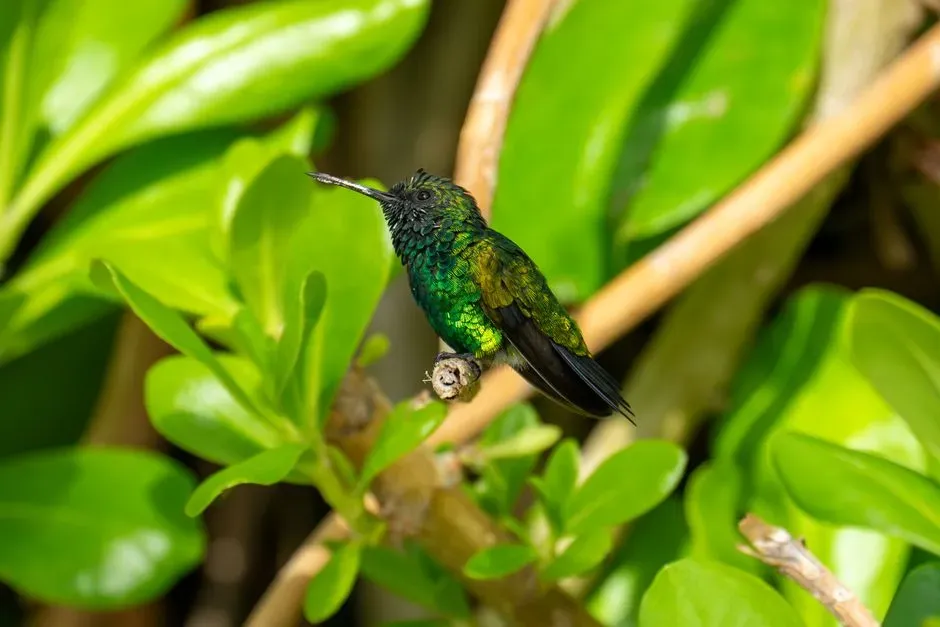
Hummingbirds already seem jumpy compared to most birds, but under threatening conditions, that alertness can sharpen even more. Many animals become hypersensitive to motion, sound, and shadows when a storm is close, likely because their brains have learned that chaos is coming. For a bird that can be blown around by a stiff breeze, that means every gust and creak matters. Researchers have seen birds of other species react strongly to subtle environmental changes well before humans feel more than a gentle breeze.
In the minutes before a tornado, you might notice a hummingbird pausing mid-feed more often, jerking its head to scan the sky, or abandoning a feeder at the slightest noise. What once looked like normal wariness can dial up into something that feels almost nervous. Imagine drinking coffee on a patio while constantly glancing over your shoulder because you hear distant sirens; that is the kind of behavioral shift we are probably seeing here. While such responses are hard to measure in the wild, they fit neatly with what we know about animal stress and risk detection.
5. Taking Advantage of the Last Calm Air
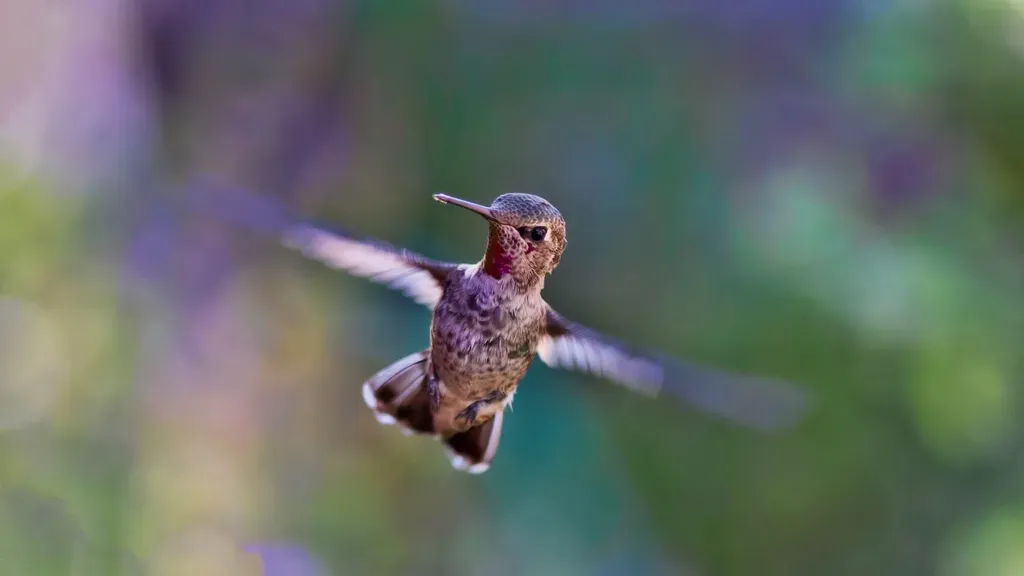
One eerily consistent thing about severe storms is that there can be a strange, heavy calm right before the most violent part hits. For flying animals, this short window of relatively smooth air is precious. Hummingbirds may use those last calm minutes to reposition themselves strategically, flying to better shelter or to a final feeding spot before the air becomes too dangerous to navigate. Studies on other birds and insects show that many species shift flight paths or speeds rapidly as wind conditions change, trying to squeeze in critical movements.
During that window, you may notice hummingbirds making more direct, purposeful flights rather than wandering or looping around. They might head straight from a feeder to thick vegetation, or from a flower patch to a reliable roosting area. It is the avian version of running that one last errand just before the storm hits, only they are betting their survival on it. While we lack high-speed tracking data specifically tied to tornado arrival for hummingbirds, these kinds of last-minute, targeted flights align with broader patterns seen across storm-sensitive wildlife.
6. Subtle Vocal and Wing-Sound Changes
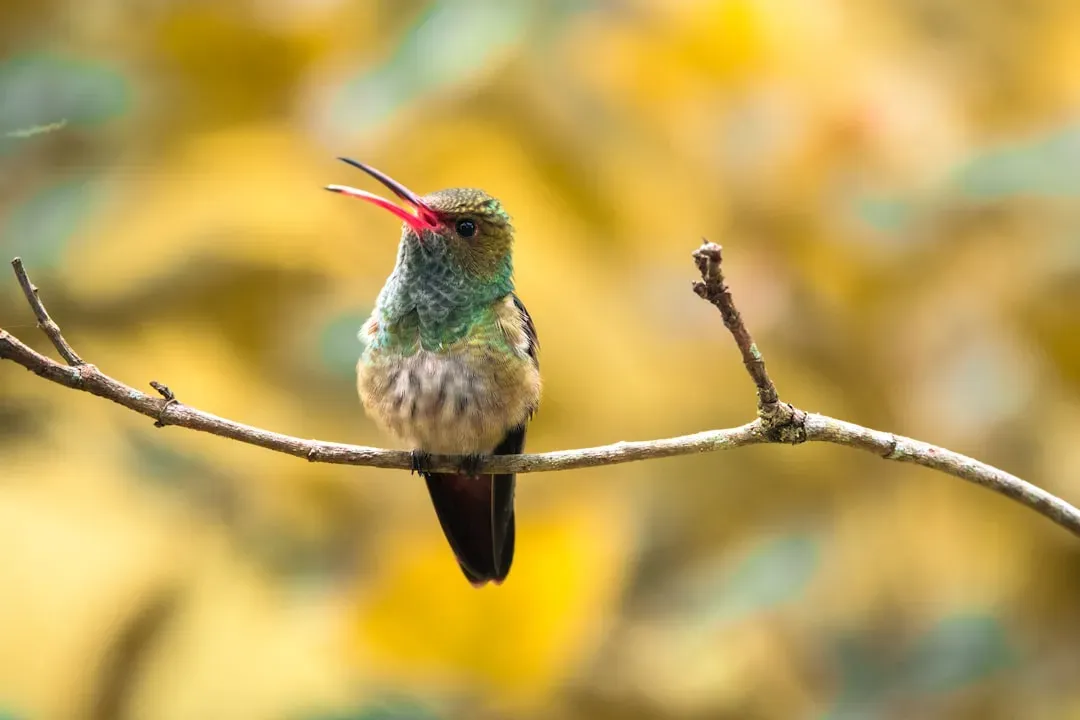
Hummingbirds do not sing elaborate songs like many other birds, but they do produce tiny calls and distinctive wing sounds. As a storm approaches and the air pressure drops, sound can behave differently, and animals may adjust how much noise they make. Many birds get quieter during threatening conditions, likely to avoid drawing attention or simply because they shift out of social and mating mode. With hummingbirds, that could mean fewer sharp call notes and less display buzzing around feeders in the minutes before a tornado.
Fans of hummingbirds sometimes notice that the usual background whir and chatter falls off oddly before big storms, though those observations are mostly anecdotal. Even so, they match a common pattern in nature: when danger looms, communication often switches from loud and showy to sparse and essential. If you are listening closely, the pre-tornado soundscape might feel muffled, as if someone turned down the volume on the yard, and the hummingbirds are part of that hush. Scientists are only beginning to study these small-scale acoustic changes in detail, but the idea fits with both physics and behavior.
7. Micro-Migrations Out of the Worst Zone
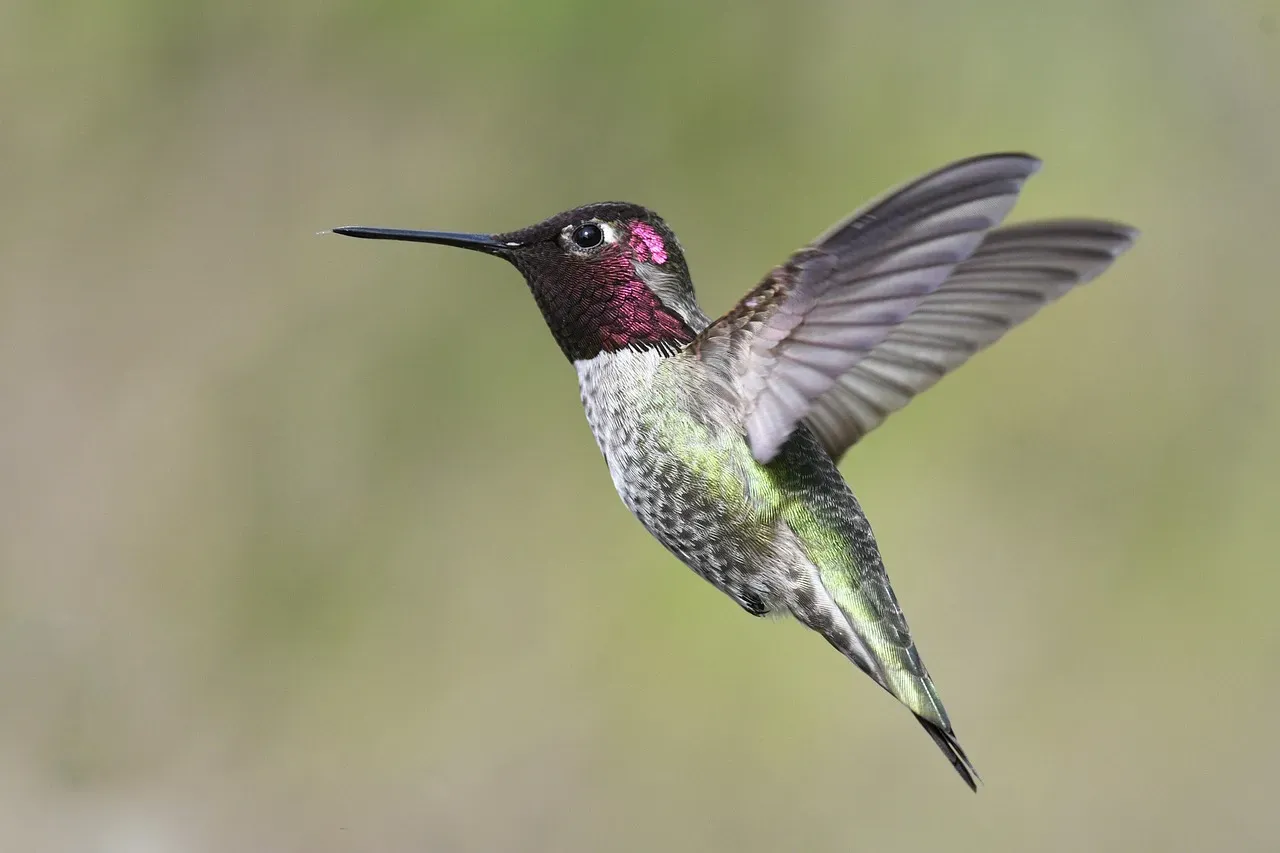
We know that some larger birds can adjust their migration routes to avoid huge storm systems, sometimes diverting hundreds of miles. Hummingbirds obviously cannot do something that dramatic in just a few minutes, but they might pull off a much smaller version of the same strategy. If they sense changing pressure, shifting winds, or the low rumble of a distant storm, they may quietly drift out of the most dangerous micro-area before the rotating funnel forms overhead. Even a move of a few hundred yards could mean the difference between safety and getting caught in extreme turbulence.
To human eyes, this might look like the hummingbirds simply “disappearing” from your garden in the period before a tornado, only to show up again once the weather passes. It is easy to dismiss that as coincidence, but small, local re-positioning is a known tactic in many species. Think of it like ducking out of the center of a busy city block when you see a crowd forming; you are not leaving town, just sidestepping potential chaos. Given how light hummingbirds are and how quickly they can move, micro-migration away from the most exposed spaces is a highly plausible pre-tornado response.
8. Rapid Shifts in Heart Rate and Metabolism
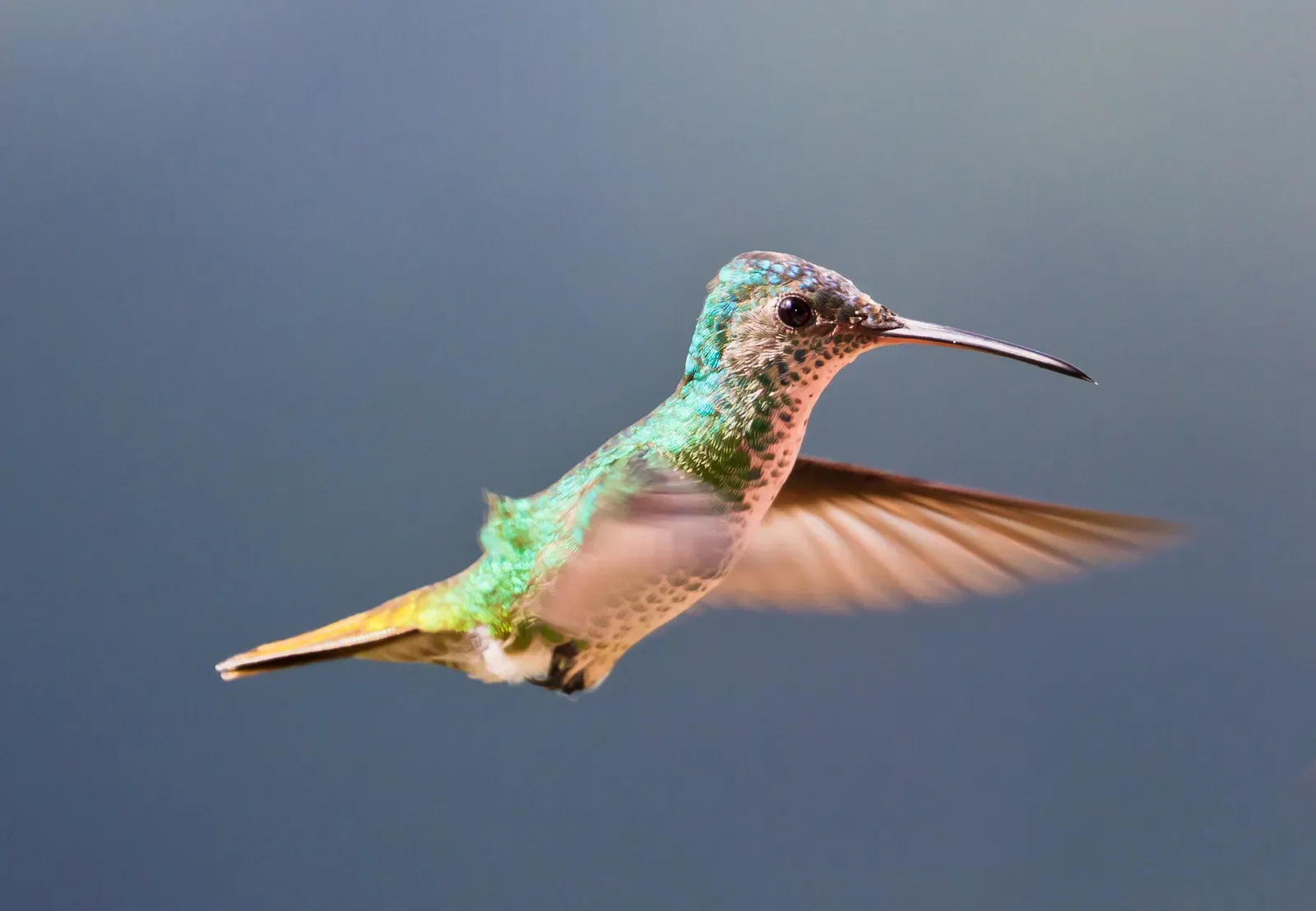
Hummingbirds already run on what feels like permanent overdrive, with heart rates that can rocket when they are active and drop dramatically when they rest. Under stress, those physiological numbers can swing even more. As severe weather closes in, their bodies are likely responding internally long before we see anything obvious outside. Changes in air pressure and temperature can act as cues, triggering hormone shifts that raise alertness and tweak how energy is used, something scientists have measured clearly in other bird species.
In the minutes leading up to a tornado, this might mean a hummingbird’s heart and breathing speed up as it fuels up and prepares for rapid movement, then gradually settle as it tucks into shelter and minimizes motion. Humans do something similar without thinking: your heart pounds as you rush to secure outdoor furniture, then slows once you are huddled in a safe room. We cannot measure these shifts in a wild hummingbird sitting in a backyard shrub just yet, but lab studies on their metabolism and the broader bird research scene give strong reasons to think this internal storm prep is happening behind the scenes.
9. Entering Brief, Energy-Saving Micro-Rests
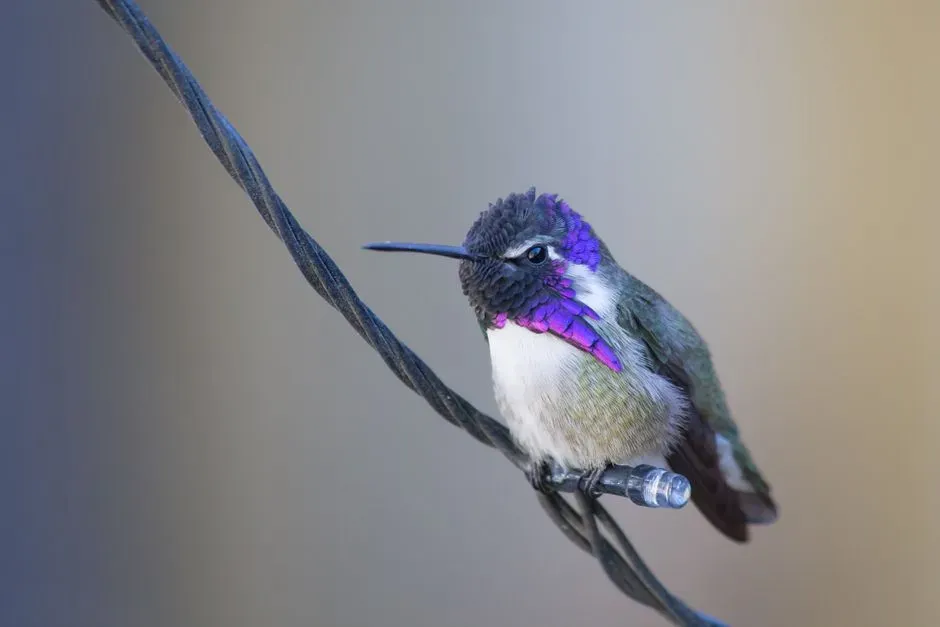
Hummingbirds are famous for entering torpor, a kind of mini-hibernation that saves energy overnight or in bad conditions. While full torpor is usually a longer, deeper state, there is growing interest in the idea that birds might also use much shorter, lighter versions when energy needs spike suddenly. Right before or right after a major storm, those micro-rests could be critical for survival, especially if feeding opportunities drop. An intense burst of activity followed by stillness would fit this pattern perfectly.
In a pre-tornado context, that might show up as a hummingbird that feeds aggressively for a few minutes, then disappears into dense foliage and becomes almost motionless for a short stretch. To a casual observer, it may simply look like the bird “vanished,” but in reality it could be sitting with eyes half-closed, muscles relaxed, and energy use dialed back just a notch. It is similar to a human taking a quiet, eyes-shut pause after frantically preparing a house for a storm. Scientists are still unraveling the fine details of torpor and micro-rests, but the idea that hummingbirds use every trick they have to ride out stressful conditions is very well supported.
10. Hugging the Leeward Side of Structures and Vegetation
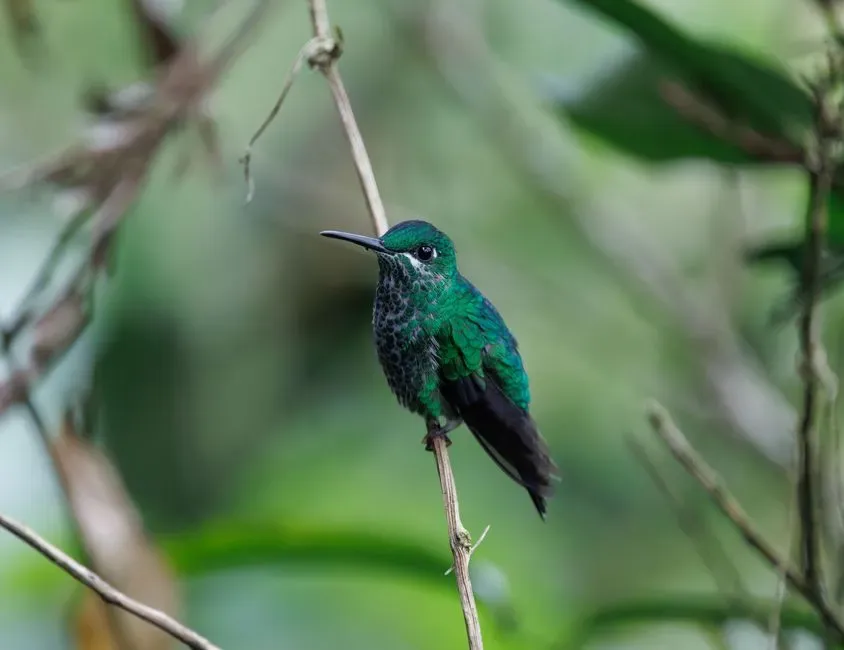
In high winds, there is always a calm side and a brutal side of any obstacle. The sheltered, or leeward, side of trees, fences, and walls can be dramatically safer, with reduced wind speeds and less flying debris. Many birds instinctively move to these protected zones as wind intensity climbs, and hummingbirds, being so tiny, have even more to gain from doing so. You can sometimes see them duck behind a feeder pole or cling to a branch that is tucked inside a dense bush instead of the outer twigs.
Minutes before a tornado, that pattern is likely to become much more pronounced. The visible hummingbirds might be only the ones making emergency dashes to a feeder, while the rest are jammed into every small pocket of calm air they can find. Think of kids diving behind sturdy furniture during a sudden indoor storm drill; the instinct is the same, only here the furniture is a wall of leaves or the back side of a sturdy tree trunk. Even without direct tornado-specific data, the physics of wind and the observed behavior of birds in gales make this leeward-hugging strategy an almost certain part of their playbook.
11. Dropping Height and Staying Closer to the Ground
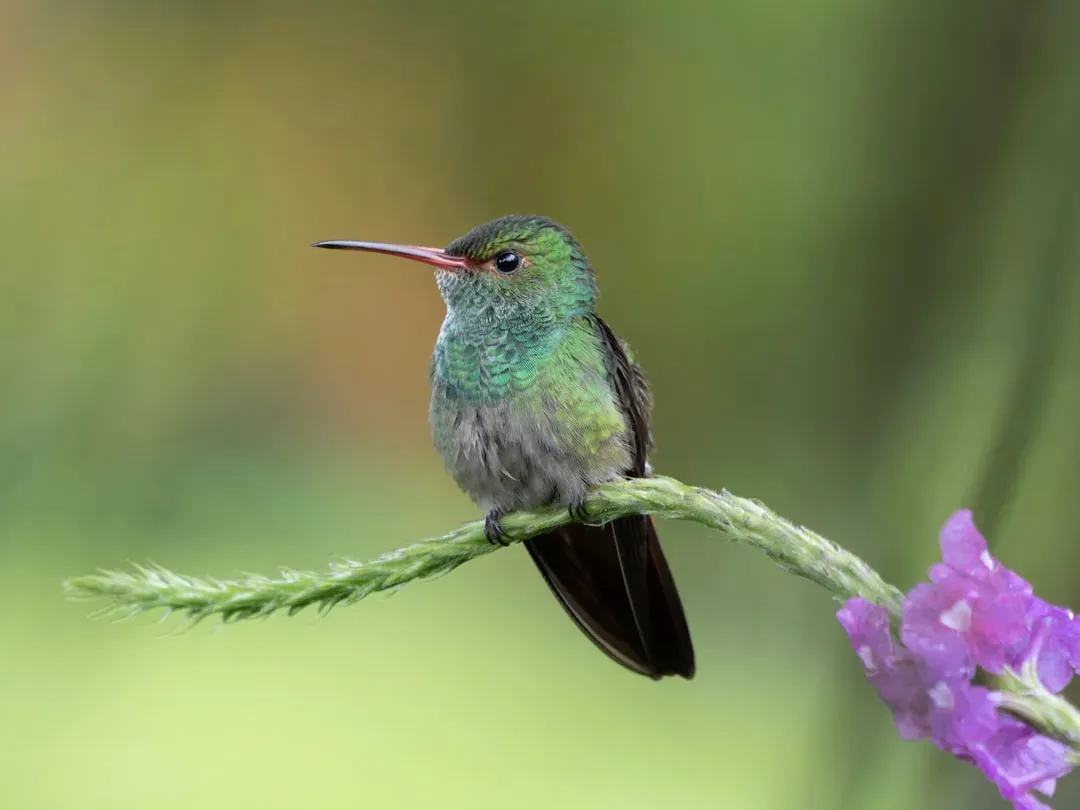
In dangerous weather, altitude is risk. Strong winds increase with height, and the air near the ground, especially where there is vegetation, is often a bit calmer. Many bird species naturally drop to lower levels when storms roll in, trading the broader view for more stable air. For a hummingbird, moving just a few meters down from an exposed tree crown to a mid-level shrub or even lower can reduce how much they are tossed around by gusts.
In the tense moments before a tornado, this might mean you see fewer birds zipping across the top of your yard and more flitting just above the level of hedges or under eaves. Some may even take advantage of human structures: under decks, beneath porch roofs, or close to sheltered windows. It is the bird world’s version of moving from the rooftop to the basement when the sirens start. While direct tornado-behavior studies for hummingbirds are extremely limited, this low-flying, low-perching response follows well-known storm strategies seen across many small, flight-sensitive animals.
12. Vanishing From View Altogether
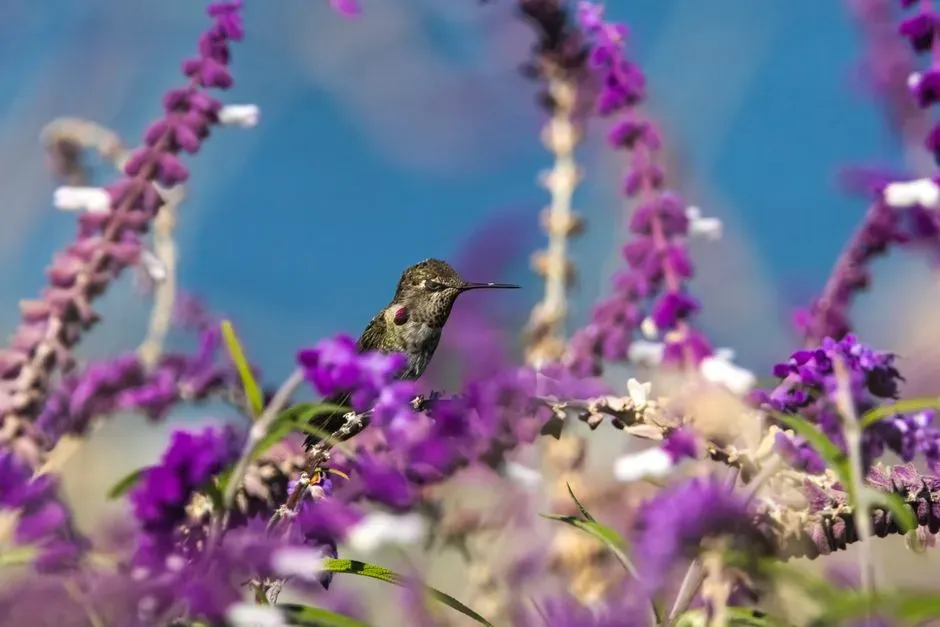
Perhaps the most striking thing hummingbirds do before a tornado is something that feels almost supernatural: they just stop being visible. One moment the feeder is buzzing; the next, there is nothing, as if someone flipped a switch. While it is tempting to turn that into a mysterious legend, the more grounded explanation is that a combination of all the behaviors above – sheltering, quieting, dropping low, and micro-migrating – simply pulls them out of human sight. We often underestimate how many hiding spots exist within a single tree or shrub.
From a survival perspective, vanishing is the ultimate goal. If no predator, gust, or flying branch can easily find you, your odds go up. I have had storm days where the yard went oddly silent, only to find a hummingbird tucked deep in a dense shrub hours later, perfectly fine and back to normal feeding. That personal experience made me see these birds not just as delicate ornaments, but as hardened storm survivors using every scrap of instinct they have. When the sky turns green and the air goes still, their disappearance is not magic – it is strategy.
Conclusion: Tiny Birds, Huge Survival Instincts
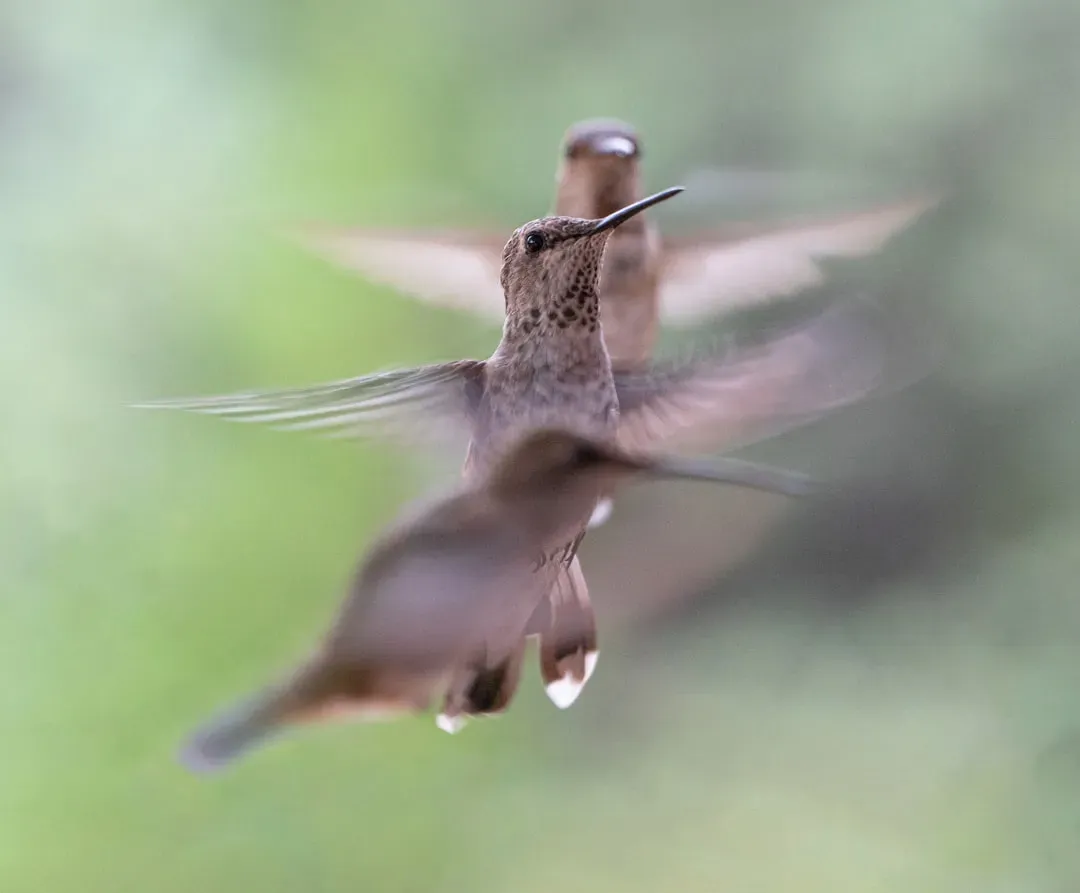
When you put all these pieces together, a clear picture starts to form: hummingbirds are not clueless victims of severe weather, but highly tuned survivors responding minute by minute to a changing sky. The exact details of what they do in the final minutes before a tornado are still being worked out by researchers, and anyone claiming a perfect, step-by-step “tornado script” for hummingbirds is getting ahead of the evidence. But the mix of elevated feeding, sudden quiet, shifting perches, and strategic vanishing lines up strongly with what we know from broader bird research and from countless careful observers watching feeders as storms roll in.
My own opinion is that we have been underestimating these birds for a long time. We admire their color and speed, but we rarely think about the hard, gritty survival decisions happening behind those glittering feathers. As scientists refine trackers, weather-linked datasets, and high-speed cameras, we will likely find that hummingbirds are even more sensitive to approaching storms than we imagined. Until then, the next time your feeder goes strangely silent right before a warning alert, you might wonder if the hummingbirds “knew” before you did. Would you have guessed such tiny wings could be such skilled storm navigators?