
Every time you hear about a new Egyptian tomb discovery, you usually get the polished press release: a few golden objects, some mummies, maybe a priest with an impressive title. What you rarely see is the messy, confusing, sometimes unsettling material that archaeologists actually confront during those first hours underground. In many cases, early field notes, photos, and preliminary finds are kept internal for years, partly to protect the site, partly because nobody is entirely sure what they are looking at yet.
That gap between what’s found and what’s finally announced to the public is where your imagination tends to run wild. Secret rooms, hidden scrolls, forbidden rituals – popular culture fills in the blanks with fantasy. The real story is different but in many ways more fascinating. When you look closely at documented excavations, diaries, and delayed publications, you see a pattern: fragile, controversial, or easily misunderstood finds often get locked down until experts can slowly, carefully figure them out. Here are twelve kinds of discoveries that really did go quiet for a while before the official reports finally surfaced – and what they say about how you, today, understand ancient Egypt at all.
1. Hidden Side Chambers Behind “Finished” Burial Rooms
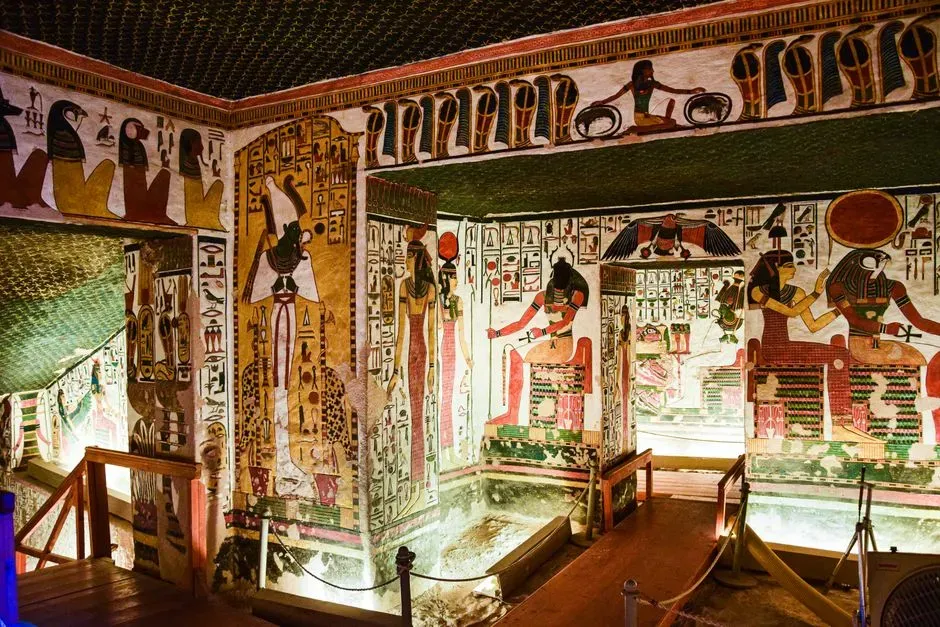
You might assume that once a tomb chamber is cleared, the story ends, but some of the most surprising finds came decades later when teams re-examined “finished” tombs and spotted anomalies in the walls. Sometimes a plastered surface rang hollow when tapped, or new scanning technology revealed puzzling voids behind painted scenes. At first, these possibilities were often kept off the record, mentioned only in internal memos or technical talks because no one wanted to promise a “new chamber” and end up with a natural crack in the rock.
When a team suspects a hidden room, they have to move painfully slowly: non-invasive scans, debates over whether to drill a tiny hole, fears of damaging priceless art. You see the same pattern again and again: initial excitement, then silence while everyone argues in private, and only much later do you get a formal paper or statement that confirms, downgrades, or rejects the find. In the meantime, what was once just a rumor of a void behind a pharaoh’s wall can quietly shape research priorities and funding, long before you ever hear a word.
2. Unfinished And Reused Coffins That Complicate the Story
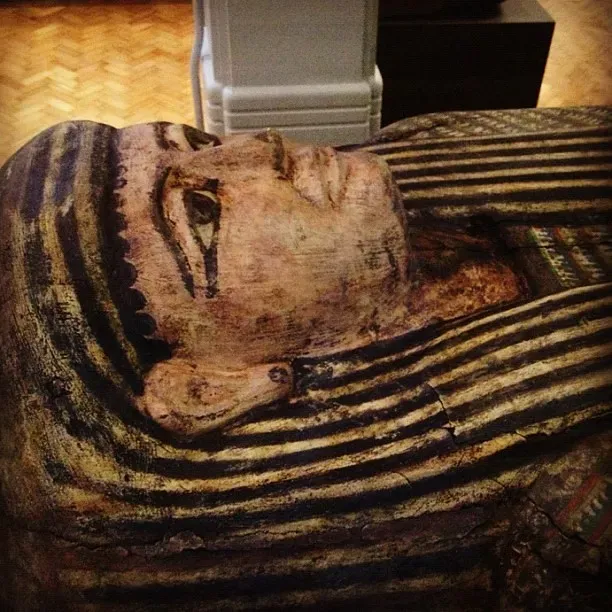
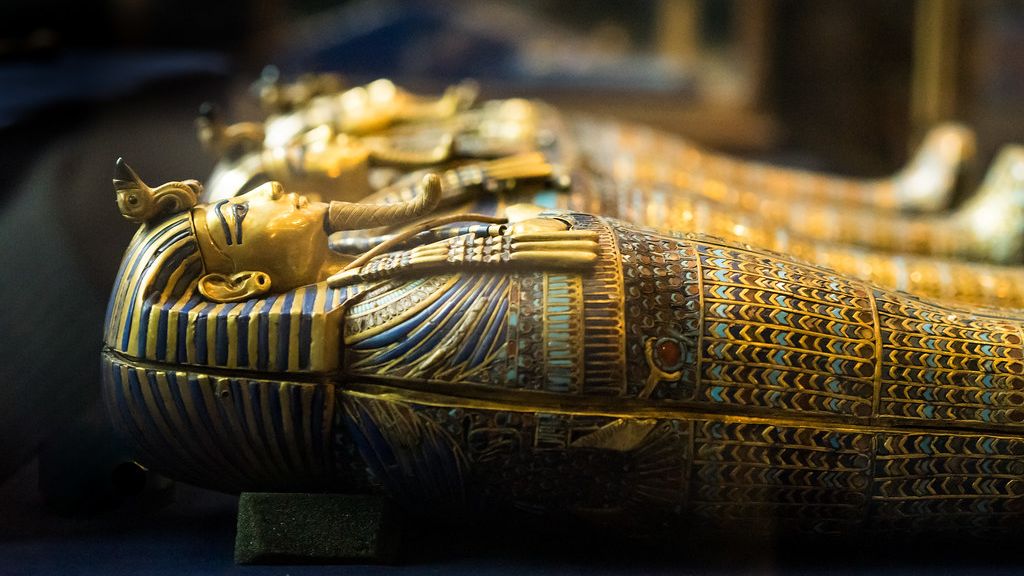
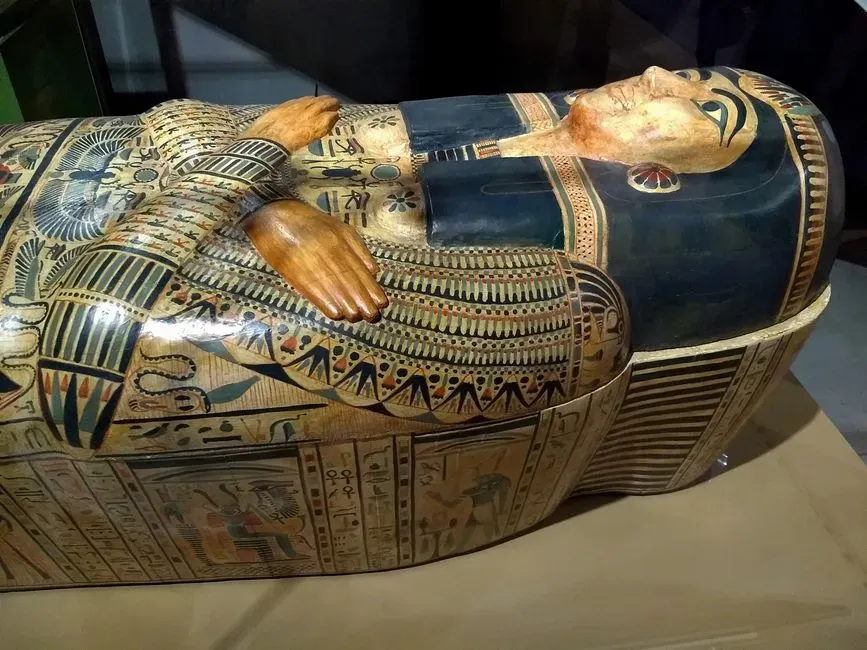
When you picture an Egyptian coffin, you probably imagine a perfectly painted, purpose-built box made for one elite person. In reality, archaeologists increasingly find coffins that were recycled, repainted, or never fully finished – and these pieces can be awkward for early reports because they blur neat stories about an owner’s identity. You sometimes get hieroglyphs half-chiseled away or one name clumsily written over another, hinting that someone literally rewrote the dead person into an old box when times were rough.
In the first press releases, you might only see the final attribution: “coffin of X.” But in the confidential conservation photos and lab notes, you would notice ghostly earlier inscriptions peeking through under new paint or plaster. That kind of detail is slow to study and easy for the public to misinterpret as fraud or scandal, so it often stays in the background until scholars have spent years analyzing paint layers, pigments, and carving styles. When it finally emerges in print, you suddenly realize that what looked like a stable burial story is actually a tale of economic pressure, religious flexibility, and sometimes quiet tomb robbery from within the same community.
3. Strange Organic Residues in Sealed Jars
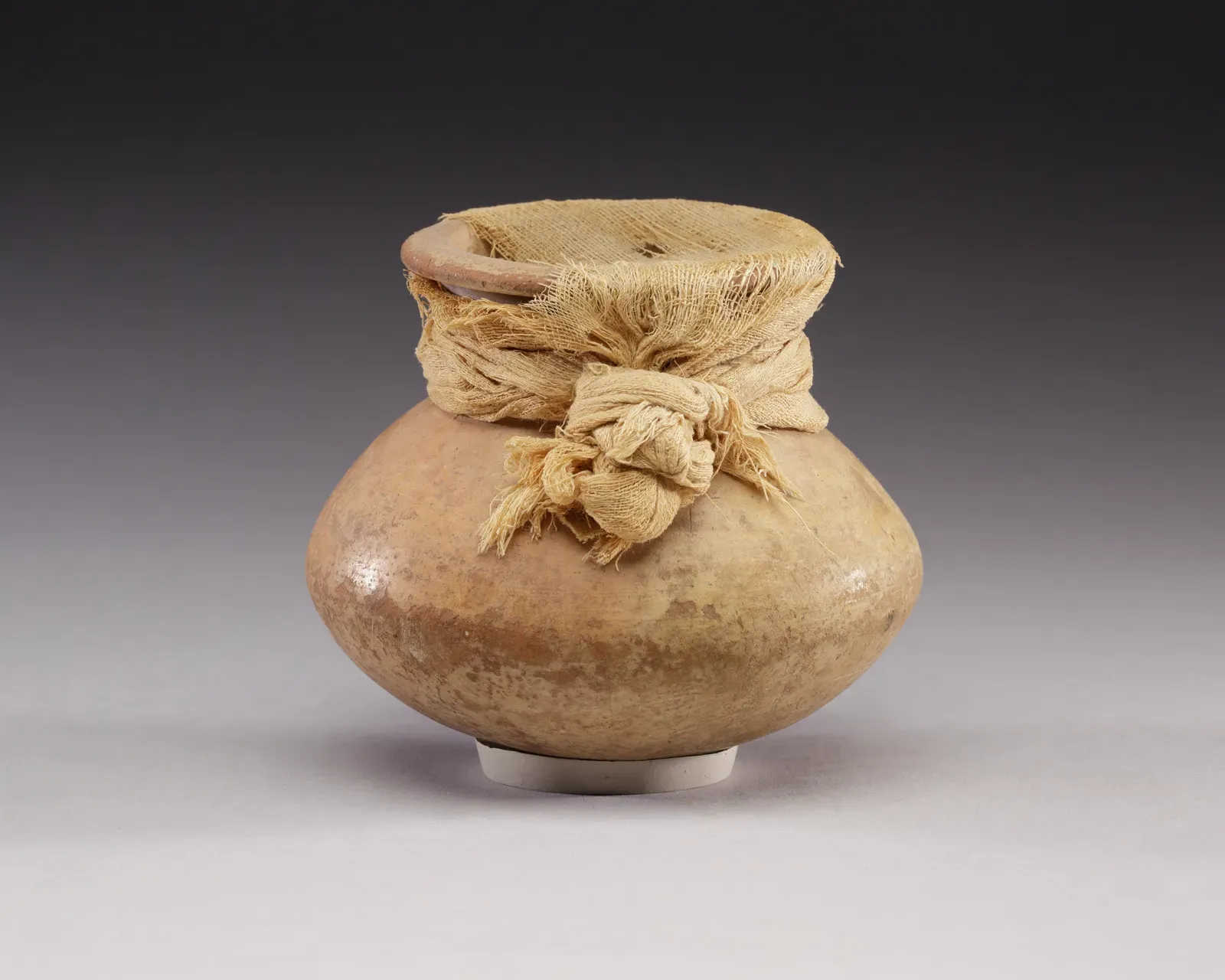
If you love the idea of “ancient recipes,” sealed jars in tombs sound like a dream. But when archaeologists open them, they frequently face sticky, unidentifiable gunk that smells awful and defies quick explanation. Early on, these residues were often towed away to storage or labs with almost no fanfare, because nobody wanted to announce that they had discovered sacred perfume only to learn later that it was half-decayed animal fat or a mixture of several substances that made no sense.
In recent years, chemical analyses have quietly transformed those old mystery jars into some of the most valuable evidence you have about daily life, trade, and ritual. You get traces of plant oils, animal products, resins from distant lands, even hints of ingredients that would have been breathtakingly expensive in their own time. The reason you rarely hear about these finds immediately is simple: lab work takes ages, methods keep improving, and early data can be wildly misleading. So the jars wait in the dark, just as they did in the tomb, until the science finally catches up.
4. Personal Items That Feel Uncomfortably Intimate
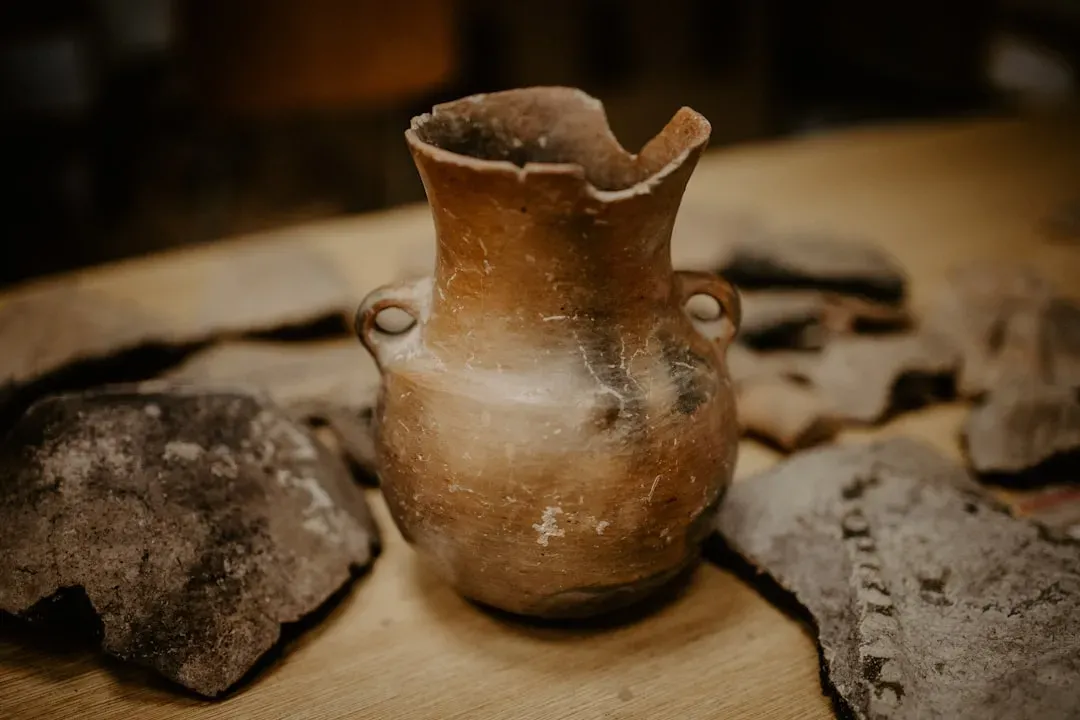
Inside many tombs, you find objects that are not just “grave goods” in the abstract but deeply personal belongings: used cosmetics, worn sandals, children’s toys, even garments with sweat stains still visible under the right lighting. Faced with these items, excavators sometimes react with a kind of quiet unease. It is one thing to show off a golden mask to the world; it is another to display the frayed edge of someone’s everyday clothing that they expected never to be seen again by the living.
Because of that, personal objects are often underreported in early announcements, mentioned vaguely as “textiles” or “toiletry items.” Only in later, more detailed publications do you get the tenderness of a carefully repaired sandal strap or a comb clogged with ancient hair. When you finally read those descriptions, you feel the distance between you and the dead collapse a bit. It is no surprise that some teams take their time deciding how much of that intimacy they are willing to turn into public spectacle.
5. Graffiti and Marginal Notes Left by Ancient Work Crews
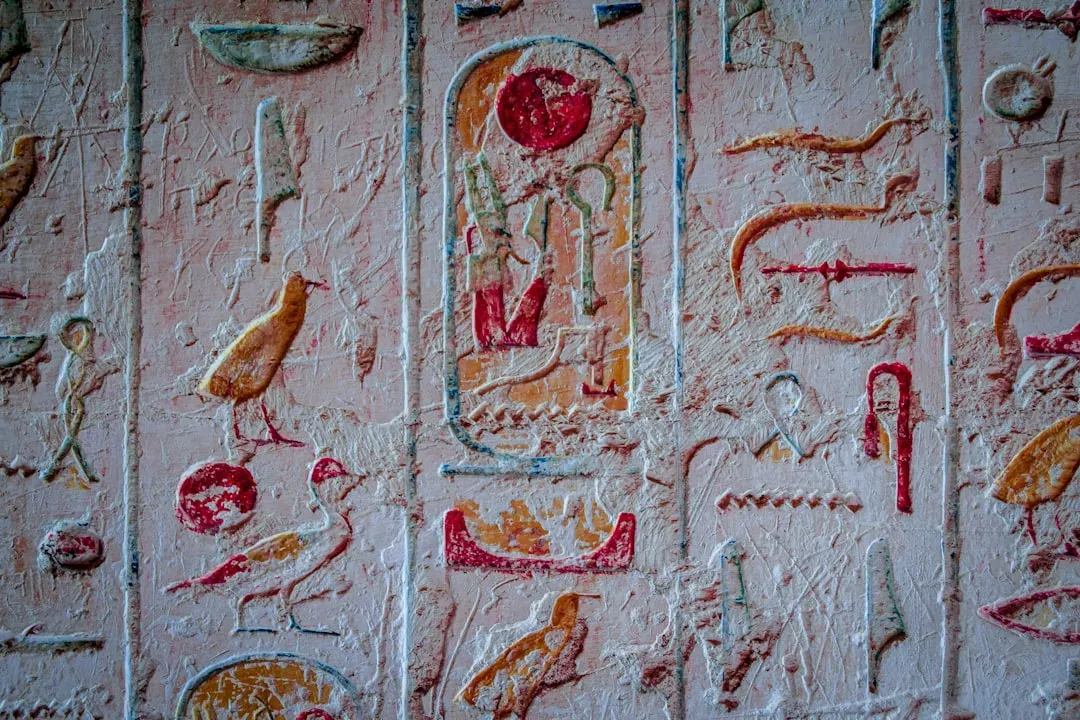
Behind the polished art of tomb walls, you often get something rawer: worker graffiti scratched into plaster, quick sketches of animals, snatches of private jokes, or tally marks counting work days. At first, these small markings can look like noise – irrelevant scrawls compared to the grand religious texts – so they rarely make it into headline announcements. Sometimes they are even left off preliminary diagrams, living only in field notebooks or unpublished photos.
When scholars finally publish these marks years later, they change how you see the tomb entirely. Suddenly, the monument is not just a sacred space; it is a busy building site filled with exhausted, talented, occasionally mischievous workers. You get names of individual artisans, notes about deliveries, or quick corrections that show someone catching a mistake in the decoration schedule. The delayed release is partly practical – there are thousands of tiny inscriptions to copy and interpret – but it is also about a shift in focus, from kings and priests to the ordinary people whose fingerprints still sit in the plaster.
6. Evidence of Ancient Tomb Robbery and Hasty Repairs
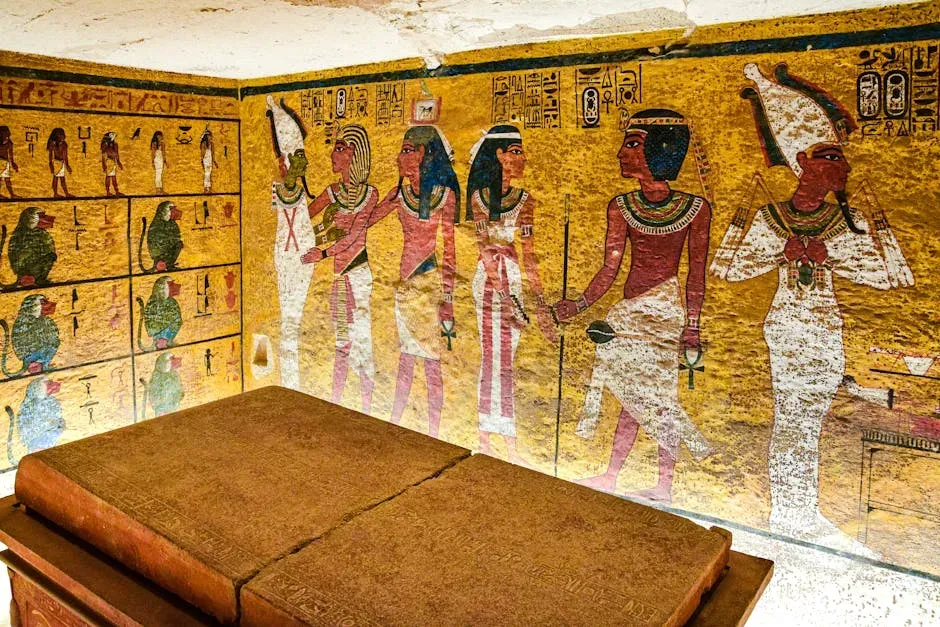
Everyone knows that many tombs were robbed in antiquity, yet when a new tomb is announced, the story you hear tends to emphasize its intact treasures, even if the reality is more complicated. Archaeologists frequently walk into a space scarred by ancient break-ins: smashed jars, torn wrappings, bones moved around, and sometimes rough patches where someone in the past tried to patch the damage. Details like broken seals, dragged coffins, or re-wrapped mummies can be very sensitive in the early days of excavation because they raise uncomfortable questions about safety, value, and even modern looting risks.
As a result, the first public statements may speak gently of “disturbance” or “secondary use,” while the gritty story goes into internal reports and photos that are not widely shared right away. Later, when the dust has settled and security is stronger, researchers can publish the full narrative: guards who failed, officials who tried to reorder the burial, or communities that reused rich tombs when their own resources were stretched. You then see the tomb not as a static capsule, but as a place that lived several lives, including one of crisis and repair.
7. Religious Texts That Challenge Simple Beliefs About the Afterlife
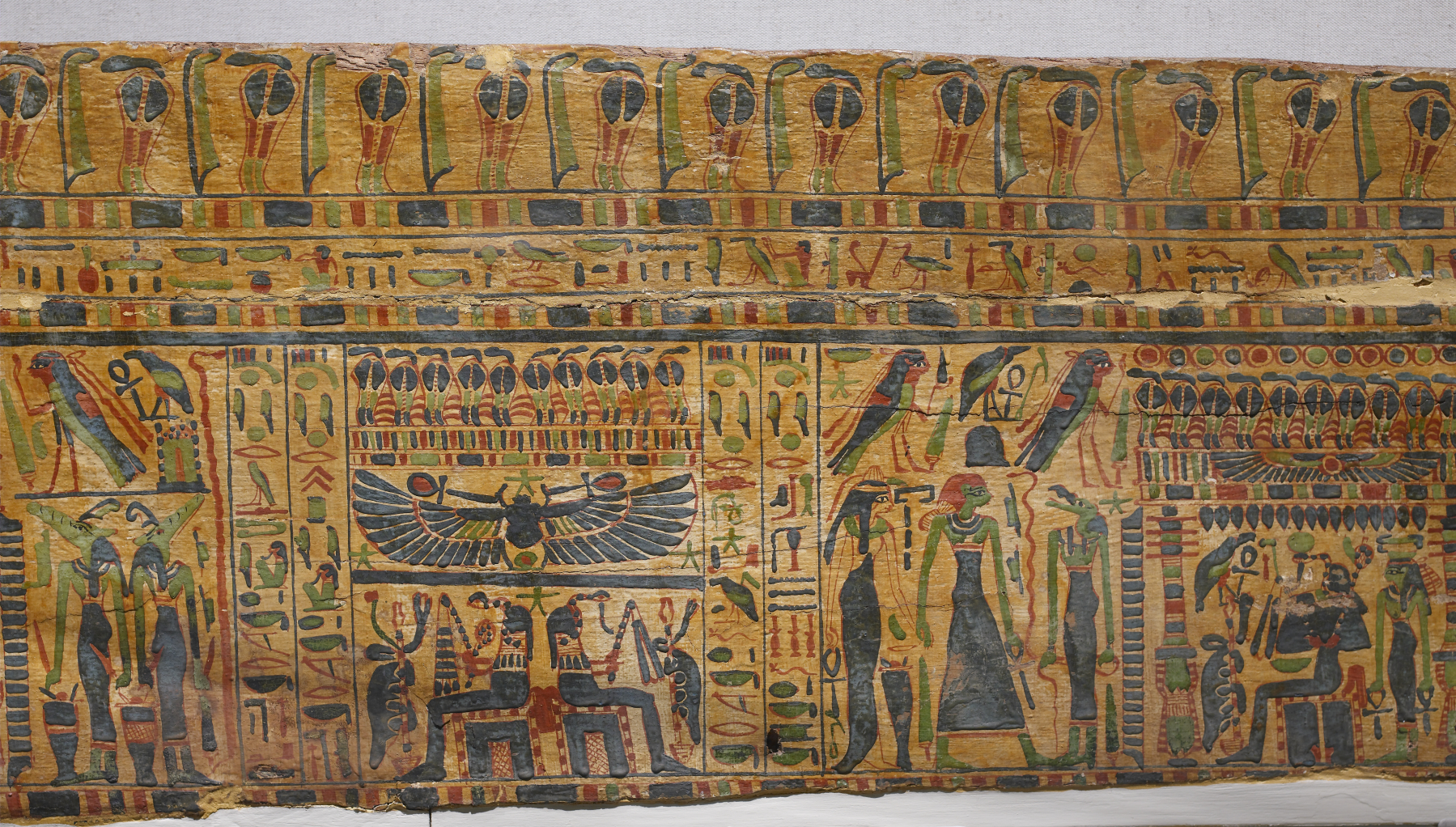
Egypt’s funerary texts – from Pyramid Texts to Coffin Texts to the Book of the Dead – look neat and systematic when you see them in museum displays or books. Inside real tombs, though, you often meet versions that are messy, experimental, or doctrinally odd. A spell might be written in an unusual order, combined with another in a way scholars have never seen, or include local names for gods that raise eyebrows. In the very early stages, these complexities can be glossed over publicly as “standard texts,” while specialists quietly puzzle over photos and drawings behind the scenes.
When the full editions finally come out, you realize how much diversity actually existed in Egyptian beliefs about death and rebirth. Instead of a single, uniform system, you see regional variations, personal preferences, and theological debates frozen in hieroglyphs on the wall. This sort of material is often sealed in academic channels for a while not because of conspiracy but because translating, comparing, and interpreting it takes a huge amount of time. Until that work is done, any broad public claims about “new revelations” would simply be guesswork, and serious researchers know better than to rush that.
8. Medical Conditions, Deformities, and Evidence of Care
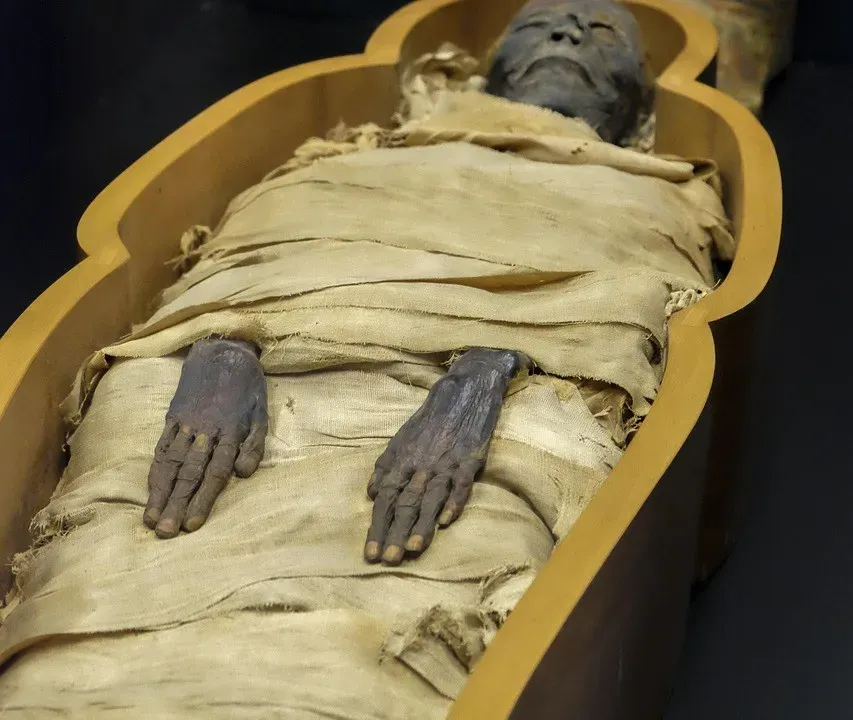
When mummies are first discovered, press coverage tends to zoom in on identity: pharaoh, priest, noblewoman, child. The more delicate topic is what their bodies actually looked like before the bandages went on. As scans and examinations progress, archaeologists sometimes find signs of chronic illness, physical disabilities, healed fractures, or even successful surgeries. This information can be incredibly revealing but also deeply personal, and for a long time it often stays in radiology reports, medical articles, or quiet conference presentations rather than splashy public announcements.
Once published, those findings give you a window into how Egyptian society treated people who were sick or physically different. You might see careful bandaging around a lifelong deformity, or evidence that a person with severe injuries lived for years after treatment, meaning someone fed and cared for them. That is a very different story from the glamorous image of perfect royal bodies wrapped in gold. The reason you typically hear about it later, not immediately, is simple respect: it takes thoughtful framing to share this kind of information without turning a real human’s suffering into a curiosity.
9. Objects That Reveal Unexpected Foreign Connections
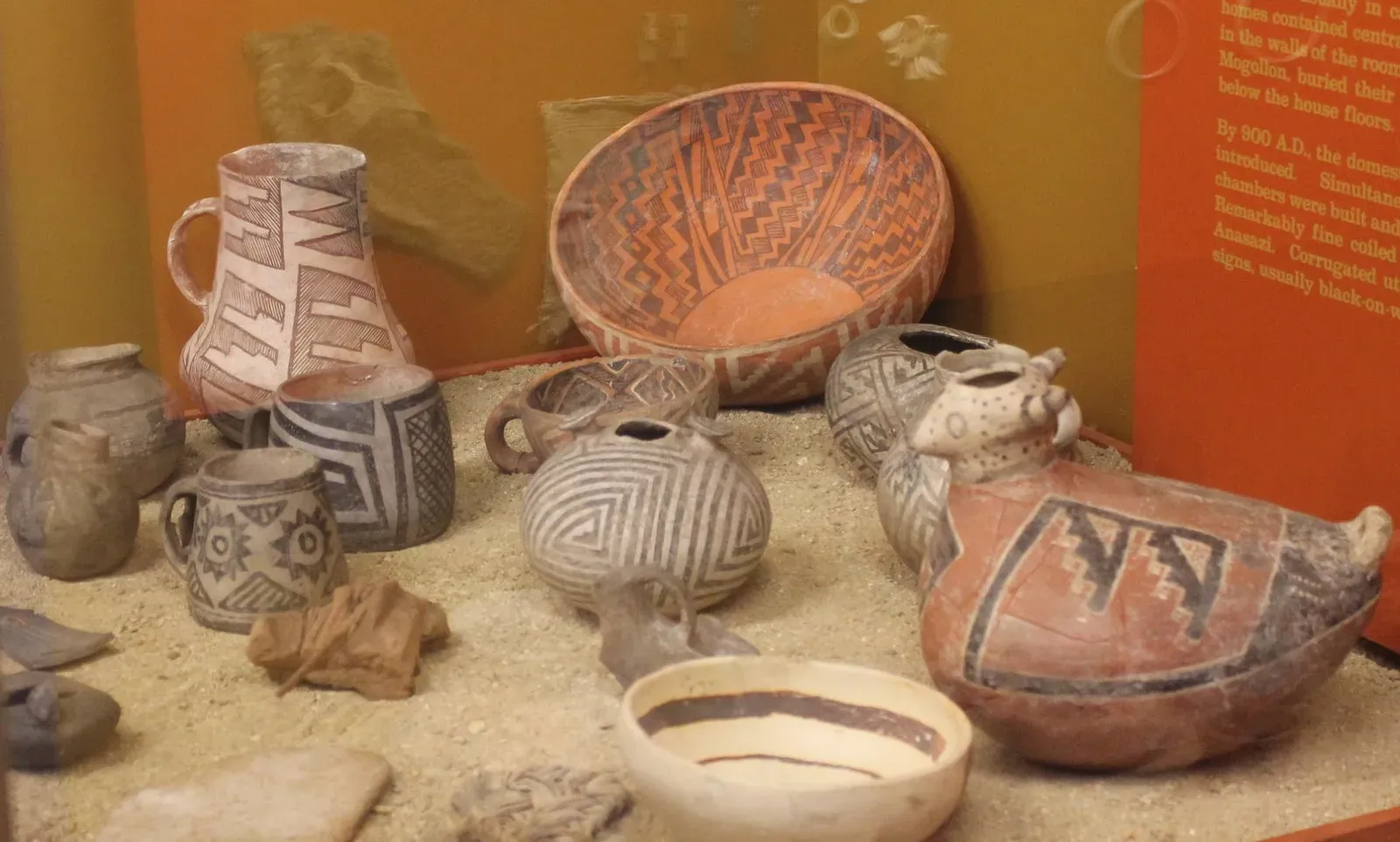
Every so often, a tomb turns up an object that clearly does not belong to the local toolkit: a piece of imported pottery, a style of jewelry associated with distant cultures, or raw materials sourced from far-off lands. In the excited hours after discovery, teams might privately suspect a link to a foreign kingdom or trade route that does not fit neatly with existing timelines. Instead of announcing a dramatic new alliance on day one, they often keep these items low-key in early communications, listing them simply as “imports” until specialists weigh in.
When detailed analyses finally come out, the implications can be huge for how you see Egypt’s place in the ancient world. A small inlay stone might prove a connection to a mine thousands of kilometers away, or a foreign-style vessel might show that elites were consuming imported food or drink during funerary rituals. The gap between discovery and public report reflects how careful researchers have to be: international relations, even in antiquity, are reconstructed from a handful of objects, and no one wants to rewrite a chapter of history on the basis of a hunch in the tomb doorway.
10. Ritual Failures and Awkward Mistakes in Tomb Decoration
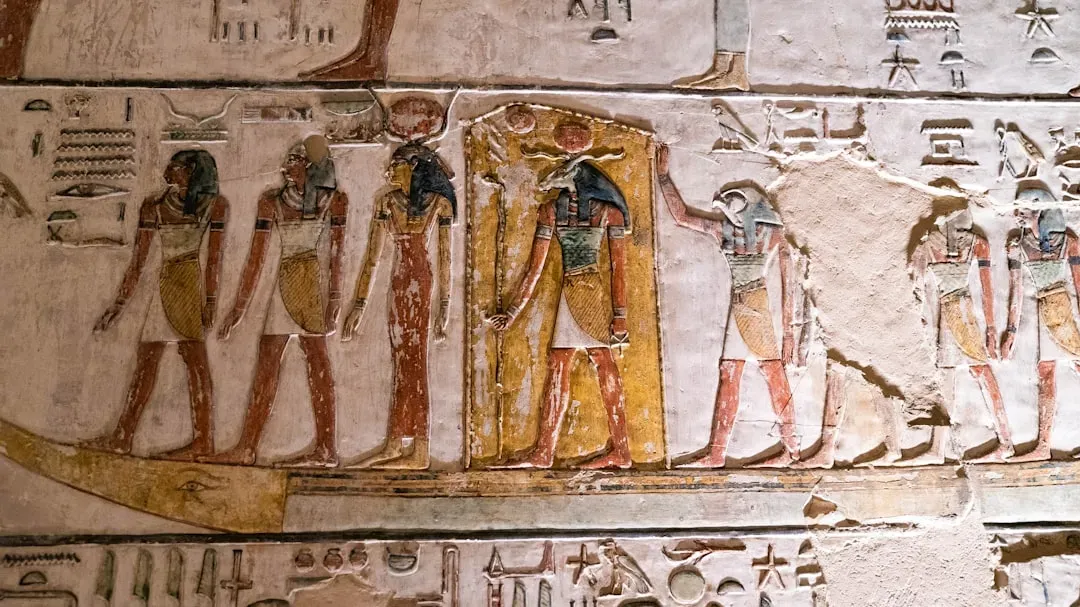
Looking at photos in books, you can get the impression that tomb walls are perfect: consistent colors, flawless hieroglyphs, seamless scenes. Up close, excavators often find corrections, paint drips, mis-spelled names, or partially erased figures that suggest last-minute changes or errors. These details rarely make it into the early press releases because they sound trivial compared to golden statues or intact sarcophagi, and they also open up uncomfortable questions about whether a tomb’s rituals were carried out properly.
Later publications, though, sometimes highlight these so-called “failures” as evidence of a much more human process. You see that even in one of the most ritualized cultures on earth, people got tired, rushed, or confused. A single mis-written hieroglyph could, in theory, jeopardize a spell, so someone might clumsily plaster over it and repaint in a hurry, leaving a visible scar in the scene. When you finally hear about these details, they pull the ancient artisans out of the realm of myth and drop them firmly into your own world of deadlines, mistakes, and anxious fixes.
11. Experimental Conservation Tests Done Before Public Display
One thing you rarely see in glossy discovery stories is the experimental side of conservation. Before an object ever reaches a museum gallery, teams often test different cleaning methods, consolidants, or storage conditions on small fragments, sometimes within the tomb itself or in a nearby lab. Those early trials can go well, but they can also produce unexpected side effects: flaking pigments, changes in color, or reactions to humidity. Understandably, these tests and their mixed results are not usually front and center in first announcements.
Over time, though, conservators publish case studies and technical papers explaining what they tried and what they learned. You then discover that the safe, stable objects you see behind glass are the survivors of a long process of trial, error, and refinement that was initially kept very close to the vest. It is not secrecy for its own sake; it is caution. No one wants to broadcast an unproven method while it is still being evaluated, especially with unique, irreplaceable artifacts pulled from a sealed space untouched for thousands of years.
12. Early Misinterpretations That Quietly Get Corrected
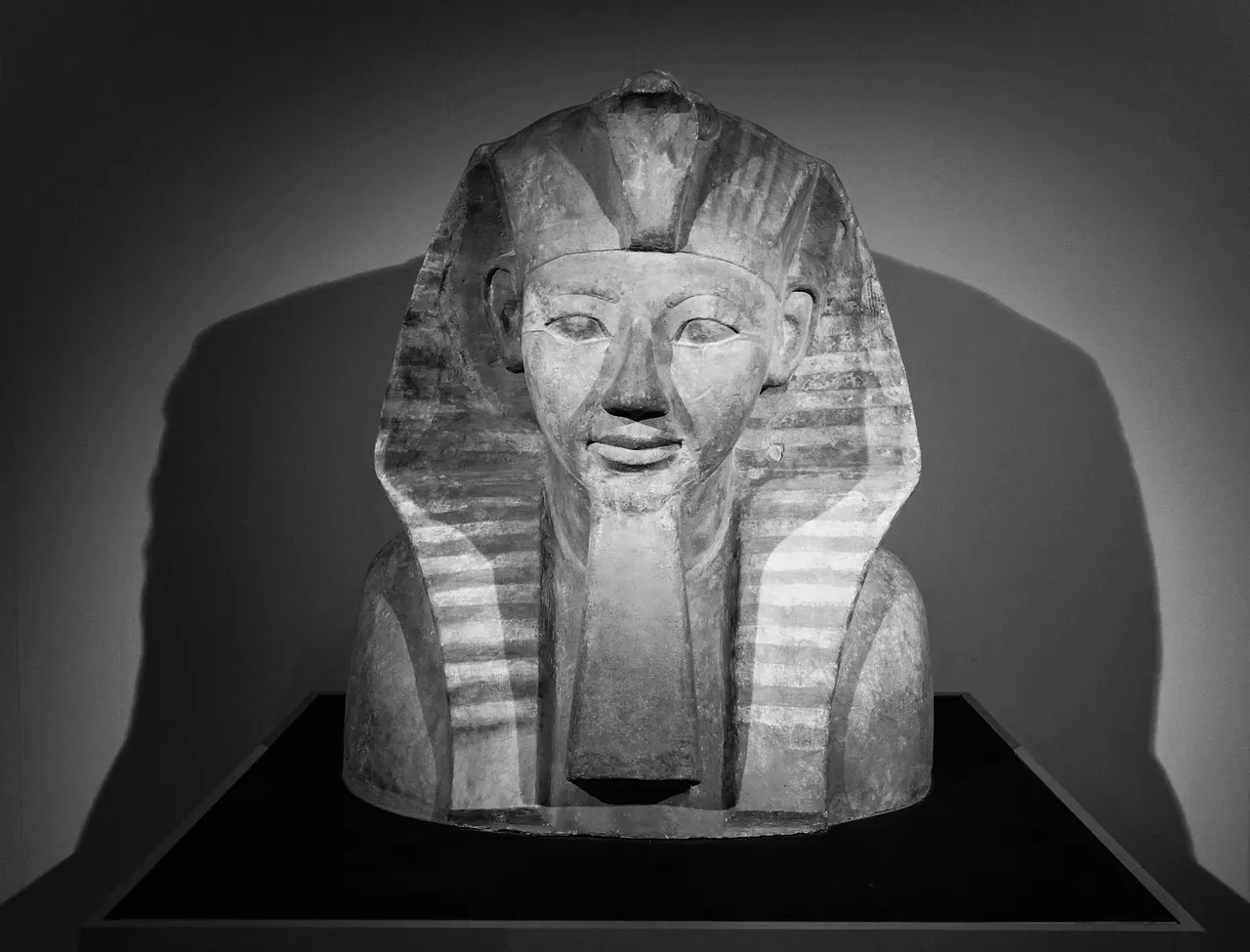
Finally, one of the most common “sealed” elements in Egyptian tomb work is not a physical object at all but a mistaken idea. In the rush of discovery, archaeologists sometimes propose identifications that later turn out to be wrong: a queen misread as a princess, a storage niche misidentified as a chapel, or a decorative motif assumed to be unique that turns up elsewhere. These early interpretations often circulate privately in draft reports, e-mails, or closed talks, while the official public story lags behind until the dust of debate has settled.
By the time you read the polished publication, those early false starts have usually disappeared, leaving you with a smooth narrative that hides just how uncertain the work once was. Knowing that, you can read any excited tomb headline with a bit more patience and humility. Behind the scenes, doubts, corrections, and quiet walk-backs are part of the process, just as much as the discovery itself. What you eventually learn about a tomb is not just what was there, but what archaeologists were finally confident enough to stand behind in public.
Conclusion: What Sealed Tombs Really Keep Hidden
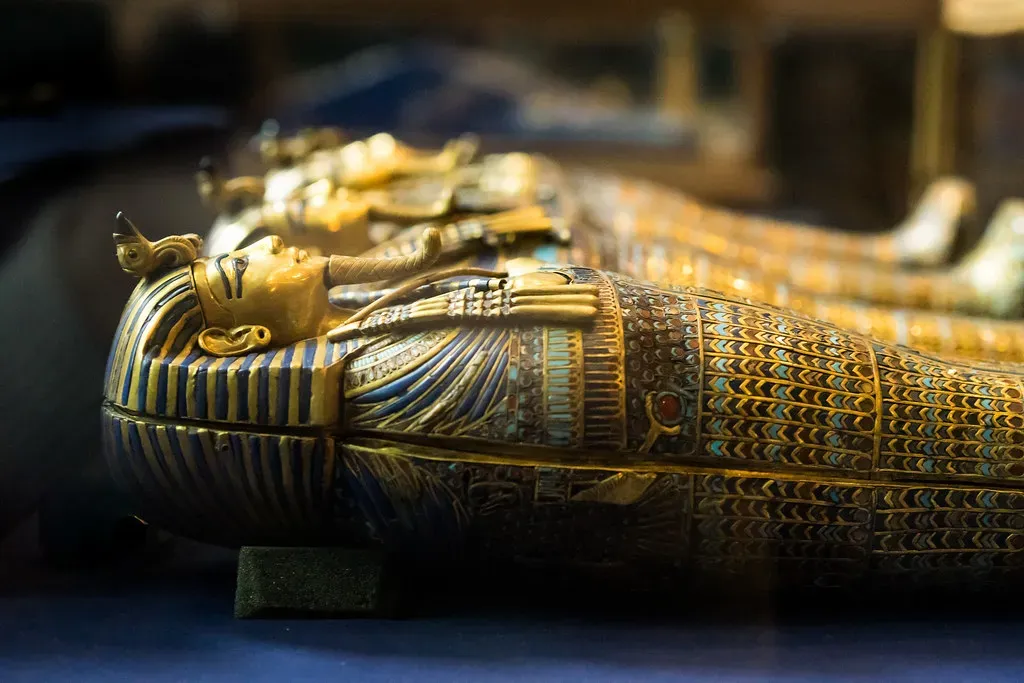
When you hear that a tomb has been “sealed” or that certain material was “withheld” before full publication, it is tempting to imagine suppressed scandals or lost treasures too shocking to reveal. The reality is subtler and, in many ways, more honest about how knowledge actually works. What tends to be held back are the fragile, confusing, or deeply personal pieces of the puzzle: half-finished coffins, awkward mistakes, intimate belongings, medical secrets, technical experiments, and scholarly doubts that need time and care before they can be shared responsibly.
If you step back, you see that what is really being protected is not a hoard of hidden wonders, but the integrity of the story that will ultimately reach you. Tombs do not give up their truth in a single dramatic moment; they reveal it in layers, as tools improve, as specialists compare notes, and as interpretations are tested and revised. So the next time a dramatic Egyptian discovery hits the news, you can enjoy the spectacle and still remember that somewhere, in a lab, in an archive, or in a quiet corner of a storage room, the rest of the story is still slowly, carefully being written. Which part of that hidden story do you most wish you could read first?