Walk across a field after a single hard frost and it can feel like the ground has quietly rearranged itself overnight. Stones you swear were never there suddenly jut out of the soil. Rusted metal glints where grass had looked smooth just the day before. It is as if the earth has secrets, and the cold is what finally convinces it to talk.
That eerie sense that things are being pushed up from below is not just your imagination. Frost does not simply sit on the surface; it works its way down, grabs hold of water in the ground and turns it into expanding ice. That expansion can nudge buried objects upward, millimeter by millimeter, until one morning they break through into the light.
I grew up in a place where the first real frost of the season felt almost like an event. The air was sharp, cars were coated in white crystals, and the garden somehow looked older, more exposed. Walking out with numb fingers, I was always amazed by what had “appeared” overnight. Over time, I realized it was the same story every year: frost working like a slow-motion elevator for whatever lay hidden just below our feet.
#1 Stones And Pebbles That Seem To Grow Out Of The Ground
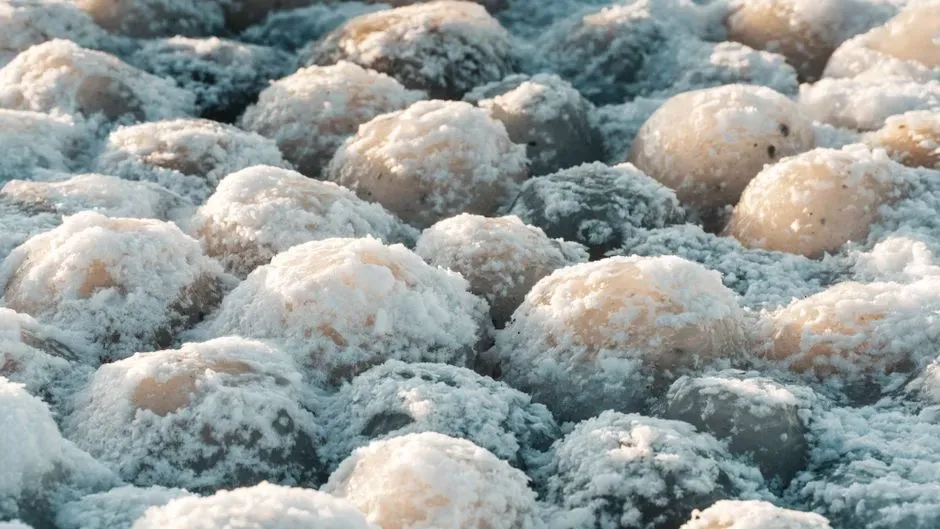
Have you ever noticed that after a cold snap, a lawn or field that looked smooth suddenly feels like a gravel path under your boots? This is one of the most common and surprisingly dramatic effects of frost heave: stones and pebbles being pushed to the surface as if the land is quietly growing rocks. Farmers in cold regions know this well, which is why they often joke that their fields “grow stones” every winter.
The science behind it is simple but powerful. When moisture in the soil freezes, it expands and forms what scientists call ice lenses – thin layers and pockets of ice that build upward as more water is drawn in from below. Anything lighter or less firmly embedded than the surrounding soil, like small stones and pebbles, can get lifted slightly each time this happens. After a single hard frost, you may not notice much. But even one intense freeze-thaw cycle can be enough to pop the more loosely buried stones up into view.
This matters in more ways than just stubbed toes. In agriculture, those newly surfaced rocks can damage plow blades, break machinery, and interfere with planting. In pathways and gardens, they become trip hazards or mowing problems. A few key effects of frost-heaved stones include:
- Fields needing regular “stone picking” after winter.
- Damage risk to tillers, plows, and mowers.
- Gradual changes in soil texture near the surface.
In a way, every hard frost is like the soil re-sorting itself. Heavy particles shift, fine particles wash down, and the stones that once sat quietly out of sight become part of the visible landscape again.
#2 Old Nails, Wire, And Forgotten Bits Of Metal
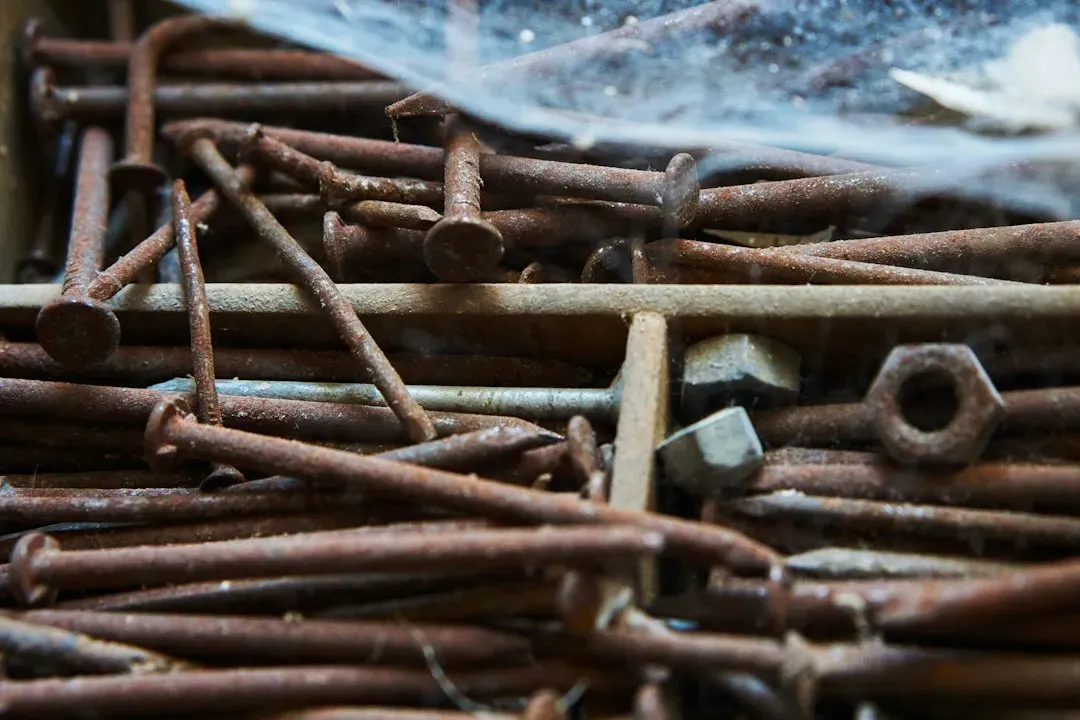
One of the more unnerving things to find poking through the soil after a cold night is sharp metal – rusty nails, twisted wire, broken screws, or fragments of old tools. These are often relics of past construction, fencing, or even just casual dumping that got covered by years of leaves, soil, and plant debris. A single hard frost can be enough to bump a few of these closer to the surface, where they suddenly become obvious and dangerous.
Metal and soil interact in interesting ways. Because many metals are denser than surrounding dirt, they tend to sink over time under normal conditions. But when frost heave gets involved, the story changes. If metal pieces are lying at shallow depth, trapped in a layer where water freezes and expands, they can be lifted along with the ice. As the ice melts, soil can slide underneath them, so they do not drop back down as far as they rose. Repeat that process a few times – or just experience one especially severe freeze – and suddenly you have a nail head glinting where none existed yesterday.
This is why frost season is a good time to walk your property with a careful eye. Those bits of metal are not just curiosities; they are potential hazards for pets, children, and lawn equipment. Quick actions worth taking include:
- Scanning garden beds and paths for sharp, newly visible metal after a frost.
- Removing and safely discarding any nails, wire, or screws you find.
- Wearing gloves when you dig or rake, especially in older yards or farm sites.
There is something strangely haunting about finding an old, frost-lifted nail in a field – like holding a tiny fragment of history that the ground finally decided to give back.
#3 Pottery Shards And Broken Glass From Another Era
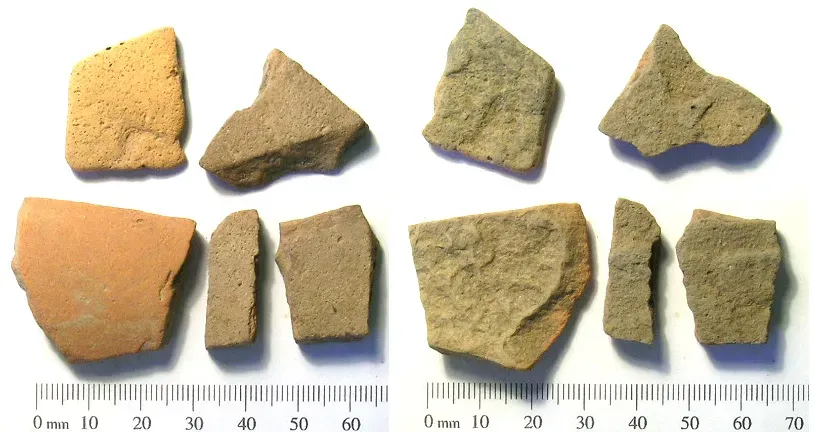
In older yards, farmsteads, and village commons, one hard frost can turn the soil into an impromptu archaeology site. Tiny pottery fragments, bits of crockery, and jagged pieces of glass suddenly appear on the surface, washed clean by the frost and dew. You might think someone broke a bottle recently, but in many cases those fragments have been in the ground for decades, even longer.
Historically, people often disposed of broken household items by burying them or tossing them into pits or low-lying areas that were later filled over. As soil accumulates and vegetation grows, those layers become hidden. Frost, however, is a patient excavator. When water in the soil freezes, it grips those light, flat objects and nudges them upward. Because many ceramic and glass pieces have irregular shapes, they can “catch” on moving soil more easily, rising through the layers over time.
A single pronounced frost might bring only a few new pieces to the surface, but that is usually enough to tell a quiet story. You may see patterns: lots of white crockery in old farm fields, colored glass near what used to be a dump area, or decorative pottery where a house once stood. The key takeaways when you start seeing these shards are:
- They often reflect older human activity, not recent littering.
- Frost heave slowly helps move them upward, especially in silty or loamy soils.
- Collecting them can give a snapshot of everyday life from another time.
Of course, broken glass is still sharp, no matter how old it is. There is an odd mix of wonder and caution in picking up these frost-revealed artifacts: a sense of connection to people long gone, and a very present need to watch where you step.
#4 Tree Roots And Buried Wood Pushed Into View
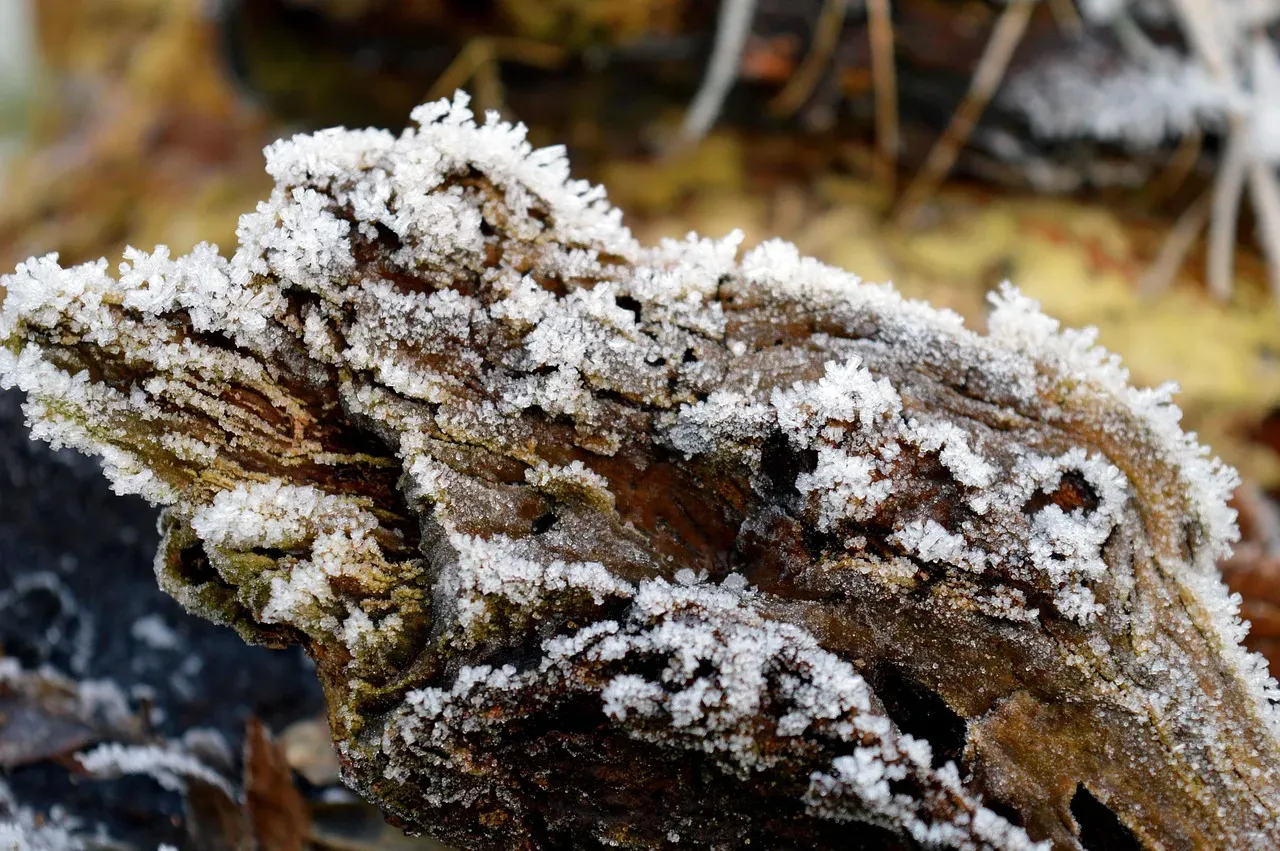
After a hard frost, forest floors and backyards can look strangely skeletal. Roots that were previously hidden may now jut out of slopes and paths, and chunks of old buried wood can suddenly become visible along trails or in garden beds. It can feel like the trees themselves have shifted overnight, even though they have not moved at all.
What is really happening is that frost is working on the soil around those roots and pieces of wood. As moisture in the ground freezes, it expands and loosens surrounding particles, effectively rearranging how tightly they hold objects in place. Shallow, fine roots can be exposed when overlying soil is lifted and then eroded or compacted differently as it thaws, while thicker roots may appear closer to the surface when soil is gradually displaced from above them.
Buried branches, old fence posts, and stumps that were cut off below ground level are also vulnerable. If they sit in a frost-prone layer rich in moisture, they may be lifted or have soil washed away from around them. You might suddenly find:
- Root “trip lines” snaking across trails where the ground was flat before.
- Decaying wood near the surface, attracting fungi and insects.
- Difficult spots for mowing or walking that did not exist a week earlier.
This exposure is not only a nuisance; it can stress trees over years if major roots become repeatedly exposed and damaged. Still, there is something undeniably striking about walking through a frost-touched woodland and seeing the hidden architecture of roots revealed like the veins of the earth.
#5 Old Coins, Buttons, And Everyday Lost Items
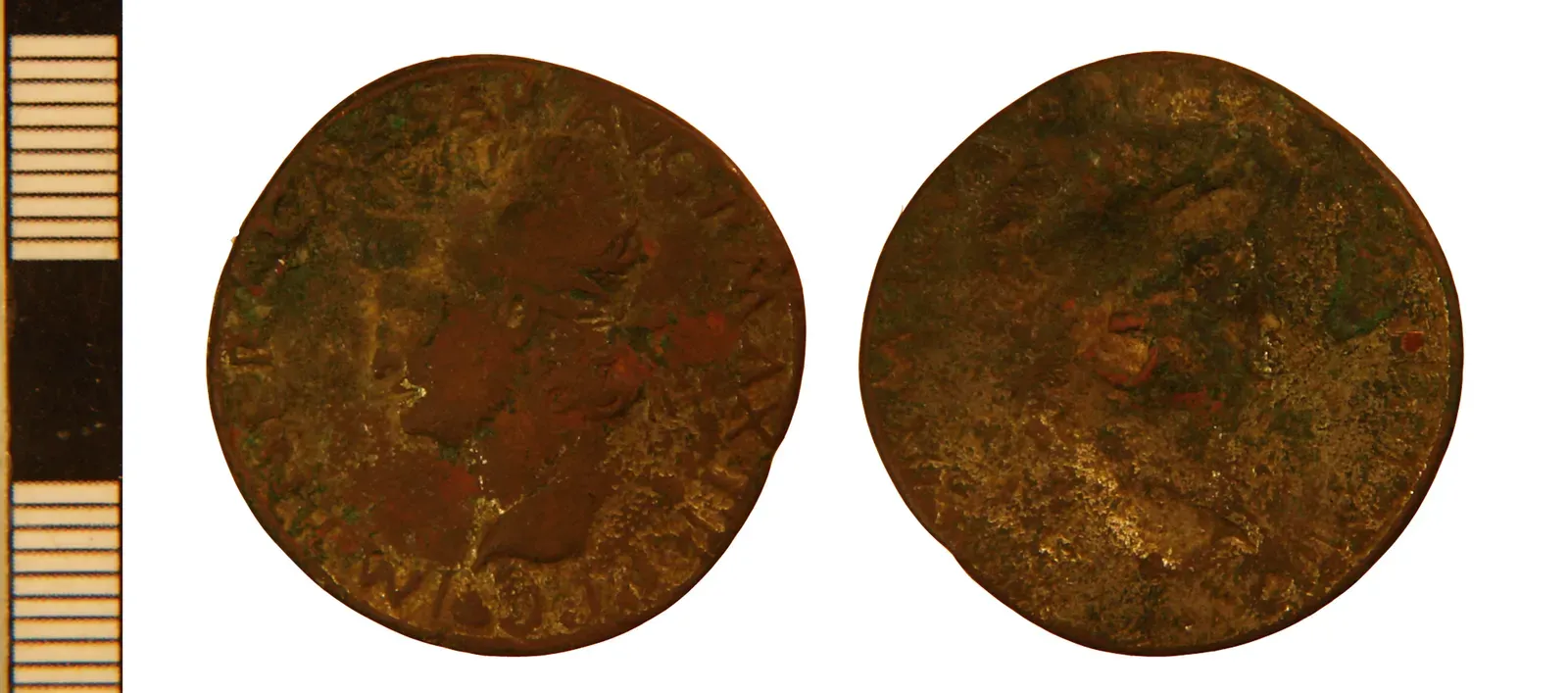
One of the most unexpectedly thrilling things a hard frost can reveal is small, personal objects: coins, buttons, keys, jewelry, even toy parts. These are the items people drop without noticing – then the wind, rain, and soil quietly claim them. Months or years pass. Then one cold night and a sharp frost later, the ground shrinks back, a bit of soil shifts, and suddenly a copper edge or metal sparkle catches your eye.
These finds are usually shallow to begin with, often trapped just beneath the surface in the top layer of soil or thatch. Frost heave disturbs this upper zone most dramatically. As the soil freezes and thaws, it expands, contracts, and cracks, breaking apart the tiny bonds that were keeping those objects hidden. Organic matter may also break down or loosen during the season, leaving formerly buried items sitting just proud of the soil.
There is a reason metal detector hobbyists love searching after a good frost. The ground is often more friable and disturbed, making it easier for signals to reach buried items, and some of those objects may already be closer to the surface. Among the many small treasures frost can reveal are:
- Pocket change lost in parks, yards, and fields.
- Buttons from coats and work clothes in old farm and work sites.
- Simple jewelry like rings, earrings, and pendants.
Finding something small and personal that has been hidden for so long can be strangely moving. It is a reminder that landscapes are full of human stories, and sometimes all it takes is one sharp night of cold for those stories to reappear.
#6 Clay Pipes, Bricks, And Building Debris
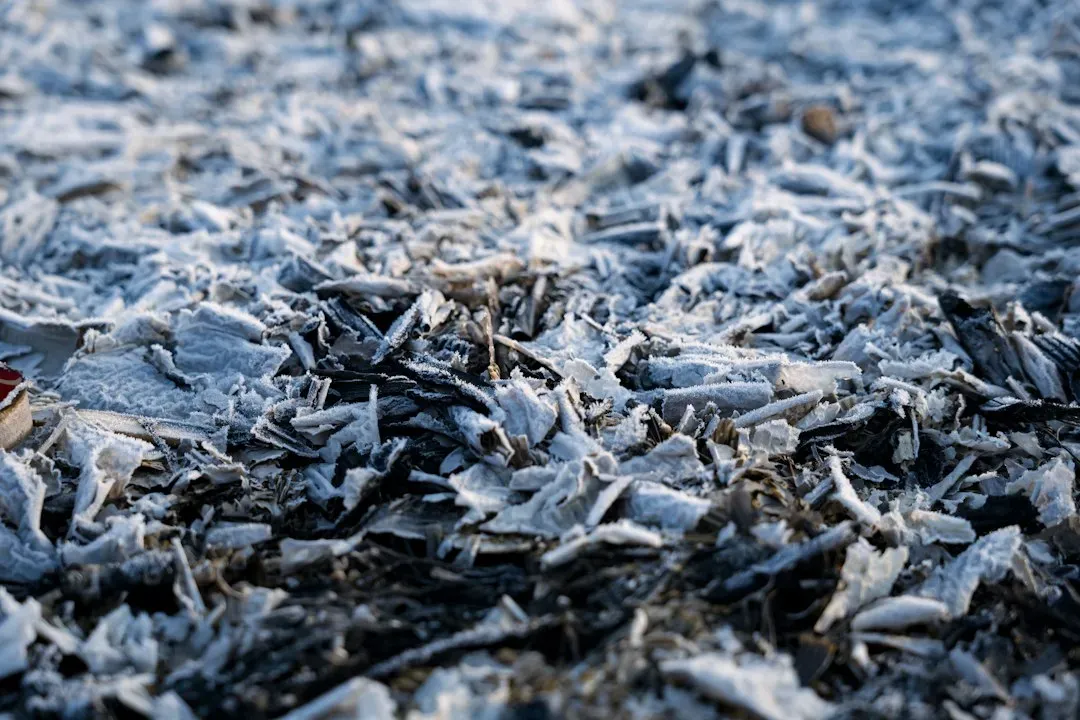
In places where houses, barns, or outbuildings once stood, a hard frost can bring up fragments of an entire vanished structure. Bits of clay pipe, chunks of brick, tiles, and even slate roofing can appear seemingly at random across a field or lawn. At first, these look like random rubble. Look closer, though, and they often map out the ghost of a foundation line, a path, or a filled-in pit.
Construction debris often ends up buried during building, demolition, or renovation. Many older sites have layers of waste material just a few inches below the surface. Frost, with its tendency to expand and contract layers differently depending on their water content, can sort and shift this buried clutter. Lighter, flatter pieces like clay pipe sections or broken brick edges can be levered upward over time, especially where the soil above them is disturbed or thin.
After one strong frost, you may notice a sudden scatter of construction fragments in certain parts of a property. This is not random. It often marks:
- The footprint of an old wall or foundation.
- The route of a long-removed drain or utility line.
- Former dump spots where leftover bricks and tile were buried.
For anyone curious about the history of a place, these frost-revealed clues are valuable. They act like breadcrumbs, hinting at where doors once opened, where chimneys stood, and how a yard was laid out generations ago. At the same time, they can complicate gardening and digging, turning simple holes into mini excavation sites full of brick and tile.
#7 Tree Seeds, Bulbs, And Hidden Plant Life
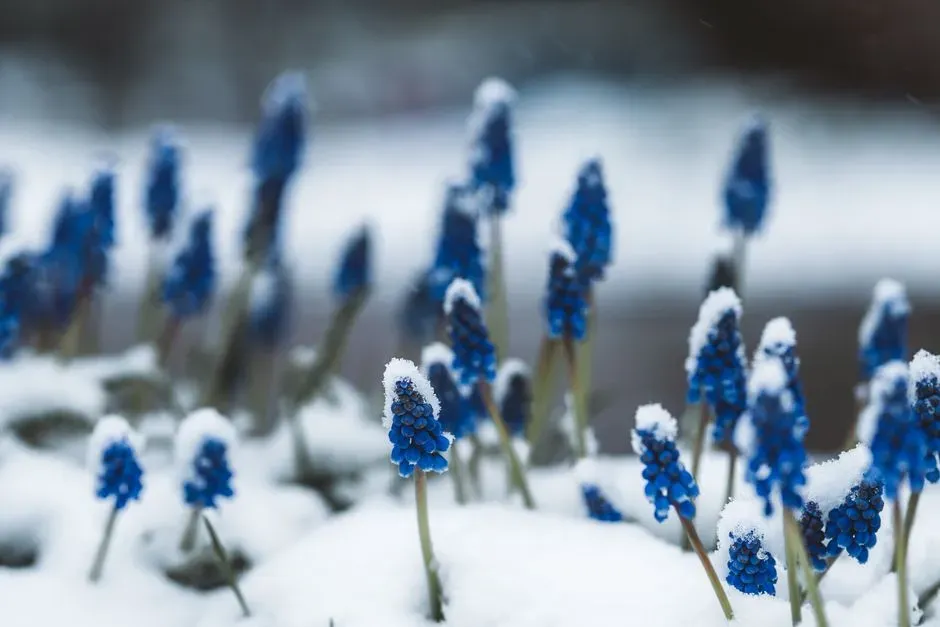
Not everything frost pushes to the surface is mineral or man-made. Sometimes, what appears after a cold snap is new life waiting for the right moment. Seeds, nuts, and even small bulbs that were buried by leaves, soil, or animals can suddenly become visible when a hard frost rearranges the top layer of the ground. The effect can be subtle, but if you look closely in a frosted garden, you might see tiny bulbs peeking up or acorns lying where none were visible the day before.
Frost can lift or crack the thin crust of soil that builds up over autumn. As ice forms and expands, it disrupts that surface, breaking up mats of decaying organic matter and allowing lighter objects to rise or roll into view. At the same time, some seeds and bulbs are naturally positioned by animals or gravity near frost-susceptible layers, so they are more likely to be revealed when the soil is disturbed by freezing and thawing.
This can be both helpful and problematic for gardeners. On the plus side, frost may uncover self-seeded plants you did not know were there, like volunteer flowers or vegetables. On the downside, it can expose bulbs or roots just enough to risk damage from further cold or foraging animals. A few practical angles include:
- Spotting and lightly re-covering exposed bulbs after frost to protect them.
- Recognizing where self-sowing plants are establishing themselves.
- Understanding that frost can shift seeds into new microsites for germination.
There is something oddly hopeful about seeing a crocus bulb or an acorn revealed by a night of harsh cold. It is a quiet reminder that even as frost signals the approach of winter, it is also setting the stage for what will grow when warmth returns.
#8 Bones, Shells, And Natural Remains
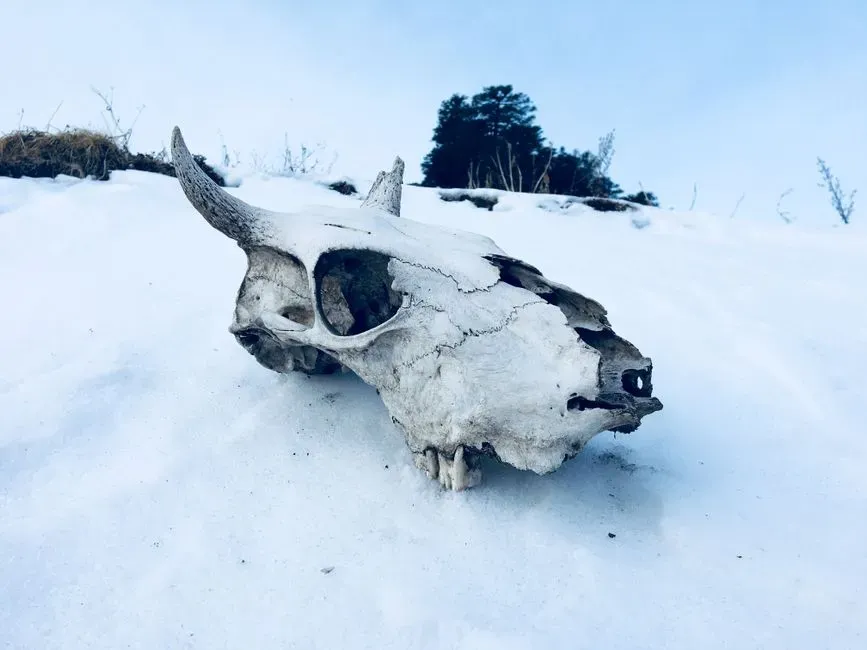
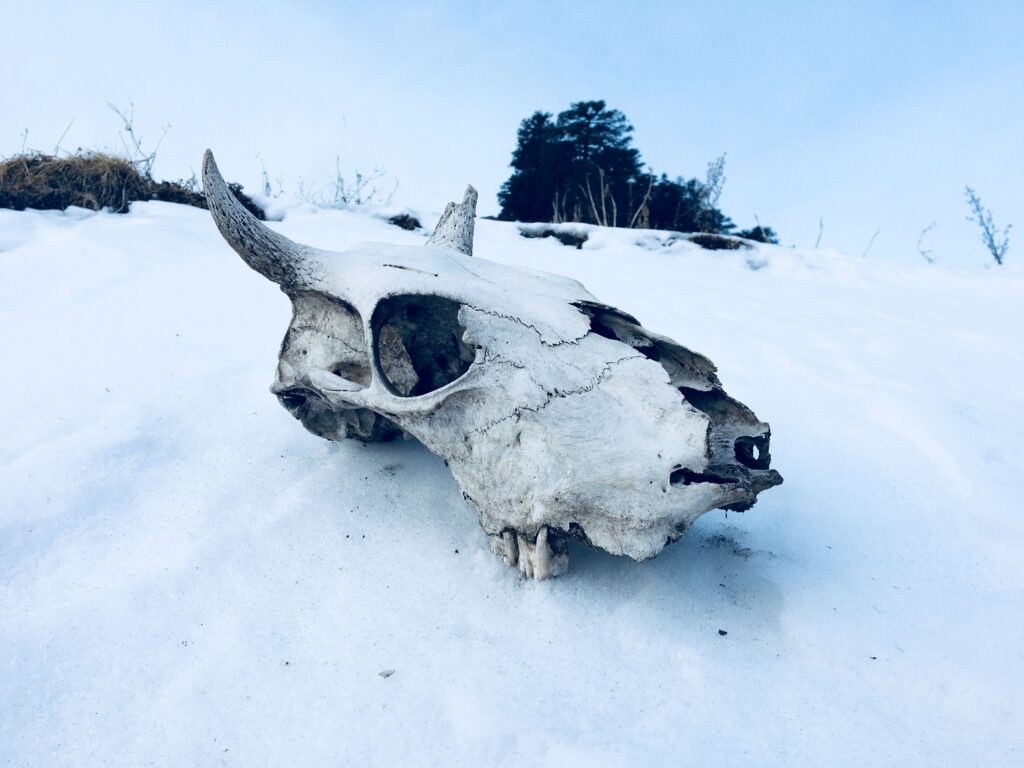
Every so often, a hard frost exposes something that stops you in your tracks: a bleached bone fragment, the curve of a shell, or the outline of some long-buried natural remains. This can be a little unsettling at first, especially when you do not know what you are looking at, but in many landscapes it is a perfectly natural consequence of how life, death, and soil cycles intertwine.
Animal bones and shells often end up buried shallowly by leaf litter, erosion, and minor soil movement. Over time, fine particles accumulate over them, but they rarely sink deeply unless disturbed by digging or heavy machinery. When frost hits, the same expansion and contraction that lifts stones can also shift these remains upward. If the overlying soil is thin or unstable, one hard frost can be enough to peel it back and reveal what lay beneath.
In coastal or former marine environments, frost may bring up shells and fossil fragments that have been trapped in sediments for long periods. In rural or wild areas, bones are more likely to be from livestock, small mammals, or deer rather than anything more alarming. When you encounter these frost-revealed remains, a few thoughts help keep things in perspective:
- They are often natural by-products of local wildlife or past farming.
- Frost simply accelerates the exposure that erosion would cause over time.
- They can provide information about species present in the area.
For anyone interested in ecology or paleontology, this can feel like nature lending a hand. The ground, nudged by cold, offers up small samples of its biological history, one freeze at a time.
#9 Asphalt, Gravel, And Layers Beneath Old Surfaces
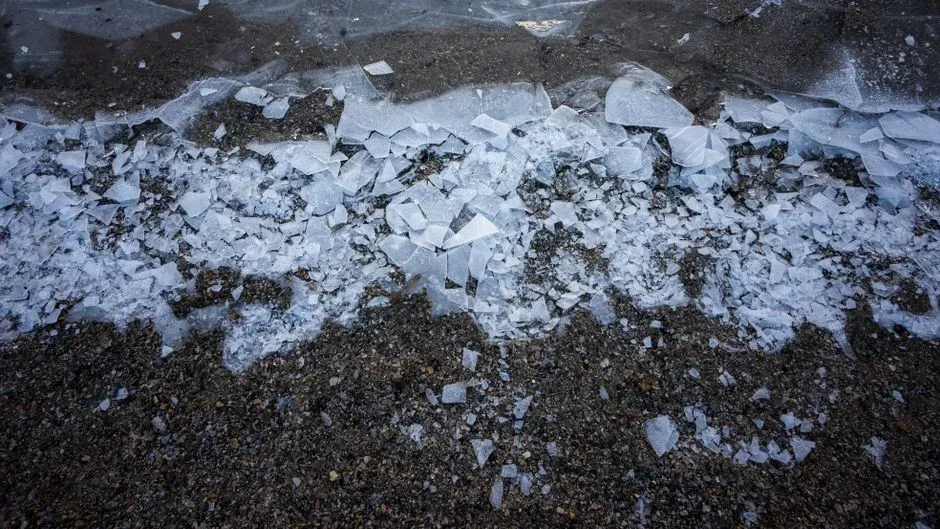
In driveways, walkways, and old roads, hard frost does not just flake the top; it can push deeper layers into view. After a serious freeze, you might notice bits of old asphalt, cinders, or gravel emerging in places where the surface used to look smooth. In some cases, entire patterns of an earlier roadbed or walkway reveal themselves like a faded drawing being traced over.
Many paved or graveled surfaces are built in layers: base gravel, intermediate materials, and then the final top layer. Over time, that top layer weathers, cracks, and thins. When frost penetrates, it can pry these layers apart. Water works its way into tiny cracks, freezes, expands, and lifts segments of pavement or compacted soil. When those pieces break and shift, underlying material becomes exposed. Even one hard frost, following a wet period, can cause a noticeable change.
From a practical standpoint, this process explains why roads and paths seem to deteriorate so quickly in climates with freezing temperatures. You may see:
- Gravel from an older base layer mixing into the current surface.
- Exposed edges of long-buried asphalt or tar patches.
- Uneven surfaces that suddenly appear after a cold night.
The fact that frost can dredge up the ghosts of past paving choices is a reminder of how layered human landscapes really are. Under a neat driveway or tidy path, there can be multiple generations of surfaces, all waiting for the right conditions to show themselves again.
#10 Buried Plastic, Packaging, And Modern Trash
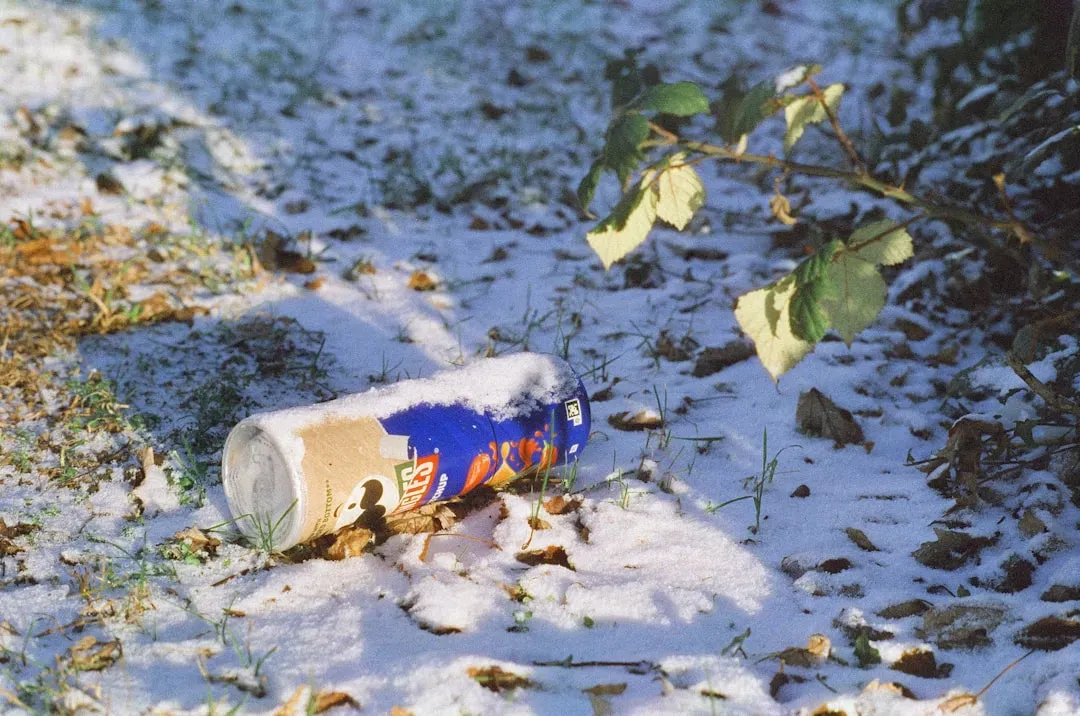
Not everything frost reveals is charming or historic. Sometimes, the objects that rise to the surface after a hard freeze are painfully modern: plastic wrappers, fragments of bags, bits of polystyrene, and assorted packaging that someone buried, burned, or simply covered over years ago. It is like the ground itself is refusing to keep our waste a secret any longer.
Plastic and similar materials behave differently from natural debris. They do not break down in the same way, they are often lighter, and they can deform under pressure without disintegrating. In the soil, that means they can get wedged in awkward positions, trapped in the upper layers. When frost heave occurs, these flexible, low-density objects can be pushed around more easily than dense materials, and they often ride upward on expanding ice or displaced soil.
Walking across a field or former dumping spot after a severe frost can reveal:
- Shreds of plastic film poking through the ground.
- Old food wrappers and packaging close to the surface.
- Bits of synthetic fabric or carpet backing.
There is a grim honesty in this. While stones and pottery shards can feel quaint, plastic rising from the earth feels like a scolding reminder of our impact. One hard frost turns the soil into a mirror, reflecting our habits back at us – and that uncomfortable reflection can be exactly the wake-up call we need.
#11 Old Fence Posts, Stakes, And Hidden Hardware
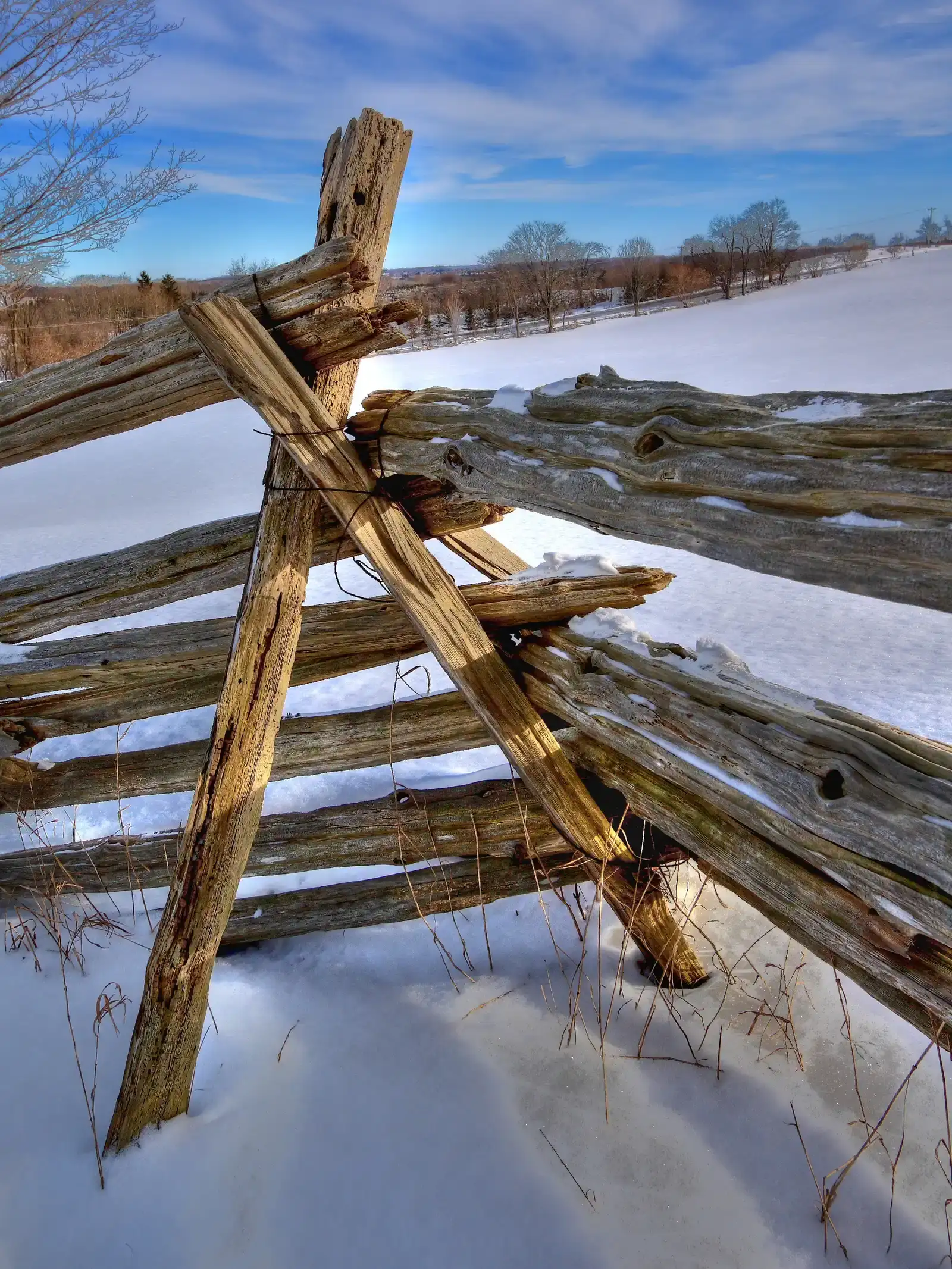
In fields, gardens, and along property lines, frost can resurrect the skeletons of past projects: half-rotted fence posts, wooden stakes from long-forgotten plantings, metal anchors, and hooks. You may find a perfectly straight line of old post tops suddenly visible along a hedge after a cold spell, hinting at a boundary that once mattered enough for someone to mark it out in wood and wire.
Many of these objects start out driven partway into the ground, where they stay for years. As soil shifts and organic parts decay, the buried ends can loosen. When frost acts on this already compromised system, it can tilt or lift posts and stakes just enough for the tops to become more exposed. Moisture accumulation around wood can also change how it responds to freezing, sometimes leading to a kind of jack-up effect as the soil expands and contracts.
The practical implications are easy to underestimate. Frost-exposed posts and hardware can:
- Become hidden hazards for mowing, driving, or walking.
- Snag clothing, tools, or animal harnesses unexpectedly.
- Reveal where old fence lines or garden rows were established.
On the more reflective side, there is a quiet poignancy in watching an old, frost-lifted post appear from the ground. It is a reminder that land remembers how we have divided, planted, and managed it – and that even when we stop paying attention, those decisions linger in the soil.
#12 Archaeological Layers And Unexpected Historic Artifacts
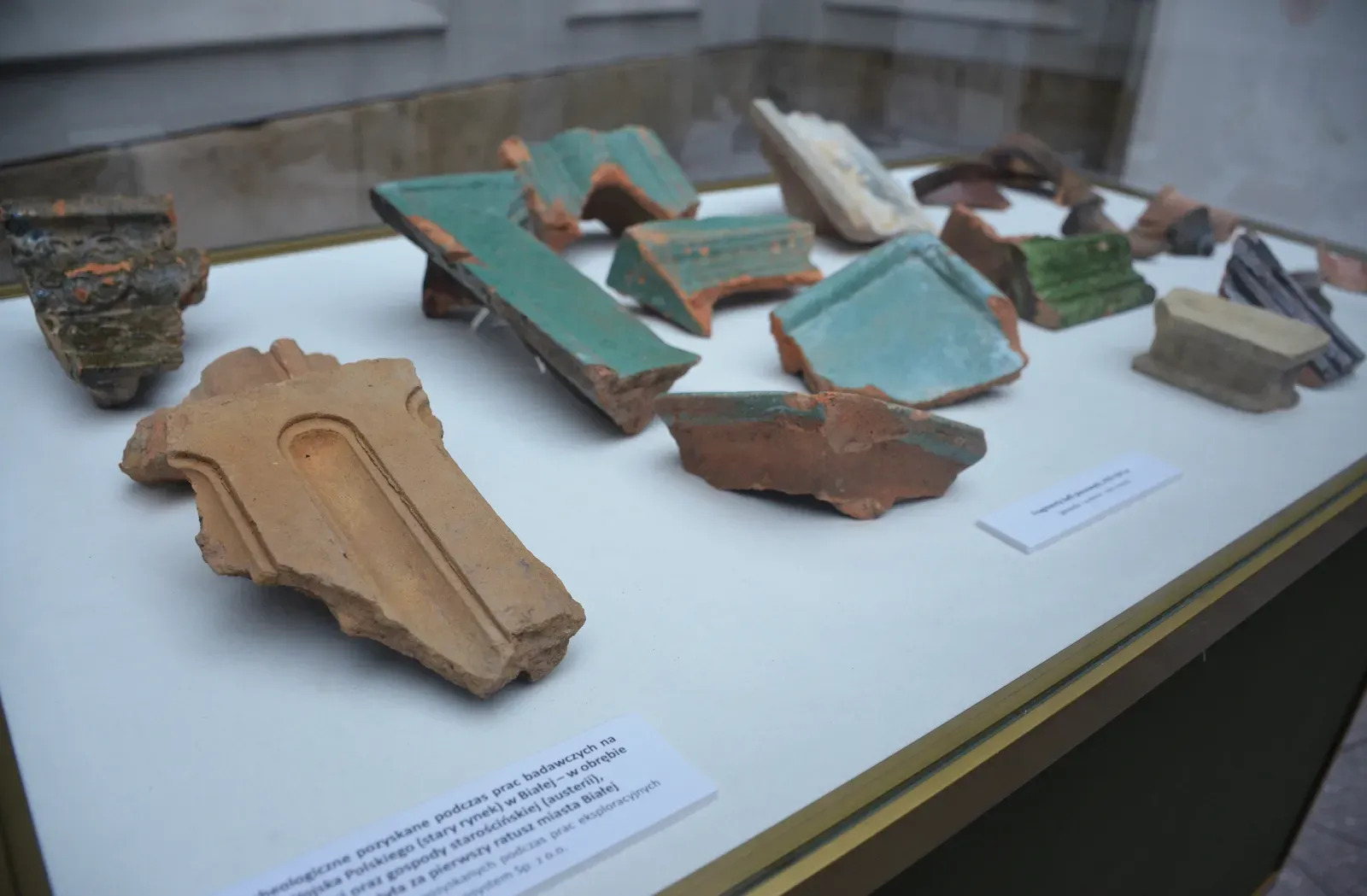
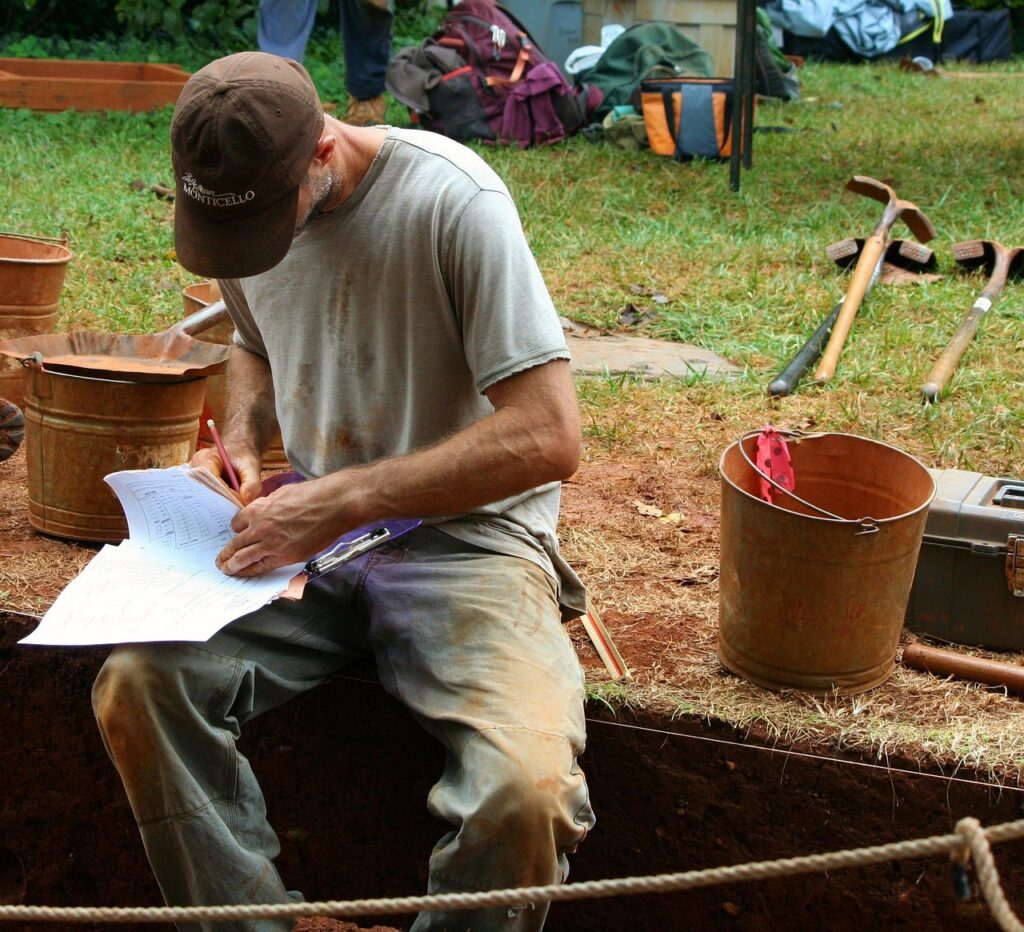
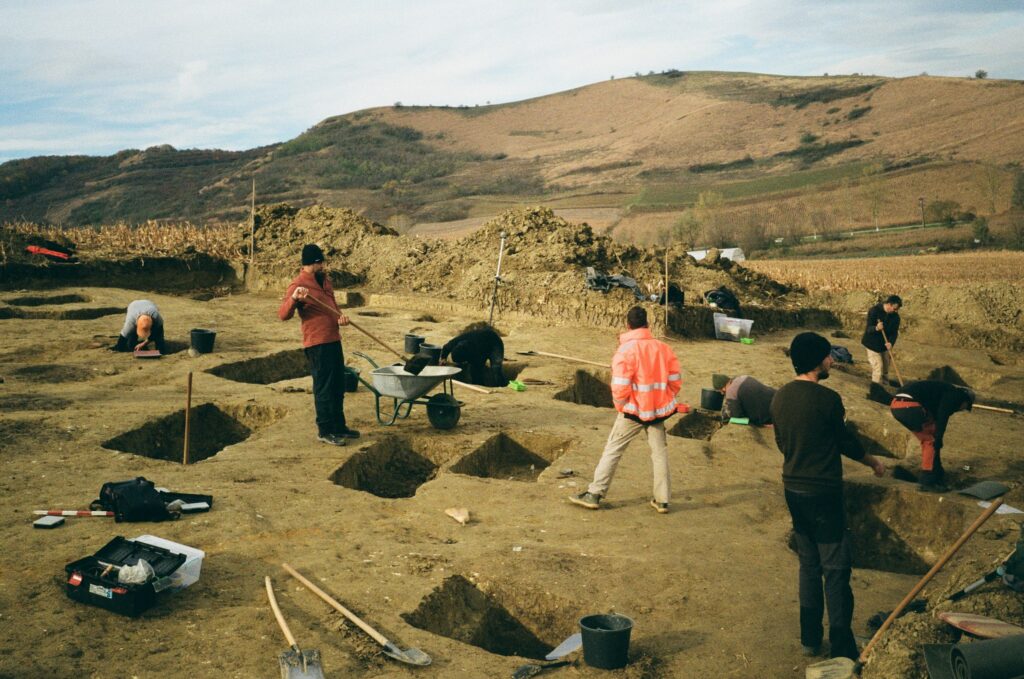
In some places, that single hard frost does something even more dramatic: it touches the edge of true archaeological layers. While trained archaeologists do not rely on frost as a digging tool, they are very aware that freeze-thaw cycles can gradually bring up small artifacts from older strata. After a strong frost, sharp-eyed observers sometimes spot pieces of worked stone, fragments of older ceramics, or bits of metalwork that do not match modern styles.
These finds are rarer and depend heavily on local history and soil depth. In regions with long human occupation and relatively shallow soils, the gap between present-day ground level and older activity layers can be surprisingly thin. Frost heave will not drag up entire artifacts from deep burial, but it can help move smaller, lighter items closer to the surface, where erosion, walking, or plowing will eventually expose them completely.
When genuinely old artifacts are involved, the dynamic becomes more sensitive. A few guiding ideas are worth keeping in mind:
- Random finds after frost can indicate a site with deeper archaeological potential.
- Disturbing or collecting everything without documentation can erase context.
- In many areas, there are legal or ethical guidelines about removing historic objects.
From a broader perspective, frost here plays an almost philosophical role. It is a natural process, indifferent to human timelines, slowly tugging at the layers of our past. One hard frost will not rewrite history, but it might place a small, silent clue on the surface – waiting for someone to notice and ask what else is still buried below.
Conclusion: When The Ground Decides To Tell The Truth
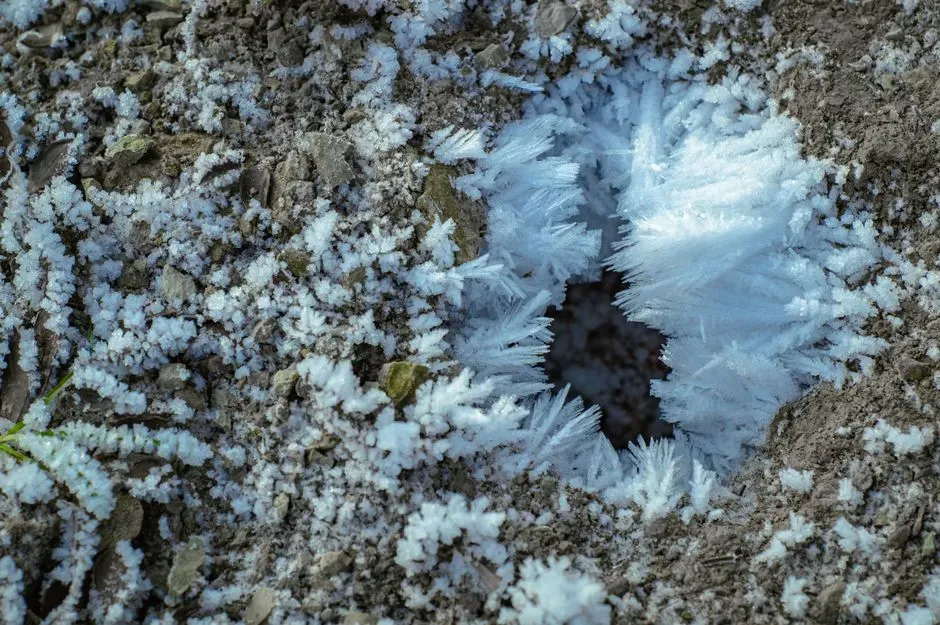
What fascinates me most about objects brought to the surface by a single hard frost is not just the physics of expanding ice or the agricultural headaches of frost heave. It is the way cold nights reveal how surprisingly thin the line is between what we see and what lies just beneath. Stones, seeds, bones, plastic, coins – none of them are new. They were always there. Frost simply rearranges the curtain so we can glimpse them.
Scientifically, it is all very straightforward: water freezes, expands, and disrupts soil, nudging lighter or poorly anchored objects upward. But emotionally, it hits a different nerve. The earth feels less like a static floor and more like a living archive; every freeze a quiet shuffle of its filing system. Sometimes it hands us beauty, like old pottery or a perfectly preserved shell. Sometimes it holds up a mirror, in the form of rusted wire or torn plastic, and forces us to see what we tried to bury.
In my view, the objects a frost chooses to reveal are a kind of unvarnished truth about a place. They show us what we have built, broken, thrown away, and simply forgotten. They hint at the lives lived there before ours, and at the lives – plants, animals, and people – that will follow. Next time you step onto frozen ground and spot something that was not there yesterday, it might be worth pausing, picking it up, and asking what story it is trying to tell. After all, if one cold night can change what we see on the surface, what else might be waiting just one more frost away?