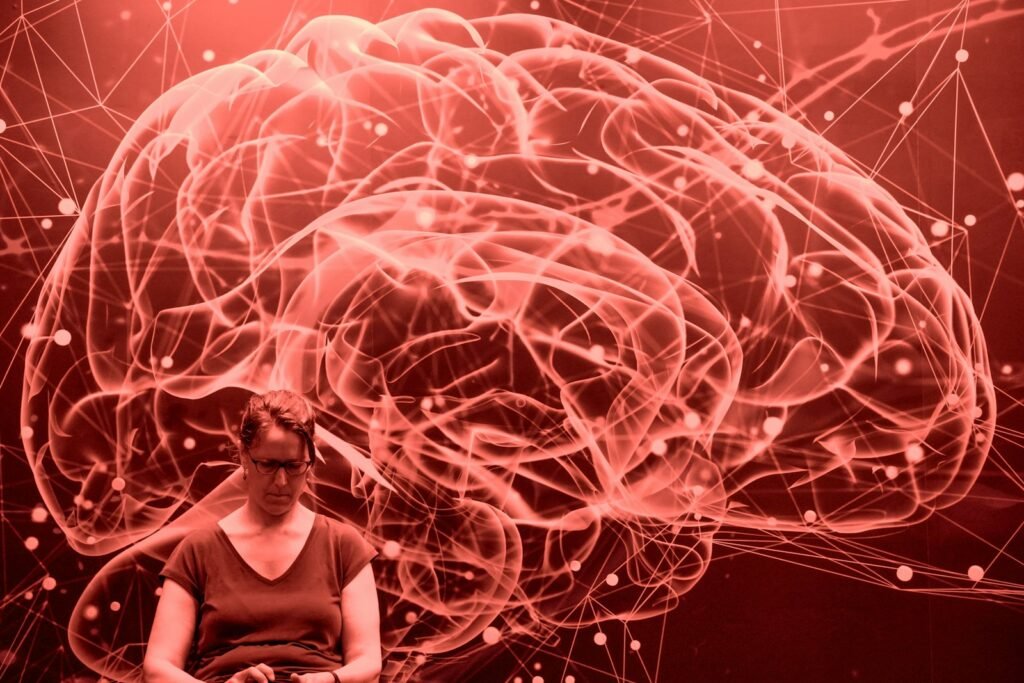

The more neuroscientists learn about the human brain, the stranger it becomes. Powerful scanners can track blood flow in real time, algorithms can decode rough shapes from neural activity, and yet some of the most basic questions about how we think, feel, and decide remain stubbornly unanswered. The brain is less a clockwork machine and more a shifting weather system of cells and chemicals, full of patterns we glimpse but cannot quite predict. In labs from Boston to Berlin, researchers are poking at these mysteries with electrodes and statistics, trying to turn ghostly experiences into measurable data. What they keep finding, again and again, is that the human mind resists simple explanations.
The Grand Puzzle of Consciousness
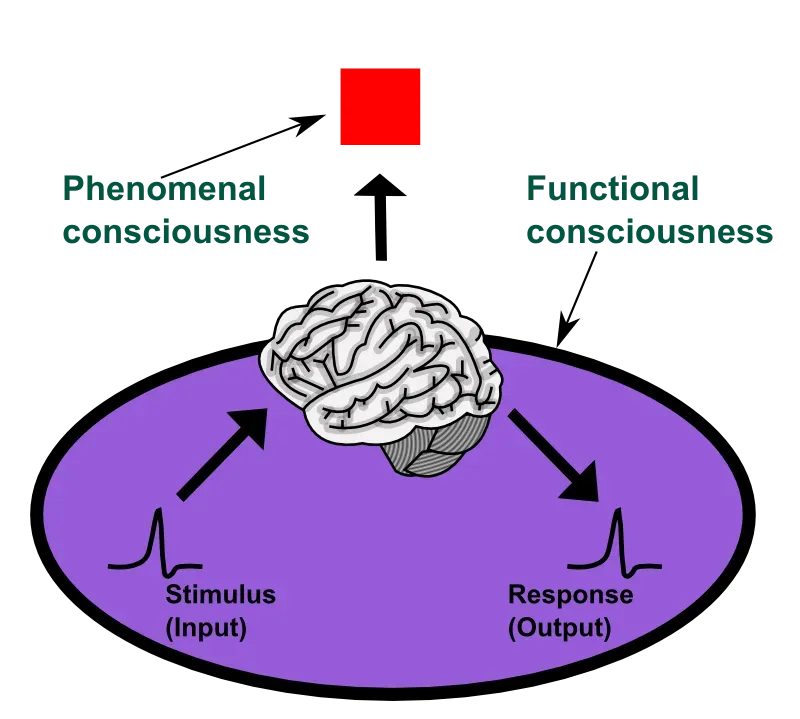
Why does a lump of biological tissue suddenly light up into a feeling of being someone, instead of just doing computations in the dark? That question, the mystery of consciousness, sits at the center of modern neuroscience like a black hole: everything points toward it, but no one can see what lies inside. Researchers have mapped brain regions that turn on when we become aware of a face, a word, or a sound, and they can sometimes predict whether a stimulus will reach awareness or be ignored. Yet knowing which areas are “active” is not the same as explaining how activity becomes experience.
Some theories argue that consciousness arises when information is widely shared across the brain, like a spotlight shining on certain neural signals while others stay in the shadows. Others claim it emerges from specific patterns of electrical synchrony, with different brain areas firing in lockstep like a well-rehearsed orchestra. Experiments can support pieces of each idea, but none can fully explain why pain hurts, why red looks “red,” or why there is a first-person point of view at all. As one neuroscientist put it to me years ago, trying to solve consciousness sometimes feels like trying to bite your own teeth.
Memory’s Vanishing Act
We like to imagine memory as a kind of internal hard drive, a place where experiences are filed away and faithfully stored, but the science keeps telling a different story. When you recall an event, your brain does not pull out a fixed file; it rebuilds the memory from scattered neural traces, like reconstructing a city from fragments of old maps. This rebuilding process makes memories surprisingly fragile: each time you remember, you also slightly rewrite. That may be why eyewitness accounts of the same event diverge so quickly and why two siblings can swear different things happened at the same family dinner.
Researchers can now track “engrams” – the physical footprints of certain memories – in animals, and even trigger or dampen specific memories with light-sensitive tools. But they still cannot answer the question that quietly bothers anyone who has ever forgotten a childhood friend’s face: why does one memory survive while another evaporates? Emotional weight seems to help, as do repetition and sleep, but there are maddening exceptions. Somewhere in the tangled networks of the hippocampus and cortex, your entire life is encoded as patterns of connections and firing, yet no one can look at those patterns and read out a clear story of who you are and what you will remember ten years from now.
The Uncanny Depths of the Unconscious
Most of what your brain does, it does without telling “you” about it. Before you become aware of deciding to move your hand, for instance, measurable brain activity is already nudging that movement into motion. In experiments where people must choose quickly between options, neural signals often predict their choice a fraction of a second before they report having made it. That has fueled old debates about free will, with some arguing that consciousness is more like a press secretary than a president, taking credit for decisions that were already in progress.
Beyond split-second motor choices, unconscious processing also shapes what you notice, what you like, and what you fear. Subtle cues – a smell, a face in the background – can shift your mood or bias your judgments without ever rising into awareness. Psychologists have built clever tasks to reveal these hidden influences, but they still cannot map a clear boundary between what is unconscious and what is conscious. Instead, the mind seems to be a gradient of accessibility, with some signals easily pulled into awareness and others stuck in the basement. Where, exactly, the line should be drawn remains one of the most slippery questions in neuroscience.
The Enigma of Individual Personality
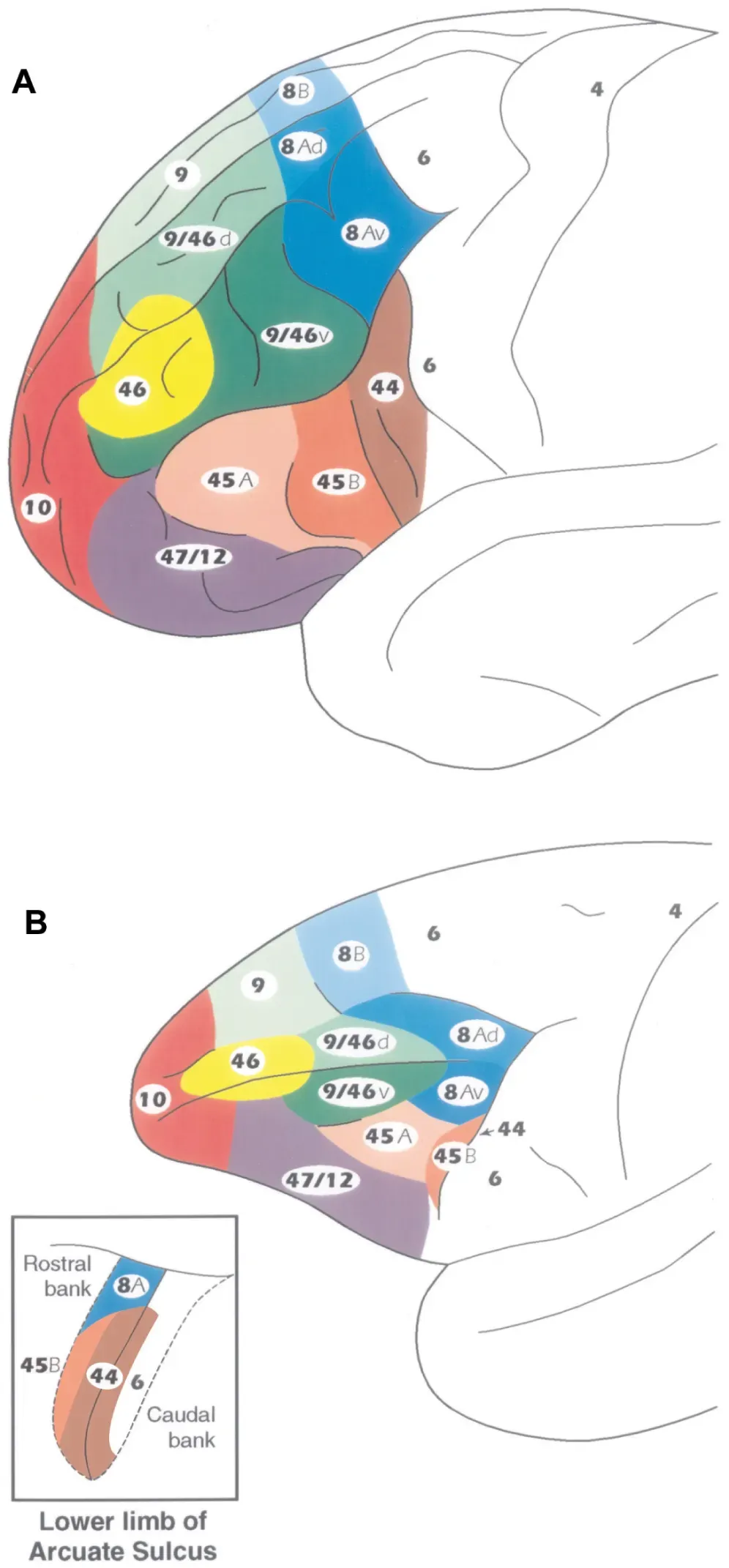
Why are some people almost relentlessly optimistic while others brace for disaster even when things go well? Personality traits show up early in life, they remain relatively stable over decades, and they are shaped both by genes and experience. Large studies suggest that inherited factors account for a hefty slice of the variation in traits like introversion, risk-seeking, or emotional sensitivity. Brain imaging has found correlations between these traits and structural or functional differences in regions tied to reward, threat detection, and self-reflection.
But correlation is not explanation. No one has found a neat “optimism circuit” or “neuroticism gene” that can predict who you will become in any precise way. Instead, personality appears to emerge from countless small influences, each nudging how strongly or weakly certain neural pathways respond to the world. Even dramatic life events – war, loss, disease – do not always reshape personality in predictable ways. The mystery is not just how the brain generates a personality, but why that personality can be so deeply familiar to others and still feel so private and ineffable from the inside.
The Strange Physics of Time in the Brain
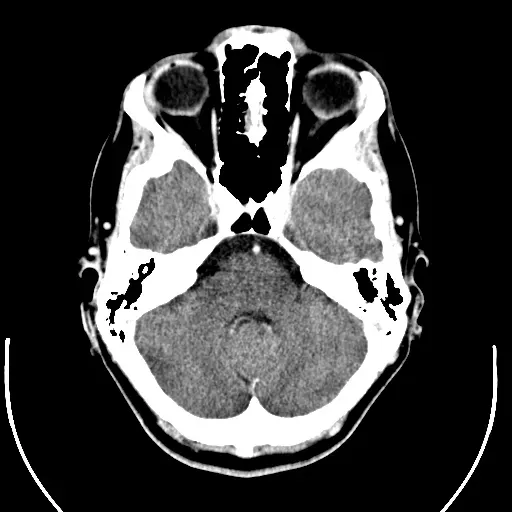
Days can feel endlessly long while years vanish in a blur, and neuroscience still does not have a satisfying explanation for that elastic sense of time. Different brain systems track different scales of time, from milliseconds needed to coordinate speech to longer intervals used for planning or waiting. Experiments show that attention and emotion strongly warp perceived duration: fearful or novel experiences feel stretched, while repetitive routines seem compressed. That is why a terrifying near-miss in traffic can feel frozen in slow motion, even though the actual time elapsed is tiny.
Some researchers propose that the brain tracks time by counting neural “ticks” or changes in activity patterns, rather than using a literal internal clock. When more things happen – more sensory changes, more cognitive updates – the brain estimates a longer duration. This idea fits with the observation that richer, more varied experiences feel longer, and that boredom makes time seem to drag even when little is happening externally. Yet there is still no consensus model that unites all our temporal illusions, from jet lag to déjà vu, into a single framework. Time in the brain remains less like a ruler and more like a funhouse mirror.
The Placebo Power of Belief
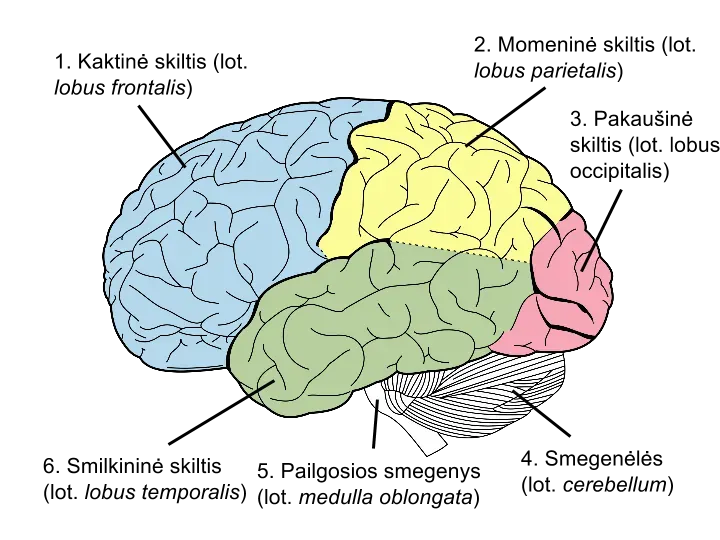
One of the most unsettling mysteries in mind science is that belief alone can trigger real biological change. In clinical trials, a substantial share of people given sugar pills report reduced pain, better sleep, or mood improvements, especially when they trust the treatment and the person delivering it. Brain scans during placebo analgesia show that pain-processing regions quiet down, while systems releasing natural opioids and dopamine ramp up. In other words, the body’s chemistry is genuinely altered by expectation, not just imagined to be.
At the same time, the flip side – nocebo effects – shows that negative expectations can increase pain or side effects, even when there is no active drug involved. Researchers have begun to unpack some of the circuitry behind these responses, but they cannot yet predict who will be a “strong responder” or reliably harness placebo power in ethical ways. This matters for medicine, where expectations can change outcomes for conditions ranging from depression to Parkinson’s disease. It also unsettles our intuitive line between real and imagined, forcing us to admit that the mind’s stories about the body can become part of the body’s reality.
The Problem of Shared Reality
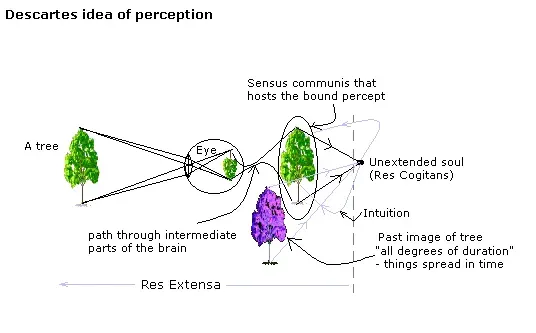
Most of us assume that what we perceive is roughly what others perceive, but that assumption is fragile. People disagree not only about politics or art, but about basic sensations – how spicy a dish tastes, how loud a noise is, how bright a light appears. Brains do not passively receive the world; they actively predict it, using prior knowledge and expectations to fill in gaps. That predictive machinery is efficient, but it also means that two people can literally inhabit slightly different realities built on the same incoming data.
At the extremes, conditions like schizophrenia, severe depression, or certain forms of dementia can fracture shared reality even more dramatically. But even in everyday life, algorithms and social media now feed us different streams of information, giving the brain different raw materials from which to build its predictions. Neuroscience can describe some of the mechanisms behind perception and belief formation, yet it cannot fully explain why certain ideas catch fire and feel absolutely true to one mind while striking another as impossible nonsense. The shared world we think we live in turns out to be a negotiated truce between many private, partially overlapping mental worlds.
Why These Mysteries Matter
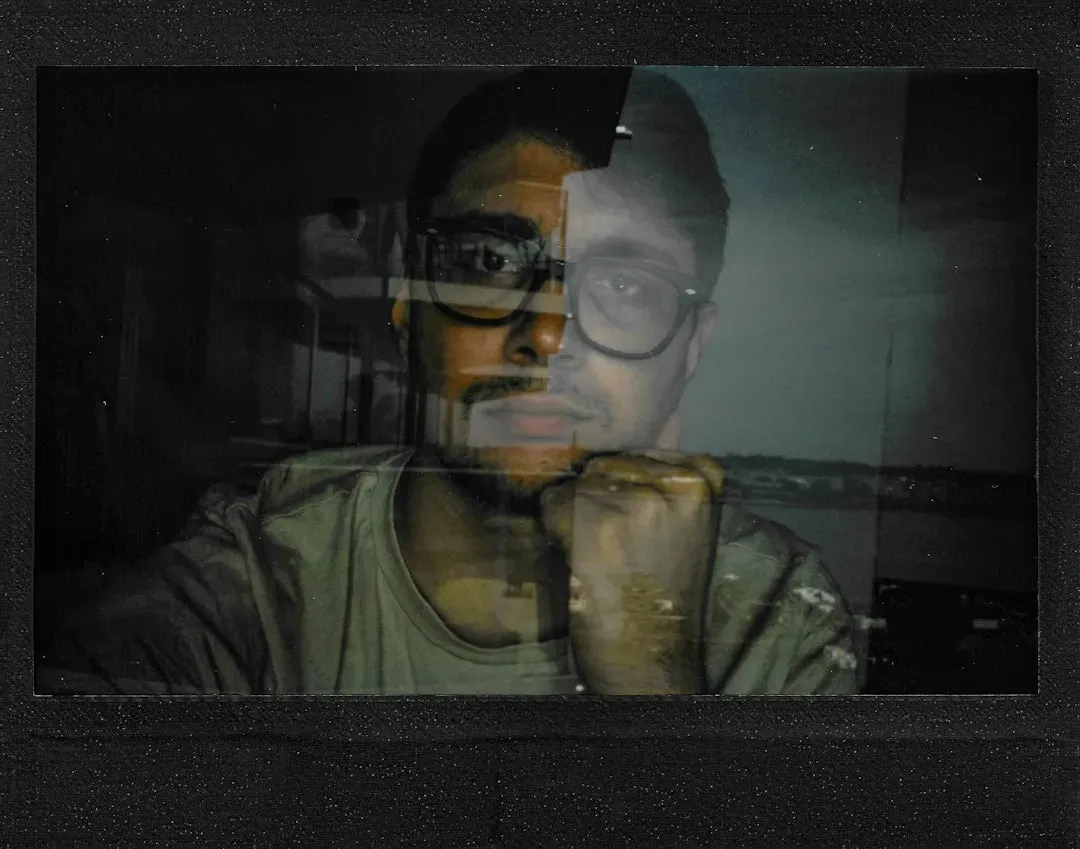
It can be tempting to treat these questions – about consciousness, memory, or time – as abstract puzzles best left to philosophers and lab scientists, but they shape everyday life in concrete ways. If memory is so malleable, that has huge implications for legal systems built on eyewitness testimony and for personal relationships built on shared stories. If unconscious biases steer decisions, then attempts to build fair hiring processes or impartial medical care have to grapple with influences people do not even know they carry. Understanding the placebo effect is not just a curiosity; it could change how doctors talk to patients and how treatments are designed and tested.
There is also a deeper, more personal reason these mysteries matter: they challenge our stories about who we are. Traditional views painted the mind as a unitary self, captain of the ship, making clear choices based on stable memories and rational thought. Modern neuroscience instead reveals a crowded control room of systems, some cooperating, some competing, few under full conscious control. For some people, that realization feels destabilizing, almost like discovering that your house is built on shifting sand. For others, it is liberating, a reminder that the ways we think and feel are not fixed fate but complicated products of biology, history, and context that might, with effort, be nudged in new directions.
The Future Landscape of Mind Research
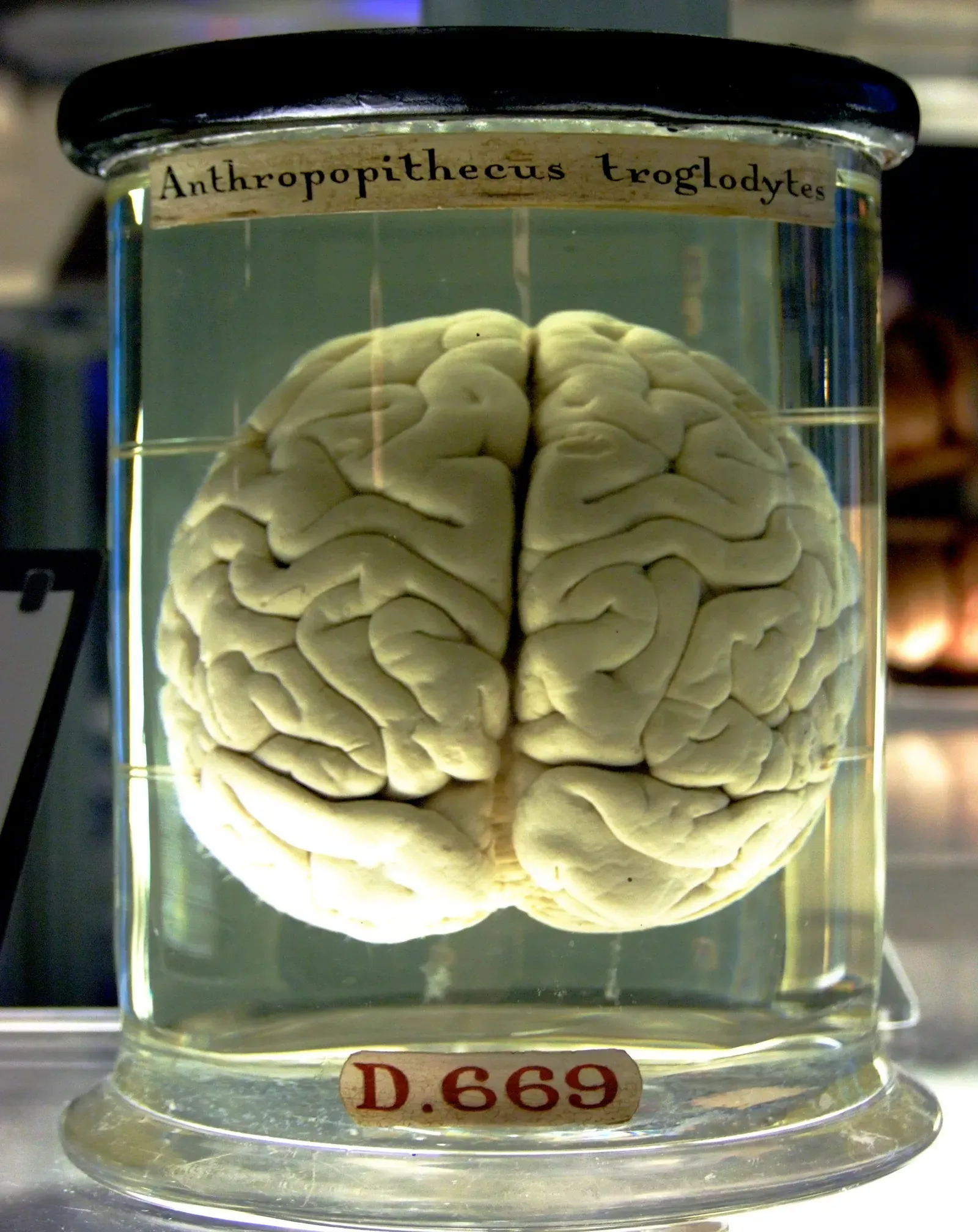
Despite the mysteries, neuroscience is in the middle of an experimental revolution that would have seemed like science fiction a generation ago. Ultra-fast imaging tools can now watch thousands of neurons fire almost simultaneously, while noninvasive brain stimulation can gently nudge circuits in living people and track what happens to perception and behavior. Artificial intelligence systems are learning to decode rough sketches of what someone is seeing or hearing based on their brain activity alone. These tools do not solve the big questions by themselves, but they give researchers ways to test once-speculative ideas with real data.
At the same time, there are serious risks and ethical puzzles on the horizon. If brain data can reveal hidden preferences or vulnerabilities, who should be allowed to collect and use that information? As companies race to build brain–computer interfaces for communication or control, how do we protect mental privacy and ensure that only the signals we truly mean to share are transmitted? Globally, there is also a growing concern that advances in neural technologies will be unevenly distributed, widening gaps between those who can enhance or repair brain function and those who cannot. The future of mind research promises astonishing new insights – and difficult choices about how far we are willing to go to peer inside ourselves.
How You Can Engage With the Unknown Mind
Most people will never implant an electrode or design a brain scanner, but there are still meaningful ways to engage with the mysteries of the mind. Paying attention to your own mental quirks – how your memories shift, how your sense of time warps, how expectations shape your symptoms when you are sick – turns your everyday life into a small, ongoing experiment. Supporting mental health research and services, whether through donations, voting priorities, or workplace policies, helps ensure that discoveries about the brain translate into real-world help for those who need it most. Staying curious about differences in perception and personality, rather than assuming others “must” see the world as you do, can soften conflicts and open better conversations.
If you want to go a step further, you can follow open science initiatives that share brain data and tools, enroll in ethically approved research studies at local universities or hospitals, or simply read and discuss high-quality science journalism with friends and family. None of these actions will instantly solve the deep riddles of consciousness or free will, but they help build a culture that takes the mind seriously without pretending to have all the answers. In a way, each of us is both subject and scientist, living inside the very phenomenon we are trying to understand. Given that, the most honest response to these enduring mysteries might be to keep asking better questions, together, and to accept that some of the strangeness of being human may never fully disappear.
Suhail Ahmed is a passionate digital professional and nature enthusiast with over 8 years of experience in content strategy, SEO, web development, and digital operations. Alongside his freelance journey, Suhail actively contributes to nature and wildlife platforms like Discover Wildlife, where he channels his curiosity for the planet into engaging, educational storytelling.
With a strong background in managing digital ecosystems — from ecommerce stores and WordPress websites to social media and automation — Suhail merges technical precision with creative insight. His content reflects a rare balance: SEO-friendly yet deeply human, data-informed yet emotionally resonant.
Driven by a love for discovery and storytelling, Suhail believes in using digital platforms to amplify causes that matter — especially those protecting Earth’s biodiversity and inspiring sustainable living. Whether he’s managing online projects or crafting wildlife content, his goal remains the same: to inform, inspire, and leave a positive digital footprint.