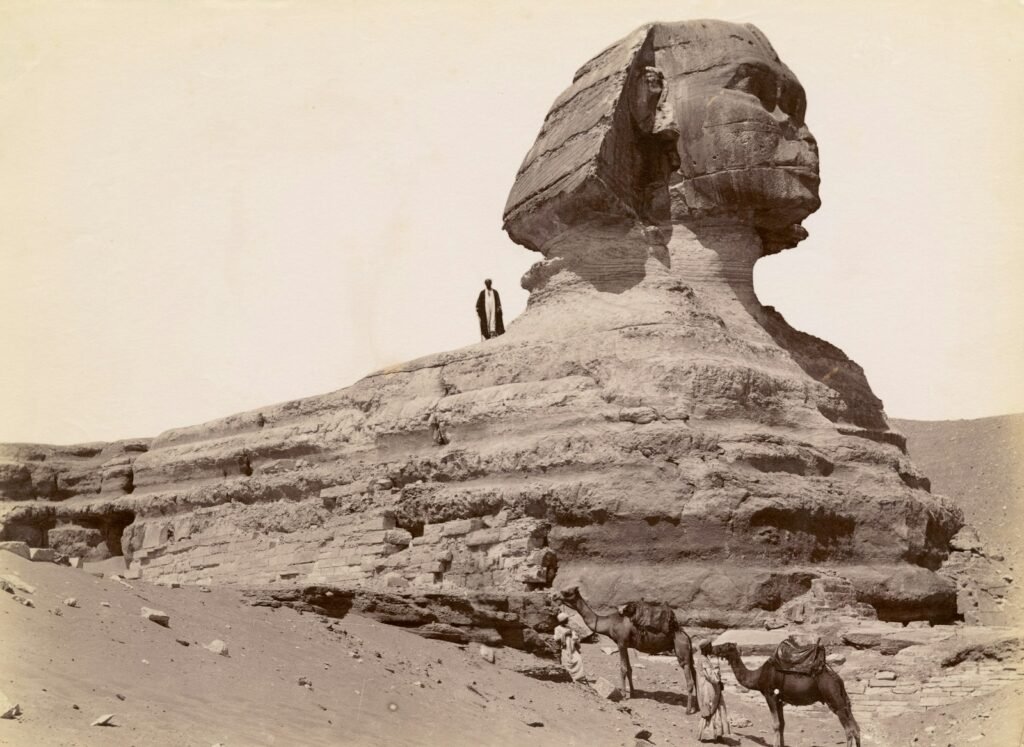

We toss around certain phrases every day without a second thought, as if they’ve always just existed, floating in the air above our conversations. But look a little closer, and those casual expressions turn out to be tiny time capsules, packed with traces of war, plague, early science, and even maritime engineering. Language historians and cognitive scientists argue that these verbal fossils shape how we think about risk, luck, and responsibility, often in ways we barely notice. When you say something is a “lost cause” or that you’re feeling “under the weather,” you’re not just talking – you’re reenacting centuries of human trial and error. Exploring where these phrases come from turns small talk into a kind of archaeological dig, where every idiom is a shard of our shared past. And once you know their stories, you’ll never quite hear them the same way again.
The Hidden Clues: “Bite the Bullet” and Battlefield Medicine

When someone tells you to “bite the bullet,” it sounds like a pep talk about being brave, but its roots are much bloodier. The phrase likely emerged from battlefield surgeries before effective anesthesia, when wounded soldiers were given a bullet – or sometimes a leather strap – to clamp between their teeth during agonizing procedures. Historical accounts from the eighteenth and nineteenth centuries describe surgeons working fast, with pain management closer to grit and distraction than to modern pharmacology. The metallic object gave the jaw something to crush that was not the tongue, while absorbing some of the shock of pain and keeping the patient from screaming uncontrollably. Over time, that raw experience condensed into a metaphor: enduring something awful because there’s no other way through. Today, the violence is gone from the hospital but preserved in our speech, like a scar tissue memory of pre-anesthetic medicine.
What fascinates linguists is how the phrase still carries a bodily feel – you almost clench your own teeth when you say it. Cognitive science suggests that such “embodied metaphors” help us mentally rehearse endurance, turning a literal act of survival into a psychological tool we can deploy in office meetings and dentist waiting rooms alike. In a strange way, every time we tell someone to “bite the bullet,” we’re re-running a very old human calculation: is the pain now worth the benefit later?
From Ancient Tools to Modern Science: “Rule of Thumb” and Measuring the World
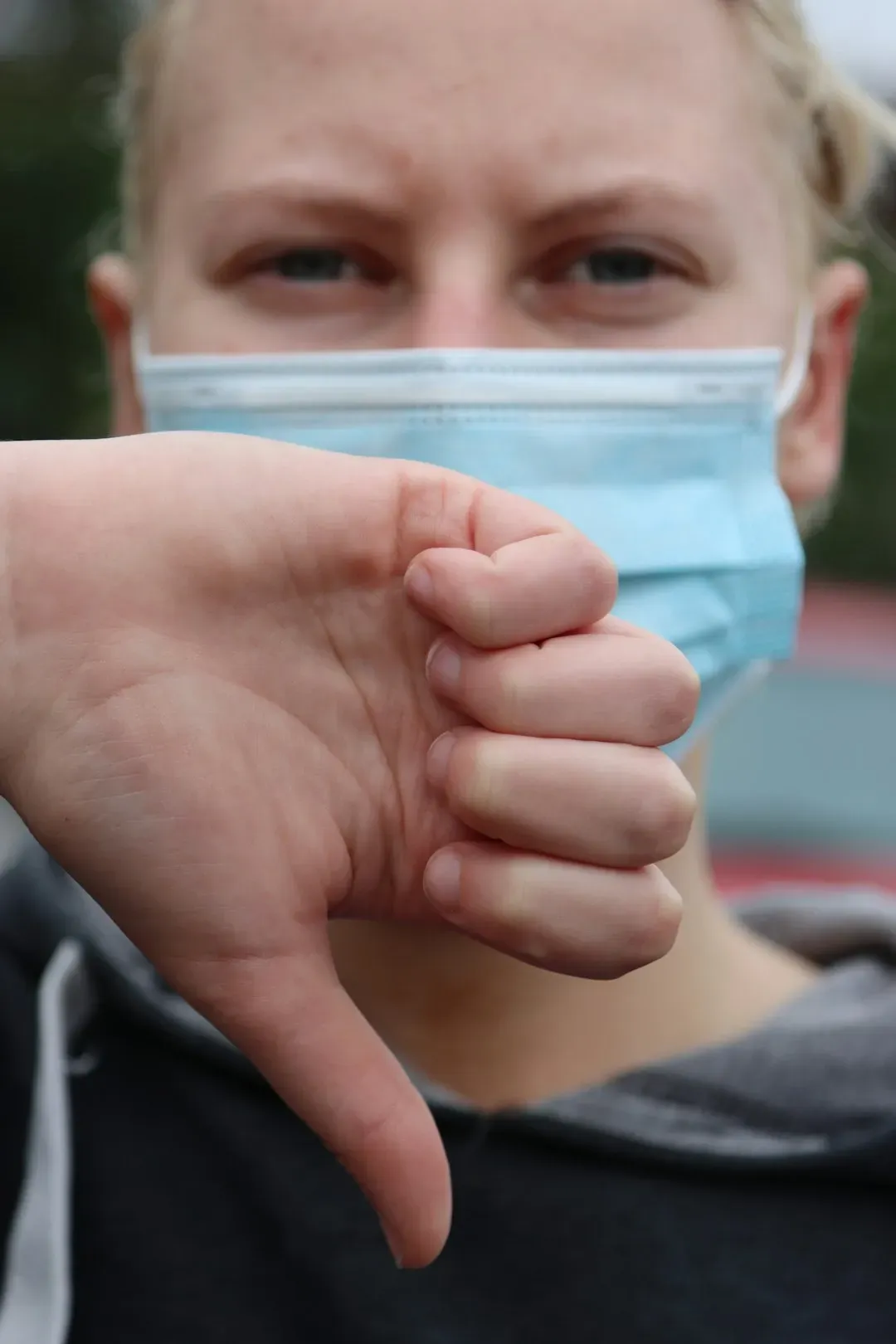
“Rule of thumb” sounds almost adorably imprecise, like something your grandfather might say while eyeballing a recipe. The expression appears to grow out of a world before standardized units, when body parts served as rough gauges – thumbs for inches, feet for, well, feet. In early crafts, builders and brewers often relied on approximations drawn from their own hands, developing practical shortcuts long before precision instruments or digital sensors. Over centuries, “rule of thumb” came to mean a heuristic, a quick-and-dirty method that tends to work in everyday conditions even if it fails under strict scientific scrutiny. Modern data science and behavioral economics talk about heuristics with math; this old phrase talks about the same thing with skin and bone.
There is a persistent myth that the phrase comes from an old law allowing a man to beat his wife with a stick no thicker than his thumb, but historians have found no solid evidence for such a statute. That story is compelling because it fits what we know about past injustices, but it appears to be a retrofitted legend rather than a true origin. The more likely story – a craftsman’s measuring hack – quietly links the phrase to the birth of empirical thinking, when people systematically used their own bodies to make sense of the physical world. In a way, “rule of thumb” is the ancestor of the quick back-of-the-envelope calculation scientists still use before running full models.
Stormy Minds: “Under the Weather” and Early Medical Theories
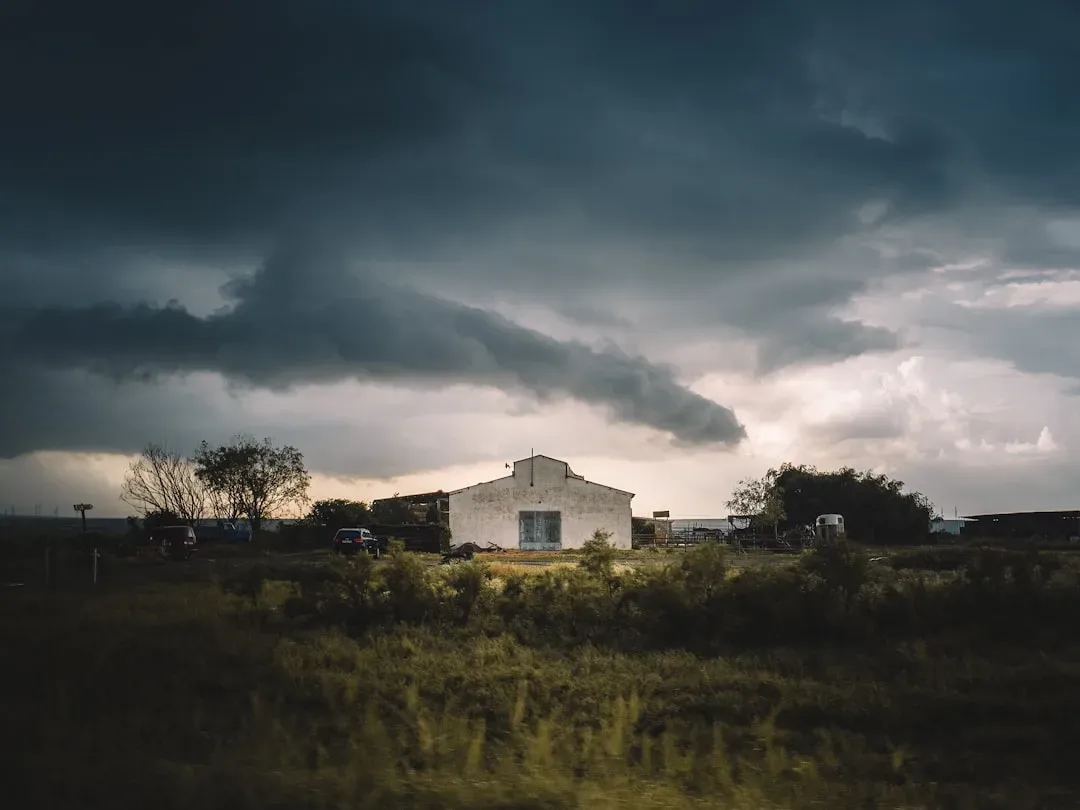
When you call in sick and say you’re “under the weather,” you’re echoing centuries of belief that the sky can literally make you ill. Long before germ theory, physicians and philosophers subscribed to miasma and humoral theories, which framed weather as a major driver of bodily balance or imbalance. Cold, damp air was thought to thicken bodily fluids; sudden temperature shifts were accused of destabilizing the mind. In that intellectual climate, feeling unwell during a storm was not just coincidence, it was causal. Some evidence suggests the phrase also carries a maritime twist, as sailors taken ill were sent “under the weather bow,” away from harsh wind and spray.
Modern research does find links between weather and health: changes in barometric pressure can worsen joint pain, heat waves strain cardiovascular systems, and gloomy days are associated with lower mood and energy. So while no one now believes that bad air alone creates disease, the old intuition that sky and body are entangled is not entirely wrong. Saying you are “under the weather” is a compact way of acknowledging forces you can feel but not control, a micro-confession that human biology is still tethered to planetary physics.
Numbers, Plague, and Probability: “By and Large” and “The Whole Nine Yards”

Some of the strangest origins hide inside phrases we barely notice, like “by and large.” This expression, now used to mean “on the whole,” seems to emerge from sailing jargon, where “by” meant sailing close to the wind and “large” meant with the wind at your back. A ship that handled “by and large” was one that could cope with varied conditions, and the phrase drifted from ship logs into everyday language. It’s a quiet artifact of an era when navigating uncertainty was literally a matter of life and death on the open sea. The oceans may feel distant to many of us now, but every “by and large” carries their legacy of risk management.
By contrast, “the whole nine yards” is a linguistic mystery that has provoked decades of debate. Popular explanations link it to lengths of machine-gun belts, bolts of fabric, or concrete truck loads, yet documentary evidence for any single story is thin. What is clear is that twentieth-century English speakers wanted a vivid way to talk about going all in, using everything available. In that sense, the phrase mirrors a broader scientific preoccupation with limits and saturation points – how far a system can be pushed before it’s exhausted. Our idioms, like our models, are obsessed with boundaries.
Global Perspectives: “Break the Ice,” “Caught Red-Handed,” and Social Norms

“Breaking the ice” sounds friendly now, but it once described literal ice-breaking ships forcing passage through frozen waters. Commercial and exploratory vessels used reinforced hulls to crack the surface, opening a path for others in treacherous conditions. As the phrase migrated inland, it came to describe easing social tension, shattering the frozen stiffness between strangers. The physical metaphor is so strong that psychologists still talk about “cold” or “stiff” first encounters and warm, flowing conversations. Social scientists have even measured how brief, low-stakes chatter can improve cooperation in later group tasks, as if a bit of small talk truly does break something rigid.
“Caught red-handed,” on the other hand, brings us into the realm of law and punishment. The phrase appears in older legal language about being apprehended with blood literally on one’s hands, especially in cases of poaching or murder. Over time it generalized into any situation where guilt is obvious, evidence so visible it seems to stain the person. Criminology has moved beyond such literal markings into fingerprints, DNA, and digital trails, but the mental picture remains vivid. These phrases reveal how societies worldwide have long wrestled with the same problems: how to start trust, how to prove wrongdoing, and how to talk about both in ways everyone understands immediately.
Science of Superstition: “Knock on Wood” and “Touch Wood”
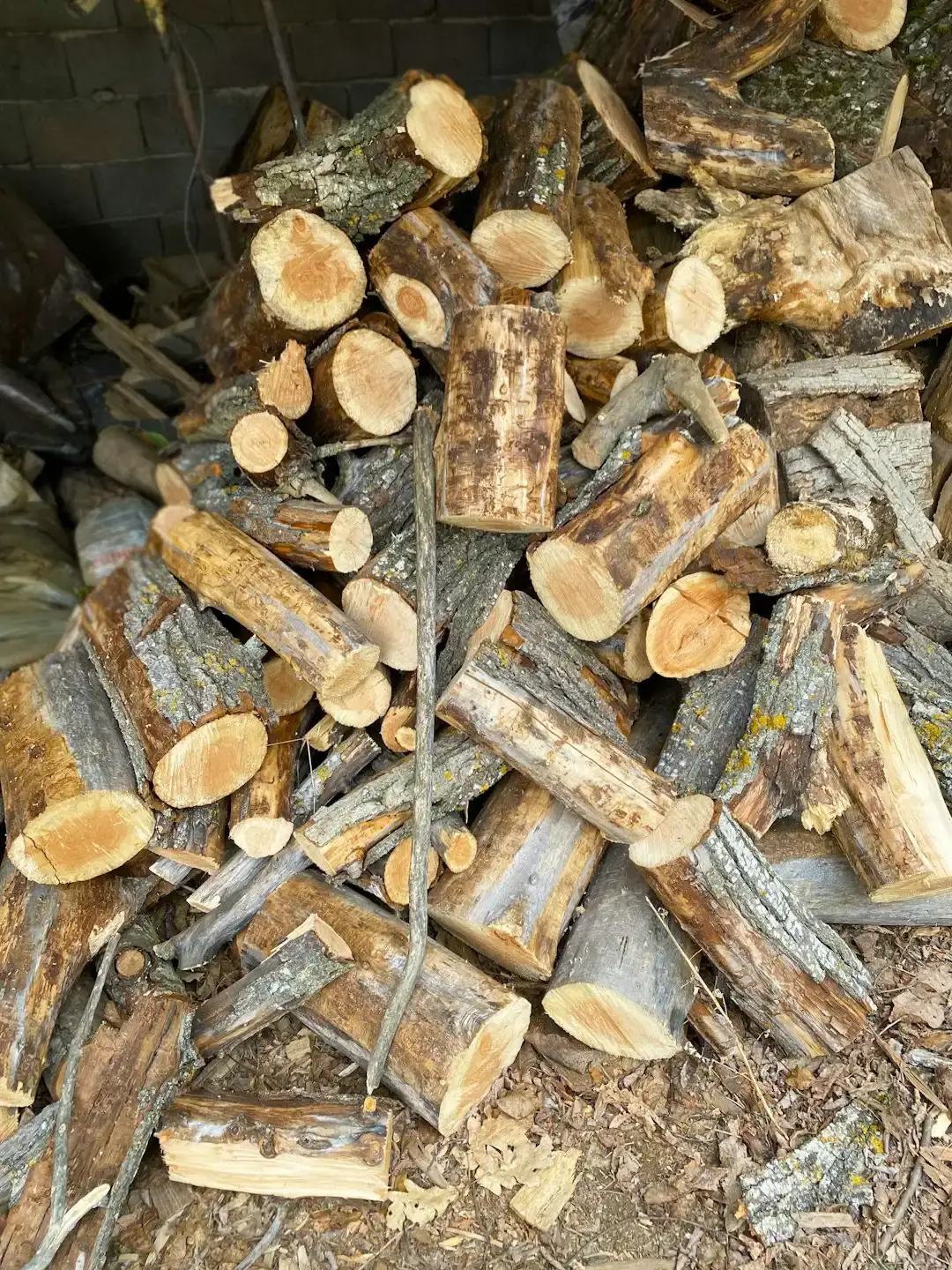
“Knock on wood” or “touch wood” is one of those gestures many of us perform almost automatically, like a reflexive ritual against tempting fate. The expression is often linked to ancient beliefs that spirits or protective deities lived in trees, so touching or knocking on wood might call on them for help or avoid attracting their mischief. Folklorists have traced similar practices across European and Middle Eastern cultures, with variations in the details but the same core idea: do something physical to hedge against bad luck. What starts as a sacred act can slowly secularize into a half-joke, yet the behavior persists. Psychologists studying superstition find that such rituals can lower anxiety and give people a sense of control, even when they know rationally that no physical law is being altered.
Experiments have shown that participants who perform a small ritual before a task sometimes feel more confident and may even perform slightly better, likely because stress is reduced. In that light, “knock on wood” is a mini coping mechanism disguised as a cultural quirk. We can dismiss it as irrational, but it reflects a deep human tendency: outsource some of our fear to the material world. The phrase is a reminder that our brains run on stories as much as on statistics.
Why It Matters: Everyday Phrases as Cognitive Fossils
At first glance, tracing the history of phrases might sound like trivia-night material, but it opens a window onto how culture, science, and belief systems shift over time. These idioms are cognitive fossils, preserving how previous generations understood pain, weather, justice, risk, and chance. When we say “bite the bullet” or “under the weather,” we are casually rehearsing stories about surgery and sky-borne illness that once felt like cutting-edge explanations. In classrooms and labs, scientists now use formal models and controlled experiments, yet everyday language still carries the imprints of pre-scientific theories. That mix of old and new thinking shapes how we talk about health, danger, and responsibility.
There is also a subtle cognitive effect: phrases can nudge how we frame events and choices. If we default to idioms about fate and luck, we may see outcomes as more random and less influenced by systemic factors. If we lean on phrases born from measurement and navigation, we may be more inclined to think in terms of trade-offs and probabilities. Studying the origins of these expressions is not just linguistic archaeology; it is a way of auditing the mental shortcuts we inherited. By understanding where our idioms come from, we gain a chance to decide which ones still serve us – and which quietly smuggle in outdated ideas.
The Future Landscape: AI, Corpora, and the Next Generation of Idioms
Today, computational linguists feed vast text corpora into algorithms to watch phrases evolve almost in real time, a kind of weather radar for language. Machine learning models can track when an expression shifts meaning, spikes in popularity, or crosses from one community into another. Social media accelerates this process, turning jokes, memes, and slang into potential idioms faster than any century before. In a few decades, phrases born in gaming chats or niche forums may be as opaque to future speakers as “by and large” is to someone who has never seen a sail. We are living through a linguistic experiment at planetary scale, and the data trails are finally rich enough for detailed analysis.
Linguists and cognitive scientists are also interested in how new technologies – voice assistants, translation apps, generative models – might either preserve or flatten local expressions. If algorithms favor more “standard” phrases, regional idioms could fade; if they are trained on diverse sources, they might keep those quirks alive. There is even talk of using language evolution as an early-warning system for social and scientific change, spotting when metaphors about climate, disease, or AI begin to dominate everyday speech. The idioms your grandchildren grow up with may be born not on ships or battlefields, but in comment threads and code repositories, and they will carry their own hidden histories.
Everyday Actions: How to Listen, Learn, and Keep Language Alive

If you want to engage with this hidden layer of history, you do not need a degree in linguistics; you just need curiosity and a bit of attention. Start by noticing when a phrase paints a physical picture – bullets, weather, ice, wood – and ask yourself what real-world scene might have produced it. Look up a couple of origins each week, preferably from reliable etymology dictionaries or language historians, and treat them like short stories about human survival and imagination. Share your favorite discoveries with friends or kids, not as corrections but as extra layers of meaning they can choose to enjoy. The point is not to police language, but to make it richer.
You can also support projects that document endangered languages and regional expressions, many of which are being archived by universities, museums, and local communities. These efforts are the linguistic equivalent of biodiversity conservation, preserving idioms and structures that encode unique ways of seeing the world. On a daily level, pay attention to which phrases you repeat and what assumptions they carry about health, luck, guilt, or control; you might decide to retire a few and revive others. Language will keep evolving with or without us, but we have a say in which stories it carries forward. The next time you tell someone to “break the ice” or feel “under the weather,” remember: you are not just talking – you are time traveling.
Suhail Ahmed is a passionate digital professional and nature enthusiast with over 8 years of experience in content strategy, SEO, web development, and digital operations. Alongside his freelance journey, Suhail actively contributes to nature and wildlife platforms like Discover Wildlife, where he channels his curiosity for the planet into engaging, educational storytelling.
With a strong background in managing digital ecosystems — from ecommerce stores and WordPress websites to social media and automation — Suhail merges technical precision with creative insight. His content reflects a rare balance: SEO-friendly yet deeply human, data-informed yet emotionally resonant.
Driven by a love for discovery and storytelling, Suhail believes in using digital platforms to amplify causes that matter — especially those protecting Earth’s biodiversity and inspiring sustainable living. Whether he’s managing online projects or crafting wildlife content, his goal remains the same: to inform, inspire, and leave a positive digital footprint.