
Some of the weirdest mysteries you’ll encounter in life aren’t in a lab or a research paper – they’re in your kitchen, your bathroom, and your own head. The way toast always seems to land butter-side down, the way time feels slow when you’re bored and lightning-fast when you’re happy, or the eerie déjà vu that makes you swear you’ve lived a moment before – all of it feels a bit magical until you dig into the science. And once you do, a lot of everyday life suddenly looks very different.
I still remember the first time I learned that a sunset’s colors are basically light getting scattered to pieces by tiny particles in the air – it made every evening sky feel like a physics lesson wrapped in art. That’s the strange gift of science: it doesn’t kill the magic; it explains it in a way that often makes it even more beautiful. Let’s walk through some of those hidden explanations that quietly shape your day, probably without you ever realizing it.
Why Time Feels Faster As You Get Older

Think back to childhood summers: they felt endlessly long, like entire lifetimes crammed into a few hot months. Now, a year can pass and feel like a long weekend. This isn’t just nostalgia; it’s tied to how your brain encodes and compresses experiences over time. When you’re young, everything is new, so your brain lays down lots of detailed memories, making a period of time feel rich and full in hindsight.
As you get older, more of your days look and feel the same, so your brain stores fewer distinct snapshots and compresses them more heavily. When you look back, there simply aren’t as many “markers,” so months blur together, and it feels like time sped up. There’s also the relative-time effect: one year to a 10-year-old is a huge chunk of their life, but one year to a 50-year-old is a much smaller fraction, so psychologically it feels shorter. The result is unsettling but very human: routine quietly edits your sense of time, leaving you feeling like life is accelerating.
Déjà Vu: That Creepy Feeling You’ve Lived This Moment Before
That jolt of familiarity you get in a totally new place can feel almost supernatural, like your brain has glitched or you’ve somehow stepped into a memory from another life. Science leans toward a more grounded explanation: déjà vu is likely a misfire in how your brain handles familiarity and memory. One idea is that your brain temporarily processes the same incoming information along two slightly different pathways, with a tiny delay between them.
When the second pathway fires, it feels uncannily like you’re recalling a memory, even though it’s actually happening for the first time. Another theory suggests that a new situation partially matches the pattern of an old memory, triggering a false “this has happened before” flag. It’s like your brain mislabels a moment, stamping it as a replay instead of a first run. The feeling can be intense and eerie, but at its core, it’s your brain doing pattern recognition a little too aggressively.
Why Toast Seems To Land Butter-Side Down
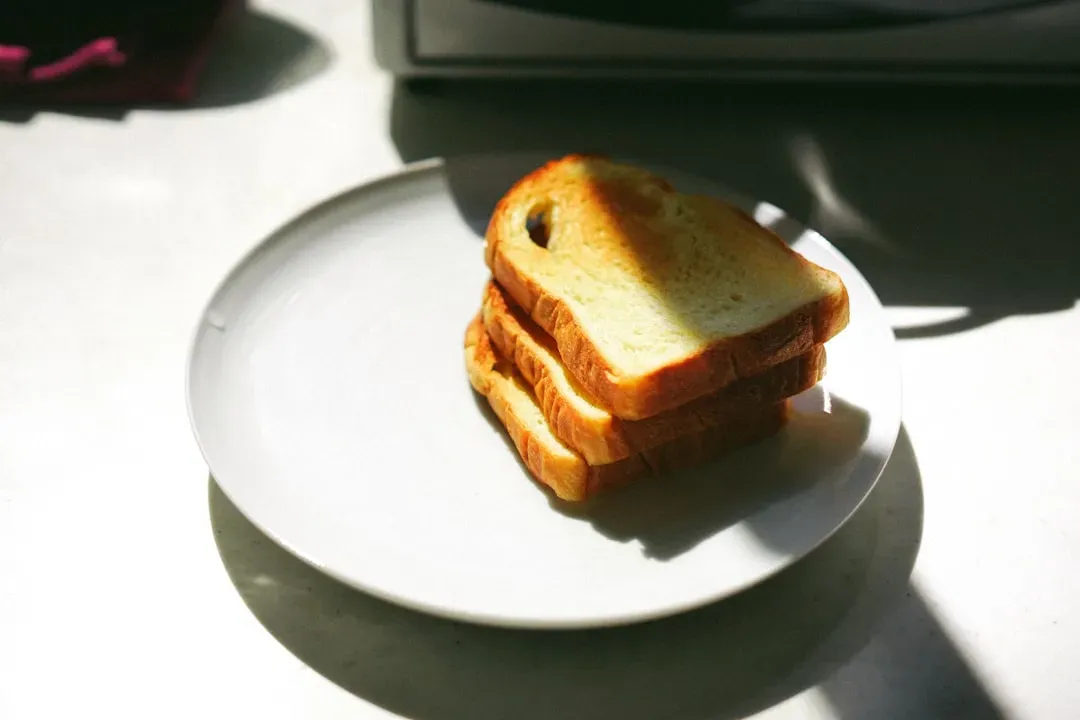
It’s tempting to blame bad luck when your toast almost theatrically splats butter-side down onto the floor. But physics is a lot more responsible than fate here. In most real-life situations, toast slides off a table, starts to tip, and has time to rotate only about half a turn before it hits the ground, simply because of the height of the table and the speed of the rotation.
Since the buttered side usually starts facing up on the table, half a turn puts it facing down when it lands. Taller tables or different starting positions could change the outcome, but typical kitchen setups accidentally optimize for this annoying result. It also sticks in your memory more when it falls butter-side down because it’s messier and more frustrating, so your brain logs those incidents more strongly. The combination of rotation, gravity, and selective memory makes it feel like the universe is mocking you when it’s really just basic mechanics.
Why Hot Water Sometimes Freezes Faster Than Cold

It sounds backwards at first: how could hotter water freeze faster than cooler water? Yet under some conditions, this strange effect has been observed and is known as the Mpemba effect, named after a student in Tanzania who noticed it in the 1960s. Scientists have debated the exact mechanisms for decades, and there isn’t a single simple explanation that covers every situation, but several factors likely play a role together.
Hot water can evaporate more, reducing the amount that needs to freeze, and it can set up different temperature gradients and convection currents inside the liquid, affecting how heat leaves the system. There’s also evidence that how hydrogen bonds behave in water at different temperatures may slightly change freezing dynamics. The key detail is that this isn’t a guaranteed everyday effect; it depends on containers, temperatures, and environmental conditions. Still, it’s a great reminder that even something as “simple” as water can behave in ways that feel counterintuitive until you look closely.
Brain Freeze: The Sudden Headache From Ice-Cream

You take a big bite of ice cream, and suddenly your skull feels like it’s being squeezed in a vice. That sharp, stabbing pain, often called brain freeze, actually has a pretty specific physiological cause. When something extremely cold hits the roof of your mouth, the blood vessels in that area rapidly constrict and then quickly dilate again as your body responds to the temperature shock.
This rapid change is sensed by nearby nerves, which send signals interpreted by your brain as pain in your head rather than just your mouth. It’s a form of referred pain, where your brain basically misassigns the origin of the discomfort. One simple trick to reduce it is to press your tongue against the roof of your mouth to warm it up, helping the blood vessels normalize more quickly. The whole episode is short-lived, but it’s dramatic enough that your body makes sure you remember not to overdo the frozen treats in one giant gulp.
Why Your Fingers Wrinkle In Water

Spending time in a bath or pool leaves your fingers looking like raisins, which seems at first like a simple water-logging issue. For a long time, people assumed the skin was just passively soaking and swelling, but research has shown it’s actually an active response controlled by your nervous system. When your fingers are submerged for a while, blood vessels in the skin constrict, making the skin pucker and wrinkle.
One leading idea is that this might be an evolutionary adaptation that improves grip in wet conditions, a bit like tire treads on a car. Wrinkled skin channels water away and increases friction, making it easier to hold onto objects when they’re slippery. Interestingly, people with certain nerve damage do not develop these wrinkles in the same way, supporting the idea that it’s a nervous-system-driven process rather than just passive absorption. Your pruney fingers might look funny, but they’re likely a built-in survival feature.
Why You See Faces In Clouds, Outlets, And Toast

If you’ve ever looked at a power outlet and thought it looked a bit like a surprised face, you’ve experienced pareidolia. This is your brain’s tendency to see meaningful patterns, especially faces, in random shapes and arrangements. Humans are incredibly tuned to detect faces because recognizing expressions and identities has been crucial for social living and survival.
Neural circuits that specialize in face processing are so sensitive that they sometimes fire when shapes merely resemble eyes, a nose, and a mouth in roughly the right layout. While this can lead to funny or eerie moments, it’s essentially your perception working on overdrive rather than anything mystical. The same tendency is why people sometimes see animals in clouds or shapes in the moon’s surface. Your brain would rather wrongly detect a face than miss a real one, and that bias colors how you see the world.
Why You Get Goosebumps From Music Or Strong Emotions

Those tiny bumps that rise on your arms during a powerful song or a moving scene in a movie are more than just a quirky reaction. Goosebumps are tied to tiny muscles at the base of your hair follicles that contract and make the hairs stand up. In many animals, this raises fur to trap heat or make them look larger and more intimidating, but in humans, we mostly have the reflex left over as a leftover trait.
What’s surprising is how often strong emotions can trigger the same response. Intense music, awe, fear, or even overwhelming nostalgia can activate parts of the nervous system linked to arousal and vigilance. That system still uses some of the old physical outputs, like goosebumps, even though we no longer rely on them to puff up our fur. When a song gives you chills, it’s essentially tapping into deep, ancient wiring that intertwines emotion and bodily response.
Why Your Shower Temperature Suddenly Changes

You’re in the shower, feeling perfectly comfortable, when suddenly the water blasts you with scalding heat or icy cold. This dramatic shift isn’t your imagination; it comes from how plumbing systems balance pressure and flow. When someone flushes a toilet or turns on a tap elsewhere in the house, it alters the pressure in either the hot or cold water line.
If the cold pressure drops, for example, the mix at your shower head shifts toward hotter water, making it feel instantly more intense. Older plumbing and certain valve designs are especially prone to these swings because they don’t automatically compensate for pressure changes. Newer systems with pressure-balancing or thermostatic valves aim to reduce this problem by keeping the mix steadier. But in many homes, that surprise temperature jump is just fluid dynamics playing out in a very personal way.
Why Your Voice Sounds So Weird In Recordings

Almost everyone cringes the first time they hear their own voice recorded. It sounds thinner, higher, or just strangely unlike what you hear in your head. The difference comes from how sound travels to your inner ear. When you speak, you’re hearing your voice through two paths: sound traveling through the air to your ear and vibrations traveling through the bones and tissues of your skull.
The bone-conducted route emphasizes lower frequencies, making your voice sound richer and deeper to you than it actually is to others. A recording only captures and plays back the air-conducted part, which is what everyone else hears all the time. Listening to that version can feel unsettling because it contradicts your lifelong internal reference. Eventually, with enough exposure, some people get used to it, but that first recorded playback often feels like hearing a stranger impersonate you.
Why You Feel Like You’re Still Moving After Getting Off A Boat

After a long boat ride, stepping onto solid ground can feel oddly wobbly, as if the earth itself is swaying. This sensation, sometimes described as land sickness, comes from your brain adapting to the motion of the boat and then needing time to readapt. While you’re on the water, your balance system learns to expect and compensate for constant rocking, blending signals from your inner ear, eyes, and body.
When you return to stable ground, those adjustments don’t disappear instantly, so your brain briefly “overcorrects,” and you feel phantom motion. It’s similar to stepping off a treadmill and feeling like the floor is moving, just on a longer timescale. For most people, this sensation fades quickly, but some experience it more intensely and for longer periods. It’s a reminder that your sense of stability is not fixed; it’s a constantly updated guess built from moving parts.
Why Your Eyes Adjust To Darkness So Slowly
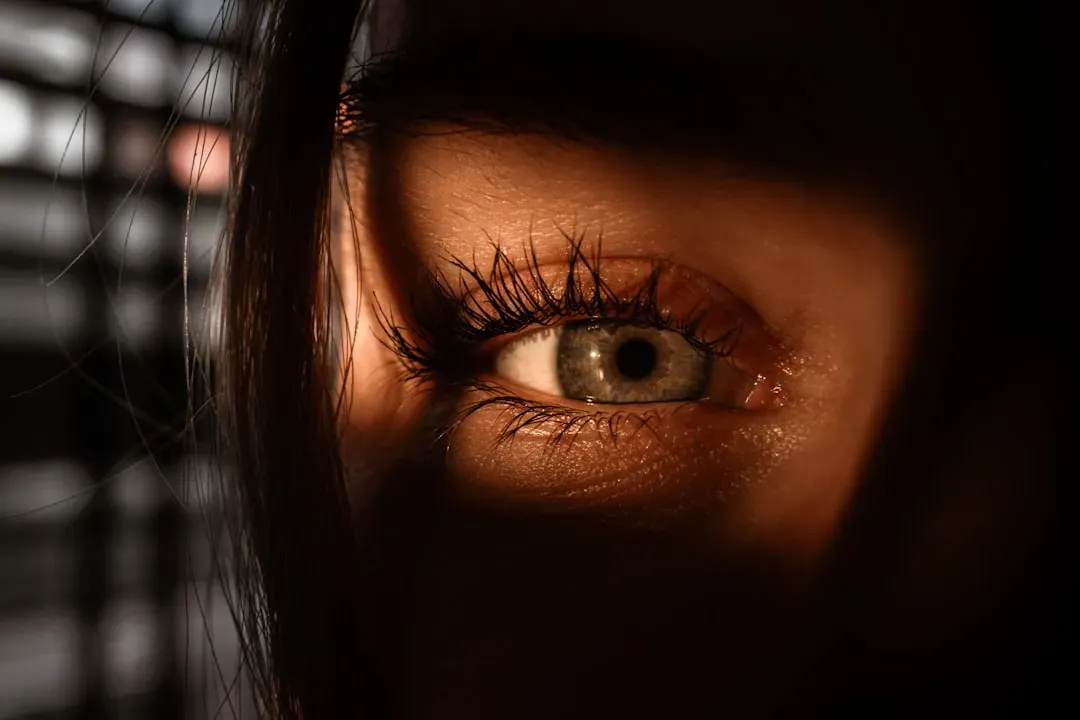
Walking from bright sunlight into a dark room can feel like someone flipped a switch and turned your vision off. It takes time for your eyes to adapt, and that lag is rooted in how the light-sensitive cells in your retina work. In bright conditions, cone cells dominate, helping you see color and fine detail. In low light, rod cells take over; they’re far more sensitive but don’t provide color information.
Switching from cone-dominated to rod-dominated vision involves chemical changes in light-sensitive pigments that don’t happen instantly. Rods need time to regenerate molecules that were bleached by bright light, and that biochemical process can take many minutes to fully complete. That’s why, if you stay in the dark, your vision gradually improves, revealing shapes and outlines you couldn’t see at first. It’s not that the room is getting brighter; your eyes are quietly upgrading their low-light settings behind the scenes.
Everyday Life is Full of Tiny Mysteries

Everyday life is full of tiny mysteries that we usually skate past without a second thought. Whether it’s why time feels like it’s slipping through your fingers or why your fingers wrinkle in the bath, the explanations are often more intricate and surprisingly elegant than they first appear. The world doesn’t get less interesting when you understand it; it just gets layered, like discovering there’s a whole hidden blueprint behind the scenes of your daily routine.
The next time your toast hits the floor or a song gives you goosebumps, you’ll know there’s a whole chain of physics, biology, and psychology unfolding in that instant. And maybe that knowledge will make those moments feel a little less random and a little more fascinating. Which of these everyday quirks will you look at differently the next time it happens right in front of you?