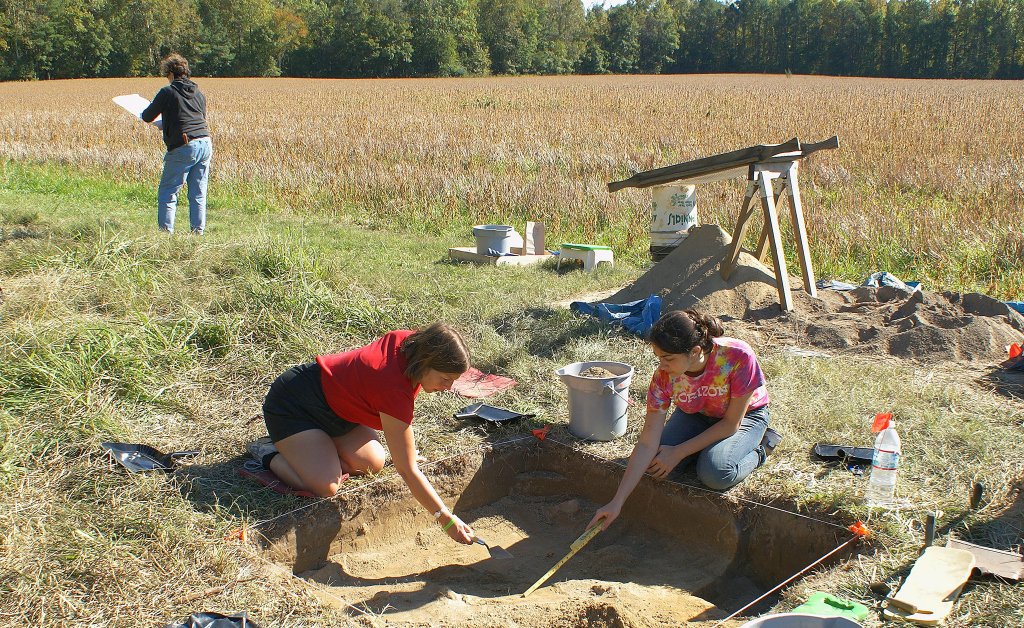
You’d think the moment a shovel breaks ground on a promising site, the fun is just getting started. Cameras roll, funding flows, and everyone pictures the next big headline-making discovery waiting a few feet below the surface.
But pull the actual excavation logs and regulatory files, and a much messier pattern shows up. Again and again, the first trench doesn’t open the door to more digging – it slams it shut for good. Bones, budgets, bureaucracy, and furious neighbors have ended projects before they ever got a second day of work. Here are 12 real cases where cracking the ground open turned out to be the beginning of the end.
#12 – The LA Cemetery That Stopped a Crew Cold
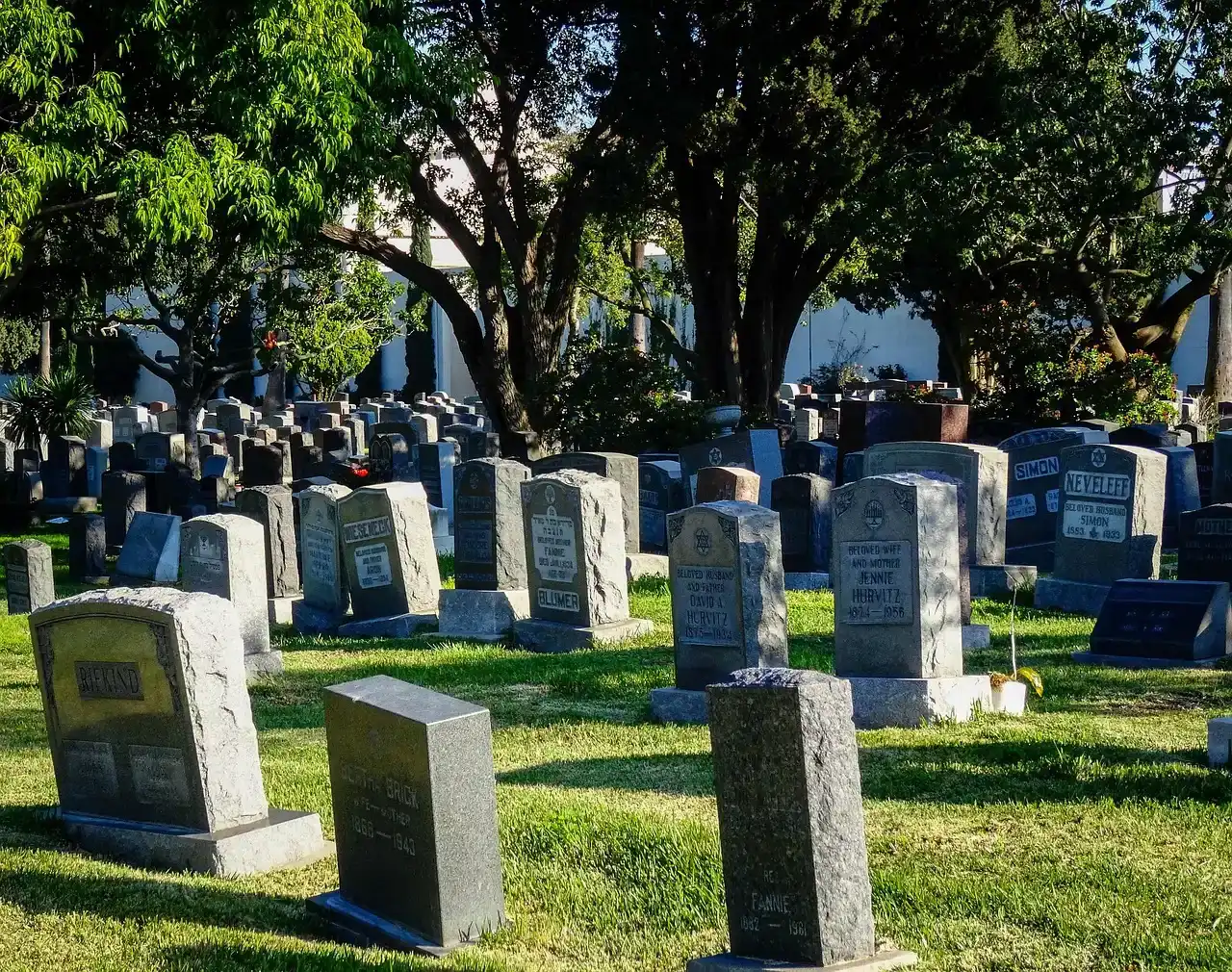
Most construction teams figure a stack of permits means smooth sailing. One downtown Los Angeles project found out the hard way that paperwork means nothing once bones start turning up in the dirt.
The first trench dug into the old camposanto area hit skeletal remains, and within days archaeologists and Native American groups were demanding a full stop. The CEO didn’t push back – he announced an indefinite halt, citing the sheer volume and historical weight of what had surfaced.
Here’s the part that stings: records of that burial ground had been sitting in public archives the entire time. Nobody pulled them until the bones forced the issue. Other sections of the site kept moving, but that one patch of ground stayed sealed off for good, protected by legal and ethical obligations no contractor could argue their way around.
Wait until you see what happened at #11…
#11 – Verulamium’s Roman Ruins That Got Too Big to Handle
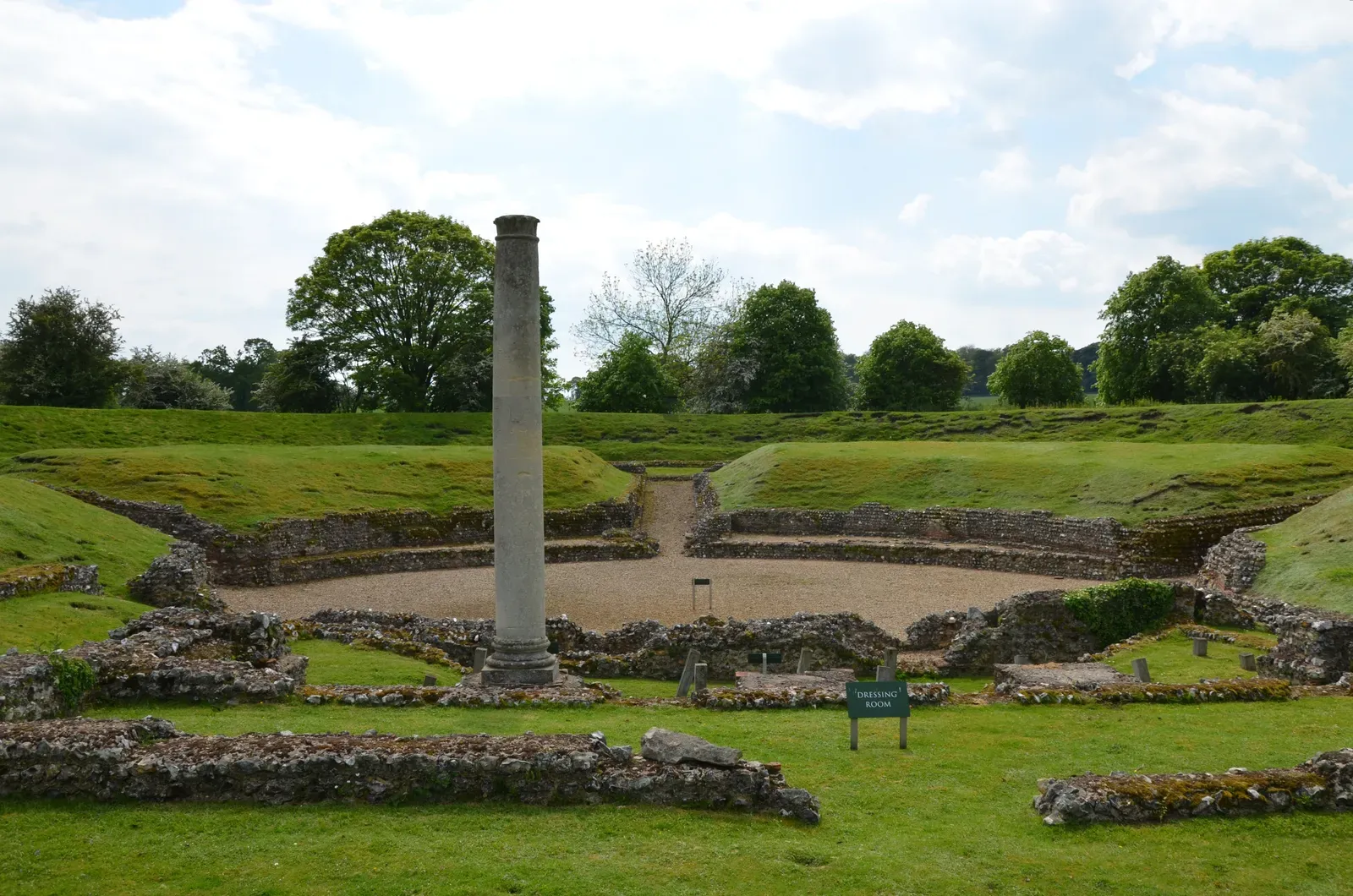
Three solid years of digging at the Roman site of Verulamium in St. Albans produced more material than anyone expected. So when the Excavations Committee finally made a call, they chose to stop – not because the site had gone quiet, but because it hadn’t.
The first major trenches had already pulled up more from this Romano-British settlement than the team could process in years. Instead of chasing new ground, the priority shifted entirely to cataloguing what was already sitting in storage crates.
It’s a strange twist: a dig can be too successful for its own good. Resources got redirected to analysis instead of expansion, the finds went into local custody, and fieldwork on that scale never resumed. When a trench overdelivers, the shovels sometimes go quiet permanently.
#10 – Wood Quay’s Viking City Buried Under a Deadline
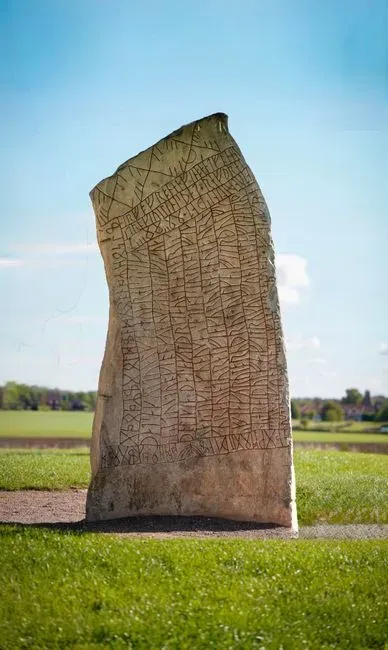
Dublin’s Wood Quay site turned out to be sitting on top of more than 100 Viking-era buildings. That’s the kind of discovery that should have kept archaeologists busy for a decade. Instead, developer pressure and hard deadlines meant huge stretches of it were never touched.
Protesters physically occupied the site after the first significant layers appeared, terrified of watching centuries of Viking Dublin get bulldozed. It worked, for a while. But when the clock finally ran out, most of that intricate stratigraphy went under concrete instead of into a museum.
This case is the blueprint for how these things usually end: a spectacular first trench triggers a preservation fight, the fight buys time, and commercial deadlines win anyway. The city got its development. Nobody ever saw what was still buried underneath it.
Fast Facts
- Site: Wood Quay, on the banks of the River Liffey in Dublin
- Discovery: remains of more than 100 Viking-era buildings
- Public response: large-scale protests and site occupations soon after digging began
- Final outcome: much of the site was built over despite the preservation campaign
But #9 shows how fast a single mistake can freeze an entire project…
#9 – Tucson’s Digs Frozen by Federal Stop-Work Orders
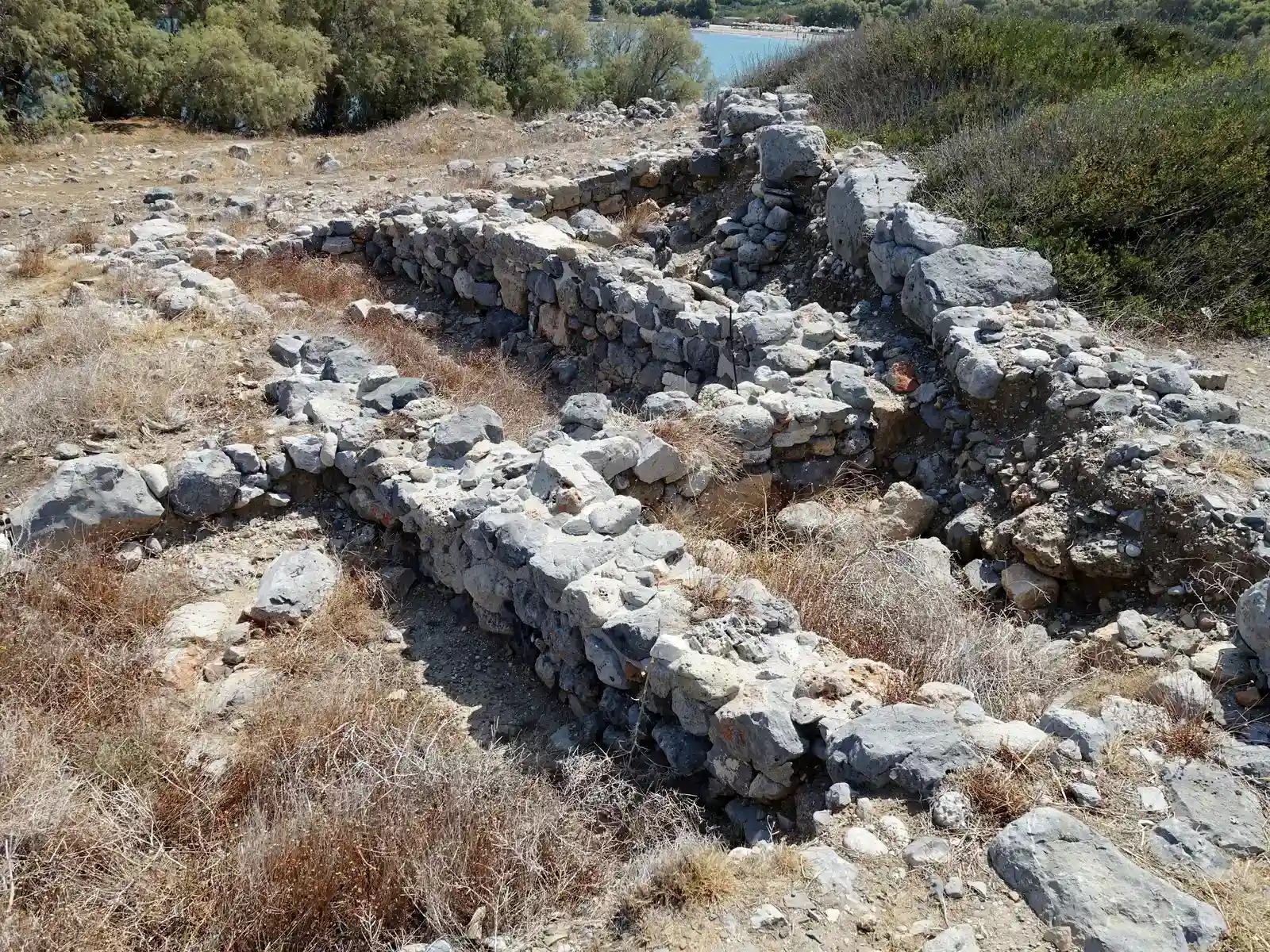
Two public works projects near the Santa Cruz River in Tucson never made it past their opening trenches. Crews dug through known archaeological zones without the right authorization, and the very first cuts exposed ancestral remains.
That was enough to bring in the Army Corps of Engineers and the Arizona State Museum. Stop-work orders landed almost immediately and, months later, they’re still in effect. A survey done properly beforehand would have avoided all of it.
The uncomfortable truth here is that this wasn’t some rare freak accident. A single monitoring failure during the opening phase can lock down a project for years, and enforcement like this is becoming more common nationwide, not less.
#8 – The Kos Search That Hit Ancient Graves Instead of a Missing Boy
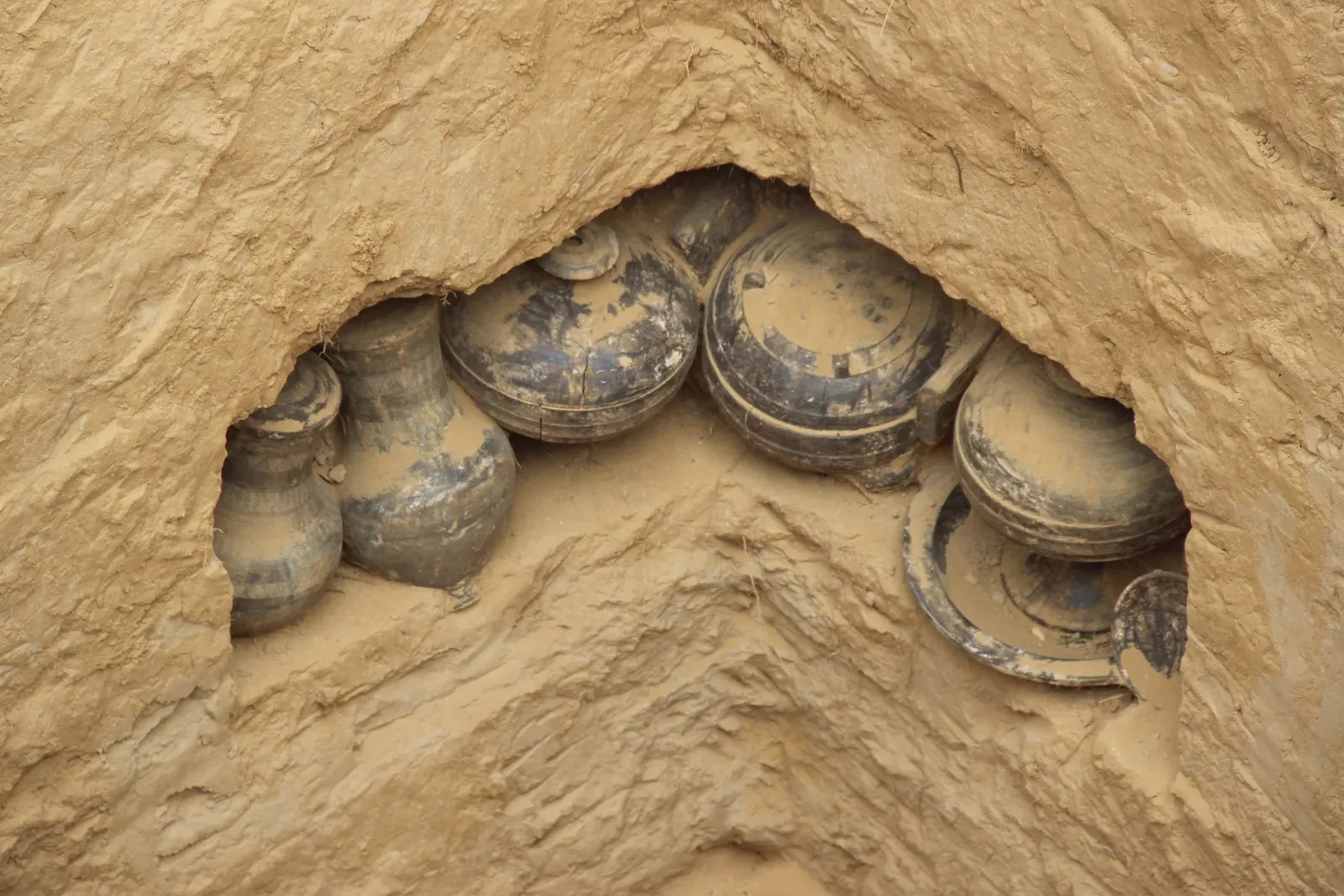
A police-led excavation on the Greek island of Kos, searching for missing toddler Ben Needham, hit something nobody expected in the very first trenches: ancient graves. The landowner immediately raised concerns about farming rights and potential heritage protections.
The immediate conflict got resolved and the search briefly continued, but the episode exposed a strange collision most people never think about. A missing-persons investigation and archaeological law can end up fighting over the exact same patch of dirt.
Graves found this early tend to trigger consultations that outlast whatever the original mission was. It’s a reminder that heritage law doesn’t pause for anything, even something as urgent as a child’s disappearance.
#7 – Ipswich Cornhill’s 24-Hour Dig
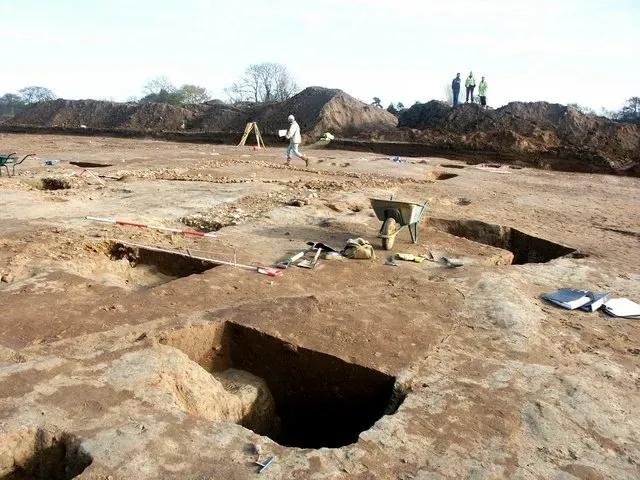
Sometimes the thing that kills a dig isn’t ancient remains or federal law – it’s a festival calendar. Investigative trenches opened on Ipswich’s Cornhill for a redevelopment project were filled back in within 24 hours of being dug.
Planners realized the open holes would get in the way of an upcoming parade. The council made its priorities clear fast: the community event mattered more than continued archaeology, at least for now.
What started as routine pre-construction testing turned into a permanent pause for that phase of work. It’s almost funny how mundane the cause was compared to the drama of other cases on this list – but the outcome was identical. One trench, then nothing.
#6 – Malta’s Road Project Halted by a Rock-Cut Mystery
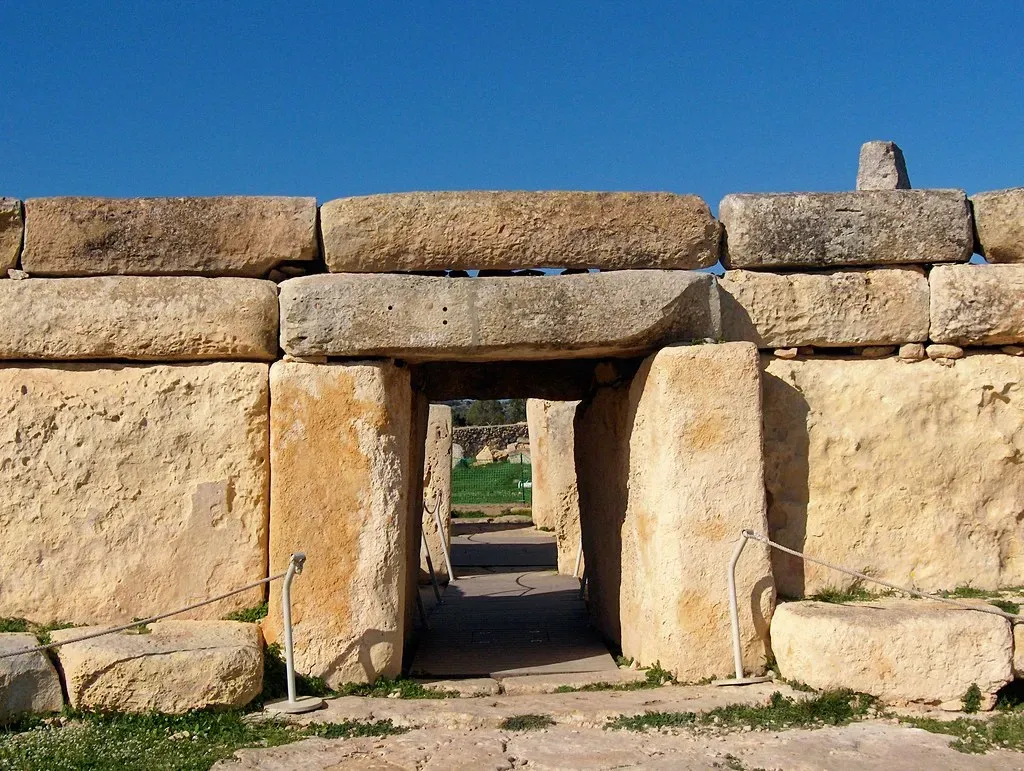
Trenches dug for Malta’s Central Link road project uncovered rock-cut features that demanded careful hand cleaning and expert review before a single shovel of dirt could move any further. Work on that stretch stopped cold while archaeologists assessed exactly what they were looking at.
Some claims about the extent of destruction were disputed, but the initial finds were enough to force a formal pause and a possible redesign of the road itself. Transport officials suddenly found themselves negotiating with heritage authorities instead of paving contractors.
Even features later labeled “low historical value” were enough to jam the gears. The bureaucracy that follows a discovery like this often outlasts the funding window for the entire project, which is its own quiet kind of ending.
Worth Knowing
- Project: Malta’s Central Link road scheme
- Trigger: rock-cut features requiring hand-cleaning and expert review
- Immediate response: formal work stoppage on that stretch of road
- Possible fallout: a redesign of the route to avoid the affected ground
#5 – Hadrian’s Wall Bathhouse Buried on Purpose
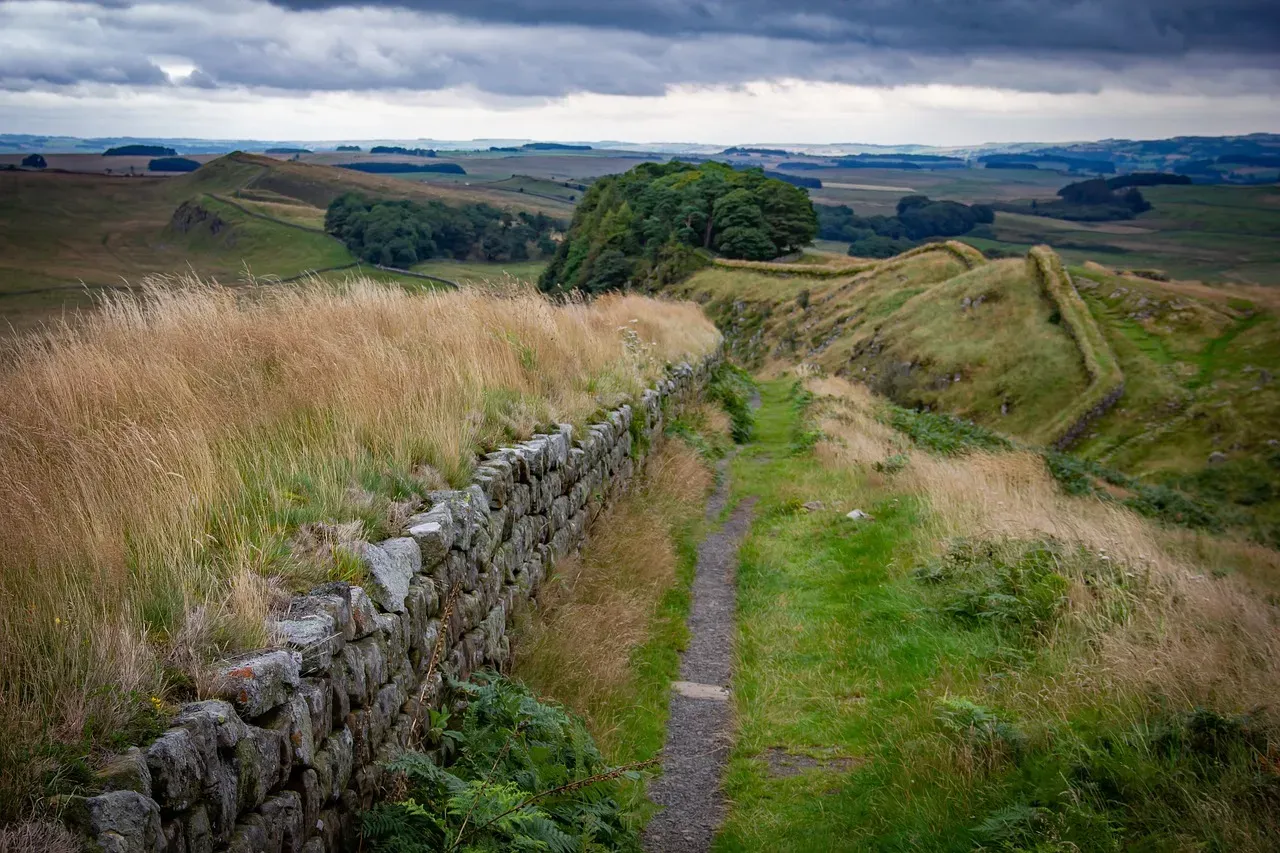
Not every halt is a disaster. Teams excavating a Roman bathhouse outside a fort on Hadrian’s Wall reached the end of their planned trenches, got the answers they came for, and made a deliberate choice: bury it back up.
The first season answered the key research questions about the settlement. Rather than keep digging and risk destroying the context that made those answers reliable, the team backfilled the site to preserve it.
This is the counterintuitive part people miss – sometimes a trench closes permanently not because something went wrong, but because the job was actually finished. Reburial protects what’s left underground while researchers publish what they already know. It’s an ending by design, not by disaster.
Archaeology is the search for fact, not truth. If it’s truth you’re interested in, Dr. Tyree’s philosophy class is right down the hall.
Indiana Jones, Raiders of the Lost Ark
#4 – The Pre-Clovis Layers Everyone Assumed Were Empty
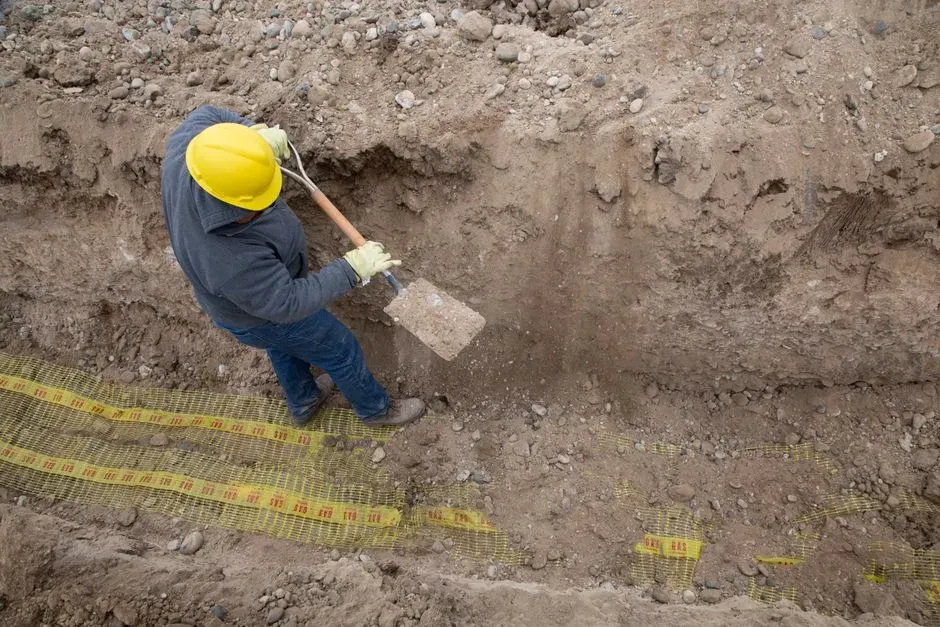
For decades, archaeologists across North America followed an unwritten rule: once a deep trench hit the sterile clay below the Clovis-era layer, you stopped digging. That was assumed to be the bottom of human history at the site.
Then new evidence of much older materials forced a rethink of that entire assumption. Digging below Clovis levels revealed cultural layers that earlier teams had walked right past, simply because nobody thought to keep going.
The bitter irony is that plenty of sites had already closed permanently under the old rulebook, taking whatever evidence sat below with them. Protocols changed too late for those locations. It’s a sobering reminder that what stops a trench isn’t always law or money – sometimes it’s just a wrong assumption nobody questioned.
#3 – The Trench Too Deep to Finish
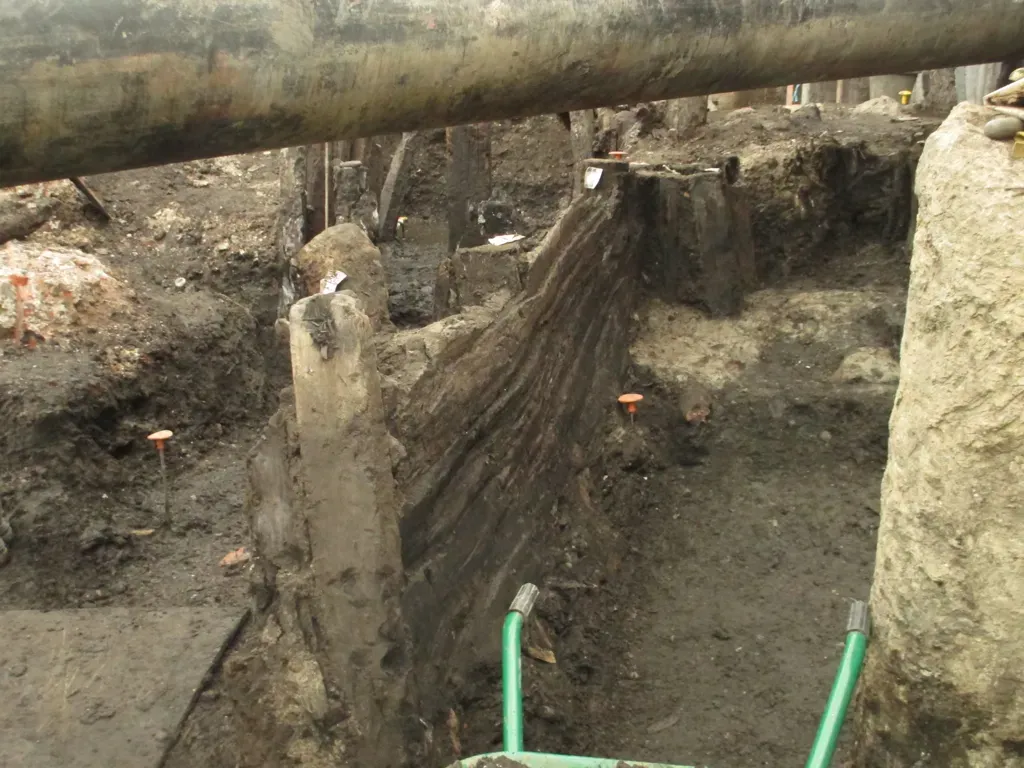
One multi-year excavation pushed a single trench past nine meters deep before safety limits finally won the argument. An auger test confirmed the feature kept going even further down, but the team made the call to backfill rather than risk a collapse or blow the remaining budget.
The first trench had already produced significant artifacts and data, so the decision wasn’t a total loss. But it meant the deepest, potentially oldest layers of that site were sealed off, possibly forever.
Some teams leave time capsules at the bottom before closing a trench like this, a small acknowledgment that future archaeologists with better technology might get further than they could. For now, that depth marks the literal end of the line.
At a Glance
- Depth reached before the stop order: more than nine meters
- Confirmation: an auger test showed the feature continued deeper still
- Reasons for halting: safety limits and shrinking budget, together
- Preservation gesture: some teams leave time capsules before backfilling
#2 – When the Money Runs Out Before the Second Season
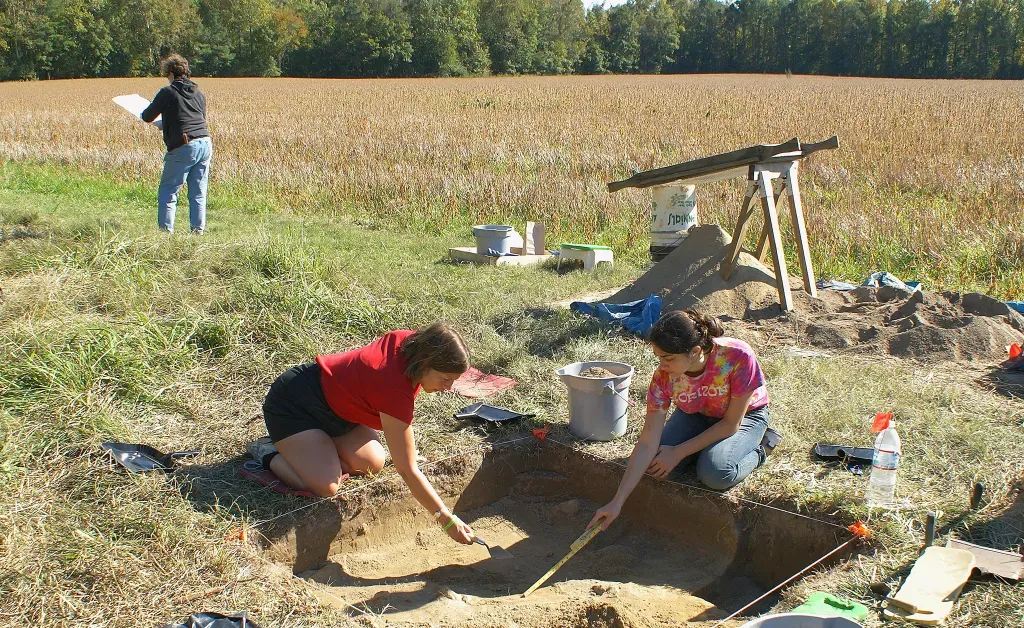
Here’s the part nobody wants to admit: plenty of digs don’t end because of bones, law, or danger. They end because the money simply disappears. A first trench can produce genuinely exciting results and still be the last one a site ever gets.
The problem is that promising finds trigger more scrutiny, not less. Regulatory reviews kick in, costs climb, and permits take longer to renew. All of that eats into budgets that were tight to begin with, and by the time approvals catch up, the funding window has already closed.
Developers and researchers both hit this same cliff. A site can have enormous potential and still sit untouched indefinitely, not because it isn’t worth digging, but because nobody could afford to keep going after the first promising crack in the ground.
#1 – Human Remains That End the Conversation for Good
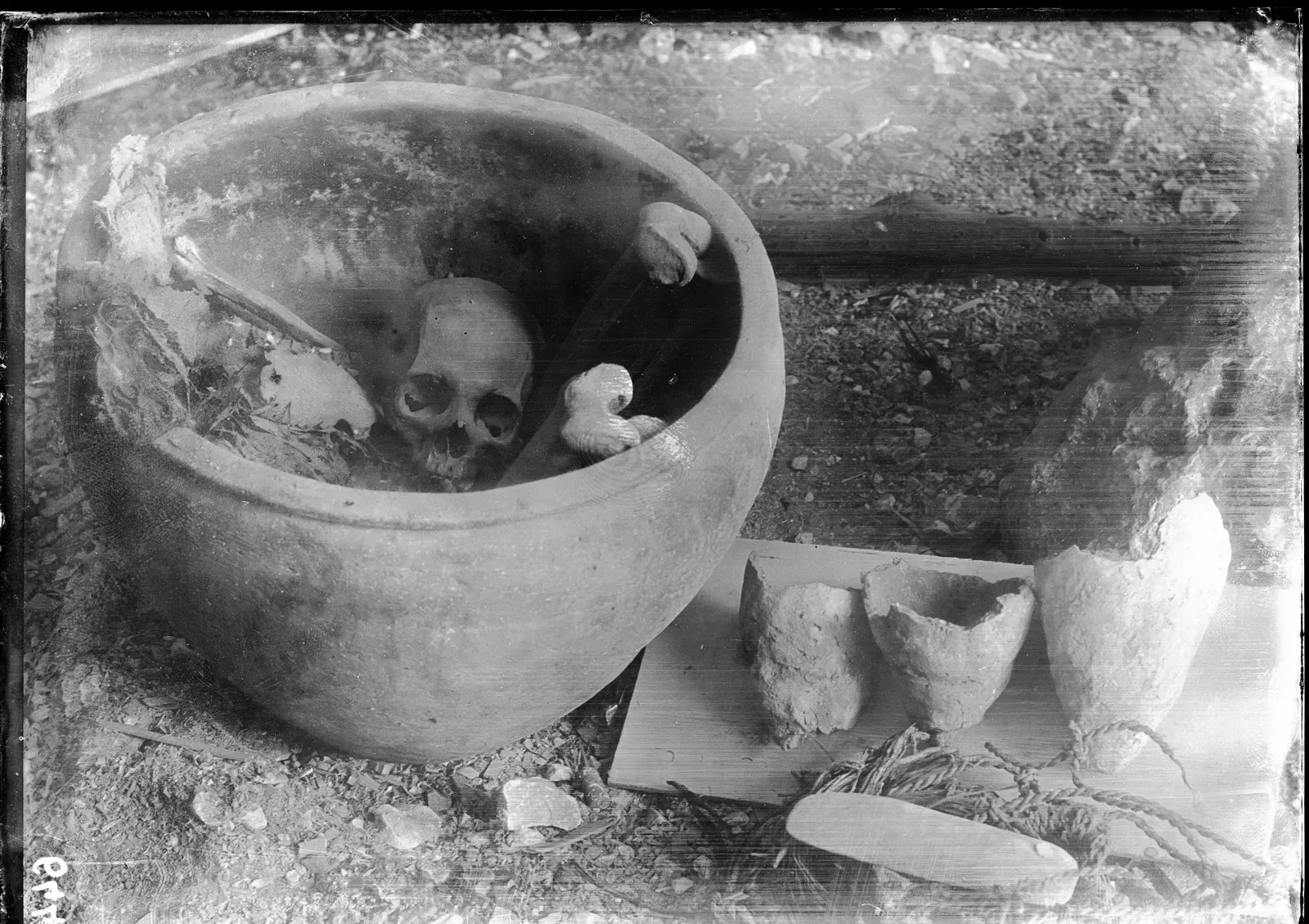
Nothing shuts a dig down faster or more permanently than human remains or sacred materials surfacing in that very first trench. The moment that happens, ethical protocols and legal obligations take over, and consultation with tribal or descendant communities becomes the priority – not the timeline, not the funding, not the research plan.
Those consultations can stretch on indefinitely, and in a lot of cases they end with full project cancellation rather than a resumption date. Preservation in place becomes the default outcome, not a fallback option.
These cases set precedent far beyond the site itself. Cultural sensitivity, once it’s on the table, tends to outweigh any scientific or commercial argument for continuing. Respect for the living descendants of the people in that ground is what ultimately decides whether a trench ever reopens – and most of the time, it doesn’t.
Why It Stands Out
- Trigger: human remains or sacred materials found in the opening trench
- Immediate effect: legal and ethical protocols take over on the spot
- Process: consultation with tribal or descendant communities, often open-ended
- Common outcome: full cancellation rather than a future resumption date
The Verdict Nobody Wants to Hear
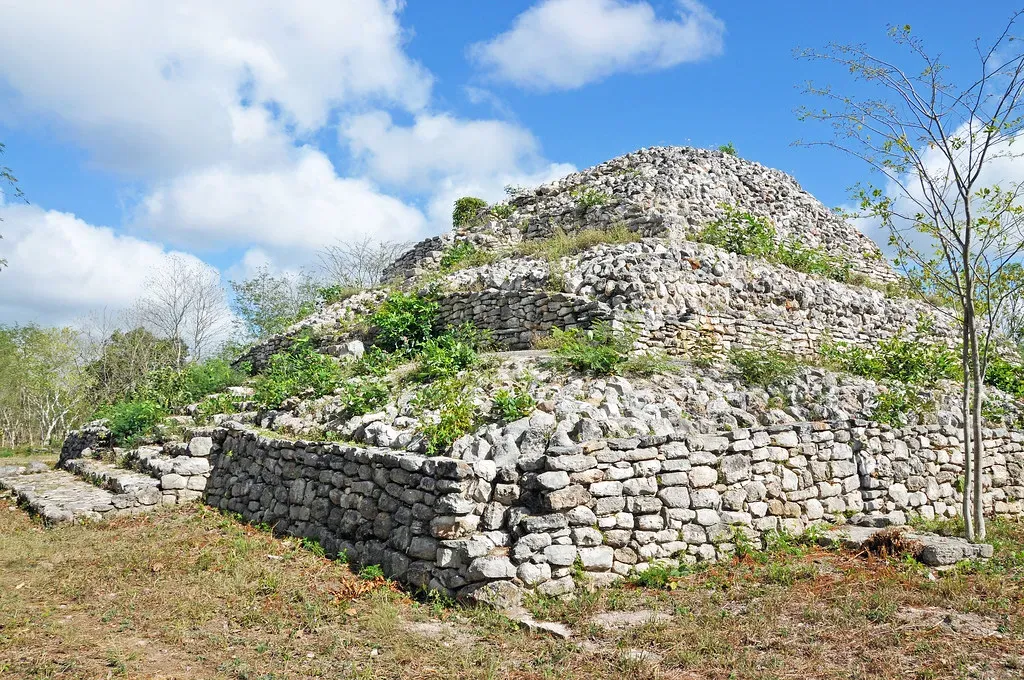
Look at these 12 cases side by side and a blunt pattern emerges: the first trench rarely opens the door to more digging. It usually reveals the exact reason the project has to stop – bones, broken law, unstable ground, dried-up funding, or a community that won’t back down.
I’ll say the quiet part out loud: the romantic idea of archaeology as an endless treasure hunt is mostly fiction. The real story is bureaucratic, financial, and often over before it started. And honestly, I think that’s not a bad thing. A trench that shuts down because of respect for the dead, or safety, or a genuine lack of resources, isn’t a failure – it’s the system working the way it’s supposed to.
What’s under our feet doesn’t care about our permits or our project deadlines. Every time a first trench forces a permanent stop, it’s the ground quietly reminding everyone who’s actually in charge.