
If you think the universe is just stars, planets, and the occasional black hole, you’re missing the really weird part of the story. Over the last few decades – and especially in just the past few years – astronomers have uncovered clues that reality itself is far more alien, fine‑tuned, and downright puzzling than you were ever told in school. The deeper you look, the less the universe behaves like a simple, sensible machine and the more it starts to feel like a cosmic magic trick that refuses to reveal its method.
As you go through these discoveries, you’ll see a pattern: every time you think you finally understand what is going on out there, new data shows up and quietly ruins the theory. You live in a universe where most of the stuff is invisible, the rules may evolve over time, and even “empty space” is doing something bizarre. By the end, you might not feel smaller – you might feel like you’ve been let in on a wild secret: the cosmos you’re inside is stranger than you ever imagined, and the mystery is only getting deeper.
1. Dark Matter: Most of the Universe Is Invisible to You
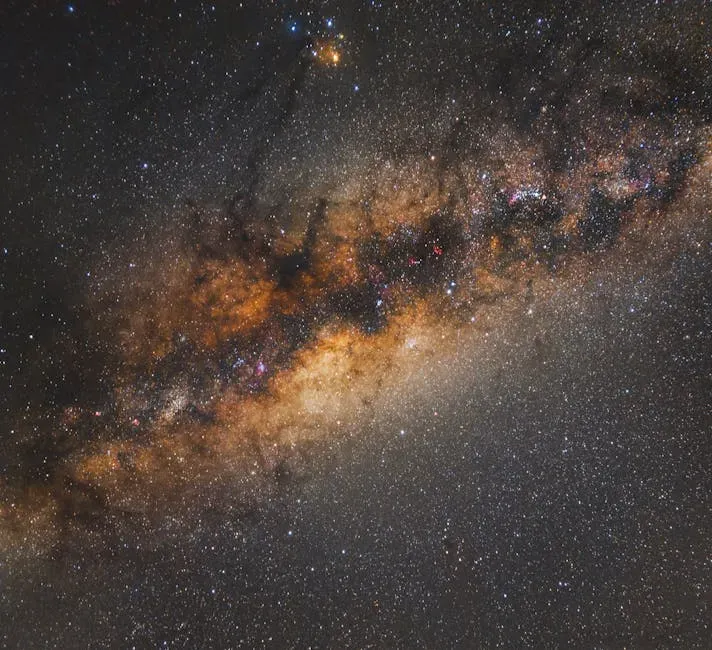
You grow up assuming that what you see is what exists – stars, gas, planets, glowing galaxies. Then cosmology hits you with a rude fact: almost all of the matter in the universe doesn’t shine, doesn’t reflect light, and doesn’t interact with it at all. When astronomers mapped how fast galaxies spin and how clusters of galaxies bend light, they realized the visible stuff simply doesn’t have enough gravity to hold everything together. Something unseen, often called dark matter, has to be providing the extra pull, making up the vast majority of the mass in the cosmos.
What’s wild is that you can trace this invisible scaffolding through multiple lines of evidence – galaxy rotation, gravitational lensing, the cosmic microwave background, even how structures form over billions of years – and it all points to the same conclusion: there is a huge amount of something out there you can’t see. Yet despite decades of hunting for exotic particles, underground detectors, and collider experiments, you still don’t know what dark matter actually is. You’re walking around in a universe whose main ingredient remains unidentified, like living your whole life eating a stew and never finding out what’s in the broth.
2. Dark Energy and the Possibility That Cosmic Rules Change Over Time
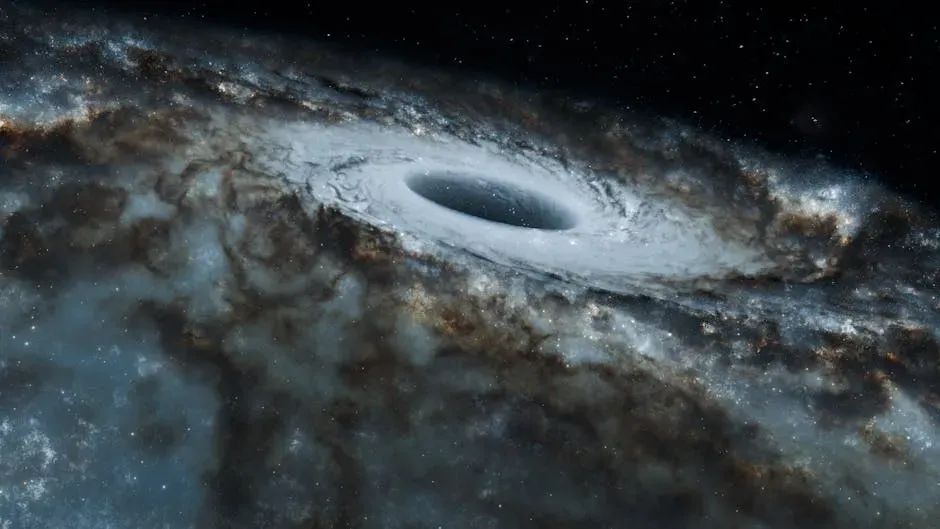
You might expect gravity to slow the expansion of the universe over time, the way a ball tossed upward slows as it fights Earth’s pull. Instead, observations of distant supernovas in the late twentieth century revealed something unsettling: the expansion of the universe is speeding up. To explain this, cosmologists introduced dark energy, a mysterious form of energy that seems to be built into space itself and pushes everything apart on the largest scales. Today, this invisible “repulsive” component appears to dominate the energy budget of the cosmos.
What makes it even stranger for you is that newer data from massive galaxy surveys suggest dark energy might not be perfectly constant after all. Some analyses hint that its influence may evolve over cosmic time, as if the universe’s “settings” aren’t fixed but drifting. If that holds up, then the basic rules that control the fate of everything – how fast space expands, which structures can form, how long stars and galaxies can exist – might not be carved in stone. You’re not just a passenger in a universe with weird ingredients; you could be living in a cosmos whose underlying script is still being rewritten as it goes.
3. The Cosmic Microwave Background: A Baby Picture That Shouldn’t Be So Smooth
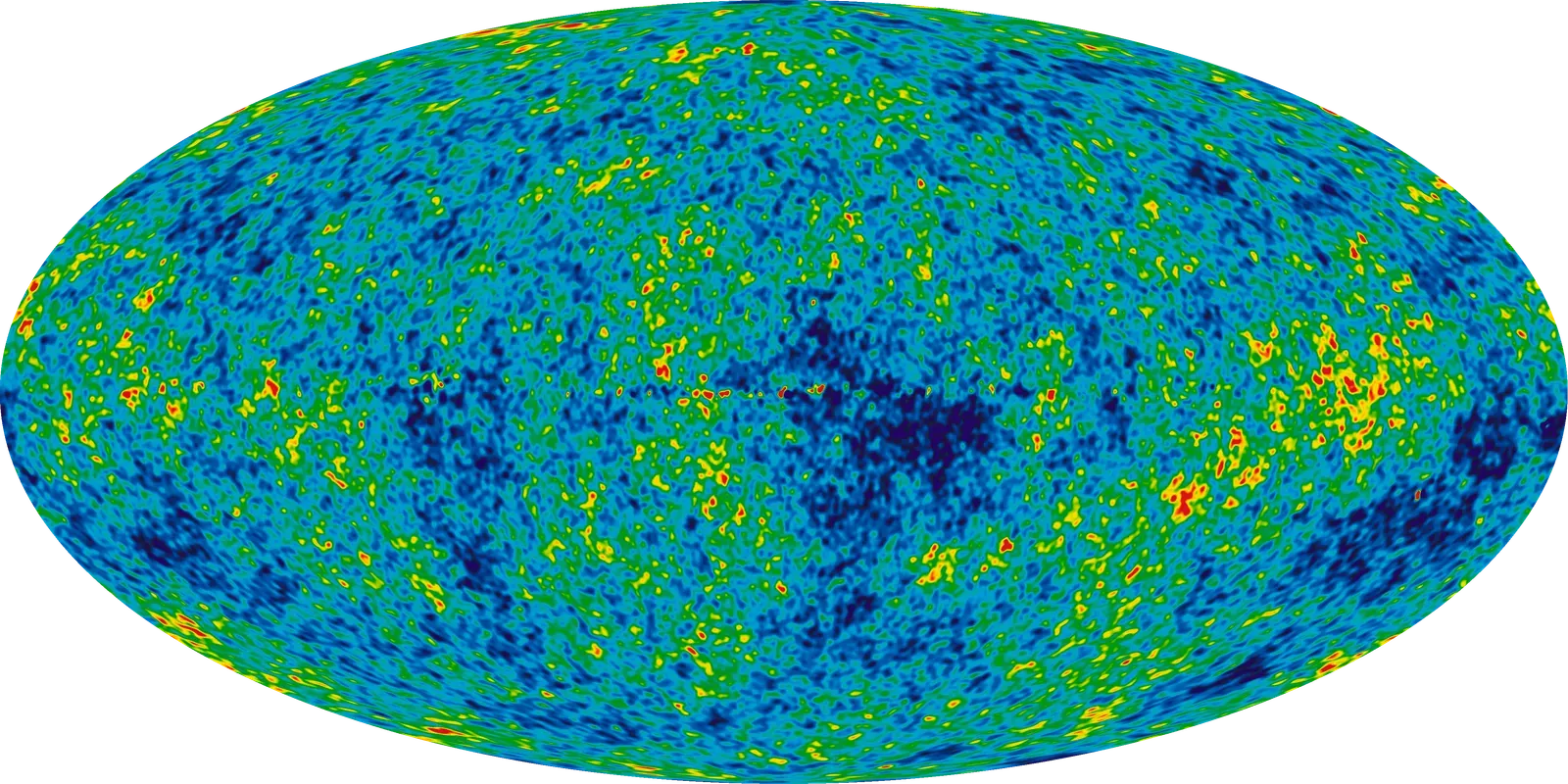
If you could tune your eyes to microwaves and turn off every star and galaxy, you’d see a faint, almost perfectly uniform glow coming from all directions in the sky. This is the cosmic microwave background, the cooled‑down afterglow of the hot Big Bang, and it’s essentially a baby photo of the universe when it was a few hundred thousand years old. When satellites mapped this radiation in detail, they discovered tiny temperature ripples that later grew into galaxies and clusters – the seeds of all cosmic structure you see today.
Here’s the weird part you have to wrestle with: different regions of this early universe look almost exactly the same temperature, even though they were too far apart to ever exchange information or energy at the speed of light. It’s like walking into a stadium of twenty thousand people who never met, and finding them all wearing the exact same oddly specific outfit, down to the socks. To make sense of this eerie uniformity, cosmologists invoke an ultra‑brief period of inflation that rapidly stretched space far faster than the speed of light. You’re left with a universe whose earliest moments likely involved a violent, almost incomprehensible growth spurt just to make the rest of cosmic history possible.
4. Cosmic Inflation and the Hint of a Multiverse
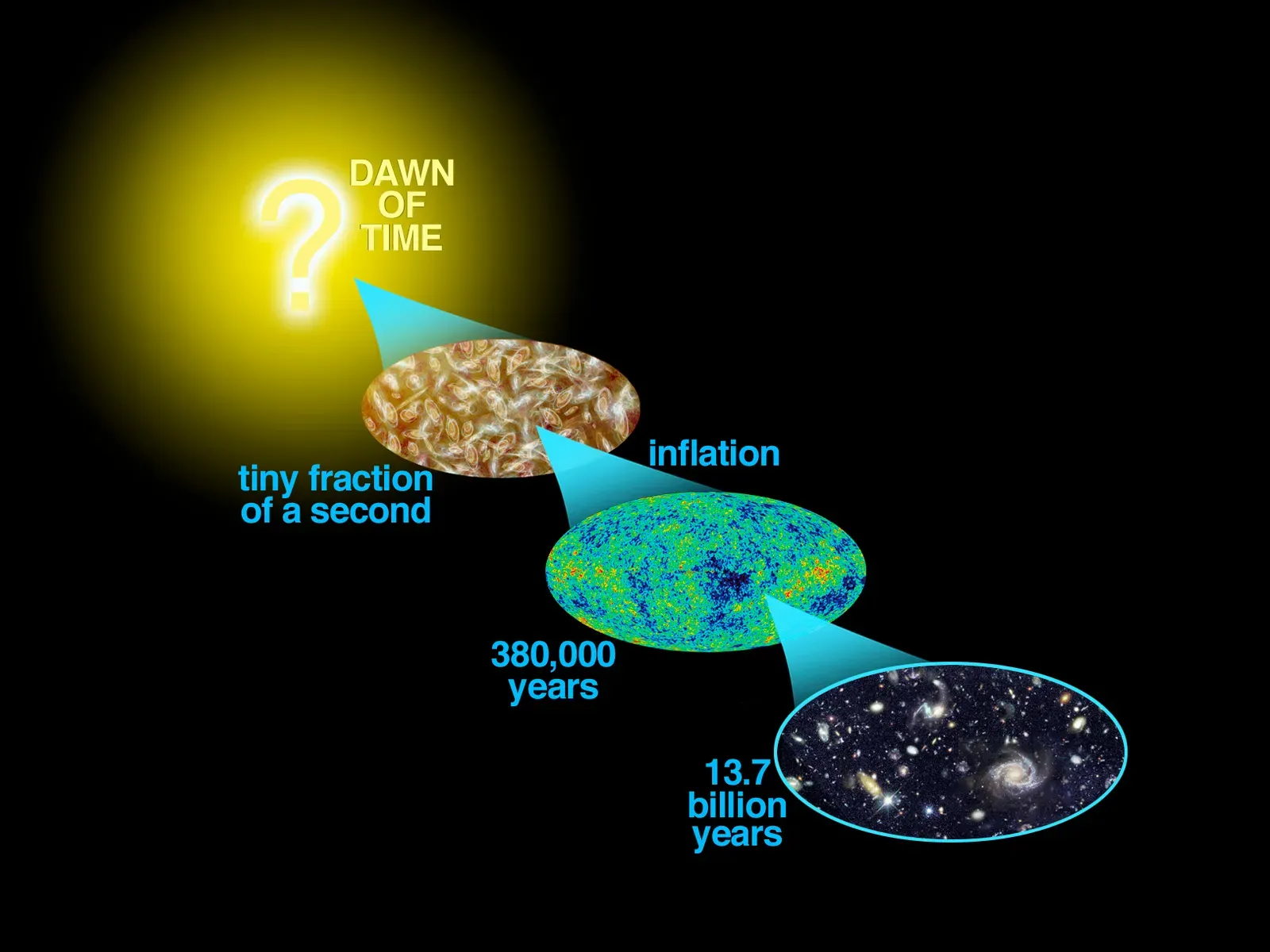
To fix problems like that smooth baby picture and explain why space looks so flat and balanced, physicists proposed cosmic inflation – a phase, just after the Big Bang, when the universe ballooned exponentially in a tiny fraction of a second. During this era, microscopic quantum fluctuations got stretched to cosmic scales, seeding the large‑scale structures you now observe. This single idea elegantly ties together multiple puzzles, turning quantum jitters into galaxies and galaxy clusters over billions of years.
But inflation carries an unnerving implication for you: many versions of it naturally lead to eternal inflation, where some regions of space stop inflating, like your observable universe, while others keep going. That picture suggests you might live in just one “bubble universe” among countless others, each with its own physical parameters and possibly very different laws. In that view, the fact that your universe allows chemistry, stars, and life stops looking like a deep cosmic necessity and starts looking more like the particular set of rules that happened to emerge in your local patch of a much bigger, stranger reality.
5. Fine‑Tuning: You Live in a Universe Balanced on a Razor’s Edge
When you hear that the constants of nature have particular values – the strength of gravity, the charge of the electron, the amount of dark energy – it sounds arbitrary, like reading off settings from a control panel. But when physicists run the numbers, they find that if you nudged several of these values even slightly, you wouldn’t just get a different kind of universe; you’d likely get no complex structures at all. Stars would never ignite, atoms would not be stable, or matter would either collapse too fast or never clump together. You live in a cosmos where the dials seem to have been set just right for complexity to exist.
Consider dark energy alone: if that repulsive component were much stronger, space would have expanded so quickly that galaxies and stars never had time to form; slightly weaker, and matter might have collapsed into a dense, short‑lived universe. The same story repeats across multiple parameters, from the balance of matter and radiation after the Big Bang to the strengths of the fundamental forces. To you, this creates a philosophical headache: either it is an absurd coincidence that you inhabit such a delicately balanced cosmos, or your universe is one sample among many, where only the “just right” ones ever contain observers who can ask these questions in the first place.
6. Fast Radio Bursts and the Discovery of the Universe’s “Missing” Matter
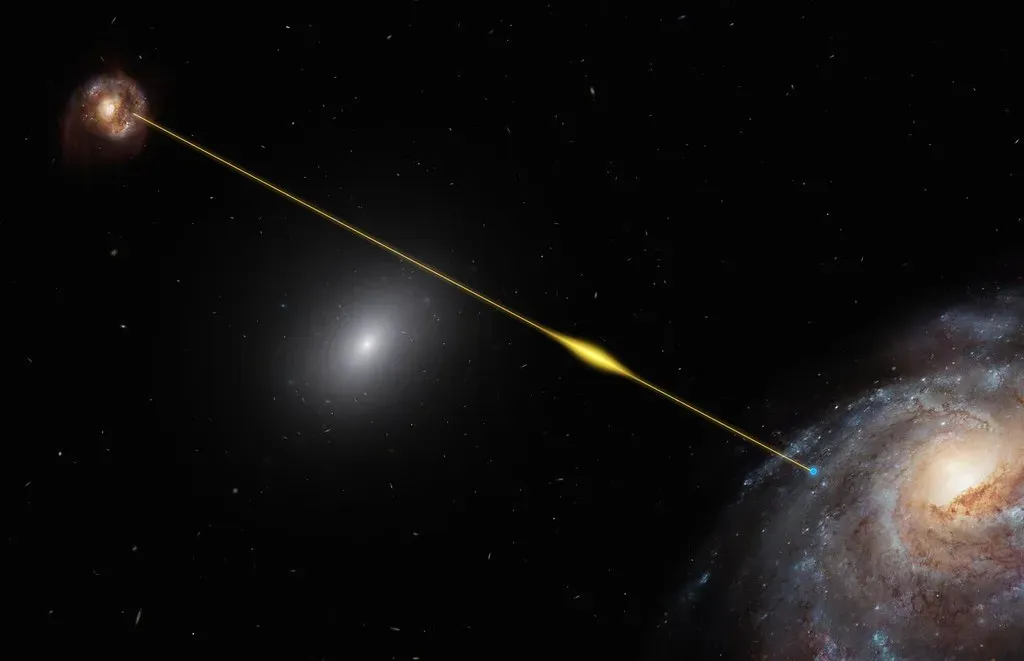
Imagine a flash of radio energy that lasts for less than the blink of an eye yet, in that instant, releases more energy than your sun will emit in a year. That’s a fast radio burst, and thousands of these mysterious blips have now been detected coming from far‑off galaxies. For years, you only knew they existed; you had no idea what produced them or exactly where they occurred. Recently, though, astronomers have gotten good enough at pinpointing their sources that they can use these bursts as beacons shining through the cosmic fog between galaxies.
By carefully measuring how each burst’s signal is smeared out as it travels, researchers have finally tracked down a huge chunk of the universe’s ordinary matter that had been “missing” from previous inventories. It turns out that most of the normal atoms – the same kind of stuff that makes you – are not in stars or galaxies at all but spread thinly in the intergalactic medium, woven through a vast cosmic web. Even more unsettling, some of these bursts come from locations that challenge your best models, such as old, “dead” galaxies where you did not expect such energetic events. You’re watching in real time as the universe shows you that its most dramatic fireworks can erupt from places that look, at first glance, like cosmic graveyards.
7. Cosmic Voids: Gigantic “Empty” Regions That Shape Everything
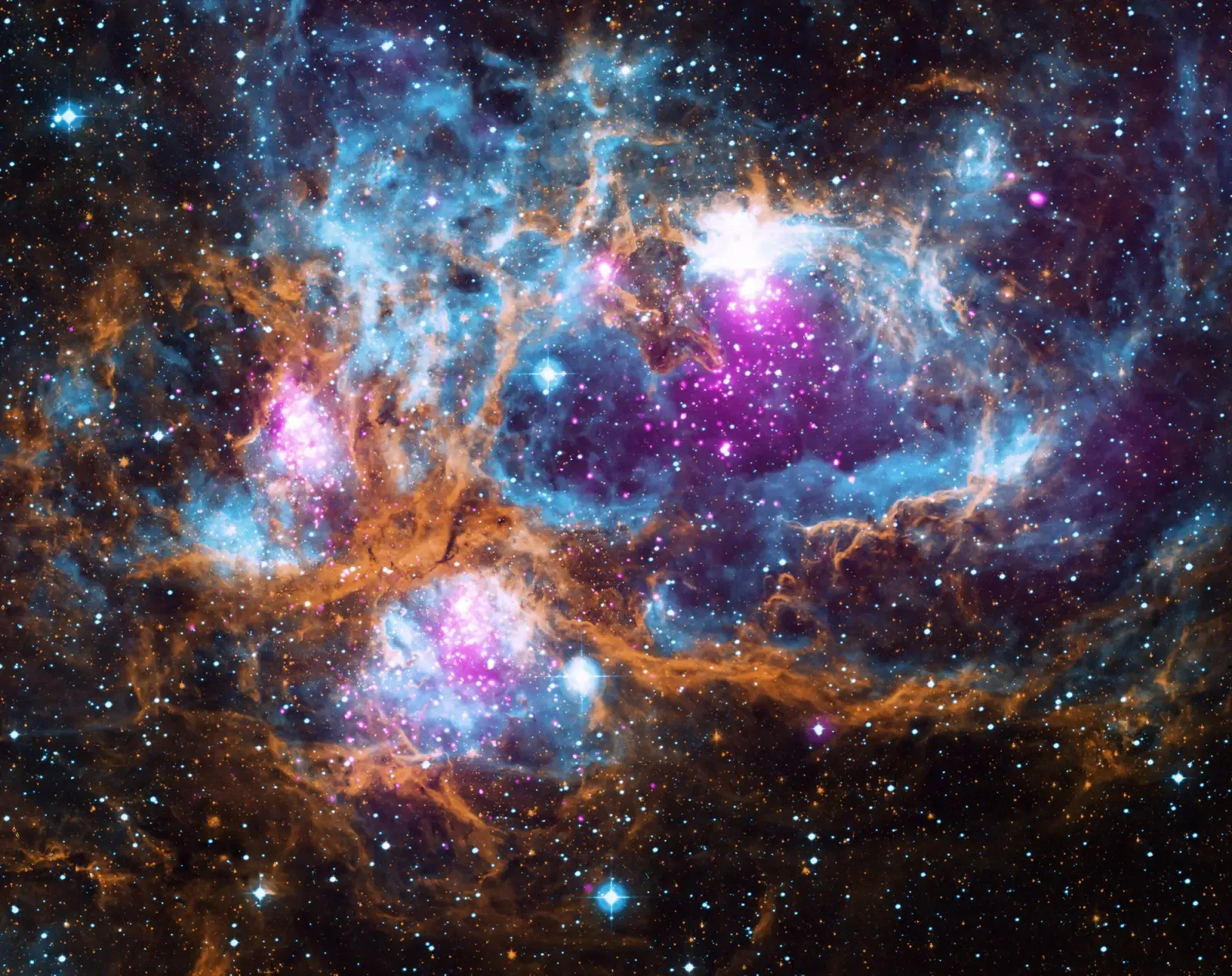
When you picture the universe, you might imagine it filled uniformly with galaxies, like dust motes floating in sunlight. But large‑scale surveys have shown you something radically different: matter in the cosmos forms a vast three‑dimensional web of filaments and clusters, separated by enormous cosmic voids where very few galaxies live. These voids stretch for hundreds of millions of light‑years, and yet they’re not just boring empty spaces you can ignore. Their presence changes how gravity works on large scales and even how light from the early universe gets bent and distorted.
Some recent studies suggest that these under‑dense regions might help explain cosmic puzzles usually blamed on exotic ingredients like dark energy. Because voids expand faster than denser regions, they can affect your measurements of how quickly the universe is growing, potentially mimicking or modifying the apparent signature of dark energy. You find yourself in a cosmos where the “nothingness” between things has a real dynamical role, shaping cosmic history almost as much as the galaxies themselves. The universe is not a smooth soup; it’s closer to a cosmic foam, where the holes are just as important as the bubbles.
8. Rogue Planets and Orphaned Worlds Drifting Through the Dark
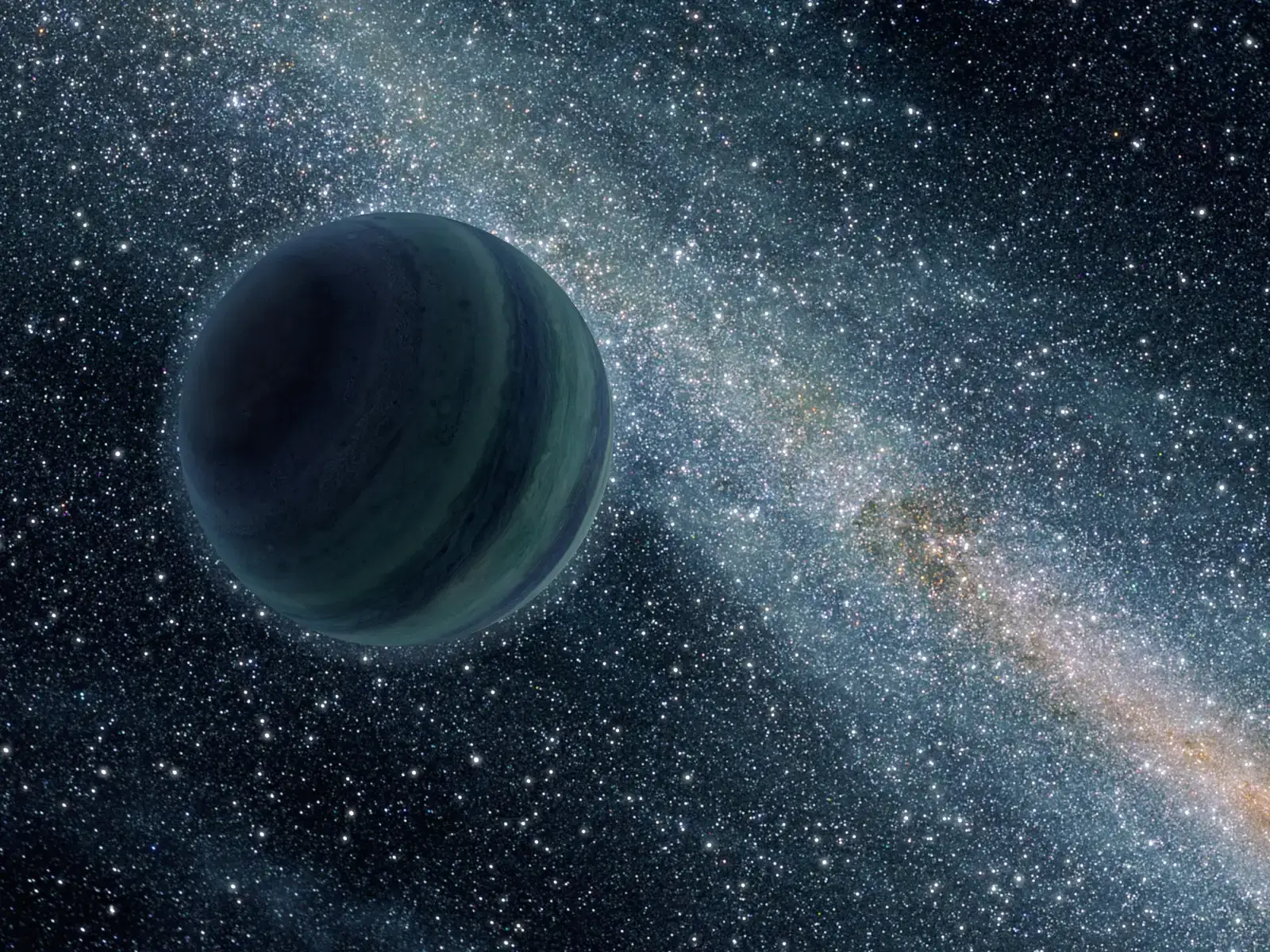
You’re used to thinking of planets as loyal companions orbiting a parent star, warmed by its light and bound to it by gravity. But as detection methods have improved, astronomers have found growing evidence for rogue planets – worlds that drift through interstellar space with no star at all. Some surveys suggest there could be as many or even more of these lonely planets as there are stars in the Milky Way, meaning that a vast population of invisible, frozen worlds might be wandering between the constellations you see at night.
For you, this raises eerie possibilities. A rogue planet could once have orbited a star like the sun before being flung out by gravitational chaos, taking any moons – and possibly subsurface oceans – along for the ride. In theory, some of these worlds might still host liquid water deep beneath insulating ice layers, warmed by internal heat alone. That means the universe could be scattered with dark, starless habitats where life could quietly evolve, completely hidden from your telescopes. The idea that habitable real estate might exist in the black void between stars forces you to rethink where you look for biology and how common life might really be.
9. Supermassive Black Holes That Grew Too Fast, Too Early
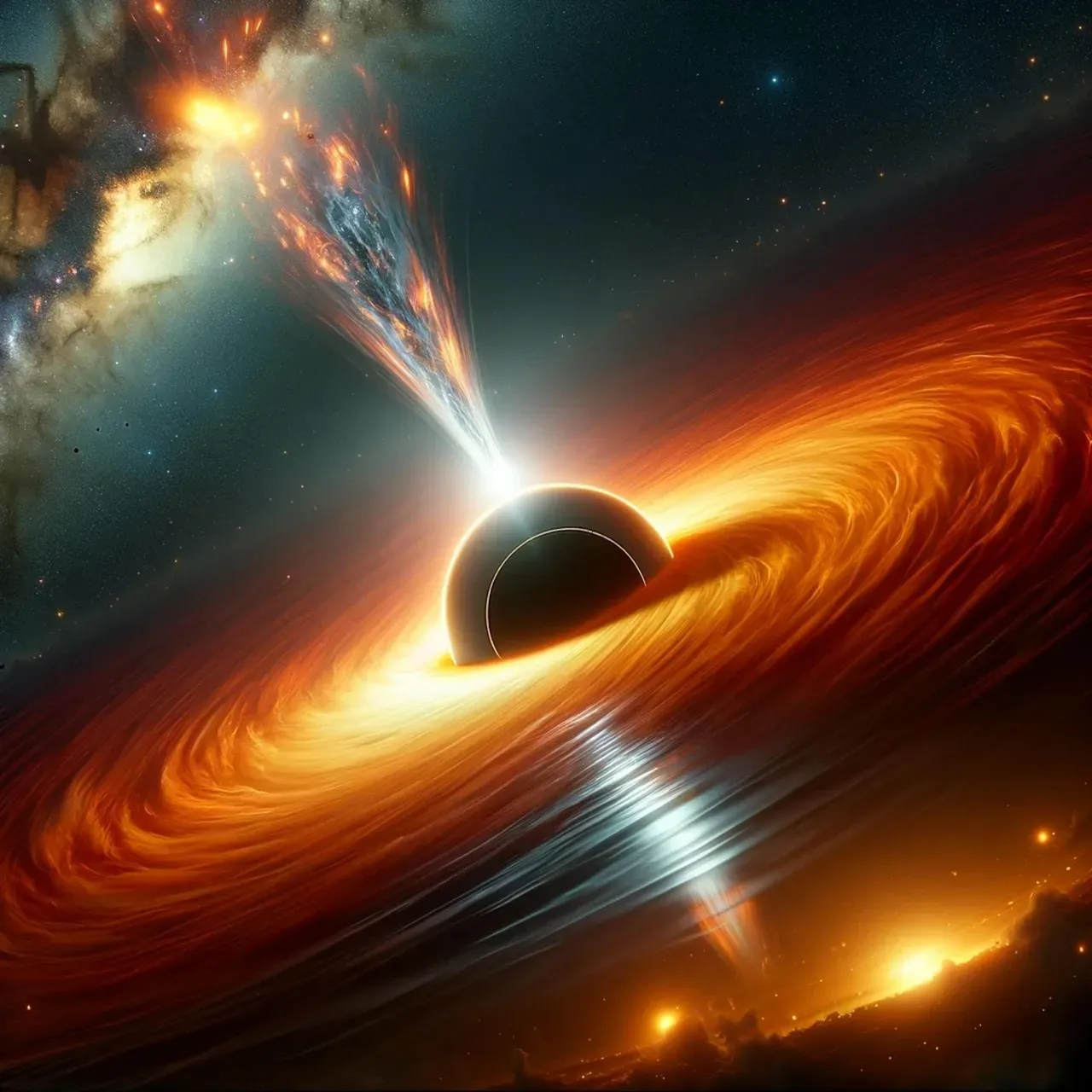
When you hear “black hole,” you might picture the remnants of a big star collapsing under its own gravity. But at the centers of galaxies – including your own Milky Way – lurk supermassive black holes with millions to billions of times the mass of the sun. What has shocked astronomers in recent years is the discovery of quasars powered by enormous black holes that already existed when the universe was only a few hundred million years old, barely out of its cosmic infancy. These monsters seem to have appeared and grown far faster than your standard formation theories predict.
To account for them, some researchers are exploring ideas like primordial black holes, formed not from dying stars but directly from density fluctuations in the early universe. If even a fraction of dark matter turned out to be made of such objects, your picture of cosmic history would shift dramatically. Instead of black holes being the final act of stellar evolution, they’d also be some of the very first actors on the cosmic stage, shaping galaxy growth from the start. You’re forced to consider that the universe may have seeded its own gravitational traps almost as soon as it came into existence.
10. Exoplanets, Strange Atmospheres, and the Odds You’re Not Alone
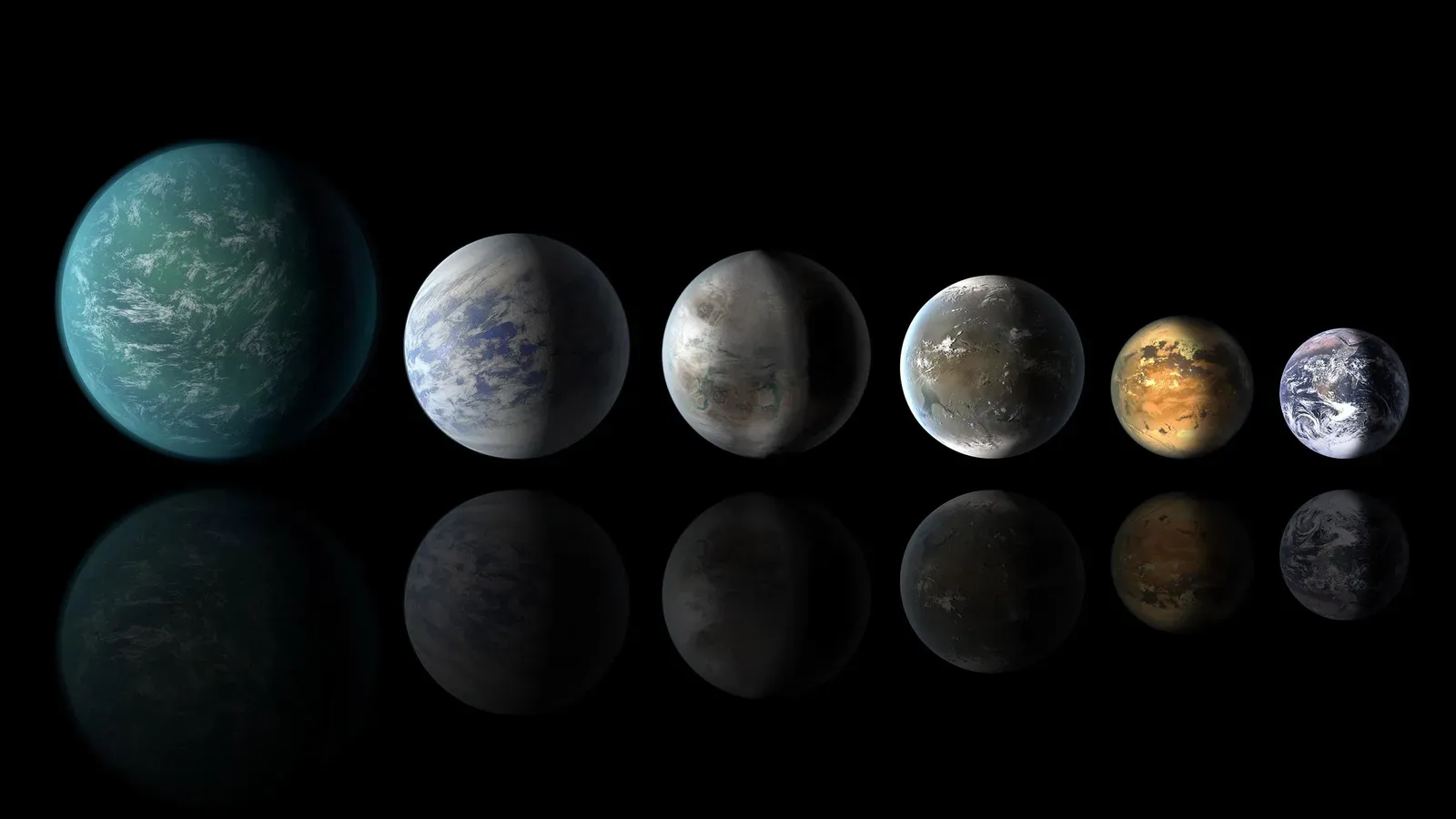
A generation ago, you had exactly one planetary system to study: your own. Today, you live in an era where astronomers have confirmed thousands of exoplanets and identified many thousands more candidates. You’ve seen worlds so close to their stars that their surfaces may be oceans of magma, planets with years shorter than an Earth day, gas giants puffed up to cotton‑candy densities, and systems where multiple planets are locked together in intricate gravitational dances. The once‑wild idea that planets are common is now simply a fact of the night sky.
Recently, your tools have gotten sharp enough to probe some of these planets’ atmospheres, sniffing out molecules by watching starlight filter through their air. You’ve detected water vapor, exotic clouds, and chemical mixes that look nothing like anything in your solar system. In a few cases, you’ve even spotted hints of complex chemistry on rocky worlds in the habitable zones of their stars, though nothing that qualifies as proof of life yet. The more you look, the clearer it becomes that your solar system is just one quirky example in a vast, diverse population. If planets and complex chemistry are this common, you’re left staring at a haunting possibility: perhaps the universe is not only stranger than you thought, but also more crowded.
11. Mysterious Signals: Fast Radio Bursts, Oddities, and the Edge of Understanding
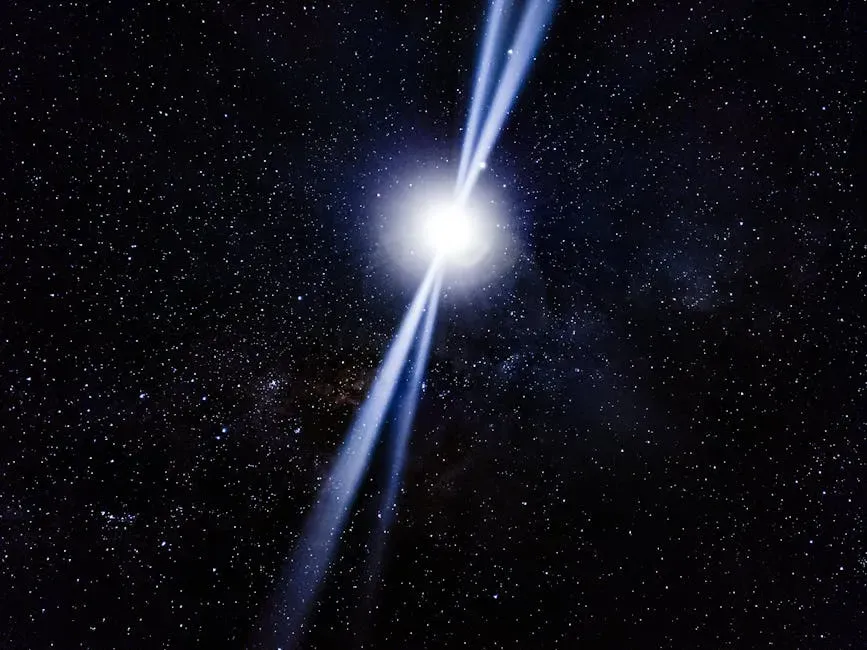
Every so often, the universe sends you signals that do not fit neatly into any box. Fast radio bursts are one category, but within that you see subclasses – repeating sources, one‑off explosions, events with bizarre polarization signatures, and bursts traced back to surprising environments like ancient elliptical galaxies. Each new detection chips away at your initial explanations and forces you to widen your imagination about what kinds of extreme objects can exist. It’s as if the cosmos is dropping cryptic notes, and you’re only just learning the alphabet.
There have been other puzzling hints over the years – unexplained anomalies in background radiation maps, strange alignments in quasar polarizations, spectral lines or periodicities that provoke headlines and then fade as more data arrives. Most of these do not turn out to be aliens or new physics; many vanish under the weight of better observations or more careful analysis. But for you, their real significance is this: they show that at the frontier of knowledge, the universe doesn’t present you with tidy multiple‑choice questions. It gives you messy, ambiguous riddles, and your current theories often look provisional and fragile under the harsh light of new evidence.
12. Life’s Cosmic Origins: Panspermia and the Interstellar Chemistry Kit
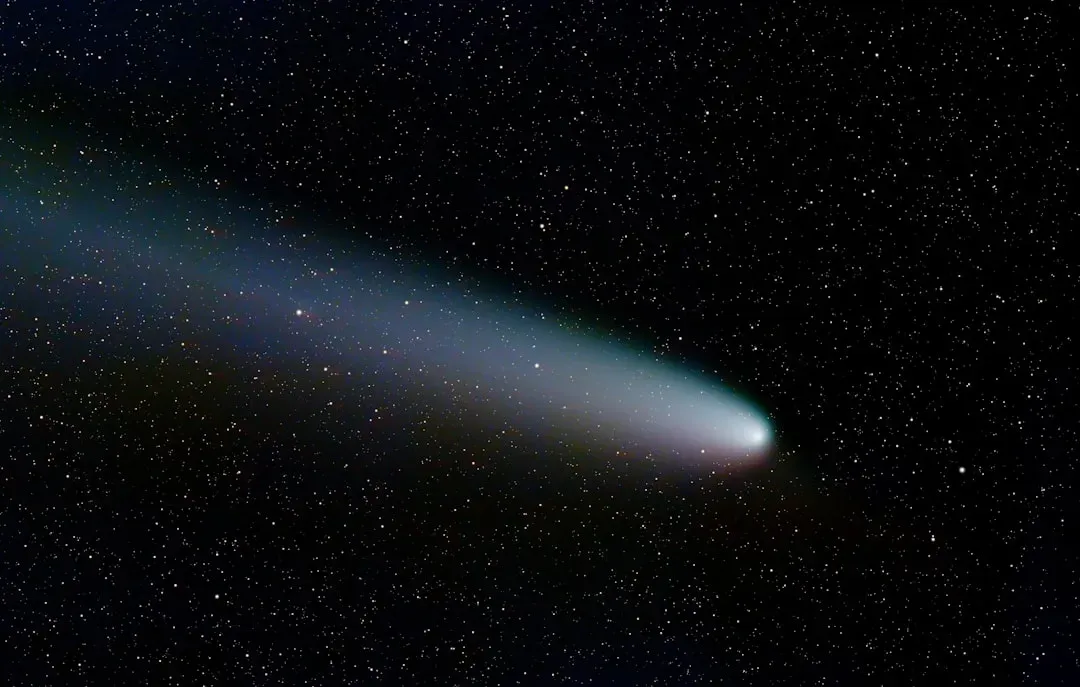
When you think about life, you probably imagine it as something that arose on Earth, from Earth, and for Earth. But as you learn more about the chemistry of space, that story keeps getting more complicated. Telescopes have spotted complex organic molecules – including amino acid precursors and sugars – floating in interstellar clouds, hiding in comets, and coating dust grains between the stars. Meteorites that fall to Earth often carry a rich inventory of organic compounds formed long before your planet solidified. It’s as if the universe hands you a starter kit for life, scattered generously across vast distances.
This has led some researchers to seriously consider versions of panspermia, the idea that at least some ingredients or even simple lifeforms could be transported between worlds by rocks, comets, or dust. You do not have solid evidence that life has made that journey, but you cannot rule it out either, especially when you see how resilient microbes can be to harsh conditions. For you, the deeper implication is that biology might not be an isolated fluke in one corner of one galaxy. Instead, life could be part of a continuum of processes that the universe has been running for billions of years, using the same cosmic chemistry set everywhere from icy moons to rogue planets to worlds you have not yet imagined.
Conclusion: Living in a Universe That Refuses to Be Boring
When you step back from all of this – the invisible matter, the accelerating expansion, the baby picture of the cosmos, the fine‑tuning, the rogue worlds, the strange signals, and the interstellar chemistry – a clear pattern emerges: every time you peel back one layer of reality, you find something stranger underneath. The universe is not a static, predictable backdrop for your life; it is an evolving, finely balanced, and often bewildering system that seems determined to surprise you at every scale, from the subatomic to the intergalactic. Even your best models feel more like well‑drawn maps of a continent you’ve barely begun to explore.
Yet there’s something quietly thrilling about that uncertainty. You’re not just a spectator watching a finished show; you’re part of a species that is still writing the first chapters of the user’s guide to the cosmos. New telescopes, new surveys, and new theories will almost certainly overturn some of what you think you know now, revealing an even stranger universe behind this one. So the real question for you is not whether the cosmos is weirder than you thought – it clearly is – but how much stranger you’re willing to let it be in your mind when the next wave of discoveries arrives. Did you expect the universe you live in to be this wonderfully, relentlessly odd?