
You probably think of birds as decoration for your yard, but the right ones are actually tiny, feathered coworkers. They patrol for pests, spread seeds, and even help keep the whole garden in balance, all while looking gorgeous and sounding like a nature soundtrack you never have to turn off. When you start to recognize who’s who and what each species brings to your space, you stop “feeding birds” and start building a living ecosystem right outside your door. What makes this fun is that you don’t need acres of land or a complicated setup. With a few smart choices – like what you plant, how you use water, and which feeders you put out – you can turn even a small yard or balcony into a magnet for some of the most helpful and charming birds around. Here are 12 species you should roll out the welcome mat for, plus simple ways to tempt each one into making your garden part of their world.
1. American Robin – Your Early-Morning Pest Patrol
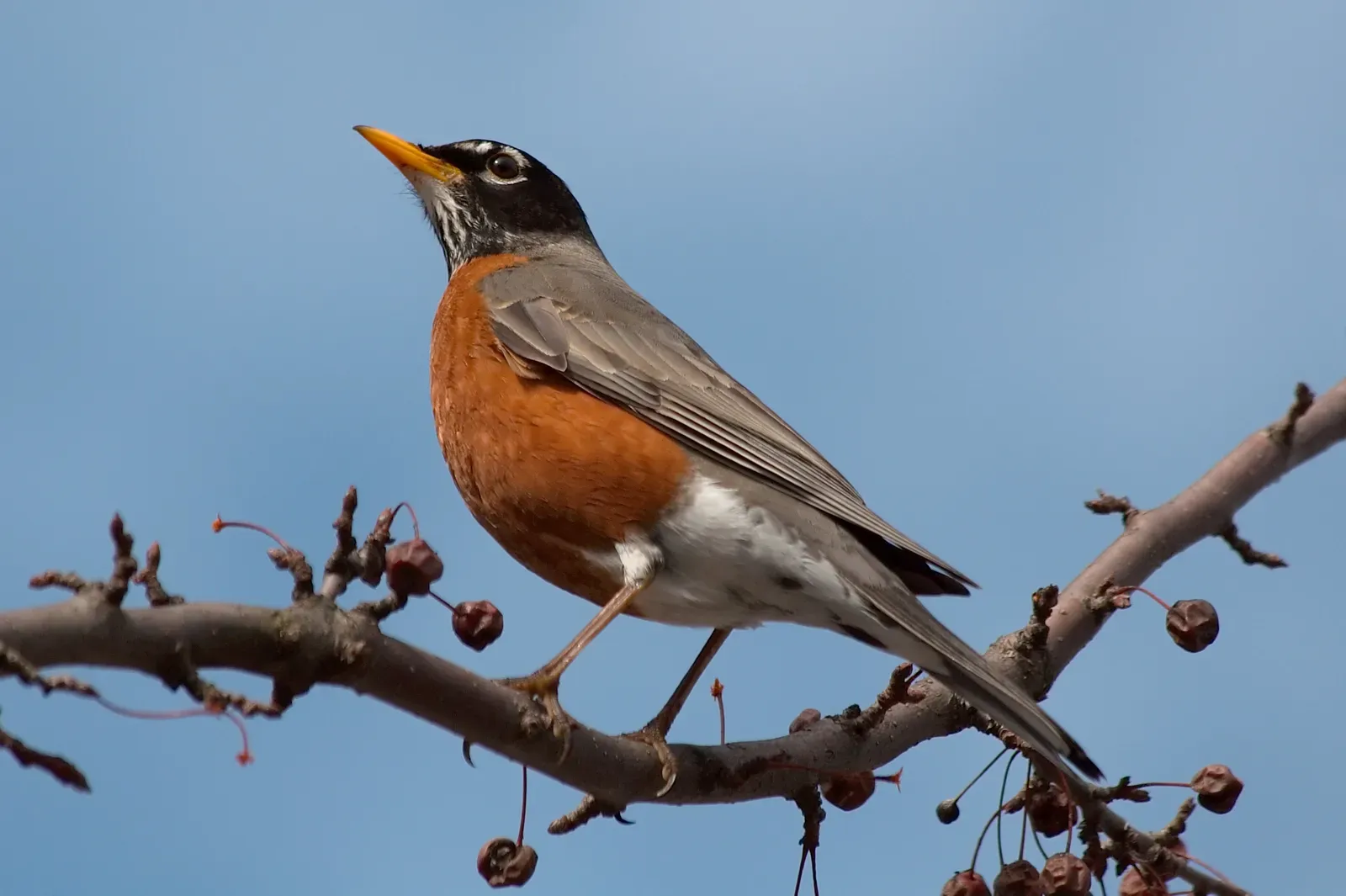
You probably know the American robin as that cheerful bird hopping across your lawn with a worm dangling from its beak. What you might not realize is how much quiet pest control it’s doing for you every single day. Robins gobble up beetles, caterpillars, grubs, and other plant-munchers, which means less unseen damage to your flowers, veggies, and lawn roots. Think of them as tiny gardeners who work the morning shift while you’re still making coffee. If you want robins around, give them what they love most: soft ground and a bit of water. You help them by keeping at least part of your lawn or garden watered enough that worms and insects stay close to the surface. A simple birdbath with gently sloping sides lets them drink and bathe, which they do often. Avoid chemicals on your grass and beds; when you skip pesticides, you give robins plenty of natural food and keep them safe from poison building up in their bodies.
2. Northern Cardinal – The Bright Red Seed Spreader
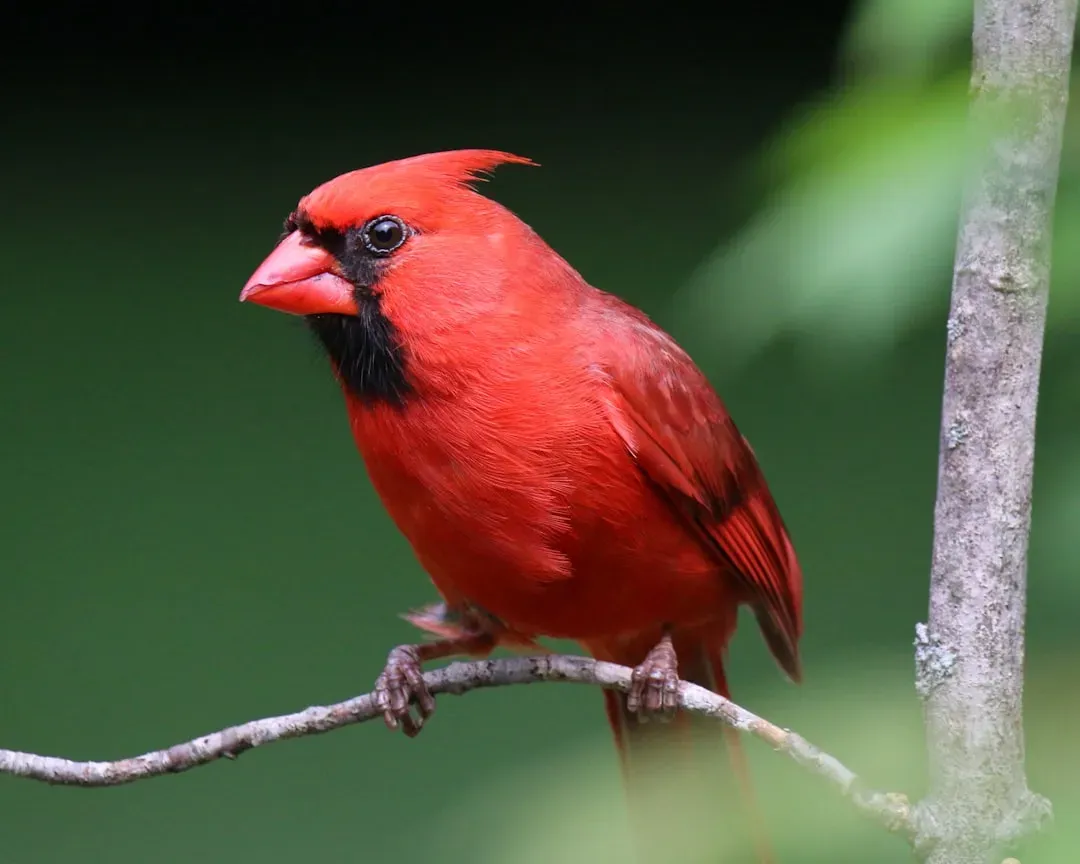
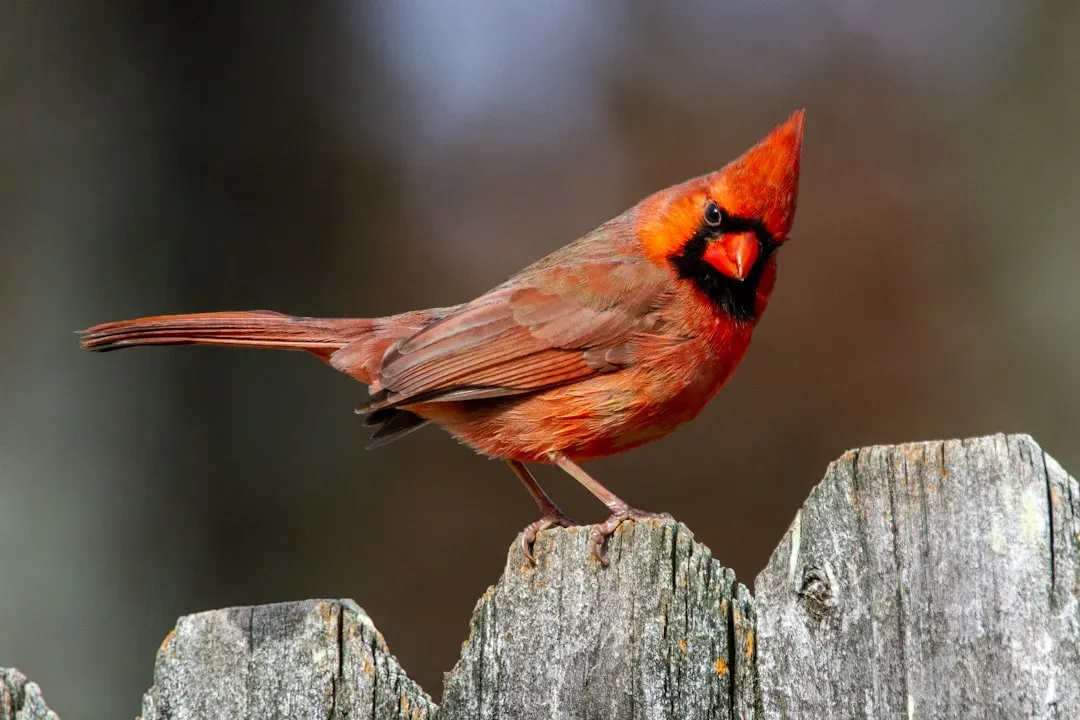
When a male northern cardinal lands in your garden, it’s like someone turned up the saturation on your entire yard. That scarlet red against green leaves or winter snow can stop you in your tracks. Beyond the looks, cardinals are valuable seed eaters that help you clean up fallen seeds and also scatter some into new spots, nudging your plant diversity along. They also eat insects, especially when feeding their young, which cuts down on pests during peak growing season. To invite cardinals, you’ll want dense shrubs and small trees where they can hide and nest. You can plant things like dogwood, serviceberry, or native evergreens to give them both cover and food. At feeders, they love sunflower seeds, safflower, and quality seed mixes offered in platform or hopper-style feeders, which their sturdy beaks can easily handle. If you keep your garden a bit layered – low plants, medium shrubs, taller trees – you’ll notice cardinals weaving through like red sparks in a green fire.
3. Black-Capped Chickadee – The Tiny Insect Exterminator
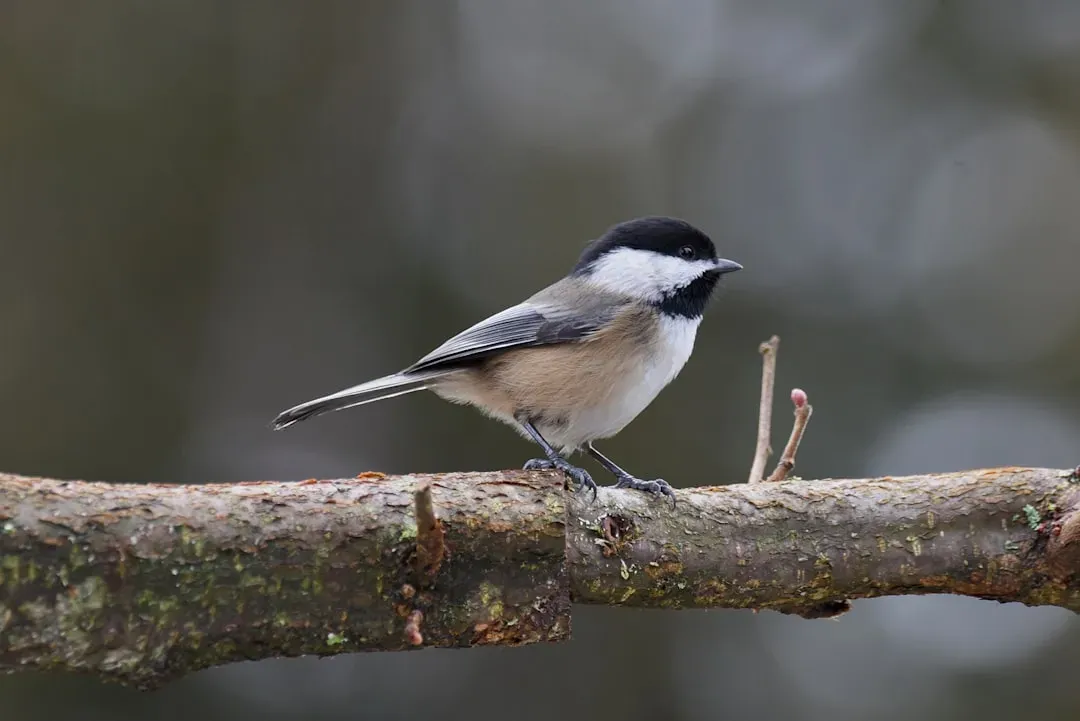
You might overlook chickadees at first because they’re small and quick, but you’d be underestimating one of the hardest-working pest controllers you can host. Chickadees spend a huge portion of their day hunting for insects, larvae, and eggs on twigs, under leaves, and in bark crevices. They target many of the same bugs that would love to chew on your fruits, ornamentals, and vegetables, so every chickadee visit is like a little inspection team combing your plants for trouble. You can attract chickadees by offering a mix of food and safe nesting spots. They adore black oil sunflower seeds, peanuts (unsalted), and suet, especially in colder months when insects are harder to find. They’re cavity nesters, so nest boxes with the right entrance size, or older trees with natural holes, are golden for them. If you let a few dead branches or snags remain where it’s safe, you give chickadees both foraging areas and potential homes, turning your garden into their favorite hunting ground.
4. House Wren – The Fierce Little Bug Hunter
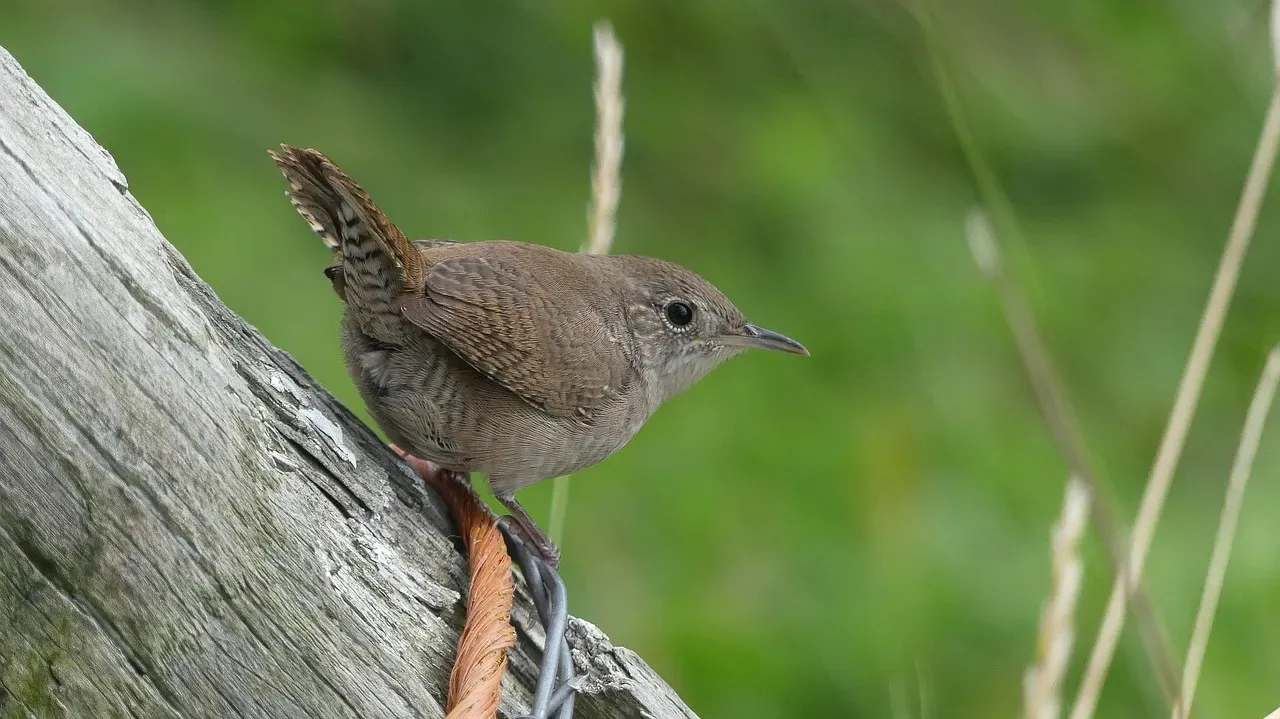
For such a small, brown bird, the house wren has a huge personality and an even bigger appetite for insects. When you hear its rapid, bubbling song, you’re listening to a featherweight warrior announcing territory where spiders, beetles, and caterpillars are in serious danger. Wrens hop through shrubs, poke around in tight spots, and explore corners that other birds ignore, flushing out the kinds of pests that hide low in your plantings. If you want wrens to stick around, think about giving them tangled, shrubby areas rather than a perfectly manicured yard. They love brush piles, dense hedges, and climbers like ivy or native vines where they can hunt and nest. A small nest box with a narrow entrance hole suits them well, and they’re not picky about fancy designs. By leaving some “messy” parts of your garden – fallen sticks, clumps of stems, and leaf piles – you’re basically rolling out a buffet for wrens and the bug cleanup crew they bring.
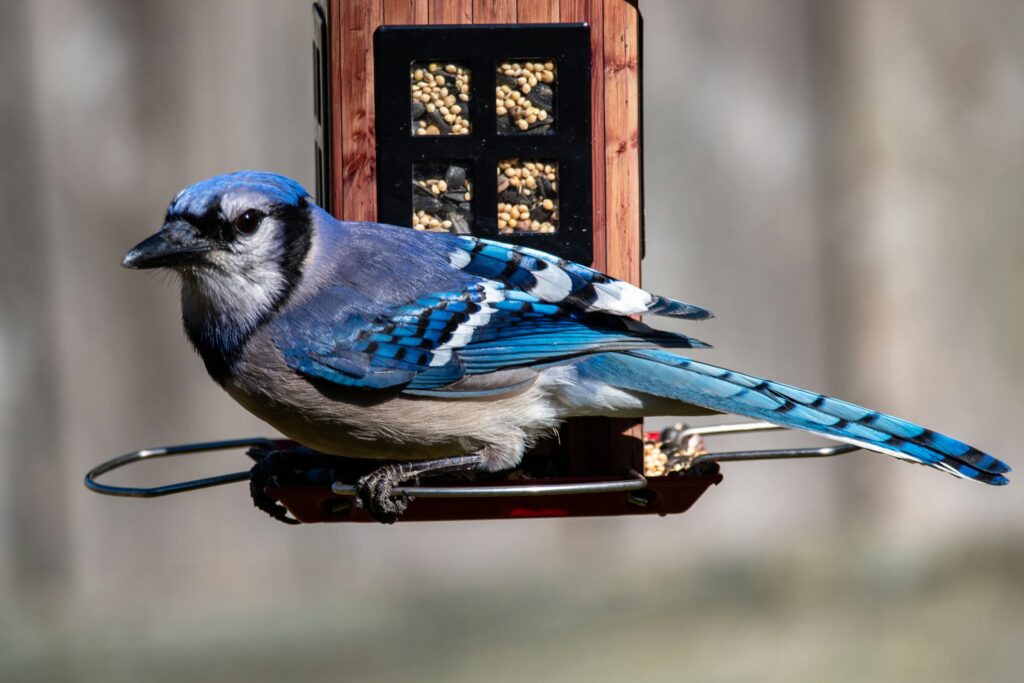
5. Blue Jay – The Loud Guardian and Seed Stasher
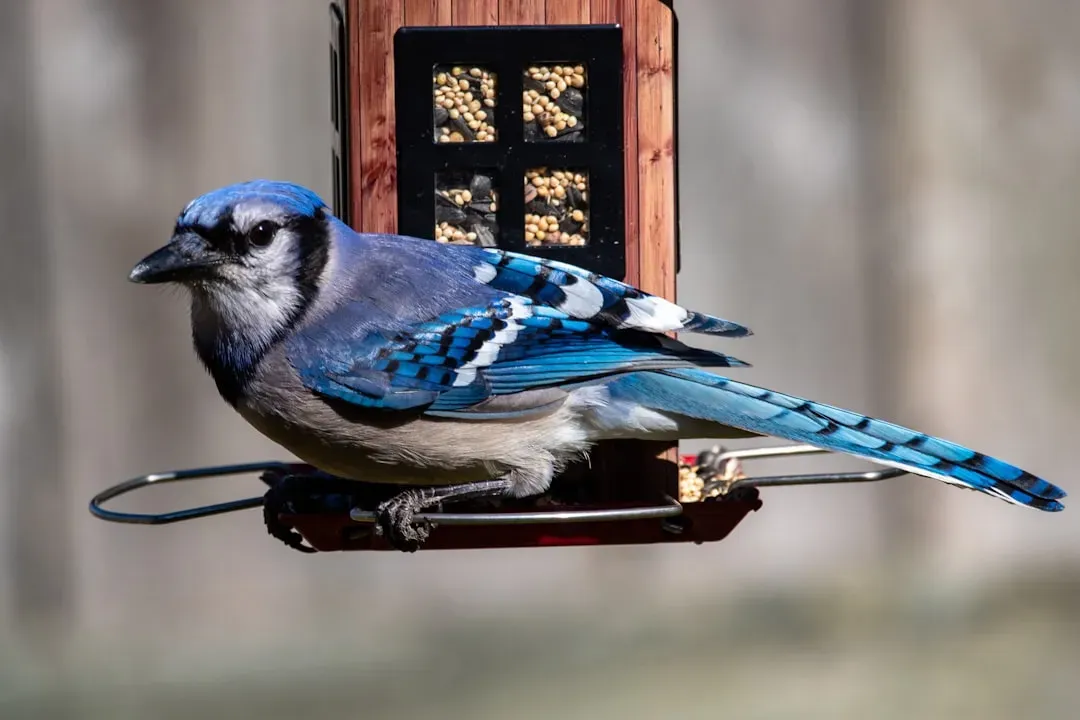
Blue jays can be controversial because they’re loud, bold, and sometimes bossy at feeders, but there’s a lot to appreciate when you look a little closer. Jays are smart, social birds that help alert other wildlife to predators like hawks and cats with their sharp calls. They stash acorns and other nuts in the ground, which means they accidentally plant trees and shrubs when they forget where they hid their food. That habit shapes forests over time and can help your larger landscape grow richer. To welcome blue jays in a way that works for you, lean into what they like without letting them dominate everything. They enjoy peanuts in the shell, sunflower seeds, and whole kernels of corn, especially on platform feeders or sturdy trays. Planting oaks and other nut-bearing trees gives them natural food and encourages their caching behavior. If you give them a specific feeding spot away from smaller feeders, you help balance your bird traffic so the shyer visitors still feel comfortable dropping by.
6. Downy Woodpecker – The Bark Specialist
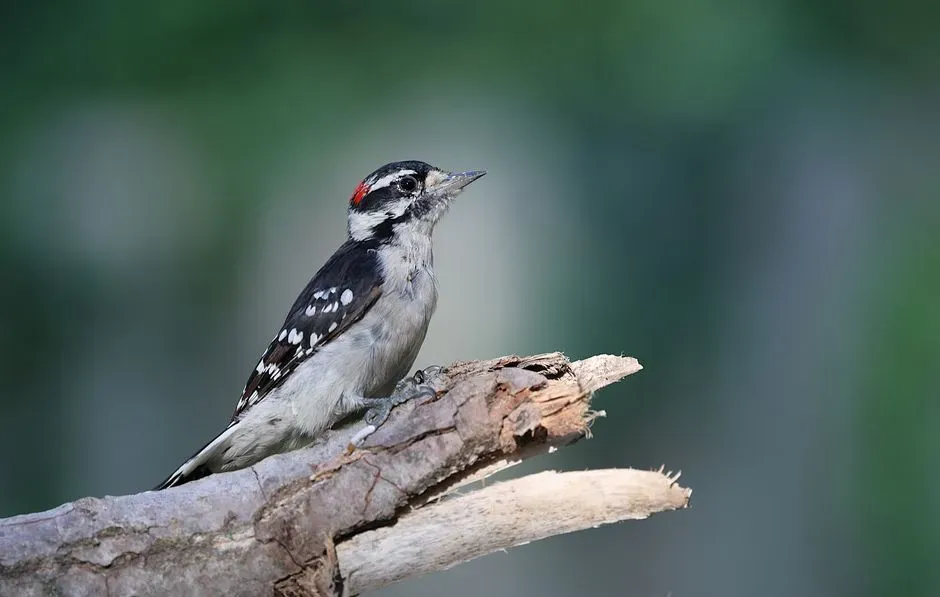
Downy woodpeckers are those black-and-white climbers you see hopping up tree trunks and pecking at the bark with surprising focus. What they’re really doing is mining your trees and shrubs for insects, especially larvae and eggs hiding just out of sight. This can be a big help if you have trees vulnerable to boring insects or scale, because downies act like inspectors, chiseling out pests before they cause serious damage. They’re especially active in winter when other insect eaters have moved on. You can attract downy woodpeckers with a mix of natural habitat and easy calories. They’re huge fans of suet, especially in cold weather, and will also take sunflower seeds, peanuts, and nut mixes from feeders. Keeping mature trees and not stripping every dead limb from your yard helps, because they love to forage on older, rougher bark. If you provide a quiet corner with trees, a suet feeder, and the occasional fallen log, you basically create a woodpecker diner and pest-control station in one.
7. American Goldfinch – The Living Flower Highlight
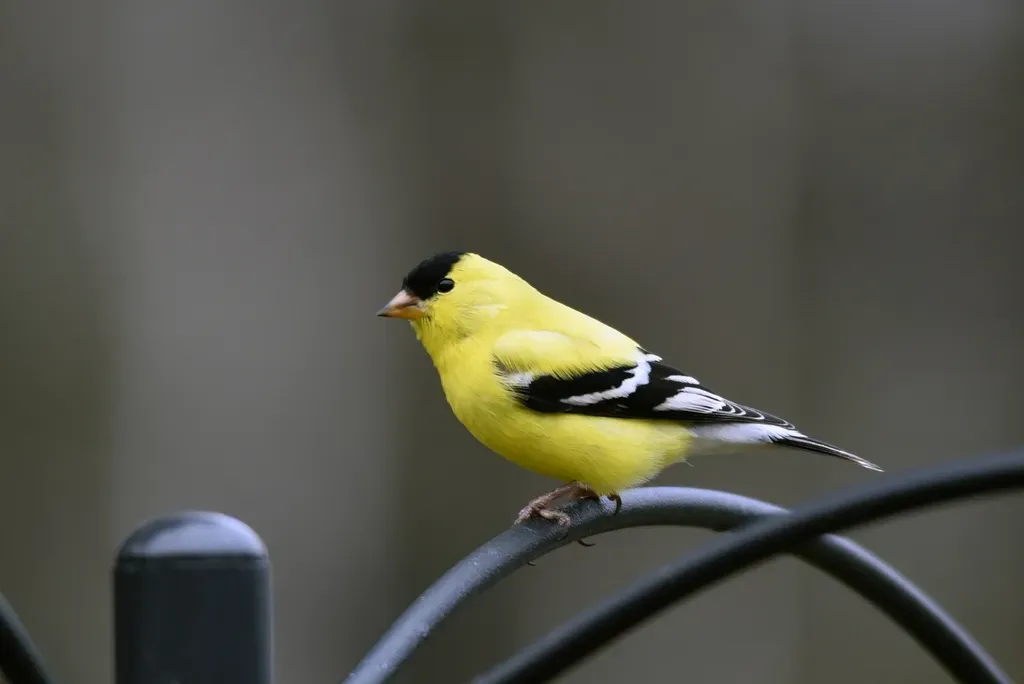
If you’ve ever seen a bright yellow bird clinging to a sunflower or bobbing over your garden in a wavy flight, you’ve likely met the American goldfinch. These birds bring a hit of color that looks like living confetti sprinkled through your flowers. They feed heavily on seeds from plants like sunflowers, coneflowers, thistles, and other seed heads you might be tempted to clean up too early. By letting some flowers go to seed, you turn your garden into a natural buffet and keep goldfinches coming back. To make your space truly goldfinch-friendly, think “less tidy, more habitat.” You can hang a finch feeder with nyjer (thistle) seed, which they love, but the real magic happens when you fill your beds with native, seed-producing plants. Instead of cutting everything down as soon as petals fade, leave seed heads standing through late summer and fall. This way, you’re not just decorating your yard – you’re literally feeding birds with your plant choices and timing, and the goldfinches will tell you when you’ve done it right.
8. Eastern Bluebird – The Gentle Insect Patrol in the Air
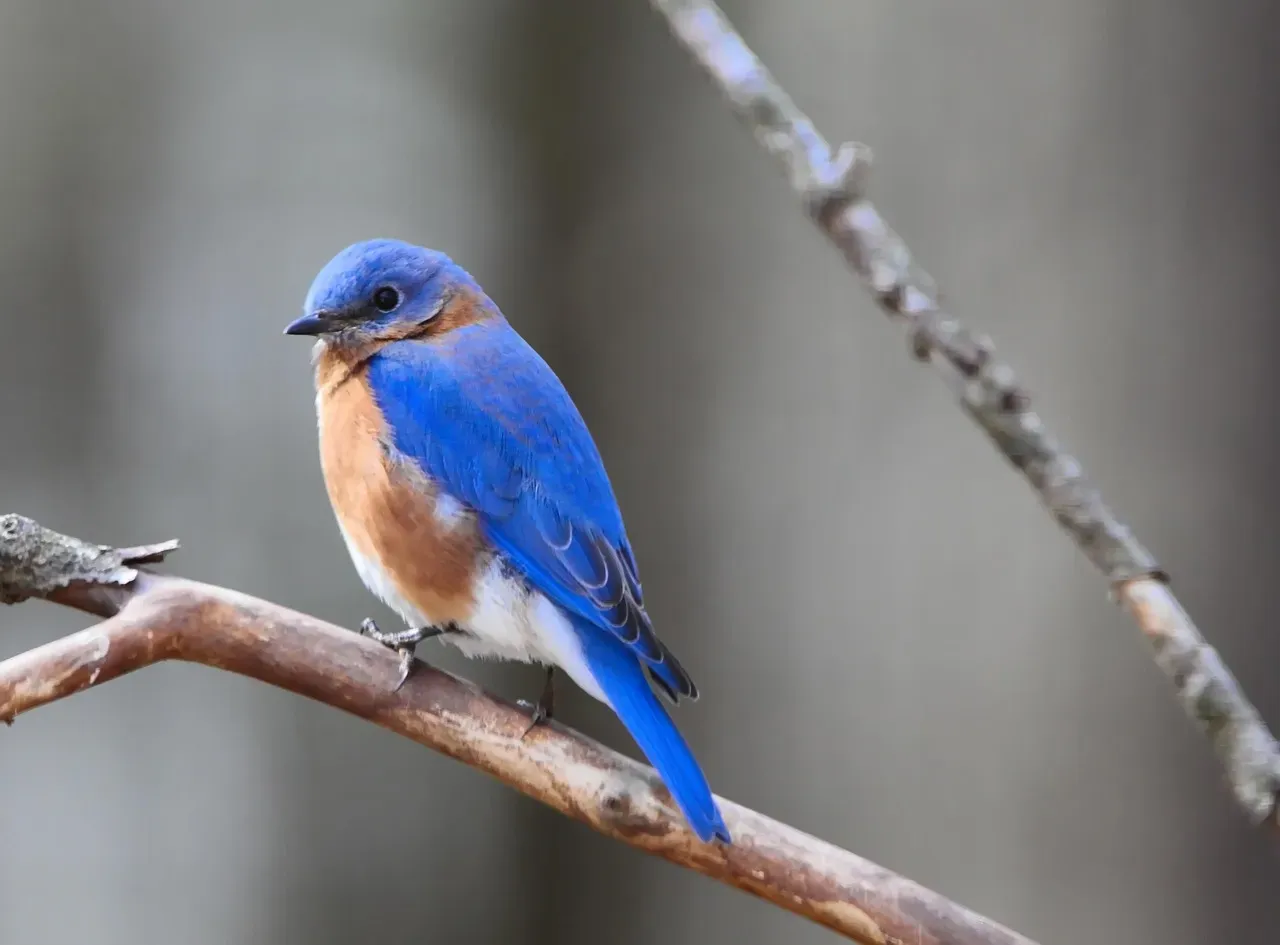
Eastern bluebirds feel almost unreal when you first see them, with that soft blue back and rusty chest glowing in the sun. They’re calm, gentle birds that spend a lot of time perched on wires, posts, or low branches, watching the ground for insects. When they spot a beetle, cricket, or grasshopper, they swoop down, grab it, and return to their lookout. This hunting style means they patrol open lawns, meadows, and garden edges, quietly reducing the number of leaf-chewers and plant-biters in your space. If you’d love bluebirds in your garden, a nest box can be a game changer. They’re cavity nesters and will readily use well-placed boxes facing open areas away from dense trees. Keep your lawn a bit more natural, with fewer chemicals and some low-growing plants that support insect life but not in a way that wrecks your crops. A shallow birdbath and mealworms offered occasionally can help them through tough weather. When bluebirds choose your garden, it’s usually a sign that you’ve struck a healthy balance between neat and wild.
9. Barn Swallow – The Summer Mosquito Manager
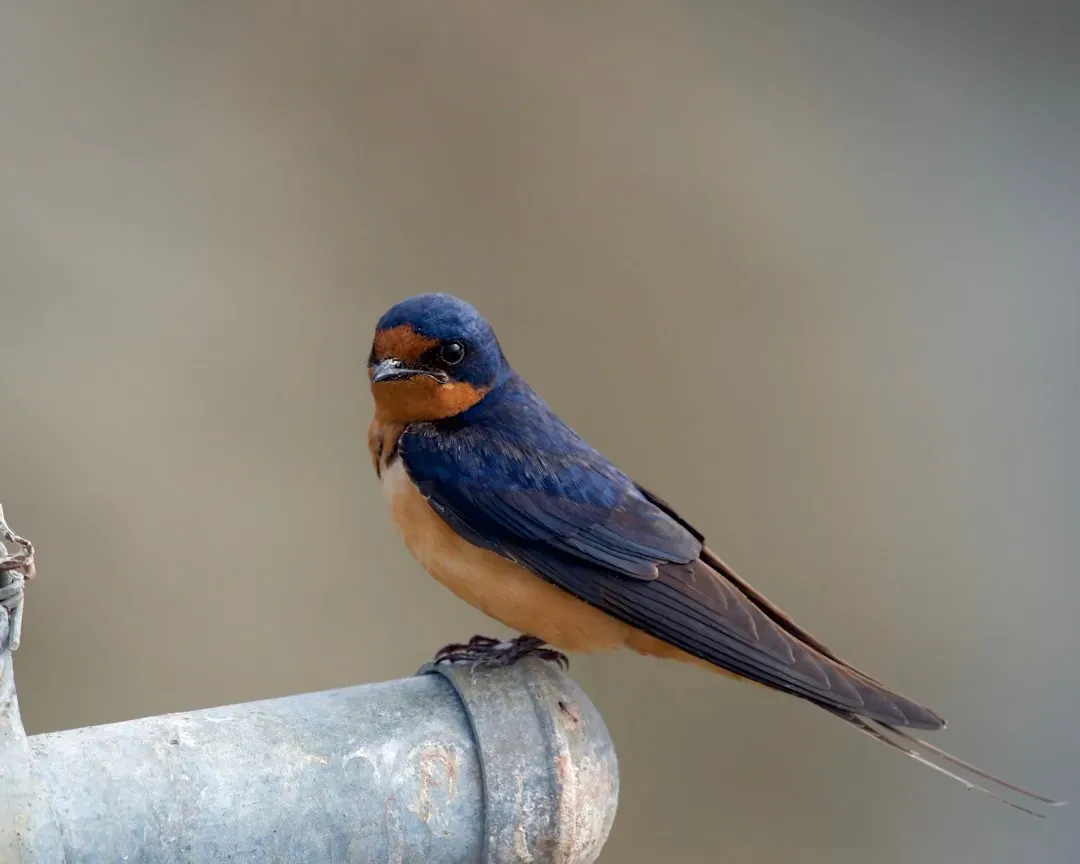
Few sights feel more like summer than barn swallows sweeping low over a field or pond, forked tails streaming behind them. These acrobats are aerial insect hunters, catching flies, gnats, midges, and mosquitoes right out of the air. You benefit every warm evening they patrol over your garden beds, patio, or nearby water, grabbing the very insects that would happily buzz around your face or nip at your skin. You may not notice every individual bug they remove, but you’ll feel the difference in how livable your outdoor spaces become. To encourage barn swallows, focus on open flight space and nearby water. They often nest on human structures like porches, barns, sheds, or under bridges, building mud nests that might look messy but represent a family of hungry insect eaters. If you can tolerate a nest or two under an eave, you’ll be rewarded with an entire summer of free, nonstop bug control. Keeping cats indoors and avoiding heavy insecticides helps too, because both reduce their food supply and put them at risk.
10. Mourning Dove – The Peaceful Ground Cleaner
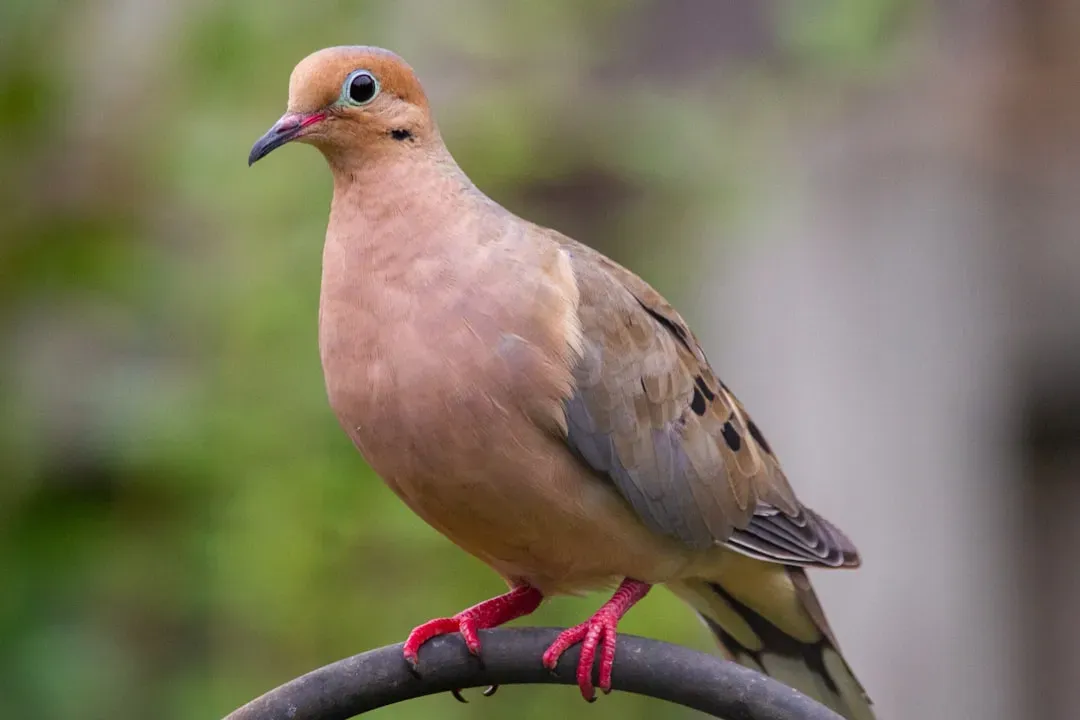
Mourning doves bring a calm, soft presence to your garden, with their gentle cooing and slow, deliberate movements. They mainly eat seeds, especially those that have fallen to the ground, so they act as quiet janitors under your feeders and around your beds. By cleaning up spillage, they help reduce seed buildup that could otherwise attract rodents. Their presence also tends to make your yard feel more serene, like a small park instead of just a patch of land. If you want to welcome mourning doves, think about providing safe ground feeding areas and open spaces. Platform feeders close to the ground or simply scattering a modest amount of seed in an open, visible area works well. They prefer places where they can spot approaching danger, so avoid luring them right next to dense cover where predators could ambush them. Planting low shrubs and leaving some open patches of soil or gravel will give them roosting, perching, and foraging options that fit their style.
11. Song Sparrow – The Modest Voice with a Big Appetite
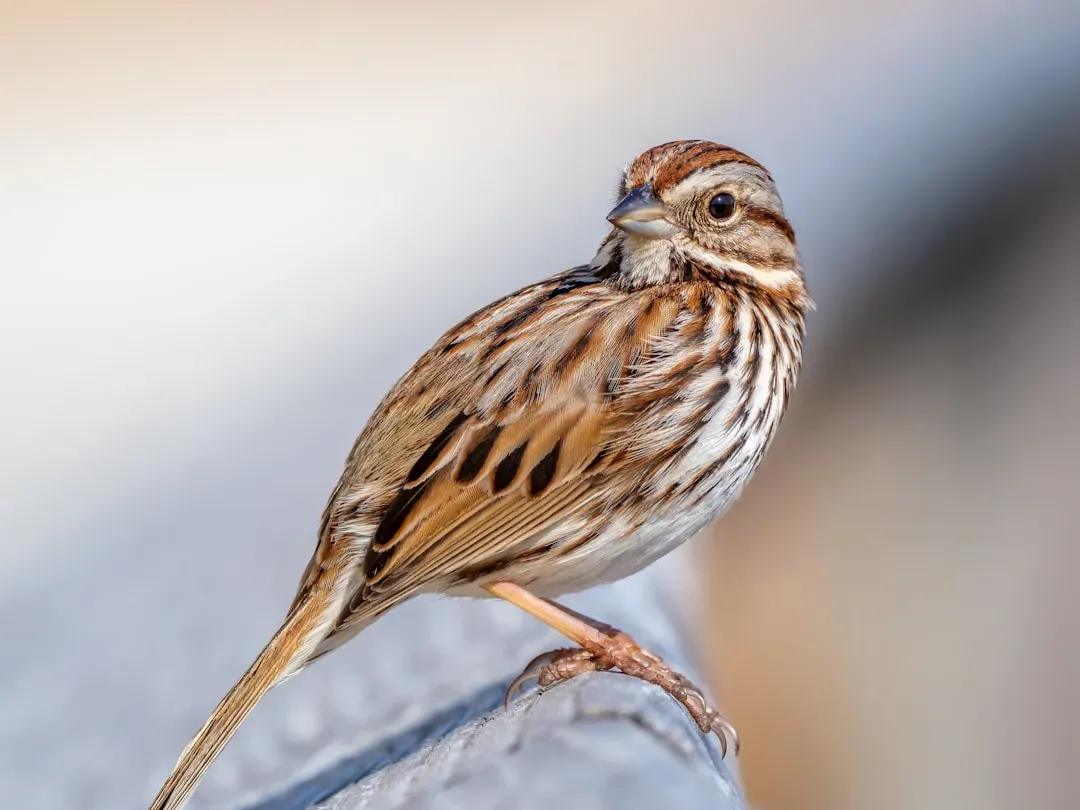
Song sparrows are not flashy, but if you pay attention, you’ll realize they’re some of the most faithful visitors your garden can have. They patrol low shrubs, garden beds, and grassy edges, hunting for insects and picking up seeds. Their insect diet, especially in warm months, makes a noticeable dent in the population of caterpillars and beetles that might fancy your plants. Meanwhile, their seed feeding helps keep down some weedy species that spread aggressively. To keep song sparrows in your orbit, design your garden with layered, slightly wild edges. They love areas with a mix of grasses, native perennials, and low shrubs where they can duck in and out for cover. A brush pile or untrimmed corner gives them nesting and hiding spots, which makes them feel secure enough to forage openly. If you offer a basic seed mix on or near the ground and avoid removing every bit of leaf litter, you’ll see them scratching around like tiny, determined gardeners in plain brown suits.
12. Cedar Waxwing – The Sleek Fruit Lover and Seed Distributor
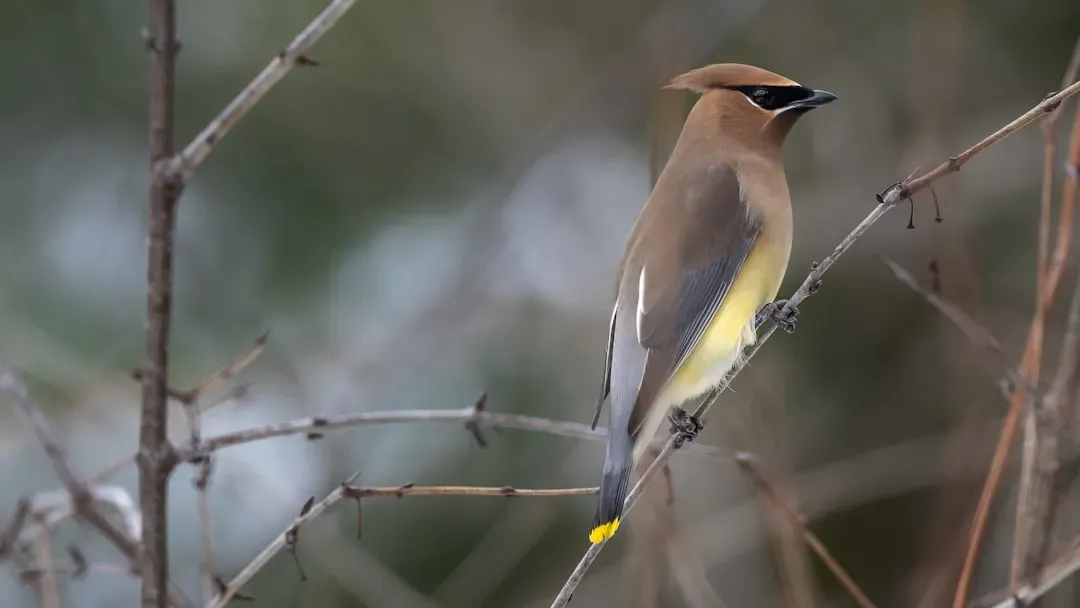
Cedar waxwings look like they’re dressed for a formal event, with smooth tan and gray feathers, a dark mask, and bright waxy tips on their wings and tails. They travel in flocks and have a serious weakness for berries and small fruits. When you plant fruiting shrubs and trees, you invite waxwings to feast, and in the process, they spread seeds far and wide through their droppings. That makes them key players in regenerating and diversifying the shrubs and trees in and beyond your yard. To attract cedar waxwings, focus on planting native berry producers that ripen at different times of the year. Think of shrubs like serviceberry, dogwood, elderberry, or winterberry holly, which provide both beauty and food. Avoid using netting that could entangle them; instead, plant enough so you can share some fruit with wildlife. A clean birdbath is also helpful, because they often stop to drink and bathe between feeding sessions. When a flock of waxwings descends on your garden, it feels like nature has decided your place is worth a special visit.
Conclusion: Turning Your Garden into a Living Community
When you start inviting these twelve birds into your garden, you’re doing far more than decorating your space. You’re creating a living community where each species plays a role: some manage insects, others clean up seeds, and a few spread future forests one berry at a time. The more you pay attention, the more you see the quiet work happening on branches, in the air, and on the ground, often before you’ve even stepped outside for the day. You do not need perfection to make this happen; in fact, a slightly wilder, more diverse garden almost always attracts more helpful birds. Planting natives, easing up on chemicals, providing water, and tolerating a few “messy” corners turn your yard into habitat, not just scenery. Over time, you’ll find yourself recognizing individual calls and habits, and the garden will start to feel less like something you own and more like a place you share. So, which bird are you going to entice first to move into your little patch of the world?