
You rarely wake up expecting a stroke to be around the corner. Most people imagine it as a sudden bolt from the blue, but in many cases, your body starts whispering warnings hours or even days before things turn critical. The trouble is, those warnings often look like “normal” aging, stress, or just a bad night’s sleep, so you shrug them off and keep going.
This article walks you through subtle, biological signs your body may show in the roughly three days leading up to a stroke. You’ll see what to watch for, when not to panic, and when you absolutely should. It’s not about turning you into a doctor, but about giving you enough insight so you don’t casually brush off something your future self wishes you had taken seriously – especially sign number seven, which many people misread completely.
1. Sudden, Unexplained Weakness on One Side of Your Body

One of the most important stroke warning signs is sudden weakness or heaviness on one side of your body – an arm that feels like it weighs twice as much, or a leg that seems to drag when you walk. You might notice you’re fumbling your keys only with your right hand, or that your left foot keeps catching on the carpet. This isn’t the slow, symmetrical stiffness you feel from a tough workout; it’s abrupt, one-sided, and feels “off” in a way you can’t quite explain.
In the days or hours leading up to a stroke, reduced blood flow in a part of your brain can disrupt signals to the muscles on the opposite side of your body. You may tell yourself you just slept funny or stood up too quickly, but if that lopsided weakness appears out of nowhere and doesn’t resolve quickly, you should treat it like an emergency. You’re far better off getting checked and hearing it’s nothing than ignoring the kind of asymmetry your brain rarely produces by accident.
2. Sudden Trouble Speaking or Finding Everyday Words

If you notice that common words are suddenly slipping away from you, your brain may be waving a red flag. You might know exactly what you want to say, but your mouth won’t cooperate, or nonsense syllables spill out instead of the sentence you had in your head. Sometimes it’s subtler: you keep using the wrong word, or you get stuck halfway through a thought that should be simple, like saying your address or naming a familiar object.
In a possible pre-stroke situation, small, temporary interruptions in blood flow can affect the language centers of your brain. You may blame fatigue, stress, or “getting older,” but abrupt changes in how you speak, understand, or put sentences together are not a normal part of a single busy day. If your speech suddenly becomes slurred, jumbled, or strangely hard to produce, especially if others are noticing it too, that’s not something you should wait to see if it “goes away on its own.”
3. Sudden Vision Changes or Seeing the World Crooked
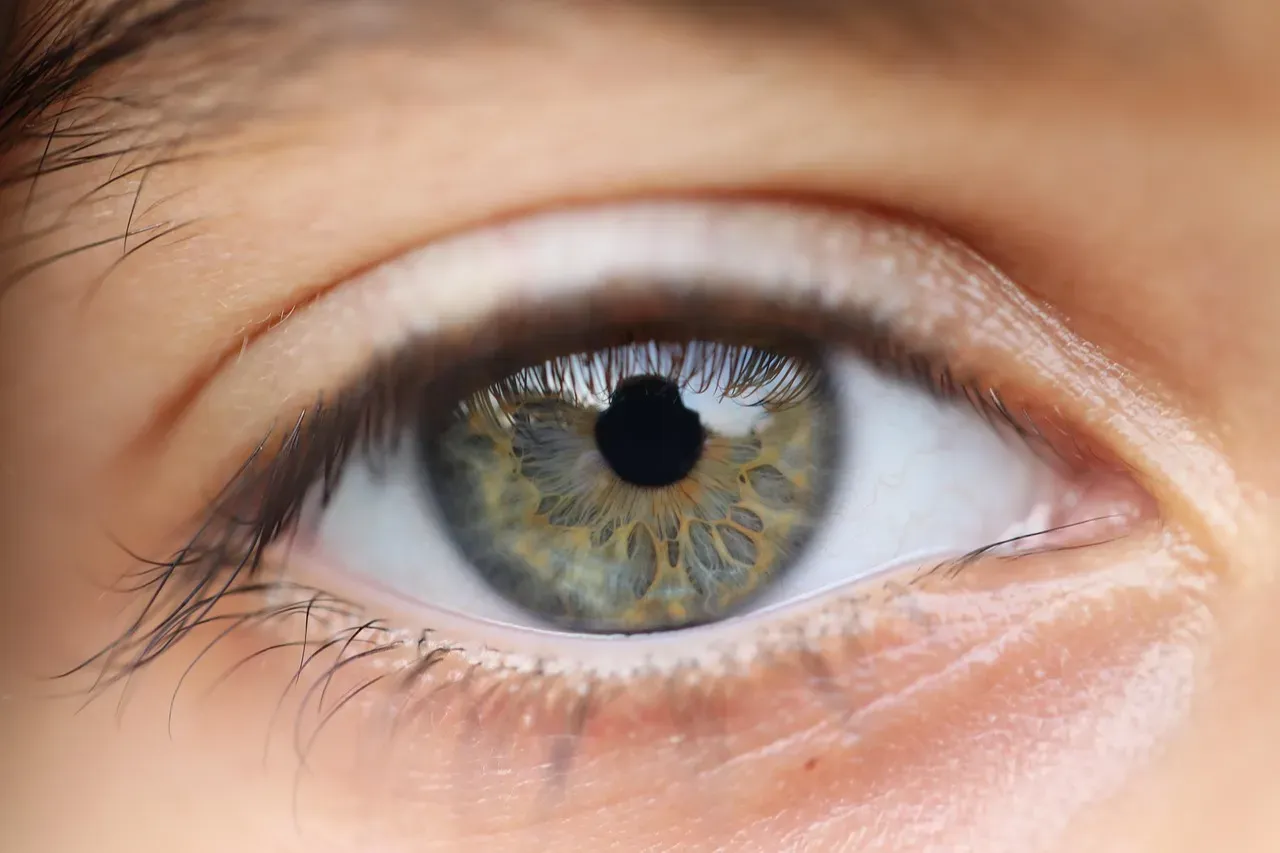
Your eyes might be perfectly healthy while your brain’s visual centers struggle, and that’s where stroke warning signs can sneak in. You may suddenly have blurry vision in one eye, lose part of your visual field, or feel like the room has shifted to one side. Some people describe it as looking through a foggy window or noticing that half of their surroundings seem to disappear, even though they can still move their eyes normally.
Because vision issues are so common in everyday life – from screen fatigue to dry eyes – it’s easy to chalk this up to needing new glasses or being tired. But abrupt vision loss, double vision, or a sudden inability to see clearly out of one or both eyes can be a major red flag. If you close one eye at a time and notice something is clearly wrong with what you can see, especially if it comes on quickly, you should take that seriously and seek urgent medical help, not just reach for eye drops.
4. A Sudden, Severe Headache That Feels “Different”

If you’re someone who rarely gets headaches and suddenly experience a powerful, out-of-the-blue head pain, that deserves your full attention. This kind of headache often feels unlike your usual tension or sinus discomfort; it may be intense, explosive, or accompanied by other symptoms like confusion, weakness, or changes in vision. You might feel a sense of dread along with it, as if your body knows something is very wrong.
Not every bad headache means you’re about to have a stroke, but certain types – especially a sudden, extreme headache with no clear cause – can be linked to bleeding in or around the brain. Many people dismiss this as stress, dehydration, or “just a migraine,” especially if they are used to pushing through pain. The key difference is that this headache appears suddenly, hits hard, and often comes with other neurological symptoms. When your head pain feels dramatically different from anything you’ve had before, that’s not the time to tough it out.
5. Sudden Numbness or Tingling, Especially on One Side

Numbness or tingling in your arm or leg might seem harmless, especially if you think you “slept on it wrong” or sat in a strange position. But when that sensation appears suddenly, for no obvious reason, and especially when it affects just one side of your face, arm, or leg, it can be a sign that the nerves in your brain are not getting enough blood. You might feel as if ants are crawling under your skin, or as if a piece of your body has gone strangely silent.
What tricks many people is that this sensation can be mild at first and easy to dismiss. You may wiggle your fingers, shake your leg, or stretch your neck, expecting it to fade quickly. If the numbness persists, spreads, or pairs up with other problems such as trouble speaking or weakness, you’re not dealing with a simple pinched nerve you can stretch away. Your brain is sending a distress signal, and the clock matters more than your hesitation or embarrassment about “overreacting.”
6. Sudden Confusion, Trouble Focusing, or Feeling “Not Like Yourself”

Sometimes your first warning sign is not something others can see, but something you feel inside your own head. You might suddenly struggle to follow a simple conversation, lose track of what you were doing in the middle of a familiar task, or have difficulty understanding a basic instruction. You may notice that everything feels foggy, as if your thoughts are moving through wet cement instead of air.
Because life is busy, you might blame this on stress, lack of sleep, or information overload. But when confusion appears without a clear trigger and shows up alongside other physical changes – like imbalance, visual disturbances, or weakness – it deserves emergency-level respect. Your brain normally works in the background so smoothly that you hardly notice it; when it suddenly stumbles, especially over routines you normally handle on autopilot, that’s a sign you should stop, not push ahead.
7. Sudden Loss of Balance, Dizziness, or Clumsiness (The One Most People Ignore)

This is the warning sign people most often wave away: you suddenly feel wobbly on your feet, dizzy when you stand, or clumsy in a way that doesn’t match your usual coordination. You might bump into door frames, veer to one side when you walk, or feel like the room is spinning when you turn your head. Many people chalk this up to “getting older,” inner ear issues, or simply standing up too fast, then carry on with their day.
But loss of balance and sudden dizziness can point to serious problems in the parts of your brain that control coordination and movement. In some strokes, especially those involving the back of the brain, dizziness, imbalance, and nausea can be the main symptoms rather than the classic facial droop or slurred speech. If your body suddenly feels like it has forgotten how to move smoothly – especially if walking in a straight line becomes hard, or you cannot stand steadily without grabbing onto something – you should treat that like the emergency it might be, not a quirk of age or clumsiness.
8. Sudden Trouble Understanding What Others Are Saying

Another sign that often goes unnoticed is when you can hear someone’s words clearly but they suddenly stop making sense. You may be talking with a friend or relative and realize you’re losing the thread of what they’re saying, even though the topic is simple and familiar. You might nod along, hoping you’ll catch up, but inside you feel unmoored and oddly disconnected from the conversation.
This kind of comprehension problem is different from being distracted or preoccupied. It comes on quickly and may make even everyday speech sound jumbled or foreign. Because you might feel embarrassed to admit you’re not following, you could pretend everything is fine, which delays help at the very moment your brain needs it most. If language – something you manage without effort every day – suddenly feels hard to decode, especially with other symptoms, you should see that as a loud internal alarm.
9. A Lopsided Face or Sudden Change in Your Smile

Your face can reveal a lot about what is happening in your brain, often before you feel anything else is wrong. If you suddenly notice that one side of your mouth droops, your smile looks uneven, or one eye does not open or close quite like the other, that can indicate weakness in the facial muscles. You might spot it in the mirror, in a selfie, or when brushing your teeth and realizing one side of your face feels heavier or less responsive.
Many people dismiss a subtle change in their face as just being tired or “puffy,” but true facial drooping is usually obvious when you look carefully or when someone asks you to smile or show your teeth. That unevenness is not cosmetic; it can mean your brain is struggling to control the muscles on one side of your body. If your face looks or feels different in an abrupt, one-sided way – especially combined with changes in speech or arm strength – you should not wait to see if it looks better tomorrow.
10. Sudden Difficulty Swallowing or Unexplained Choking

If swallowing suddenly feels strange, painful, or harder than usual, that can be more than just a dry throat. You may find yourself coughing or choking on water, struggling to get food down, or feeling like something is “sticking” in your throat even though you are chewing carefully. These changes can be alarming or just irritating, but either way, they are not something you should quickly brush aside.
The muscles that control swallowing are finely coordinated, and they rely on precise signals from your brainstem and other brain regions. When those signals are disrupted by reduced blood flow, swallowing can become clumsy or unsafe in a surprisingly short time. You may try to correct it by taking smaller sips or bites, but if you notice repeated choking, coughing with swallowing, or a sudden change in how your throat feels when you eat or drink, that could be your body warning you something is seriously wrong upstream.
11. Unusual, Sudden Fatigue Paired With Other Neurological Symptoms

Feeling tired is incredibly common, so you might be tempted to ignore even a dramatic wave of exhaustion. But there is a difference between ordinary end-of-day fatigue and a sudden, crushing tiredness that hits even when you should feel rested. If you suddenly feel drained, weak, or overwhelmingly sleepy, especially if this comes together with trouble speaking, seeing, or moving one side of your body, that combination should grab your attention.
Potential pre-stroke fatigue is often not just “being lazy” or needing another cup of coffee. It can be your body’s reaction to the stress and energy drain of your brain not getting enough oxygen. You may notice that simple tasks, like walking across a room or holding a conversation, suddenly feel like running a marathon. When that heavy fatigue appears out of nowhere and rides along with other suspicious symptoms, it is safer to treat it as part of a bigger picture rather than blaming your schedule or age.
12. Brief “Mini-Stroke” Episodes That You Brush Off Because They Stop

Sometimes your body gives you a dress rehearsal for a major stroke in the form of a transient ischemic attack, often called a mini-stroke. You might suddenly have slurred speech, weakness, numbness, or vision loss that lasts only a few minutes, then disappears completely. Because you “bounce back,” it’s incredibly tempting to shrug, assume it was nothing, and move on with your day as if you just dodged a random glitch.
In reality, these brief episodes can be one of the strongest predictors that a full-blown stroke might be coming soon, sometimes within hours or days. Your brain is effectively warning you that a blood vessel is blocked or unstable enough to cut off blood flow, even if only temporarily. When you treat a mini-stroke as a lucky escape instead of an emergency, you may be missing a crucial window to prevent something far more devastating. Any sudden neurological symptom – even if it disappears – deserves immediate medical evaluation.
Conclusion: Listening to the Quiet Warnings Before the Storm

When you put all these signs together, a clear pattern emerges: your body often does not stay silent before a stroke. It sends you clues – sudden weakness, strange vision changes, lopsided facial expressions, balance problems, language trouble – long enough for you to notice if you are willing to pay attention. The hardest part is pushing past the urge to explain everything away as stress, age, or fatigue and instead asking, “What if this is serious?”
You do not have to memorize every medical detail, but you can remember this: if something neurological comes on suddenly, feels different from your usual self, and does not improve quickly, you should treat it as an emergency, not a maybe. Acting fast can mean the difference between recovery and lifelong disability – or worse. The next time your body whispers instead of screams, will you listen?