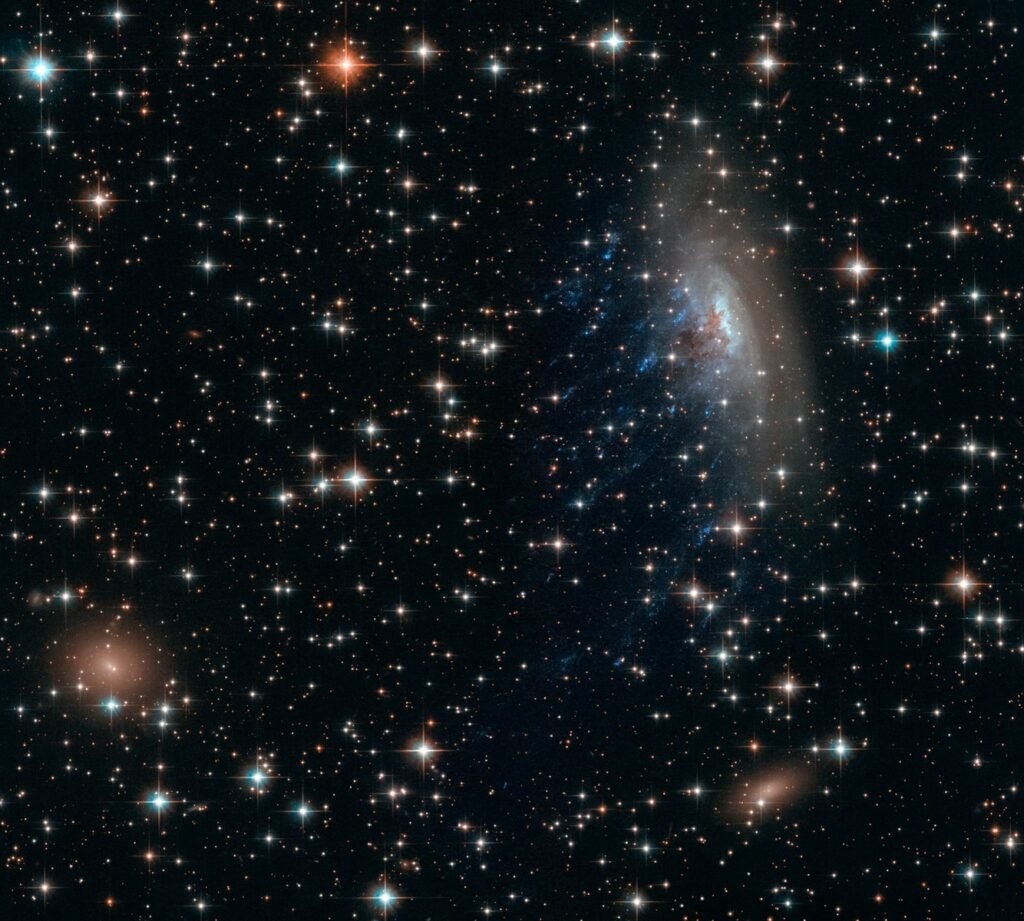

Space science likes to project confidence: neat diagrams, crisp equations, clean answers. But peel back the glossy surface and you find something far more thrilling – a universe riddled with puzzles that refuse to behave, even under the sharpest telescopes and cleverest theories. Astronomers keep discovering phenomena that do not quite fit the script, from stars that should not exist to energy flashes that seem to break the rules. Some of these oddities bend our understanding of gravity, others our sense of time, and a few hint that we might be missing entire layers of reality. Taken together, they reveal a cosmos that is not solved and settled, but wild, incomplete, and still very much in play.
The Great Cosmic Imbalance: Why There Is Something Instead of Nothing
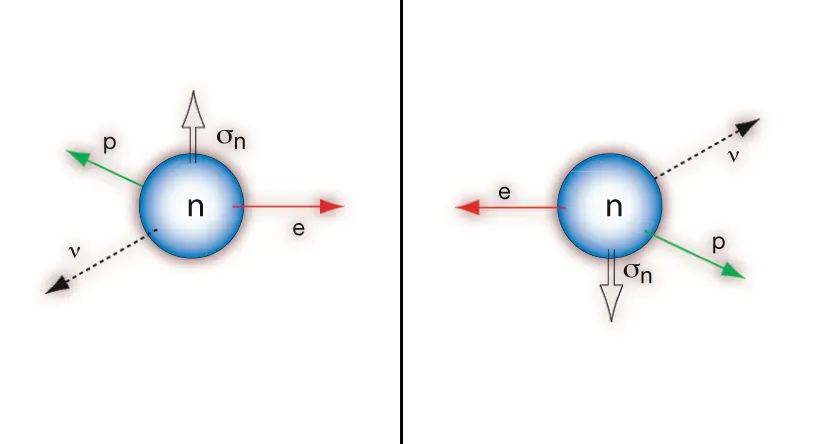
Look around your room: every object you see is a quiet insult to physics as we know it. According to our best theories, the Big Bang should have created matter and antimatter in nearly equal amounts, leading to a violent mutual annihilation that left behind little more than light. Instead, matter somehow won by a thin but decisive margin, allowing stars, planets, and eventually people to exist at all. Experiments on Earth, from particle colliders to neutrino observatories, have detected tiny differences in how matter and antimatter behave, but not nearly enough to explain this cosmic bias.
What tipped the scales remains one of the deepest unsolved questions in physics. Some researchers suspect that unknown particles or forces briefly broke the symmetry in the early universe, like a rigged coin that just barely prefers heads. Others wonder if the imbalance hints at multiple universes, with ours being the rare one where matter got the upper hand. The stakes are enormous: explain this one asymmetry, and you explain why the universe has structure instead of being a sterile blur of light. Until then, every atom is a quiet, unexplained victory over nothingness.
The Dark Matter Ghost: The Missing Mass Holding Galaxies Together
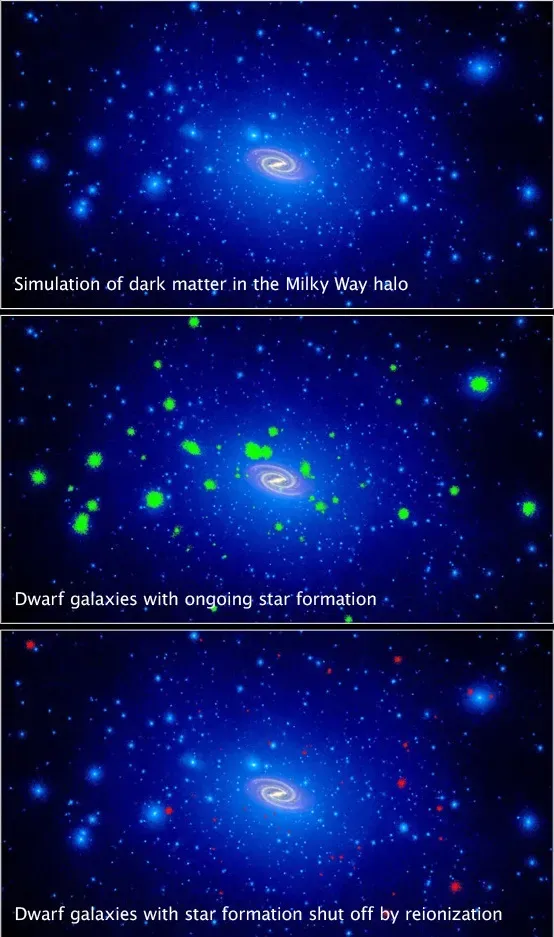
When astronomers measured how fast stars orbit the centers of galaxies, the numbers made no sense. The outer stars were moving so quickly that, by standard gravity, they should have flown off into intergalactic space long ago, shredding the galaxies apart. To fix this, scientists proposed that most of the mass in the universe is invisible, made of some unknown substance that does not emit or absorb light but tugs on everything through gravity. This so-called dark matter appears to outweigh normal matter by roughly about five to one on cosmic scales.
Decades of experiments, from detectors buried deep underground to satellites scanning cosmic radiation, have failed to catch a single dark matter particle in the act. In response, some physicists argue that maybe gravity itself changes behavior on very large scales, and what looks like missing mass is really a sign that our equations are incomplete. Others push new models involving entire families of hidden particles, or even dark sectors with their own forces. What is strangest is that galaxies seem to follow consistent patterns in how this invisible mass is distributed, as if obeying rules we have not yet written down. The universe is clearly playing by something’s rules; we just do not know whose.
The Dark Energy Drift: A Universe That Won’t Stop Accelerating
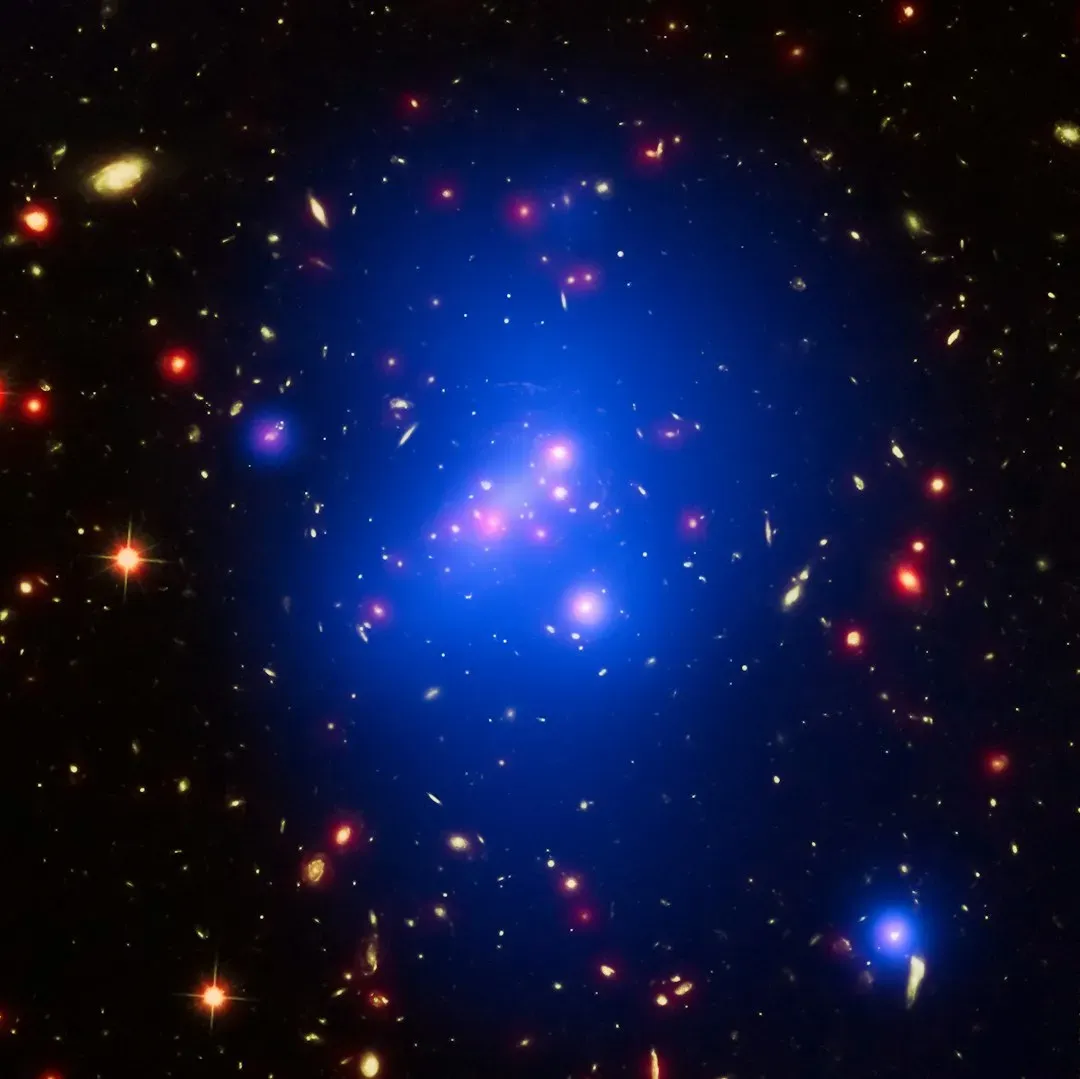
In the late nineteen-nineties, astronomers measuring distant exploding stars were stunned to find that the universe is not just expanding, but expanding faster and faster over time. Instead of gravity slowly tugging galaxies back together, some mysterious effect is pushing them apart, stretching space itself. This phenomenon, labeled dark energy, appears to account for the vast majority of the energy content of the universe, yet it cannot be seen, touched, or reproduced in any lab. It behaves like a built-in pressure of space, gently but relentlessly driving everything away from everything else.
The simplest idea links dark energy to what physicists call the vacuum energy of empty space, but the numbers from quantum theory overshoot the observed value by a ridiculous margin. Alternative theories suggest that dark energy might change over time, or that our understanding of gravity breaks down across gigantic distances. A few bold proposals claim that we might be misunderstanding the cosmic data entirely, misreading the flickers of ancient supernovae like a poorly tuned radio. However it works, dark energy shapes the long-term fate of the cosmos, determining whether stars will burn out into a cold, stretched darkness or something stranger still. For now, the force steering that destiny remains a placeholder in our equations and an open wound in cosmology.
The Fast Radio Burst Enigma: Millisecond Screams from the Deep Sky
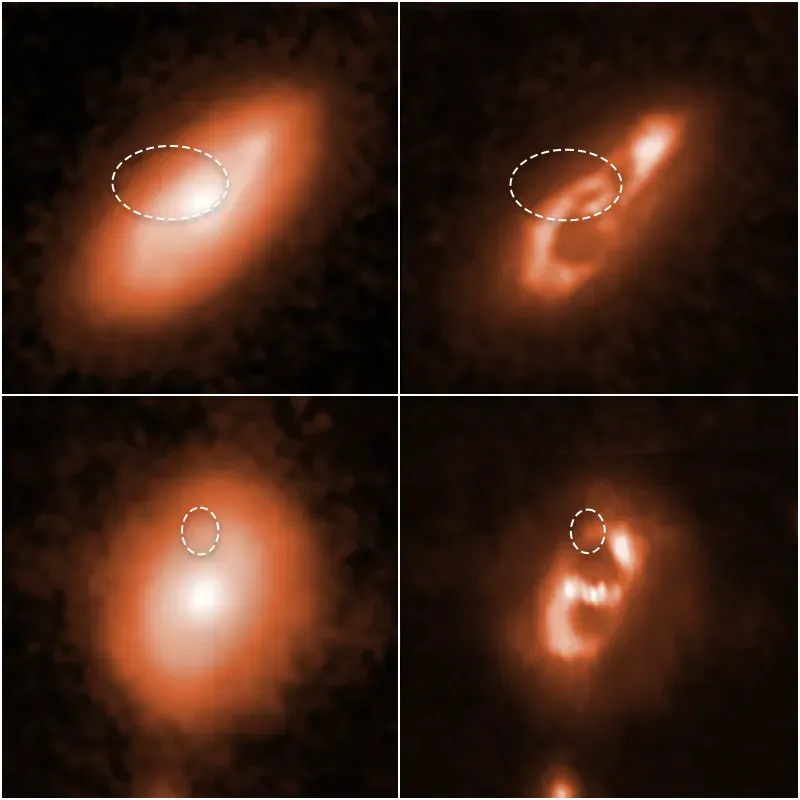
Every so often, seemingly at random, the sky crackles with a powerful, millisecond-long radio pulse from somewhere far beyond our galaxy. These fast radio bursts, discovered only in the twenty-first century, pack more energy into an eye-blink than our Sun emits in days. Some repeat from the same spots, like erratic lighthouses, while others flare once and fall silent forever. Astronomers have traced a few to distant galaxies, but pinning down their exact origin stories has proved maddening.
Leading suspects include highly magnetized neutron stars, colliding stellar corpses, or exotic processes in dense plasma clouds, but none of these explanations fully fits all the observed patterns. A handful of bursts seem to show strange periodic behavior, while others slice through cosmic plasma so cleanly they almost look too tidy. Ground and space telescopes now monitor the sky continuously, building catalogs of hundreds of these events, and yet the key piece of the puzzle is missing. The bursts act like cosmic text messages written in a language we can detect but not yet understand. Until we crack that code, fast radio bursts remain a reminder that the universe still has ways of yelling at us we barely knew were possible.
The Tabby’s Star Mystery: A Flickering Beacon That Defies Normal Physics
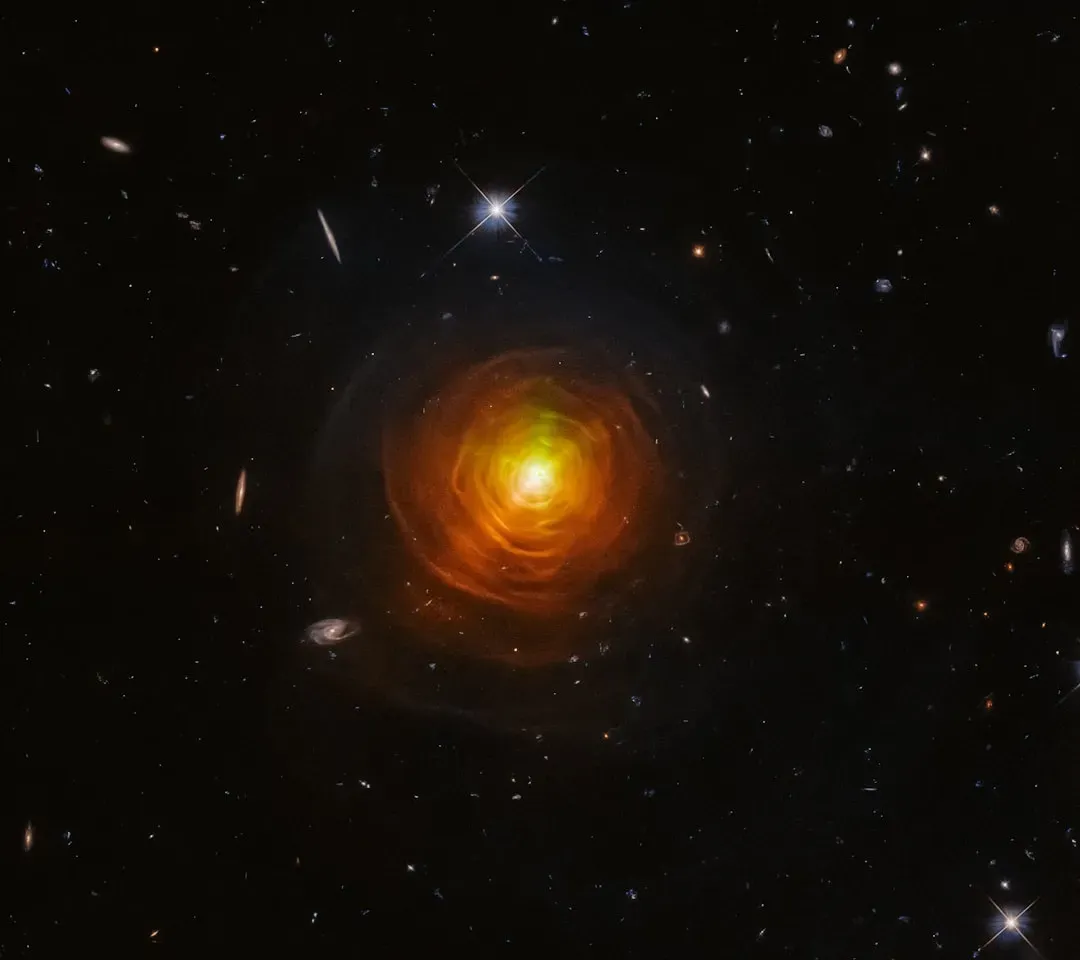
In the constellation Cygnus, an otherwise ordinary star startled astronomers when its brightness began dipping in bizarre, irregular ways. Unlike planets, which cause neat, repeating dimming patterns as they pass in front of a star, this object – popularly nicknamed Tabby’s Star – faded by huge amounts at unpredictable intervals. Some drops in brightness reached nearly a quarter of the star’s light, far too large and messy to be explained by a few planets or starspots. The light curve looked more like the output of a malfunctioning instrument than a natural star.
Instrument errors were quickly ruled out, and the brainstorming began. Dust clouds, shattered comets, colossal collisions, and complex magnetic cycles have all been proposed as explanations, each capturing a few pieces of the pattern but never the full picture. The star has also been dimming slowly over decades, adding another layer of weirdness to an already tangled story. The initial, wildly speculative idea of an artificial megastructure grabbed headlines, but ongoing observations have found no supporting evidence. Instead, astronomers are left with a sobering reality: even a single star, when watched closely over time, can behave in ways that leave us embarrassingly short on answers.
The Ultra-Massive Black Hole Puzzle: Monsters Too Big, Too Soon
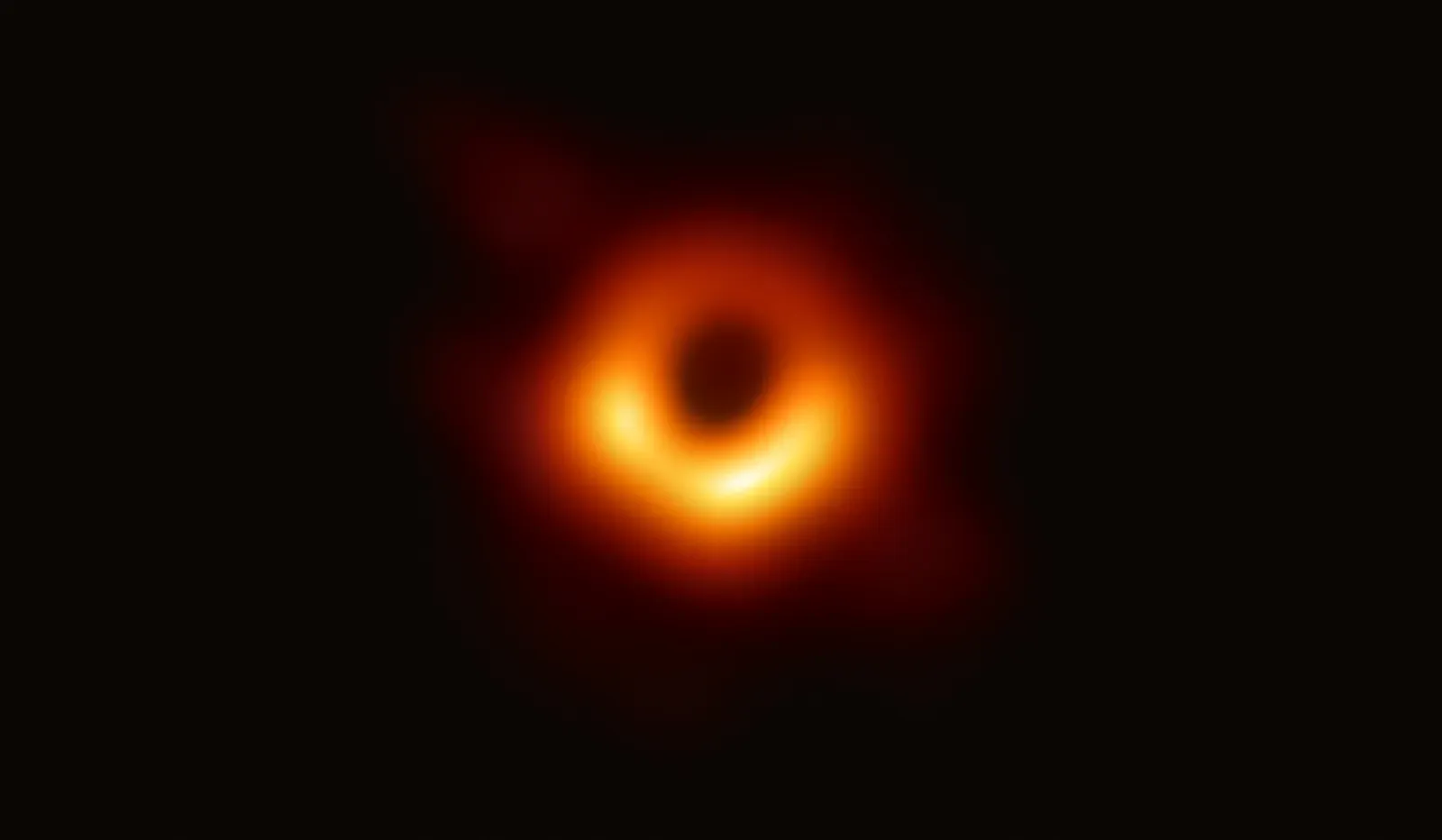
Black holes a few times the mass of the Sun are easy enough to explain: they are the corpses of massive stars. But telescopes have found black holes in the early universe that weigh as much as billions of Suns, existing when the cosmos was still very young. Growing such monsters through normal feeding, slowly swallowing gas and stars, should take far longer than the age of the universe at the times we see them. It is like finding fully grown redwood trees in a forest that sprouted yesterday.
To reconcile this, theorists have suggested that some black holes might have formed directly from collapsing clouds of primordial gas, skipping the usual star phase. Others propose runaway mergers of dense star clusters, or brief growth spurts fueled by exotic, super-efficient accretion disks. Observations from modern space observatories have revealed more and more of these early giants, turning a one-off oddity into a full-blown population crisis. The existence of these overachieving black holes challenges models of how structure formed after the Big Bang and how quickly the first galaxies lit up. Whatever the answer, it will reshape our story of how the cosmic web came together out of almost perfect nothingness.
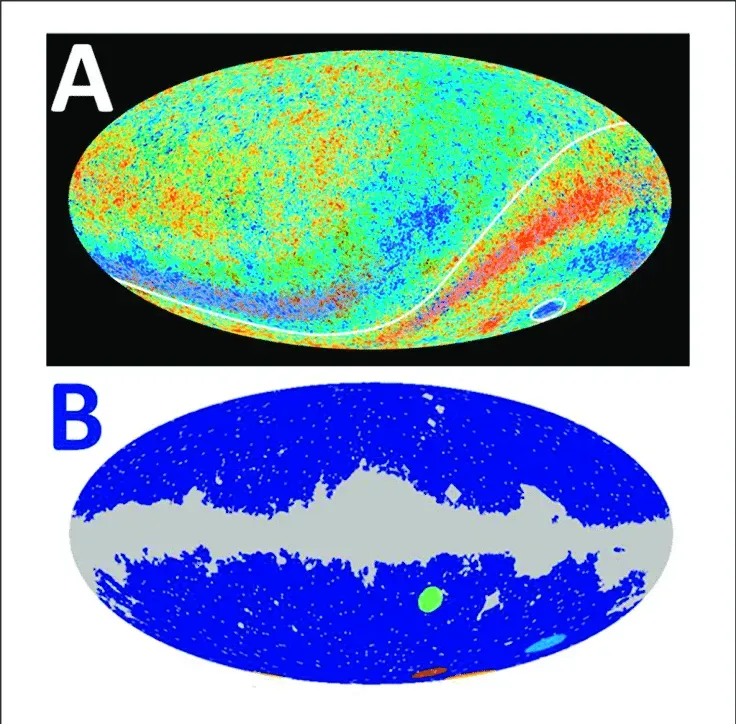
The Cold Spot in the Cosmic Microwave Background: A Bruise on the Infant Universe
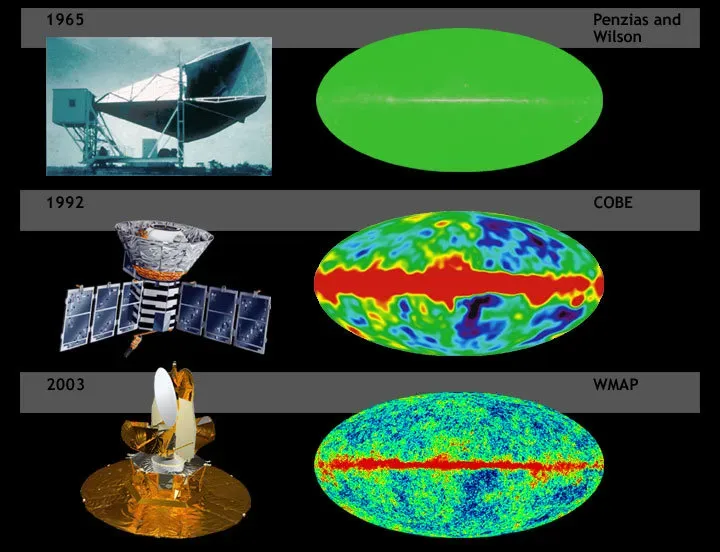
When scientists mapped the faint afterglow of the Big Bang across the sky, they expected small, random temperature variations, and that is mostly what they saw. But one region, known as the Cold Spot, stands out as unusually large and unusually chilly compared with its surroundings. This patch spans an enormous chunk of sky, far bigger than standard models of early-universe fluctuations comfortably allow. It is as if the infant universe has a faint bruise that should not quite be there.
One mundane explanation is that the Cold Spot lies in front of a vast underdense region of space – a supervoid – through which light loses a bit of energy as it climbs out of slightly weaker gravity. Surveys have indeed found a large underpopulated region in that direction, but whether it is big enough or empty enough to fully explain the anomaly is still debated. More exotic ideas, including the possibility that the Cold Spot is a scar from a collision with another universe, remain purely speculative yet stubbornly tempting. Most cosmologists lean toward statistical fluke plus messy astrophysics, but the numbers never feel completely satisfying. The Cold Spot endures as a quiet challenge etched into the oldest light we can see.
Why It Matters: Cosmic Mysteries as Tests of Our Reality
It can be tempting to file these puzzles away as niche curiosities, the kind of oddities only specialists worry about. But each of these phenomena strikes at the foundations of physics, from gravity and quantum theory to how matter itself came to be. Historically, anomalies like these have often been the doorway to deeper understanding: the orbit of Mercury hinted at general relativity, and the spectrum of atoms opened the path to quantum mechanics. Today’s unexplained space phenomena might play a similar role, serving as stress tests for the stories we tell about reality.
There is also a humbler, more personal reason they matter: they remind us that our cosmic map is still full of blank spaces. For all the confident talk of dark matter and cosmic inflation, we are still missing major chapters in the universe’s biography. Comparing our current situation to past revolutions, we may be standing at the edge of new physics without recognizing the cliff. By confronting these weird signals head-on, scientists are not just solving isolated puzzles; they are checking whether the ground beneath all of modern cosmology is as solid as it looks. In that sense, every baffling burst, bruise, and imbalance is not a nuisance – it is an invitation to rewrite what we consider possible.
The Future Landscape: New Eyes, New Skies, and Even Stranger Questions
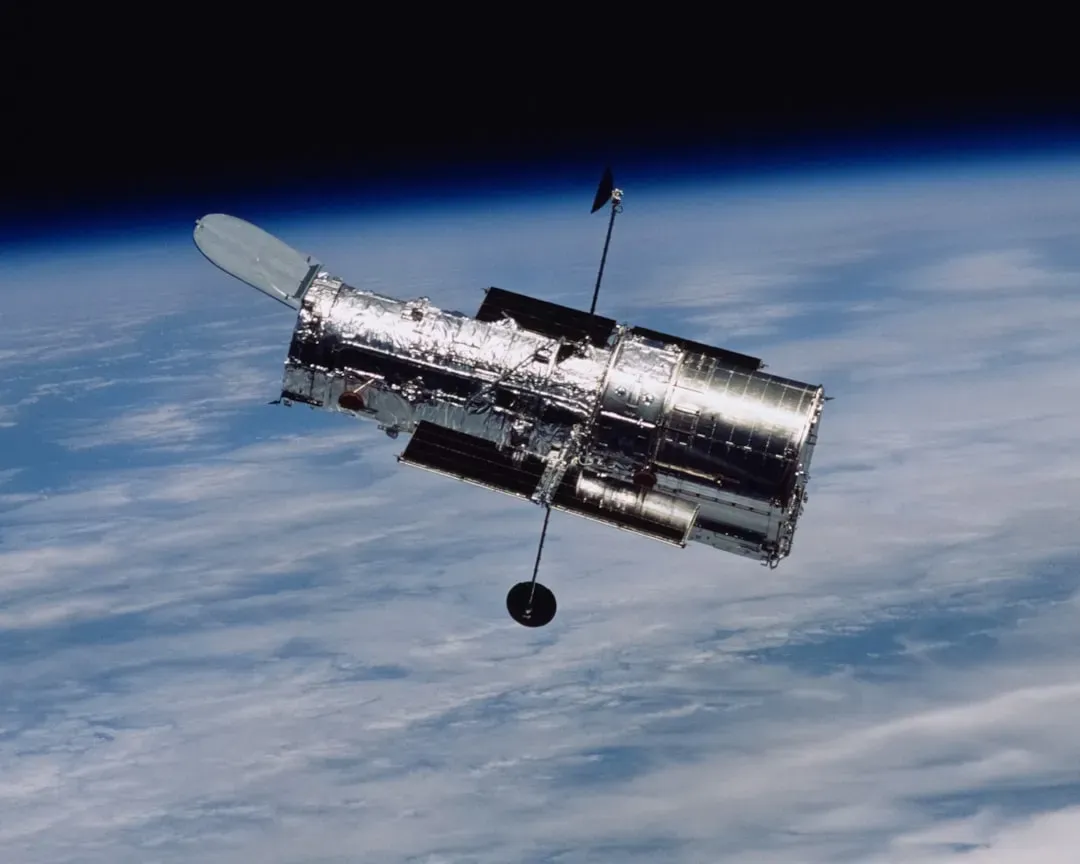
The next decade of space science is poised to turn up the volume on these mysteries rather than quiet them. New observatories across the electromagnetic spectrum are coming online, from ultra-sensitive radio arrays that will catch thousands of fast radio bursts to powerful space telescopes that can peer deep into the era of the first galaxies. Upcoming gravitational-wave detectors promise to listen in on collisions and mergers we have never detected before, potentially revealing how the earliest black holes grew. Each new instrument is less a microscope for one problem and more a floodlight aimed at the unknown.
With better data, some phenomena now on the “unexplained” list will likely settle into place, folded into updated theories. Yet experience suggests that every time astronomers sharpen their tools, the universe repays them with new kinds of weirdness. Global collaborations will be crucial, pooling data from many instruments and time zones to catch fleeting events and subtle signals. Along the way, scientists will grapple with practical challenges: sifting genuine cosmic anomalies from instrumental glitches, managing staggering data volumes, and staying open to radical ideas without leaping into fantasy. The most honest forecast is that we will answer some of today’s questions, stumble onto even stranger ones, and keep chasing patterns in a universe that seems in no hurry to reveal all its tricks.
How You Can Engage with the Mysteries Above
You do not have to be an astrophysicist to have a stake in these cosmic questions. Many of the observatories hunting for dark matter, fast radio bursts, and strange stars rely on public funding and public support to exist at all. Staying curious, following new discoveries, and backing science education and outreach efforts all help maintain the ecosystem that makes this research possible. Some projects even invite direct participation, allowing volunteers to scan sky images for oddities or help classify transient cosmic events from home.
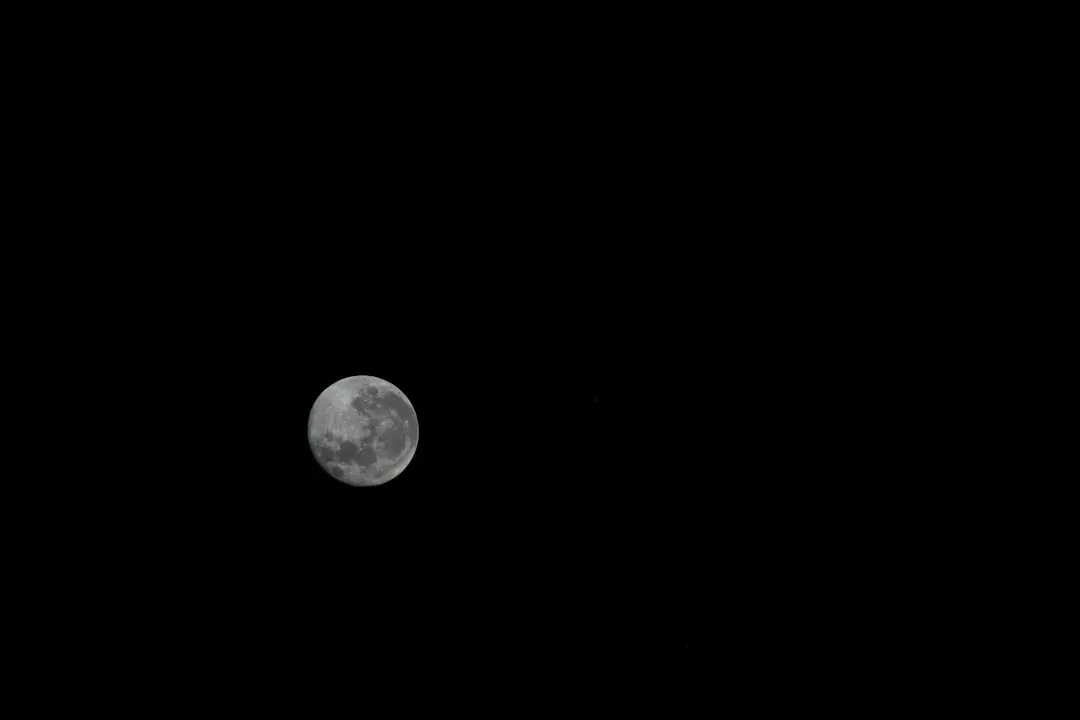
On a more personal level, simply making time to look up at a dark sky can be a quiet act of connection to these mysteries. The faint smudge of a galaxy, the path of a satellite, the flash of a meteor – all are local hints of a universe that stubbornly refuses to be fully understood. Supporting policies that reduce light pollution and protect dark-sky reserves enlarges that window for everyone. And sharing the strangeness of space with kids, friends, or online communities keeps the questions alive beyond scientific circles. Ultimately, the universe does not owe us easy answers, but we can choose to keep asking better questions.
Suhail Ahmed is a passionate digital professional and nature enthusiast with over 8 years of experience in content strategy, SEO, web development, and digital operations. Alongside his freelance journey, Suhail actively contributes to nature and wildlife platforms like Discover Wildlife, where he channels his curiosity for the planet into engaging, educational storytelling.
With a strong background in managing digital ecosystems — from ecommerce stores and WordPress websites to social media and automation — Suhail merges technical precision with creative insight. His content reflects a rare balance: SEO-friendly yet deeply human, data-informed yet emotionally resonant.
Driven by a love for discovery and storytelling, Suhail believes in using digital platforms to amplify causes that matter — especially those protecting Earth’s biodiversity and inspiring sustainable living. Whether he’s managing online projects or crafting wildlife content, his goal remains the same: to inform, inspire, and leave a positive digital footprint.