
Most people assume the ancient world was primitive – held together by muscle, luck, and guesswork. But structural engineers who’ve actually run the numbers on how these sites were built keep landing on the same uncomfortable conclusion: several of them shouldn’t have been physically possible with the tools, manpower, and knowledge historians say were available at the time.
Some blocks weigh more than a loaded Boeing 747, yet fit together tighter than modern precision machining allows. These aren’t fringe claims – they’re showing up in peer-reviewed papers and engineering journals. Here’s what the data actually says, starting with a solar calculation precise enough to make modern astronomers uncomfortable.
#12 – Newgrange’s Solar Trick Still Baffles Astronomers
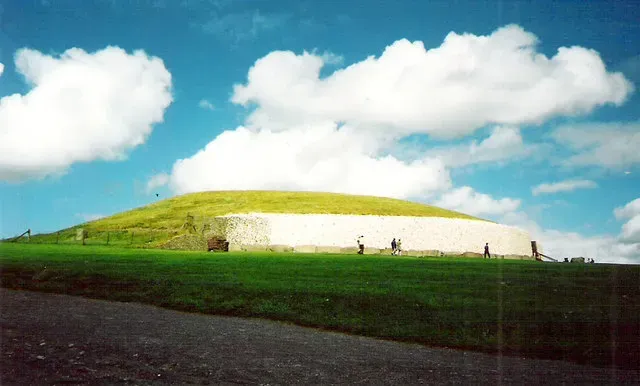
Newgrange in Ireland is older than Stonehenge and the Great Pyramid combined, and it was engineered to do something almost nobody notices until it’s too late to unsee it.
This passage tomb dates back to around 3200 BCE. A circular mound leads through a stone-lined corridor to a central chamber, and on the winter solstice, sunlight slips through a specially built roof box to flood that chamber for almost exactly 17 minutes. That’s not a happy accident.
A Neolithic community with no metal tools calculated a solar event down to a 17-minute window, thousands of years before anyone had a written calendar. The stones are covered in spirals and geometric carvings whose meanings still elude archaeologists, and whoever carved them understood geometry on a level we still can’t fully explain. But the next site doesn’t just puzzle astronomers – it rewrites the entire timeline of civilization.
#11 – Göbekli Tepe Shouldn’t Exist According to Textbooks
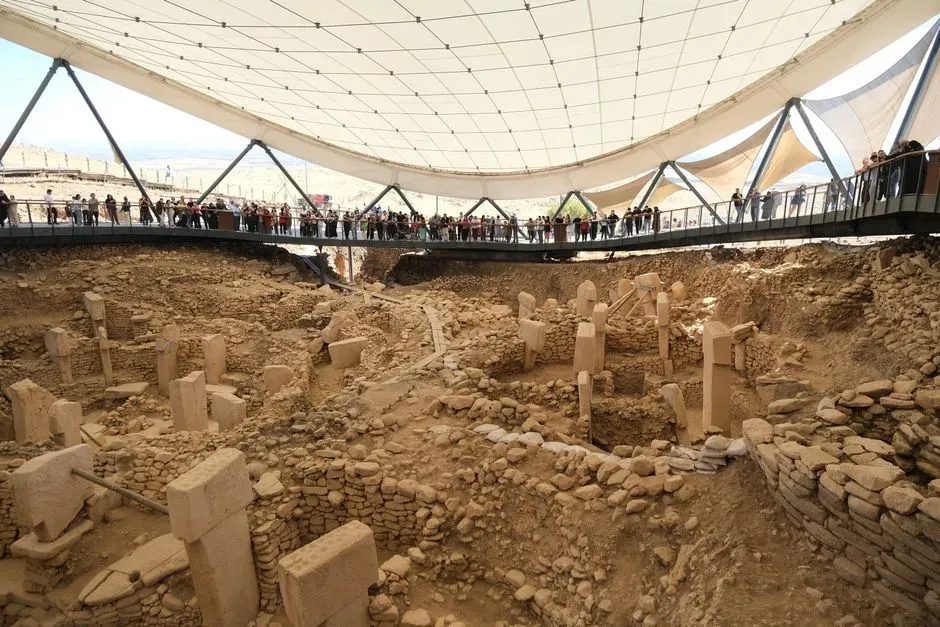
Every history textbook says organized religion and monumental architecture came after agriculture. Göbekli Tepe blows that timeline apart.
The site dates to the pre-pottery Neolithic period, in use between the 10th and 9th millennium BCE, before it was abandoned and deliberately buried. That means hunter-gatherers – people who supposedly hadn’t invented farming yet – organized enough labor to quarry, carve, and erect massive T-shaped stone pillars covered in symbolic carvings. This was built by a society archaeology insists was nomadic.
Someone deliberately buried the entire site on purpose, and nobody knows why. Researchers now believe builders exploited natural limestone stratification, using ropes and raw manpower to move the pillars short distances, and evidence of water management systems only complicates the old assumptions about what “primitive” societies could pull off. If nomads did this, what else has archaeology gotten backward? And the deeper you go, the more the primitive-builders story falls apart – starting with a wall nobody thought Africans were capable of.
#10 – Great Zimbabwe’s Walls Have No Mortar and No Explanation
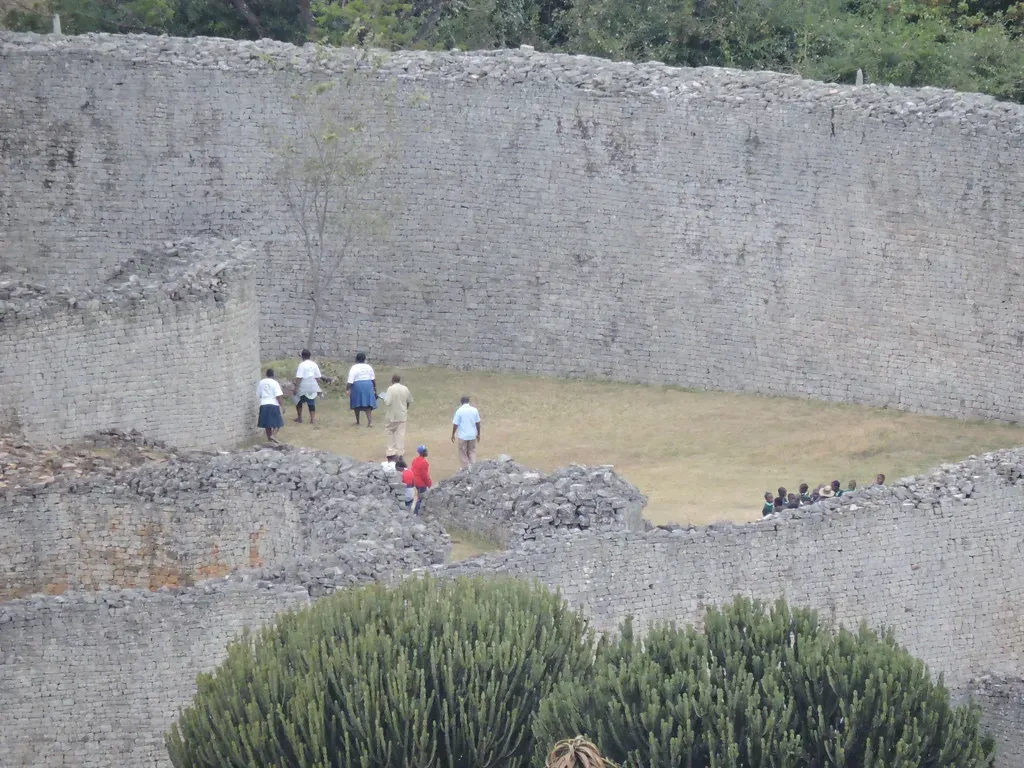
For decades, colonial historians insisted Africans couldn’t have built Great Zimbabwe. They were spectacularly wrong, and the engineering proves it.
The dry-stone walls were assembled from granite blocks stacked without a single drop of mortar, some rising more than 30 feet high and curving in ways that have survived roughly 800 years of rain, heat, and seismic shifts. Builders selected naturally exfoliating granite sheets, shaped them by hand, and layered them with an inward taper that distributes weight downward and outward – a technique engineers now recognize as remarkably close to modern load-bearing theory, achieved with zero written blueprints.
Fast Facts
- Built entirely dry-stone, with no mortar used anywhere in the structure
- Some walls rise more than 30 feet without any binding material
- The Great Enclosure alone used an estimated 1 million granite blocks
- Has withstood roughly 800 years of rain, heat, and seismic activity
The Great Enclosure’s outer wall used an estimated one million stone blocks, and not one of them was cemented in place. What’s controversial here was never really the construction – it’s how long the world refused to credit the medieval Shona kingdom that built it. The next site takes that same defiance and drops it in the middle of the ocean.
#9 – Nan Madol Was Built on Water With Rock That Wasn’t Local
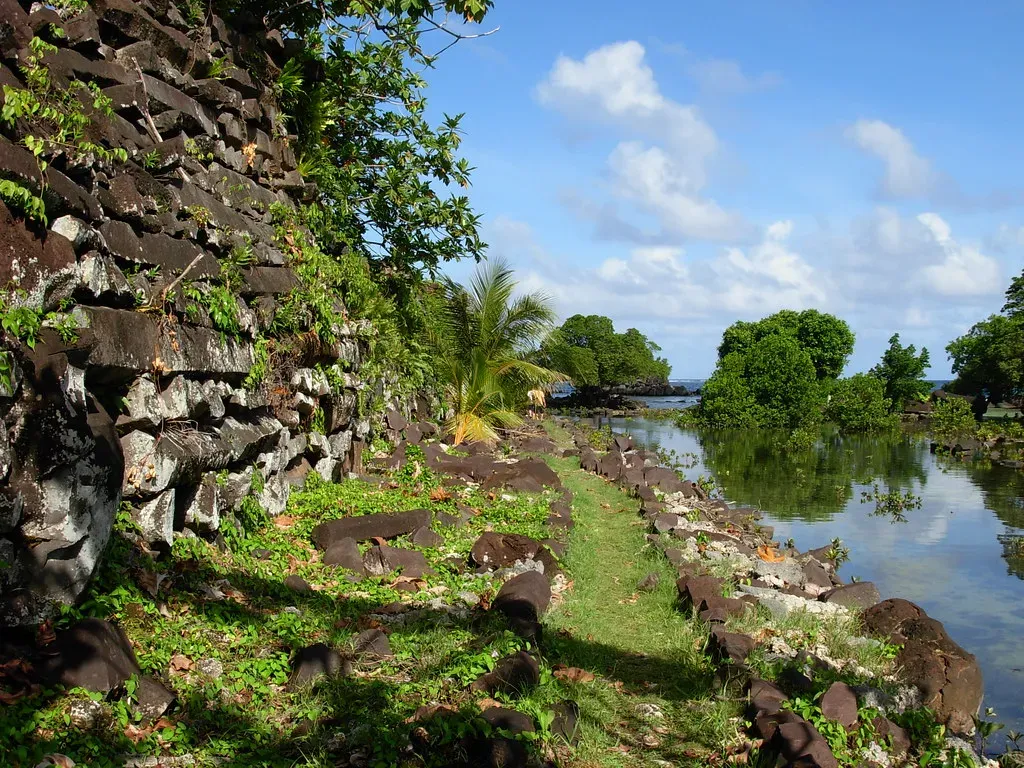
Nan Madol is the only ancient city ever built directly on top of a coral reef, and the logistics still don’t add up cleanly.
Some of the basalt columns used here run up to 20 feet long and weigh 80 to 90 tons, and the nearest quarry sits more than 40 kilometers away from the site. Construction happened sometime between 1200 and 1500 CE – meaning the Pohnpeians moved these blocks without metal tools, wheels, or modern architecture, across open ocean rather than solid ground, using nothing but rafts and rope.
These basalt columns had to be hauled across water, not land, to reach the reef where the city was built. The engineering answer turns out to be almost elegant: builders used a “log cabin” technique, stacking prismatic basalt columns in a crisscross pattern that left the walls porous, letting seawater surge through instead of slamming against them. When a typhoon hits, the hydraulic pressure just passes through the walls – applied fluid dynamics, invented centuries before the term existed. If that sounds ambitious, wait until you see what an entire civilization did with monsoon water.
#8 – Angkor Wat’s Foundation Is Basically a Giant Hydraulic Machine

Angkor Wat gets treated as a temple, but engineers increasingly describe it as one of the most sophisticated water-management systems of the pre-industrial world.
The complex sits inside a moat roughly 600 feet wide, and that moat wasn’t decorative. It stabilized the sandy foundation beneath tons of sandstone superstructure by keeping the water table consistent year-round – without it, the whole structure would have shifted and cracked under its own weight within a generation. The wider Angkor civilization built canals, reservoirs, and barays stretching for miles, redirecting monsoon floodwaters to sustain a city that may have supported close to a million people at its peak, a population density Europe wouldn’t match for centuries.
The sandstone blocks used in Angkor Wat’s towers were floated down river networks from quarries roughly 25 miles away, with almost no wheeled transport involved. Many modern engineers now argue Angkor’s real innovation wasn’t the temple itself – it was the invisible hydraulic engine keeping it alive underground. The next pyramid on this list wasn’t built to look impressive. It was built to make noise.
#7 – Chichen Itza’s Pyramid Was Built to Manipulate Sound
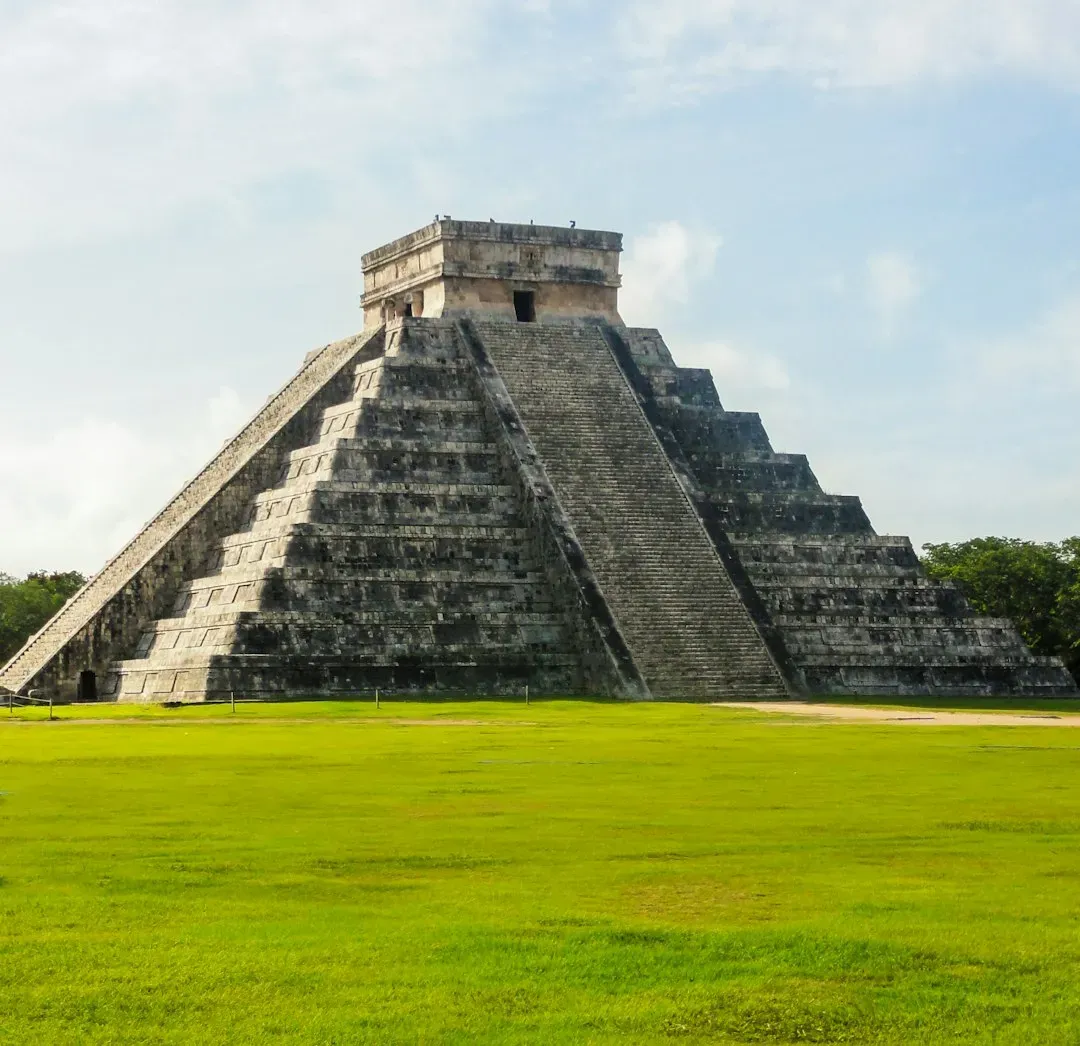
El Castillo at Chichen Itza does something that has nothing to do with religion on the surface, and everything to do with acoustic physics underneath.
Clap once at the base of the staircase, and the pyramid throws back an echo that chirps like a bird instead of a flat slap-back. Acoustic researchers have measured this effect repeatedly, and the staircase’s stepped geometry is the reason – each step reflects sound at a slightly different delay, blending into a chirped tone rather than a simple echo.
At a Glance
- 91 steps climb each of the pyramid’s four sides
- Steps plus the top platform total exactly 365, matching the solar year
- A single hand clap produces a chirp-like echo instead of a flat slap-back
- The stepped staircase geometry is what creates the acoustic effect
Building a structure that intentionally converts a hand clap into a bird-like chirp requires sound engineering knowledge that predates the word “acoustics” by a thousand years. The pyramid doubles as a calendar carved in stone, too: 91 steps on each of its four sides, plus the top platform, add up to exactly 365. Whether the acoustic trick was intentional is still debated, but the math on those steps is not. But the strangest secret on this list isn’t on the surface at all – it’s buried directly underneath a pyramid.
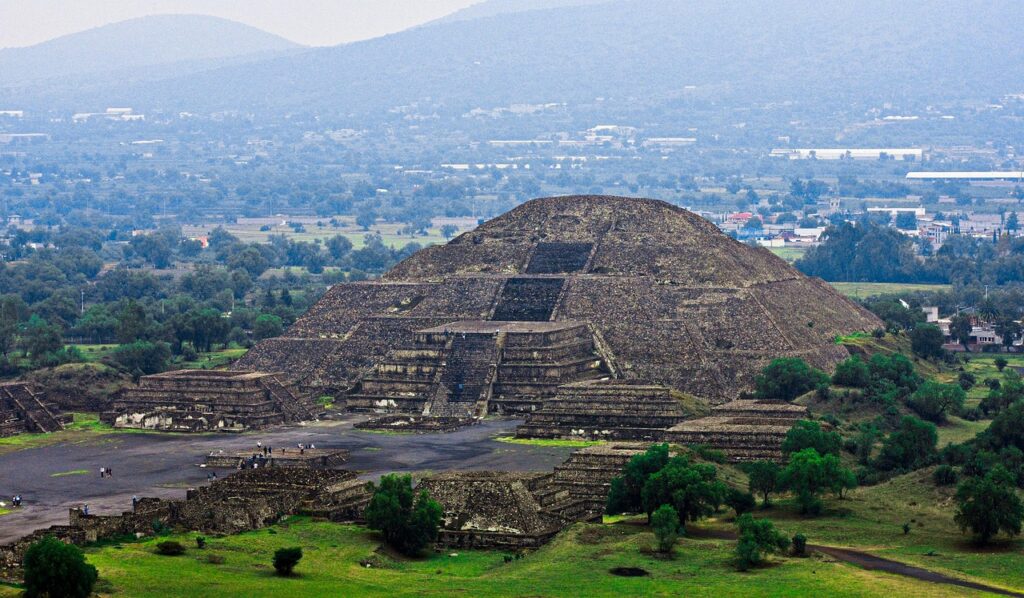
#6 – Teotihuacan’s Pyramid of the Sun Hides a Tunnel Nobody Expected
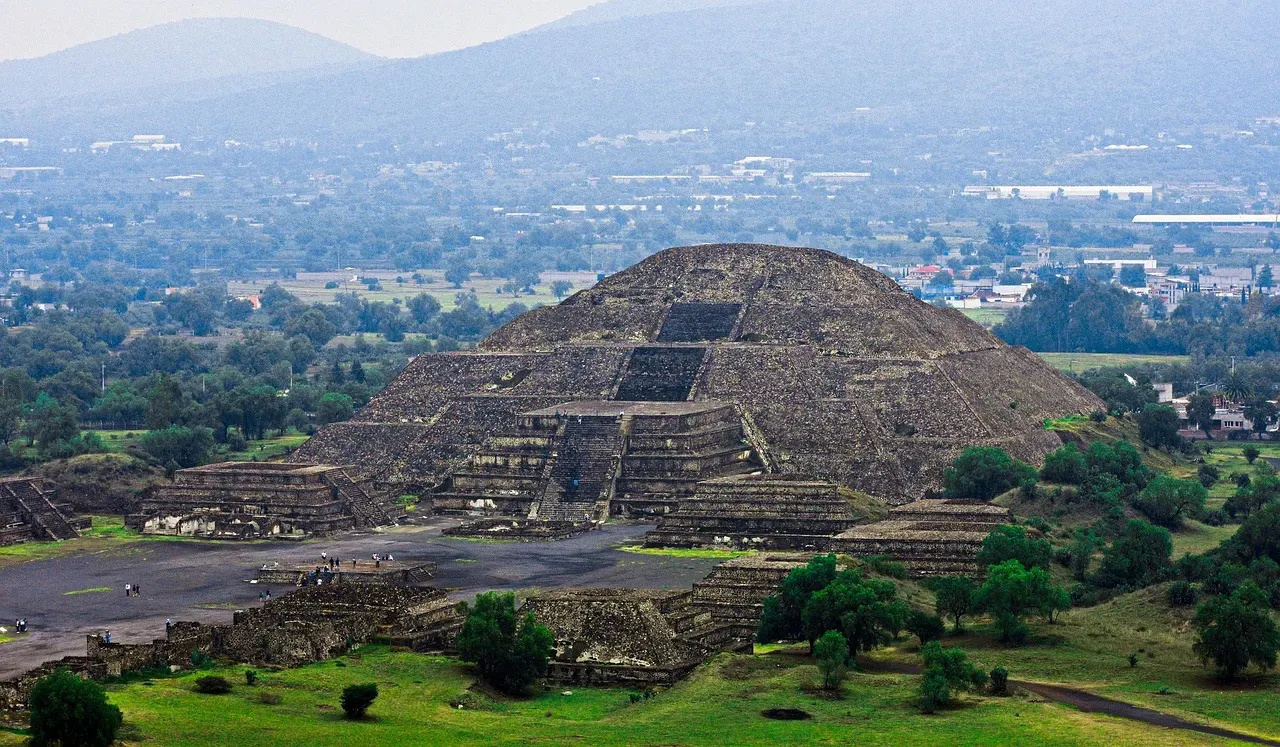
Teotihuacan’s Pyramid of the Sun is the third-largest pyramid on Earth, and archaeologists only recently confirmed what’s hidden directly beneath it.
A tunnel under the pyramid’s base was deliberately backfilled with tons of rubble and sealed shortly after construction, locking a manmade cavern beneath one of the heaviest structures in the Americas. Researchers using ground-penetrating radar and remote-sensing robots found chambers full of mica sheets, pottery, and sacrificial offerings arranged with clear intentionality – meaning builders engineered a tomb-like void first, then piled a multi-million-ton pyramid directly on top of it without the space below collapsing.
The mica found deep inside the pyramid didn’t come from anywhere near central Mexico – the nearest known source is hundreds of miles away in Brazil. How that material traveled that far, or why it was buried where no one could ever see it, remains one of Mesoamerican archaeology’s more stubborn open questions. Many researchers now suspect the tunnel wasn’t a construction accident – it may be the entire reason the pyramid was built where it stands. And if you think that’s a logistical nightmare, wait until you hear how far Stonehenge’s stones actually traveled.
#5 – Stonehenge’s Stones Traveled Farther Than Anyone Wants to Admit
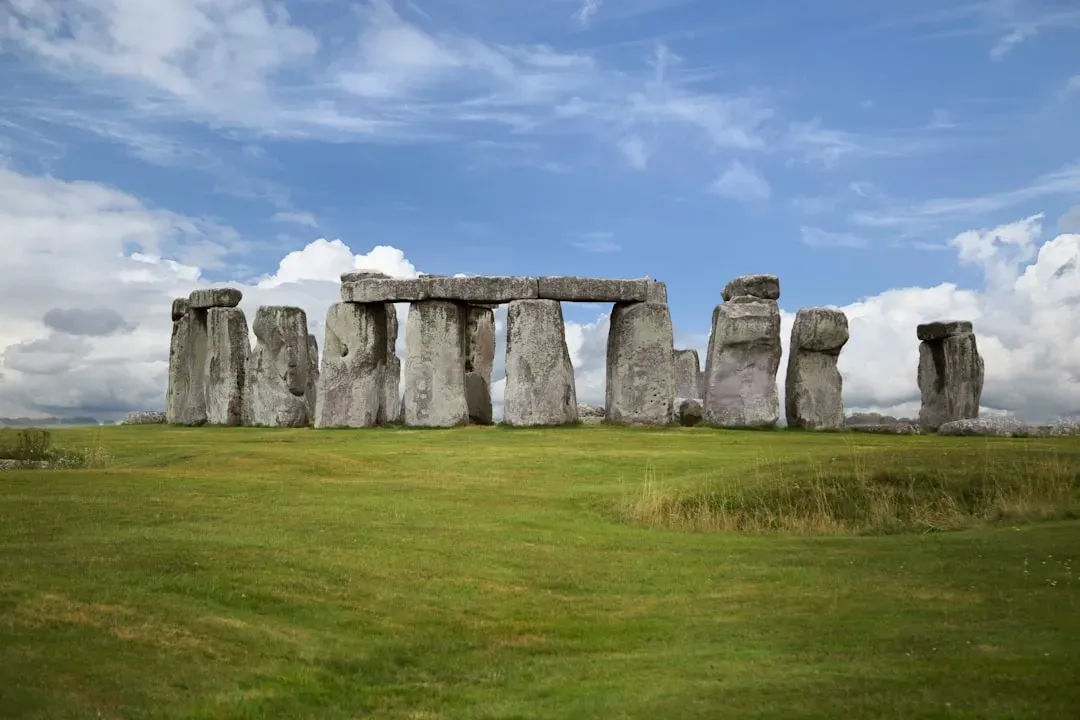
Stonehenge isn’t impressive because the stones are enormous. It’s impressive because of how far they had to travel to get there at all.
Built around 2,600 BCE, Stonehenge’s largest stones were moved from distances exceeding 150 miles in some cases. That’s roughly the distance from Boston to New York City, moved entirely by human effort with no wheels involved for most of the route. The smaller bluestones, still weighing several tons each, traveled just as far, raising the same uncomfortable questions about the technology and logistics available to their builders.
Sledges, rafts, and even ice-assisted transport have all been proposed, and experimental archaeology has shown each is technically possible – but possible isn’t the same as proven. On top of the transport puzzle, research shows certain megalithic sites were deliberately aligned with celestial events, and some even manipulate sound the way Chichen Itza does. A monument that tracks the sky, bends acoustics, and hauls stone over 150 miles isn’t primitive engineering – it’s engineering we just haven’t fully reverse-engineered yet. Still, nothing on this list triggers more raised eyebrows than what’s sitting in the Bolivian highlands.
#4 – Puma Punku’s Blocks Look Machined, Not Carved
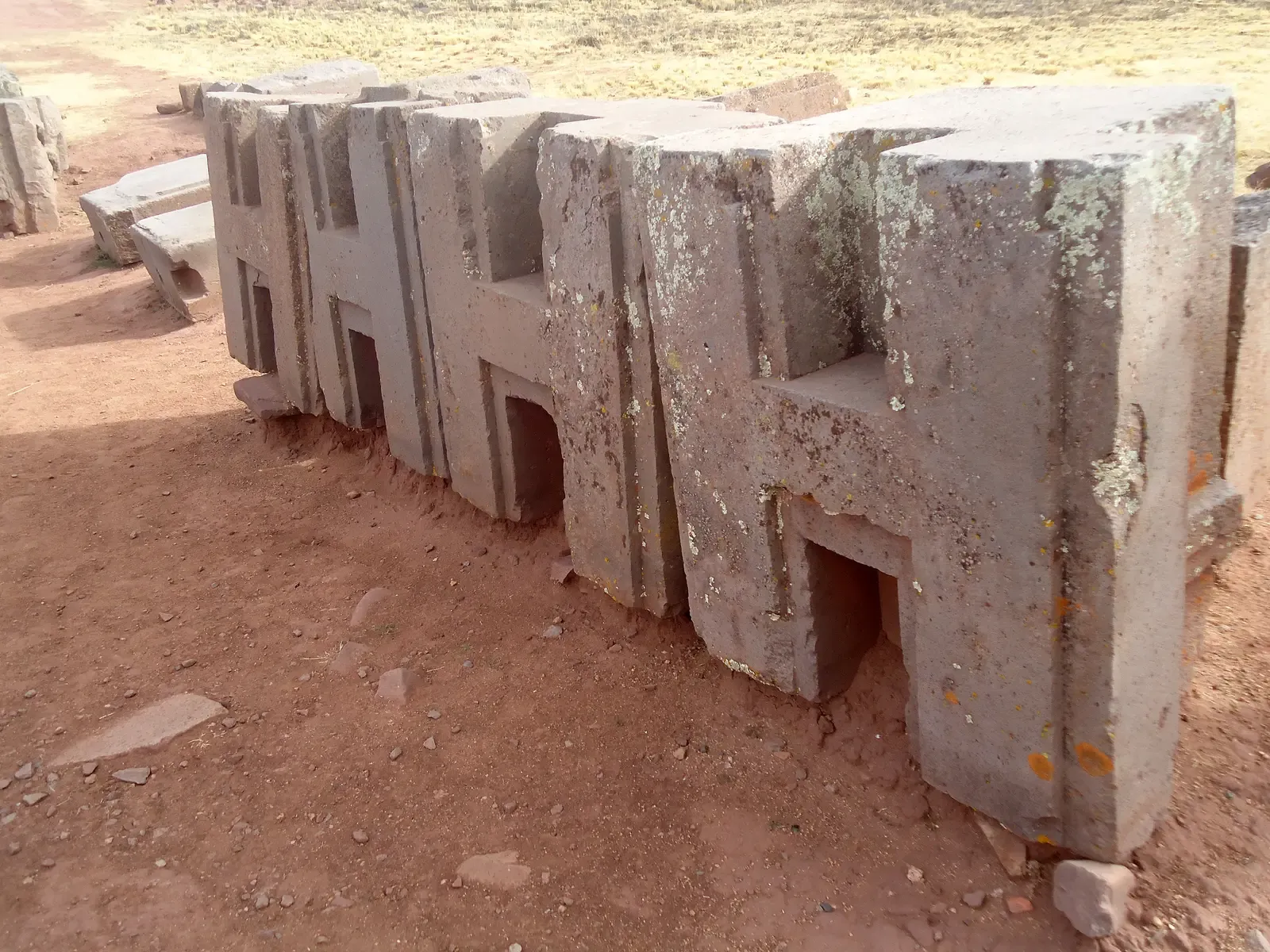
Puma Punku in Bolivia produces the single most common “wait, what?” reaction of any site on this list, and the reason is simple: the stonework looks wrong for its era.
Each stone was cut to interlock with its neighbors, forming load-bearing joints without any mortar. The top of a lower stone was cut at a precise angle, and the stone placed on top was cut to match it exactly – so precisely that not even a razor blade fits between the joints. Some of these andesite blocks are harder than steel on the Mohs scale, yet were finished with edges flat enough to pass modern tolerance checks.
Why It Stands Out
- Interlocking joints are so tight a razor blade can’t slip between them
- Andesite blocks rate harder than steel on the Mohs scale
- The largest single block is estimated at 131 metric tons
- Blocks are uniform enough to be swapped without affecting the level surface
Much of the masonry is so uniform that blocks could be swapped for one another and the surface would still stay level, and the largest single block is estimated at 131 metric tons. Experimental archaeologists have since replicated the technique using flat stones, abrasive sand, and sheer patience – the same grinding method the Inca later used at Ollantaytambo and Sacsayhuamán. It’s slow, sometimes taking days of continuous grinding per surface, but it produces results comparable to modern machining. No lasers required, just brutal patience most modern workers wouldn’t tolerate for a single afternoon. Compare that to a wall that’s been quietly out-surviving modern buildings for 500 years.
#3 – Sacsayhuamán’s Walls Have Survived Earthquakes That Leveled Modern Buildings
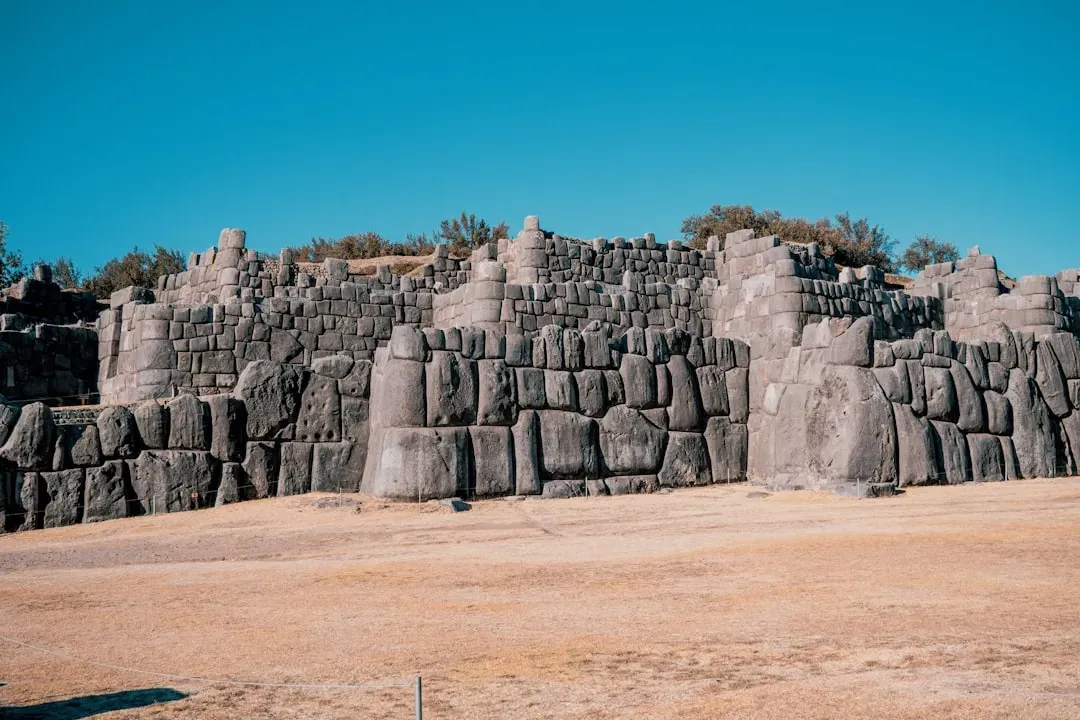
Sacsayhuamán isn’t just old and heavy – it’s specifically engineered to survive the exact disaster that has flattened Cusco’s colonial buildings over and over.
Its massive walls are built from irregular stones weighing up to 200 tons, fitted so tightly that no mortar was ever needed, and the structure has withstood centuries of earthquakes that leveled buildings built with modern techniques nearby. Colonial Spanish buildings constructed right next to it, using European methods, have crumbled repeatedly in earthquakes that left the Inca walls untouched.
The secret isn’t magic – it’s mechanics. With no rigid mortar to crack, the stones can vibrate and briefly shift during an earthquake, and the complex, interlocking angles between blocks keep them from sliding horizontally, creating a structure that becomes more stable the more it settles. Some of these fitted stones weigh over 100 tons, yet the joints are so exact that a blade of grass can’t slide between them. Modern seismic engineers studying base-isolation technology have openly admitted the Inca solved this problem five centuries before anyone put it in a textbook. But even that engineering feat looks modest next to the heaviest stones ever moved by human hands.
#2 – Baalbek’s Trilithon Stones Are Heavier Than Almost Anything Ever Moved by Hand
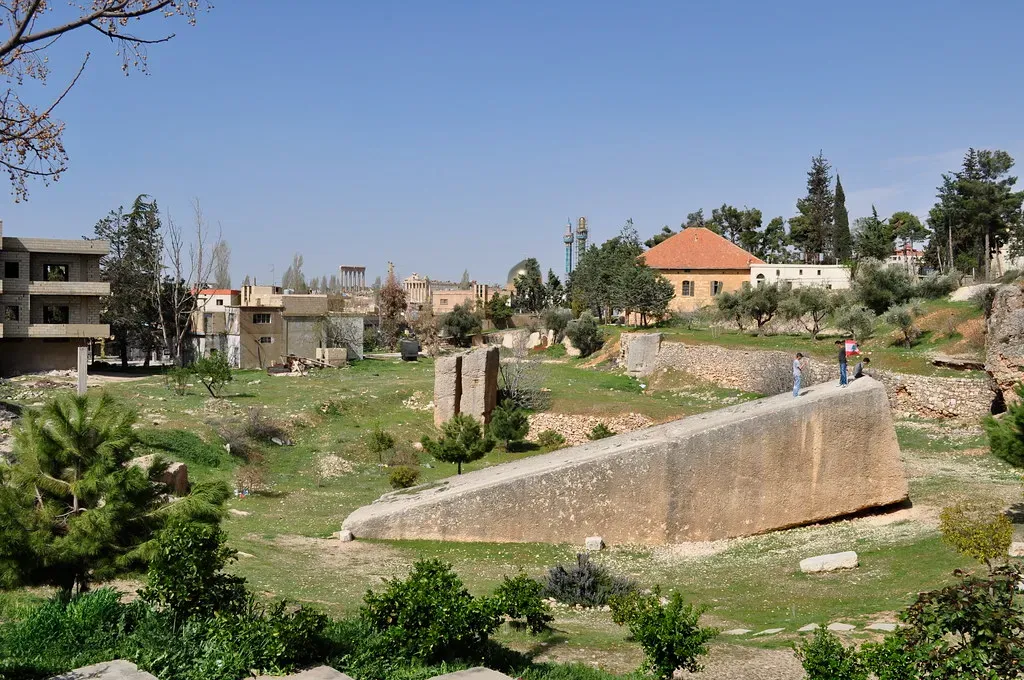
Baalbek’s Trilithon isn’t just big. It represents the heaviest single stones ever successfully maneuvered into a finished structure in the ancient world, full stop.
Each block is estimated to weigh between 800 and 1,000 metric tons and measures roughly 19 meters long, 4.3 meters high, and 3.6 meters thick. A nearby fourth stone, abandoned mid-extraction just 900 meters away, weighs an estimated 1,500 tonnes – the so-called Forgotten Stone, which only deepens the mystery of how blocks this massive were moved and placed with such precision. These weren’t lifted with cranes. They were dragged.
Despite their size, the blocks fit together so tightly that a knife blade can’t slip between them. Engineers who’ve modeled the physics point out this isn’t a problem that scales up from smaller moving jobs – the equipment required to move an 800-to-1,000-ton stone across 900 meters, then raise it six meters onto a retaining wall, would itself need to bear that load, and the ground beneath it would need to support stone and equipment together without failing. Historians point to Catherine the Great’s 18th-century move of an even heavier stone using manpower alone as proof it’s possible – but possible and easy are very different things, and Baalbek remains the ancient world’s heaviest engineering flex. Still, none of it compares to the one structure that keeps humbling modern engineers the most.
#1 – The Great Pyramid’s Precision Still Shames Modern Construction Standards
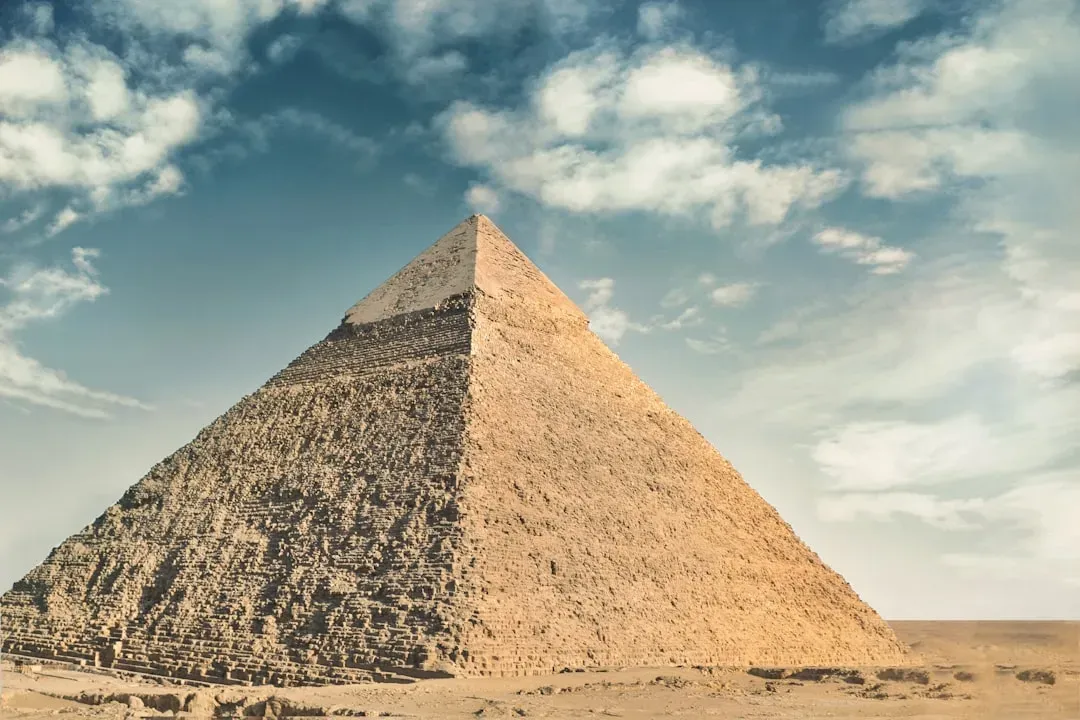
The Great Pyramid of Giza tops this list because it isn’t just old and massive – it’s precise in ways that genuinely embarrass modern expectations of ancient tool limitations.
The base was leveled with a margin of error of less than two centimeters across its entire 230-meter length. That tolerance, across a base longer than most city blocks, is tighter than many modern parking-lot foundations achieve with laser levels. The scale alone is hard to process – over 2.3 million stone blocks, averaging 2.5 tons each, were placed with that kind of accuracy, and some granite blocks inside the King’s Chamber weigh as much as 80 tons.
Quick Compare
- Great Pyramid base: under 2 cm of error across 230 meters
- Typical modern parking-lot foundations: often less precise, even with laser levels
- Great Pyramid: 2.3 million blocks, averaging 2.5 tons each
- King’s Chamber granite blocks: individual pieces up to 80 tons
The joints between these stones are cut so tightly you can barely slip a credit card between them, and each side of the pyramid aligns almost perfectly with true north, south, east, and west – a feat that demanded serious mathematical and astronomical knowledge. The pyramid still isn’t finished revealing itself, either: in 2017, scientists using cosmic-ray imaging found a previously unknown void above the Grand Gallery, proof that even after centuries of study, this monument is still holding secrets. Four thousand five hundred years later, and it’s still teaching engineers new lessons.
The Bottom Line
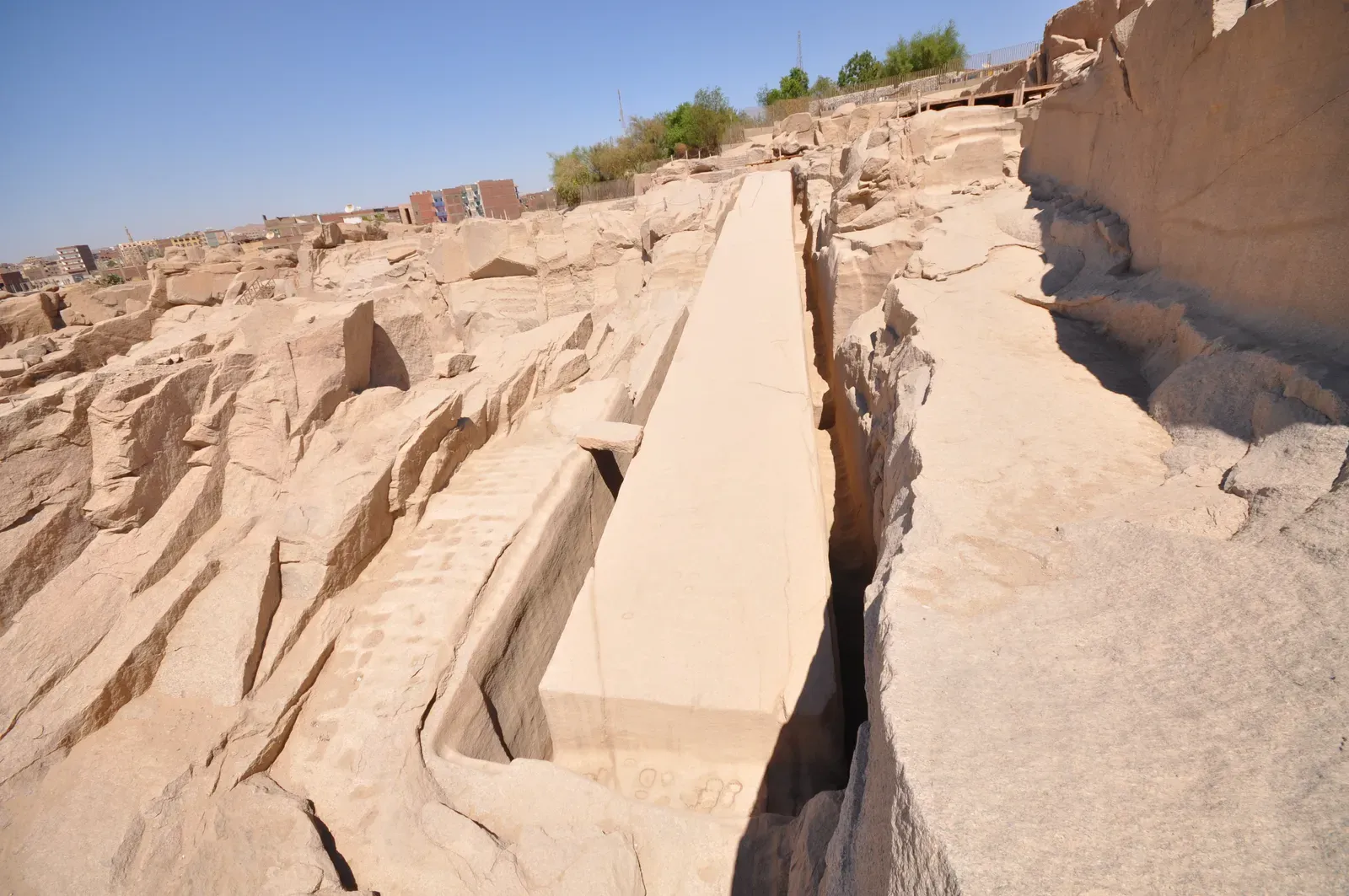
The honest takeaway isn’t that ancient people had secret technology or alien help – it’s that we’ve consistently underestimated organized human labor, patience, and observational science.
Sites like Baalbek and the Great Pyramid weren’t built by primitive people; they were built by brilliant people we’ve unfairly stereotyped as simple. Every “impossible” structure on this list has a physical, human explanation once engineers actually run the math instead of assuming ancient people couldn’t have figured it out.
The real mystery isn’t how they did it – it’s why modern textbooks took this long to give them credit. Which structure on this list do you think deserves way more recognition? Drop your pick below.