
You carry around the most powerful known processor in the universe, and most days you barely notice it. Your brain quietly filters reality, runs your body, shapes your personality, and builds your future, all while you are answering emails or scrolling your phone. The wild part is this: you are probably using only a small slice of what it could really do, not because there is a magical hidden chamber of “superpowers,” but because most people never learn how to work with their brain instead of against it.
When you start to understand how your brain actually functions, everyday life suddenly looks different. You realize you are not stuck with your current habits, attention span, or level of creativity. You see that your brain is less like a fixed machine and more like a living, rewiring ecosystem that responds to how you move, think, eat, rest, and learn. These twelve facts will show you what that really means for your memory, focus, emotions, and long‑term potential.
1. Your Brain Physically Rewires Itself Throughout Your Life
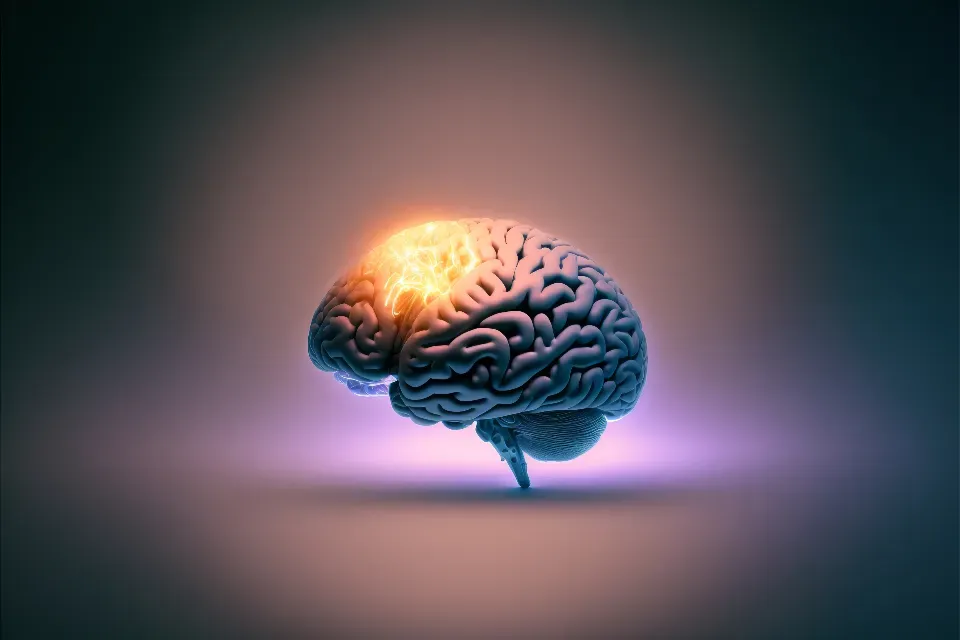
You might have grown up hearing that your brain “finishes developing” in early adulthood and then slowly declines. In reality, your brain is constantly reshaping its connections based on what you do repeatedly. When you practice a skill, whether it is playing guitar, learning a language, or managing your emotions, the pathways involved in that skill literally get stronger and more efficient over time.
This ability is called neuroplasticity, and it is the foundation of your untapped potential. You can think of your brain like a city at night: at first you have a few lonely roads lit up, but the more often you use a route, the more lanes and lights get added. If you consistently feed your brain challenge, novelty, and practice, you can keep building new “neural highways” well into old age. That means you are never completely stuck with the brain you have today.
2. You Use All of Your Brain – But Rarely at Its Full Capacity
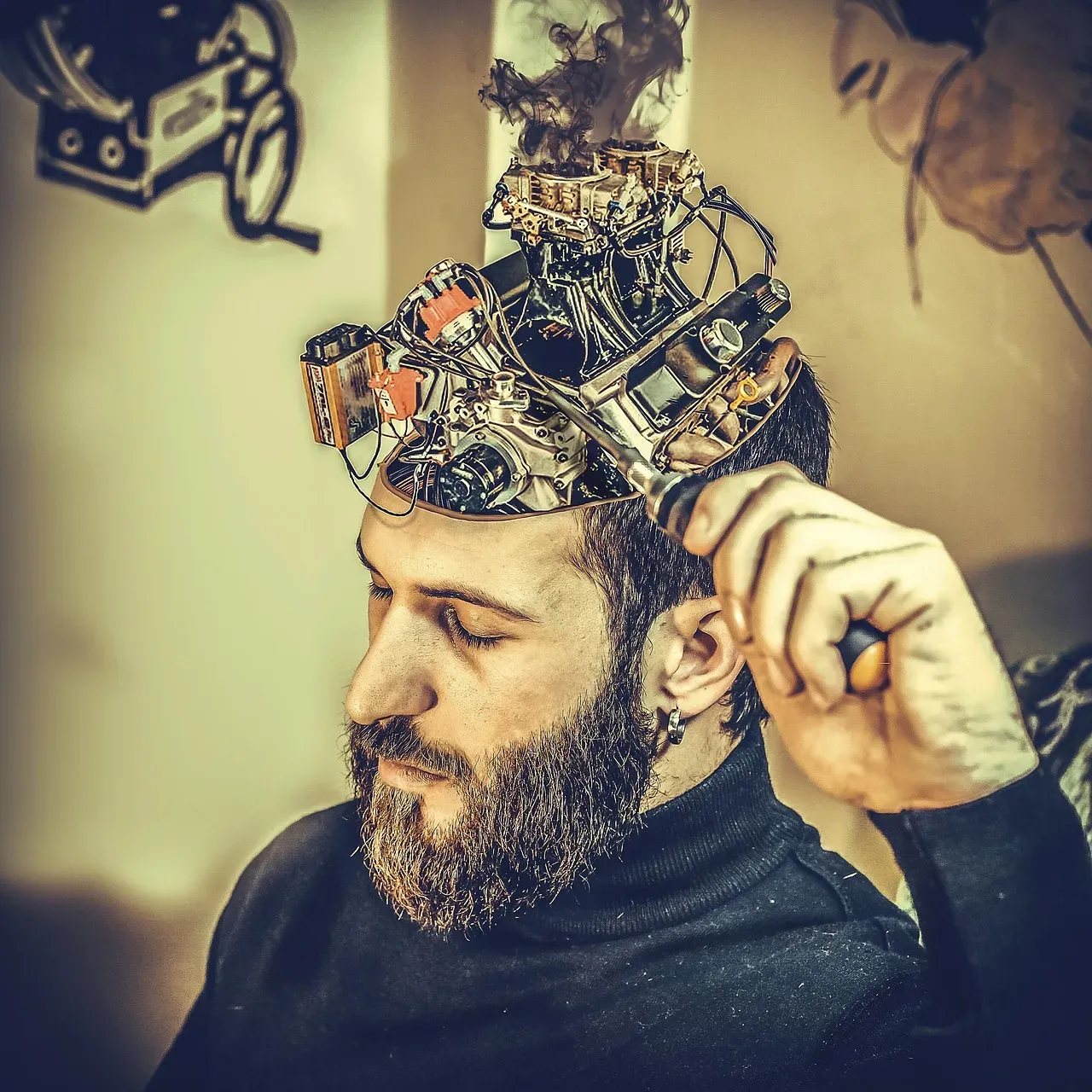
You have probably heard the myth that you only use ten percent of your brain. The truth is more interesting: you use nearly all parts of your brain over the course of a normal day, but you do not use all of it at once, and you rarely push it anywhere near its real performance limits. Different regions light up for different tasks, and your brain is always active, even when you rest or daydream.
Your untapped potential lives less in unused areas and more in undertrained abilities and unfocused habits. For example, you may never have learned how to concentrate deeply, remember efficiently, or manage stress in a brain‑friendly way, so you run at a fraction of what you could do. When you start sharpening those skills, it can feel like “unlocking” new parts of yourself, even though the hardware was there all along.
3. Your Brain Can Grow New Brain Cells Under the Right Conditions
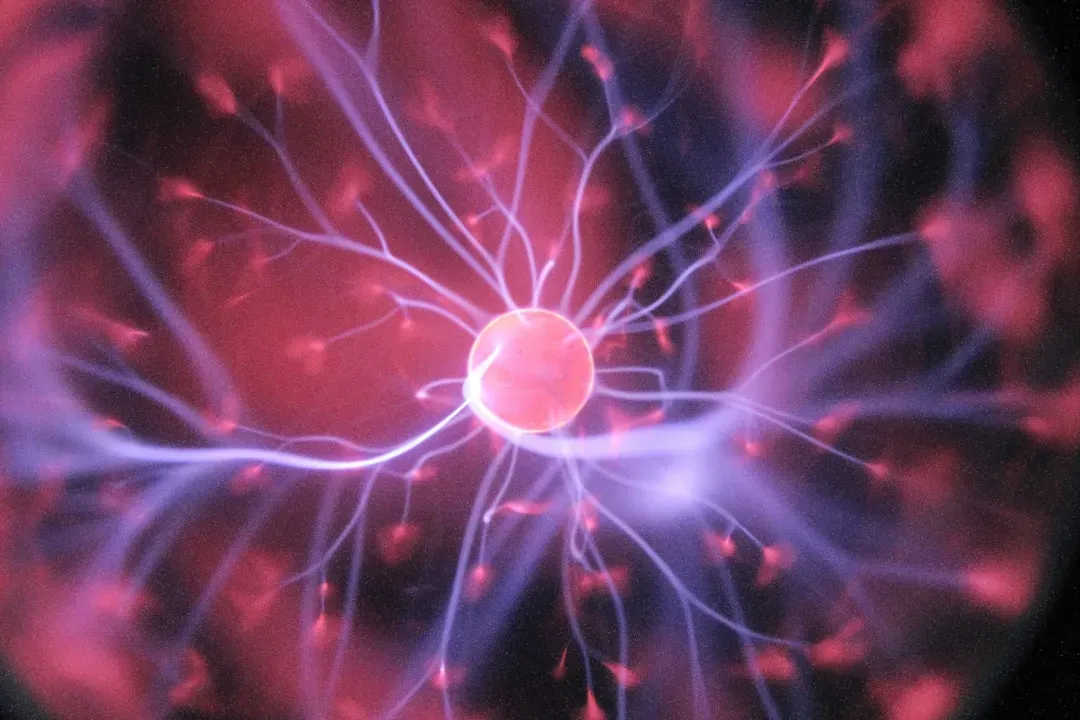
For a long time, people believed you were born with all the brain cells you would ever have and that you could only lose them from there. Modern research shows that in specific brain regions, especially those linked with memory and learning, new neurons can be generated throughout adulthood. This process, often discussed around the hippocampus, is influenced by how you live each day.
Certain habits appear to support this brain cell growth, like regular physical exercise, high‑quality sleep, and mentally engaging activities. Even everyday choices such as walking more, learning a musical instrument, or varying your routines can nudge your brain toward building fresh connections and cells. You are not simply trying to protect what you have; you are actually able to help your brain renew itself.
4. Your Attention Span Is Trainable, Not Doomed by Technology

You might feel like your attention has been shredded by notifications, endless feeds, and constant multitasking. It is easy to assume you are just “bad at focusing” now, but attention is a skill, and like any skill, it responds to training. Every time you flip between apps, you are basically teaching your brain to prefer short bursts of stimulation over deep, sustained concentration.
The surprising flip side is that you can also train the opposite. When you deliberately give yourself distraction‑free blocks of time, even starting with just ten or fifteen minutes, you teach your brain to tolerate and eventually enjoy sustained focus. Over weeks and months, this can radically change how you study, work, and create. Your deep work potential is not gone; it is just buried under a habit of constant interruption.
5. Your Memory Is Far More Expandable Than You Think
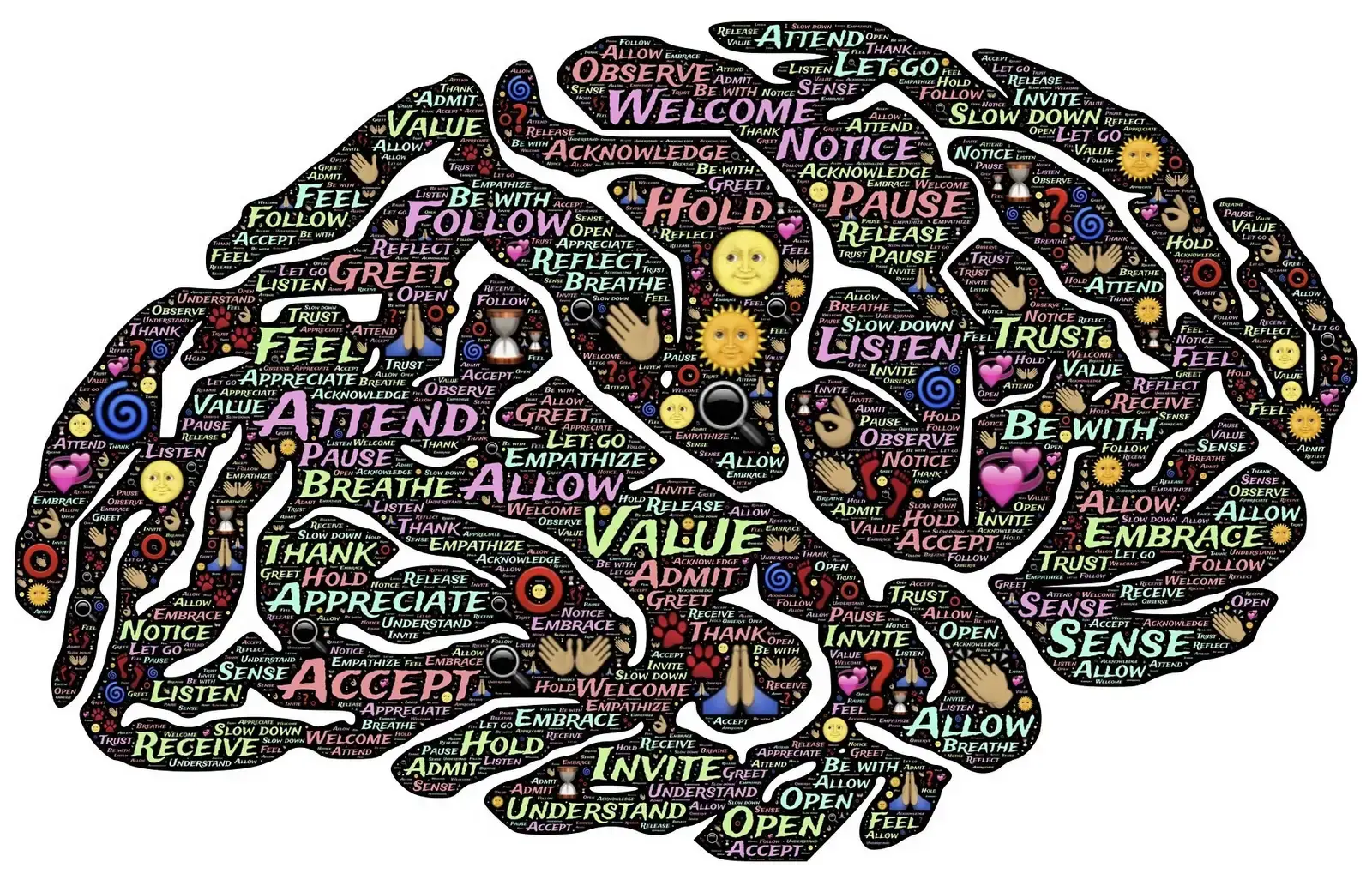
You might dismiss yourself as someone with a “terrible memory,” but your brain is capable of storing an enormous amount of information if you work with how it naturally remembers. Your memory is not a single thing; it is a group of systems that handle experiences, facts, skills, and emotional moments in different ways. When you rely only on rereading or cramming, you are using some of the least efficient methods available.
Techniques like spaced repetition, active recall, and mental imagery tap into the way your brain is built to remember. When you retrieve information instead of just re‑exposing yourself to it, you strengthen the neural traces. When you attach facts to vivid images, stories, or locations in your mind, you give your brain more hooks to grab onto. With the right habits, your sense of what you can learn and retain can expand dramatically.
6. Movement and Exercise Can Supercharge Your Brain Power

You probably think of exercise as something you do for your body, but your brain might be the biggest winner. Physical activity boosts blood flow to your brain, supports the delivery of oxygen and nutrients, and encourages the release of chemicals that protect and strengthen neurons. People who move regularly tend to do better on tasks involving attention, planning, and problem‑solving.
You do not have to become a marathon runner to see benefits. Even brisk walking, dancing in your living room, or short strength sessions can support your brain health and learning capacity. After a good workout, you might notice you feel clearer, calmer, and more capable of tackling hard mental tasks. That is not your imagination; it is your brain responding to the powerful signal that your body just sent.
7. Sleep Is When Your Brain Cleans, Repairs, and Consolidates

When you cut your sleep short, it can feel like you are simply trading a little rest for extra time. In reality, you are borrowing against your brain’s ability to function, learn, and stay healthy. During deep sleep, your brain appears to clear out metabolic waste, reset certain networks, and support the repair of cells and connections. Shortchanging this process repeatedly can leave your brain feeling foggy and stressed.
Sleep is also when your brain consolidates memories and skills, turning fragile new knowledge into something more stable. If you study, practice, or work on something important and then stay up late scrolling, you blunt a big part of the learning process. When you treat sleep like a non‑negotiable brain appointment rather than an optional reward, you tap into one of the simplest performance upgrades available to you.
8. Stress Can Shrink Your Potential – But You Can Retrain Your Response

Your brain is wired to react quickly to threats, which is useful when you truly need to escape danger. The problem is that modern life keeps that alarm system buzzing with emails, deadlines, financial pressure, and constant noise. Chronic stress can disrupt memory, damage mood, and interfere with clear thinking. Over time, parts of your brain involved in emotional regulation and planning can become less effective when constantly overwhelmed.
The encouraging news is that you can train your stress response, just like a muscle. Practices such as deep breathing, mindfulness, and even simple pauses during the day give your brain a chance to downshift out of survival mode. When you steadily build these habits, you become better at noticing tension early and steering your reaction. This gives your higher‑level thinking room to operate, instead of letting your stress response drive every decision.
9. Your Brain Thrives on Novelty and Lifelong Learning

If you ever feel dull, stuck, or on autopilot, your brain might simply be bored. Your nervous system loves patterns for efficiency, but it also lights up when it encounters new challenges, ideas, or environments. That is why you often feel more alive when you travel, start a new hobby, or dive into a strange topic you know nothing about.
Lifelong learning is not just a nice slogan; it is a way to keep your brain adaptable and resilient. When you regularly push yourself just beyond your comfort zone, whether through puzzles, complex projects, new skills, or social experiences, you encourage your brain to keep building and refining networks. You do not have to chase constant novelty, but sprinkling meaningful new experiences into your weeks helps keep your mental landscape rich and flexible.
10. Creativity Is a Skillful Dance Between Different Brain Networks
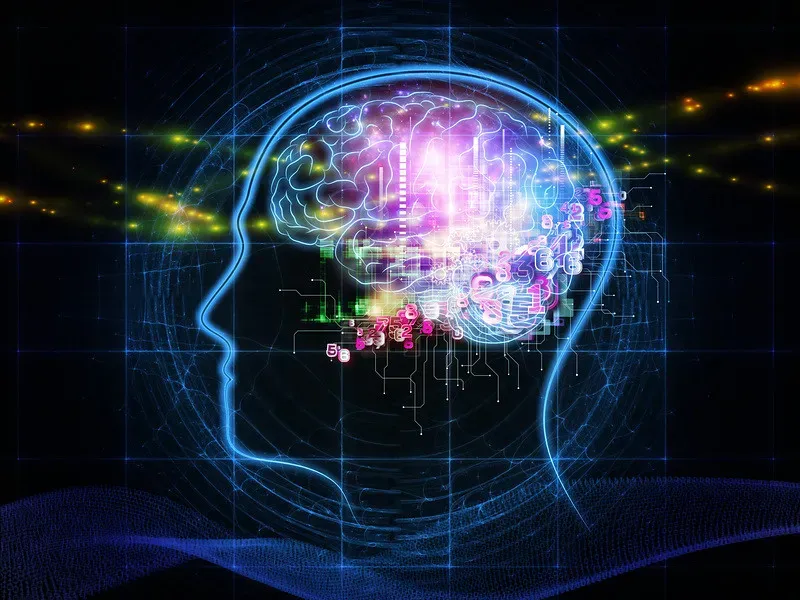
You might think of yourself as “not a creative person,” but your brain is naturally wired to combine ideas, images, and memories in new ways. Creative thinking is not just a spark of inspiration; it is a coordinated dance between networks that wander, focus, evaluate, and connect distant concepts. When you give yourself time to reflect, play, and explore without immediate judgment, you give these systems room to interact.
Interestingly, some of your best ideas may appear when your focused mind is taking a break, like in the shower or on a walk. That is your brain continuing to process and remix information in the background. When you protect pockets of unstructured time, expose yourself to different fields, and practice capturing your ideas quickly, you nurture your creative potential. You are not waiting for lightning to strike; you are quietly building a storm of possibilities.
11. Social Connection Acts Like a Power Source for Your Brain

You might think of mental performance as something you build alone, with your books, screens, and to‑do lists. Yet your brain is profoundly social, and meaningful connection is one of its favorite forms of nourishment. When you interact with people you trust, your brain tends to regulate stress better, process emotions more clearly, and sustain motivation for longer.
Conversations, even simple ones, challenge you to read expressions, predict responses, and put thoughts into words, all of which can keep your cognitive skills sharp. Deep relationships can also act like a buffer during hard times, giving your brain a sense of safety while you deal with challenges. Investing in real, in‑person connection is not just good for your heart; it is quietly expanding what your brain can handle and create.
12. Your Beliefs About Your Brain Can Limit or Liberate You
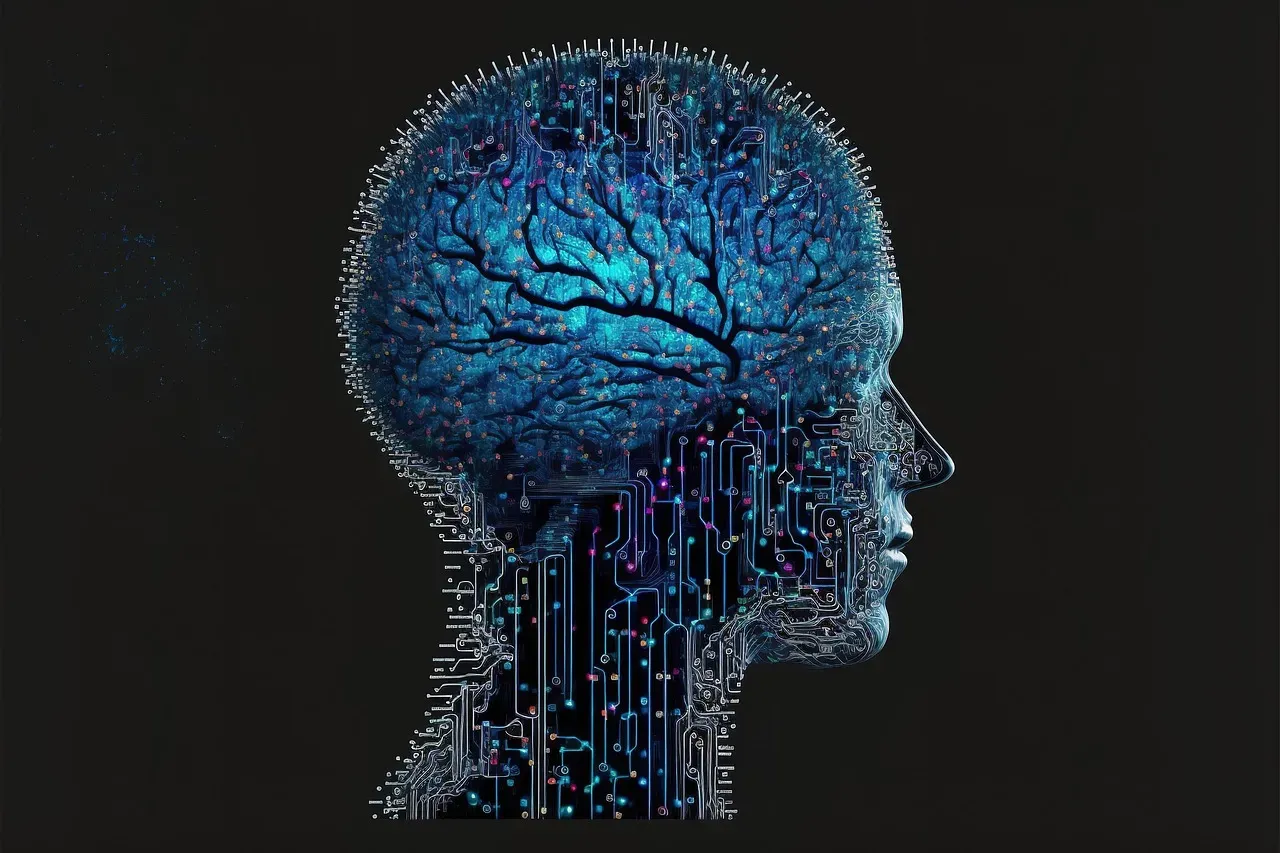
One of the most surprising forms of untapped potential lies in what you believe about your own abilities. If you see your intelligence, memory, or personality as fixed, you are less likely to practice, experiment, or persist when things feel hard. Your brain then gets fewer chances to change, and your belief looks “proven,” even though it quietly shaped your behavior from the start.
When you adopt the view that your brain is malleable and capable of growth with effort and strategy, you tend to push a little further, seek better methods, and interpret setbacks as feedback instead of final verdicts. Over time, that attitude opens doors that once felt locked. You are not pretending you can do anything instantly; you are recognizing that your brain is built to adapt and that you can choose to work with that design rather than surrender to your first impression of your limits.
Conclusion: Your Brain Is Not Finished – It Is Waiting

When you zoom out and look at all these facts together, a clear picture emerges: your brain is not a static object you were handed at birth; it is a living, changing system that responds powerfully to how you treat it. Through movement, sleep, stress management, learning, social connection, and what you choose to believe about yourself, you are constantly either closing or opening doors in your own mind. The gap between who you are today and who you could become is not magic; it is the sum of dozens of small, repeated choices that quietly sculpt your brain.
You do not need to overhaul your entire life to tap into more of your potential; you can start with one or two small experiments this week. Maybe you protect your sleep for a few nights, walk while you think, learn a tiny new skill, or practice focusing for just a little longer than feels comfortable. Each of those is a signal to your brain that growth is still on the table. So the real question is not whether your brain has untapped potential – it clearly does – but which part of that potential you are actually willing to explore next.