
You are used to thinking of the deep ocean as a kind of silent, predictable place: cold, dark, and mostly understood on paper, if not in person. But the more scientists map the seafloor and drop instruments into impossible depths, the more you find stories that do not fit the neat diagrams in a geology textbook.
This is where things get uncomfortable and exciting at the same time. In the last few decades, researchers have stumbled on underwater structures that look too tall, too fragile, too hot, too cold, or just too strange to comfortably sit inside today’s standard models. In many of these cases, the formations are real beyond doubt, but the explanations are still evolving. You are essentially watching science mid‑sentence, before it has had time to clean things up.
1. Giant Methane Hydrate Mounds That Should Have Dissolved
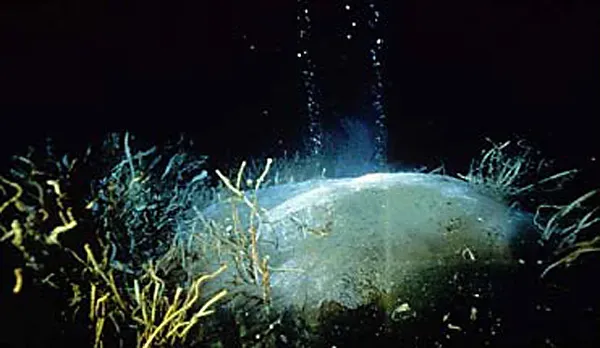
Imagine diving in a submersible and seeing what looks like dirty ice or packed snow piled up on the seafloor, except you are miles below the surface and the water is just above freezing. That “ice” is methane hydrate: methane gas locked in a cage of water molecules, stable only within a narrow band of pressure and temperature. You are told, by the textbooks, that once conditions drift outside that band, the hydrates should break apart and release their gas.
Yet in several continental margin sites, researchers have mapped massive hydrate mounds sitting right at or even slightly outside their supposed stability zone. In other words, you find solid methane “ice” exactly where models say it should be fizzing away into bubbles. You can explain some of this with micro‑scale variations in pressure, buried fluid flow, or sediment chemistry, but the simple phase diagrams you might have seen in class suddenly feel like rough sketches rather than rules. When an entire hillside appears to be armored in hydrates that should be unstable, you are forced to admit you do not fully understand how gas, heat, and water move together underground.
2. Towering Carbonate Chimneys in Deep, Cold Seas
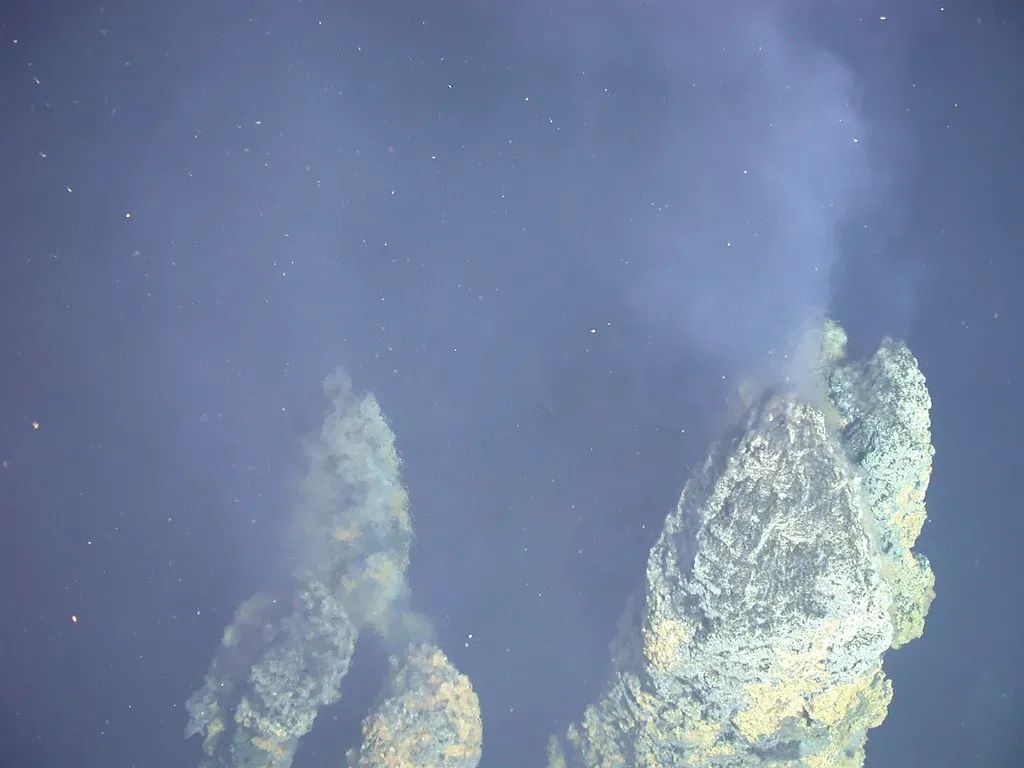
When you think of tall hydrothermal chimneys, you probably picture the famous “black smokers” near mid‑ocean ridges, belching out hot, metal‑rich fluids. But in places like the Lost City field in the Atlantic, you get something utterly different: pale carbonate towers as tall as multi‑story buildings, rising from depths where the water is cold and the chemistry is supposed to be quiet. According to earlier models, that level of chimney growth needs intense magmatic heat, which simply is not there.
Instead, you see that seawater reacts slowly with ultramafic rocks in the ocean crust, producing alkaline fluids that seep upwards and build these immense carbonate skyscrapers. The catch is that their size and persistence suggest a long‑lived, stable system that older models did not really anticipate at such depths and away from volcanic centers. If you were taught that big chimneys mean big heat from below, fields like this force you to widen your mental picture of where geological energy can hide and how carbonate minerals can stack up impossibly high in the deep sea.
3. Submerged River Valleys Carved Far Below Expected Sea Levels
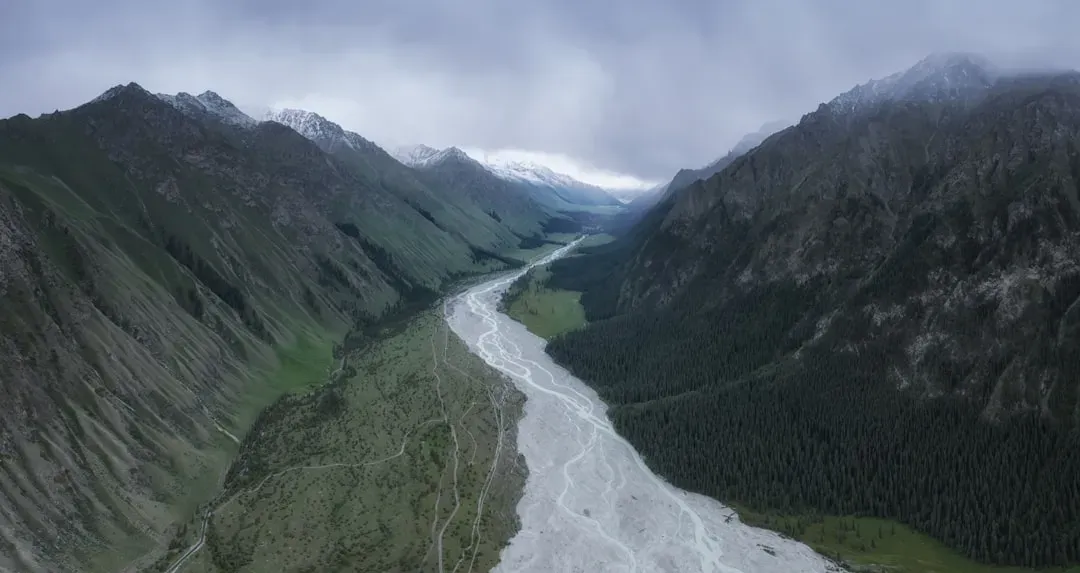
On sonar images of continental shelves, you sometimes see drowned river valleys, which makes sense if sea level rose after the last ice age and flooded low‑lying terrain. But in a few regions, you find deeply incised river‑like channels hundreds of meters below the depth where standard sea‑level curves say the shoreline should ever have been. You are looking at what appears to be landscapes carved in air, now sitting in water deeper than the models allow for past low stands.
To make sense of this, you can invoke localized uplift and subsidence, tectonic tilting, or even glacial loading and rebound. Still, some of these valleys remain stubbornly too deep, as if the planet’s own bookkeeping of water volume and ice storage is off by a notch in those places. When you confront such mismatches, you see how tricky it is to connect global average sea levels to local histories. You learn that a neat global curve is not always enough to explain what your sonar screen is actually showing you on the seafloor.
4. Freshwater Springs Bursting Out of the Abyssal Seafloor
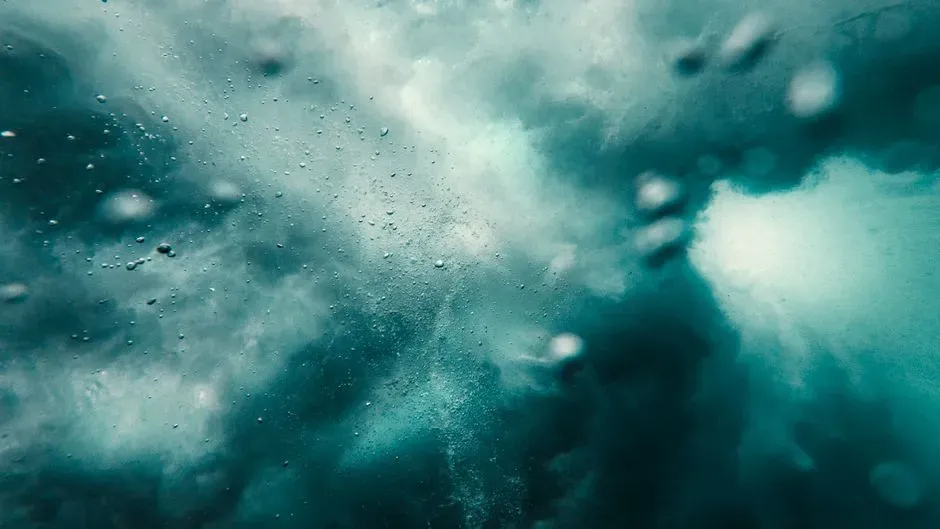
You do not expect to encounter drinkable, low‑salinity water spurting from the seabed when you are thousands of meters offshore, surrounded by nothing but saltwater to the horizon. Yet deep expeditions have found pockets and plumes of surprisingly fresh water emerging from sediments on the ocean floor. In some cases, this water is less salty than typical seawater by a wide margin, hinting that it has been isolated underground for astonishing spans of time.
According to simple circulation models, seawater slowly percolates into oceanic crust, warms, and then returns along hydrothermal pathways, but outright fresh or brackish water at those depths is awkward to fit in. You start to suspect that ancient meteoric water, buried during times of vastly different sea level, may linger in deep aquifers beneath the seabed. To accept that, you need to stretch your imagination from the familiar coastal aquifer picture to a world where continents and shelves trade places with oceans over geological ages, leaving long‑lived pockets of freshwater in places where your present‑day instincts say they should not exist.
5. Steep Submarine Sand Dunes That Should Collapse
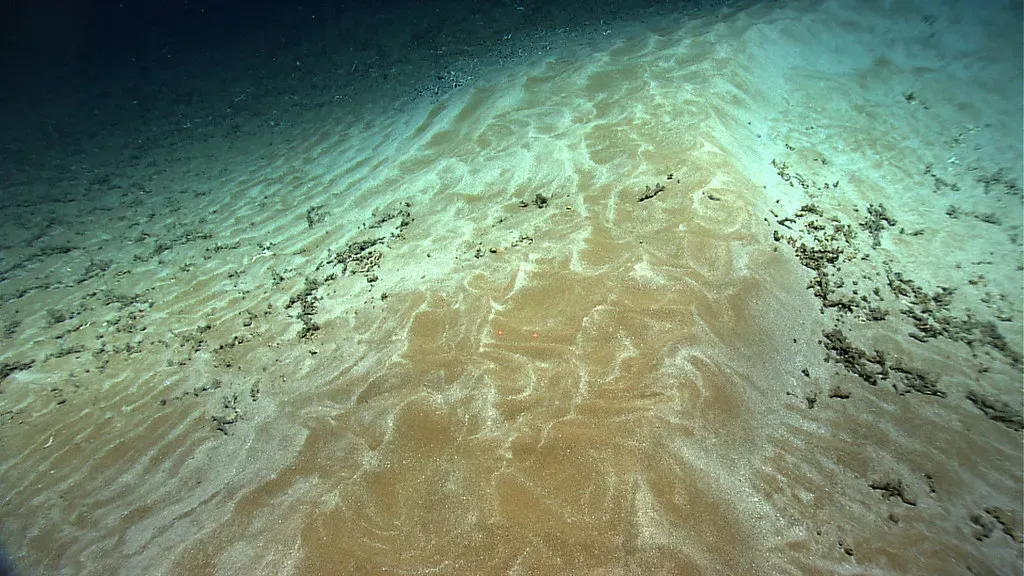
If you have ever walked on a beach dune, you know sand is fickle. Push the slope a bit too steep and it slumps into a gentler angle. Underwater, you expect something similar: gravity, currents, and sediment physics all working to keep slopes within a safe, predictable range. That is why sonar images of enormous, almost cliff‑like submarine dunes or sand waves make you do a double take.
Some offshore sand ridges and dunes rise tens of meters with faces far steeper than classic stability models predict for loose grains under persistent currents. To keep them standing, you have to imagine subtle cementation, temporary cohesion from mud or biological mats, or flow patterns that stabilize one side while eroding the other. You realize that the neat single number often quoted for a grain’s “angle of repose” is more of a guideline than a law at depth. In the deep sea, where currents can be both powerful and strangely laminar, sand behaves less like a simple pile and more like a constantly re‑sculpted, yet somehow enduring, monument.
6. Coral Reefs Clinging to the Edge of the Light Zone
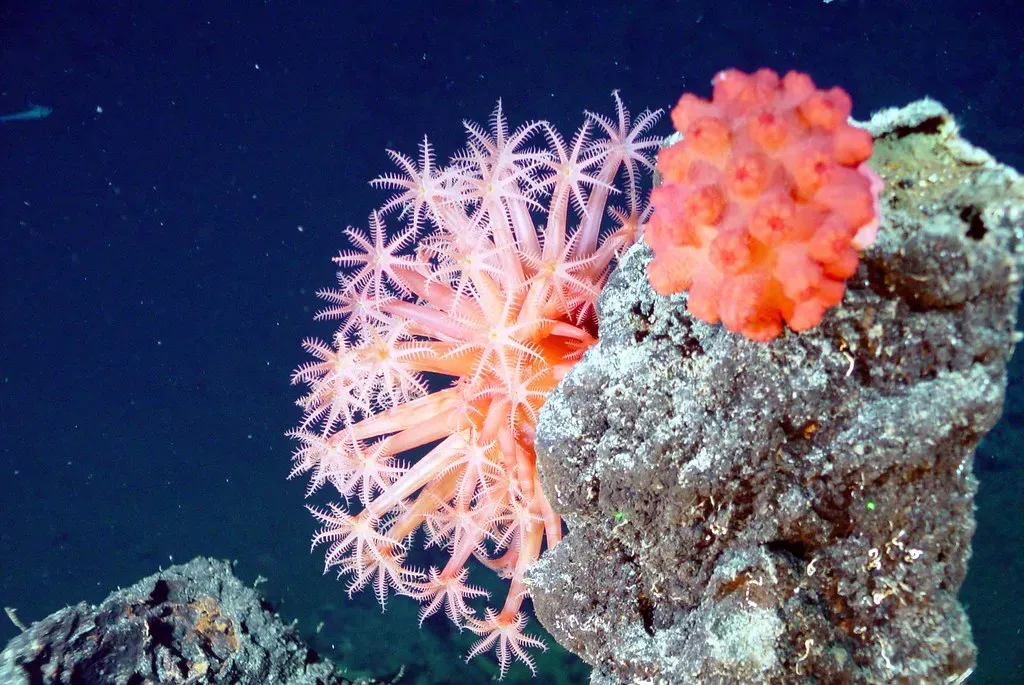
You are told that tropical corals depend on sunlight because of the symbiotic algae living inside their tissues. So, standard teaching draws an upper and lower depth range for reef‑building corals and sticks to it confidently. Then you hear about thriving coral communities much deeper than that lower limit, sometimes so near the edge of darkness that light levels feel more like a twilight than a sunlit lagoon.
To explain these unexpected deep reefs, scientists reach for ultra‑clear water that lets light penetrate farther, unusual water temperatures, nutrient pulses, or corals that rely more on capturing food than on photosynthesis. Even so, their existence at those depths tells you that the boundary between “possible” and “impossible” for reef growth is fuzzier than it appears in simple diagrams. When you see living coral frameworks where theory predicts only bare rock and sediment, you get a front‑row view of life quietly rewriting the rules you thought were fixed.
7. Perfectly Aligned Seamount Chains Without a Clear Hotspot Trail
![7. Perfectly Aligned Seamount Chains Without a Clear Hotspot Trail ([1], Public domain)](https://nvmwebsites-budwg5g9avh3epea.z03.azurefd.net/dws/56b4f01c899af2dbfe6575413a6cb1f8.webp)
Volcanic seamount chains are often explained with a straightforward model: a hot mantle plume punches through a moving tectonic plate, leaving a trail of volcanoes that get older as you move away from the active hotspot. This story works reasonably well in a few famous cases. But when you look across the oceans, you also find long, tidy chains of underwater volcanoes at depths and plate settings that do not line up cleanly with any known hotspot track.
Some seamounts share similar ages along their length, or their chemistry does not match what you would expect from a simple plume rising from deep in the mantle. For you, this means that a single, elegant mechanism is not enough. You have to consider fractures in the plate, small‑scale convection, inherited structures in the crust, and even past plate motions that differ from today’s reconstructions. Those neat bathymetric lines on a map that look like a tidy conveyor‑belt story turn out to be something more tangled, hinting that the mantle’s plumbing is richer and messier than the baseline model.
8. Submerged Terraces That Do Not Match Global Sea-Level Steps
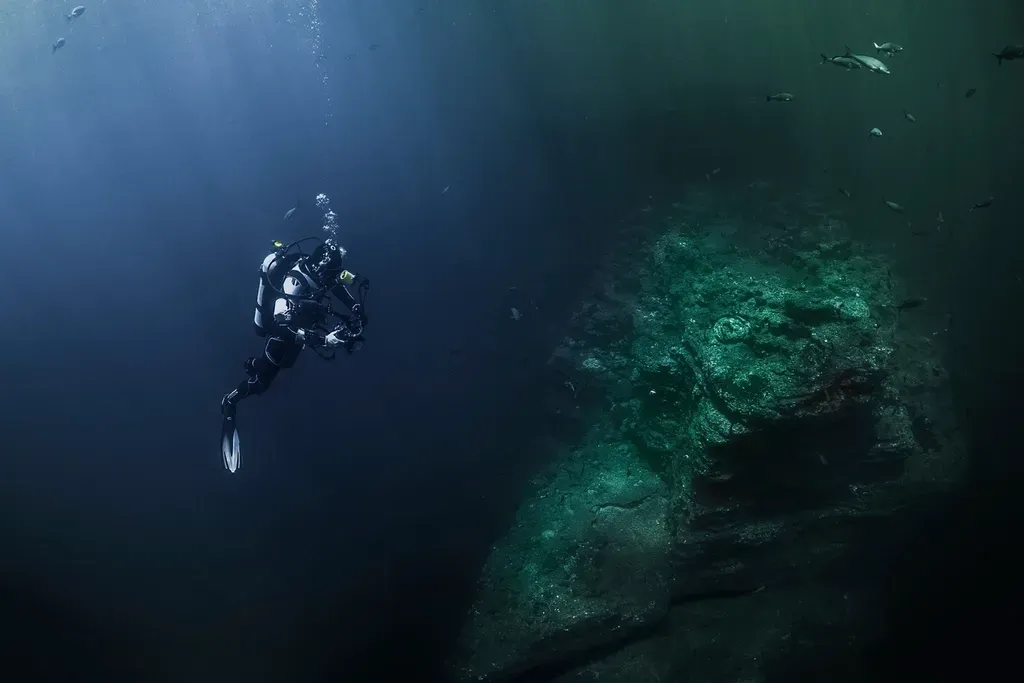
As sea level rises and falls over ice‑age cycles, waves and currents tend to cut flat benches, or terraces, along coasts. Later, when the water deepens again, those terraces sit quietly below the surface like contour lines carved into the rock. You would expect, then, that these terraces line up with known global sea‑level stands, forming a kind of underwater staircase that matches the global climate record.
Yet in many shelf regions, you find terraces whose depths do not correspond neatly to any major global sea‑level plateau. Some look too deep, others too shallow, and a few come in tighter or looser spacing than models predict. This mismatch tells you that local uplift, subsidence, sediment loading, and faulting can skew the whole record beyond what a simple global curve can explain. When you stand back and look at the pattern, you see an underwater landscape that carries a complicated local story, not just a clean imprint of global ice volume.
9. Active Mud Volcanoes in Surprisingly Stable Basins
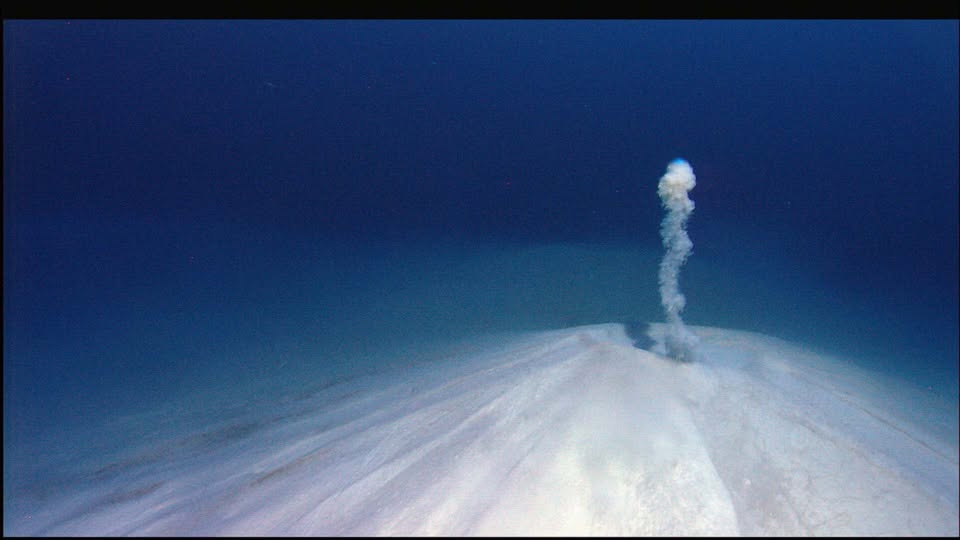
Mud volcanoes, where fine sediment and fluids erupt to form cones and domes, are usually linked to zones of intense compression or high sedimentation, like active margins or deltas. So it can be jarring when you discover tall mud volcanoes on the seafloor in basins that are otherwise considered relatively stable and quiet. You see flowing mud, gas bubbling, and fresh vents in places where models predict slow, boring sedimentation with no drama.
To make sense of this, you have to bring in hidden overpressure pockets, deep hydrocarbon migration, or long‑forgotten tectonic features that still focus fluid flow. All of those are plausible, but the key point for you is that calm‑looking basins can hide dynamic plumbing systems beneath their surface. The presence of active mud volcanoes at unexpected depths exposes how incomplete your picture of subsurface pressure, gas generation, and fault connectivity remains, even in areas that were once classified as geologically “simple.”
10. Hydrothermal Fields Far from Any Obvious Magma Source
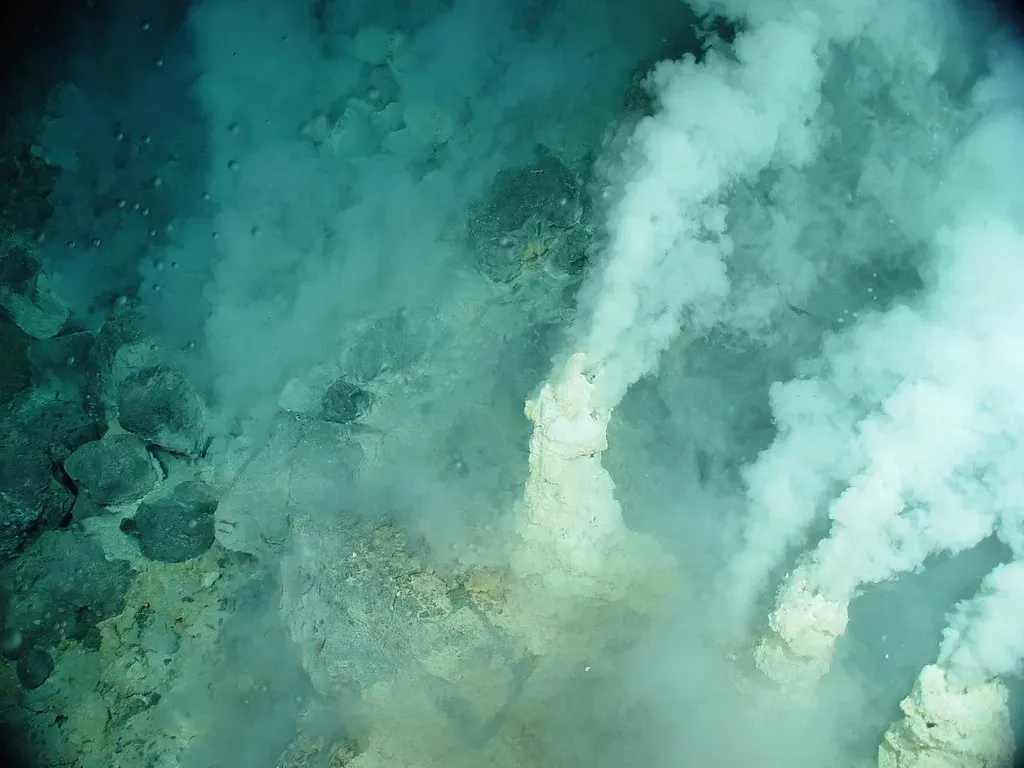
Your mental image of hydrothermal vents likely includes a ridge crest, thin crust, and magma sitting close enough to the surface to heat circulating seawater. That makes it especially puzzling when researchers stumble on robust hydrothermal systems on old, thick, seemingly unremarkable crust far away from any obvious volcanic center. At those depths and distances, you would have expected the crust to be too cool for vigorous venting.
What you actually find are warm fluids, mineral deposits, and chemosynthetic ecosystems flourishing over crust that models had written off as thermally dead. To account for this, you might consider deeper faults that tap residual heat, focusing of fluids along long‑lived fracture networks, or chemical reactions like serpentinization producing heat more efficiently than expected. No single explanation has wrapped all these sites into a tidy package. For you, that underlines a bigger lesson: the planet keeps smuggling energy to the seafloor in more ways than the basic diagrams suggest.
11. Oddly Intact Submarine Landslide Blocks on Ultra-Steep Slopes
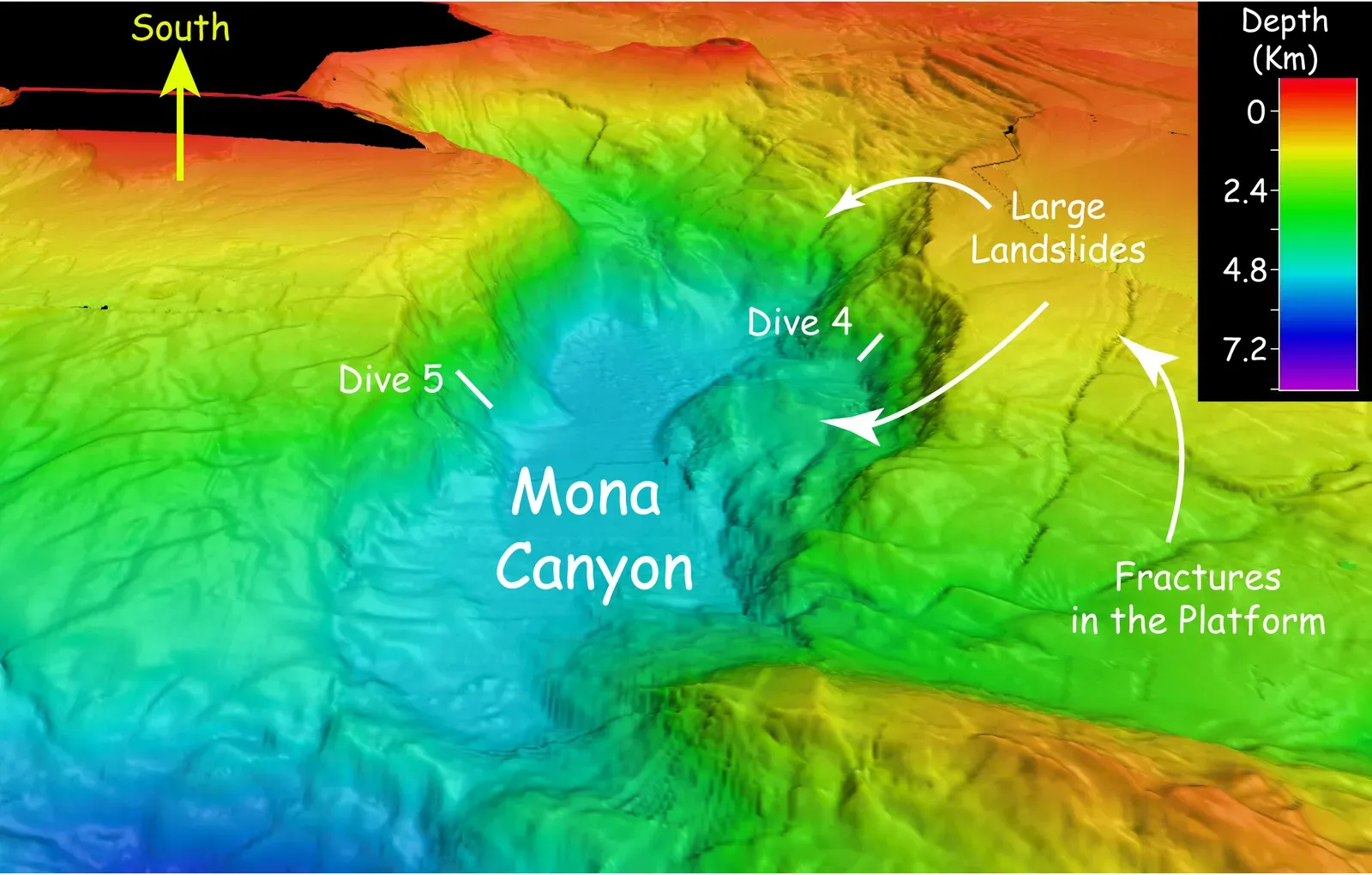
Gravity is not subtle on a continental slope. When sediments fail, you expect chaotic debris flows, shattered blocks, and smoothed‑out scarps that gradually relax toward a gentler angle. That is why it is so strange to see sonar images of enormous, almost intact blocks and slabs perched on slopes that look far too steep to support them for long, especially at depths where earthquakes, currents, and gas seepage can all destabilize the ground.
Some of these megablocks appear to have slid only a short distance before somehow stopping and resting in an apparently precarious balance. Traditional stability models say they should keep moving until they break apart or find a flatter resting place, yet there they are, preserved like giant books laid sideways on a tilted shelf. To reconcile that with physics, you must think about hidden buttresses of more competent rock, brief episodes of very high pore pressure followed by rapid drainage, or even the cushioning effect of trapped fluids. What you really learn is that submarine slopes can preserve a snapshot of violent motion in a way your simplified landslide diagrams never quite captured.
Conclusion: When the Ocean Quietly Disagrees With You
When you put all of these examples side by side, you are not looking at proof that physics has broken down or that the ocean is full of miracles. Instead, you see a pattern of edge cases where your existing models, often built from sparse data and tidy assumptions, meet messy reality. Each formation that seems to “cannot exist” at its depth is really the ocean’s way of saying that your equations left out a term, or your diagrams smoothed over a wrinkle that turned out to matter.
If you take these puzzles seriously, you end up with a more flexible, layered understanding of how rocks, fluids, heat, and life interact in the deep sea. The story becomes less about catching science in a mistake and more about watching it stretch to fit a more detailed world. Next time you see a clean rule of thumb about what can and cannot happen on the seafloor, will you treat it as a final verdict – or as a working draft that the next dive might quietly overturn?