Across the coldest corners of the planet, ice has quietly acted like a vault for thousands of years. Now, as glaciers and permafrost melt faster than at any other time in human memory, that vault is cracking open. What spills out is a mix of wonder and unease: perfectly preserved bodies, long-lost weapons, ancient plants, and even microscopic threats that outdate our species.
In the last decade in particular, scientists, hikers, and even construction crews have stumbled on things the ice kept hidden for centuries and millennia. Some of these finds have rewritten local histories. Others have raised uncomfortable questions about what else is waiting in the thaw. As the world warms, the past is no longer staying buried; it is literally surfacing at our feet.
This is not just a string of curiosities for science fans. It is a very physical reminder that climate change is not abstract. The things we are “getting back” from melting ice can be awe inspiring, heartbreaking, and occasionally frightening. Here are 11 of the most striking categories of discoveries the thaw has handed back in roughly the last ten years.
#1 Human Bodies Emerging from Ice and Permafrost
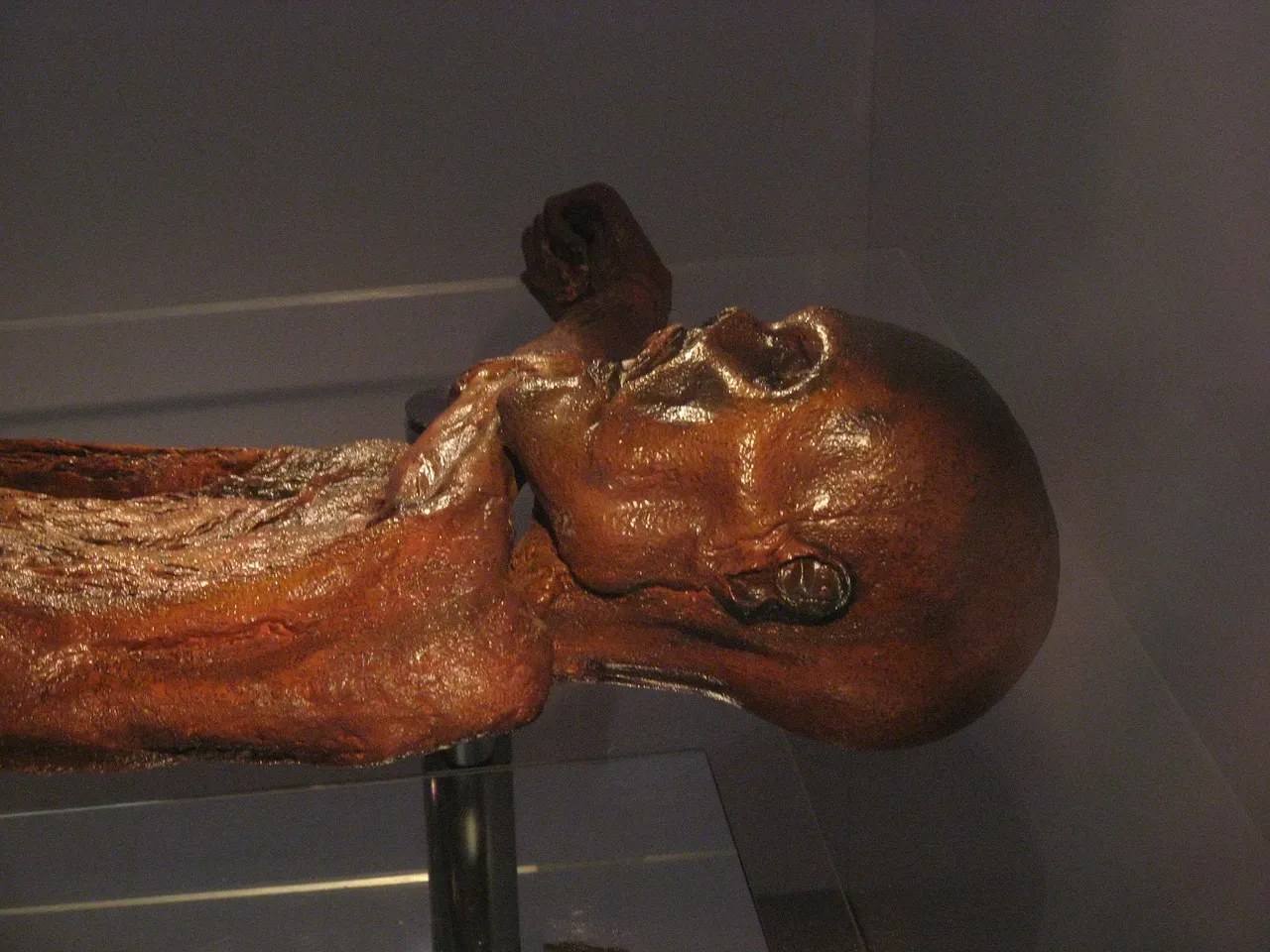
One of the most haunting consequences of melting ice has been the reappearance of human remains, some relatively recent, others centuries old. As mountain glaciers retreat and permafrost softens, bodies that were once assumed lost forever have emerged in conditions so well preserved that clothing, hair, and even facial features can still be recognized. These are not just anonymous skeletons; many are individuals with families, stories, and sometimes unsolved disappearances behind them.
In the Alps, Himalayas, Rockies, and Andes, climbers who vanished decades ago on glaciers have reappeared as the ice lines pulled back. In parts of the Arctic and sub-Arctic, permafrost erosion has exposed older human remains from traditional burial grounds along riverbanks and coasts, forcing communities to relocate graves and rethink how they protect their ancestors. It is a strange mix of closure and trauma: long-missing loved ones are finally found, but only because the climate has changed so drastically.
For forensic scientists and historians, these discoveries are a trove of information. They help reconstruct past mountaineering routes, war campaigns, migration paths, and even everyday clothing from different eras. But there is a darker undercurrent; the same thaw that brings these people back also destabilizes the terrain, creating landslide risks and flooding. Every new body found is now a human-scale reminder that the frozen world is no longer as stable as we once believed.
#2 Long-Lost WWII Planes, Weapons, and Battlefield Relics
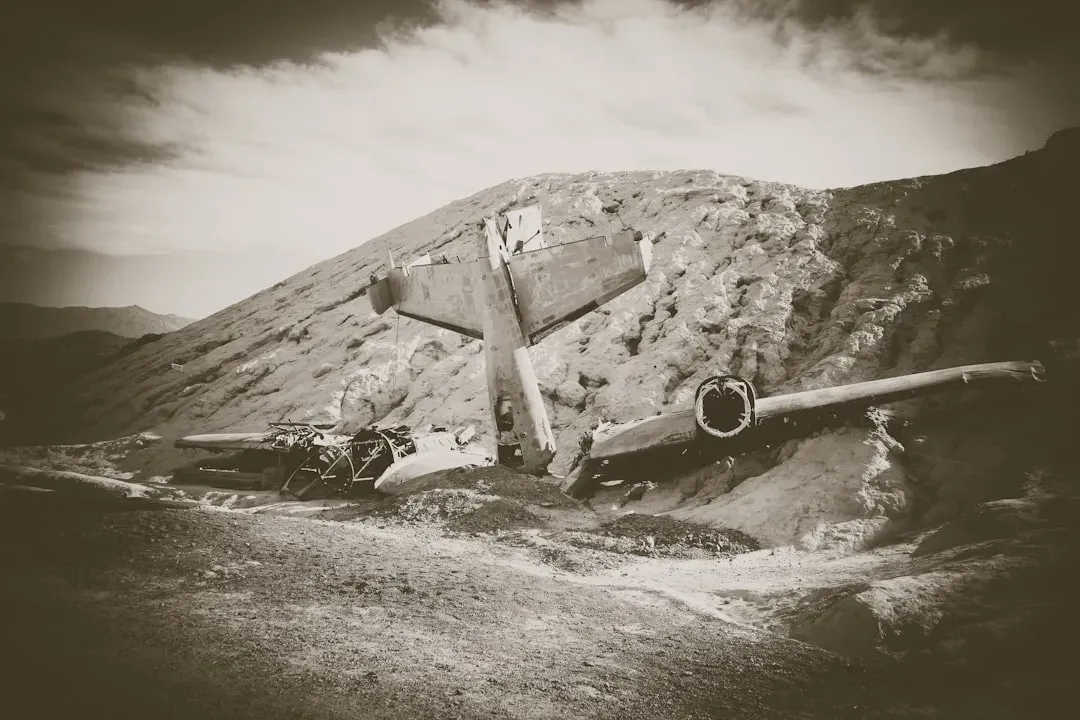
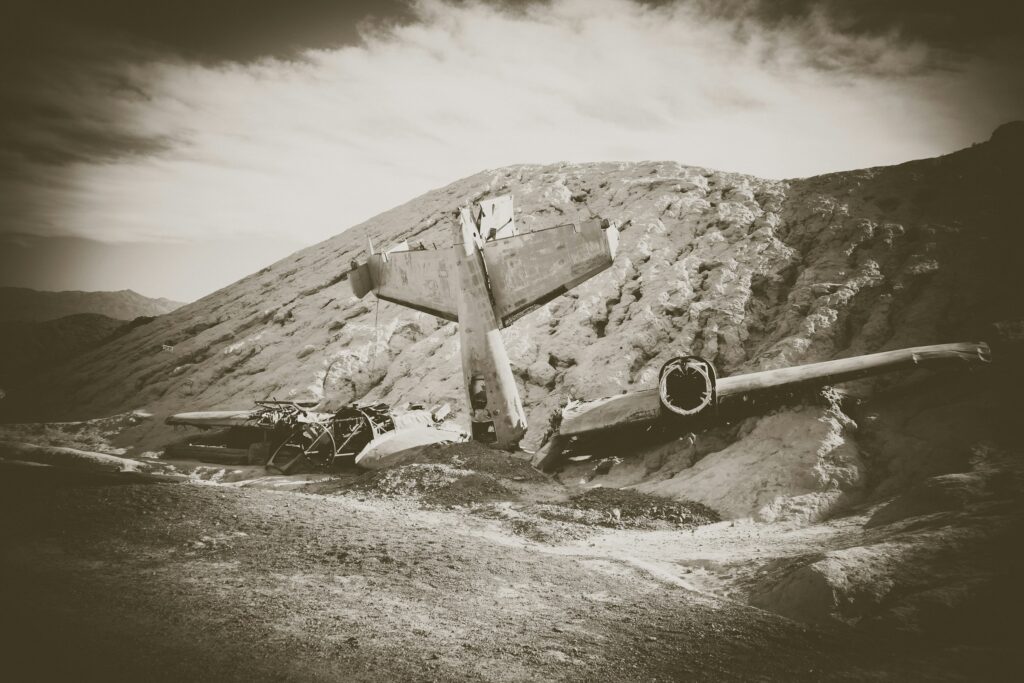
As glaciers and snowfields shrink, especially in Europe and North America, they have begun to surrender relics from one of the most destructive periods in human history: the Second World War. Entire aircraft that crash-landed onto ice or snow have reappeared decades later, sometimes with their basic structures still intact under layers of compacted snow and ice. For local communities and families of airmen, these finds are intensely emotional moments that blend archaeology with living memory.
Wartime equipment has also emerged: guns, helmets, ammunition caches, personal gear, and even handwritten documents that were effectively freeze-dried by the cold. High-altitude battlefields in the Alps, for instance, have revealed trenches, barbed wire, and personal items from soldiers stationed on glaciers. These sites were literally frozen in time, and only as the ice retreats do we see the true scale of how war once occupied even the most remote mountains.
There is a practical risk here too. Old ordnance and explosives can remain dangerous. When melting ice exposes unexploded shells or bombs, specialized teams have to remove or neutralize them. So in some places, climate change is not just revealing history; it is quietly creating new, very literal minefields that must be mapped and cleared before hikers and residents are safe.
- Aircraft wrecks and crash sites reappearing from retreating glaciers
- Weapons and ammunition preserved in snow and ice on former battlefields
- New safety challenges as unexploded ordnance re-emerges
#3 Ancient Hunters’ Arrows, Spears, and Everyday Tools
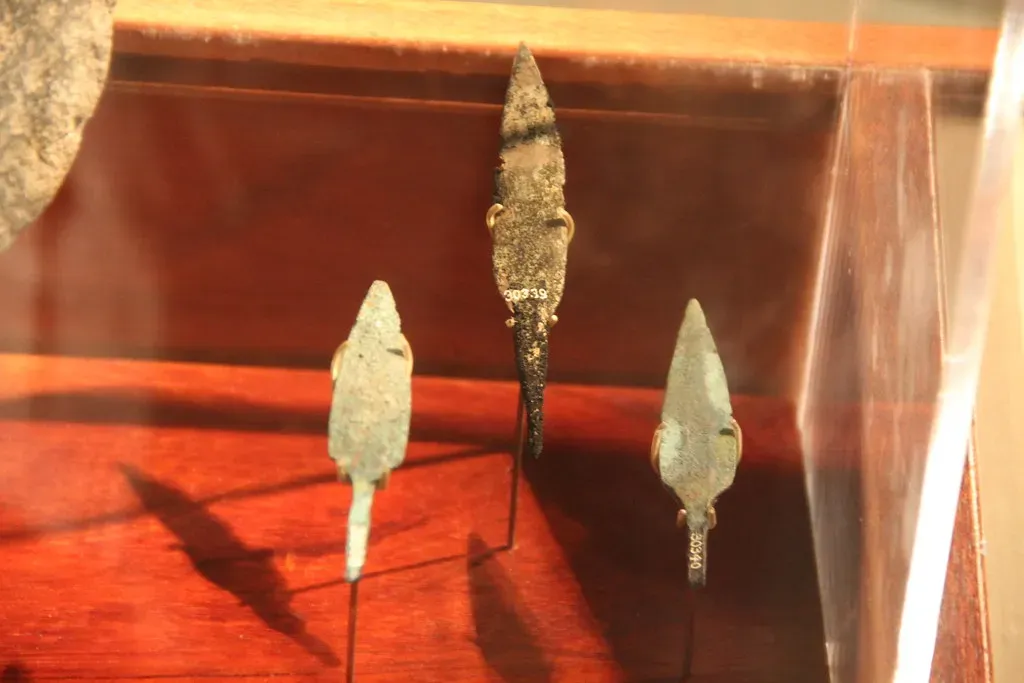
One of the most scientifically rich trends of the last decade has been the rise of “glacial archaeology.” As patches of permanent snow and small ice fields vanish, particularly in high mountain passes and reindeer or caribou migration routes, archaeologists have found thousands of artifacts left behind by ancient hunters. These include arrows, spear points, wooden shafts, leather straps, sled parts, and fragments of clothing that would normally rot away in soil.
Because the ice kept these items cold and relatively dry, many are remarkably well preserved. Some arrows still have their sinew wrappings and fletching; some leather shoes still hold their shape. Radiocarbon dating has revealed that many of these objects are from the Iron Age, the Bronze Age, or even earlier, turning what once looked like featureless snowfields into long-term hunting landscapes that were used again and again over thousands of years.
This has quietly reshaped how we think about ancient people in northern regions. They were not just occasional visitors to the mountains; they knew these high passes intimately and repeatedly exploited them as animals moved through. Glacial finds show subtle technological changes over time in arrow designs, bindings, and materials, giving a time-lapse view of innovation and adaptation that we rarely get from other kinds of archaeological sites.
#4 Extinct and Ancient Animals Emerging from the Permafrost
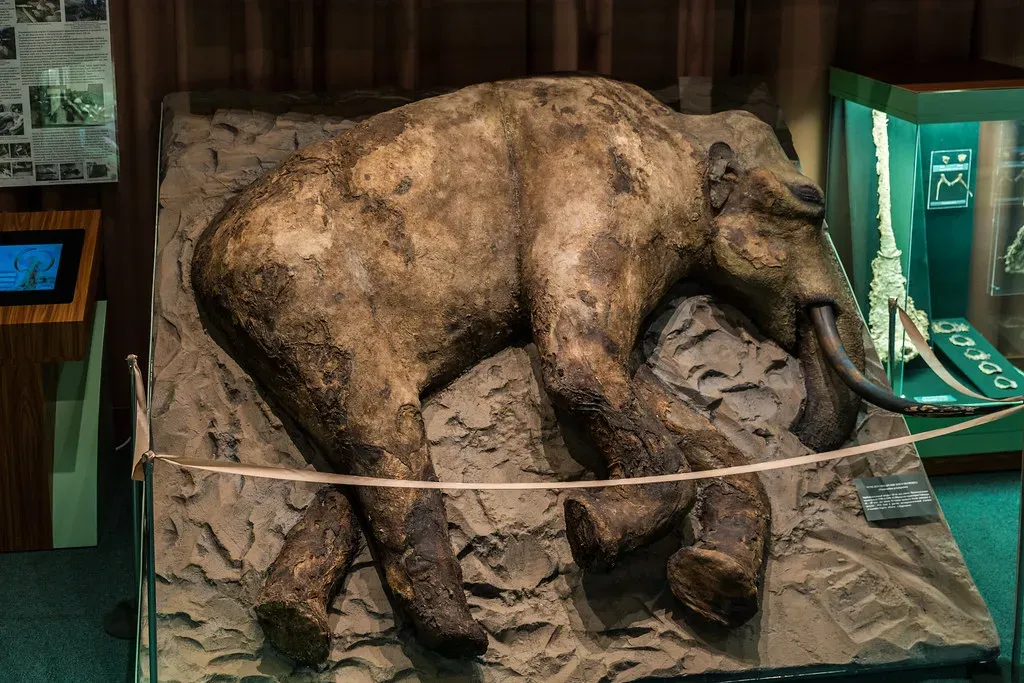
Few images capture public imagination as strongly as a furry mammoth or a tiny prehistoric puppy emerging from Siberian permafrost almost intact. Over roughly the last decade, more of these dramatic animal discoveries have come to light. Deep in the Arctic, melting ground and coastal erosion have exposed remains of mammoths, woolly rhinoceroses, cave lions, bison, and other Ice Age creatures, often in a condition that feels disturbingly alive.
Permafrost acts like a natural deep-freeze. In some cases, muscles, fur, internal organs, and even stomach contents are still present. For paleontologists, this is priceless. They can study diet, disease, genetics, and growth in a way that is impossible from ordinary fossilized bones. Well-preserved wolves and puppies, for example, provide rare insights into ancient predators and the early stages of dog domestication.
These finds also feed into the increasingly loud conversation about “de-extinction,” where scientists explore using DNA from ancient animals to recreate something like a mammoth or a steppe bison. Whether or not that is a good idea is hotly debated. Personally, I find the concept fascinating but slightly unsettling; it feels like opening a door we do not fully understand. Still, there is no question that the ice is now giving geneticists material they once could only dream of, and it is doing so faster as the Arctic warms.
#5 Frozen Pathogens and the Fear of Ancient Diseases
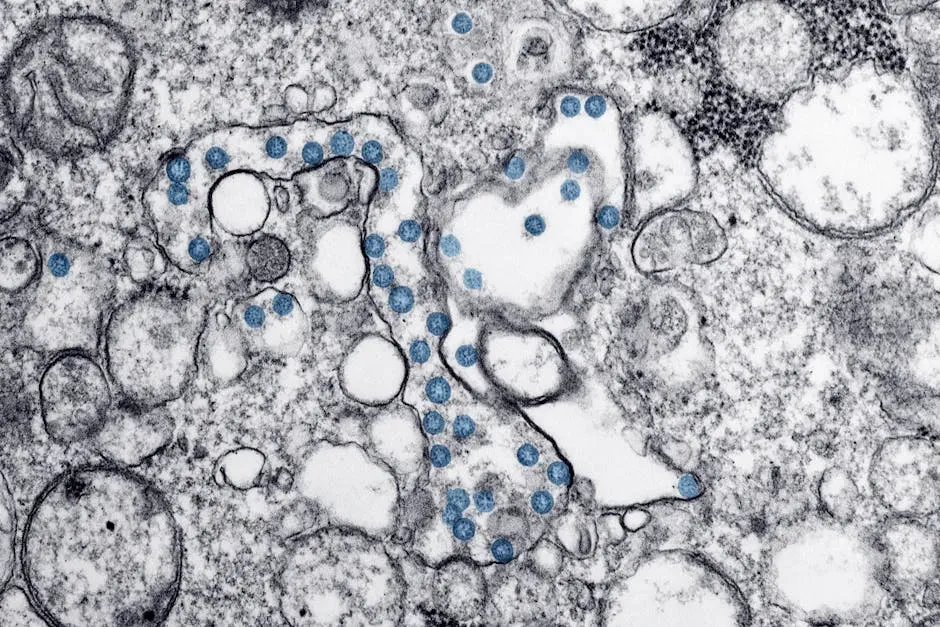
Alongside mammoths and ancient tools, melting ice is handing back something far less charming: microbes. In recent years, scientists have revived viruses and bacteria from ice cores and permafrost samples that had been dormant for tens of thousands of years in laboratory conditions. In a separate, very real-world example, a thawing patch of Siberian permafrost was linked to an anthrax outbreak in reindeer, after spores from long-buried carcasses reached the surface.
We should be careful not to slide into science fiction panic here. The vast majority of ancient microbes that thaw out will never find the right conditions or hosts to become a serious threat to humans. Still, the risk is not zero. Pathogens that once affected animals or people could, in rare cases, find their way back into circulation, especially in regions where medical care is sparse or surveillance is limited. At the very least, these events prove that frozen ground is not a sterile, harmless archive.
Scientists are now actively cataloging and studying microbes from ice and permafrost to understand what is there before it melts uncontrolled into rivers, soils, and the air. The research is both thrilling and unnerving. On one hand, we gain insight into the evolution of viruses and bacteria over geologic timescales. On the other, we are reminded that our warming experiment with the planet is stirring up biological material that has been locked away since before modern humans existed.
- Permafrost can preserve viable bacteria and viruses for thousands of years
- Most will never pose a threat, but some can affect animals or humans
- Thawing ground turns a theoretical risk into a real-world issue
#6 Ice Mummies and Remarkably Preserved Burials
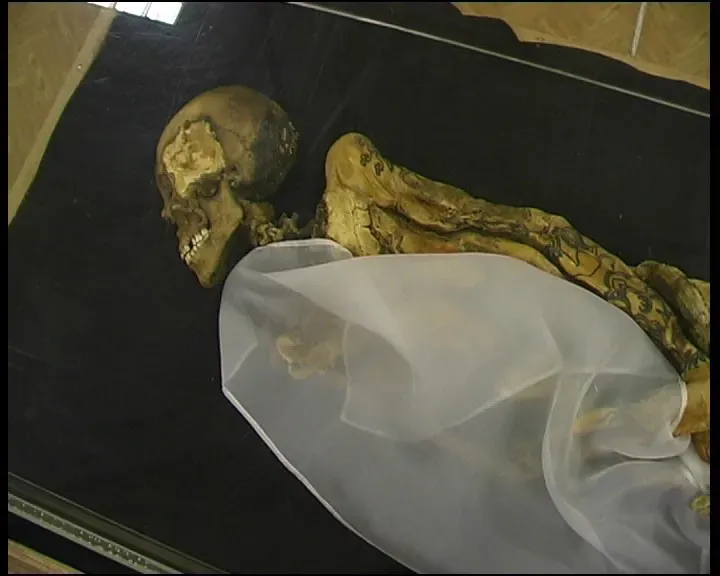
While the famous “Ötzi” discovery predates the last decade, more recent years have seen additional finds of human remains in glacier and permafrost contexts that fall somewhere between archaeology and forensics. These are not just scattered bones, but often entire bodies with clothing, tools, and sometimes grave goods preserved in astonishing detail. High-altitude burials in places like the Andes and parts of Central Asia are among the most striking.
Because cold and dryness slow decay, some of these individuals appear almost as if they have just fallen asleep. For researchers, that level of preservation is a rare window into hairstyles, textiles, diet, health problems, and even ritual practices. You can see the weave of the cloth, the stitching on boots, the remains of their last meals, and traces of smoke or plant chemicals in their hair and lungs. It is forensic science applied not just to crimes, but to history itself.
At the same time, there are ethical and emotional questions. Descendant communities often see these individuals not as “specimens” but as ancestors who deserve respectful treatment and sometimes reburial. As the ice retreats and exposes more of these burials, archaeologists, local governments, and Indigenous groups are having to quickly negotiate what respectful, collaborative research looks like in a world where the ground literally will not stay frozen.
#7 Forests, Peat, and Ancient Landscapes Thawing Back to Life

Not everything coming out of the ice has bones or metal. In many Arctic and alpine regions, melting permafrost and retreating glaciers are revealing ancient soils, peat deposits, and even the remains of long-buried forests. Tree trunks that were once living on a warmer landscape thousands of years ago are now tipping out of thawing riverbanks. In some cases you can still see growth rings and wood structure that looks almost fresh when first exposed.
These plant remains, along with insect fragments, pollen grains, and animal bones trapped in ancient peat, act like a time machine for climate scientists. They show which species of trees and shrubs grew where, how wetlands expanded or contracted, and how ecosystems responded to past warm periods. When matched with modern warming, they help researchers predict which plants and animals are most likely to survive or migrate as conditions change again.
There is also a carbon story here. Peatlands and frozen soils have locked up massive amounts of carbon for thousands of years. As they thaw and dry, some of that carbon is released back into the atmosphere as carbon dioxide or methane, amplifying global warming. So when we see ancient peat layers sliding into rivers or collapsing as the ground sags, it is not just a curious landscape change; it is a visible sign of a powerful feedback loop being switched on.
#8 Viking, Indigenous, and Early Trade Routes in the High North
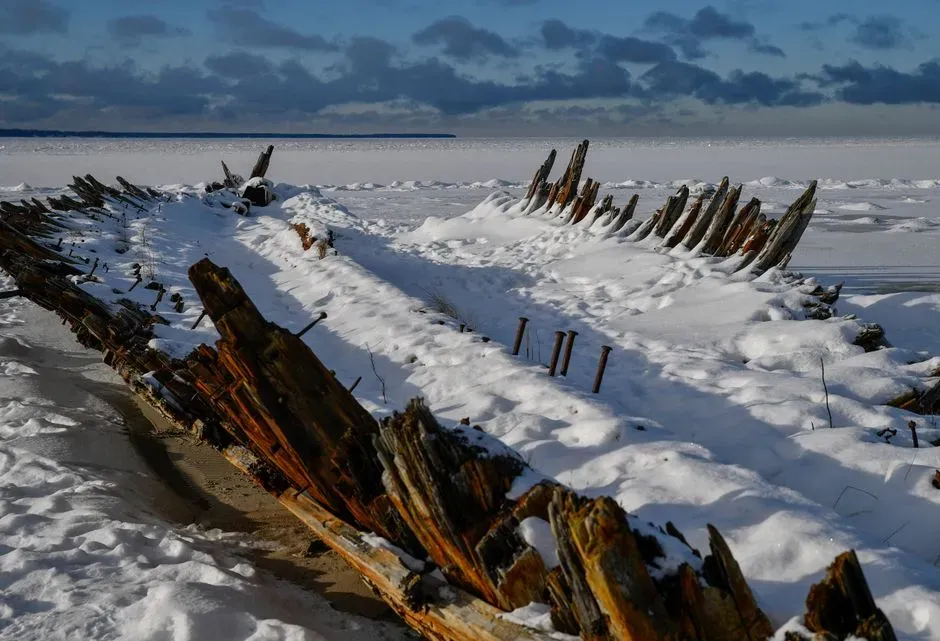
In the last decade, warming in the Arctic and sub-Arctic has opened up new opportunities for archaeological surveys in places that were once locked under snow for most of the year. Snow patches used for centuries as hunting grounds by Indigenous peoples in Scandinavia, Canada, and Alaska have begun to shed an astonishing variety of objects: sled runners, fragments of boats, metal fittings, beads, and tools that hint at trade and travel networks crossing ice and water.
In regions touched by Norse and later European exploration, shrinking sea ice and exposed shorelines have revealed pieces of shipwrecks, campsites, and debris fields from early voyages. These finds help fill gaps in the story of how far and how frequently people traveled, traded, and sometimes clashed in the North. It turns out the Arctic was never as empty or unused as old maps suggested; it was busy, just in ways that left very delicate traces that only survive well in cold, frozen conditions.
Indigenous communities are central to understanding these discoveries. Elders’ stories about travel routes, hunting spots, and lost camps often align with where archaeologists now find objects emerging from melting snow. That overlap is powerful. It shows that oral history, which was often dismissed in the past, can be as precise and reliable as written maps when it comes to reconstructing how people lived and moved through frozen landscapes.
#9 Ice Cores and Locked-In Climate History
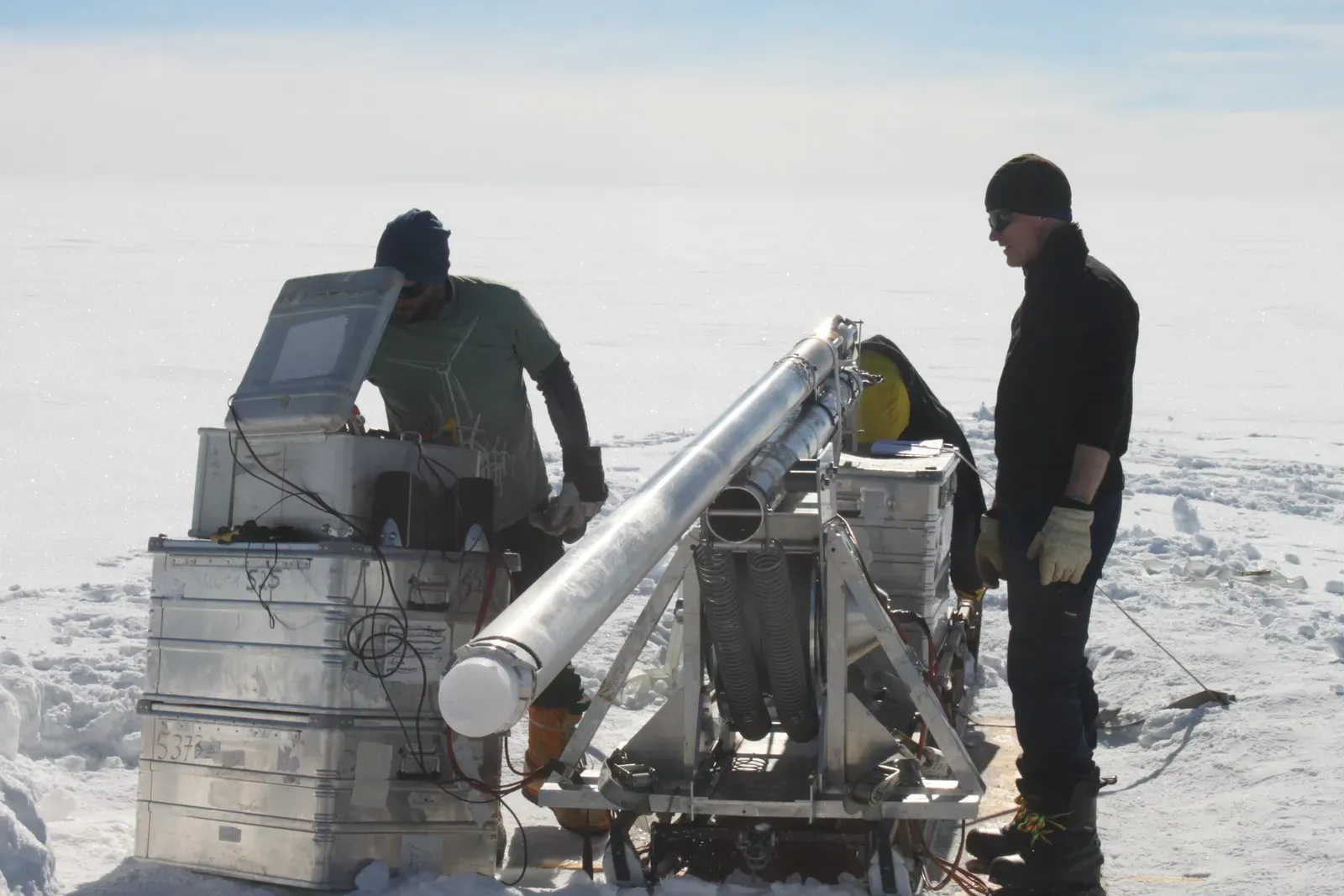
Unlike a mammoth or a mummy, ice cores do not have the same immediate drama for most people, but in scientific terms they are some of the most important “things” the ice has given us in recent years. As ice sheets and glaciers thin or destabilize, teams have rushed to drill and retrieve deep cores before the oldest layers are lost or melt beyond use. Each cylinder of ice, sometimes stretching several kilometers down, is essentially a frozen library of past climates.
Within these layers are trapped bubbles of ancient air, dust, volcanic ash, traces of past wildfires, and subtle chemical fingerprints of temperature and greenhouse gases. In the last decade, improvements in analytical techniques have allowed researchers to read this information at finer and finer timescales, sometimes year by year. That has sharpened our understanding of how fast climate can shift and how closely greenhouse gas levels track with temperature changes.
- Ice cores capture ancient atmospheres in tiny trapped bubbles
- Recent cores have extended our climate record far beyond written history
- Melting ice sheets create urgency to extract and preserve this record now
There is a poignant irony here. We are learning the most detailed lessons yet about past climate swings at the very moment when the ice that stores those lessons is disappearing. As some scientists put it, we are racing to read a book that is slowly burning from the edges inward. The cores retrieved and analyzed in the last decade may end up being the last chance we have to see some chapters of Earth’s climate story in such incredible detail.
#10 Modern Trash and Industrial Pollution We Thought We Buried
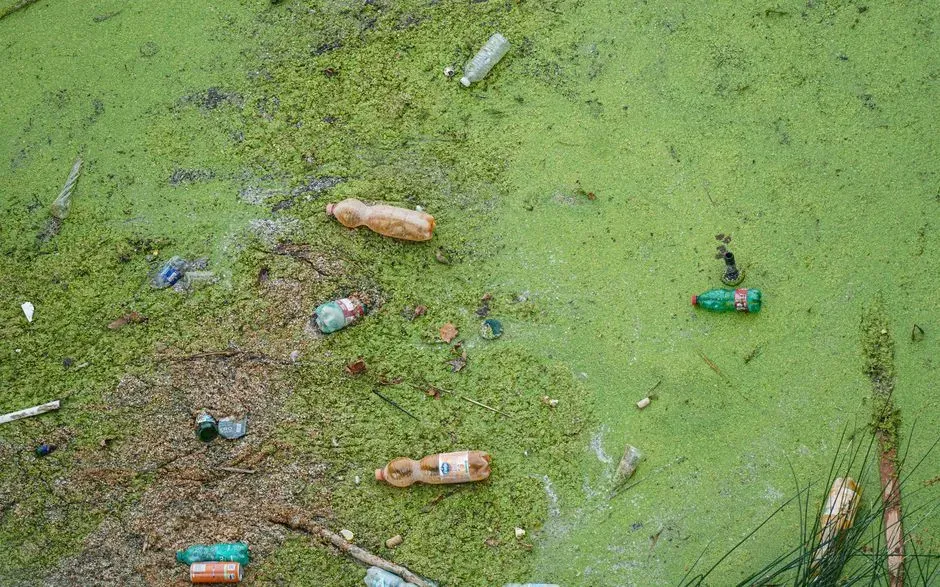
Not everything the ice is giving back is ancient or noble. In many mountain regions and polar areas, the last decade of melting has uncovered a starkly modern layer of history: garbage. From old expedition camps to ski resorts and military posts, plastic waste, metal drums, fuel cans, abandoned gear, and even human waste that were dumped onto snow or shallow ice are now emerging on bare ground and in meltwater streams.
Decades ago, there was a widespread assumption that leaving rubbish “on the ice” was essentially permanent disposal. The ice felt endless, unchanging, and indifferent. Now empty food tins, faded energy drink cans, and sun-bleached plastic tarps are sliding out of shrinking snowfields, sometimes in large concentrations. It is a very literal reminder that there is no true “away” to throw things to; even the most remote glaciers are coughing up our leftovers.
This is not just an aesthetic or moral issue. Leaking fuel, rusting barrels, decomposing plastics, and old chemicals can contaminate meltwater that feeds into rivers and lakes. Clean-up operations on some glaciers and icefields have had to race to collect and remove this material before it disperses. In a grim twist, global warming is not only exposing historical treasures; it is dragging our mess back into view and forcing us to confront the decisions of past generations.
#11 New Shipping Lanes, Resources, and the Politics of a Thawing Arctic
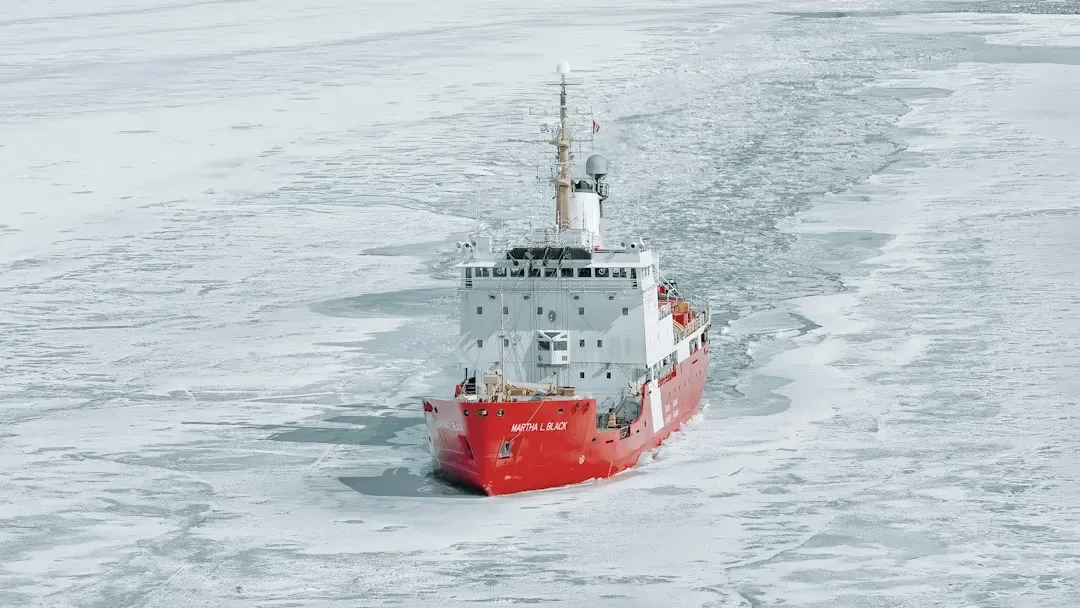
The last major “thing” melting ice has handed back is not an artifact you can hold, but a set of opportunities and conflicts that feel uncomfortably tangible. As sea ice retreats in the Arctic, especially during late summer, new shipping routes have opened for longer periods of the year. These passages, once choked with thick ice, now allow cargo ships and even cruise liners to pass, sometimes cutting weeks off traditional routes between Europe and Asia.
Alongside these emerging sea lanes, thawing permafrost and reduced ice cover have made it easier to explore and access oil, gas, and mineral deposits that were once economically unreachable. That has attracted interest from governments and companies eager to tap new resources. It has also alarmed environmental groups and many Arctic residents who see fragile ecosystems and ways of life being put at risk just as they are already stressed by warming and erosion.
The politics of all this have intensified over roughly the last decade. Countries that border the Arctic, and some that do not, are staking territorial claims, investing in new ports and ice-capable ships, and renegotiating how to manage shipping, fishing, and extraction in what amounts to a newly opened ocean. In a way, the melting ice is handing back something we have not seen before: a brand‑new geopolitical landscape, raw and unstable, with the rules being written on the fly.
Conclusion: The Past Is Walking Out of the Ice, and It Is Not Coming Alone
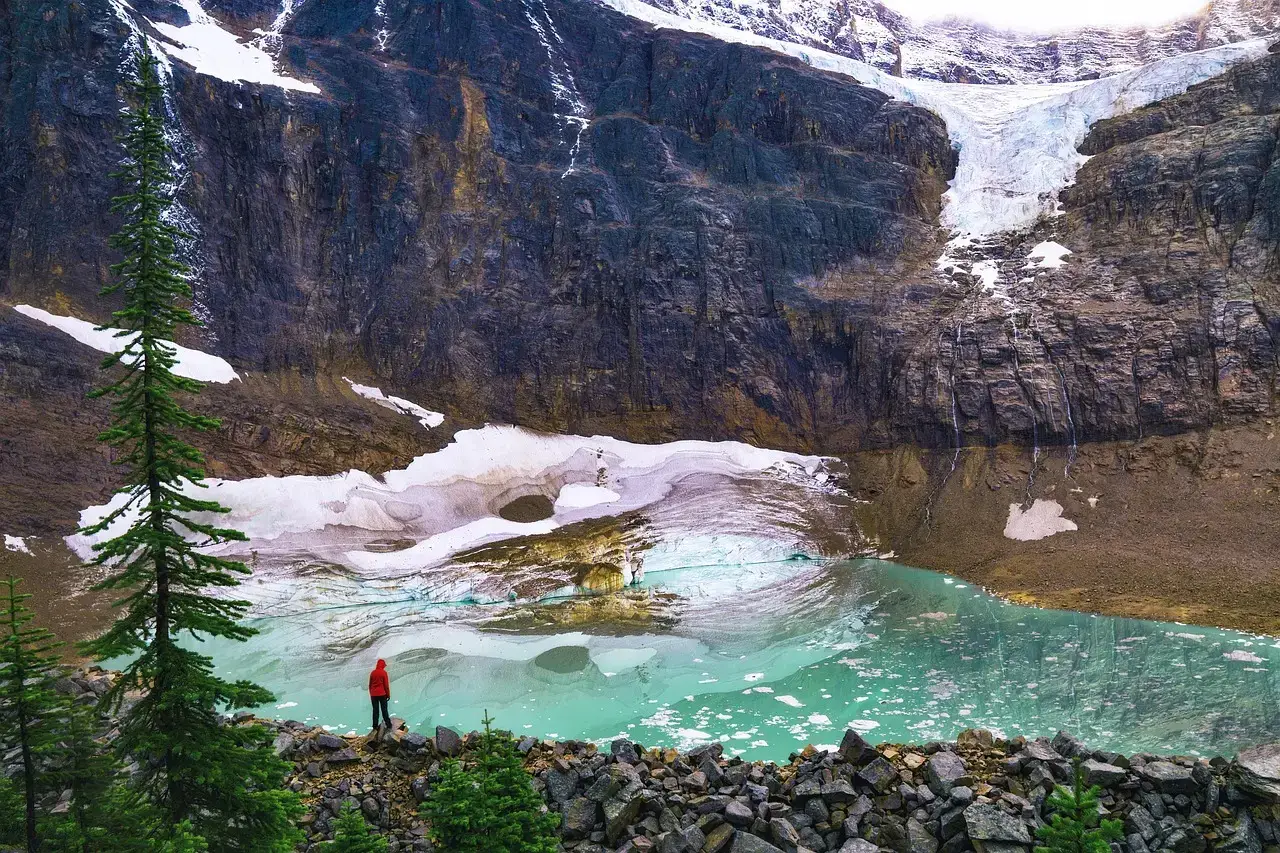
Looking across these eleven threads, it is hard not to feel a mix of fascination and discomfort. On one hand, the melting ice has delivered some of the most extraordinary scientific opportunities of our time: perfectly preserved animals and humans, tools that map out invisible trade routes, climate records that stretch beyond imagination. As someone who grew up devouring science magazines, part of me is honestly thrilled each time a new discovery hits the headlines.
But the context matters. None of these finds exist in a vacuum. Every mammoth, every arrow, every exposed peat layer is a symptom of a system that is warming too fast. The treasures are real, but so is the cost: unstable ground, eroding coastlines, cultural sites at risk, old diseases stirred up, and vulnerable communities forced into constant adaptation. It feels a bit like inheriting a beautiful library only because the house around it is on fire.
In my view, the most honest way to look at these discoveries is as messages rather than gifts. They remind us that climate change is not just about graphs and policies; it is about the literal reshaping of our planet’s memory. The ice is handing back our history, yes – but it is also warning us about our future. The real question is whether we treat these revelations as curiosities to scroll past, or as signals strong enough to change how we live now. Which side of that choice do you feel yourself leaning toward?