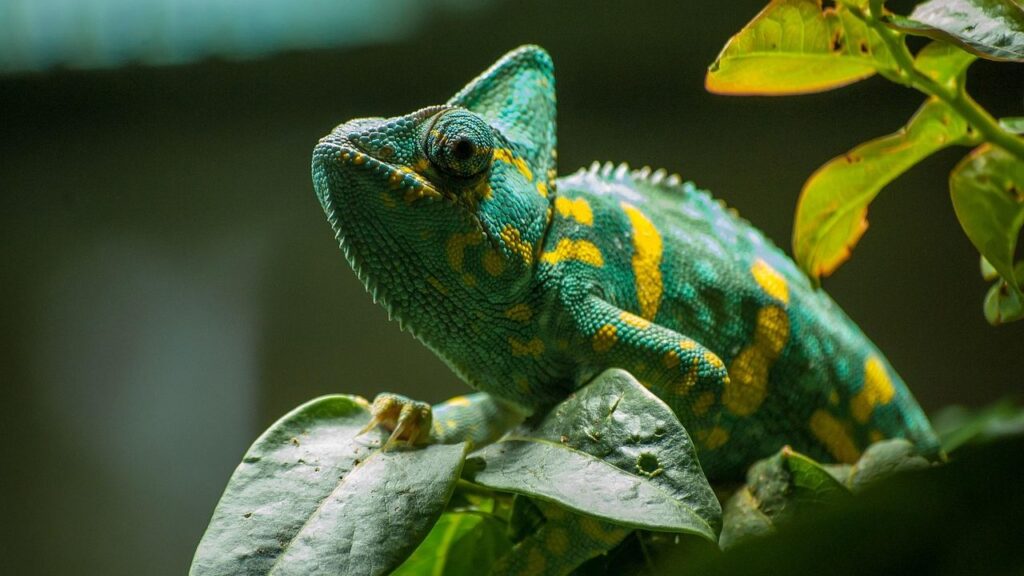

If you grew up thinking chameleons are just little color-changing lizards that blend into leaves, you’re in for a surprise. The more you look at them, the weirder they get: telescopic eyes, ballistic tongues, built‑in microclimates on their skin, and social dramas that look almost like soap operas in miniature. Researchers are still trying to untangle how all these odd features evolved and how they really work together in the wild.
As you read through these strange facts, you’ll notice a pattern: almost every time you think “OK, now I get chameleons,” something else breaks your mental model. That’s exactly why scientists keep studying them today. And if you’ve ever watched one climb a branch in slow motion with that odd rocking gait, you already know they feel like tiny aliens hiding in the trees. Let’s dive into what makes them so bizarre – and why the mysteries are far from solved.
1. Their Color Change Is More About Mood Than Camouflage
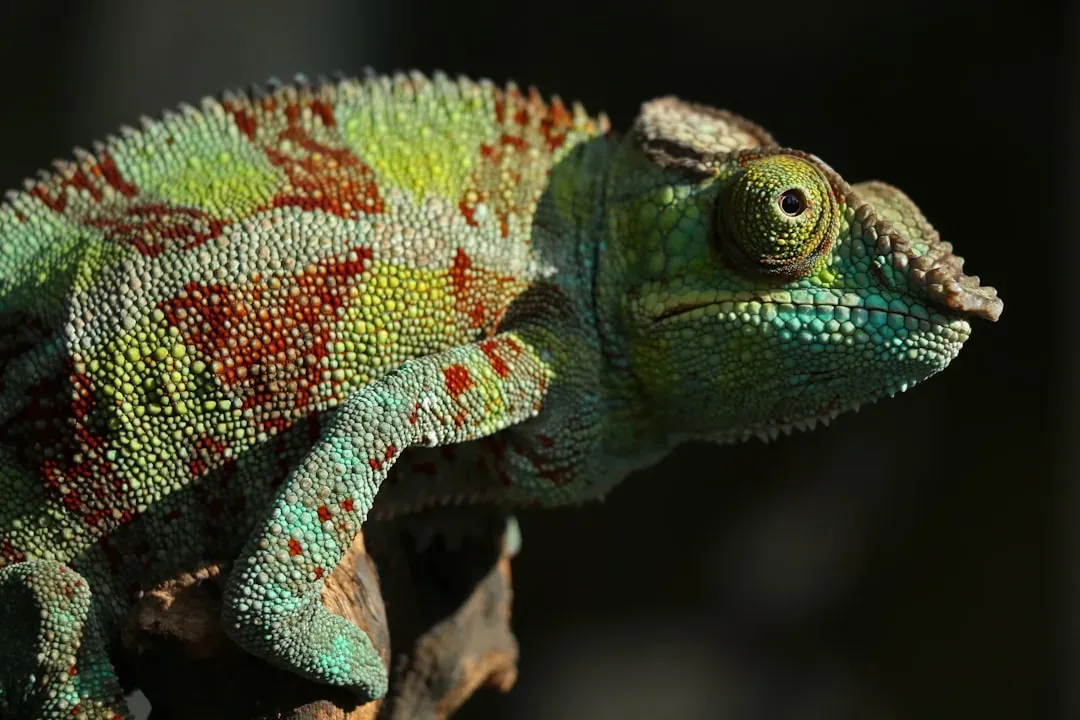
You’ve probably heard that chameleons change color to blend into their surroundings, almost like living cloaks of invisibility. In reality, you’ll see them shifting colors more often to talk to each other and to manage their own body temperature than to disappear. When you look closely, you’ll notice that a calm chameleon tends to be more muted, while an angry or frightened one can suddenly flash bold stripes and patches that almost look like warning signs.
Scientists have found that when a chameleon is stressed, trying to impress a mate, or squaring off against a rival, its colors can change dramatically within seconds. You’re essentially watching a mood ring with legs and a tail, broadcasting emotional states through patterns and brightness. Yes, they can still use color to blend in, especially to avoid predators, but if you think of color change as their language and thermostat first, and camouflage second, you’ll be much closer to the truth.
2. They Change Color With Crystal Nanostructures, Not Just Pigment
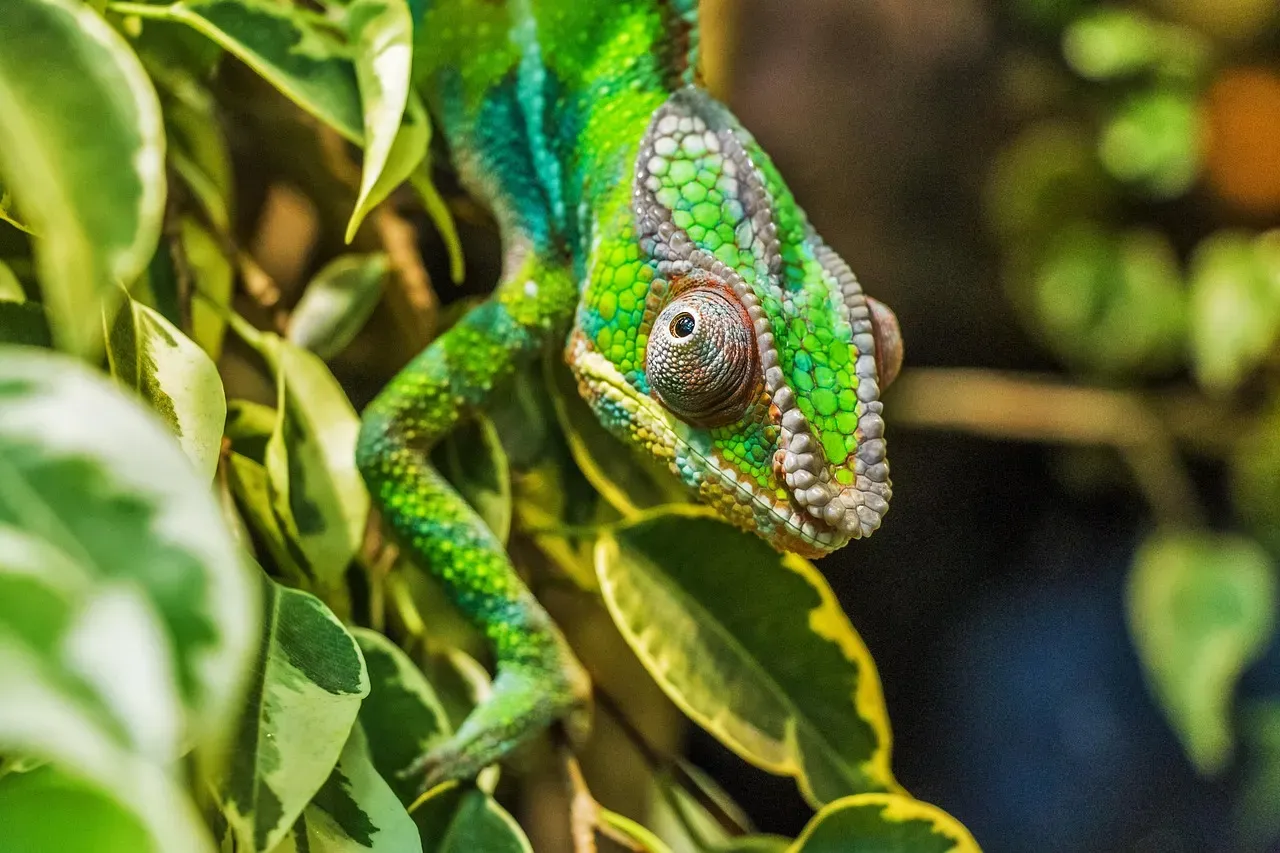
When you think of color in animals, you probably picture pigments, like ink in tiny biological paint pots. With chameleons, there’s a twist: under their skin, they have a layer of cells packed with microscopic crystals that reflect light in different ways depending on how those crystals are arranged. When a chameleon tenses or relaxes its skin, the spacing between these crystals shifts, and the reflected color changes, almost like adjusting the pixels on a microscopic screen.
For you, that means the green, blue, or yellow you see is not just dye; it’s physics in action. This crystal-based system can be fine‑tuned for very specific colors, which explains why some species can flash incredibly bright, almost neon shades. Researchers still study how precisely the animal’s nervous system controls those crystal arrays so quickly and reliably. You’re watching a living example of nanotechnology every time a chameleon “blushes” into a new shade.
3. Each Eye Moves Almost Independently Like a Tiny Periscope
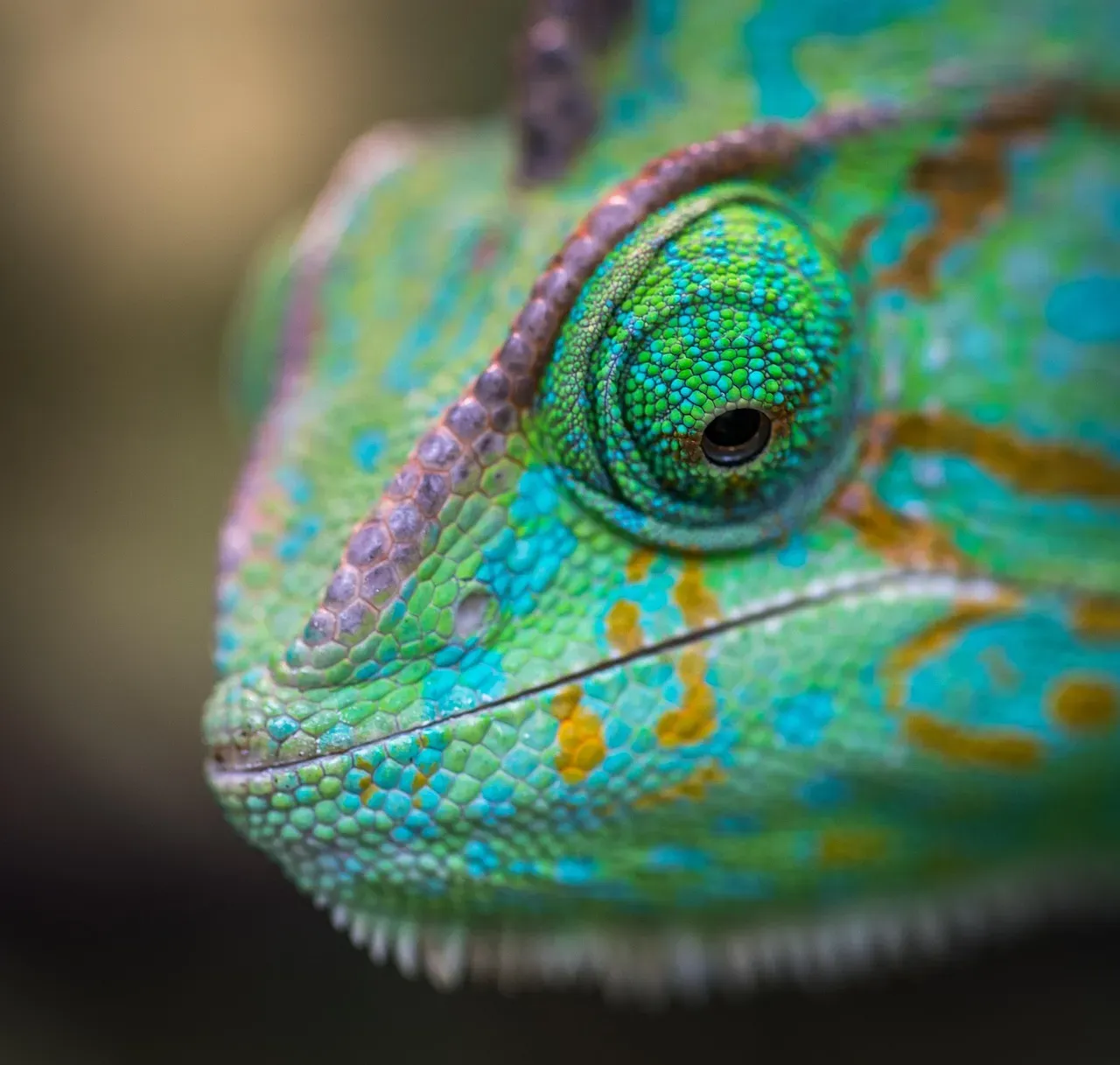
If you ever get the chance to watch a chameleon up close, focus on the eyes for a moment – they’re like rotating turrets. Each eye can move in a completely different direction, letting the animal scan nearly a full circle around its body without turning its head. You might see one eye staring forward while the other sweeps across the background, checking for predators or prey, all while the body hangs calmly on a branch.
What’s still wild to scientists, and to you when you think about it, is that the chameleon’s brain somehow stitches these two very different streams of visual information together. When it finally decides to strike at an insect, both eyes snap into focus on the same point in an instant, giving it sharp depth perception for a split second. You’re looking at a creature that lives with split-screen vision most of the time, then switches to full HD stereo mode when it needs precision.
4. Their Tongues Fire Out Faster Than a Sports Car Accelerates
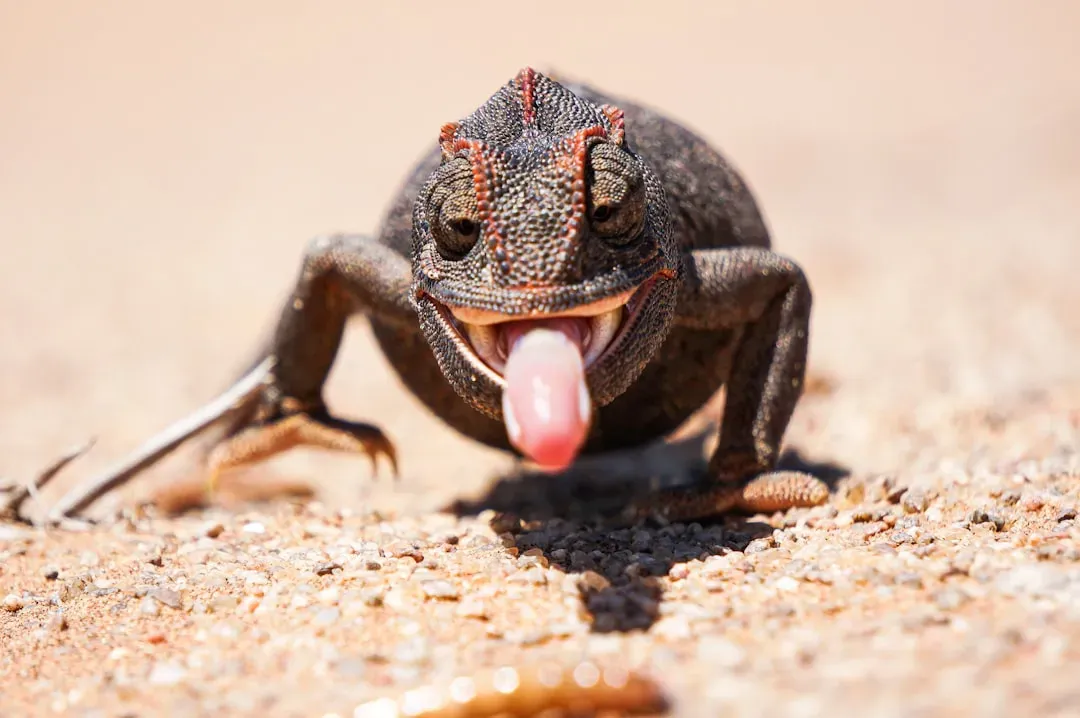
You might assume the star feature of a chameleon is its color, but if you care about raw performance, the tongue is the real show-stopper. When a chameleon spots an insect, it can launch its tongue at it in a tiny fraction of a second, reaching out about one and a half to twice the length of its own body in some species. If you compare the acceleration of that tongue to a high-end sports car, the chameleon wins by an absurd margin.
The trick is that the tongue works like a spring-loaded catapult powered by elastic tissues, not just muscle strength alone. The chameleon preloads this system, then releases it in a sudden burst, so the tongue shoots out and wraps around prey with a sticky tip. You’re basically watching a biological harpoon gun that can reload and fire again and again throughout the day. Scientists still dig into the biomechanics because this extreme performance could inspire new designs in robotics and engineering.
5. They Grip Branches With Zygodactyl Feet and Prehensile Tails
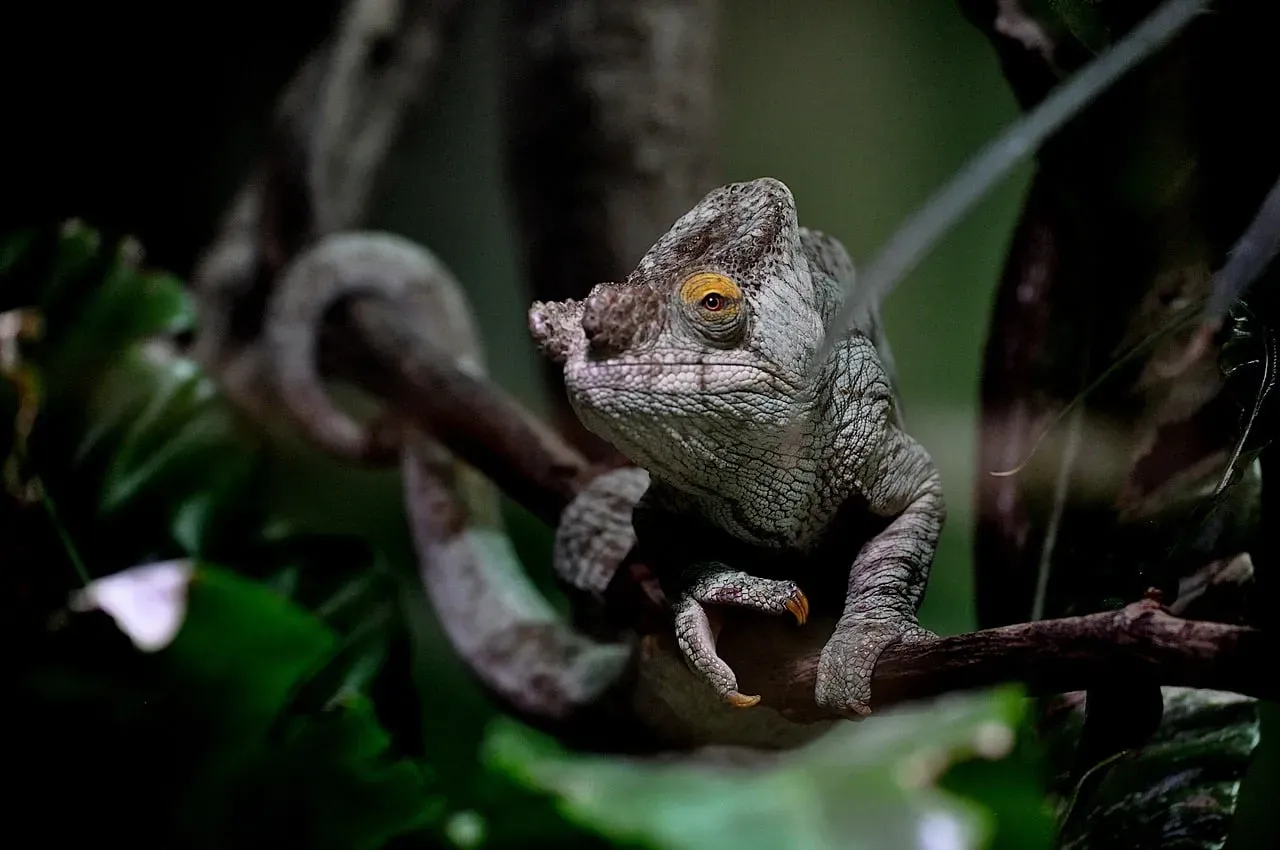
At first glance, a chameleon’s feet look a bit like weird mittens, and that’s not far off. Instead of spreading their toes like many lizards, they bunch them into two opposing groups, which helps them clamp down on branches like tiny pliers. When you picture them walking, you can almost feel how carefully each foot folds around the branch, trading speed for stability so they don’t slip in their three-dimensional world of twigs and leaves.
On top of that, many species have a prehensile tail that works like an extra hand for gripping. If you watch one move, you’ll see the tail wrap and unwrap as a backup safety line, especially when a step looks tricky or a branch sways. You’d probably feel more confident climbing if you had five gripping points instead of four, and that’s exactly the advantage they have. Researchers still explore how the nervous system coordinates all these grips together to keep the animal balanced in complex habitats.
6. Their Bones Glow Under Ultraviolet Light
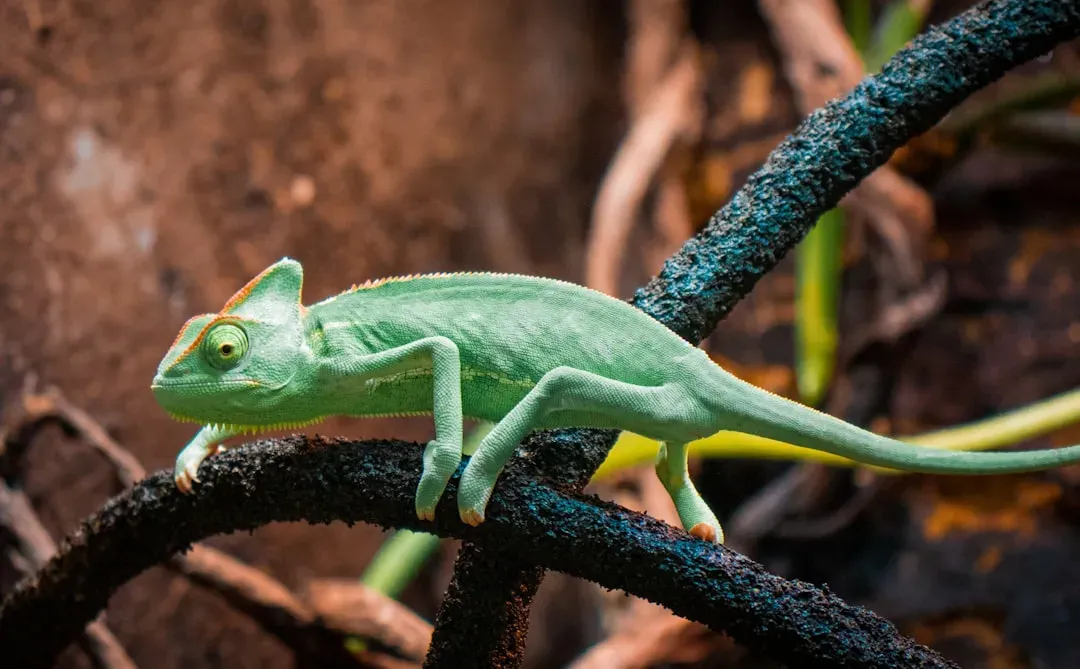
Here’s a fact that feels almost supernatural: when you shine ultraviolet light on certain chameleons, their bones glow through their skin. Many species have tiny bony projections on their heads and faces that fluoresce under UV, creating dot patterns you can’t see in normal daylight. So, if you step into their world with a UV flashlight, you suddenly discover hidden markings like a secret code.
Scientists suspect that these glowing patterns may play a role in communication, especially because chameleons can see into the UV range better than you can. Where you see a plain green or brown animal, another chameleon might see bright constellations of glowing spots. Researchers are still figuring out how much these patterns influence mate choice, territory defense, or recognition of individuals. To you, it feels like learning that there’s an invisible ink drawing on every chameleon’s face, visible only under the right light.
7. They Rock Back and Forth to Confuse Predators and Prey
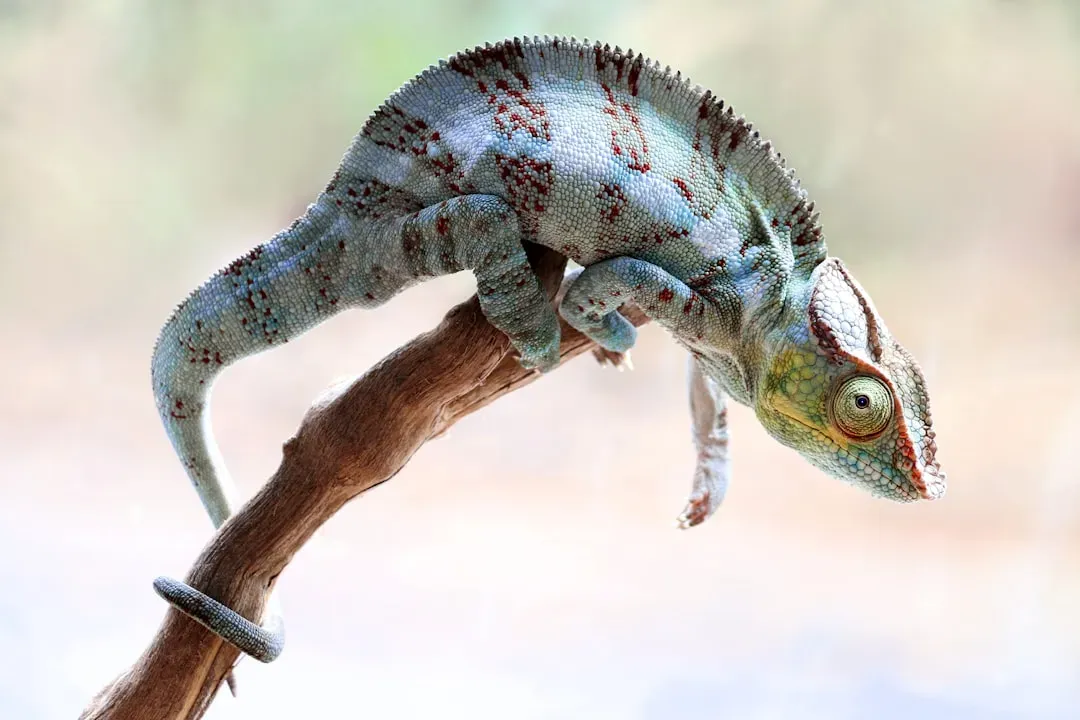
If you’ve ever noticed a chameleon moving in that odd, swaying way, almost like it’s dancing in place, that motion is not just clumsiness. The rocking movement mimics leaves shifting in the wind, which can make it harder for both predators and prey to pick out the lizard’s outline. When you watch it long enough, it starts to feel less like walking and more like a slow, deliberate performance designed to be overlooked.
This swaying also helps the chameleon judge distances more accurately, since tiny shifts in perspective give the brain more visual information about how far away something is. For you, it’s a reminder that not all motion is about speed; sometimes moving strangely is better than moving fast. Researchers still study exactly how predators respond to this behavior and how much it really reduces detection. Either way, you’re looking at a creature that has turned awkwardness into strategy.
8. Their Skin Helps Them Control Heat Like a Living Solar Panel
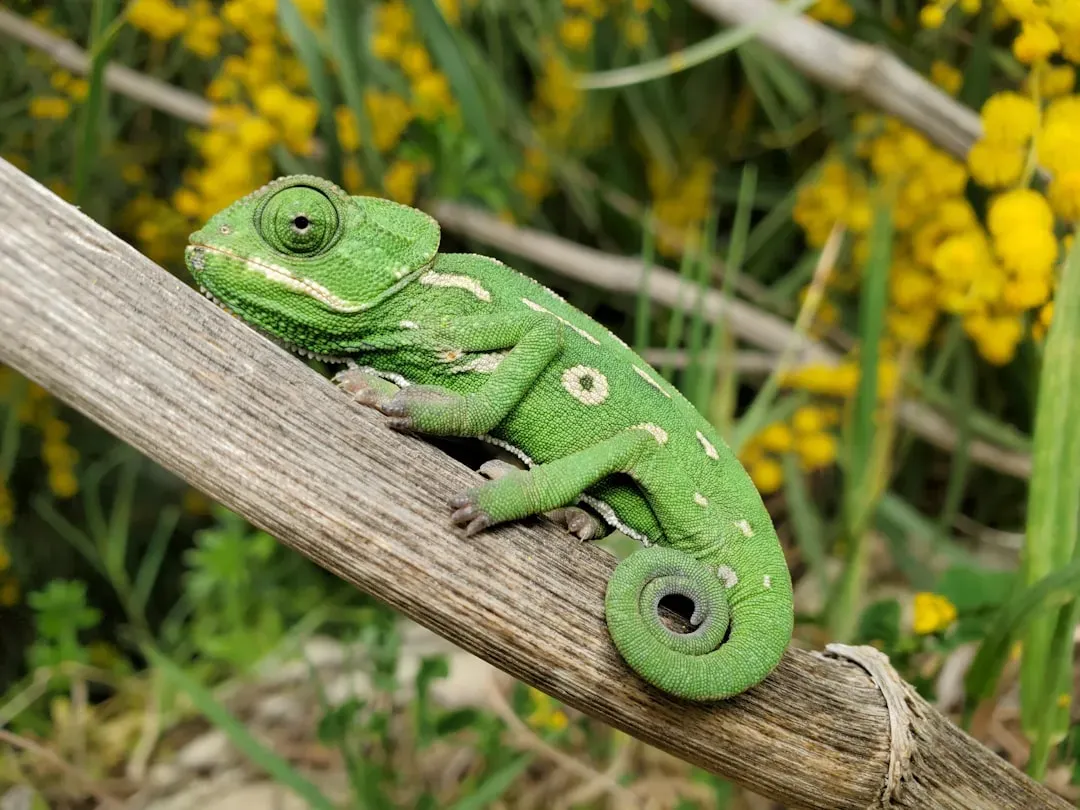
Because many chameleons live in environments where temperatures swing dramatically throughout the day, they need a smart way to manage heat. Their skin does more than just display colors; it actually plays a role in temperature regulation. By shifting toward darker shades, a chameleon can absorb more heat from sunlight, and by turning lighter, it can reflect more energy and stay cooler, almost like a wearable, adjustable shade system.
When you imagine a chameleon basking in the morning, dark and soaking in warmth, then later flashing paler colors to avoid overheating, you’re seeing a creature fine‑tuning its own microclimate hour by hour. Scientists are still exploring how precise this control really is and how it interacts with those underlying crystal cells that affect color. For you, it’s a glimpse of what future smart fabrics might try to copy: clothing that changes color and heat absorption to keep your body comfortable without any electronics.
9. Many Species Lay Eggs, but Some Give Birth to Live Young
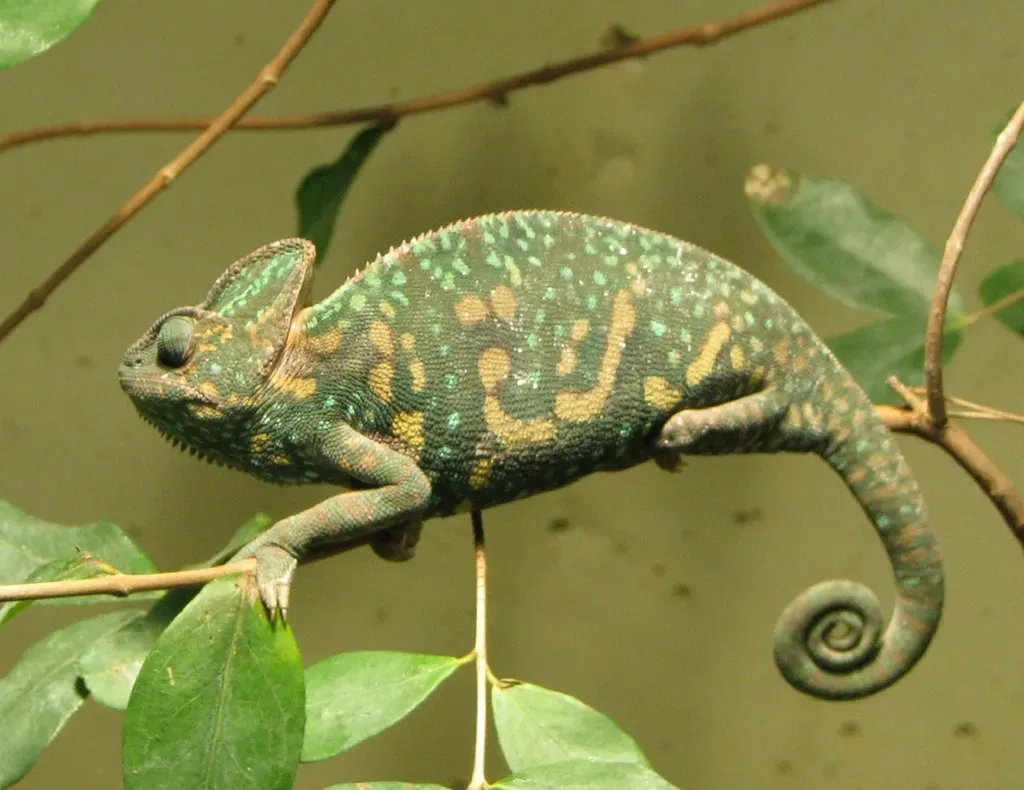
You might assume that all lizards lay eggs and walk away, but chameleons complicate that picture. In some species, females bury clutches of eggs in the soil and let time and temperature do the rest. In others, the young actually develop inside the mother and are born live, emerging fully formed and ready to cling to branches within moments. You’re seeing two very different strategies for starting life packed into this one group of animals.
Researchers still study why certain environments seem to favor egg-laying while others lean toward live birth. If you think about cold or highly variable climates, keeping developing young inside the body for longer can give them a more stable environment. On the other hand, laying eggs lets a female invest in more offspring with less ongoing cost. When you look at a chameleon, you’re not just seeing an animal; you’re seeing a set of evolutionary trade-offs still being debated and mapped out in field studies.
10. Their Social Lives Are More Dramatic Than You’d Expect
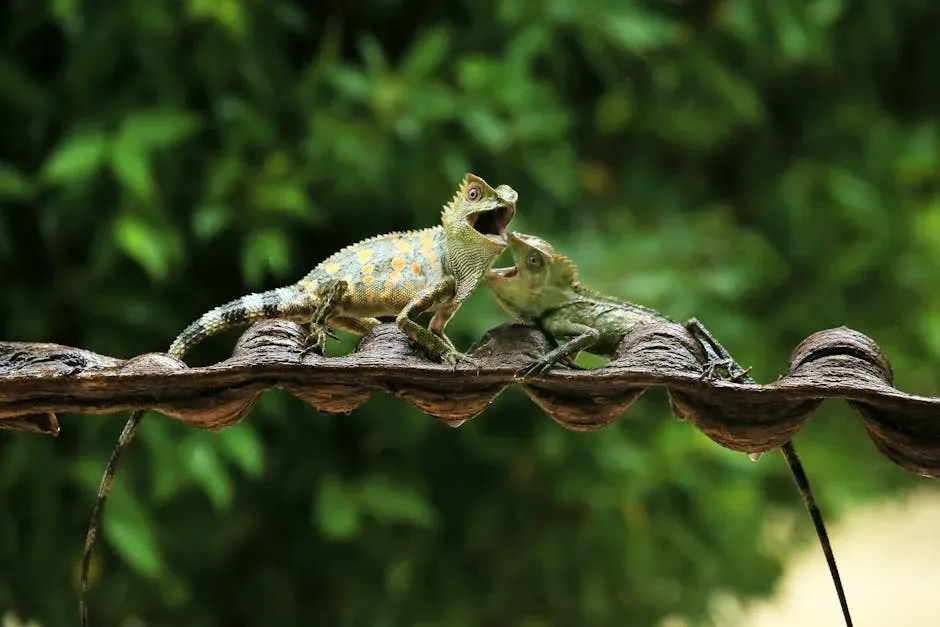
It’s tempting to picture chameleons as solitary, introverted tree-dwellers that avoid all contact, but their interactions can get intense. When two males meet, you’ll often see sudden color changes, body inflation, and slow-motion posturing that looks surprisingly theatrical. You’re essentially watching a nonverbal argument unfold through shade, pattern, and posture before any actual biting occurs.
Even courtship can be fraught, with females sometimes signaling clear rejection through dark, contrasting colors and aggressive body language. Scientists are still working out how finely tuned these signals are and how much individual variation exists in color-based communication. For you, it means that what looks like random color flickering is often a very specific message to another chameleon. Their world is full of visual conversations you might miss if you assume they’re just sitting quietly on branches all day.
11. They’re Surprisingly Sensitive and Often Struggle in Captivity
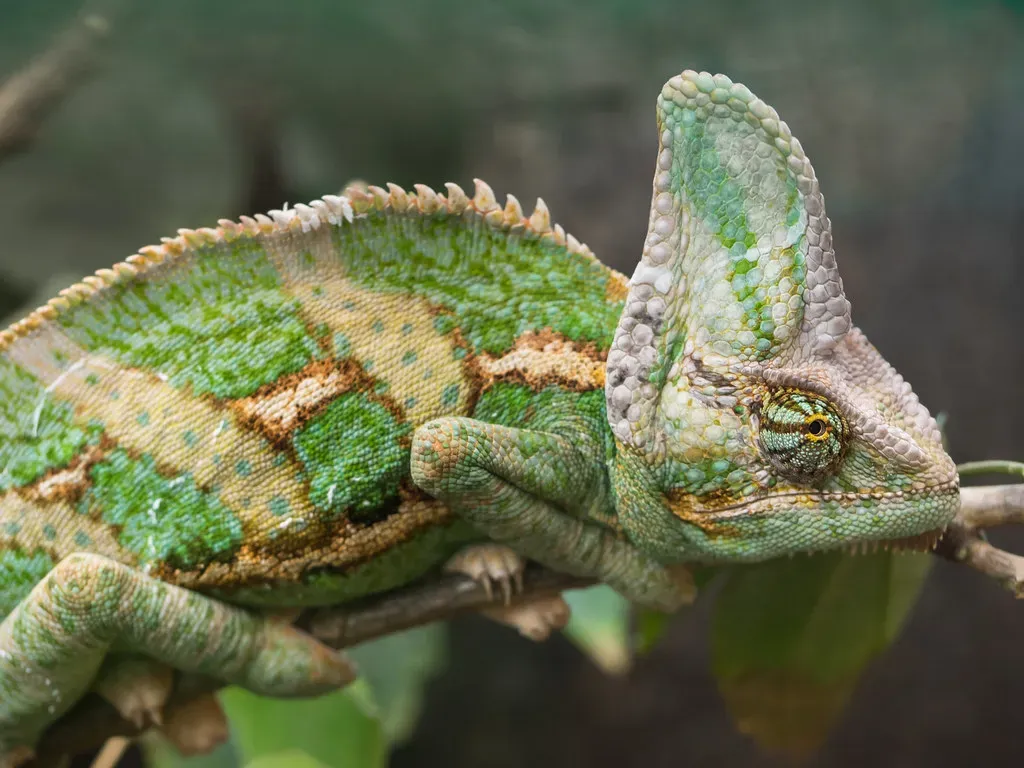
Because chameleons look so tough and armored, you might underestimate how delicate they really are. In captivity, many species are extremely sensitive to stress, dehydration, improper lighting, and poor nutrition. A chameleon that looks fine one week can decline quickly if its environment is off, which is why many experienced keepers talk about how demanding they are compared to other reptiles. You’re dealing with an animal whose biology is tightly tuned to complex natural conditions.
Scientists and veterinarians still study how best to recreate crucial elements of their wild habitats, from humidity cycles and UV light exposure to the structure of plants they climb. If you ever consider keeping one, you quickly learn that you’re not just buying a pet; you’re building a tiny, living ecosystem around it. For you, this strange fact is a humbling one: the same adaptations that make chameleons so fascinating are exactly what make them fragile when taken out of their forests and mountains.
Conclusion: A Tiny Lizard With Giant Mysteries
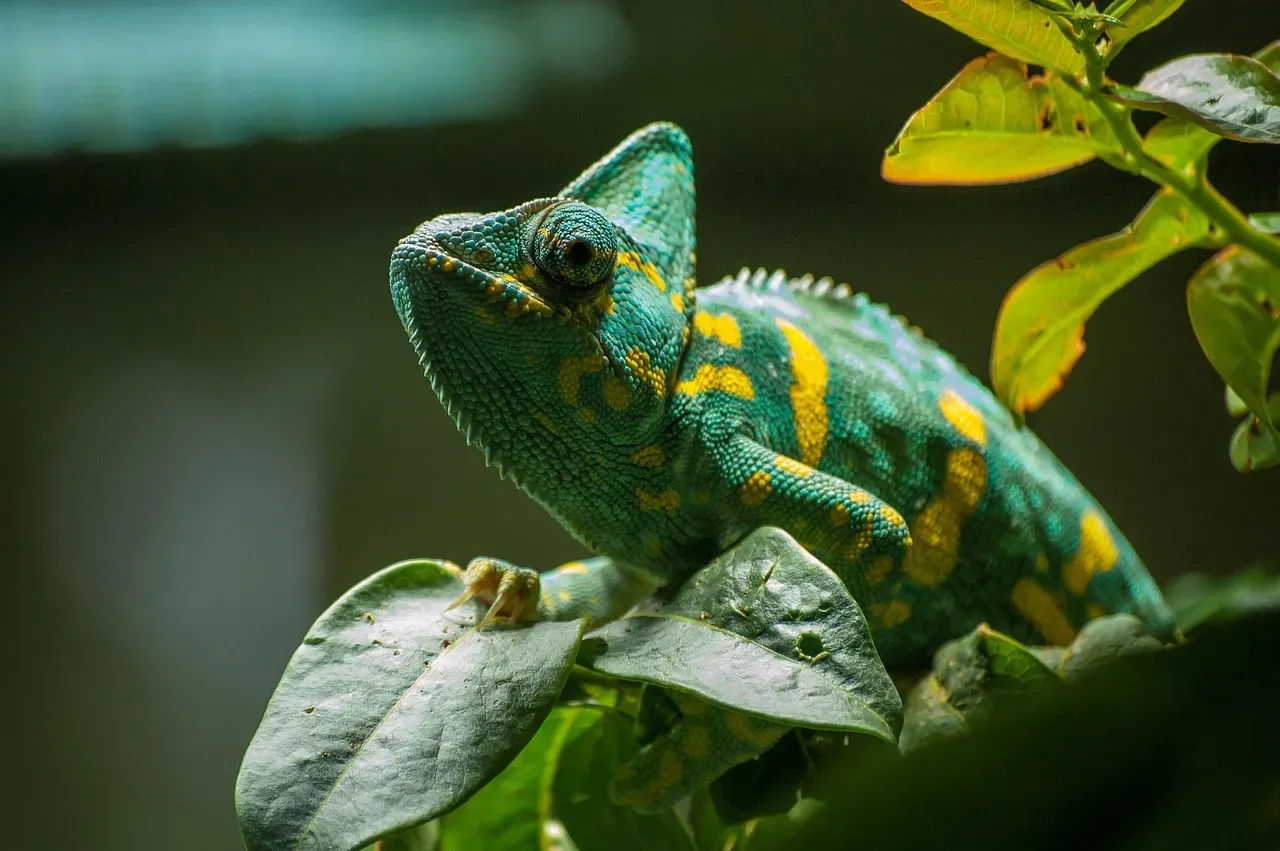
When you put all these facts together – the color‑shifting nanocrystals, the telescoping eyes, the harpoon tongue, the glowing bones, and the fragile health – you start to see chameleons as much more than a fun visual trick. You’re looking at a bundle of extreme adaptations pushed close to the limits of what biology can do. That’s why researchers keep coming back to them: each quirk opens up new questions about physics, evolution, and behavior that still do not have neat, final answers.
The next time you see a picture or video of a chameleon, you can look past the surface and imagine the hidden engineering and unresolved mysteries behind every tiny movement and color shift. You now know that there’s a lot going on that your eyes can’t see, from ultraviolet signals to microsecond tongue launches and finely tuned climate control built right into the skin. In a world where many animals seem familiar, this little lizard still manages to feel alien. Which of these strange abilities would you want for yourself if you could borrow one for a day?