Imagine walking into a building that has been locked for decades and finding jars still lined up on the shelves, tools hung where someone left them after the last harvest, and a forgotten coat still on a hook by the door. It feels like someone stepped out for a minute and simply never came back. These frozen-in-time stores, barns, pantries, and workshops have become some of the most hauntingly beautiful snapshots of how people once prepared for winter.
Across cold regions of the world, people have always understood one thing: if you don’t prepare for the winter, the winter will prepare you. That meant filling cellars, stacking wood, salting meat, packing grain, and making sure every single corner of storage space was ready before the first snow settled in. When those preparations survive untouched, they turn into accidental time capsules that tell us more than any history book ever could.
This article dives into eleven such “found as they were” winter stores: some real-world case types archaeologists and historians study, others generalized examples drawn from patterns across Europe, North America, and parts of Asia. They show how people survived, struggled, and sometimes disappeared, leaving behind silent rooms still bracing for a winter that never came. They are eerie, sometimes heartbreaking, and surprisingly relatable.
#1 The Mountain Farm Pantry Left After the Last Snow
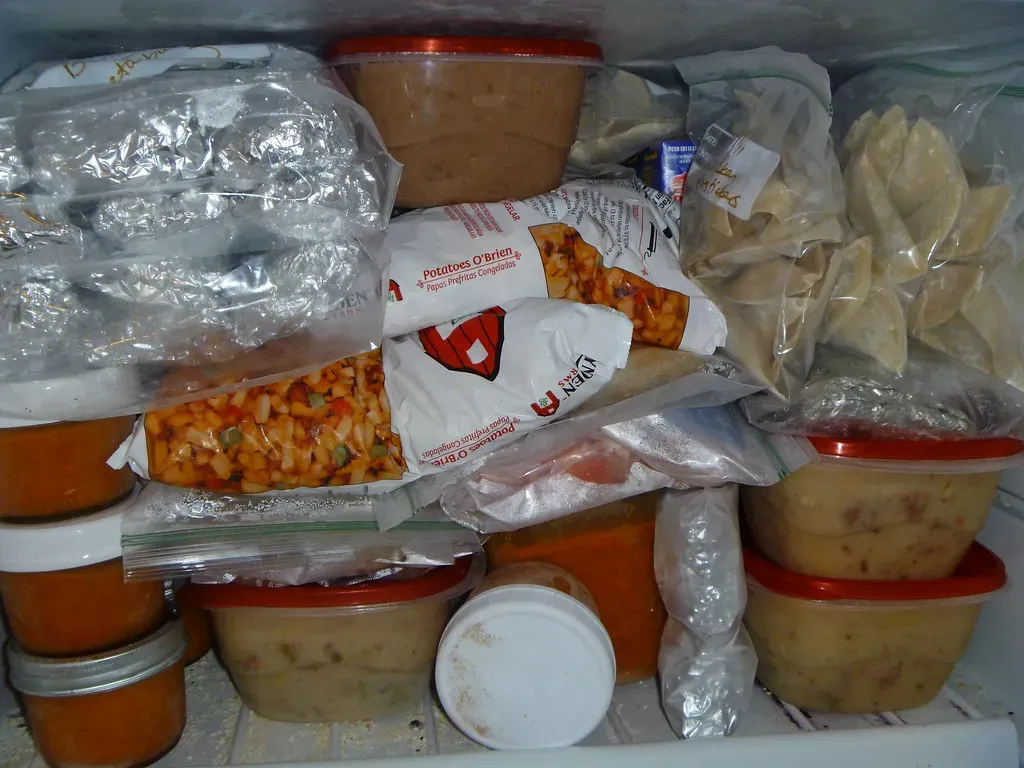
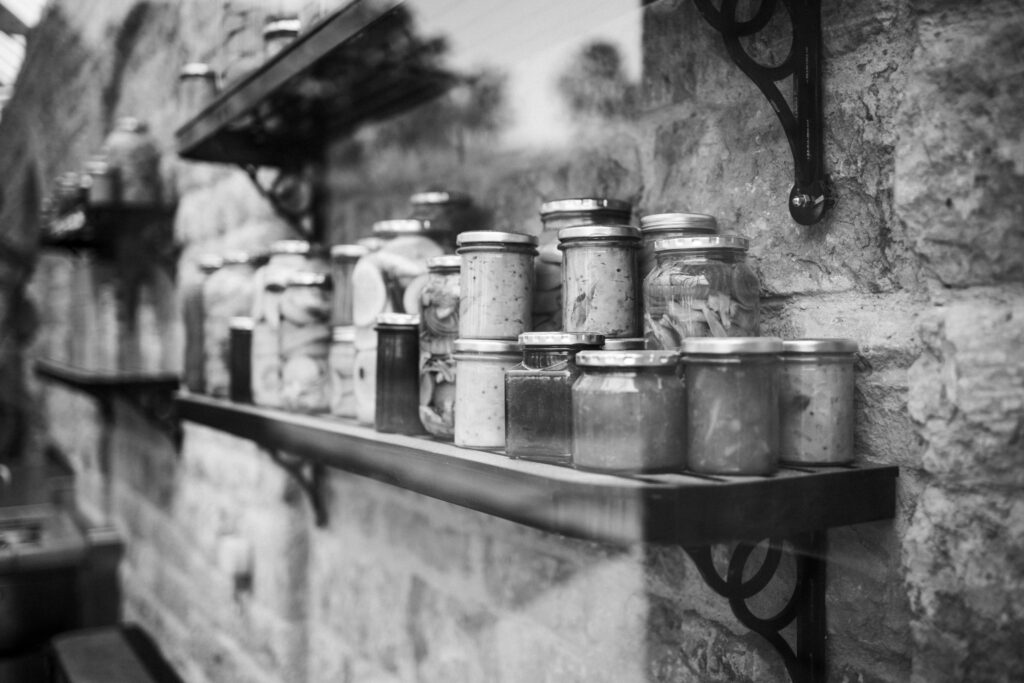
Picture a remote mountain farmstead: stone walls, a sagging roof, and nothing to suggest anything special. Yet in the pantry, shelves remain stacked with jars of berries preserved in syrup, pickled vegetables in cloudy brine, and heavy sacks of flour collapsing in slow motion over years. The labels have faded, but you can still make out dates from the mid-twentieth century. It feels as though the family left one autumn and never made it back up the mountain road.
What makes this kind of discovery so powerful is how intimate it is. You see the logic of their winter: root crops in the coolest corner, jars of high-calorie jams within easy reach, firewood piled right by the door so no one had to step into deep snow to fetch it. The decisions are small but life-or-death in a harsh winter, and the layout of the pantry reads almost like a survival manual written in wood and glass instead of words.
Finds like these are also data goldmines for researchers. They can study what crops were common, how people balanced carbohydrates and fats, and which preservation techniques held up best over decades. Mold patterns on bread, salt crusts on cured meats, and insect damage in grain all tell their own quiet stories. For anyone who’s ever stacked their own pantry, it’s impossible not to feel a sudden jolt of recognition.
- Careful zoning of foods according to temperature and light
- Reliance on preserved carbohydrates like grains, flour, and root crops
- Use of glass jars and metal lids as the backbone of winter survival
#2 The Abandoned General Store on a Snowy Highway
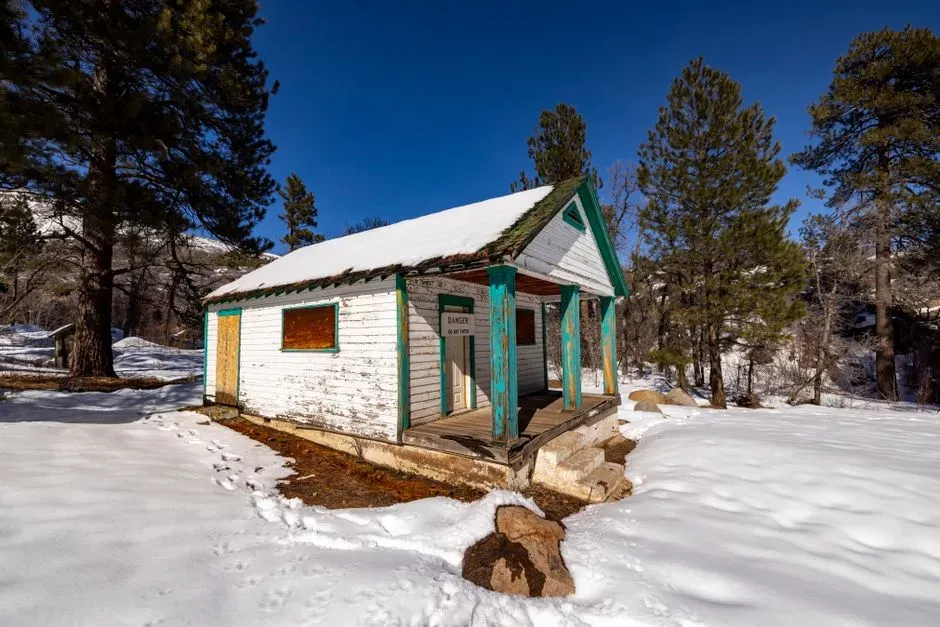
There is a specific kind of ghost along old snowbelt highways: the boarded-up general store with its faded sign and drifting snowbanks pressing against the doors. In some cases, when such stores are finally opened for redevelopment or safety checks, the inside can look startlingly intact. Shelves still hold tins, old packaging, and even hand-written IOU notes behind the counter. The last delivery invoices and calendars on the wall often stop on a particular winter.
Mom-and-pop general stores were the winter lifelines of rural communities. They sold everything from kerosene and candles to flour, wool socks, and medicine. When snowstorms closed roads, these stores were where people lined up with ration books or cash to grab the essentials. To find one frozen exactly in that role, stocked and waiting, feels like seeing a stage after the audience has vanished but the play never ended.
Historians read these spaces like layered archives. The brands on the shelves reveal trade links and supply chains; the proportions of food to tools to fuel show what winters actually demanded; even the presence of children’s toys or sweets hints at attempts to keep up morale during long dark months. It turns a crumbling clapboard building into a social mirror of a community that once depended on it.
- Old invoices and calendars lock the store to a specific winter season
- Shelves show how communities prioritized food, fuel, and small comforts
- Packaging acts as a visual timeline of consumer life in remote regions
#3 The Wartime Cellar Sealed Under Rubble
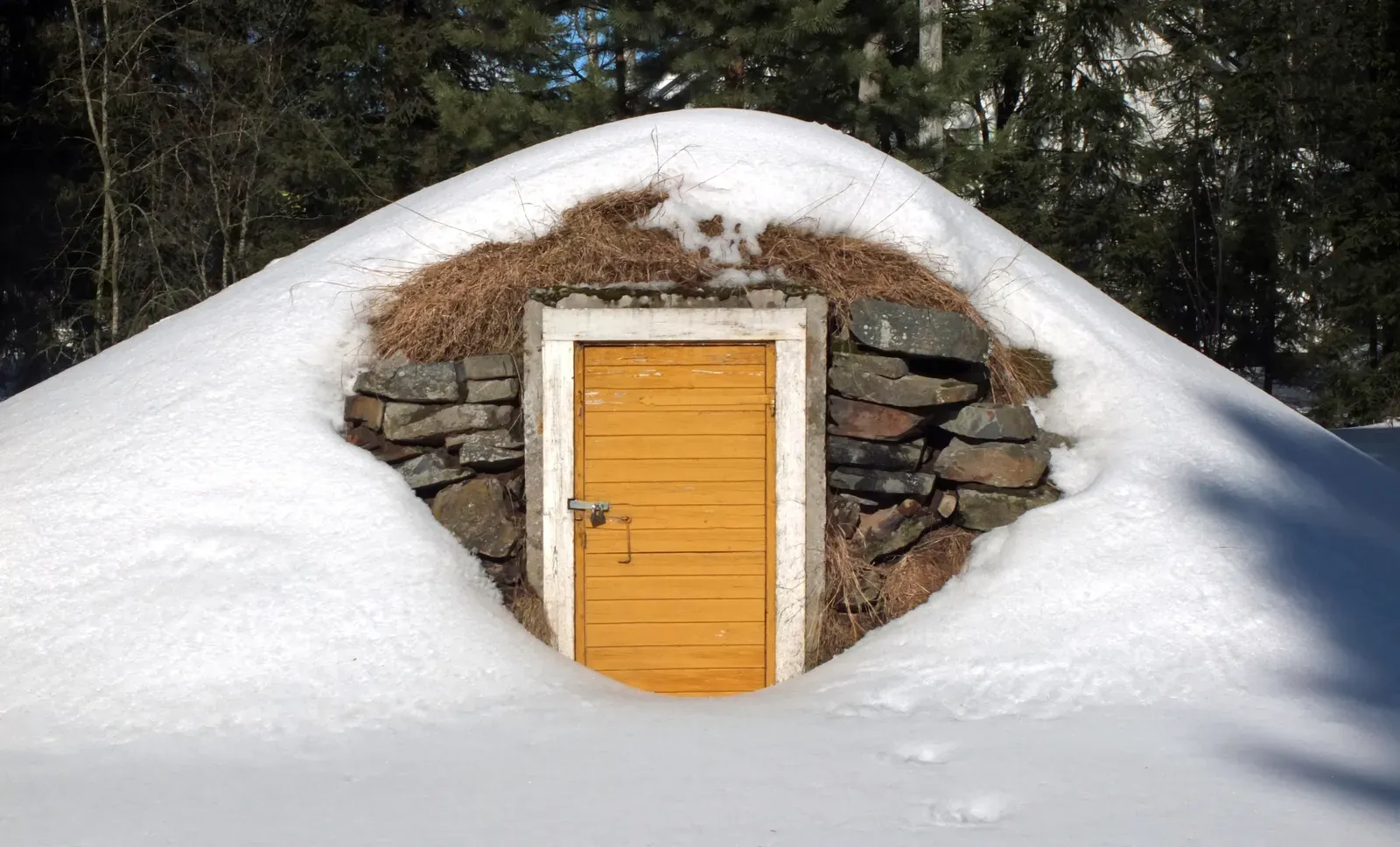
Some winter stores were not abandoned slowly but buried violently. In cities and villages hit by bombing or artillery, basements and cellars often became shelters and storage simultaneously. When buildings collapsed, those underground rooms could be sealed tight. Decades later, construction crews or archaeologists sometimes uncover cellars that still hold rows of canned goods, sacks of grain turned to dust, and even handwritten inventory lists prepared ahead of a feared winter siege.
What strikes people first is the sense of urgency in these spaces. Instead of calm, orderly winter preparation, everything feels compressed: extra blankets stacked beside fuel, medical kits next to jars of preserves, and sometimes homemade stoves rigged to vent through improvised chimneys. You can tell that the people who stocked this cellar were preparing for both cold and conflict, expecting the streets above to become too dangerous to cross.
I remember seeing photos of one such cellar and being stunned by how ordinary the items were. The jars and tins looked just like the ones in my grandparents’ pantry, but the context was utterly different. It drove home how thin the line is between normal winter frugality and survival under siege. The material culture barely changes; the meaning changes completely.
#4 The Arctic Expedition Cache Waiting in the Permafrost
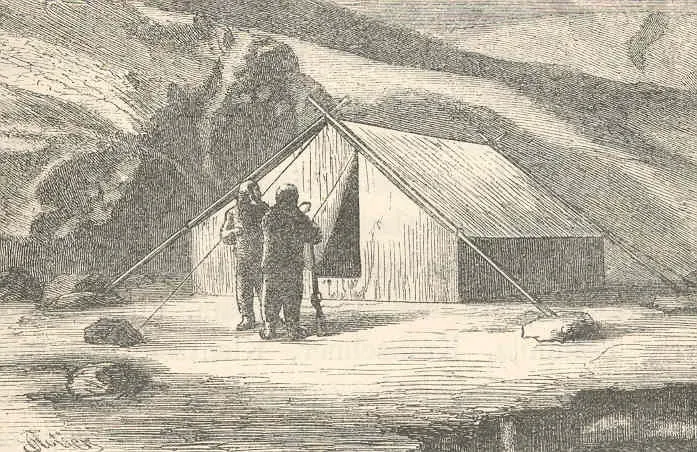
Polar and high-latitude expeditions have left behind some of the most literal “winter stores” on Earth: supply depots buried in snow, marked by cairns or simple wooden stakes. In a few notable cases, caches have been rediscovered more than a century later, with tins of pemmican, biscuits, chocolate, and medicinal alcohol still exactly where they were packed. The extreme cold acts like a natural deep-freeze, halting decay in a way most climates never could.
These caches were life insurance policies for explorers, laid down in advance in case the main expedition ran short on supplies or had to retreat. The contents were ruthlessly practical: calorie-dense foods, fuel, spare clothing, and sometimes emergency medical gear for frostbite and scurvy. To open one now is to step into the mindset of people who expected the winter to be not just uncomfortable, but actively predatory.
Researchers treat these depots as controlled time capsules. They can analyze how expedition nutrition was planned, compare the advertised calorie content of rations to their real composition, and see how packaging fared under repeated freeze–thaw cycles. There is often something almost painfully human in the details: a carefully wrapped piece of chocolate, a note tucked into a crate, or the way supplies are organized so that the most critical items are easiest to access with numb hands.
- Permafrost preserves food, packaging, and even handwritten labels astonishingly well
- Item choices reveal what explorers understood about cold-weather nutrition and risk
- Cache locations map out routes, hopes, and contingency plans of the original teams
#5 The Soviet-Era Village Shop Left After a Sudden Closure
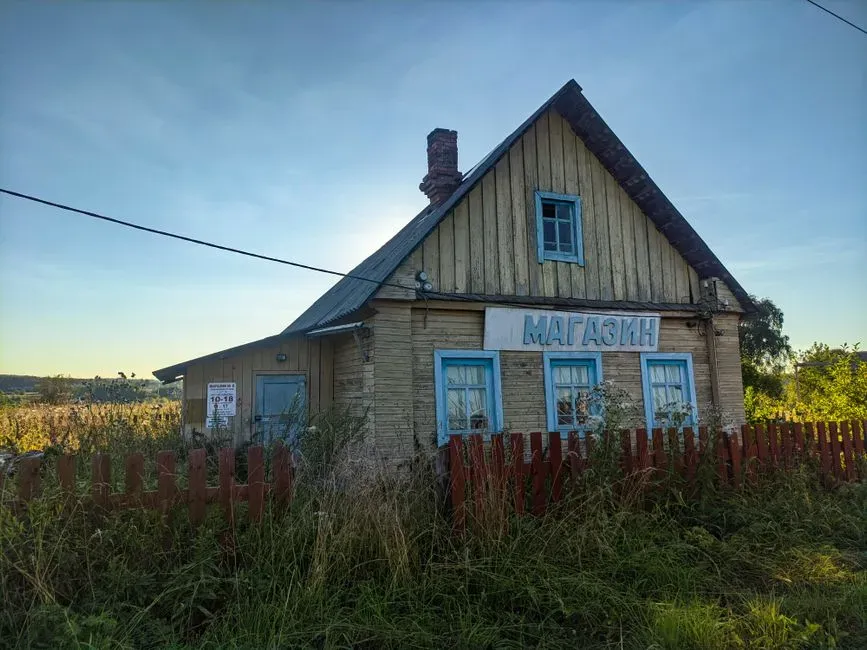
In parts of the former Soviet Union, rapid economic shifts in the late twentieth century left village shops and storage depots abruptly shuttered. When some of them were later reopened, investigators found shelves still stacked with standardized tins, bulk grains in sacks stamped with state logos, and fuel canisters lined up like a small metal army. Many of these stores had clearly been stocked in anticipation of another long, resource-scarce winter.
These spaces feel very different from small capitalist general stores. The range of items is narrower, the branding almost monotonous, and the entire layout reflects centralized planning instead of local improvisation. Yet the winter logic is still there: carbohydrate-heavy staples, preserved vegetables, tea bricks, sugar, and margarine. The store might have been politically controlled, but winter did not care about ideology.
For historians and economists, such finds are concrete evidence of how centrally planned systems tried to manage seasonal risk. They show what products were prioritized, how much of each was delivered, and how robust the supply chain was in remote areas. They also capture a particular emotional world: the quiet ritual of queueing for winter goods, the careful saving of ration coupons, the hope that this year’s deliveries would be enough.
#6 The Deserted Homestead Root Cellar in the Snowbelt
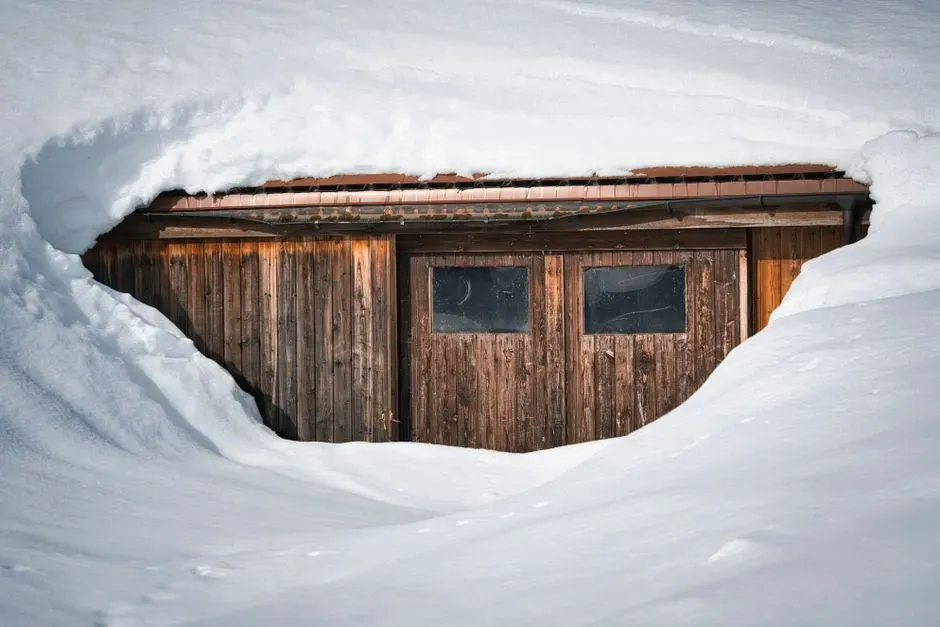
In farm country where winters are long and snow stretches for months, the root cellar was once the beating heart of winter survival. Underground, cool, and dark, these spaces stored cabbages, potatoes, carrots, beets, and apples packed carefully in sand or straw. When homesteads were eventually abandoned due to urban migration or farm consolidation, some root cellars simply drifted out of memory, their doors half-buried by leaves and snow.
Every now and then one is rediscovered, and the interior can be jaw-dropping. Wooden bins still divide the space by crop type, old baskets sit exactly where they were dropped after a final harvest, and shriveled plant remains cling to cracks in stone walls. Even where the food has long since decayed, the structure of the storage system remains like a blueprint of seasonal life.
What fascinates agronomists and archaeologists is the sheer efficiency built into these simple designs. Positioning, ventilation, and humidity control were all carefully managed without modern technology. Families knew exactly where to put what: hardy roots near cooler outer walls, more fragile apples away from potential frost, and preserved jars up off the floor. It is low-tech engineering honed by generations who could not afford to experiment and fail.
- Root cellars used natural insulation and airflow to stabilize temperature
- Simple layout decisions often meant the difference between abundance and hunger
- Surviving bins, hooks, and shelves show a family’s seasonal priorities at a glance
#7 The Frozen Fishing Village Storehouse on the Shore
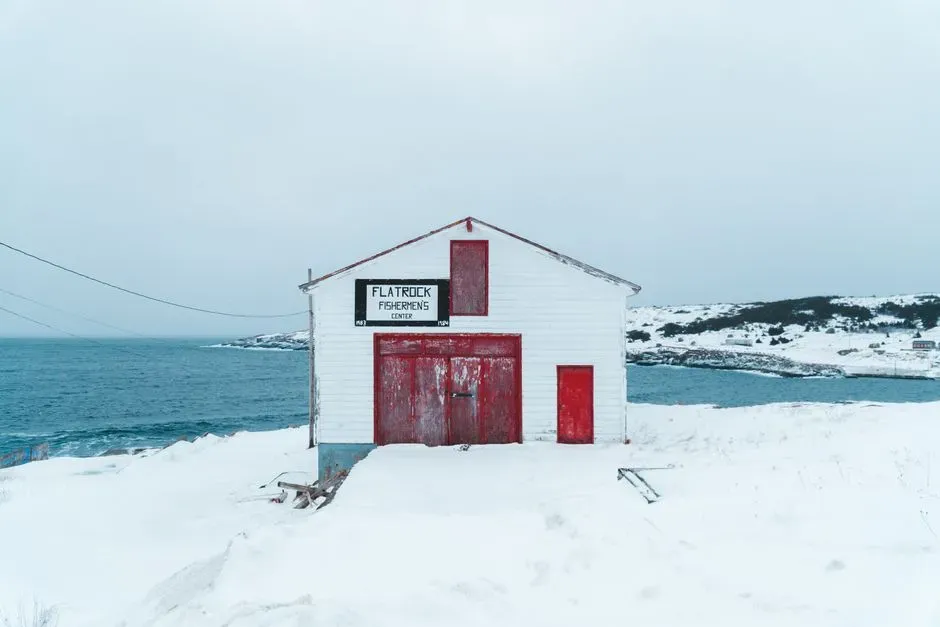
Along cold northern coasts, small fishing villages once depended on communal or family storehouses to get through dark winters when storms made the sea too dangerous. These buildings held barrels of salted fish, nets mended during the off-season, spare boat parts, and often communal tools for cutting ice and clearing harbors. When such villages were abandoned due to changing fish stocks or economic shifts, the storehouses sometimes remained closed and intact.
Opening one decades later, in the dead of winter, is an almost cinematic experience. You step into a space that smells of salt and old rope, where hooks hang in orderly rows and heavy wooden barrels stand shoulder to shoulder, many still ringed with crusted salt. In some cases, old logbooks or chalk notations on the walls still tally catches from the last working season, cutting off like a sentence that never got finished.
Anthropologists see these storehouses as evidence of the collective side of winter preparation. They were not just about individual families but whole communities sharing risk and resources. The ratio of tools to food, the presence or absence of emergency items like lamps and medical supplies, and even how the keys were controlled reveal how trust and responsibility were organized in a harsh climate. It is social history written in wood, iron, and salt.
#8 The High Alpine Military Depot Buried in Snow
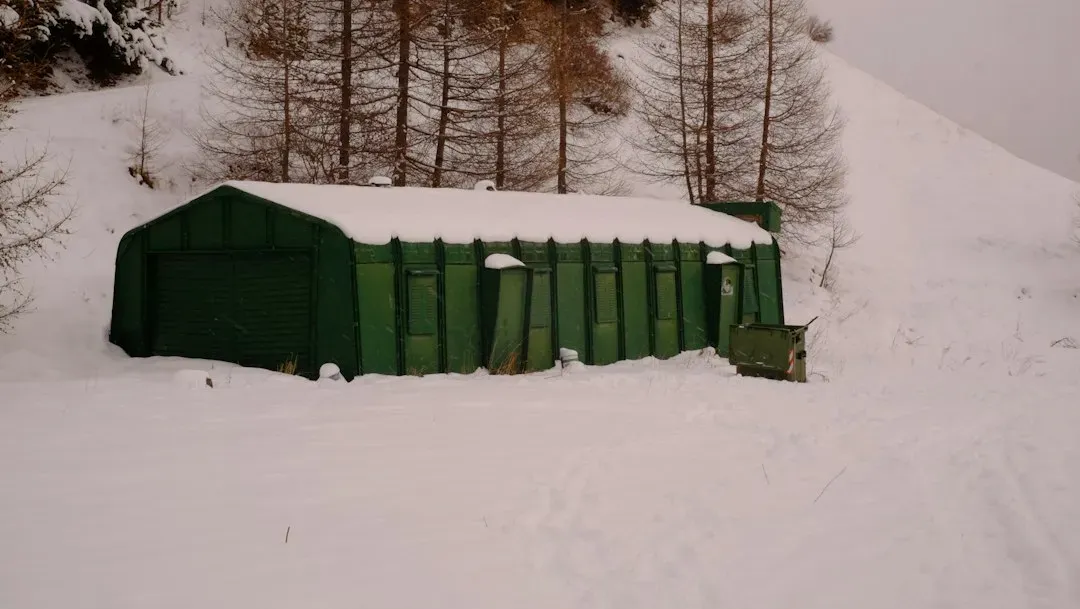
Mountain warfare in the twentieth century produced another kind of winter store: high alpine depots filled with rations, ammunition, medical supplies, and cold-weather gear. In some regions, old bunkers and ammunition dumps are still being discovered under snowfields and rockfalls. When they are carefully opened, investigators often find crates stacked exactly as they were packed, many labeled with winter issue dates and sometimes emergency distribution plans.
The psychological impact of these spaces can be unsettling. You stand inside solid concrete, surrounded by canned stews, hard biscuits, fuel, and winter uniforms sized and labeled like artifacts from a parallel universe. Everything is aimed at sustaining humans in conditions where exposure could kill in minutes. In a way, these depots are the most starkly utilitarian of all winter stores: no sentimentality, only logistics.
For military historians and safety teams, the challenge is both practical and interpretive. Many depots hold unstable munitions that need to be defused, yet they also preserve a pristine snapshot of how armies imagined winter combat. The choice of foods, the allocation of calories per soldier, and the stockpiling of medical treatments for frostbite and trench foot paint a grimly detailed picture of institutional expectations. It is winter not as cozy hardship, but as an operational threat to be managed.
- Crate labels and manifests document ration planning down to the calorie
- Uniforms and gear show evolving ideas about cold-weather clothing
- Depot locations reveal strategic assumptions about likely winter fronts
#9 The Family-Owned Corner Shop in a City That Moved On
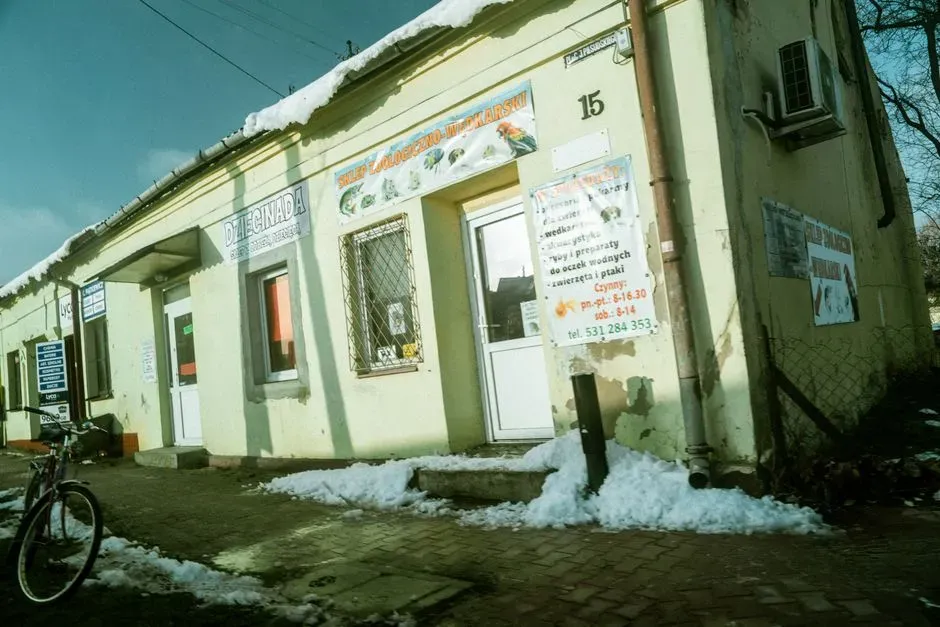
Not all winter stores are remote or dramatic. In older city neighborhoods, small corner shops often played a crucial role each winter, selling coal, firewood bundles, canned soup, powdered milk, and cheap gloves. As neighborhoods gentrified, rezoned, or simply declined, many of these shops closed. A surprising number stayed locked with their contents still arranged as if waiting for customers on a cold December morning.
What you find inside can be strangely touching. There might be dusty holiday decorations still taped to the window, handwritten signs about winter sales on canned goods, or cardboard displays for seasonal products like instant cocoa. Behind the counter, ledgers and notebooks sometimes reveal spikes in sales that line up with specific blizzards or fuel shortages. It is the everyday capitalism of winter survival, preserved like theatre scenery that no one ever struck.
Urban historians and sociologists gravitate to these sites because they are micro-histories of a neighborhood’s worries and habits. The products on the shelves, the prices penciled in the margins, and even the brands promoted as “perfect for cold nights” reflect how urban families coped with rising heating costs and unpredictable weather. It is easy to romanticize them, but they also remind us that for many people, winter was and is a financial stress test they have to pass every year.
#10 The Remote Mining Company Store Frozen After a Bust
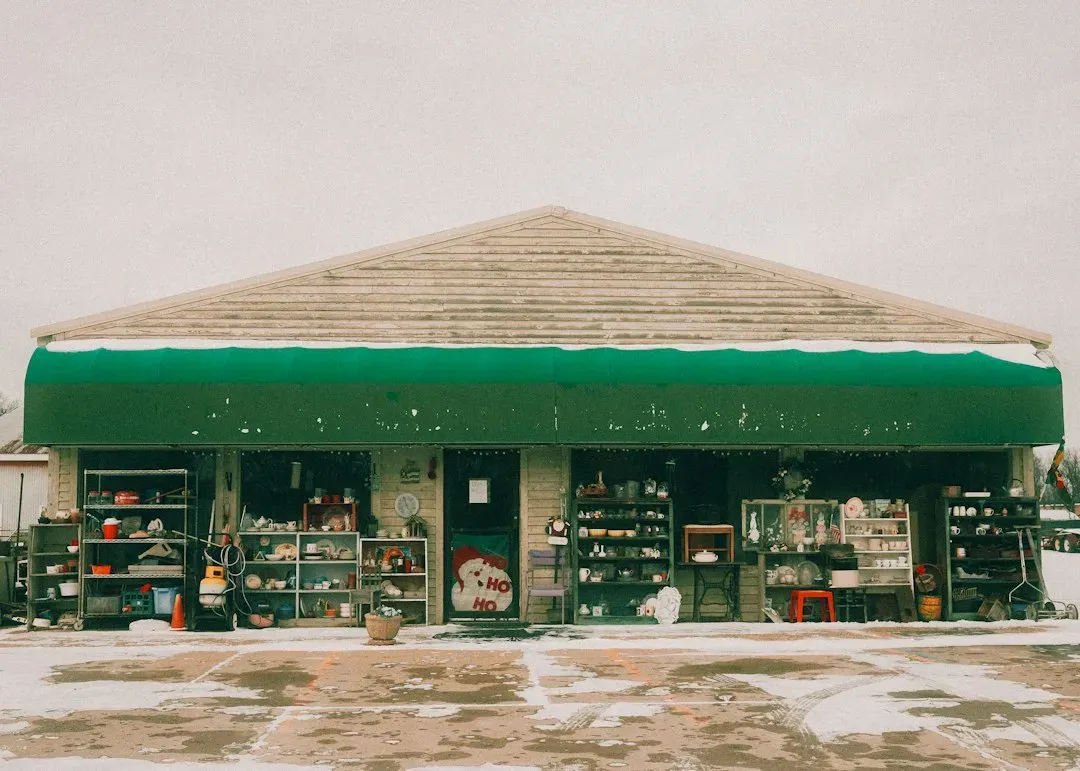
Company towns built around mines in cold regions often had a single dominant store where workers bought everything from food to boots, often on credit. When a mine closed abruptly after an accident, resource depletion, or a market crash, the town could empty almost overnight. In a few such places, the company store was simply locked and left, its shelves still lined with goods chosen to get a hard-working population through brutal winters.
The inventory is often telling: sturdy boots, thick socks, canned meat, powdered potatoes, tobacco, lamp oil, and basic medicines for respiratory issues aggravated by cold air and dust. Luxury items are rare and usually seasonal, like inexpensive sweets around winter holidays. Everything points to keeping a labor force just warm, fed, and healthy enough to keep going through short days and long shifts.
Economists and labor historians read these stores as physical evidence of power dynamics. The company controlled access to winter necessities, sometimes setting prices that kept workers permanently indebted. To walk through a perfectly preserved company store now, empty of people but full of goods, is to confront that imbalance head-on. The shelves are full, but the town’s people are gone – a quiet indictment written in canned peaches and heavy coats.
- Company credit systems tied winter survival directly to employer control
- Product mix emphasized durability and calories over comfort or variety
- Sudden abandonment leaves a sharper time-capsule effect than slow decline
#11 The Modern Cabin’s Prepper Pantry Left Mid-Season
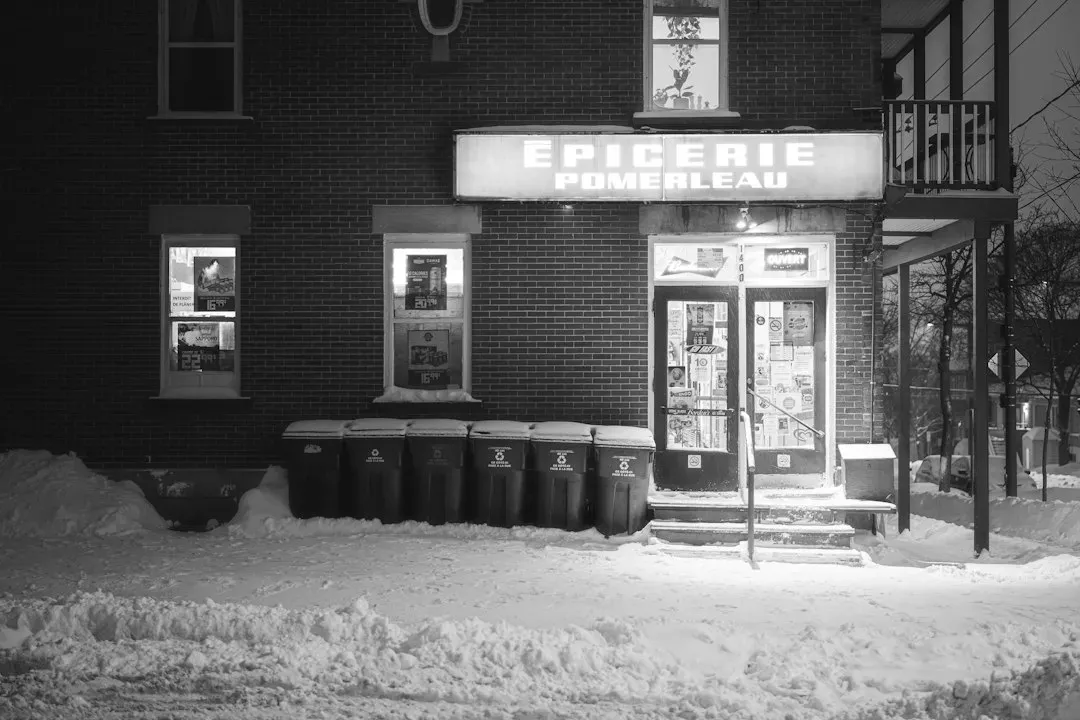
The idea of a fully stocked winter store is not just a relic of the past. In recent decades, a mix of off-grid living and preparedness culture has led more people to build serious winter pantries in rural cabins and second homes. Occasionally, circumstances like illness, relocation, or economic crisis mean these cabins are left abruptly, with shelves full of vacuum-sealed grains, freeze-dried meals, water filters, and backup fuel canisters waiting in neat rows.
When one of these modern pantries is discovered by new owners or inspectors, it can feel less like a historical artifact and more like a message from a different mindset. You see labeled bins of rice and beans, solar chargers, first-aid kits, and sometimes carefully itemized lists of daily calorie targets for a hypothetical winter lockdown. There is a blend of old logic – store enough to last until thaw – and new anxieties about supply chains, pandemics, or power-grid failures.
I have to admit, this is the one that feels closest to home for many of us. After recent global disruptions, plenty of perfectly ordinary people quietly expanded their winter stocks: extra canned goods, backup heaters, more batteries than they would have bought a decade ago. Finding a cabin pantry frozen mid-plan is a reminder that the instinct to prepare for winter is alive and well, just reframed. We are still, at some basic level, negotiating with the cold.
Conclusion: Why These Silent Shelves Still Matter
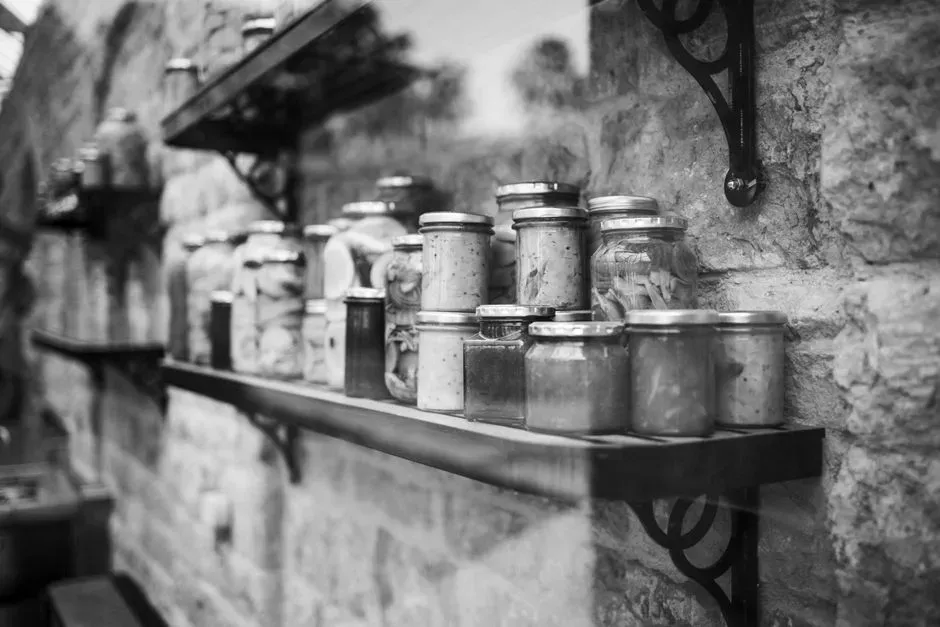
Across all these examples – from mountain farm pantries and wartime cellars to polar caches and modern prepper cabins – one thing stands out: winter has always forced people to think ahead with uncomfortable honesty. These stores are not about abundance for its own sake; they are about confronting the simple fact that for months on end, nature will not cut you any slack. When we find them intact, we are stepping into other people’s calculations about fear, risk, and hope.
There is also something quietly radical about how much these spaces have to say compared with the official histories that usually survive. You learn more about a village’s winter reality from its root cellar layout than from a politician’s speech, more about an army’s priorities from a mountain depot than from a parade. Shelves, bins, barrels, and crates are brutally honest. They cannot pretend they were ready for a storm if the food and fuel are not there.
My own opinion is that these found-as-they-were winter stores are not just curiosities; they are warnings and teachers. In an era of just-in-time deliveries and fragile infrastructure, it is tempting to believe we have outgrown the need for deep seasonal preparation. But a single prolonged blackout or disrupted winter supply chain would prove otherwise. Maybe the question is not whether those old pantries were overkill, but whether we have become a bit too relaxed about our own winters. If someone opened your home or neighborhood store after a long, unexpected closure, what would your shelves say about how ready you really were?