
There’s something magical about North America’s wild spaces. Vast forests, soaring mountain ranges, endless tundra, and sweeping grasslands stretch across this continent, creating homes for creatures that have roamed these lands for millennia. Despite centuries of habitat loss and human expansion, these iconic animals persist, reminding us of the raw beauty that still exists beyond our cities and towns.
Whether you’re planning your next wilderness adventure or simply dreaming about the wildlife that shares this continent with us, these remarkable animals represent the untamed spirit of North America. Let’s be real, there’s nothing quite like that moment when you spot a wild creature in its natural habitat. Ready to discover which legendary animals you might encounter on your next journey into the wilderness?
Grizzly Bear
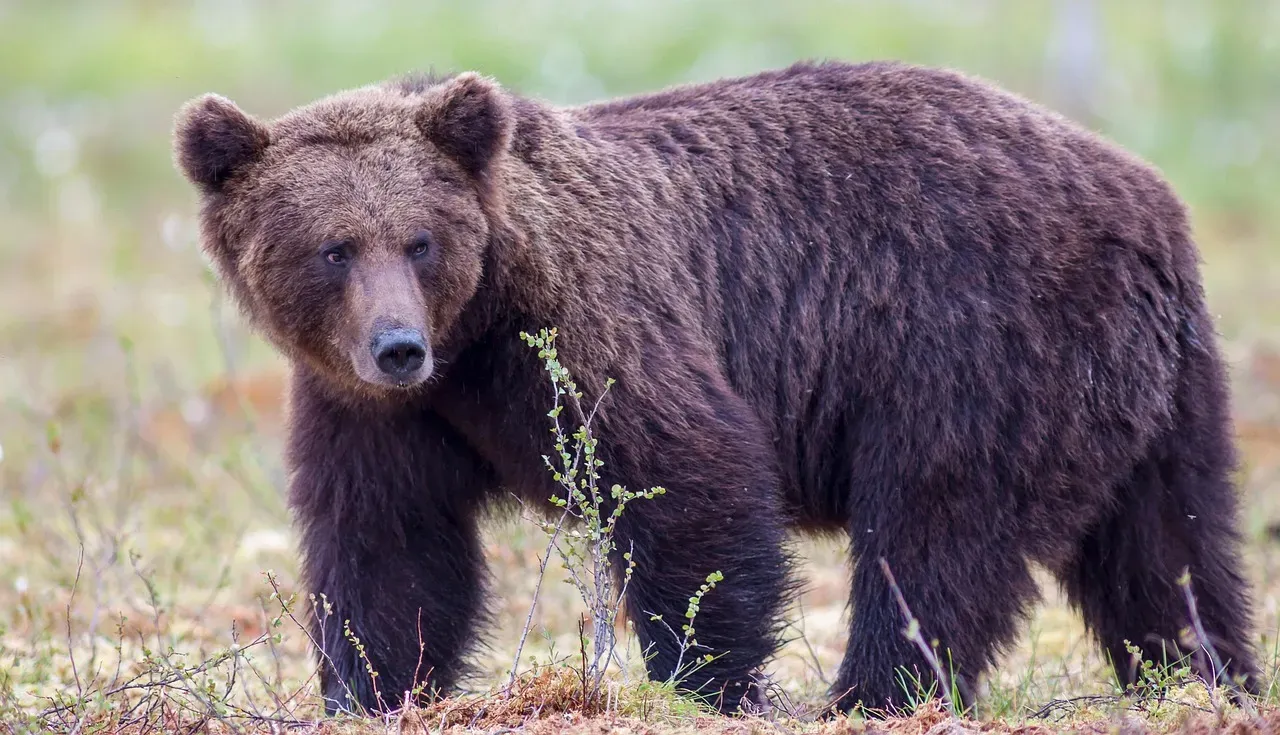
Modern grizzly populations are only a fraction of what they were when Lewis and Clark first traveled to the coast – only 1,000 to 2,000 remain in the continental U.S., with significantly more in Alaska. These muscular giants embody the wild heart of North America’s mountains and forests. With their distinctive shoulder hump and powerful build, grizzlies command respect wherever they roam.
The best places to see the amazing grey wolf in its natural habitat are in Yellowstone and Alaska, and similarly, around 60,000 wild grizzly bears are located throughout North America, 30,000 of which are found in Alaska. Honestly, few experiences compare to watching a grizzly in the wild, whether they’re fishing for salmon in Alaska’s rivers or foraging in the meadows of Montana and Wyoming. Though sightings require patience and proper safety precautions, they can also sometimes be spotted foraging in the Swan River National Wildlife Refuge, Ninepipe National Wildlife Refuge and others during the spring.
Gray Wolf
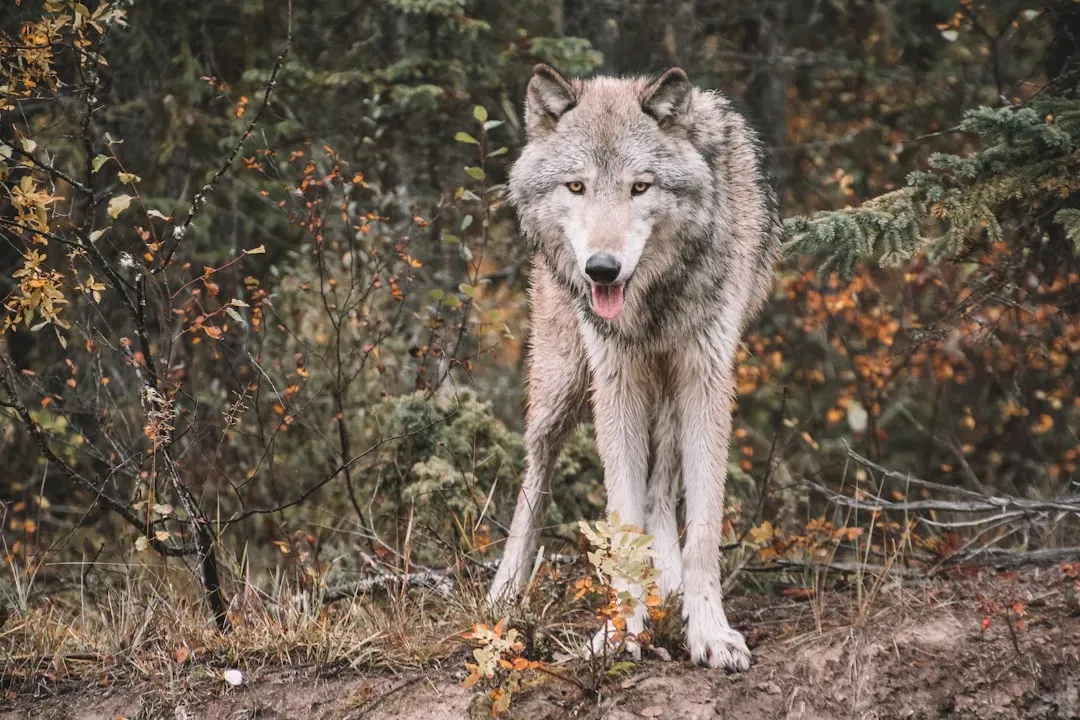
The haunting howl of a wolf pack echoing across wilderness valleys remains one of nature’s most spine-tingling sounds. Once widespread throughout North America, Europe and beyond, the grey wolf now exists only in parts of North America, the USSR and Eastern Europe. These highly social predators live in tight family groups, hunting cooperatively and communicating through an intricate system of vocalizations.
In North America, wolves are generally found in wilderness areas well away from human settlements, making encounters both rare and memorable. Yellowstone National Park has become famous for wolf watching since their reintroduction in the mid-1990s. The Lamar Valley offers particularly excellent viewing opportunities, where dedicated watchers gather at dawn with spotting scopes, hoping to glimpse these elusive predators going about their daily lives.
American Bison
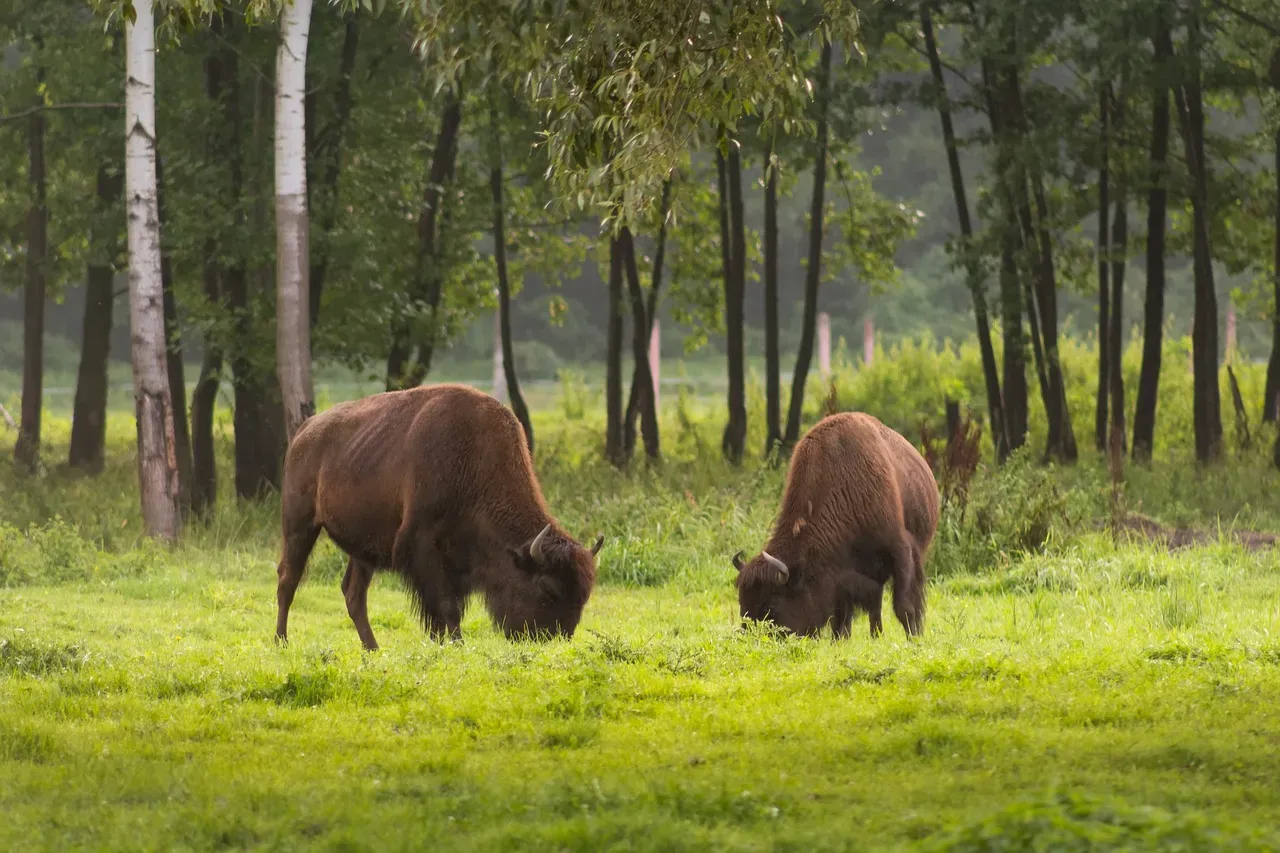
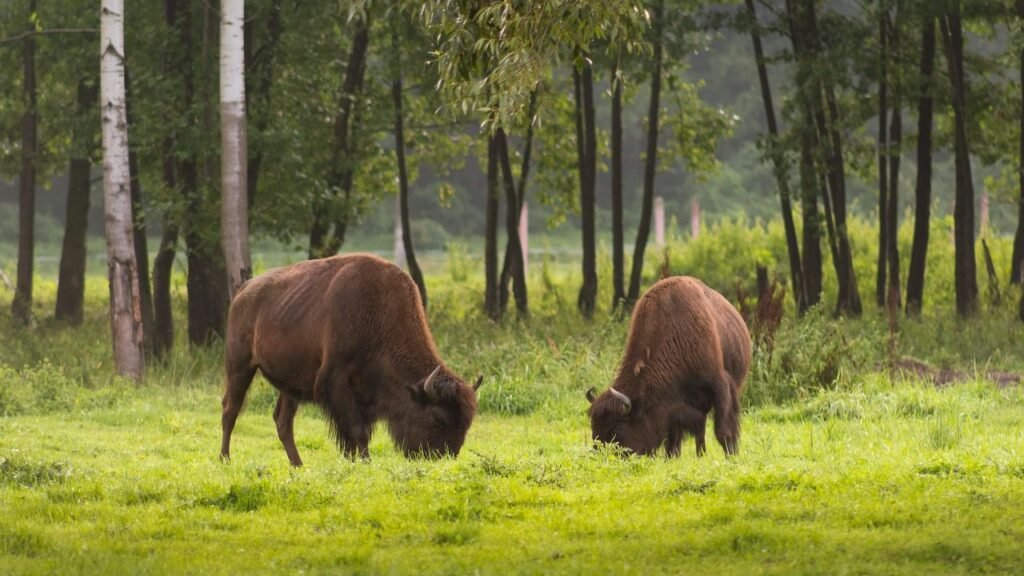
Picture massive herds thundering across the plains, dust rising beneath thousands of hooves. That scene nearly vanished forever. With an estimated population of 60 million in the late 18th century, the species was culled down to just 541 animals by 1889. It’s hard to fathom how close we came to losing these magnificent creatures entirely.
The largest land animal in North America, the American bison (Bison bison) stands up to 2 metres (6 feet) tall and weighs up to 900 kilograms (2,000 pounds). Today, conservation success has brought bison back from the brink. One of the most common places to see bison is around Yellowstone National Park, which has an estimated 4,900 of them. Watching these enormous animals graze peacefully, then witnessing their surprising speed when they run, offers a glimpse into the continent’s wild past.
Moose
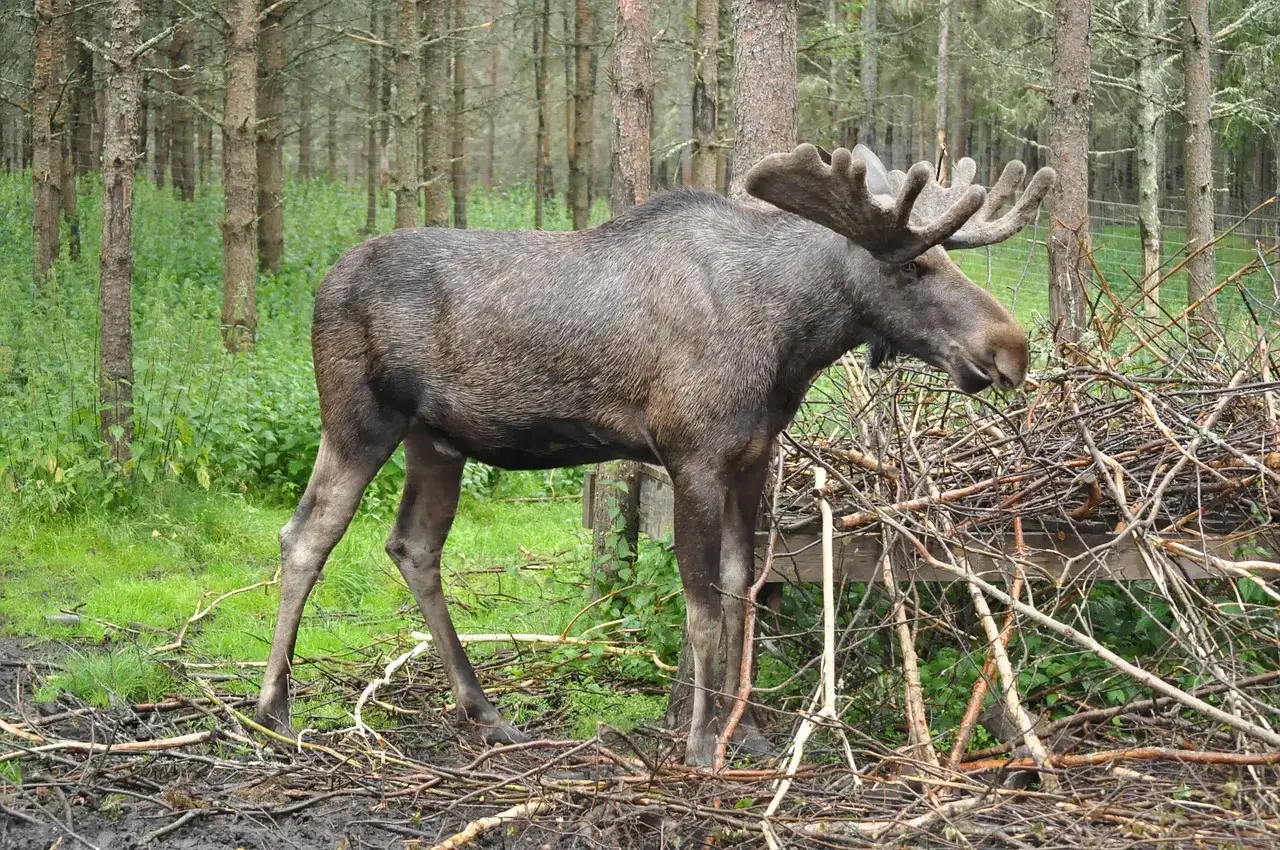
Moose are downright bizarre when you really think about it. It is also the tallest, and the second-largest, land animal in North America, falling short only to the American bison in body mass. With their towering stature, massive palmate antlers, and comically long legs, they look almost prehistoric wandering through northern forests and wetlands.
The North American moose is the largest member of the deer family, with long legs, a short neck, broad antlers, a prehensile muzzle and a dewlap on the throat. They are found in Alaska, Canada and the northern tier of the U.S. south into the Rocky Mountains. Moose live in forested or mountainous areas near water, and in swamps. Despite their ungainly appearance, moose are formidable animals that even bears think twice about challenging. Your best chances for spotting them include early morning hours near lakes and streams, particularly in Alaska, Maine, Wyoming, and Montana.
Caribou
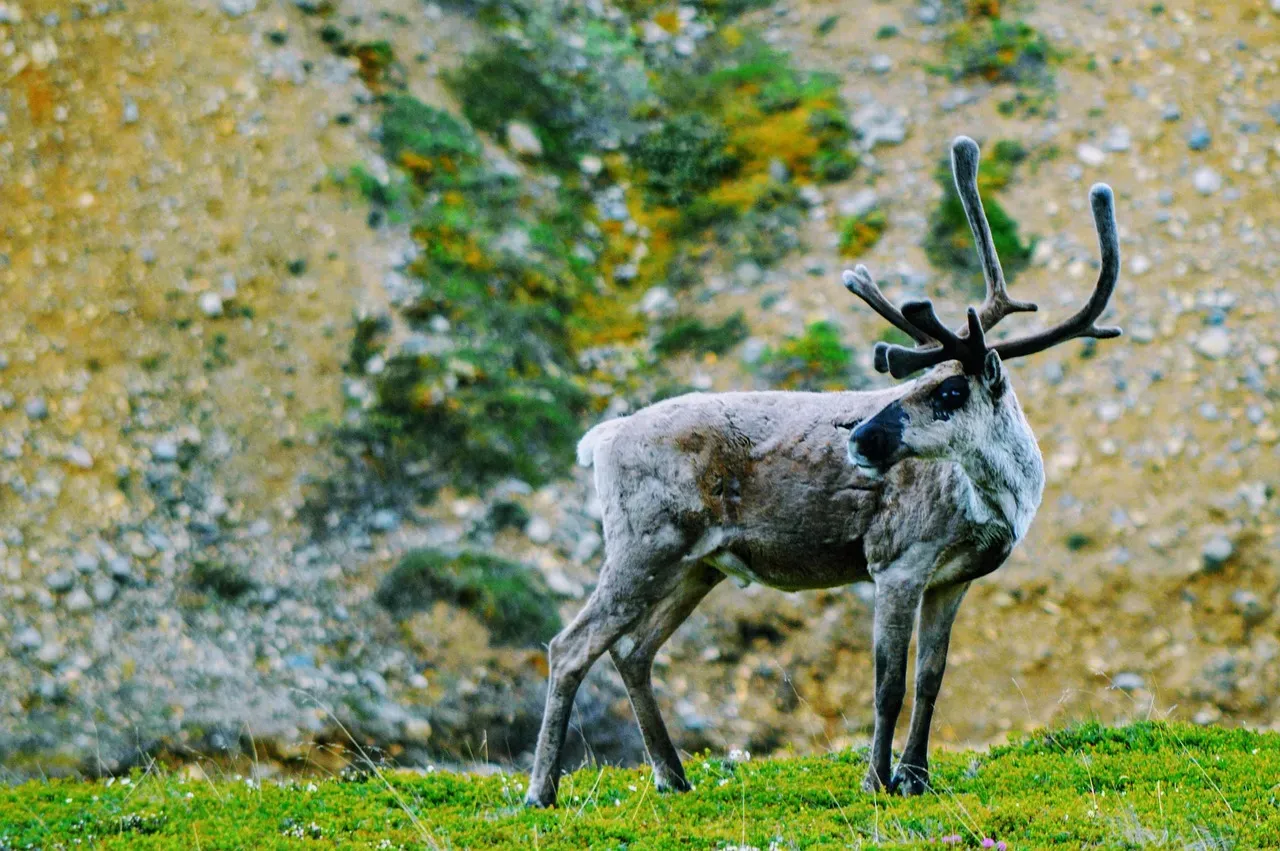
Few wildlife spectacles rival the sight of migrating caribou herds moving across tundra landscapes. Caribou in Alaska are distributed in 31 herds (or populations), and there are approximately 750,000 wild caribou in Alaska. These hardy members of the deer family are uniquely adapted to arctic life, with wide hooves that work like snowshoes and act as paddles when swimming.
Here’s something fascinating: Caribou are the only member of the deer family (Cervidae) in which both sexes grow antlers. Calving areas are usually located in mountains or open coastal tundra, and in the summer, watch for small groups of caribou in the remaining snow patches high on the mountains. This is their clever escape from the hordes of biting insects that plague the northern summer. Denali National Park and Alaska’s northern regions offer excellent caribou viewing opportunities.
Bald Eagle
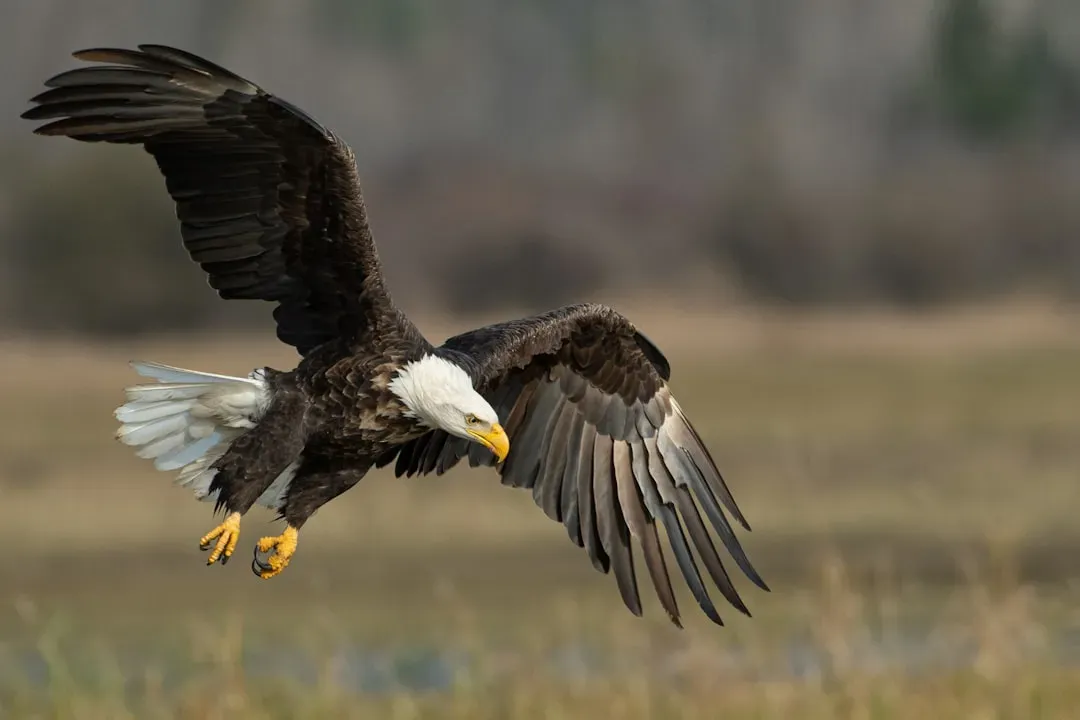
There is a reason the Bald Eagle is our national bird: it is a symbol of beauty, independence and freedom that is an inspirational sight to behold in person. These magnificent raptors nearly disappeared from American skies, victims of hunting and pesticide poisoning. Their recovery represents one of conservation’s greatest success stories.
Although bald eagles range across much of North America, from Alaska and Canada to northern Mexico, about half of the world’s 70,000 bald eagles are found in Alaska. Watching a bald eagle soar on thermal currents or dive at breathtaking speed to snatch a fish from a river creates an unforgettable connection to America’s wild heritage. Bald eagles can be found all over the continent near coasts, rivers, lakes, and reservoirs where they can catch – or steal – fish.
Black Bear
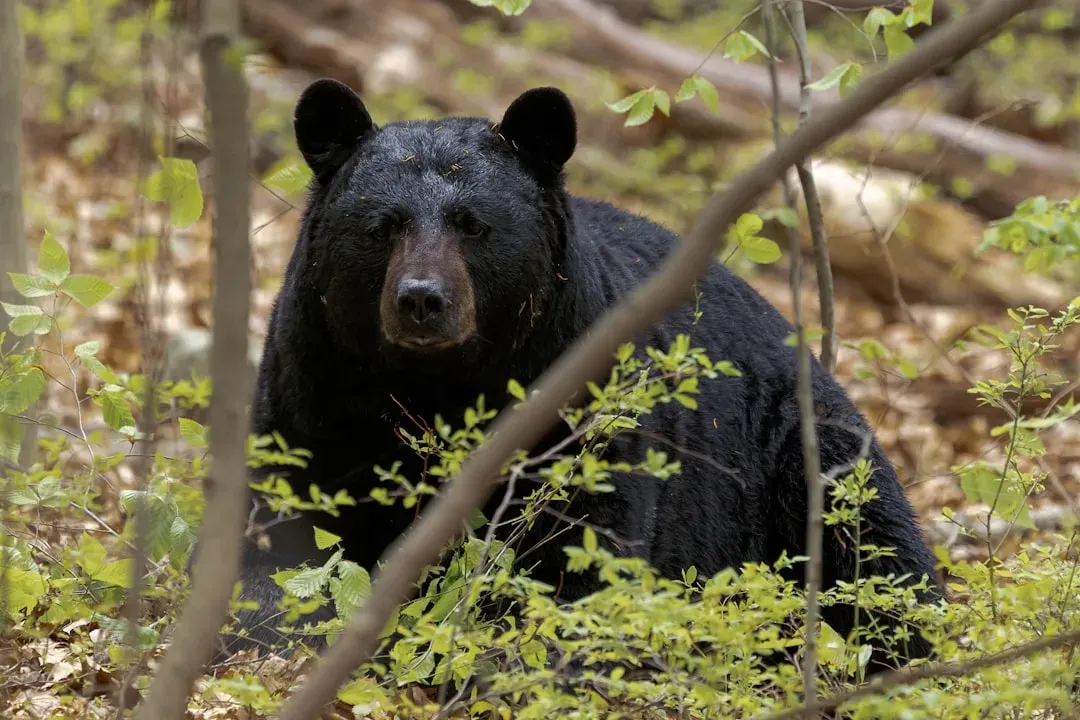
Don’t let the name fool you. Despite their misleading name, black bears can actually be a wide range of colours, from black to gray to cinnamon to white. These adaptable omnivores are the most common and widely distributed bear species in North America, found from Alaska to Florida and from California to Maine.
Black bears are typically not aggressive and are cool to see in nature, but they are still wild, powerful animals known to go after human food. They’re considerably smaller than grizzlies, which makes them somewhat less intimidating but no less fascinating to observe. From foraging for berries in summer to fishing along streams in autumn, black bears demonstrate remarkable intelligence and adaptability. Great Smoky Mountains National Park, Yosemite, and the forests of the Pacific Northwest provide excellent opportunities for responsible bear viewing.
Mountain Lion
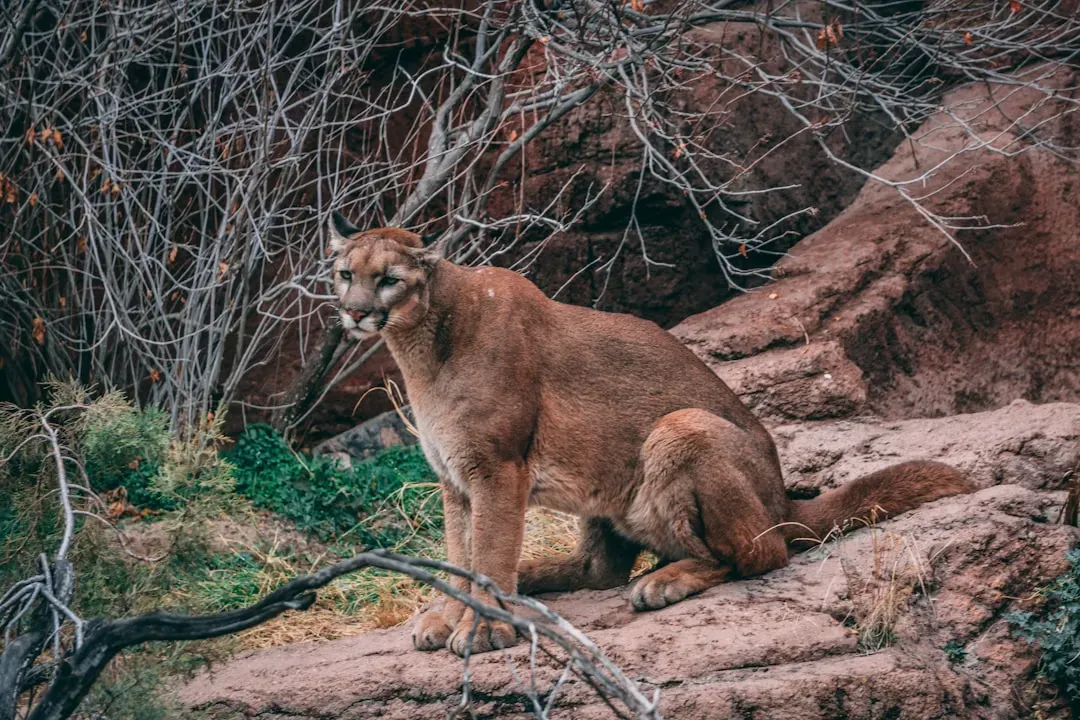
Ghost of the mountains. Shadow cat. Silent hunter. Mountain lions carry many names and even more mystique. These solitary predators are masters of stealth, moving through vast territories with barely a sound. Like many wild cats, the mountain lion is a solitary hunter that relies on its stealth and ability to launch a fast surprise attack to capture its prey.
The mountain lion is also found throughout much of South America, and this adaptable species is able to inhabit a wide range of habitats, including forests, grasslands and deserts. Spotting a mountain lion in the wild requires tremendous luck, as these cats are notoriously elusive and avoid humans whenever possible. Though they inhabit surprisingly large ranges across western North America, actual sightings remain rare. Their presence reminds us that truly wild spaces still exist, places where apex predators roam largely unseen.
Elk
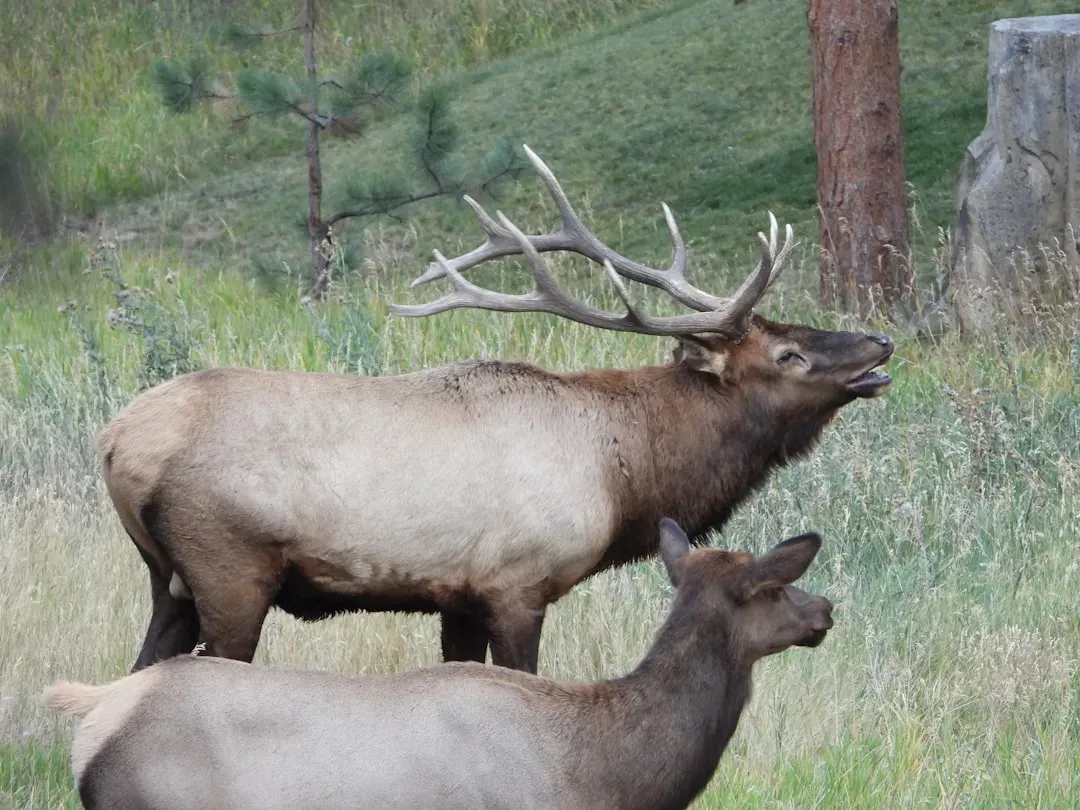
When autumn arrives in the Rockies, the mountains echo with one of nature’s most haunting sounds: the bugling of bull elk. Each winter Wyoming’s National Elk Refuge hosts the 11,000-strong Jackson elk herd, an army of ungulates that migrates across a huge swath of land including Grand Teton National Park, Yellowstone National Park and Bridger-Teton National Forest. These magnificent animals gather in enormous herds during migration seasons.
Once relatively common throughout North America, elk now reside primarily in the west, where their eerie “bugling” cries broadcast mating information to all within earshot. Bulls grow impressive antlers that can span five feet, which they use during the rut to compete for harems of females. The spectacle of sparring bulls, their antlers crashing together amid clouds of breath in the crisp mountain air, represents autumn at its most dramatic.
Coyote
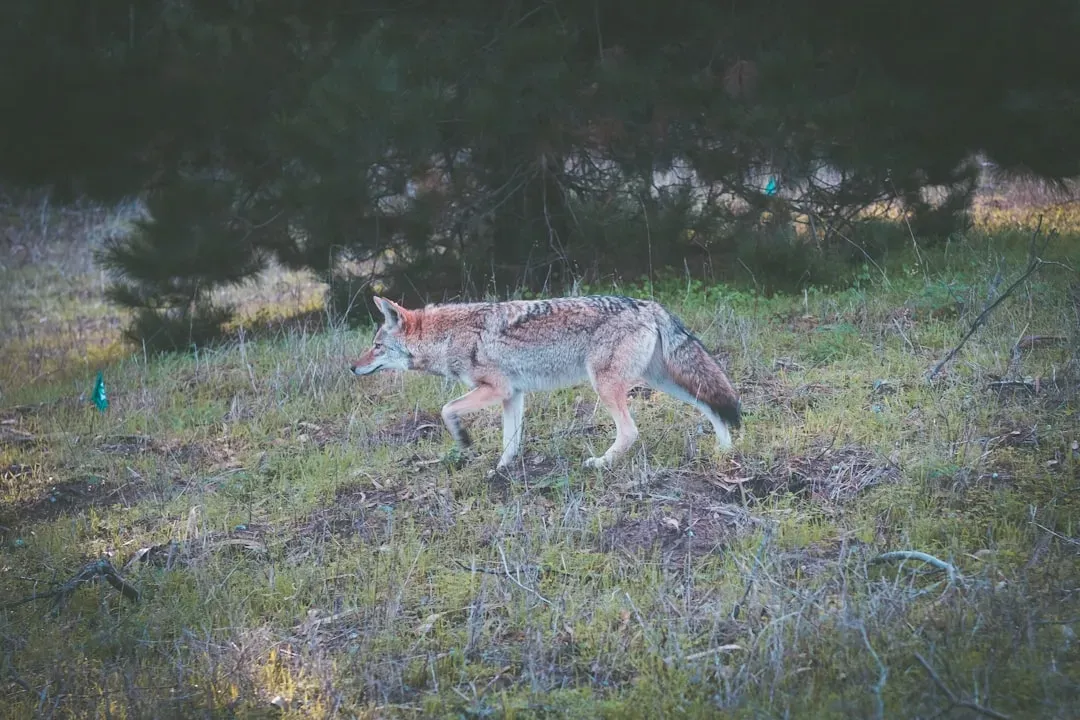
Adaptable. Clever. Resilient. Coyotes have not just survived human expansion across North America, they’ve thrived, extending their range far beyond their historical territory. These fox-like creatures feature heavily in indigenous folklore across the North American Plains, typically being depicted as tricksy, clever and independent.
They’re fast, too, and can run at speeds of up to 40mph (64km). Unlike wolves, coyotes have adapted remarkably well to living alongside humans, inhabiting areas from remote wilderness to suburban neighborhoods. Their yipping howls at dusk have become the soundtrack of the American West. Though often maligned, coyotes play crucial roles in ecosystems, controlling rodent populations and scavenging carrion. Yellowstone, Grand Teton, and countless other wild spaces provide opportunities to observe these cunning survivors.
Bighorn Sheep
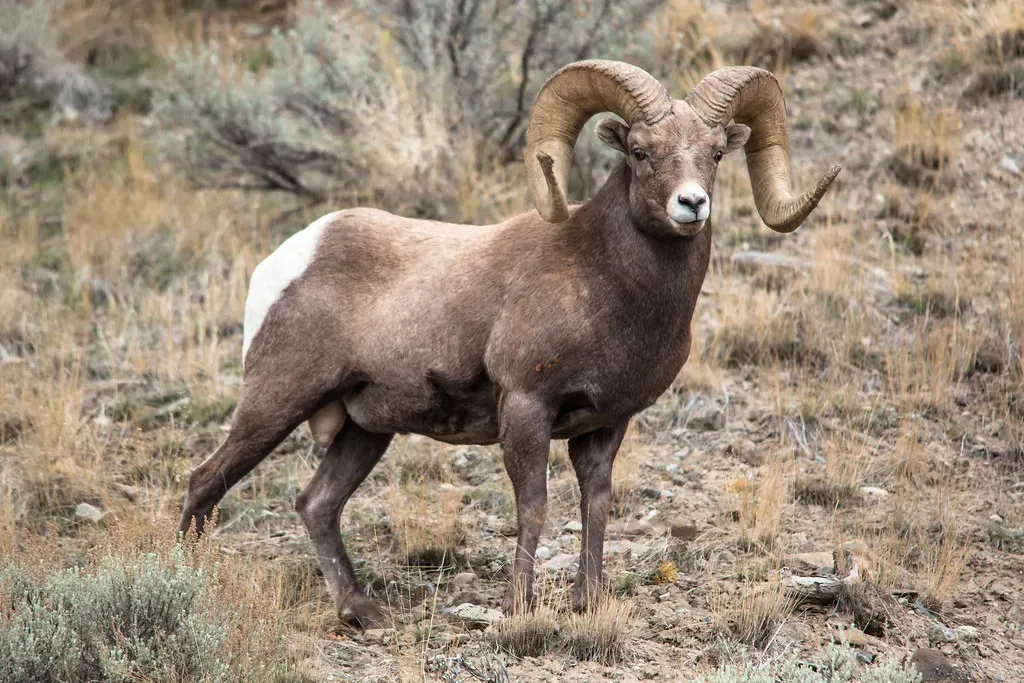
Perched impossibly on sheer cliff faces, moving across terrain that would terrify most creatures, bighorn sheep are the mountaineers of the animal world. Their specialized hooves provide incredible grip on rocky surfaces, allowing them to navigate precipitous slopes with apparent ease. The dramatic headbutting battles between rams during breeding season create thunderous echoes that can be heard across mountain valleys.
Among the ungulates that are native to North America are bighorn sheep, bison, caribou, Dall sheep, mountain goats, moose and white-tailed deer. Bighorn populations faced severe declines but conservation efforts have helped restore these magnificent animals to many of their historic ranges. The craggy peaks of the Rocky Mountains, from Colorado to Montana, offer your best chances for spotting these sure-footed climbers. Watching them scale seemingly impossible rock faces makes you wonder what evolution was thinking when it designed such incredible athletes.
The Wild Heart Still Beats
These eleven iconic species represent just a fraction of North America’s incredible wildlife heritage. From the frozen tundra of Alaska to the deserts of the Southwest, from coastal rainforests to prairie grasslands, this continent still harbors wild creatures that have adapted to every conceivable environment. The fact that you can still encounter these animals in their natural habitats speaks to both the resilience of wildlife and the importance of protected wilderness areas.
Unfortunately, many species across the continent face threats to their survival due to issues like habitat loss, human-wildlife conflict, and climate change. Each viewing opportunity carries responsibility. Respect their space, follow wildlife viewing guidelines, and support conservation efforts that ensure future generations will have the same chance to witness these remarkable creatures. The wilderness is still out there, wild and waiting. Which of these iconic animals will you search for first?