Most people assume archaeology moves in a straight line: quarry first, foundation later, monument built, story over. That’s the version in every textbook, every museum plaque, every documentary voiceover. But once researchers start lining up radiocarbon dates, tool marks, and weathering profiles instead of assumptions, the timeline stops cooperating.
In a startling number of sites around the world, the foundations look older – sometimes centuries older – than the quarries they supposedly came from. Some scientists chalk it up to measurement noise. Others admit, quietly and off the record, that they can’t fully explain it. Here are 11 places where the ground itself seems to be lying about its age, and what the evidence actually shows once you dig past the guidebook version.
#11 – Baalbek’s Massive Podium Blocks, Lebanon
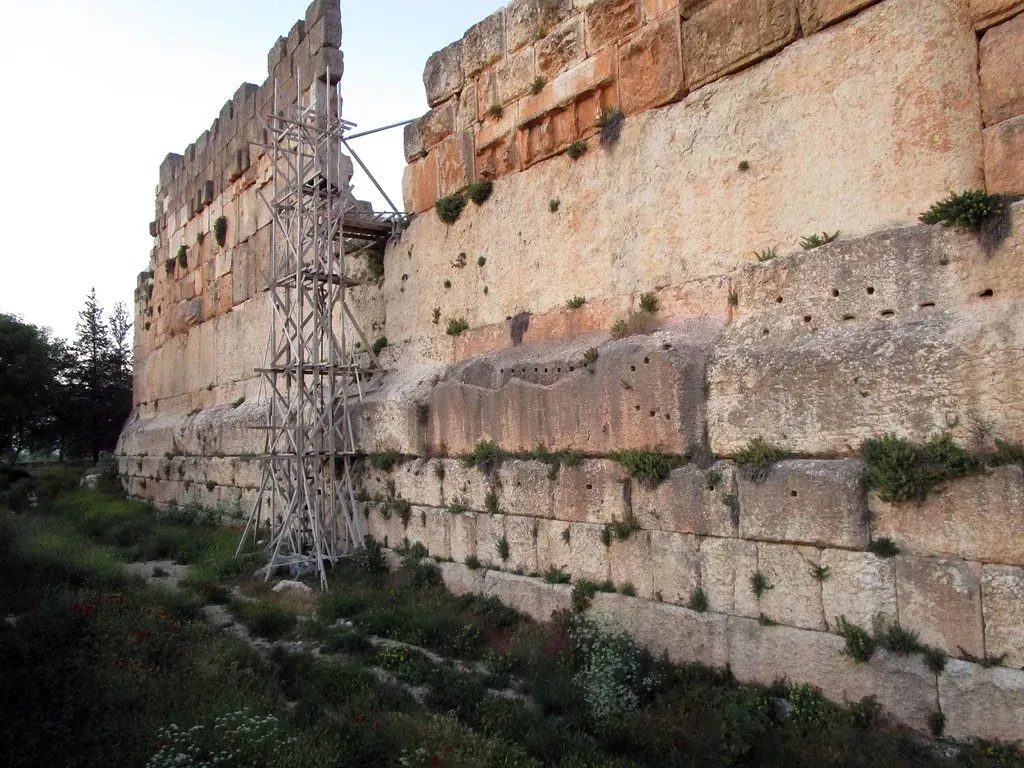
Archaeologists love Baalbek for its sheer scale, but its chronology quietly refuses to behave. The famous “Trilithon” blocks in the Temple of Jupiter’s podium weigh over 800 tons each, resting on older megalithic courses that don’t match the later Roman stonework above them. Most guidebooks still insist the Romans quarried everything from a site a few hundred meters away, full stop.
Compare the weathering profiles and tool marks, though, and a different story creeps in. Several geologists have pointed out that the lowest podium courses show significantly older erosion than blocks still sitting half-cut in the quarry today. That suggests two distinct building episodes separated by a real time gap – the Romans clearly reused and extended something older, but the base they built on might predate their arrival by a millennium.
Fast Facts
- Trilithon podium blocks weigh over 800 tons each
- Documented quarry sits just a few hundred meters from the temple
- Lowest courses show older erosion than half-cut blocks left in that quarry
- Pattern points to at least two separate building episodes, not one Roman project
#10 – The “Osirion” Sub-Structure at Abydos, Egypt
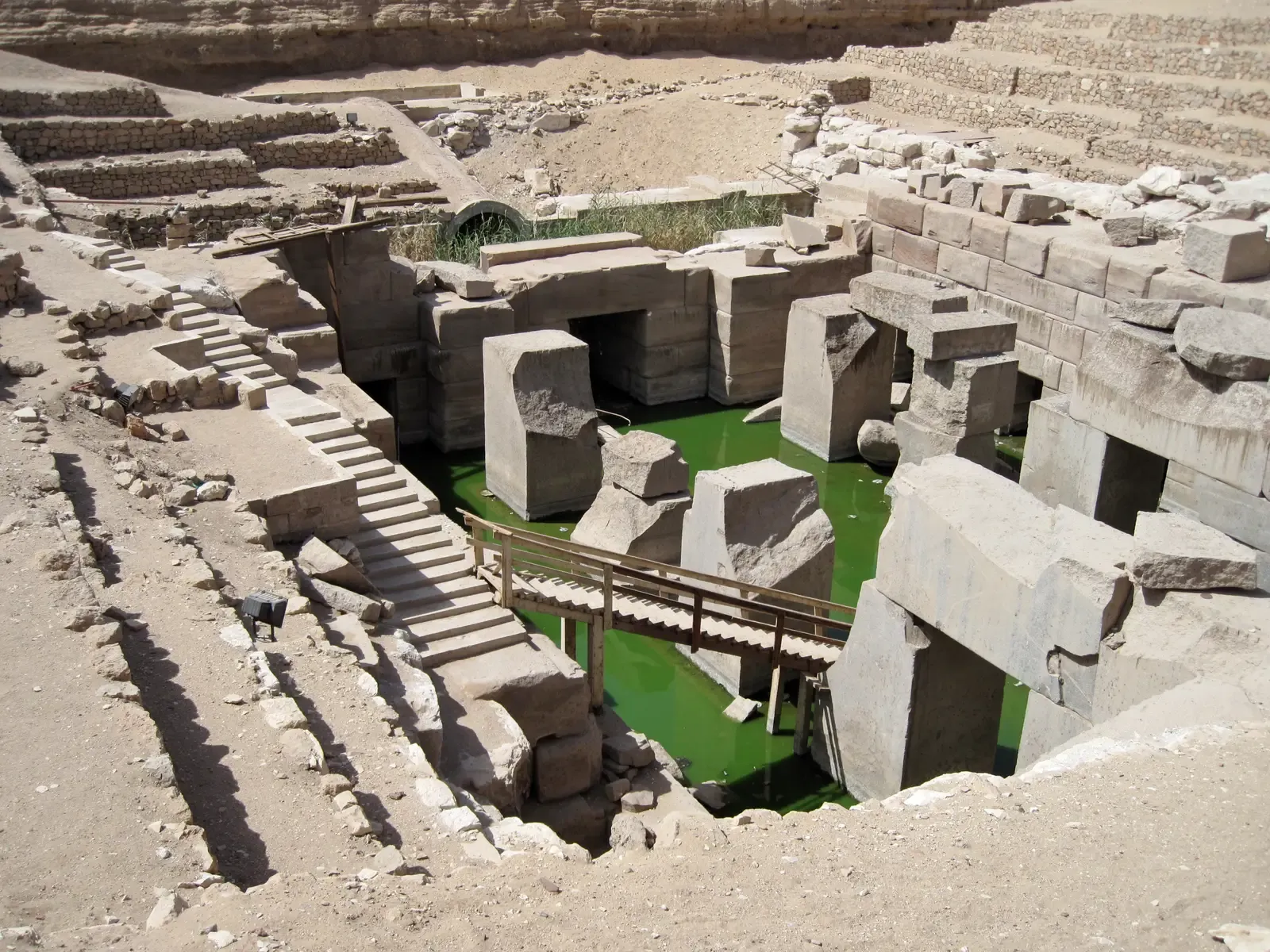
At Abydos, tourists line up for Seti I’s exquisitely carved New Kingdom temple, but almost nobody talks about the hulking granite chamber sunk behind it, known as the Osirion. On paper, it’s a simple ritual add-on. In person, it looks like it wandered in from an entirely different era.
The sandstone superstructure and the granite foundations don’t weather or fit together like one project. The granite isn’t even local – it came from Aswan, over 600 miles away. Officially, both structures date to the 13th century BCE. Yet the granite foundations show rounding, salt exfoliation, and biological crusts that look markedly older than the carved sandstone sitting on top of them. Some Egyptologists blame groundwater. Others quietly admit the sub-structure may predate Seti’s temple entirely.
#9 – Göbekli Tepe’s Buried Stone Circles, Türkiye
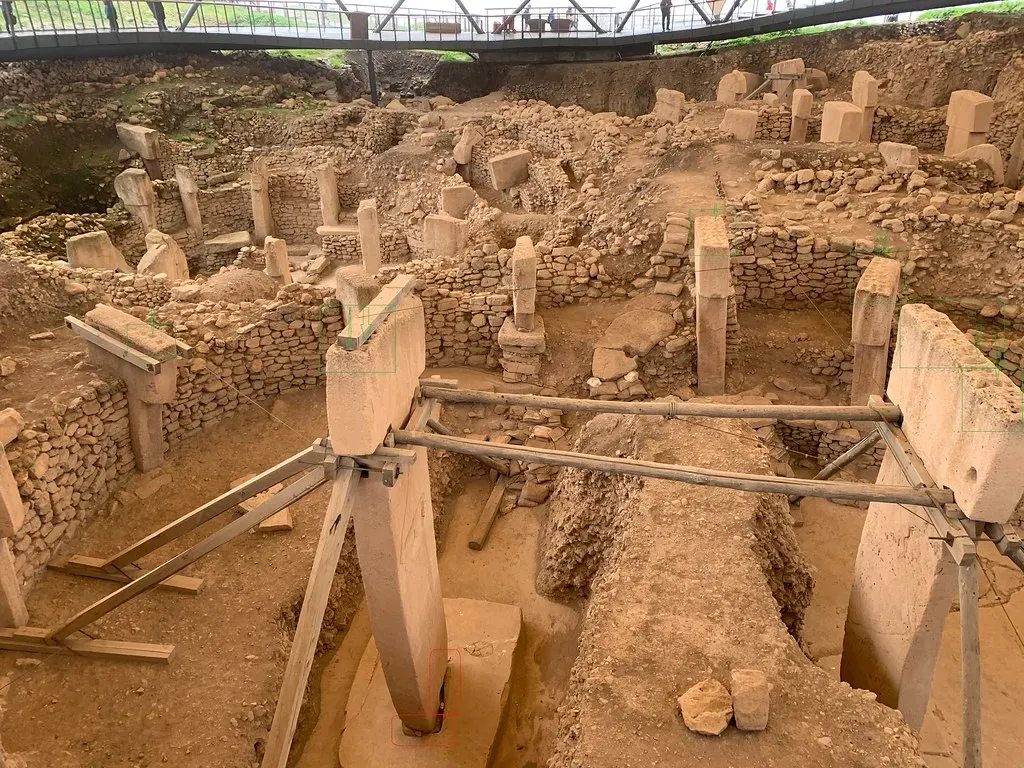
Everyone repeats the same jaw-dropping fact about Göbekli Tepe: it’s 11,000 to 12,000 years old and predates agriculture as we know it. But the dating details underneath that headline are stranger than the headline itself. The iconic T-shaped pillars come from nearby limestone beds, yet the foundational stone rings, packing layers, and terrace revetments tell a slightly different time story than the standing monoliths do.
Excavations show that backfill and later layers often seal much older foundational walls, which were themselves realigned and built over multiple times. Radiocarbon samples pulled from directly under some pillars are older than samples found in what looks like fresh quarry waste nearby. That means the earliest circular foundations were already in place before quarrying activity ever ramped up – people were shaping this hilltop long before they mastered pillar production.
At a Glance
- Site age: roughly 11,000 to 12,000 years old
- Predates agriculture, pottery, and metal tools as we know them
- T-shaped pillars sourced from nearby limestone beds
- Foundational stone rings appear sealed by later backfill layers, hinting at earlier, separate construction phases
#8 – The Western Wall Sub-Foundations, Jerusalem
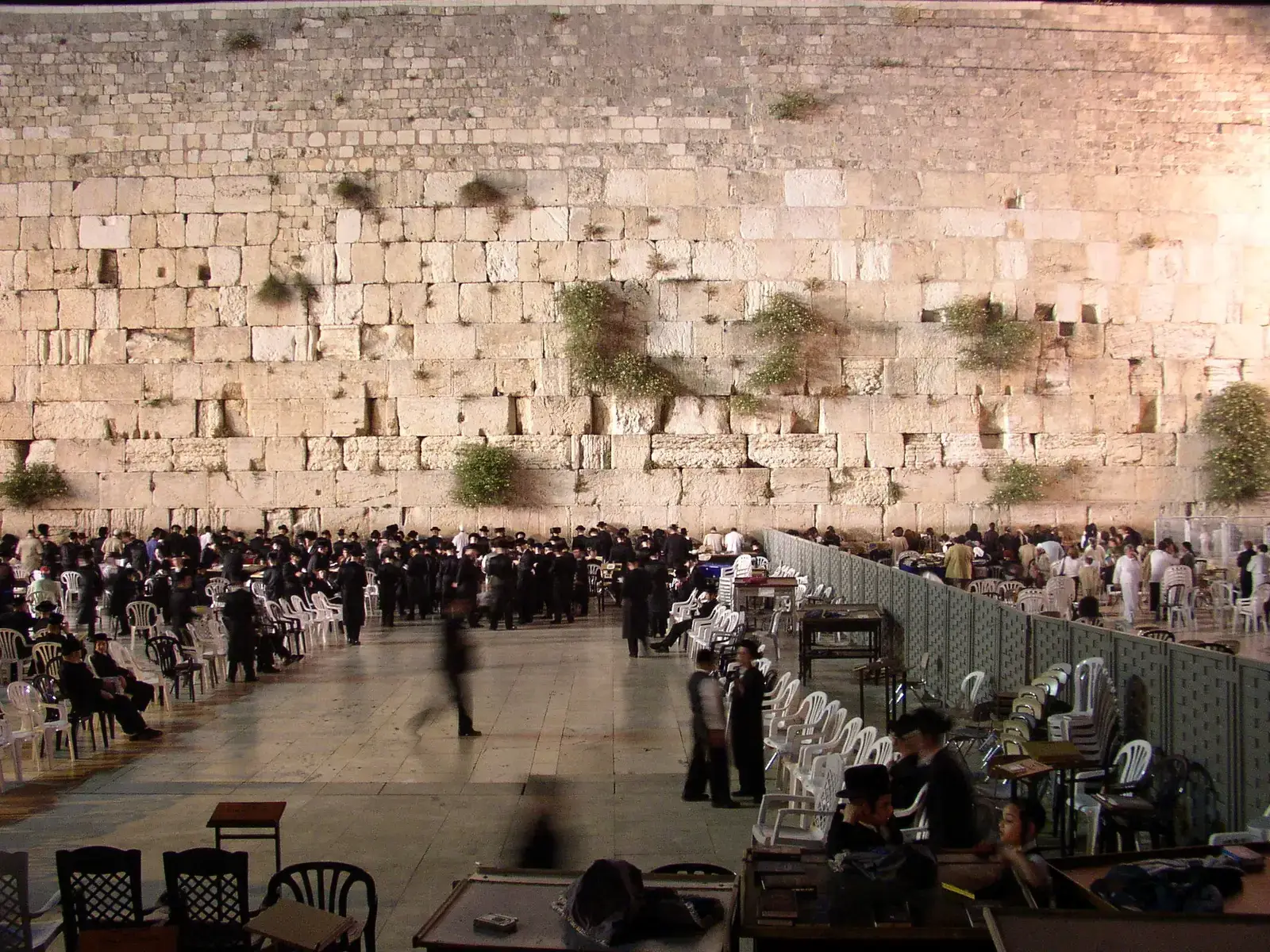
Most visitors focus on the visible Western Wall stones from Herod’s expansion of the Second Temple. But deep below plaza level, older blocks – barely glimpsed except in restricted tunnels – quietly complicate that neat Herodian narrative. Some courses lack the characteristic drafted margins, and their wear doesn’t match the wall sections above them, which have a well-documented quarry lineage.
Ground-penetrating radar and limited excavation have uncovered massive ashlars that seem to underlie the known Herodian phases, possibly belonging to pre-exilic or even earlier fortification lines. The identified Herodian quarry shows tool marks and wedge scars consistent with the visible wall – but the deepest sub-foundations have none of that signature. Their patina and biological encrustation point to prolonged exposure and reburial, suggesting stones moved from older, now-lost quarries, or salvaged from structures that came before Jerusalem’s temples ever existed.
#7 – The Megalithic Core at Sacsayhuamán, Peru
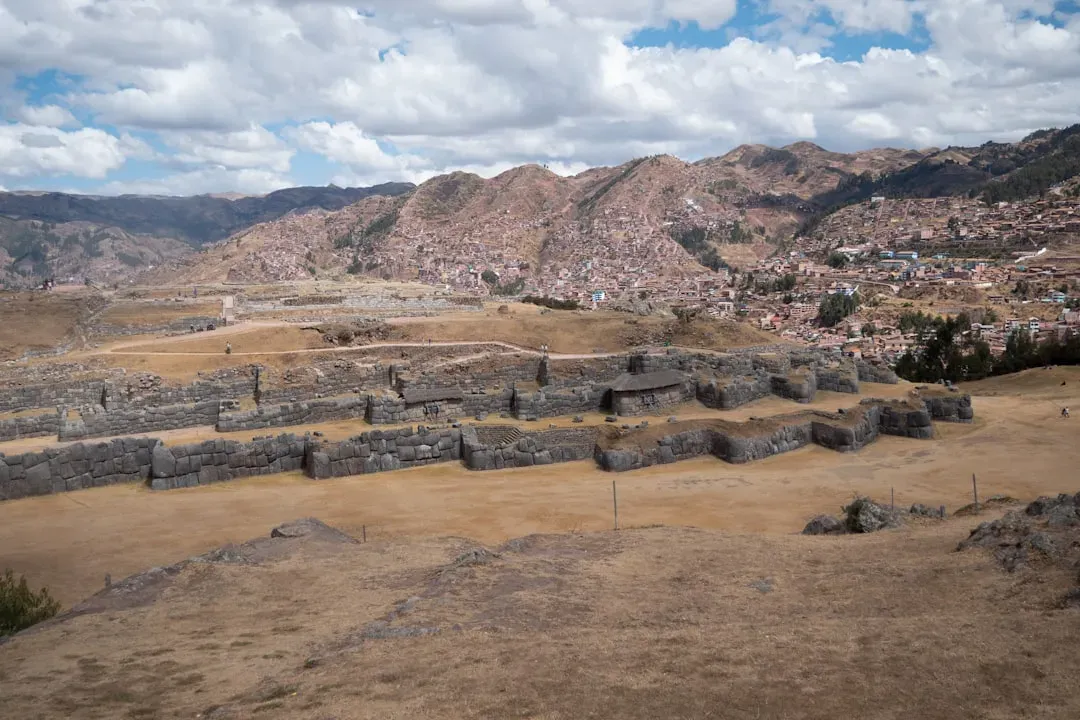
Sacsayhuamán above Cusco is usually explained as a late Inca fortress, its polygonal walls fitted without mortar in a feat of pure engineering. The nearby limestone quarries, complete with half-cut blocks, get trotted out as proof of Inca craftsmanship start to finish. Look closer, though, and the foundational stones at the base of the walls behave nothing like the courses above them.
Petrographic studies and weathering analysis suggest some of the largest basal blocks carry surface patinas and micro-erosion patterns indicating far more age than the still-attached quarry faces nearby. In plain language: the bottom stones look older than the rock they’re supposed to have come from. A growing number of Andean researchers now think the Incas inherited an earlier cyclopean foundation and simply topped it with their own finer masonry – reuse, not fraud, but a much older construction horizon than the postcard version admits.
#6 – The Submerged Foundations at Yonaguni, Japan
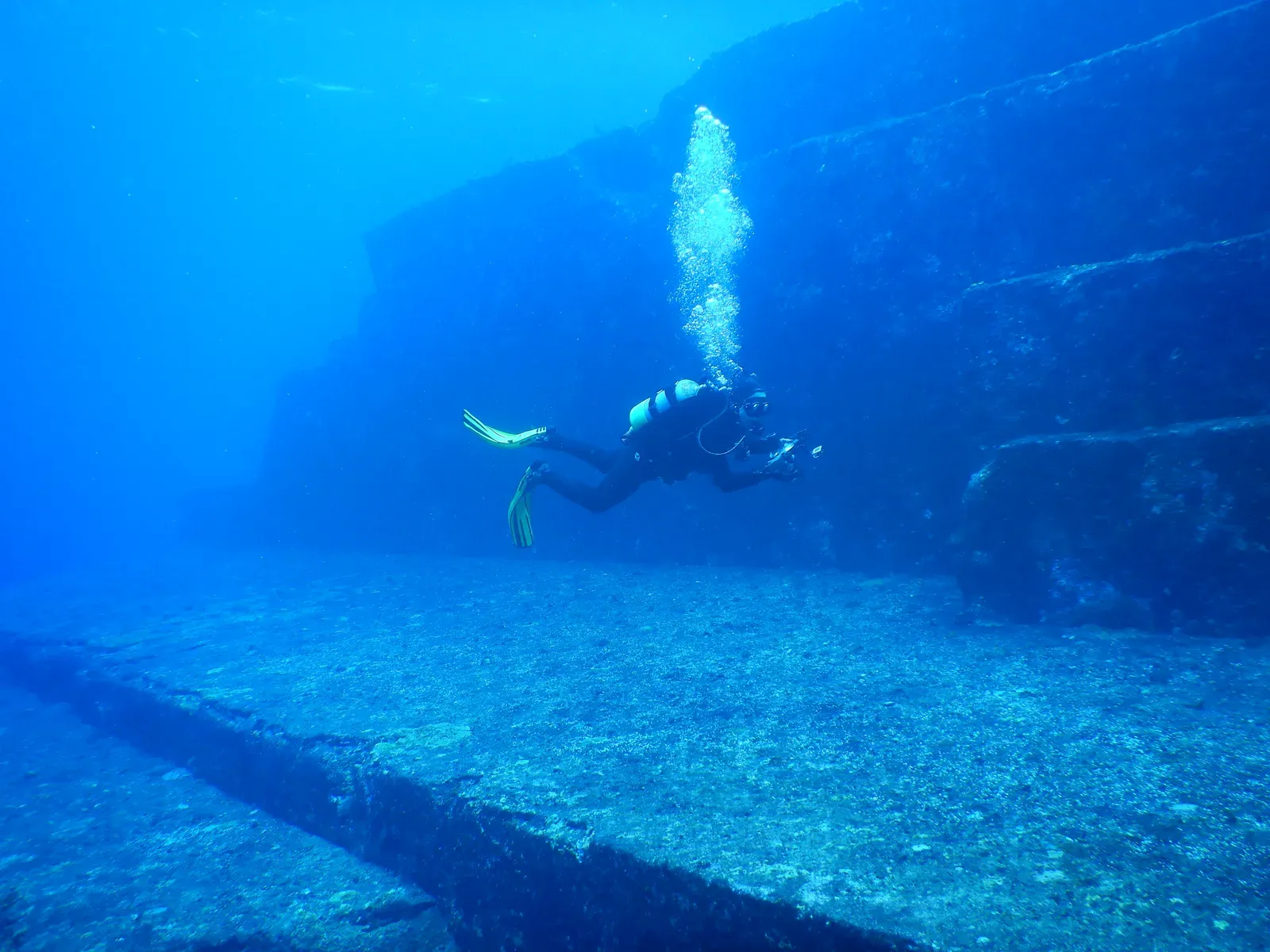
The Yonaguni “monument” off Japan’s Ryukyu Islands splits opinion right down the middle. Natural stepped sandstone shaped by currents, or a deliberately modified structure? Most geologists lean natural. Divers and a handful of stubborn researchers aren’t convinced, and underneath the social-media hype sits a quieter, harder puzzle.
Sediment cores and marine growth on some stepped “foundation” surfaces date older than the erosion patterns on nearby coastal quarries used in historic times. Even accepting the main mass as natural rock, there are flat-topped platforms and leveled ledges that look suspiciously prepared. These zones are capped by crusts and encrusting organisms indicating submergence thousands of years ago – long before any known quarrying in the region. That raises an uncomfortable possibility: whatever leveling happened here occurred when sea level was lower, meaning today’s onshore quarries simply didn’t exist yet as worked sites.
Quick Compare
- Natural formation view: stepped sandstone shaped entirely by currents and fracture lines, favored by most geologists
- Modified structure view: flat-topped platforms and leveled ledges were deliberately shaped, favored by a minority of divers and researchers
- Shared puzzle: marine crusts on the submerged surfaces predate erosion on nearby historic-era quarries either way
#5 – Malta’s Hypogeum and Temple Platforms
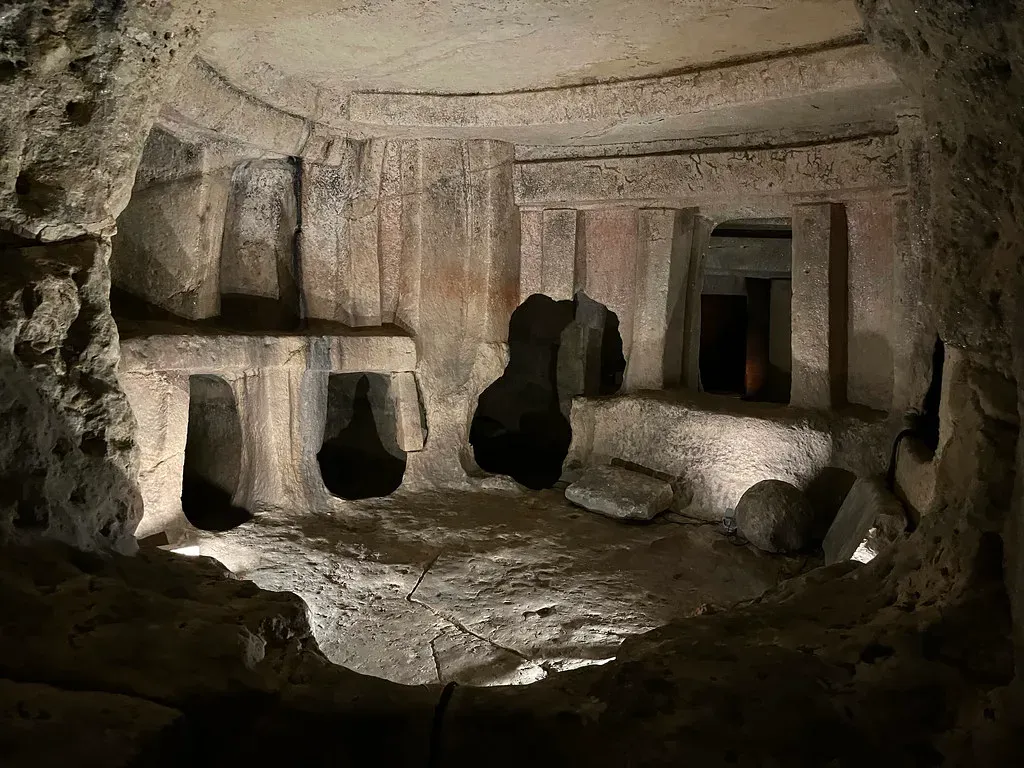
Malta’s megalithic temples – Ħaġar Qim, Mnajdra, Tarxien – are famous for predating Stonehenge. The Hal Saflieni Hypogeum, a rock-cut underground complex, adds another twist to an already strange story. The common version is simple: Neolithic builders quarried local limestone and put everything up within one tight window. Detailed stratigraphy tells a messier tale.
At several temple sites, outer foundations and platform revetments show weathering stages that don’t match the finely carved interior blocks, even though they’re supposedly the same age. Radiocarbon dates from organic material trapped beneath these basal stones are, in some cases, older than dates tied to nearby quarry spoil heaps. That points to an earlier phase of platform-building, possibly for wooden or perishable structures, predating the famous megalithic façades everyone photographs today.
#4 – The Lower Terraces of Teotihuacan, Mexico
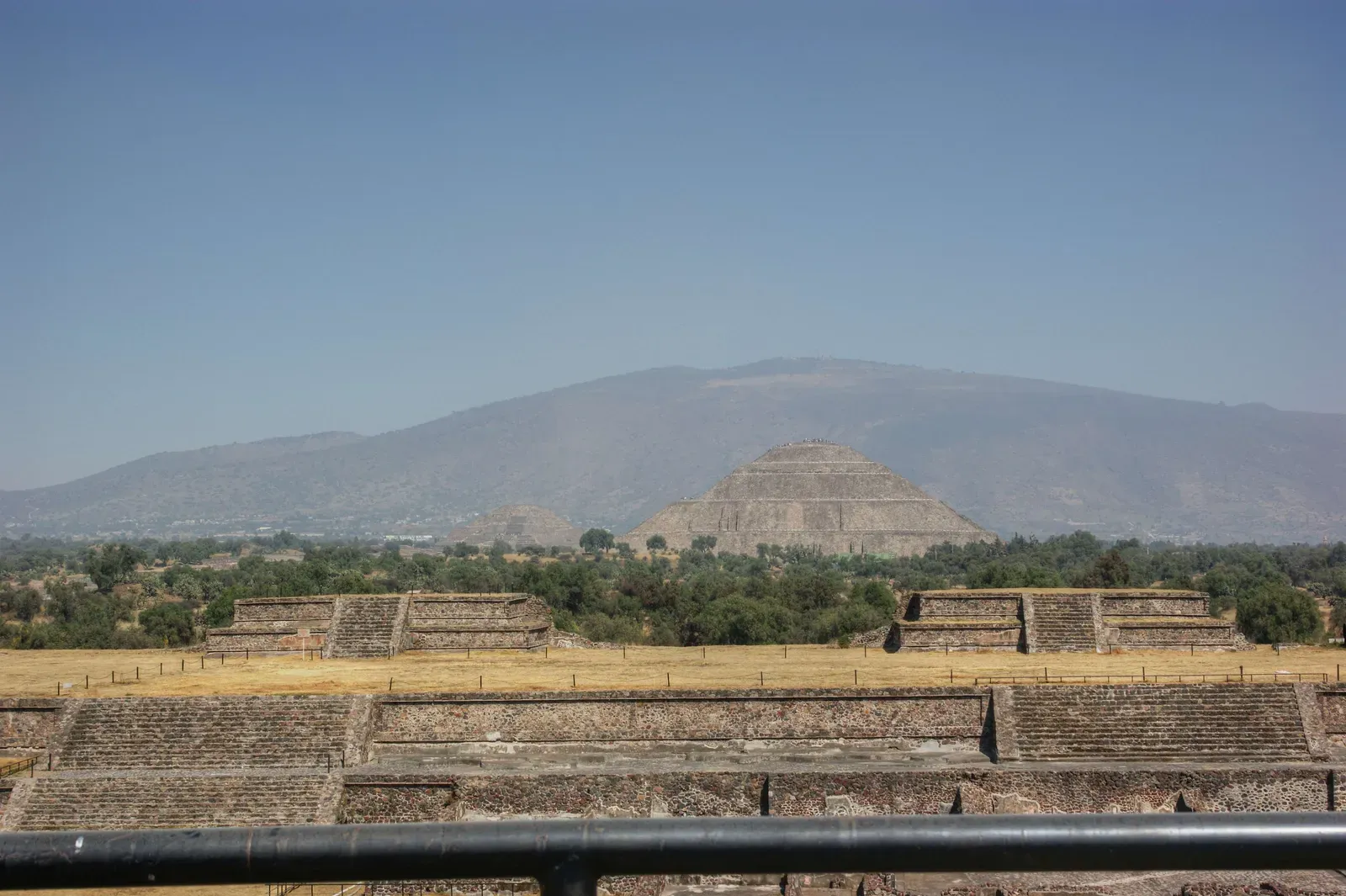
Teotihuacan’s pyramids dominate the Valley of Mexico, and it’s tempting to see them as single, coherent builds. But excavation after excavation has shown that both the Pyramid of the Sun and the Pyramid of the Moon hide older cores and foundations beneath their famous outer layers.
Archaeologists have found terrace walls and platform edges that simply don’t match later quarry patterns or alignments. Soil samples and offerings beneath these earlier retaining walls often date centuries before the main construction surge, while quarry evidence for the later phases – especially the andesite and tezontle – shows organized extraction with standardized block sizes. The buried foundations, by contrast, are made of reused rubble and weathered stone that had already lived a previous life. The city’s grand redesign appears to sit on the bones of smaller, older structures, built from stone quarried long before Teotihuacan’s famous quarries were ever opened.
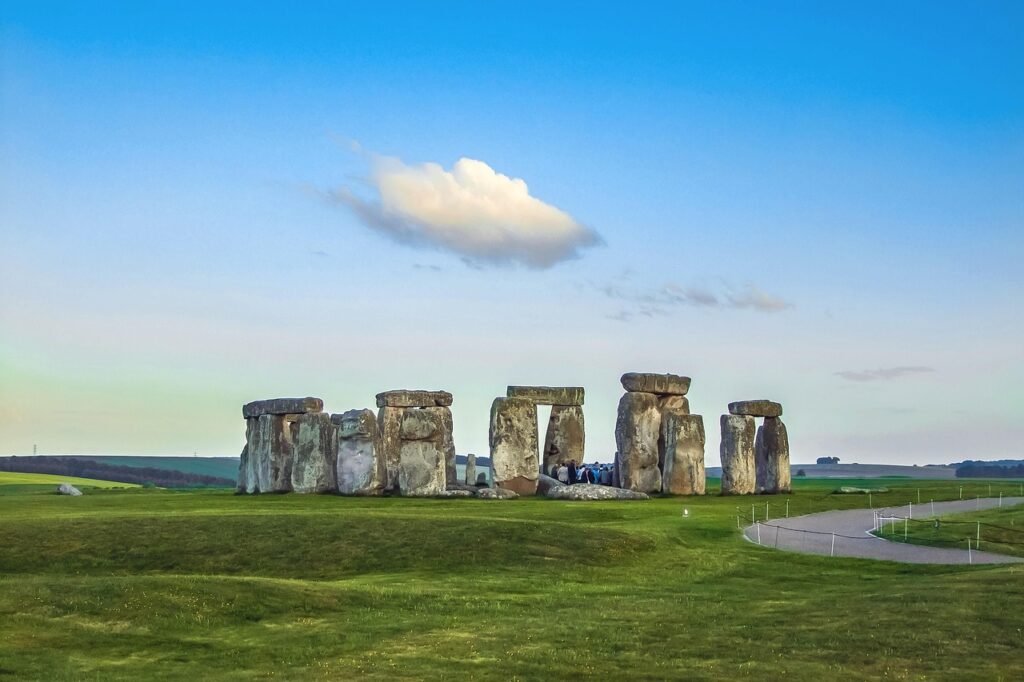
#3 – Stonehenge’s “Bluestone” Socket Foundations, UK
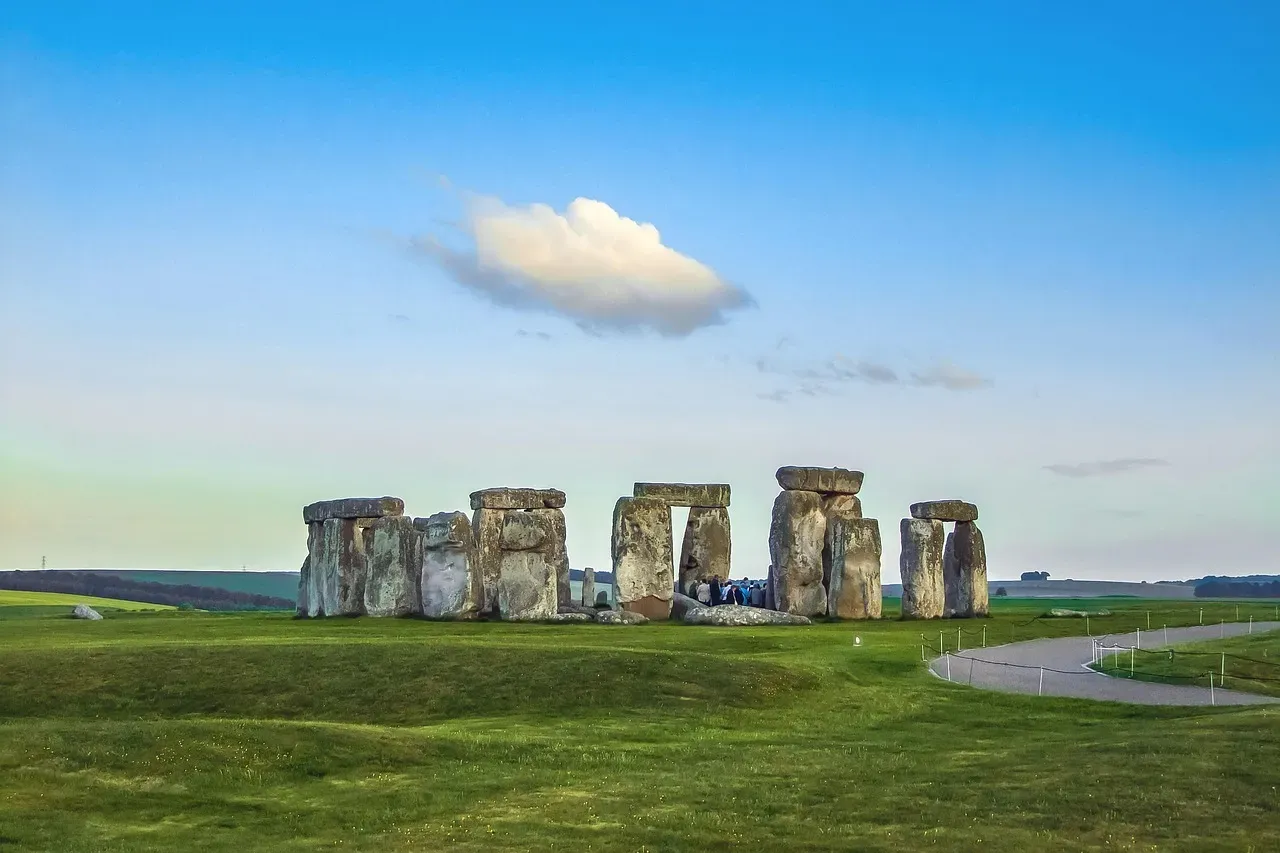
Everyone knows Stonehenge’s sarsen circle and the smaller bluestones hauled from Wales. What gets less airtime is the time gap between the earliest stone sockets at the henge and the intensive quarrying documented at the Preseli Hills extraction sites.
Excavations around the monument’s perimeter uncovered empty stone sockets and rearranged foundations that predate some of the quarrying evidence now championed in documentaries. Pollen and charcoal pulled from ancient turf surfaces under certain sockets are older than radiocarbon dates from quarry-associated hearths in Wales. Some researchers now propose an earlier, possibly local phase of standing stones or timber posts whose foundations were later repurposed. This isn’t a mystery that needs aliens – it’s a messy, stop-start monument where the foundations outlived at least one earlier generation of stones.
#2 – The “Pre-Inca” Foundations of Ollantaytambo, Peru
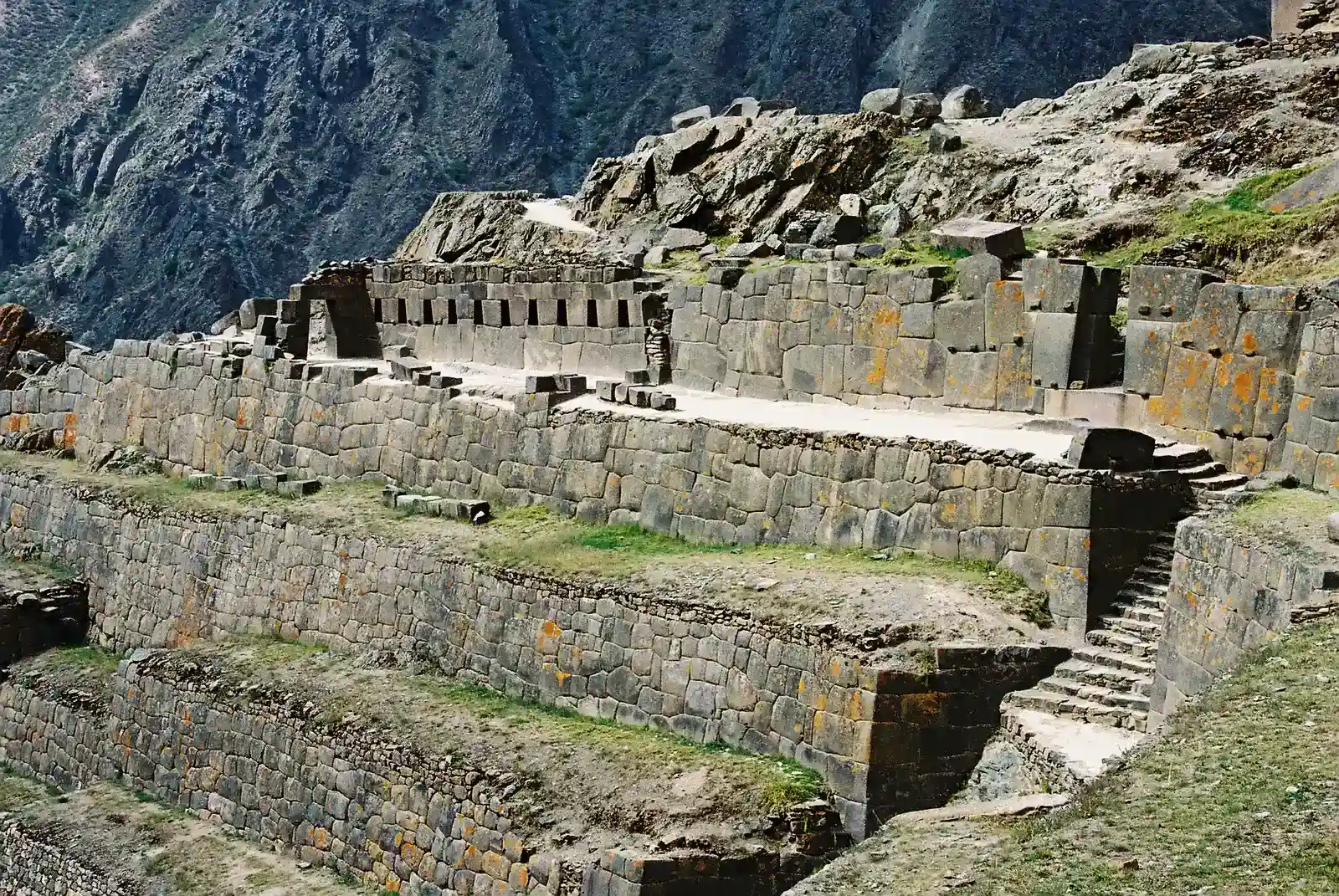
Ollantaytambo is usually labeled an Inca royal estate, its terraces and walls carved from fine pink rhyolite hauled from a quarry across the river. The famous unfinished monoliths abandoned along the approach road are held up as textbook proof of that transport in progress.
Yet the lowest terrace retaining walls, along with some sub-foundations under elite buildings, are made of a different stone entirely, with far older weathering profiles. Geologists studying these basal courses note heavier varnish and lichen colonization than on cut surfaces at the identified rhyolite quarry, implying long exposure before ever being folded into Inca construction. Some archaeologists believe this reflects an earlier local culture’s work, later finished off by the Incas. If that’s right, the Incas inherited a stone skeleton – and may have quietly erased the tradition that built it.
Worth Knowing
- Upper terraces and walls match the pink rhyolite quarried across the river
- Lowest retaining walls use a different stone with noticeably heavier varnish and lichen growth
- Unfinished monoliths on the approach road are usually cited as proof of Inca-era transport
- Weathering gap suggests an earlier local building phase, later absorbed into the Inca estate
#1 – The “Pre-Pyramid” Platform Beneath the Great Pyramid, Egypt
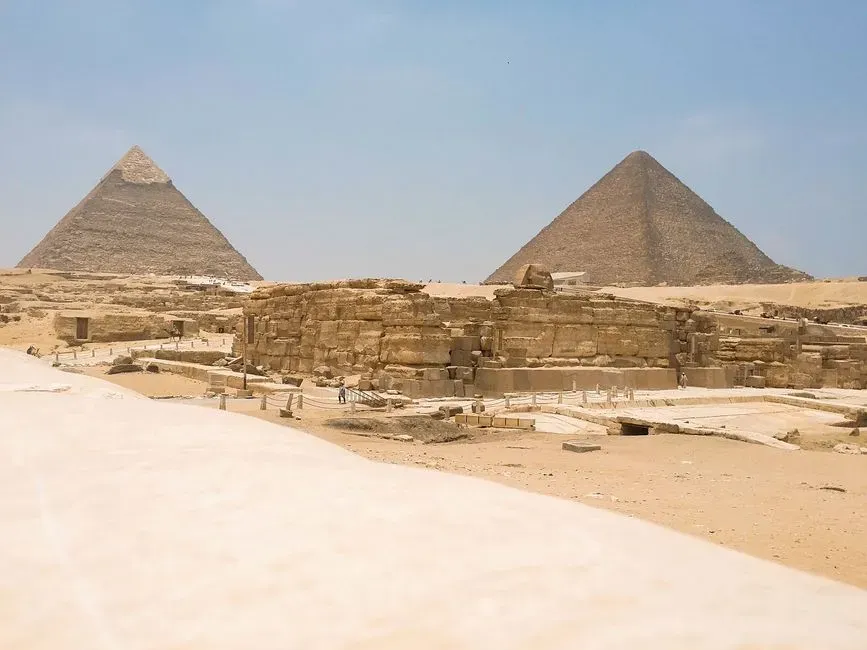
The Great Pyramid at Giza is one of the most studied structures on Earth. We know the limestone came from local quarries at Tura and Giza, and the granite from Aswan. The popular story is refreshingly simple: open quarries, cut blocks, build pyramid. Data from foundation trenches and bedrock cuttings tells something more layered.
Under and around the pyramid sits a leveled platform with cut channels and perimeter walls that may predate Khufu’s main building phase entirely. Geophysical surveys and limited excavation have revealed bedrock features and low masonry courses sealed beneath later casing stones, some showing weathering and sediment infill older than debris tied to the recognized quarry phases. A few Egyptologists have cautiously floated the idea of a pre-Khufu platform or staging area, adapted and expanded once the pyramid project began in earnest – its stone surfaces already aging before the bulk of the quarrying for the final monument had even started.
The Bottom Line
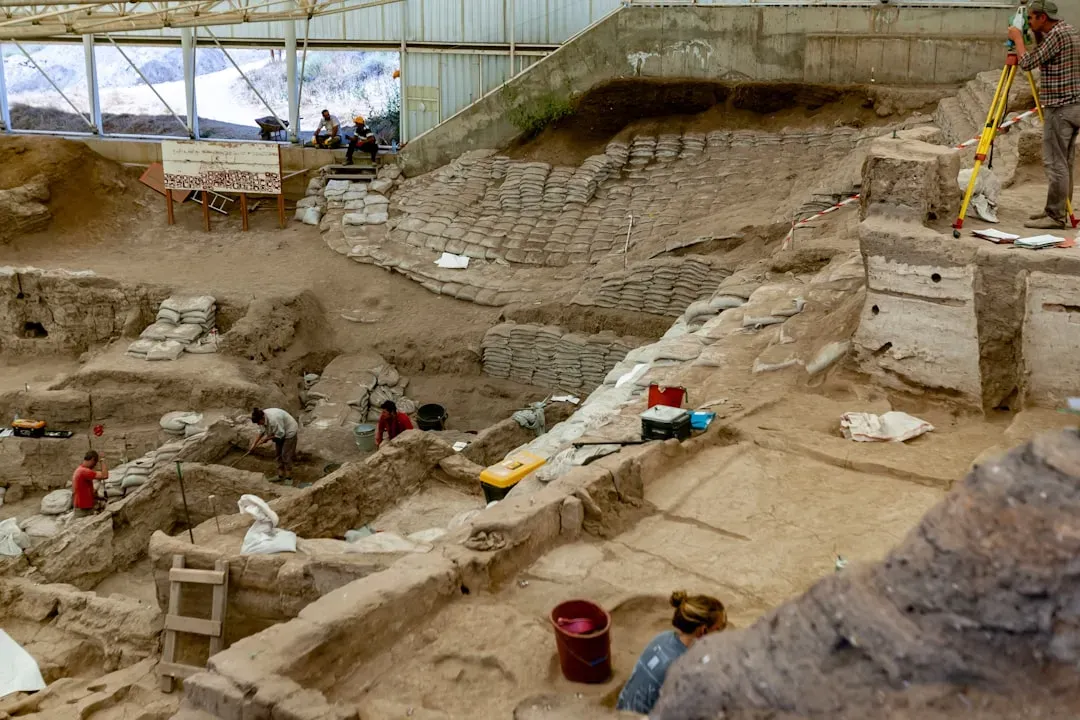
Pull these eleven cases together and a pattern quietly emerges: the life of a foundation often outlasts, and sometimes predates, the quarry we confidently link to it. That doesn’t mean lost super-civilizations or forgotten technology. It means our timelines are tidier than the evidence actually deserves.
Foundations get reused, buried, exhumed, and reused again by people who owed nothing to the builders before them. Quarries open late, close early, or vanish under centuries of soil, leaving only faint scars behind. My honest take, after going through all eleven of these: most of this isn’t a conspiracy – it’s archaeology being forced to admit that ancient people were recyclers, not romantics. The stone under our feet has a longer, messier biography than the monuments we photograph above it, and frankly, that’s a far more interesting story than the tidy one we were handed in school.
Which of these is a genuine chronological puzzle, and which one is just scholars being too cautious to say what the rocks are already telling them?