Most people assume a timeline is written once, filed away, and treated as fact from that moment on. That assumption survives right up until two independent laboratories test the exact same evidence and come back with answers that don’t line up. When that happens, the official story of what happened – and exactly when – often has to be rebuilt from scratch. Sometimes twice.
From black boxes and hospital wards to Olympic blood vials and cancer trials, this quiet unraveling happens more often than anyone likes to admit. Here are ten real patterns where lab disagreement forced investigators to tear up their first timeline – and then tear up the second one too.
#10 – The Flight Recorder That Argued With the Wreckage
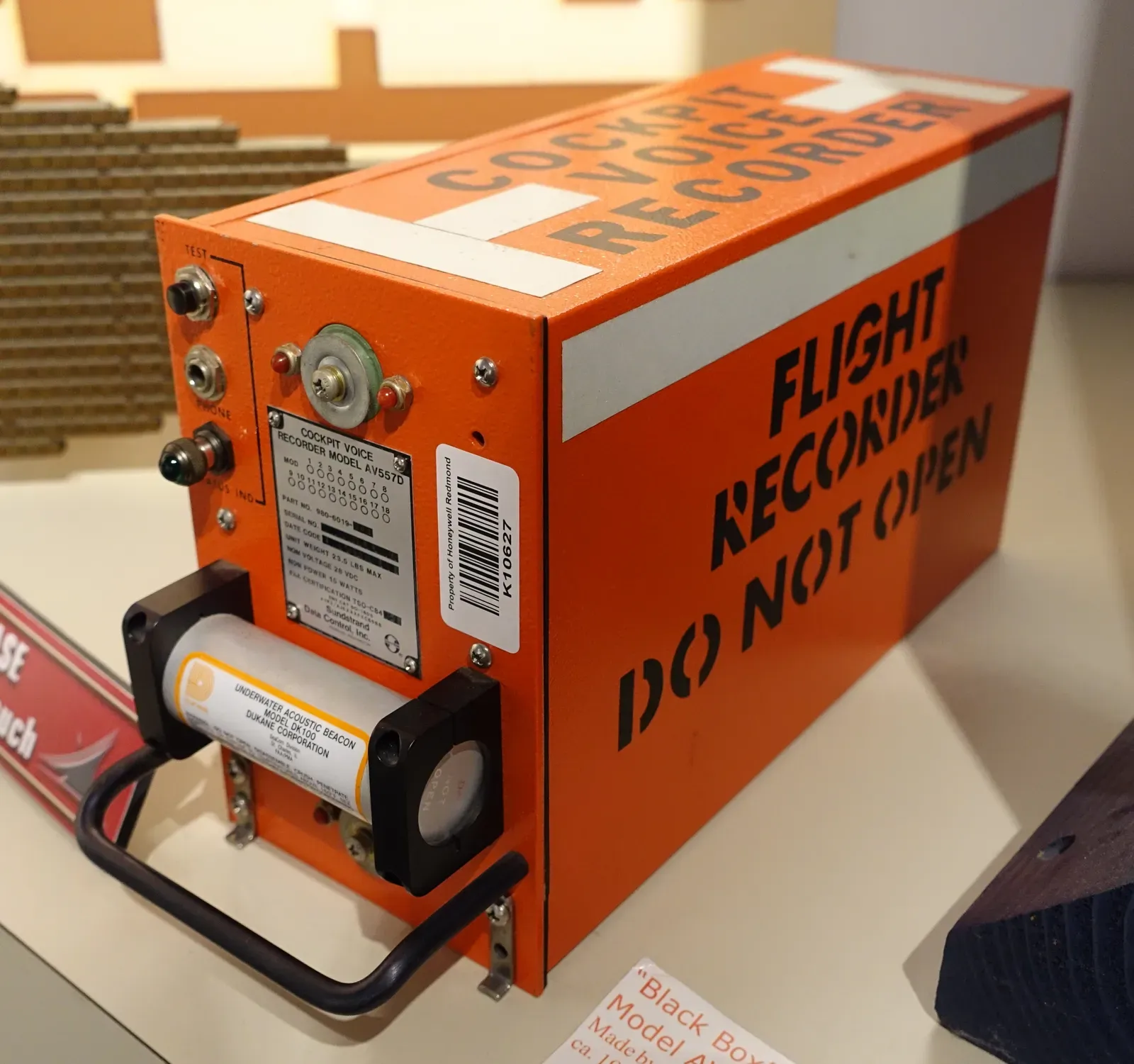
Investigators love to say “the black box never lies.” That confidence holds up right until two labs disagree. In several aviation crash probes, the cockpit voice recorder and flight data recorder pointed to one sequence of events, while a separate materials lab examining the wreckage insisted the fire damage simply couldn’t have occurred in that order.
When metallurgy and digital timestamps stop agreeing, someone’s model is wrong – and a third lab usually gets pulled in to settle it. Once that outside opinion lands, the “official” crash timeline can get rewritten twice: first to fit the physical evidence, then again to align with updated flight-data analysis. Investigators typically ask that third lab to independently reconstruct:
- Temperature progression on key components
- Structural failure points by minute, sometimes by second
The most uncomfortable part? The final version often ends up looking a lot like the early media speculation everyone dismissed as premature. But #9 shows an even messier version of the same problem – one where the disagreement isn’t about metal, it’s about who infected who.
#9 – The Hospital Outbreak With Two Different “Patient Zeros”
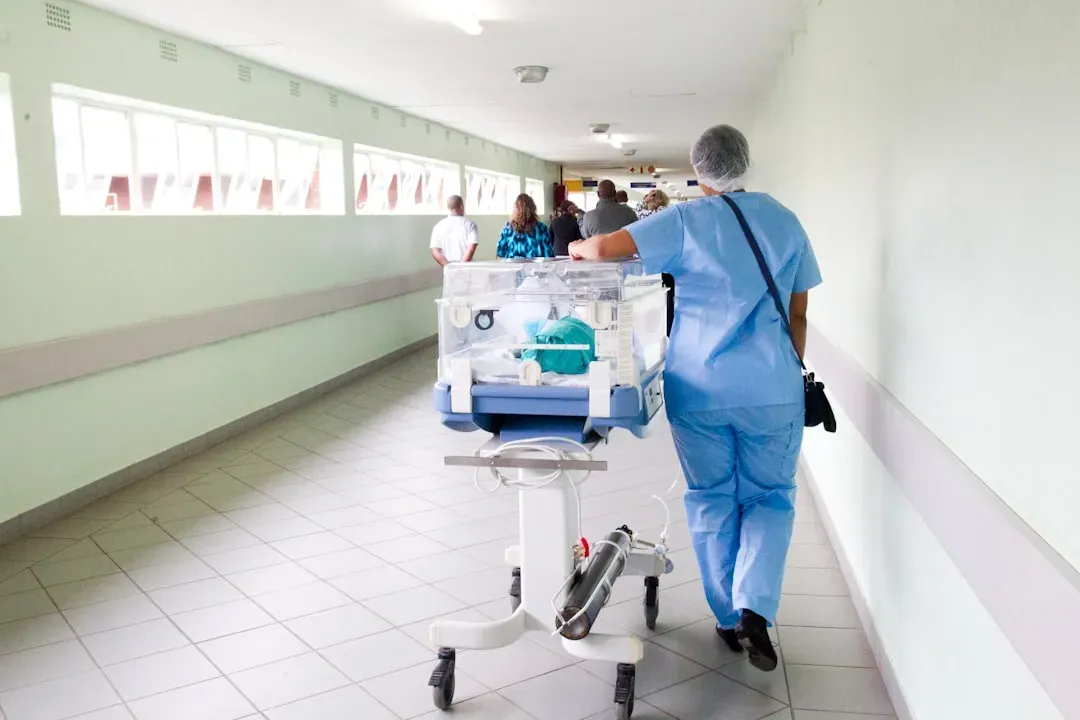
Hospitals want a clean origin story: one patient zero, one date, one obvious chain of infection. Genomic sequencing from two different labs keeps blowing that story up. One lab’s sequencing tree says Patient A infected B and C. Another lab, running a different pipeline against a different reference database, finds that B’s virus is actually older and genetically closer to cases circulating out in the community than to A’s strain.
That single contradiction flips the entire timeline overnight. Infection-control teams suddenly have to re-check staff rosters, badge logs, and CCTV timestamps, then re-interpret “exposure windows” that had already been treated as settled fact.
At a Glance
- Whole-genome sequencing can detect infection links that older single-gene testing misses entirely
- Even a handful of genetic mutations can reorder who infected whom
- Hospital outbreak investigations often lean on badge logs and CCTV timestamps as a backup to lab data
- A single re-sequenced sample can force infection-control teams to redraw an entire transmission chain
More than once, a hospital has issued an internal timeline, revised it after Lab 1’s genomics, then revised it again when Lab 2’s deeper sequencing pointed somewhere else entirely. Sometimes that second revision exposes staff movement as the real source, not the “outside visitor” everyone blamed first. Still, #8 is where the disagreement gets personal – and pits lab against lab in a courtroom.
#8 – The DNA Sample That Created Two Different Nights
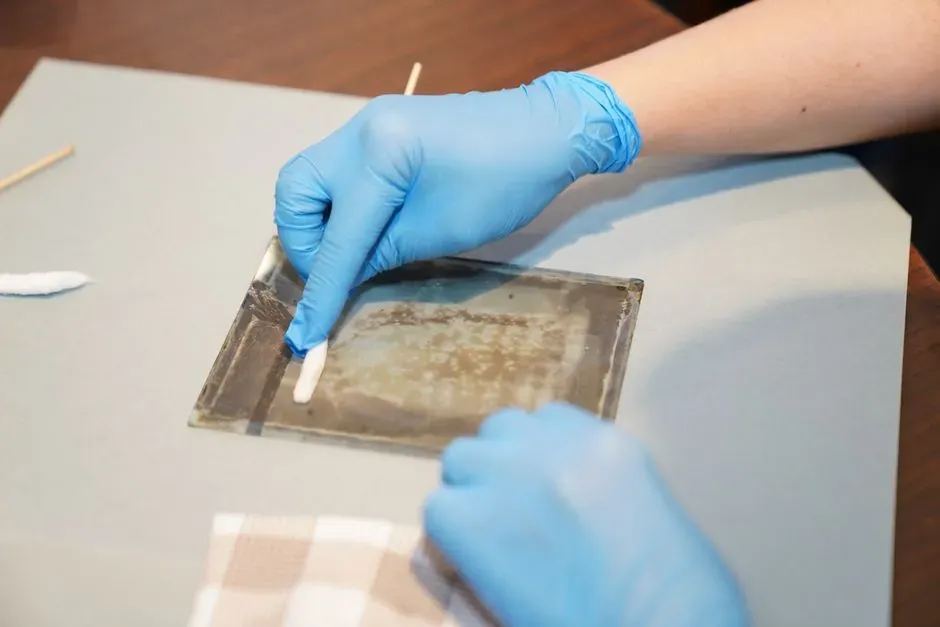
People treat DNA like a yes-or-no button. In reality, low-level, mixed DNA samples are statistical guesswork dressed up in intimidating math. One forensic lab reads a complex mixture as three contributors, with a major profile matching the suspect. Another lab, running a different software model on the identical data, concludes it’s more consistent with four contributors – and a different major profile entirely.
Overnight, the timeline of who touched what, and when, collapses. Defense teams pounce, prosecutors quietly panic, and both sides start rebuilding the case around:
- When items were likely handled, based on DNA transfer scenarios
- How long trace DNA could realistically persist on that surface
The first police timeline assumes the suspect handled an item during the crime. After the first lab report, it becomes “handled earlier that night.” After the second lab, it might become “handled days before.” That’s two full rewrites, driven purely by two labs disagreeing over the same swab. That’s a forensic nightmare – #7 is a public-health one.
#7 – The Food Outbreak That Started Two Weeks Before It “Started”

Foodborne outbreaks are supposed to follow a simple script: people eat something on Day X, get sick a few days later, and epidemiologists trace backward from there. Stool samples sent to two microbiology labs can wreck that script completely. One lab’s culture method misses a slow-growing strain. Another runs whole-genome sequencing and finds a genetically identical strain in cases from two weeks earlier – before the outbreak was even declared to have started.
So the outbreak didn’t begin when officials said it did. First the timeline gets revised to fold in the earlier cases people had written off as random stomach bugs. Then it gets revised again once environmental swabs from a processing plant come back matching the same strain.
The most infuriating part for the public: these rewrites almost always show that a warning could have gone out earlier. “Incompatible lab results,” insiders admit, is often just a polite way of saying we missed the real start by a mile. Now imagine that same kind of blind spot deciding a career instead of a menu – that’s #6.
#6 – The Doping Case That Rewrote a Championship Years Later

Most fans assume doping gets caught in the moment – you cheat, you test positive, you’re banned. Modern anti-doping doesn’t work that way anymore. Blood and urine samples get re-tested years later with newer methods, and two labs can look at the same vial and reach opposite conclusions. One lab flags markers consistent with micro-dosing. Another, using a different detection threshold, reports nothing beyond natural variation.
Anti-doping agencies then have to reconstruct the athlete’s entire “biological passport” timeline – when blood values started drifting from baseline, and which competitions fall inside the likely doping window. The timeline gets rewritten once when a “clean” athlete is retroactively flagged, and again when an appeal court weighs the conflicting lab interpretations and recalibrates what even counts as proof.
Worth Knowing
- The Athlete Biological Passport tracks blood and steroid values over years, not just on test day
- It was built to catch doping patterns even when a single sample looks clean
- Retesting older samples with newer detection methods has led to retroactive bans years after an event
- Appeals often hinge on which lab’s detection threshold gets accepted as authoritative
That second rewrite can retroactively reassign medals and rewrite an entire season’s results. Quietly, plenty of experts will admit that two athletes can carry equally suspicious profiles – but only the one tested by the more aggressive lab gets branded a cheat. Compare that to #5, where the disagreement isn’t about people at all, but about smoke and chemistry.
#5 – The Arson Case Where Chemistry Disagreed With the Burn Marks
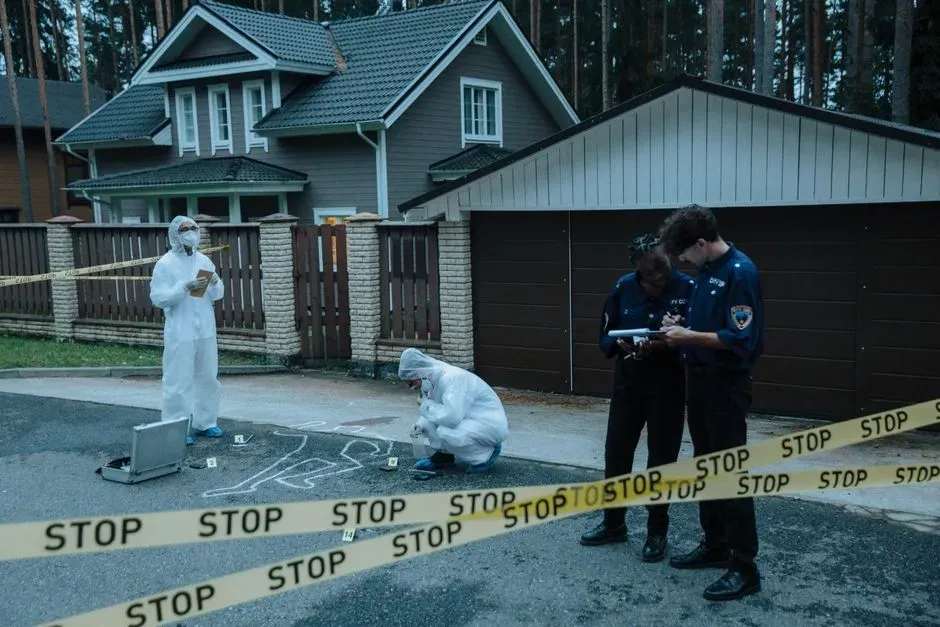
Ask a fire investigator and they’ll tell you burn patterns “tell a story.” Chemistry labs sometimes tell a completely different one. One lab analyzing debris reports trace accelerants and concludes the fire spread unnaturally fast. Another lab, applying stricter confirmation standards, finds no reliable accelerant signature at all.
Suddenly the assumed ignition points and spread times are up for grabs. The timeline shifts first toward a deliberate-ignition model – multiple points, rapid spread – then back toward an accidental one: single point, slower progression.
In some high-profile cases, juries were initially told the fire “had to start before midnight.” Later lab reports pushed that start time closer to 2 a.m. – right when the accused had an alibi. Fire-science insiders argue courts still treat outdated pattern-reading as gospel long after modern labs have proven it wrong. As unsettling as that is, #4 hits closer to home, because it can move a suspect’s alibi by hours.
#4 – The Time of Death That Changed a Suspect’s Alibi
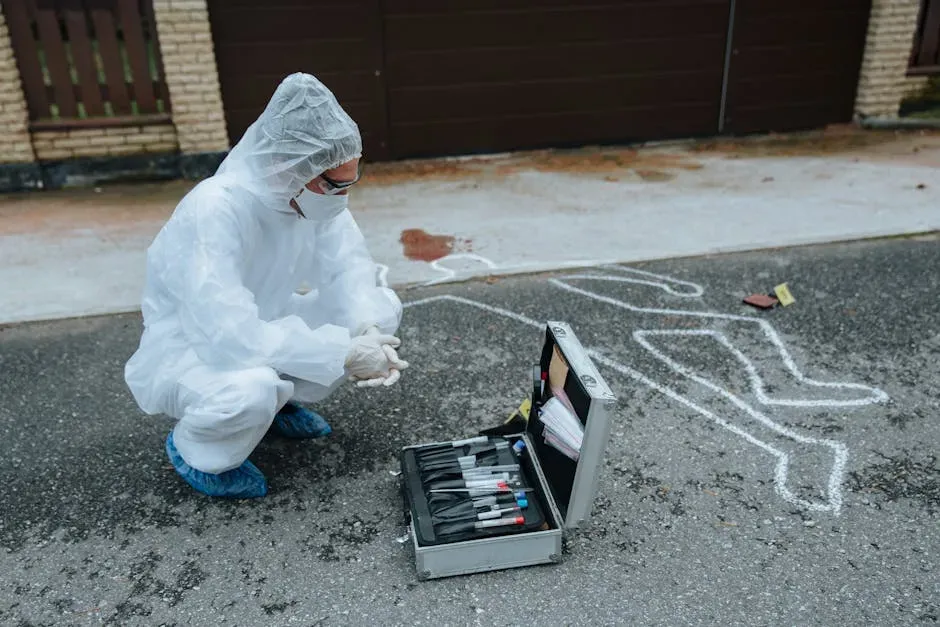
TV sells time of death as precise science. In real cases it’s a shaky estimate stitched together from body temperature, insect activity, and biochemical markers – and two pathology labs can easily land on incompatible answers. One lab’s toxicology profile supports an early-evening death. Another lab’s vitreous eye-fluid chemistry implies a much later death, one that happens to fall after the main suspect was already caught on camera somewhere else.
Investigators then perform quiet timeline surgery. First they widen the “window of death” to cover both lab estimates. Then, if an outside specialist gets pulled in, they narrow or shift that window again.
High-profile cases end up with three separate chronologies on file: the initial police guess, the first lab-supported version, and the revised composite trying to reconcile the two. For families, each new “official” time of death can feel like watching the previous truth get erased. Even that pales next to #3, where the disagreement plays out hundreds of miles above Earth.
#3 – The Spacecraft Failure Where the Wires Told a Different Story Than the Logs
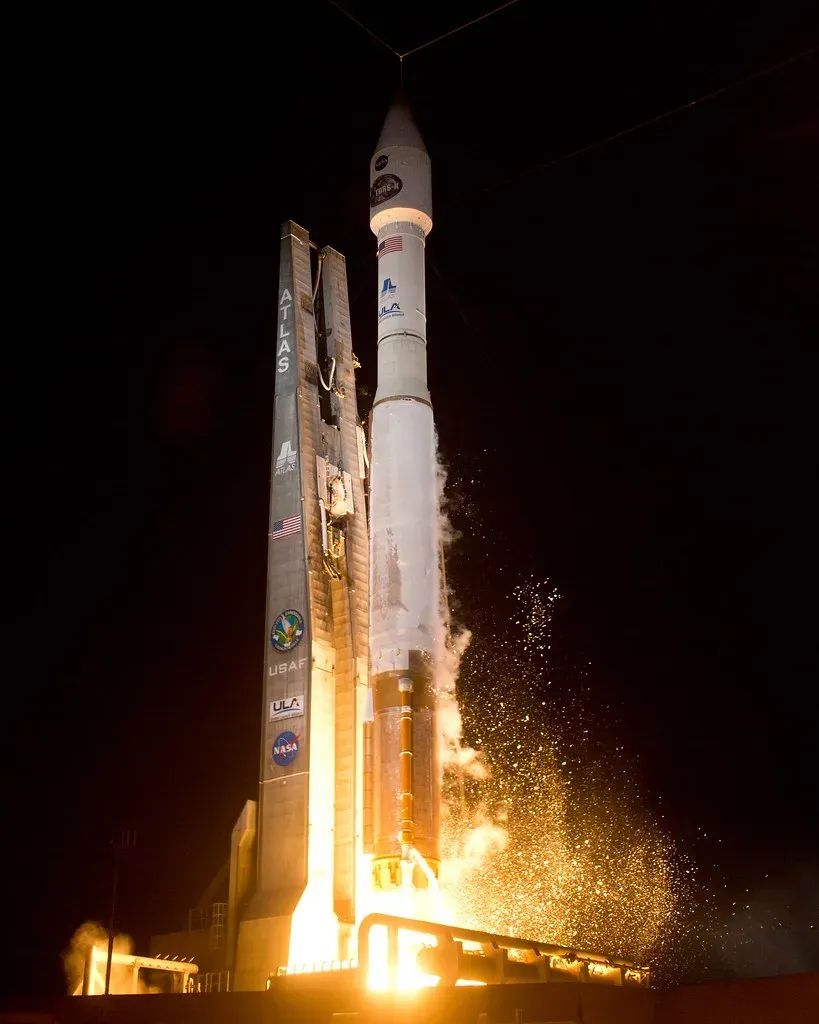
Space missions generate absurd amounts of telemetry – exact timestamps for when valves open, batteries switch, and thrusters fire. Then the recovery labs get their hands on the actual hardware. In more than one mishap, electrical test labs examining scorched components concluded a short or arc must have happened minutes earlier than the onboard logs suggested. Another lab, re-examining the memory chips, finds evidence of data corruption that shifts the sequence yet again.
Mission review boards then have to rework when the “point of no return” really happened, and which commands were actually executed versus merely queued when the failure struck. The first rewritten timeline might blame software. The second might shift the blame to hardware, or flip it right back.
Fast Facts
- Spacecraft telemetry can log thousands of data points every second during a mission
- Post-failure hardware analysis sometimes contradicts what onboard logs recorded in real time
- Accident review boards often take months, occasionally years, to issue a final root-cause report
- A shifted “point of no return” can change which contractor is held financially responsible
These aren’t cosmetic edits – they decide which contractor eats the blame and how many billions get spent on the fix. Engineers will tell you privately that incompatible lab results are one of the real reasons accident reports can drag on for years. Bring that same uncertainty down to Earth, and you get #2.
#2 – The Environmental Disaster That Didn’t Start When the Press Release Said

Oil spills, chemical leaks, and industrial contamination events get dated with suspicious precision in press releases. Groundwater labs and atmospheric labs frequently disagree on when the contamination actually began. One lab studying soil cores says pollutants have been present for months. Another, analyzing airborne deposition patterns, concludes most of the contamination happened within days of the reported incident.
That clash forces at least two rewrites. First, early findings support a tidy “sudden accident” narrative. Then longer-term sampling reveals a slow leak had been running well before anyone officially noticed.
The second revision is the one that stings – it can expose that local complaints about smells, headaches, and dead wildlife were dismissed for months. Regulators tend to release the shortest, neatest version of the story. Independent scientists tend to publish the messier one, showing contamination creeping in long before the date on the company’s press release. But the highest stakes of all are still coming – #1 is where the disagreement becomes a matter of life and death.
#1 – The Clinical Trial Where a Two-Month Gap Changed What Counts as a Relapse
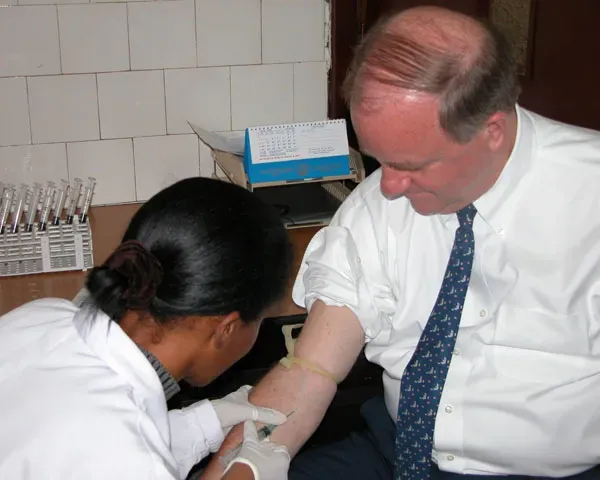
The highest-stakes timeline rewrites happen inside clinical trials. Picture a drug study where two central labs analyze blood markers to decide exactly when a patient “responded” or “relapsed.” One lab’s assay says a patient relapsed in Week 12. Another lab’s more sensitive test, run on the very same frozen sample, says measurable relapse actually began around Week 8.
That single four-week gap can shift the entire study’s “time to progression” curve. Sponsors respond by recalculating endpoints using one lab’s results as the new gold standard, then issuing protocol amendments that retroactively redefine what even counts as a relapse.
The most dangerous phrase in science is not ‘I don’t know.’ It is ‘I already know.’
Richard Feynman
This rewrites the trial timeline twice – once when interim results get locked in for regulators, and again when post-hoc analysis gets used to argue for approval or rejection. Patients rarely see any of this. But it quietly shapes drug labels, dosing schedules, and which treatments become “standard of care.” When two labs can’t agree on when improvement or decline actually began, the timeline of hope itself becomes negotiable.
The Bottom Line
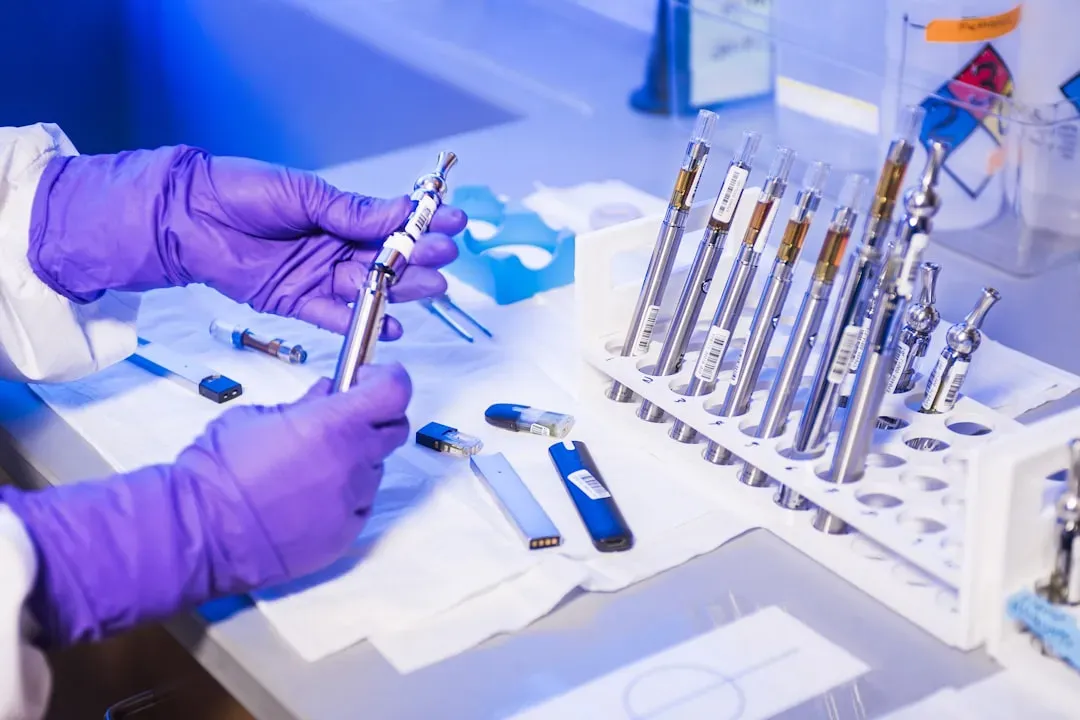
Across aviation, outbreaks, forensics, sports, space, the environment, and medicine, one pattern keeps surfacing: our official timelines are far less objective than we pretend. Whenever two reputable labs return incompatible results, the story of “what happened when” doesn’t just get tweaked – it gets torn up and redrafted, sometimes twice, before anyone dares call it final.
Why It Stands Out
- The same physical evidence can support two, sometimes three, competing timelines
- Every field on this list – aviation, medicine, sports, forensics, space – has lived through this exact whiplash
- Public trust erodes fastest not when labs disagree, but when only one version ever gets announced
- Version-numbering timelines, rather than presenting them as final, could rebuild some of that trust
That’s not a flaw in science. It’s proof that evidence is interpreted, not simply read off a clock. If anything, the real mistake is public systems acting as if the first lab report is sacred, when it’s really just the first draft.
Timelines should come with version numbers, not false confidence. Pretending otherwise doesn’t protect anyone – it just makes the eventual correction feel like a scandal instead of what it actually is: science doing its job slowly and stubbornly. Which rewritten timeline on this list do you think the public was most misled about – and why?