
You’d assume the world’s great museums are the last place on earth where history could quietly slip away. Armed guards, humidity-controlled vaults, curators who catalogue a chipped teacup like it’s a national treasure. Nothing gets in or out without a form, a signature, a stamp.
Except that’s not entirely true. Dig through enough old inventory ledgers and you’ll find something museums almost never put on a plaque: objects that were logged, measured, photographed, assigned a permanent accession number – and then simply stopped existing on paper. No smashed glass. No ransom note. No detective assigned. Just a catalogue entry that trails off into silence, sometimes for decades, before anyone even notices the object attached to it is gone. Here are 11 real artefacts that made it into official museum records, and then disappeared so quietly that even the paperwork can’t explain what happened to them.
1. The British Museum’s Roman Bronze Bust That Just Stopped Being Mentioned
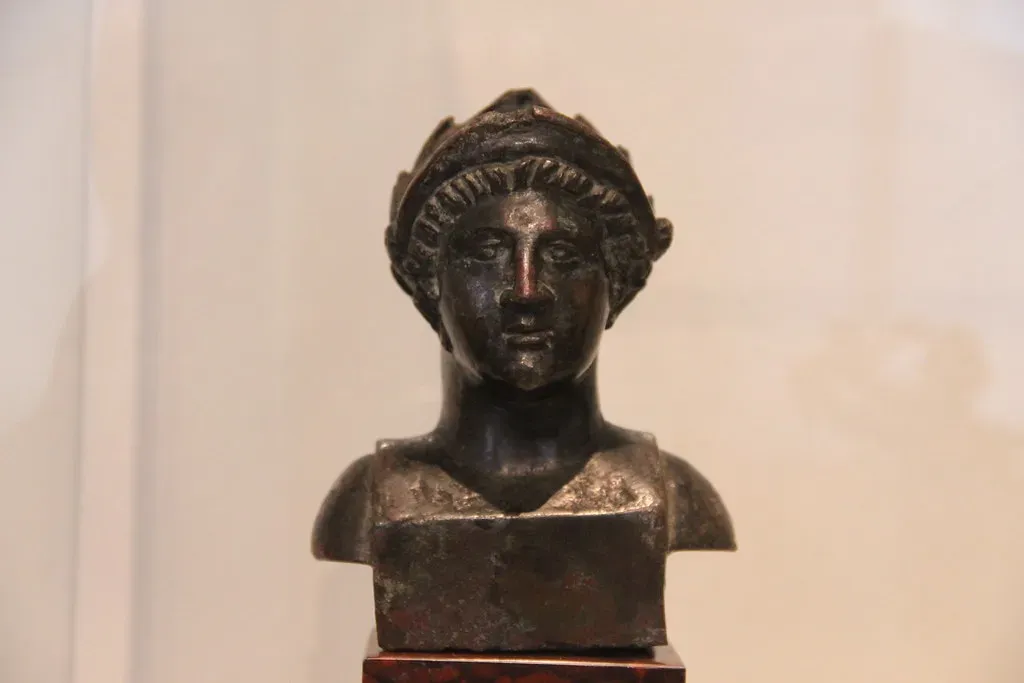
Even the British Museum has quietly “mislaid” items that live in its own catalogues. One of the strangest cases is a Roman bronze bust that turns up in early 20th-century inventory books – photographed, measured, given an accession number – and then slips straight off the grid. No deaccession note. No loan paperwork. No transfer record. Just a gap where a face used to be.
That’s what makes this one sting for researchers. A bronze bust isn’t small, isn’t fragile, and isn’t easy to lose by accident. Curators who’ve combed the archives say it should have been one of the easier objects to track down. Instead it points to one of three uncomfortable explanations: a quiet internal theft, a catastrophic filing error, or a back-room “swap” nobody ever wanted on record. The bust still shows up in a handful of secondary references, which means scholars occasionally go looking for something that, as far as anyone can prove, no longer exists.
2. The Louvre’s Egyptian Ushabti That Only Exists in a Grainy Photograph
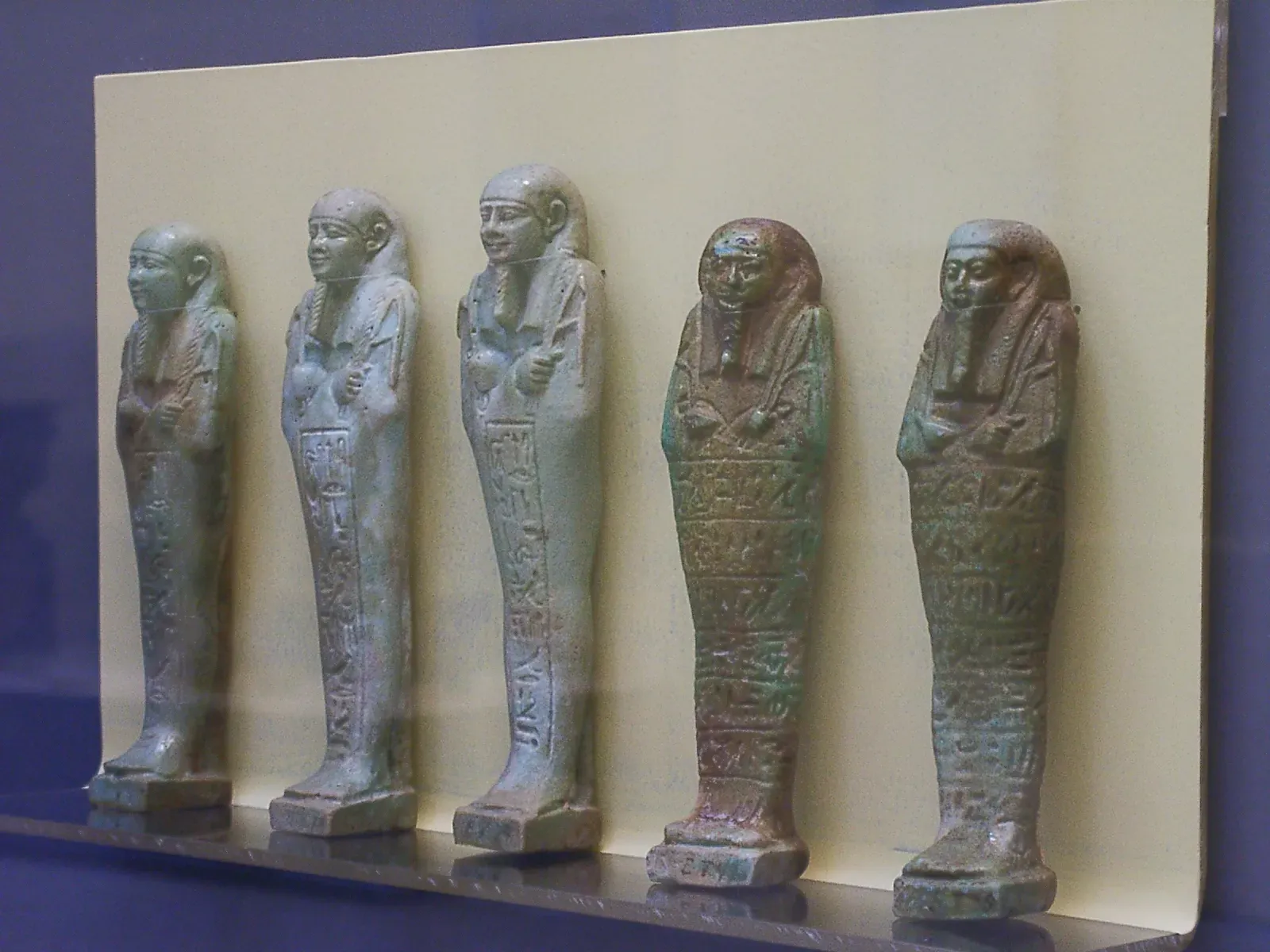
The Louvre’s Egyptian collection is legendary, but buried in old hand-written ledgers is a curious entry for a small faience ushabti – a funerary figurine meant to serve the dead in the afterlife – acquired in the 19th century. It was photographed once, mentioned briefly in a printed guide, and never documented again. No war destruction record. No transfer to another institution. No repatriation. It simply stops existing on paper.
Insiders will tell you 19th-century museums treated small Egyptian pieces almost like pocket change – swapped between curators, gifted to colleagues, “temporarily” loaned with barely a signature. That casual culture created perfect conditions for small, valuable objects to vanish without ever triggering a scandal. Today the only surviving “witness” is a grainy plate in an out-of-print catalogue, referencing a shelf label that no longer matches anything in the building. Some Egyptologists quietly suspect it’s sitting mislabelled in a storeroom somewhere in Europe, hiding in plain sight under the wrong name.
3. The Smithsonian Fossil Marked “Location Unknown”
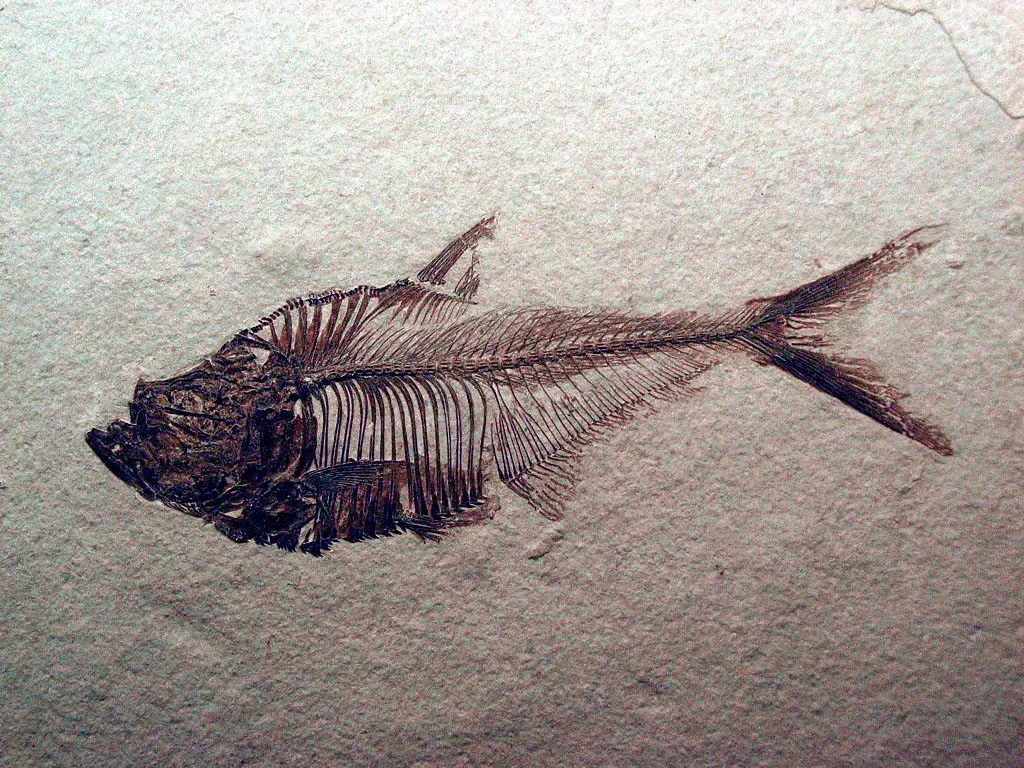
Fossils feel permanent – rock and bone shouldn’t just walk away. But at the Smithsonian’s National Museum of Natural History, researchers have long grumbled about a catalogued vertebrate fossil, described in early 1900s records and cited by later papers, that no one can physically locate today. Early descriptions suggest it wasn’t a scrap either; it was reportedly a near-complete specimen.
That matters more than it sounds. Paleontologists lean on historically important “type” specimens to double-check old research, and when one disappears, entire chains of scientific argument become impossible to verify. Field notes and shipment logs confirm this fossil actually arrived and was processed. Somewhere between unpacking and modern databasing, the trail goes cold. The digital record today carries a quietly damning status line: location unknown – a phrase that, for an institution built on scientific rigor, is more embarrassing than an outright theft would be.
At a Glance
- Type specimens are the single physical reference used to formally define a species – there’s no backup copy if one goes missing.
- Major natural history collections can hold hundreds of thousands of catalogued specimens, making one misfiled entry easy to overlook for decades.
- Most early-1900s fossils were logged entirely by hand, long before barcodes or searchable databases existed.
- A missing type specimen doesn’t just erase an object – it can quietly undercut every paper that ever cited it.
4. The Benin Bronze Plaque That Vanished Mid-Controversy
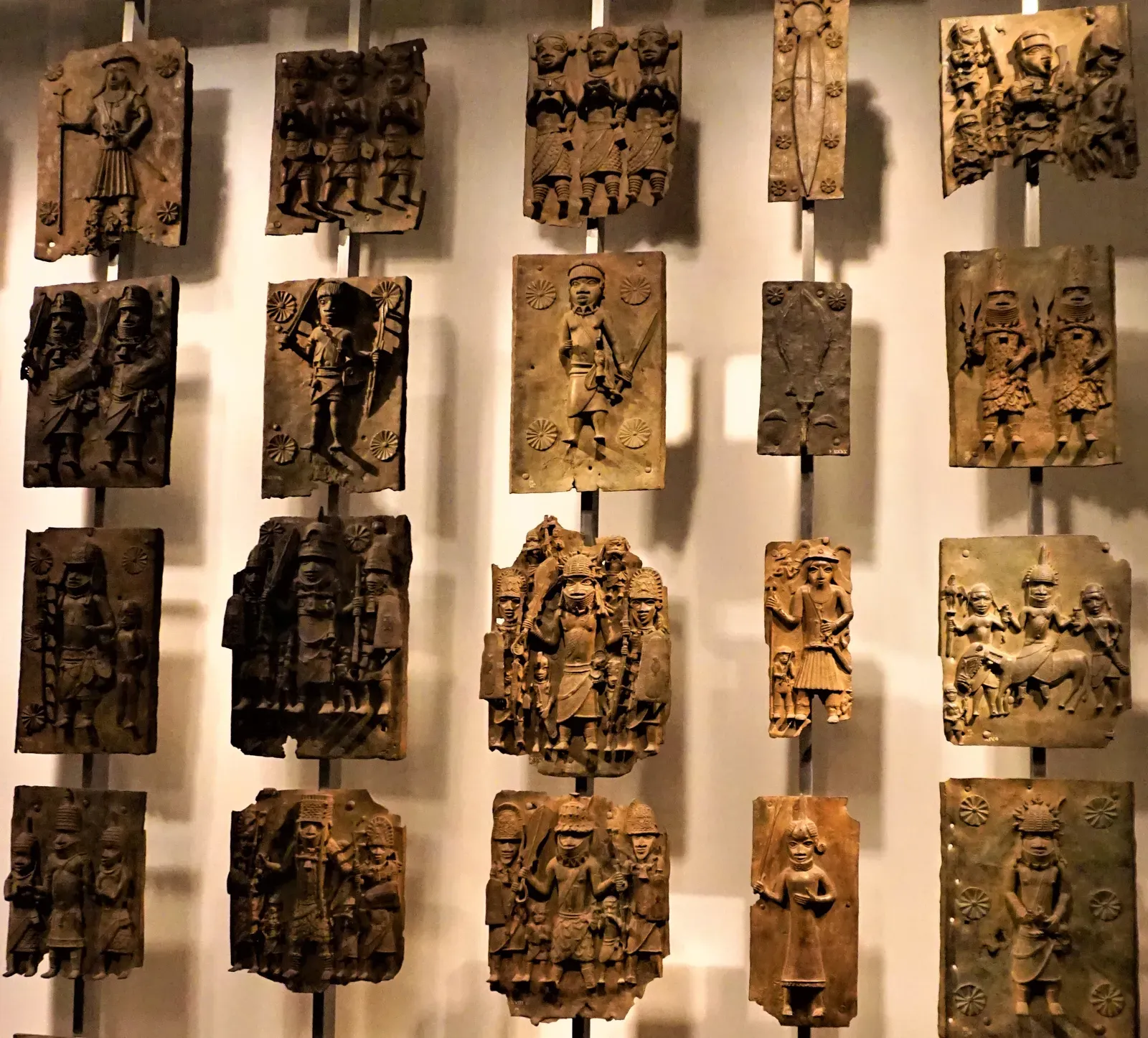
Museums rarely talk publicly about the pieces they can’t find from their most controversial collections, and Benin Bronzes sit at the center of one of the most politically charged repatriation debates in the museum world. Several European institutions hold internal references to Benin bronze plaques catalogued in the late 19th or early 20th century that simply aren’t there anymore. In some cases, an accession number survives with no object attached. In others, an early photograph shows a plaque that matches nothing currently in the vault.
This isn’t just misplaced metal – it’s metal already tied to accusations of colonial war loot. When a plaque like that goes missing, it raises uglier questions than a typical inventory gap. Did it leave through a private sale decades ago, back when that kind of “trade” was considered routine? One German museum reportedly lists a Benin plaque as “untraced since the mid-20th century,” a strikingly vague admission for an object category that draws this much international scrutiny.
Fast Facts
- British soldiers carried away approximately 5,000 bronze plaques, ivory carvings, and ceremonial objects during the 1897 raid on Benin City, and they now reside in 165 museums and countless private collections.
- In 2022 Germany transferred ownership of over 1,100 bronzes to Nigeria, the largest repatriation of African art in history.
- The Netherlands has also returned 119 Benin Bronzes to the Nigerian government as part of a growing international reckoning with colonial-era looting.
- Amid all that documented movement, a handful of individual plaques still linger in old inventories with no matching object anywhere in current collections.
5. The French Reliquary That Disappeared for the Second Time
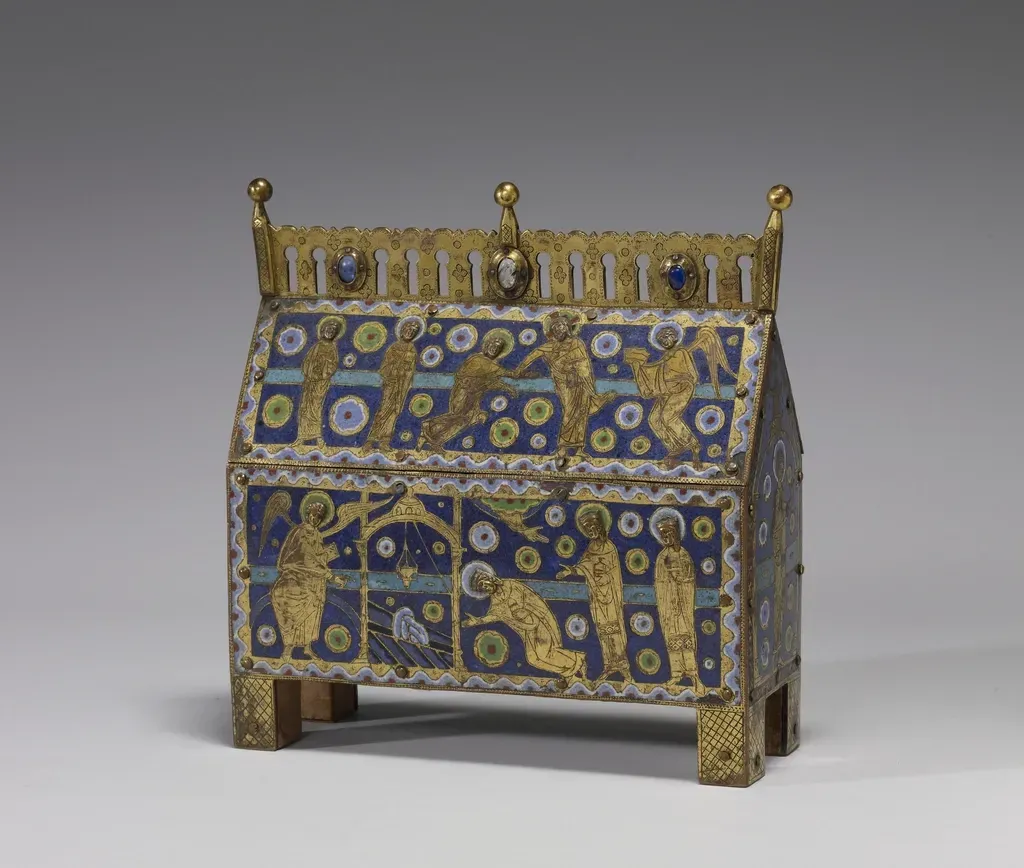
Revolutionary France produced some genuinely strange objects, and one of the strangest is a reliquary said to contain hair or relics linked to key revolutionary figures. A provincial French museum catalogued it in the 19th century, relocated it during World War II, then recatalogued it in the 1950s. Sometime after that second entry, it quietly drops out of every internal report.
Here’s the twist that makes this one different: the reliquary had already vanished once before, during the chaos of the Revolution itself, only to resurface decades later in a private collection. The museum’s acquisition was supposed to be the end of its troubled story. Instead, it became round two of historical limbo. Old black-and-white photographs show an ornate container with inscriptions detailed enough to verify the relics inside, but modern staff can’t match those photos to anything on the shelves. Local historians now suspect it was quietly sold off once revolutionary memorabilia fell out of fashion – and no one ever bothered to correct the catalogue.
6. The Viking Sword That Left an Empty Shelf Behind
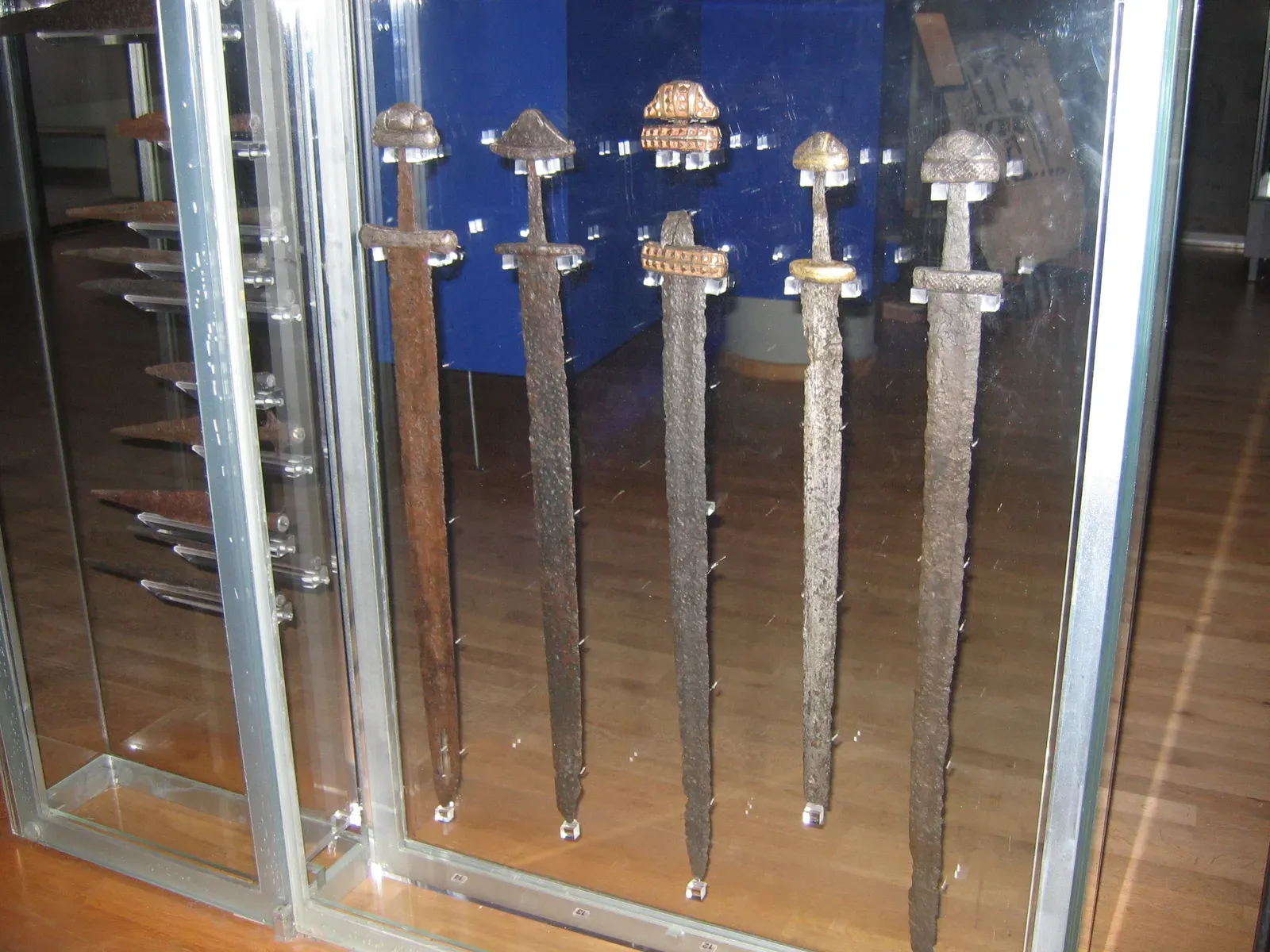
Scandinavian museums hold an enormous volume of Viking-age material, and that sheer quantity creates its own kind of risk. One Swedish regional museum recorded a Viking-age sword recovered from a 19th-century excavation, complete with measurements, drawings, and a listed storage location. When a modern researcher went to re-examine it, they found an empty space and a label with no blade attached to it.
Weapon specialists hate this story because it confirms an old suspicion: certain object categories are simply too tempting, even for people who work inside the building. The more generous explanation is old-fashioned disorganization – swords shuffled between study collections and exhibitions until a label got separated from its object. But one detail nags at experts: this sword was reportedly in unusually good condition, exactly the kind of quality that drives up both scholarly interest and black-market value. In recent years, a couple of “anonymous” Viking swords sold at auction have suspiciously similar dimensions, though none has ever been definitively tied back to the missing entry.
Quick Compare
- Theft: A well-preserved blade is exactly the kind of piece that tempts someone with easy back-room access.
- Disorganization: Study collections get shuffled between exhibitions so often that a label can outlive the object it once described.
- Market echo: Similar Viking swords occasionally surface at auction, though none has ever been formally linked back to this specific gap.
- Bottom line: Without a paper trail, curators can’t rule out either explanation – and that ambiguity is exactly what makes the case frustrating.
7. The Pre-Columbian Gold Ornament Lost on a “Temporary” Loan
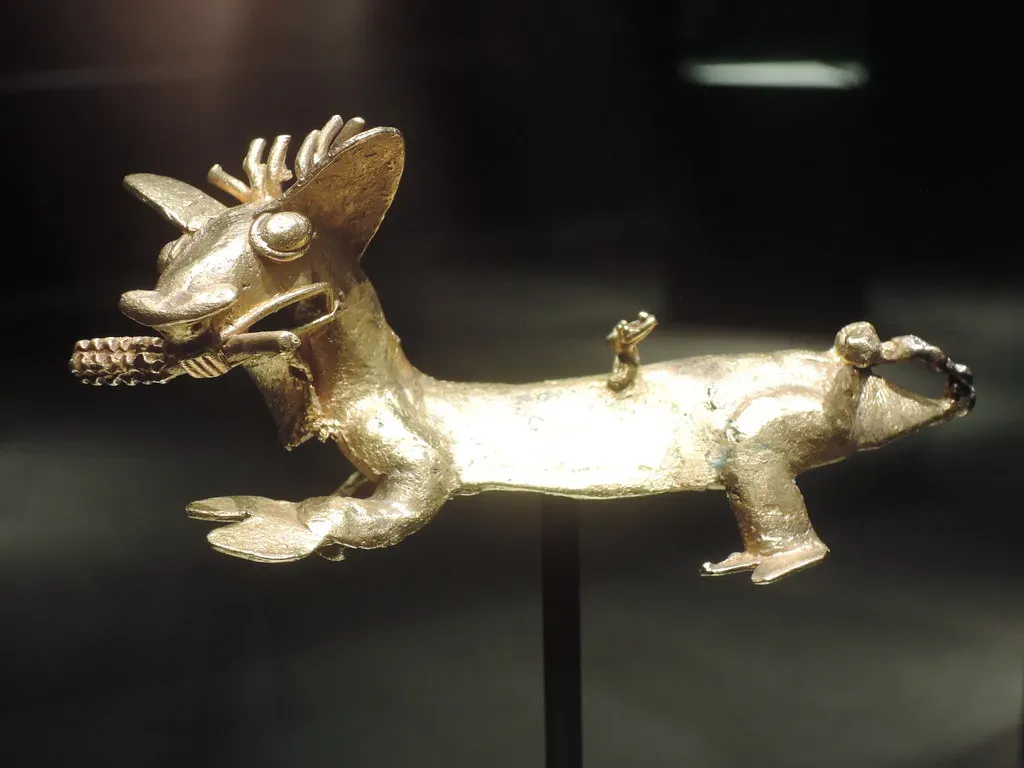
In the mid-20th century, a Latin American museum recorded a small pre-Columbian gold ornament – likely nose jewelry or a pendant – donated by a private collector. It was photographed, described, tagged, and then sent abroad for a temporary exhibition, officially due back within months. Decades later, curators quietly admit they have no idea where it actually is.
This isn’t the kind of loss you shrug off as a shipping mix-up. Moving gold artefacts across borders generates a dense paper trail – customs forms, insurance policies, courier reports – and somewhere inside that mountain of documentation, this piece’s trail simply stops, with different institutions blaming each other off the record. The most unsettling possibility is that the piece was intercepted mid-transit and quietly laundered back into the antiquities market, where “old family collection” stories are easy to invent and hard to disprove.
8. The Nazi-Era Painting That Was Logged for Safekeeping and Never Seen Again
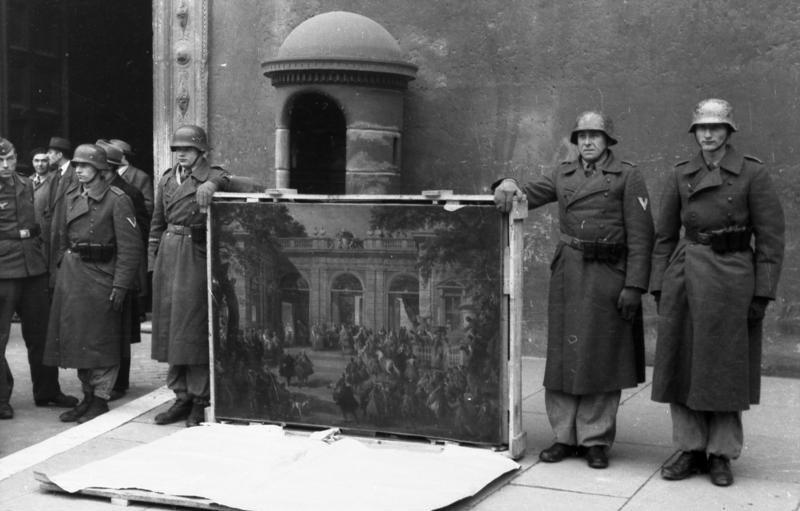
Everyone knows the famous stories of Nazi-looted paintings surfacing decades later in attics and bank vaults. Far less famous are the works that were meticulously logged for “safekeeping” during the war and simply never made it home. One European museum kept a wartime list of confiscated artworks it intended to protect, including a mid-level but clearly identified painting by an artist now considered significant. Post-war records show real efforts to return pieces to surviving heirs – this painting appears in the earliest steps of that process, then quietly falls off the list.
Art historians have traced it through black-and-white photographs and bureaucratic paperwork. It definitely existed. It was definitely in the museum’s custody. It is definitely not in the collection today. There’s no deaccession record, no restitution paperwork, no destruction notice – just a dead end. That vacuum invites uncomfortable questions: was it handed over privately to someone with no legal claim, or sold quietly when post-war museum budgets were collapsing? In a history already stained by wartime theft, a vanished catalogued painting feels like a second, quieter crime layered on top of the first.
Worth Knowing
- The Nazis looted some 600,000 paintings from Jews during World War II, at least 100,000 of which are still missing.
- Historians estimate that nearly 20 percent of artwork in Europe was stolen by the Nazi regime, through outright plunder and forced sales alike.
- Almost 30,000 suspect works have been posted online by member museums of the American Alliance of Museums for potential claimants to search.
- Even with all that documentation, cases like this one show how a single painting can still slip through the cracks of an otherwise well-tracked recovery effort.
9. The Sacred Indigenous Object Erased by Its Own Paperwork

Indigenous communities have said something museums genuinely hate hearing: “you have things you don’t even know you have.” Sometimes the accusation is blunter than that – “you lost our stuff.” In at least one North American case, a museum catalogued a sacred object from an Indigenous nation under a vague, outdated colonial label in the early 1900s. Decades later, staff tried to modernize the terminology in a digital database, and during that transition the object’s physical location field was left blank and never corrected.
When representatives from the source community eventually asked to see the object, staff discovered the catalogue trail was worse than useless – no shelf number, no storage room, no updated description of any kind. Somewhere between a paper card and a database import, the object had effectively been erased. Curators privately suspect it may still be sitting in the building, boxed under a generic “ethnographic material” label. For a community fighting to bring its heritage home, hearing “we lost track of it” can feel even worse than hearing a flat refusal.
You have things you don’t even know you have.
Common refrain from Indigenous repatriation advocates to museum staff
10. The Meteorite Fragment That Disappeared From a Lab Tray
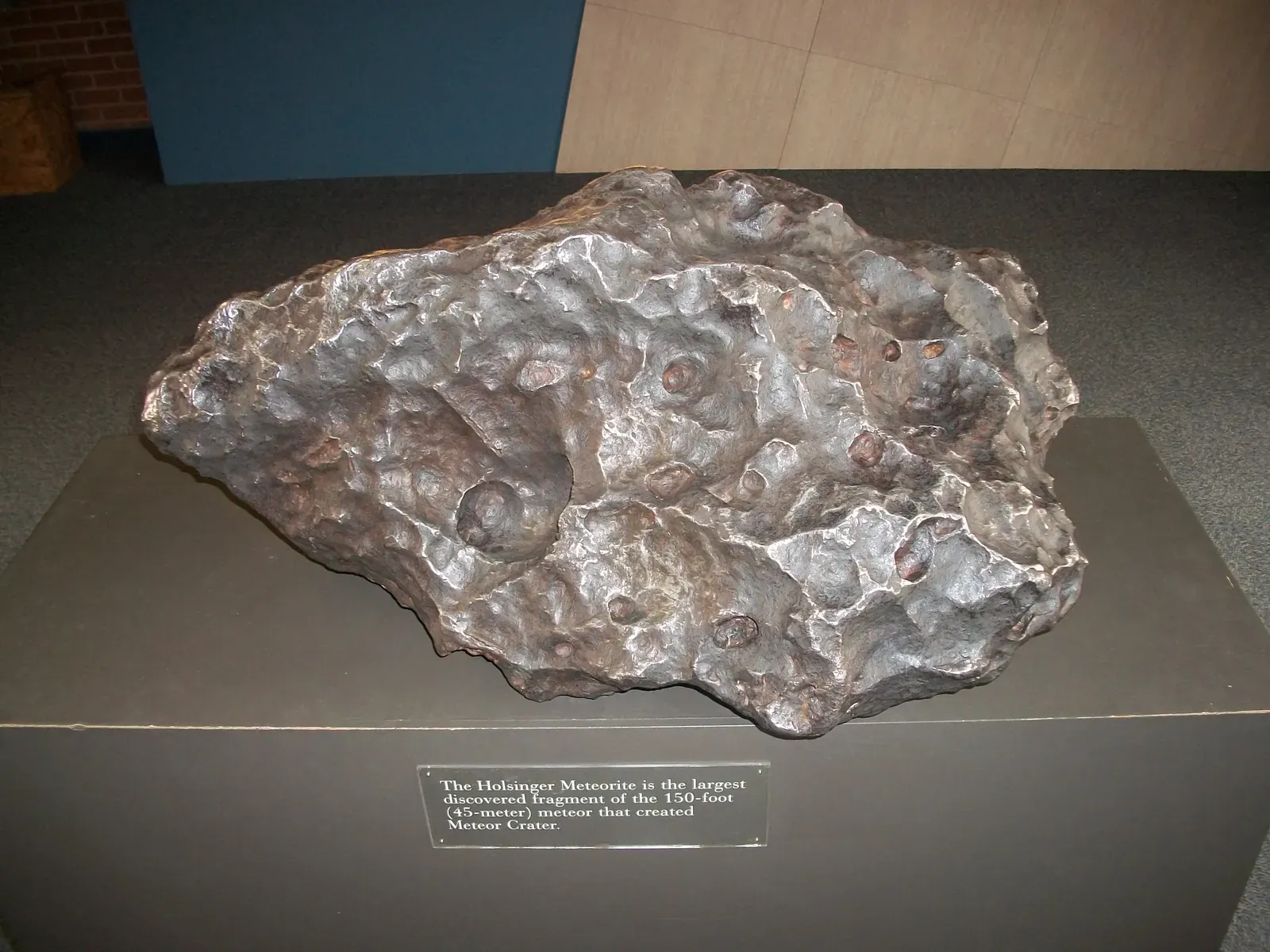
Meteorites are some of the most rigorously tracked objects in all of science – numbered, weighed, sliced, and shared with laboratories around the world. That’s exactly why the case of one catalogued meteorite fragment, listed in a European natural history museum with a precise mass and find location, has quietly infuriated planetary scientists for years. Sometime in the late 20th century, a curator went to pull the fragment for comparative analysis, and it simply wasn’t there.
Theories range from mundane to maddening: it could have been discarded by mistake as a duplicate sample, or it could have been pocketed as a “souvenir” by someone who never grasped its scientific value. Unlike paintings, most meteorite slices aren’t worth much money unless they’re famous, which paradoxically makes them more vulnerable – nobody treats a lab tray like a theft target. But the real damage isn’t financial. Every missing, poorly documented meteorite fragment quietly corrupts the dataset scientists rely on to reconstruct the history of our solar system.
11. The Catalogue Number That Points to Absolutely Nothing

The most unsettling vanished artefact on this list isn’t glamorous at all – it’s a catalogue number attached to something no one can even describe anymore. In more than one major museum, staff have uncovered legacy entries where an accession number exists, maybe with a donor name and a vague category like “stone tool,” “ritual object,” or “painting,” but no physical description, no photograph, and no surviving object anywhere in the building.
This is institutional amnesia in its purest form. Somewhere in the past, something crossed the museum’s threshold, was judged important enough to log, and then sank beneath decades of storage reshuffles, staff turnover, and clumsy digital migrations. Eventually a database audit surfaces the ghost – an entry pointing to nothing at all. The object might be mislabeled in the wrong box. It might have been thrown out when someone misread an old tag. It might have simply been stolen. No one can even say what was lost, which means no one can meaningfully look for it.
The Bottom Line
When people picture museum scandals, they imagine daring heists and dramatic police recoveries. The real story is quieter, and honestly more disturbing: most artefacts don’t disappear with a bang – they fade out in the gap between paperwork and reality, one skipped audit and one shrugged-off discrepancy at a time.
I don’t think that’s an acceptable cost of doing business, no matter how old the ledger is. A Roman bust, a sacred Indigenous object, a fossil that once anchored real scientific arguments – these aren’t just “administrative gaps.” They’re pieces of human history that institutions promised to protect and then let slip through casual internal trades, underfunded storage audits, and a long, ugly habit of treating certain cultures’ objects as less worth tracking than others. The comforting idea that museums keep things safe forever was always more marketing than fact.
Maybe the real question isn’t how these 11 objects vanished. It’s how many more “location unknown” ghosts are still sitting quietly in databases no one has bothered to audit – and whether museums should be forced to publish every single one, no matter how embarrassing the admission.