

If you’ve ever waited for an apology that never came, you know how strangely painful that silence can be. It’s not just about stubbornness or pride; chronic non-apologizers often leave a trail of confusion, resentment, and self-doubt behind them. What makes it worse is that they usually carry on like nothing happened, while everyone around them is still bleeding emotionally.
Looking closely at people who never say “I’m sorry” can be shocking, because it forces us to see patterns we might prefer to ignore in others – and sometimes in ourselves. These truths are uncomfortable because they strip away the excuses and show what’s really going on underneath the surface. As you read through these, you might recognize a partner, a parent, a boss… or a version of yourself you’d rather outgrow.
1. They Often Care More About Being Right Than Being Close

Here’s the gut punch: for , winning usually matters more than connecting. In an argument, they’re not listening to understand; they’re listening to reload. Admitting they were wrong feels like a defeat, not a bridge back to the relationship. So they double down, justify, deflect, or bring up your mistakes instead.
Over time, this turns every conflict into a courtroom, with them playing both judge and defense attorney. You might notice that conversations with them feel strangely cold and strategic, even if they say they care. It’s not that they’re incapable of love; it’s that their need to protect their ego quietly outranks their desire to repair the bond. The heartbreaking part is that they often don’t see the intimacy they’re sacrificing just to be “right.”
2. Their Self-Esteem Is Usually More Fragile Than It Looks
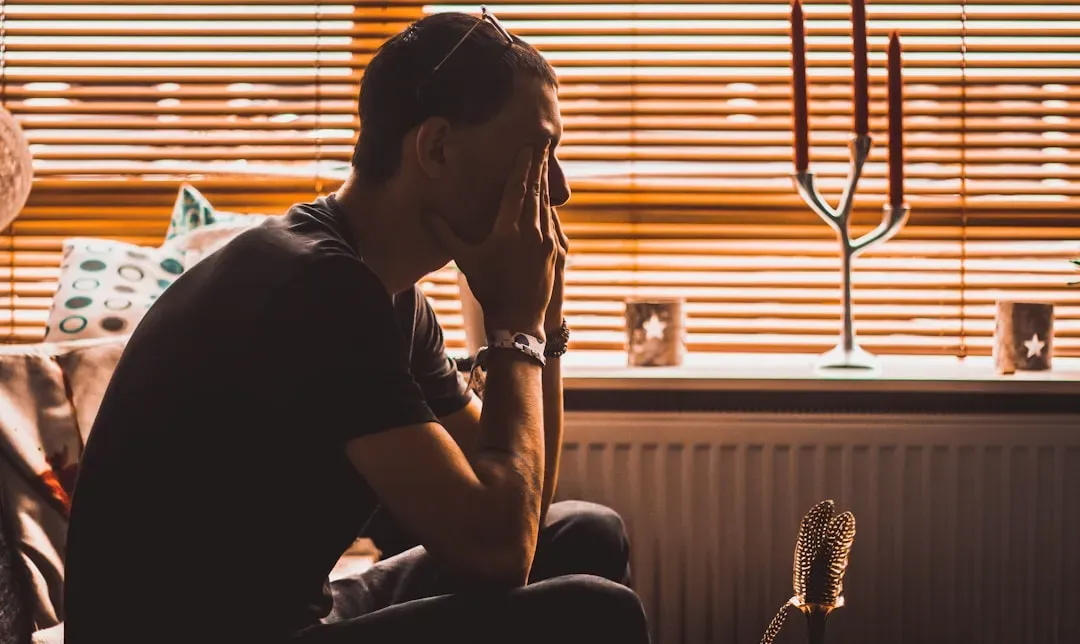
On the outside, non-apologizers can seem confident, tough, or even admirably unbothered. But beneath the hard shell, there’s often a very fragile sense of self. Admitting a mistake doesn’t just feel uncomfortable for them; it feels dangerous, like the whole house of cards might collapse if they own up to one wrong move. So they cling tightly to a flawless image, even when reality is cracking it open.
Think of it like armor that’s rusted to their skin: it protects, but it also traps. They’d rather preserve the illusion of “I’m fine, I’m always right, I don’t mess up” than risk feeling shame or vulnerability. Ironically, the very thing that could help them feel more secure – learning they can be imperfect and still loved – is the thing they refuse to try. So they stay stuck in a loop of denial that looks like strength but feels like fear.
3. They Confuse Accountability With Humiliation

For many , the idea of saying “I was wrong” is tangled up with memories of being shamed, mocked, or punished in the past. Maybe they grew up in a home where mistakes were used as weapons, not as moments for learning. So now, any hint of accountability feels like walking back into that emotional minefield. To them, taking responsibility is not a healthy adult choice; it’s a replay of childhood humiliation.
Because of that, they overreact to even gentle feedback. A simple “Hey, that hurt my feelings” might feel like an attack or an accusation. They might lash out, shut down, or flip the script so that suddenly you’re the problem. Underneath the drama, the real story is that they’ve never learned the difference between being held accountable and being torn down, so they refuse both altogether.
4. They Quietly Rewrite Reality To Avoid Guilt

One of the most unsettling truths is that chronic non-apologizers often rewrite the story in their head so they don’t have to feel guilt. They’ll minimize what happened, insist “it wasn’t that bad,” or claim you’re overreacting. Sometimes they’ll conveniently forget details that make them look worse, or magnify your reactions to make you the irrational one. It’s not always calculated; it can be a subtle, automatic protection mechanism.
If you’ve ever walked away from a conversation wondering if you imagined the whole thing, you’ve probably experienced this. Over time, this reality-bending can make you doubt your own memory and emotional reactions. It’s a quiet kind of gaslighting, even if they don’t consciously mean to manipulate. The bottom line is brutal: preserving their self-image matters more to them than facing the truth of what actually happened.
5. They Put The Emotional Labor On Everyone Else

When someone never apologizes, the burden of healing the relationship usually falls on the other person. You’re the one who has to “be the bigger person,” smooth things over, pretend it’s fine, or move on without closure. You might be the one learning communication skills, reading articles, going to therapy, while they simply keep doing what they’ve always done. It’s like being stuck in a two-person rowing boat where only one person is actually rowing.
This imbalance is exhausting and, honestly, unfair. It teaches you to swallow your hurt just to keep the peace, which can slowly erode your self-respect. Meanwhile, the non-apologizer gets to stay comfortable, because other people keep cleaning up the emotional mess for them. The harsh truth is that a relationship where only one person ever repairs is not just unequal; it’s unsustainable in the long run.
6. They Often See Vulnerability As A Weapon, Not A Bridge

To apologize well, you have to let yourself be seen: your flaws, your regrets, your soft underbelly. usually see that kind of openness as dangerous. They may have learned that if they show weakness, someone will pounce. So instead of viewing vulnerability as a bridge that brings people closer, they see it as ammunition someone could use against them later. Staying hard and closed-off feels safer, even if it’s lonely.
In practice, this means they might mock others for being “too sensitive” or “dramatic,” while secretly envying those who can express emotions freely. They might roll their eyes at heartfelt conversations, but deep down there’s often a quiet hunger for that kind of connection. The tragedy is that they keep building walls in the exact place where they most need doors. They’re protecting themselves from a kind of hurt they once knew, but they’re also blocking the love and repair they claim to want.
7. They Use Deflection To Protect Their Ego At All Costs

If you’ve ever tried to talk to a non-apologizer about something they did, you’ve probably run straight into deflection. Instead of addressing the issue, they change the subject, bring up your past mistakes, question your tone, or suddenly remember something unrelated you did two years ago. It’s like trying to nail jelly to a wall. By the time the conversation is over, you’re talking about anything except the original problem.
This deflection isn’t random; it’s a shield. Admitting fault threatens the image they have of themselves, so they scramble to move the spotlight off their behavior. The uncomfortable truth is that they are often more committed to defending their ego than to understanding your pain. You might leave those talks feeling unheard, dizzy, and weirdly guilty, even though you were the one who was hurt in the first place.
8. They Expect Grace They Rarely Give

Here’s a pattern that’s particularly infuriating: many still expect others to be understanding when they mess up. They’ll say things like “You know I didn’t mean it” or “You’re taking it the wrong way,” as if their intention should erase your experience. When they’re the ones hurt, they want empathy, patience, and gentleness. But when they’re the ones who caused harm, suddenly everyone else is “too sensitive.”
This double standard slowly teaches you that their feelings matter more than yours. You might catch yourself tiptoeing around their moods while they stomp all over yours. It’s not that they are incapable of empathy, but their empathy tends to be heavily biased in their own favor. They want the benefit of the doubt without offering the same grace in return, which corrodes trust over time.
9. They Mistake Silence For Resolution

The problem is that unspoken hurt doesn’t disappear; it just hardens. Resentment builds in the background, intimacy thins out, and the relationship starts to feel more like a polite arrangement than a real connection. Non-apologizers may be genuinely surprised when things eventually fall apart, because they mistook your silence for forgiveness. The reality is, you can’t heal a wound you refuse to even look at.
10. They Don’t Change Because Their World Still Works For Them

10. They Don’t Change Because Their World Still Works For Them (Image Credits: Unsplash)
This might be the hardest truth to swallow: many do not change because, from their perspective, they don’t have to. Their relationships might bend around their behavior. Partners, friends, and family members may keep making excuses for them or tolerating the imbalance. As long as life doesn’t force them to face serious consequences, they can keep coasting without ever learning the skill of repair.
Real change usually happens when the cost of staying the same becomes too high: a breakup, a lost friendship, a child pulling away, or a job falling through. Until then, their refusal to apologize is often quietly rewarded by people who keep absorbing the emotional cost. You can’t force someone to grow up emotionally, but you can decide whether you’ll keep paying the bill for their unwillingness to say two simple words: “I’m sorry.”
Living with or loving someone who never apologizes can feel like playing a game where the rules only apply to you. It wears you down, not just because of what they do, but because of how their refusal to take responsibility makes you question your own worth and reality. These truths are uncomfortable because they push us to make hard choices about what we’re willing to accept and where our own boundaries need to be stronger. The most empowering shift often isn’t getting them to finally apologize, but recognizing that their refusal says more about their inner world than your value. You may not be able to change them, but you can change how close you stand, how much you tolerate, and how clearly you see what’s really happening. When you think about the people in your life, which of these truths hits a little closer to home than you expected?
Jan loves Wildlife and Animals and is one of the founders of Animals Around The Globe. He holds an MSc in Finance & Economics and is a passionate PADI Open Water Diver. His favorite animals are Mountain Gorillas, Tigers, and Great White Sharks. He lived in South Africa, Germany, the USA, Ireland, Italy, China, and Australia. Before AATG, Jan worked for Google, Axel Springer, BMW and others.