
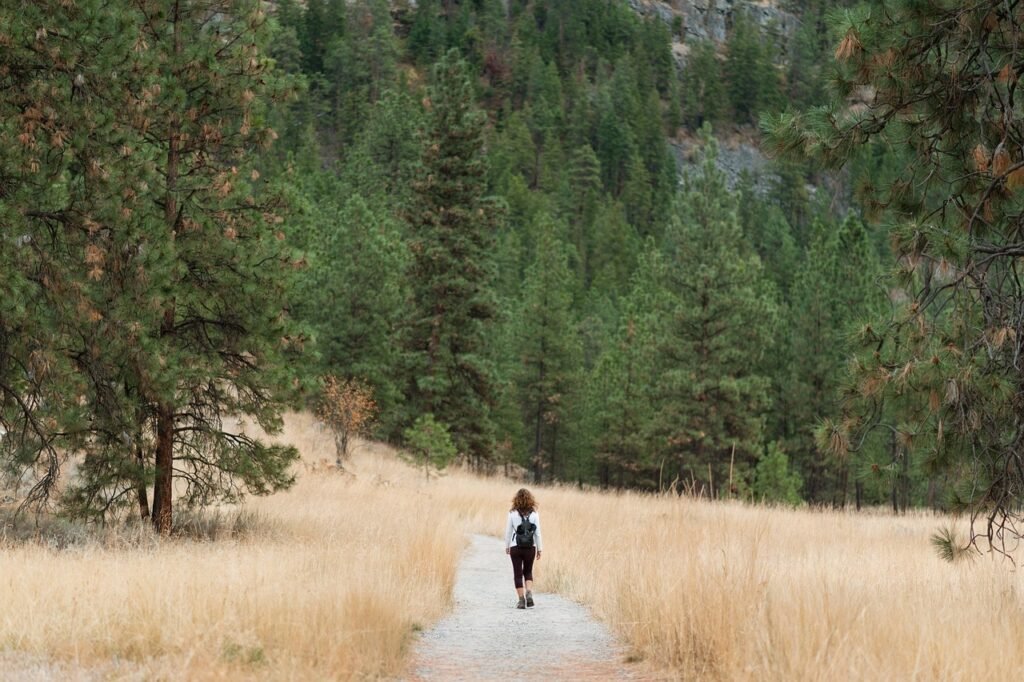

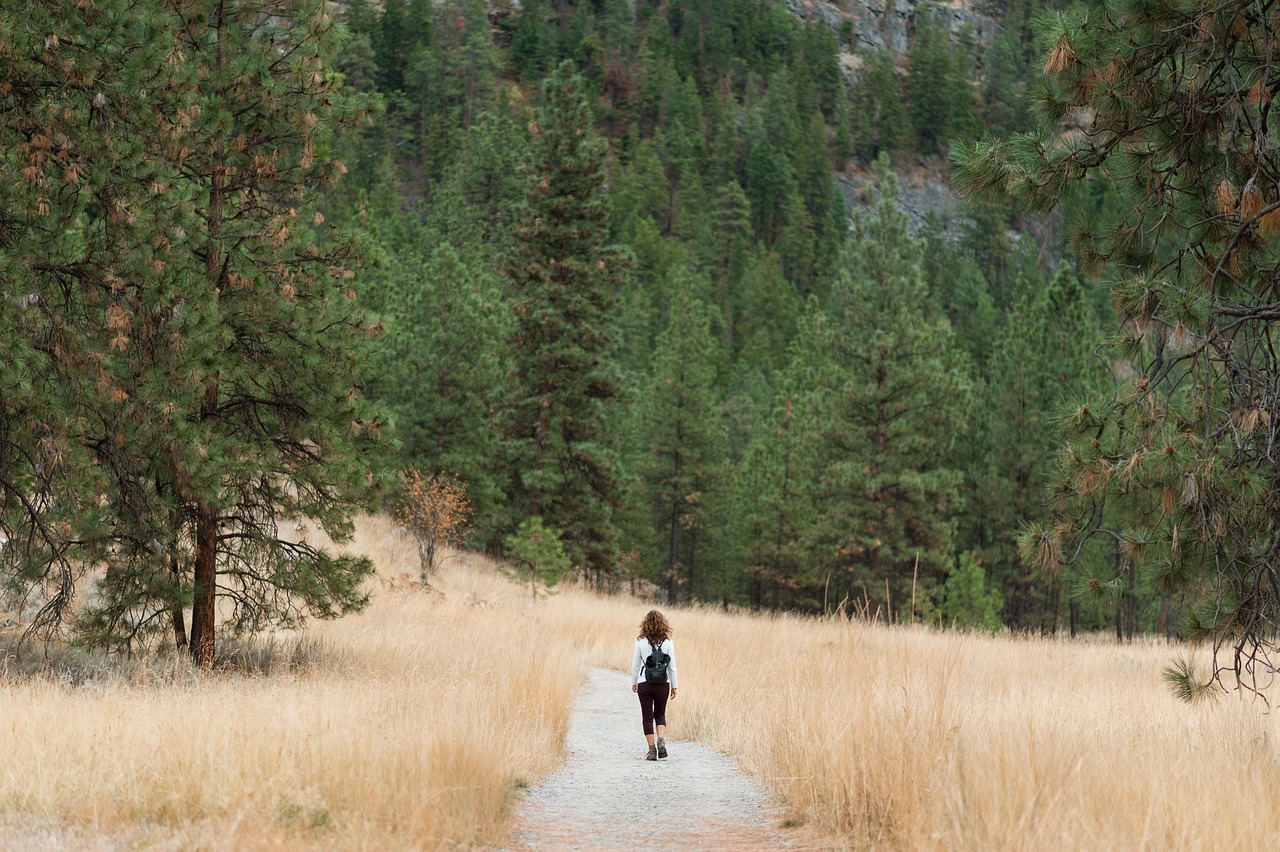
You probably think you know the Appalachian Trail. After all, it’s been featured in countless books, documentaries, and social media posts. Yet behind the white blazes and scenic overlooks lies a treasure trove of hidden stories that would surprise even seasoned hikers. From wartime inspiration to trail magic that saved the entire project, these lesser-known tales reveal just how remarkable this 2,190-mile footpath truly is.
The Trail Started With A Tree-Climbing Forester Who Lost His Wife
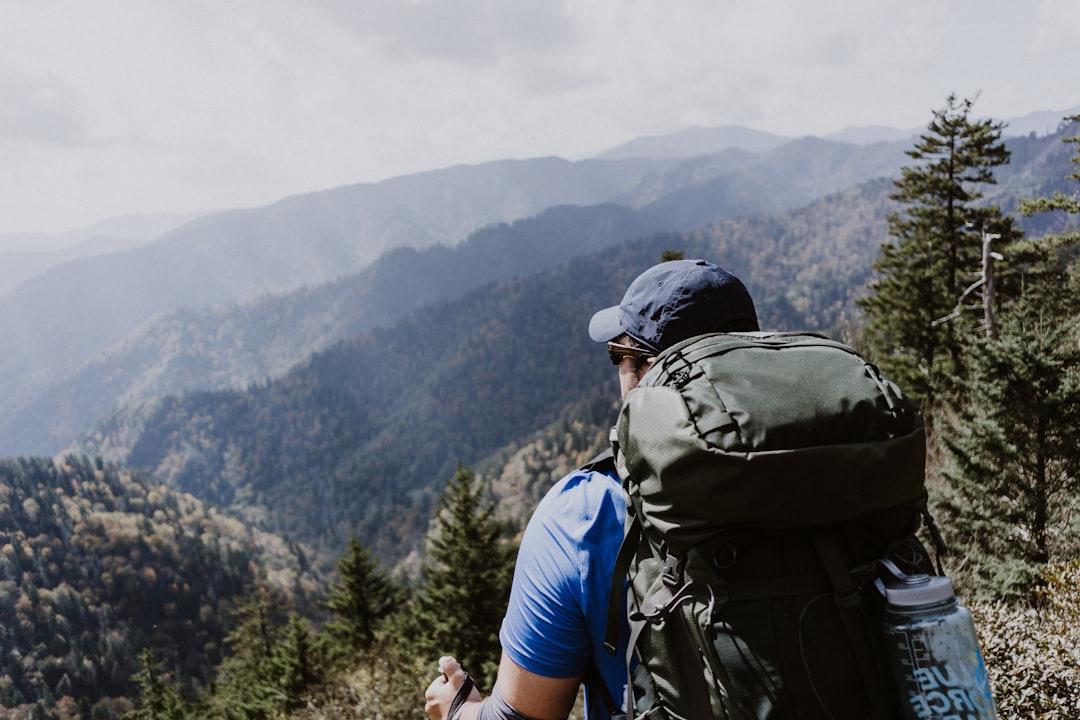
In 1900, a man by the name of Benton MacKaye bushwhacked to the summit of Stratton Mountain in Vermont with a buddy. Finding no view at the top, MacKaye climbed a tree until he got one – and thankfully he did, because what he saw sparked the idea for the Appalachian Trail. The trail was conceived by Benton MacKaye, a forester who wrote his original plan – called “An Appalachian Trail, A Project in Regional Planning” – shortly after his wife’s death in 1921.
MacKaye’s idea detailed a grand trail that would connect a series of farms and wilderness work/study camps for city-dwellers along the Appalachian Mountains from the highest point in the North (Mount Washington in New Hampshire) to the highest in the South (Mount Mitchell in North Carolina). Hiking was an incidental focus of his plan. The visionary forester saw the trail as something far grander than just a walking path.
A World War II Veteran With PTSD Became The First Thru-Hiker
In the spring of 1948, 29-year-old World War II veteran Earl Shaffer set out from Mount Oglethorpe, Georgia, to do something no one had done before: hike the entire Appalachian Trail from end to end in one continuous journey. At the time, many believed the trail was too fragmented and rugged to complete in a single trek. Shaffer thought otherwise. After 124 days and more than 2,000 miles by foot, he reached Mount Katahdin in Maine, completing the first-ever thru-hike of the Appalachian Trail.
He had seen heavy combat and lost his best friend, Walter Winemiller, during the battle of Iwo Jima. “Earl’s experiences left him feeling both disturbed and discouraged,” says David Donaldson, board historian at the Earl Shaffer Foundation (ESF). “He served on over 20 different islands in the Pacific theater and never had a furlough during that time. He saw many dead bodies, especially of the Japanese, often burned beyond recognition. As Earl put it, he ‘couldn’t get back into society.'” Now, with Walter gone and the war behind him, the challenge became something more personal. Shaffer had lost his closest friend while they were in combat in the Pacific Theater and was “walking off the army” by “walking with spring”
The “Dreamer” and “Doer” Had A Bitter Falling Out
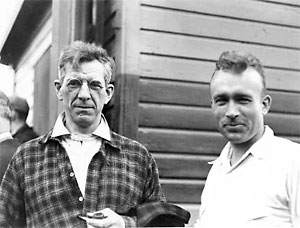
Benton MacKaye and Myron Avery’s relationships to the trail can be described most succinctly as “The Dreamer” and “The Doer”, respectively. Despite the fact that the trail likely would not have been created without either one of them, their differing philosophies and expectations for the trail ultimately drove a schism between them that was never bridged.
Myron Avery, a maritime lawyer and avid hiker from Washington D.C., took lead of the project in 1930, mapping the trail’s route and organizing crews of volunteers to build it. If his reputation serves him right, he wasn’t the most amiable of men. Bill Bryson wrote in his book A Walk in the Woods that someone had once claimed Avery blazed two trails between Georgia and Maine: “One was of hurt feelings and bruised egos. The other was the A.T.” But Avery did manage to complete the trail in a mere seven years
A 67-Year-Old Grandmother Revolutionized Trail Hiking With Canvas Sneakers
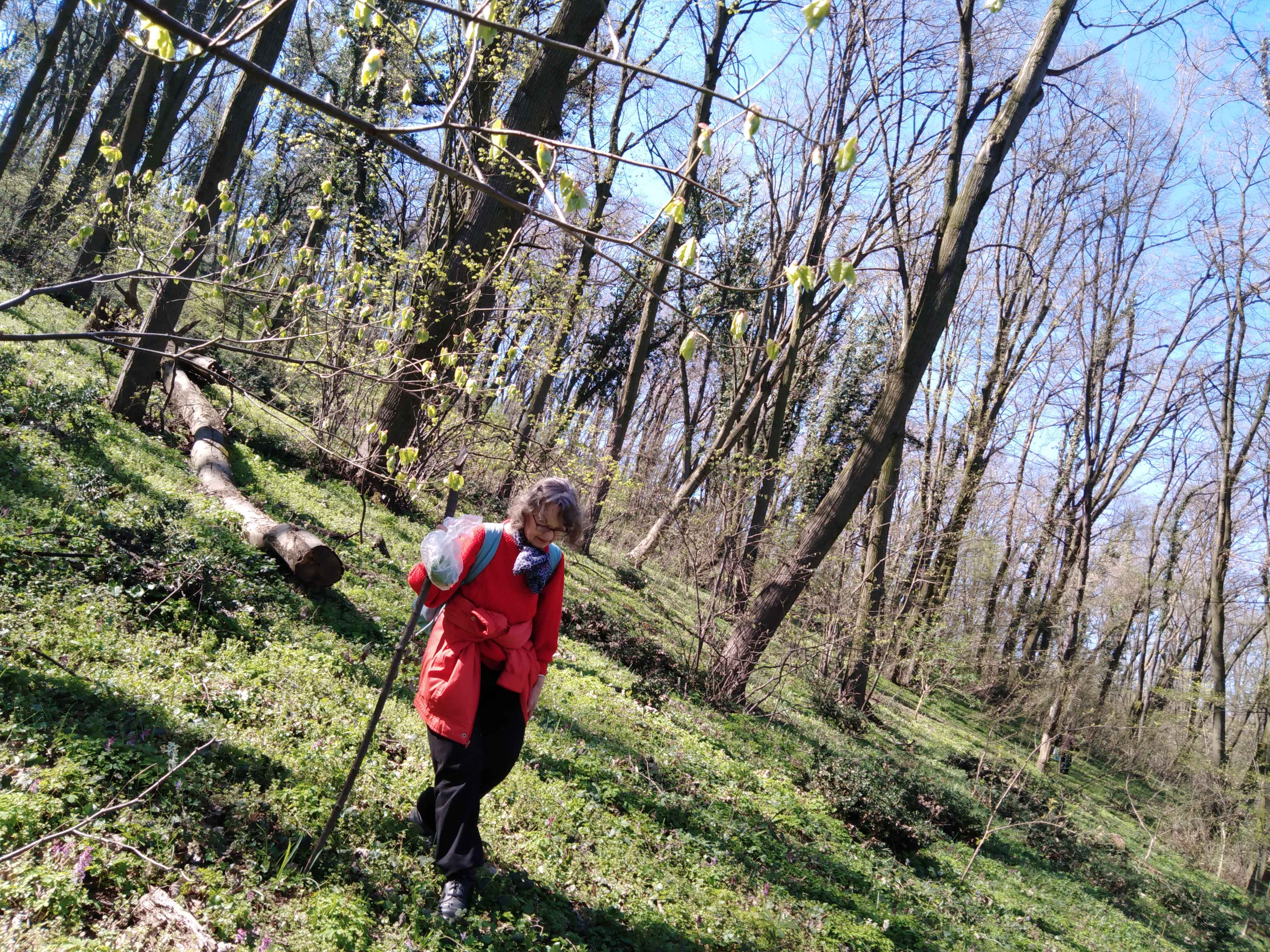
After a difficult life as a farm wife, mother of eleven children, and survivor of domestic violence, she became famous as the first solo female thru-hiker of the 2,168-mile (3,489 km) Appalachian Trail (A.T.) in 1955 at the age of 67. Because the National Geographic magazine article had given her the impression of easy walks and clean cabins at the end of each day’s expedition, she took little in the way of outdoor gear – no tent or sleeping bag, just a shower curtain to keep the rain off. She wore canvas Keds shoes on her misshapen feet and carried a small notebook, some clothes, and food in a homemade denim bag slung over one shoulder.
She averaged 14 miles a day, often hiking from sunrise until she was absolutely spent. The members of at least one Boy Scout troop and their leaders reported that they were unable to keep up with her. Gatewood hiked the trail carrying a homemade knapsack and wearing ordinary sneakers – she wore out six pairs of them in 146 days from May to September.
The Trail Was Originally Supposed To End At Two Different Mountains
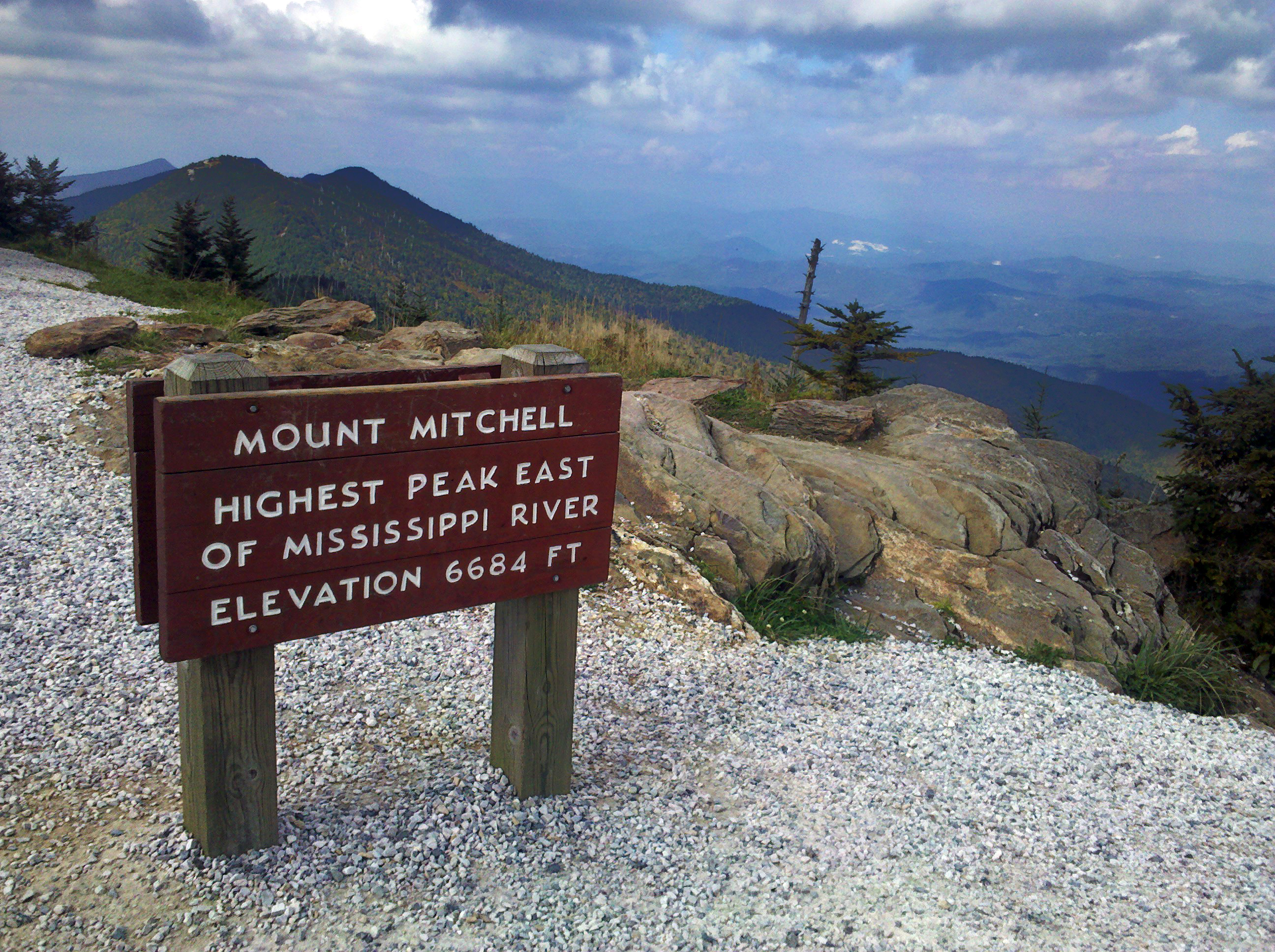
In MacKaye’s 1921 article, he suggests that the Northern Terminus of his proposed trail be located at Mount Washington and the Southern Terminus at Mount Mitchell. Washington is the highest peak in the Northern Appalachian range, and Mitchell the highest peak in the Southern Appalachian range. The phrase “Maine to Georgia” – attributed to Major William Welch, one of the founders of the Appalachian Trail Conference – quickly replaced the original plan.
While Katahdin was a rather obvious choice for the Northern Terminus in Maine due to its storied history and prominence, Georgia didn’t really have a singular standout mountain to offer. Today’s hikers simply can’t imagine the trail running anywhere else, yet the famous “Maine to Georgia” slogan only became reality through volunteer determination and practical considerations rather than the original vision.
Nearly All Of Today’s Trail Is On Different Ground Than Originally Built
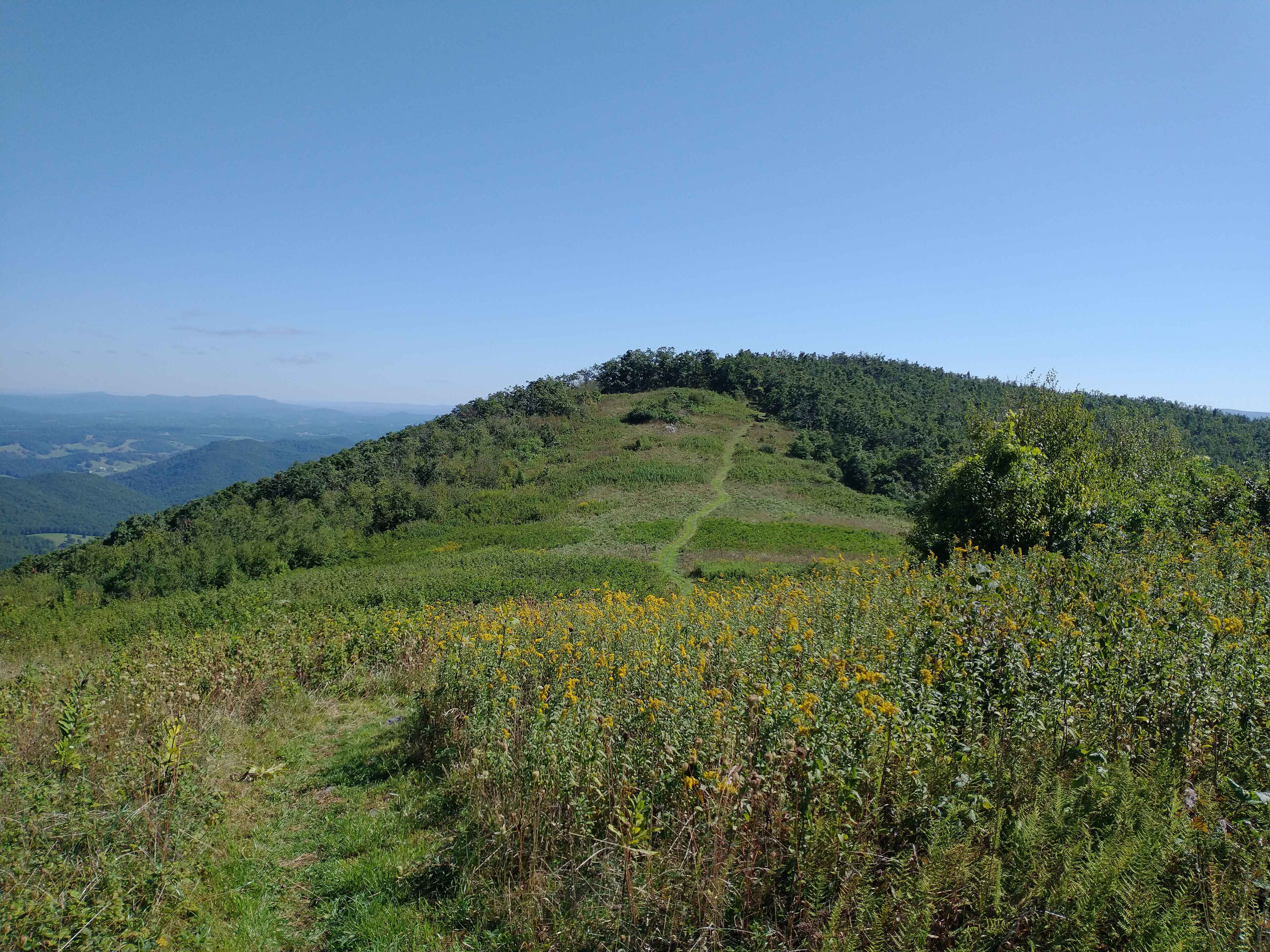
One reason for the varying length is that the trail itself is ever-changing, even from one year to the next. Since its completion in 1937, 99% of the Appalachian Trail has been restored, rehabilitated, or relocated. If you hiked the full length of the Appalachian Trail today, the odds are that you wouldn’t overlap much of the same ground your ancestors did – the trail has been rebuilt or changed significantly since its completion.
This massive reconstruction happened for practical reasons. Thanks in large part to a 1968 congressional bill that named the Trail a “national scenic trail,” officials have been able to make land purchases and establish a protective buffer zone along either side of it. Today, only about 10 miles of the route are in private hands, a sea change from its earlier days. The transformation from a patchwork of private and public land to a protected corridor required constant rerouting and rebuilding.
The First Trail Builder Actually Measured Every Mile With A Wheel
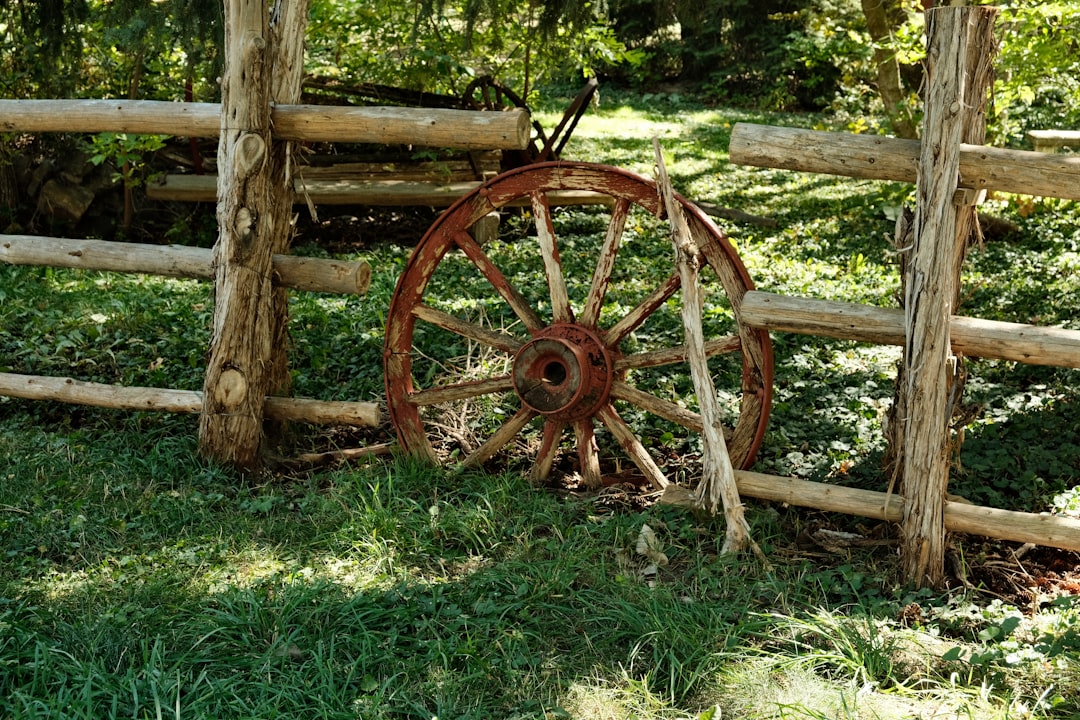
Having rolled a measuring wheel over most of it, taking notes for future guidebooks, Avery was the first person to hike the entire Appalachian Trail. He did it over the course of 16 years, from 1920 to 1936. Having rolled a measuring wheel over most of it, taking notes for future guidebooks, Avery was the first person to hike the entire Appalachian Trail. He did it over the course of 16 years, from 1920 to 1936.
Imagine pushing a measuring wheel through wilderness, over roots and rocks, up mountains and down valleys. Avery’s meticulous approach created the first accurate measurements and detailed descriptions of the trail. His dedication to documenting every mile laid the foundation for all future guidebooks and maps that hikers rely on today.
Wild Ponies On The Trail Came From A 1600s Island Mystery
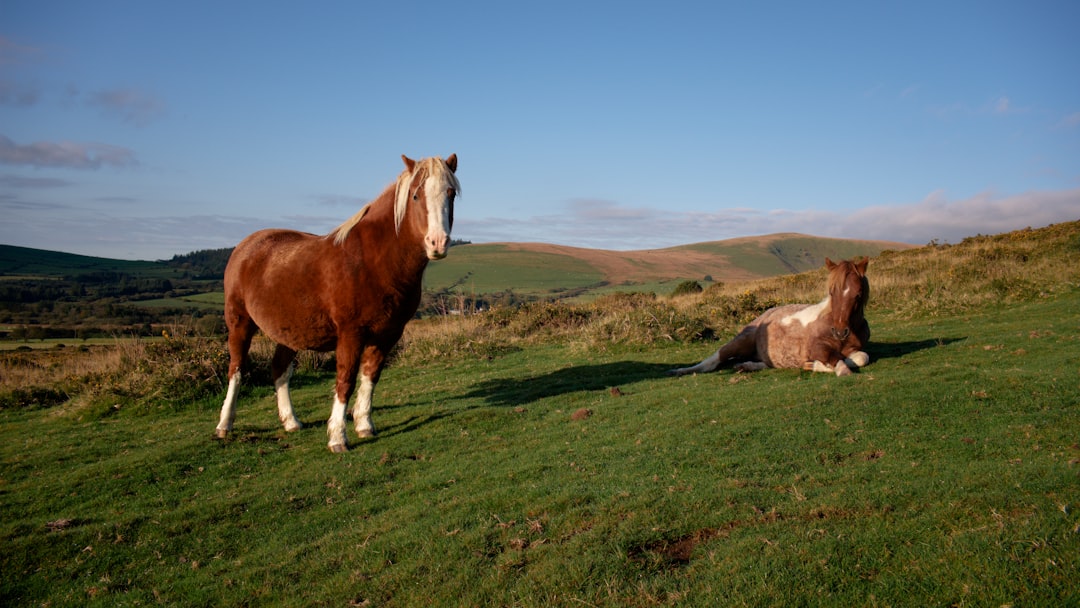
The technical term would actually be that they are “feral,” meaning that they are in fact descended from a domesticated breed that has re-adapted to more a “wild” behavior. The ponies that we know today actually came from Assateague Island off the coast of Maryland where the ponies have roamed since the 1600s. Theories on how the ponies originally came to the island vary, but the consensus seems to be that humans did it. In 1975 fifty Assateague ponies were brought to the Grayson Highlands to graze atop the mountains and help manage vegetation atop the balds.
The ponies are rounded up twice a year to check their numbers and health providing veterinary assistance when necessary. These aren’t truly wild horses that evolved in the mountains. Instead, they’re descendants of horses that somehow ended up on a barrier island centuries ago, with theories ranging from shipwrecks to colonial farming operations gone awry.
Hikers Confess Their Sins At A Mountain Shelter In Virginia
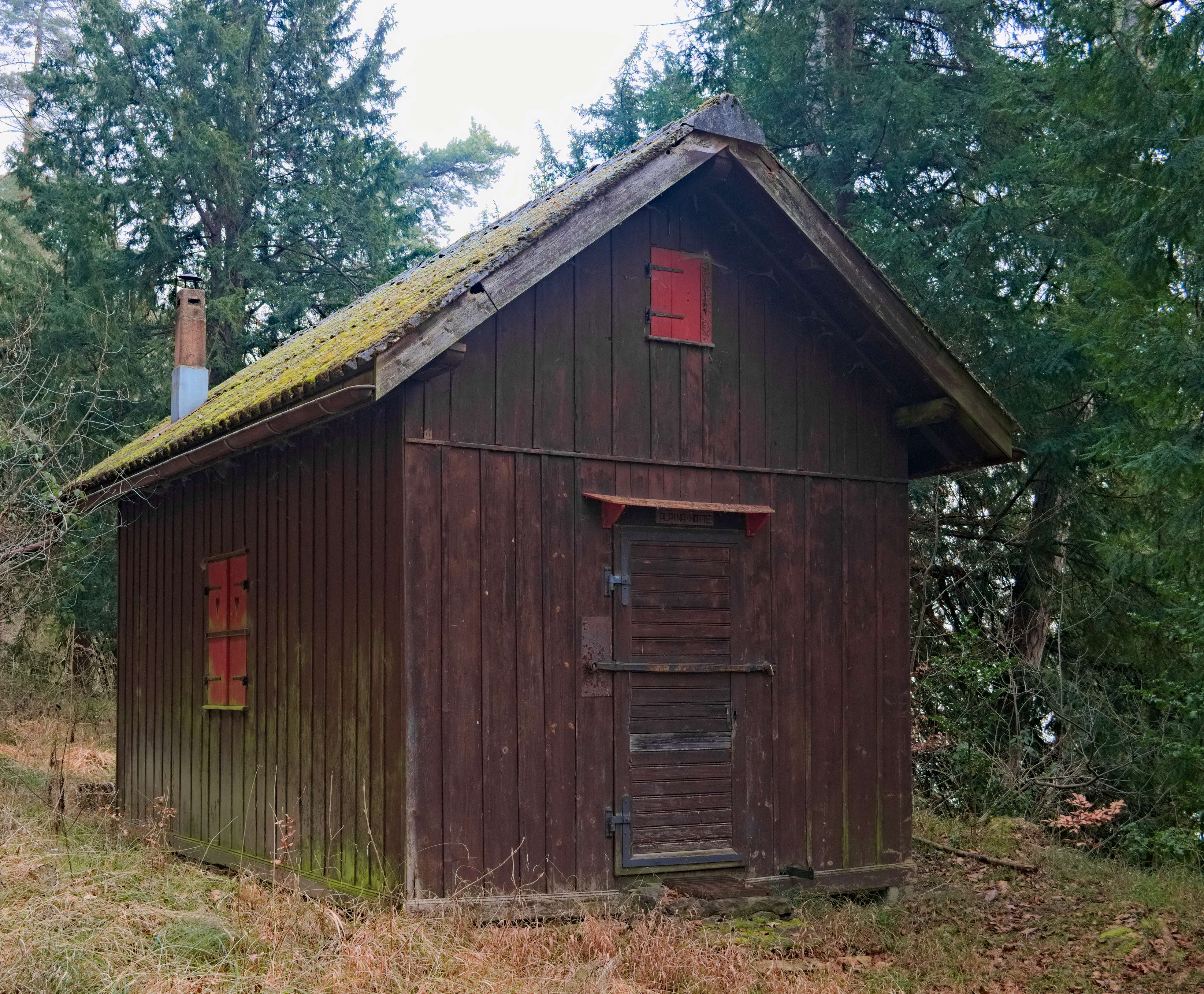
Shelters along the trail have log books so that hikers can report trail conditions and leave messages for other hikers,” Kelly says. “At the Priest Shelter at the summit of Priest Mountain in Nelson County, Virginia, it has also become common for people to confess their sins. They confess things like having just shoplifted two Snickers bars at Walmart, or messing around with a roommate’s boyfriend. It’s just one of those odd AT traditions.”
The practice started organically and continues to this day. Something about reaching the summit of The Priest, exhausted and reflective after a difficult climb, inspires hikers to unburden themselves in the shelter’s logbook. It’s become such a well-known tradition that hikers specifically look forward to reading these anonymous confessions, creating an unexpected form of trail magic through shared human vulnerability.
The Trail’s Toilets Revolutionized Backcountry Sanitation
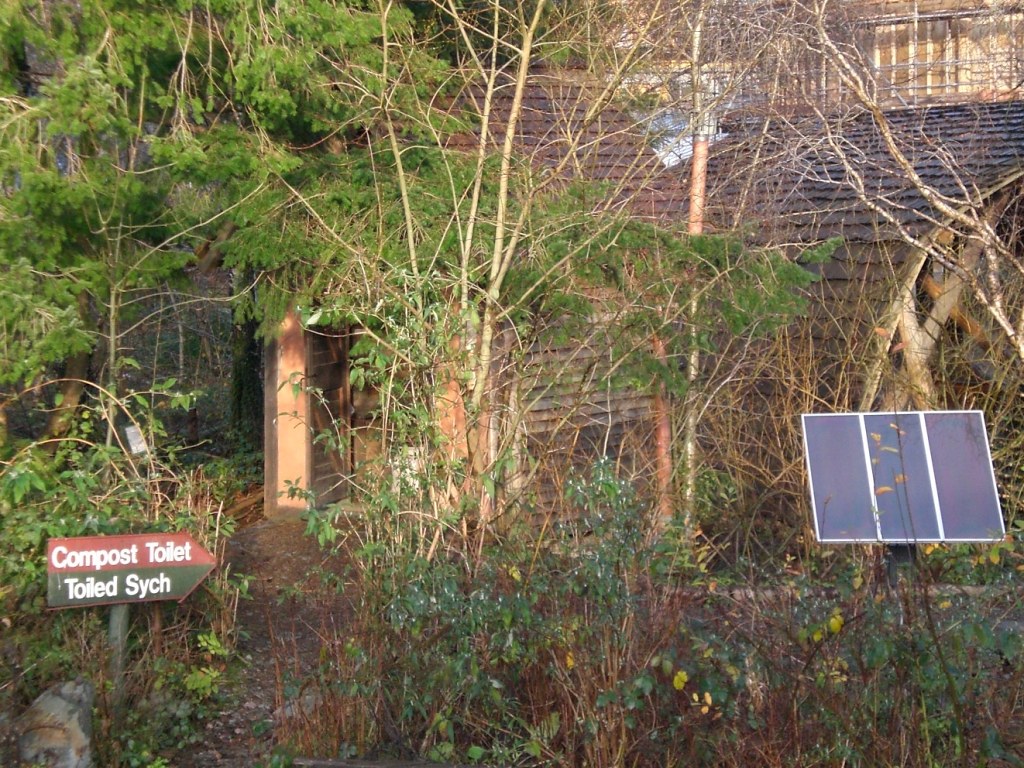
The originators of the trail were worried that no one would use it, so they purposely built shelters with privies to make the AT seem more accessible to the average person,” Kelly says. “These privies started as basic pits in the ground but over the decades have been the site of significant ecological engineering. In the 1970s, a guy came up with the composting-toilet privy that’s more ecologically friendly, is easier to maintain, and smells better. They’re common now, and the first one was on the AT.”
Indeed, photographer Sarah Jones Decker has created a “Crappalachian Trail” poster that captures 132 AT privies in all their outhouse-like glory. What started as a practical necessity to encourage trail use became a laboratory for sustainable waste management that influenced backcountry toilet design across America. These innovations spread to national parks and other trail systems nationwide.
What do you think about these hidden aspects of America’s most famous footpath? Did you expect that a trail born from grief would become a symbol of healing, or that canvas sneakers would outperform modern hiking boots? Tell us in the comments.
Hi, I’m Andrew, and I come from India. Experienced content specialist with a passion for writing. My forte includes health and wellness, Travel, Animals, and Nature. A nature nomad, I am obsessed with mountains and love high-altitude trekking. I have been on several Himalayan treks in India including the Everest Base Camp in Nepal, a profound experience.


