

If your only image of a groundhog is a chubby little weather forecaster dragged out every February, you’re seriously underestimating this animal. Behind the cute face and meme-worthy reputation is a tough, complex creature with habits that are sometimes hilarious, sometimes brutal, and often surprisingly sophisticated.
The more I’ve learned about groundhogs, the more I’ve stopped seeing them as cartoon weather props and started seeing them as underground engineers, fierce fighters, and oddly relatable introverts. Let’s dive into the strange reality of these so‑called “whistle pigs” and see why they deserve way more respect than a single day on the calendar.
1. They Are Underground Architects On An Epic Scale
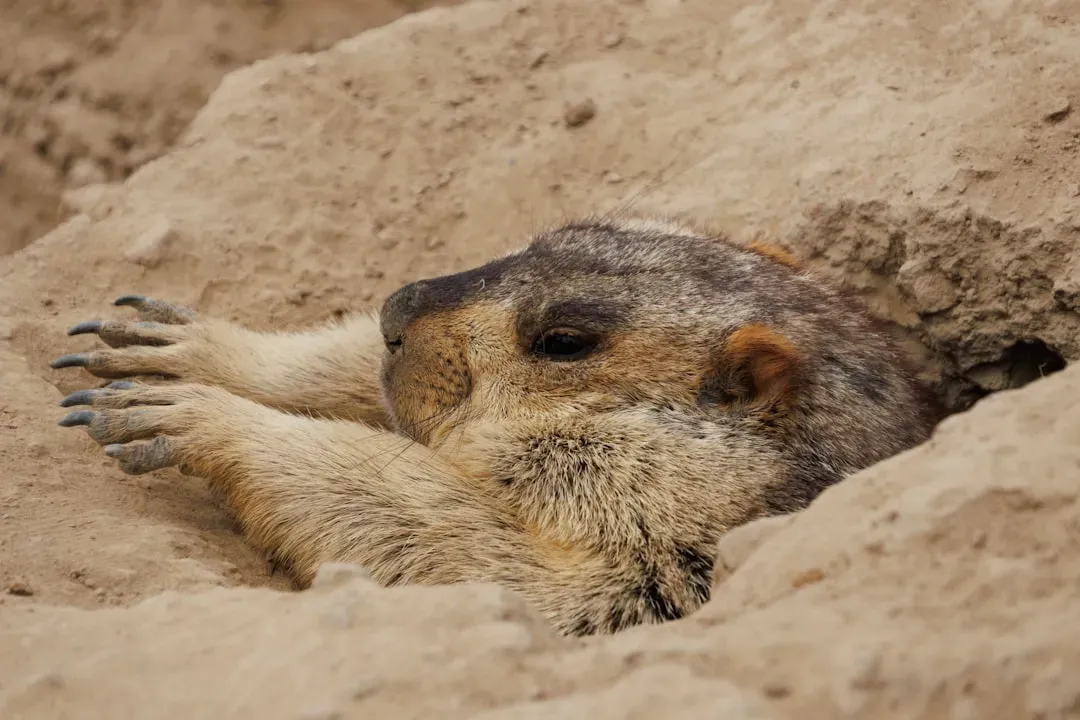
Most people think of a groundhog burrow as a simple hole in the ground, but that’s like calling a skyscraper “a tall shed.” A single groundhog can excavate an underground system with multiple rooms, side tunnels, and emergency exits, sometimes stretching the length of a small house. These burrows can reach several meters deep, with different levels for sleeping, raising young, and escaping danger.
Inside, the “floor plan” is surprisingly organized. There are nesting chambers carefully lined with dried grass, separate areas used as temporary toilets, and angled tunnels that help with drainage and airflow. I always imagine them as tiny, grumpy civil engineers, obsessing over ventilation and safety codes while the rest of us think they’re just napping in the dirt.
2. Their Burrows Quietly Re‑Engineer Entire Ecosystems
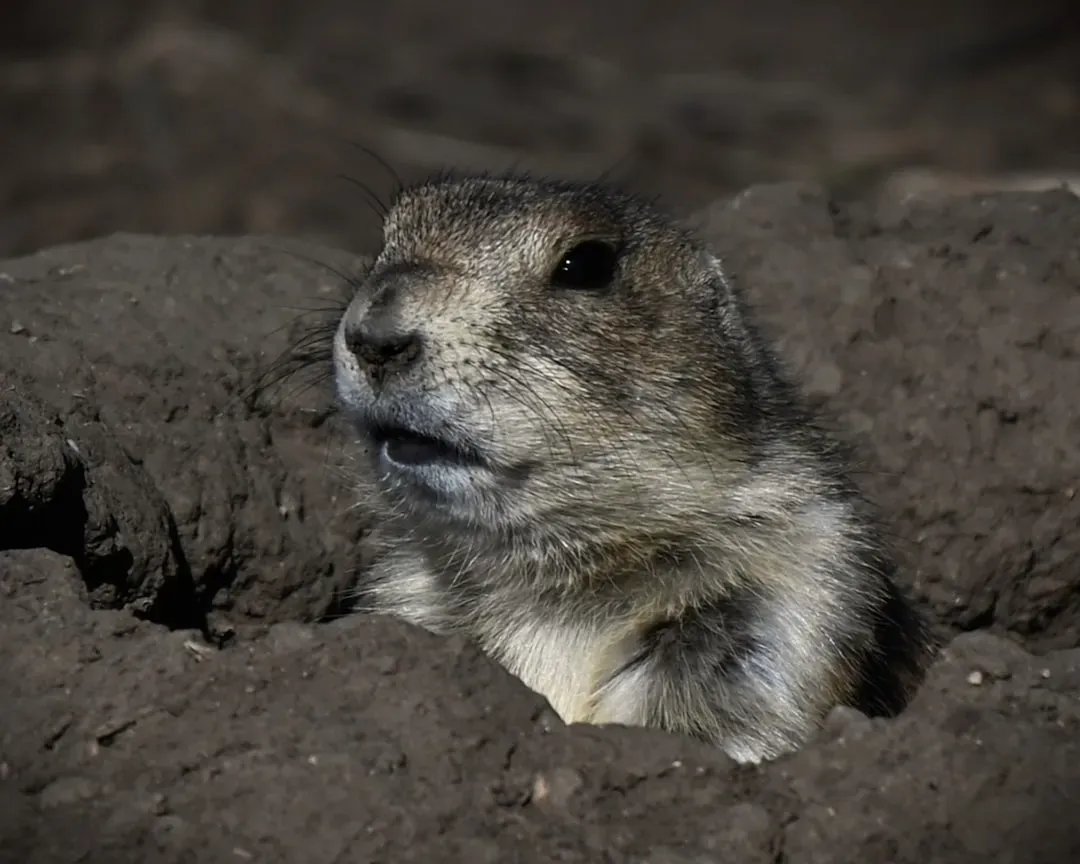
Those elaborate tunnels do way more than give groundhogs a cozy place to sleep. By constantly digging, they churn and aerate the soil, mixing nutrients and improving water penetration in a way that benefits plants, insects, and even other mammals. When an old burrow is abandoned, it often becomes valuable real estate for rabbits, skunks, snakes, and many other species that move in and reuse the architecture.
In a strange way, each groundhog becomes an unintentional city planner for the animals living around it. Their burrows can influence which plants thrive nearby and which animals show up to hunt or hide. It’s a nice reminder that while we’re busy arguing over lawns and fences, groundhogs are quietly redesigning the landscape from below, one pawful of dirt at a time.
3. They Are Some Of The Deepest Hibernators In The Mammal World
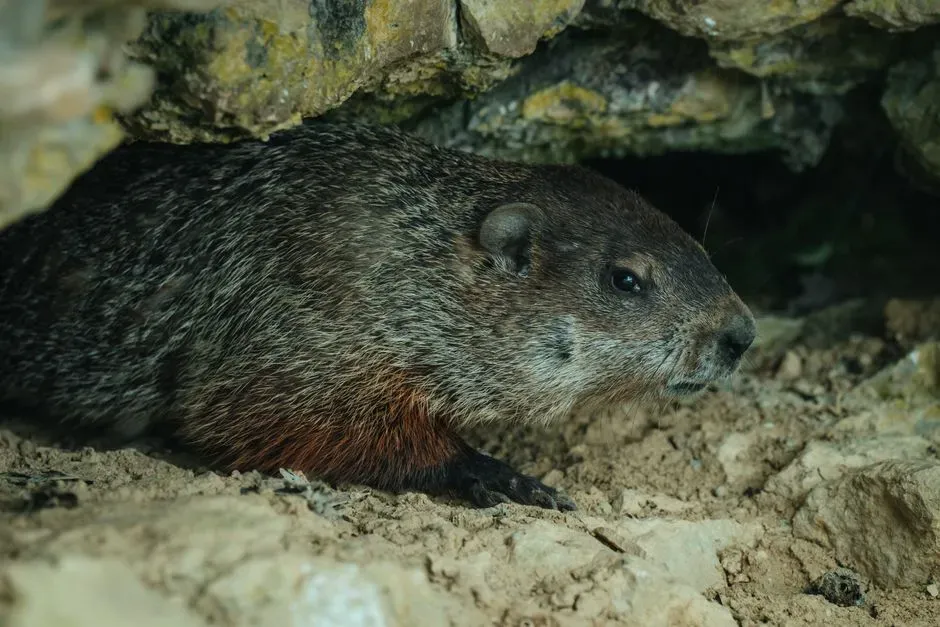
Groundhog Day is all about whether one animal “predicts” spring, but what almost never gets mentioned is how extreme their hibernation really is. In true winter hibernation, a groundhog’s body temperature can drop from warm and mammal‑like to only slightly above the surrounding soil, not far off from refrigerator levels. Their heart rate and breathing slow dramatically, sometimes to just a handful of beats or breaths per minute.
This deep shutdown is not just a long nap; it is closer to controlled suspension between life and non‑life. Fat reserves become their entire fuel supply, and their brain and organs run on a minimal, carefully rationed budget. When I think about all the tech money chasing “human hibernation” for space travel, it’s hard not to admire the groundhog for having already perfected the original low‑power mode.
4. They Can Lose A Shocking Amount Of Body Weight Over Winter

To survive months underground without eating, groundhogs spend the warmer seasons in what looks to us like shameless overindulgence. They gorge on vegetation, bulking up dramatically during summer and early fall. By the time they settle in for winter, their bodies are loaded with fat reserves that will be slowly burned away to keep them alive while everything outside is frozen and barren.
By spring, a hibernating groundhog can emerge having lost a huge portion of its pre‑winter body mass, all without moving more than a few inches in its burrow. It’s an extreme yo‑yo that would devastate a human body but works brilliantly for them. There’s something oddly relatable about the cycle: eat all summer like it’s a never‑ending picnic, then disappear, reset, and crawl back out a dramatically “new” version of yourself.
5. They Are Surprisingly Tough Fighters With Serious Teeth

With their round bodies and teddy‑bear faces, groundhogs look harmless, but up close they’re equipped like little tanks. They have powerful front incisors that constantly grow and are kept razor‑sharp by gnawing on tough plants and wood. Those teeth, backed by strong jaw muscles, are more than capable of delivering a serious bite when a predator – or an unlucky human – pushes too far.
On top of that, they can stand their ground when they have to. Groundhogs will defend their burrows, their young, and themselves with a mix of chattering, lunging, and full‑on attacks if cornered. It always makes me laugh that an animal used as a cute mascot for seasonal forecasts is, in reality, closer to a compact, heavily armed bouncer than a timid little weatherman.
6. Their Alarm Whistles Are Like A Simple Neighborhood Security System
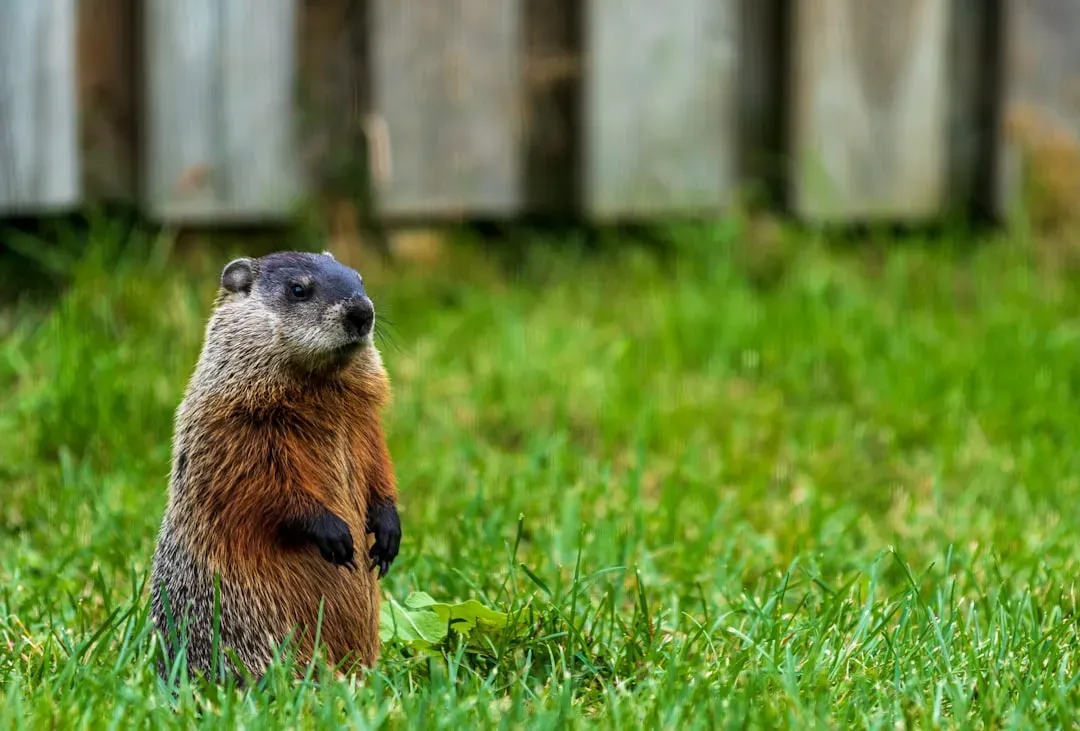
The nickname “whistle pig” is not a joke; groundhogs really do make loud, high‑pitched whistles when alarmed. These calls can warn other groundhogs in the area that a predator – like a fox, coyote, dog, or hawk – is nearby. It functions as a basic early‑warning network, especially in open fields where sound travels well and burrows are scattered around the landscape.
They do not have the complex language of some social mammals, but even this simple sound system changes how animals behave. One shrill whistle can trigger a chain reaction of vigilance, with multiple individuals diving into burrows or freezing to scan the horizon. It is a bit like the original low‑tech group chat: short, urgent, and guaranteed to make everyone drop what they’re doing and pay attention.
7. They Are Mostly Solitary Introverts With Seasonal Exceptions
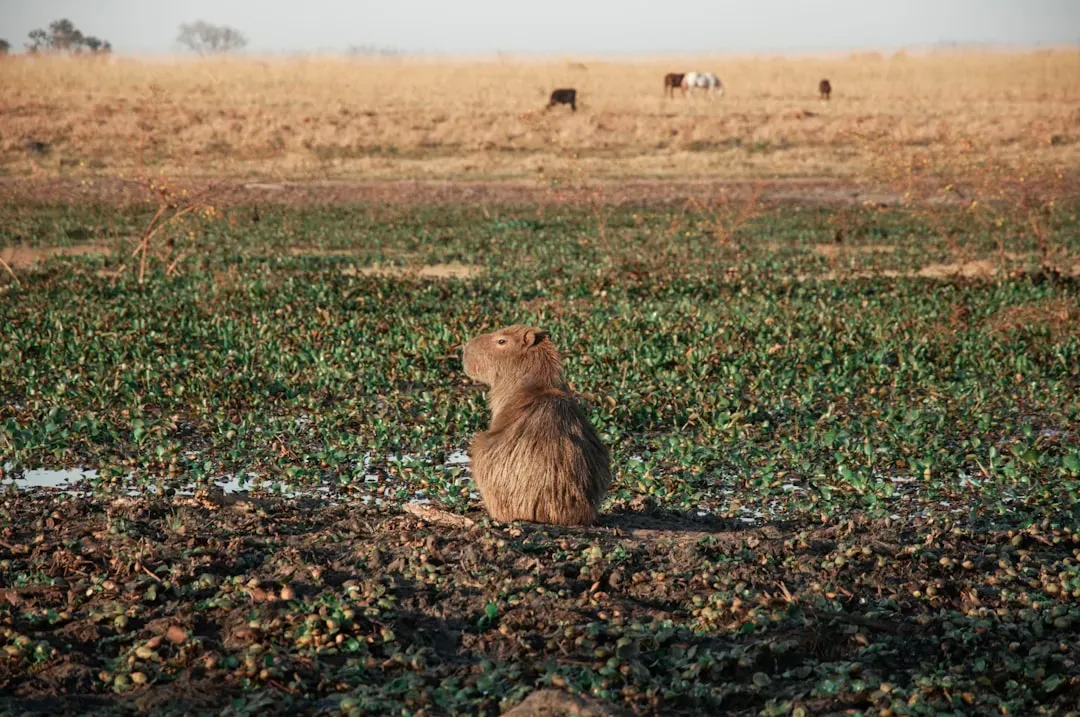
Unlike prairie dogs, which live in large social colonies, groundhogs are more like the quiet neighbor who minds their own business. For most of the year, a single adult will occupy and defend its territory, especially once they have an established burrow system. Overlapping ranges can happen, but close contact is limited and often tense, particularly between unfamiliar adults.
The big exception to this loner lifestyle is the breeding season and early family life. During that time, a female will raise a small group of pups in her burrow until they are old enough to venture outside and eventually disperse. The contrast is striking: from a busy den full of curious, playful youngsters to a mostly solitary life again. Honestly, it feels a bit like the arc from chaotic shared student housing to finally getting your own quiet apartment.
8. Their Teeth Never Stop Growing (And They Have To Manage Them Constantly)
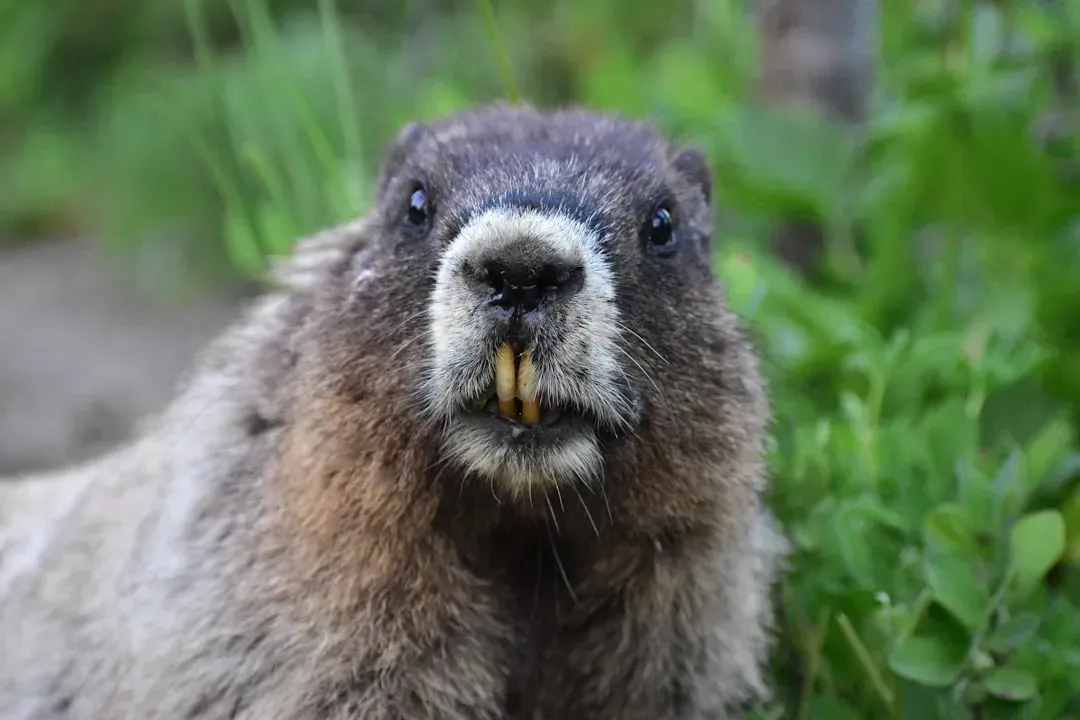
Like many rodents, groundhogs have incisors that grow throughout their entire lives. If they stopped wearing them down by chewing on plants, roots, wood, and other tough materials, those teeth could actually overgrow and interfere with their ability to eat. Keeping their teeth in check is not optional; it is a lifelong maintenance project built into their daily routines.
This constant growth is an incredible adaptation for a diet full of abrasive vegetation that would quickly grind down normal teeth. In a way, groundhogs live with a biological deadline always ticking in the background: chew enough, chew the right things, and your dental tool kit stays perfectly balanced. Skip that, and your main survival equipment turns into a liability, which is both fascinating and a little stressful to think about.
9. They Secretly Help Shape Plant Communities With Their Eating Habits
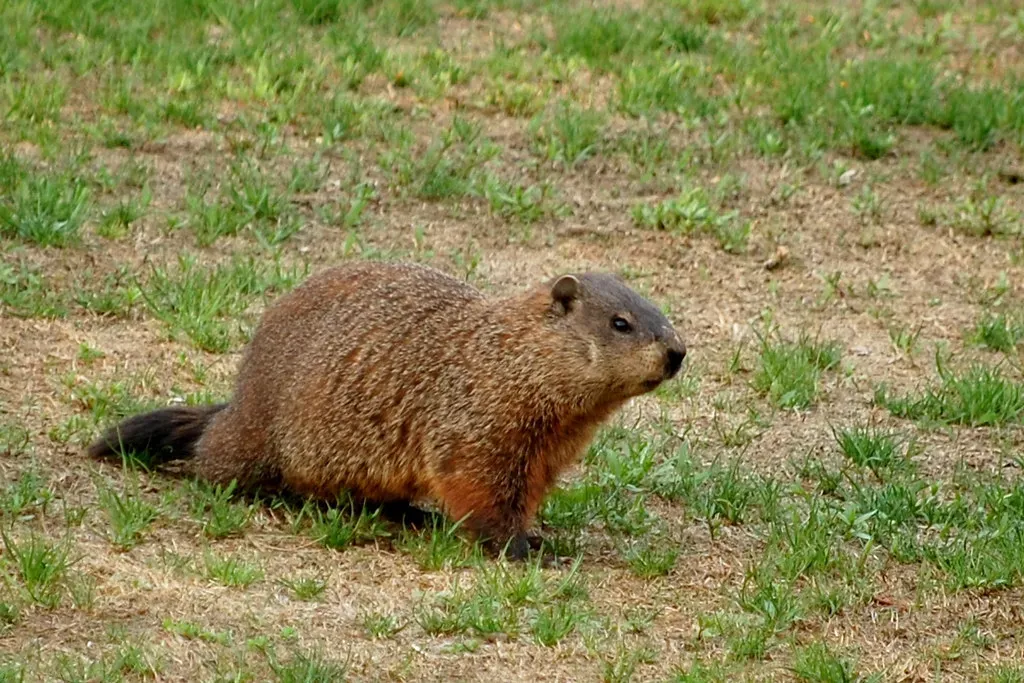
Groundhogs are mostly herbivores, and their favorite foods tend to include tender plants, clover, grasses, and garden crops when they can get away with it. This selective grazing can subtly influence which plants thrive in a given area, because some species get eaten heavily while others are ignored or only nibbled. Over time, this can shift the balance of what you see in a meadow, roadside, or field.
They also act as seed movers, sometimes carrying plant parts around, occasionally dropping fragments or seeds near their burrow entrances. Those disturbed soil patches, enriched by their digging and waste, can become small hotspots where certain plants flourish. It is a quiet form of gardening, driven entirely by appetite and instinct, but the end result is that groundhogs are co‑designers of the green spaces we walk past every day.
10. Their “Weather Prediction” Fame Is Mostly Myth, But Their Seasonal Sense Is Real

The whole idea of a groundhog predicting the end of winter by seeing its shadow is, of course, folklore rather than science. There’s no solid evidence that their behavior on a single day can reliably forecast how long the cold will last. The ceremony is fun, theatrical, and rooted in older seasonal traditions, but it says more about human culture than about groundhog biology.
That said, groundhogs do have a finely tuned internal calendar shaped by day length, temperature, and food availability. Their timing for entering and leaving hibernation, breeding, and fattening up for winter is closely synced to environmental rhythms. So while the formal “prediction” is basically a playful stunt, the animal itself is a genuine master of seasonal survival, following cues that most of us are too distracted to notice.
Conclusion: Maybe We Are The Ones Who Need Predicting

The more you look at groundhogs as they really are – engineers, hibernators, fighters, gardeners – the more the yearly weather show feels almost disrespectful. Reducing such a complex animal to a prop for a photo op misses their real genius: quietly reshaping soil, surviving brutal winters, and navigating seasonal change with a reliability that our apps still stumble to match. In my view, they deserve a reputation closer to “rugged survival specialist” than “cute seasonal mascot.”
What sticks with me most is how much they do out of sight, literally underground, reminding us that some of the most important work in nature is invisible until you know where to look. While we obsess over one morning in early February, groundhogs are playing the long game, year after year, regardless of cameras and crowds. Maybe the real question is not whether they can predict spring, but whether we are paying attention to what their lives quietly say about change, resilience, and living on nature’s schedule instead of our own – did you expect that from a so‑called weather rodent?