
You probably grew up hearing that humans are the clever ones, while animals just follow instinct. Then you watch a crow solve a puzzle in seconds that would leave most of us scratching our heads, and that old idea suddenly feels very out of date. When you look closely at the , you start to see planning, creativity, even what looks like mischief staring right back at you. In this article, you’ll walk through ten of the most intelligent birds ever studied and see how their brains rival those of primates in some surprising ways. As you read, imagine how different your own life would be if you could remember thousands of hidden snacks, mimic human speech, or build tools from whatever you find on the street. By the end, you may never look at the sound of flapping wings the same way again.
1. New Caledonian Crow – The Master Toolmaker
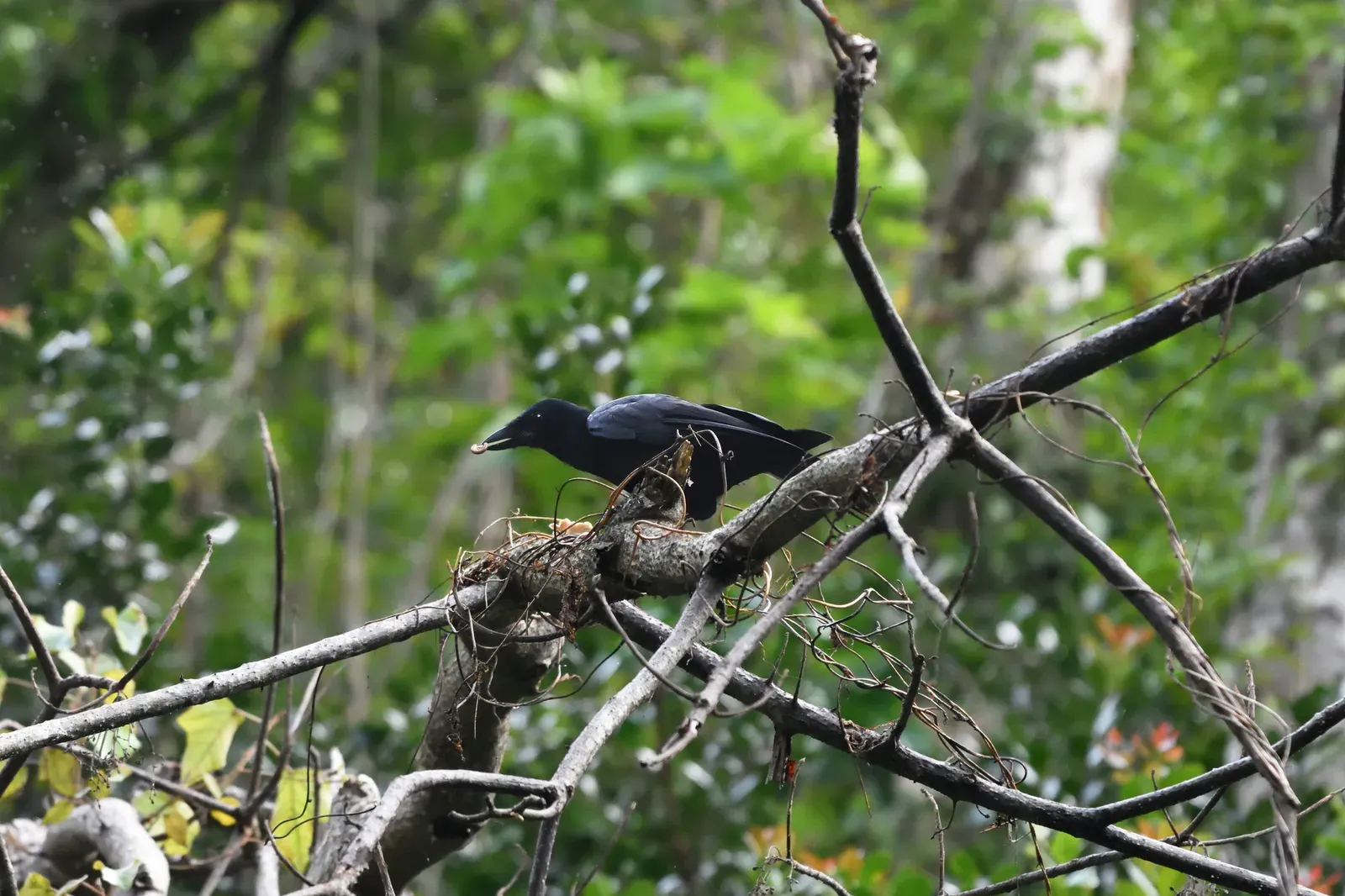
If you had to pick one bird to represent pure problem-solving genius, you’d probably land on the New Caledonian crow. You watch this bird in experiments, and it does things that look uncomfortably human: bending bits of wire into hooks, stacking objects in sequence, and using one tool to get another tool that finally gets the food. Researchers have found that these crows can understand multi-step problems, almost like you following a recipe in your kitchen. What makes them even more impressive is that they don’t just copy; they seem to innovate. In the wild, they strip leaves into precise shapes and carve hooks from twigs to fish larvae and insects out of crevices, essentially turning the forest into a toolbox. When you see a creature with a beak and black feathers planning in stages the way you’d plan your day, it forces you to rethink what intelligence really looks like.
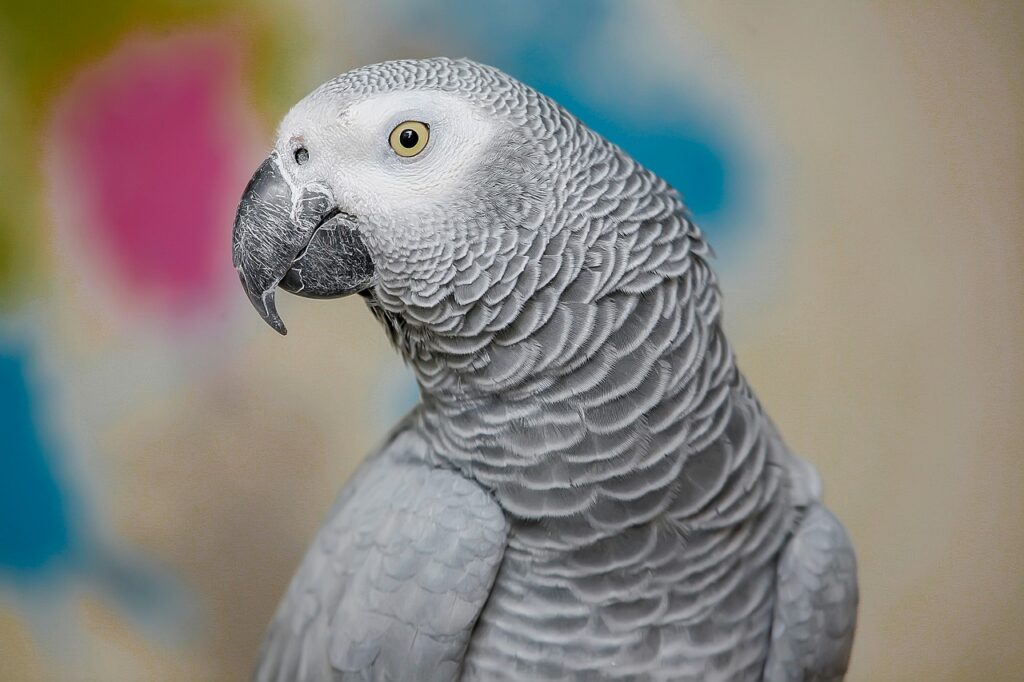
2. African Grey Parrot – The Communication Prodigy
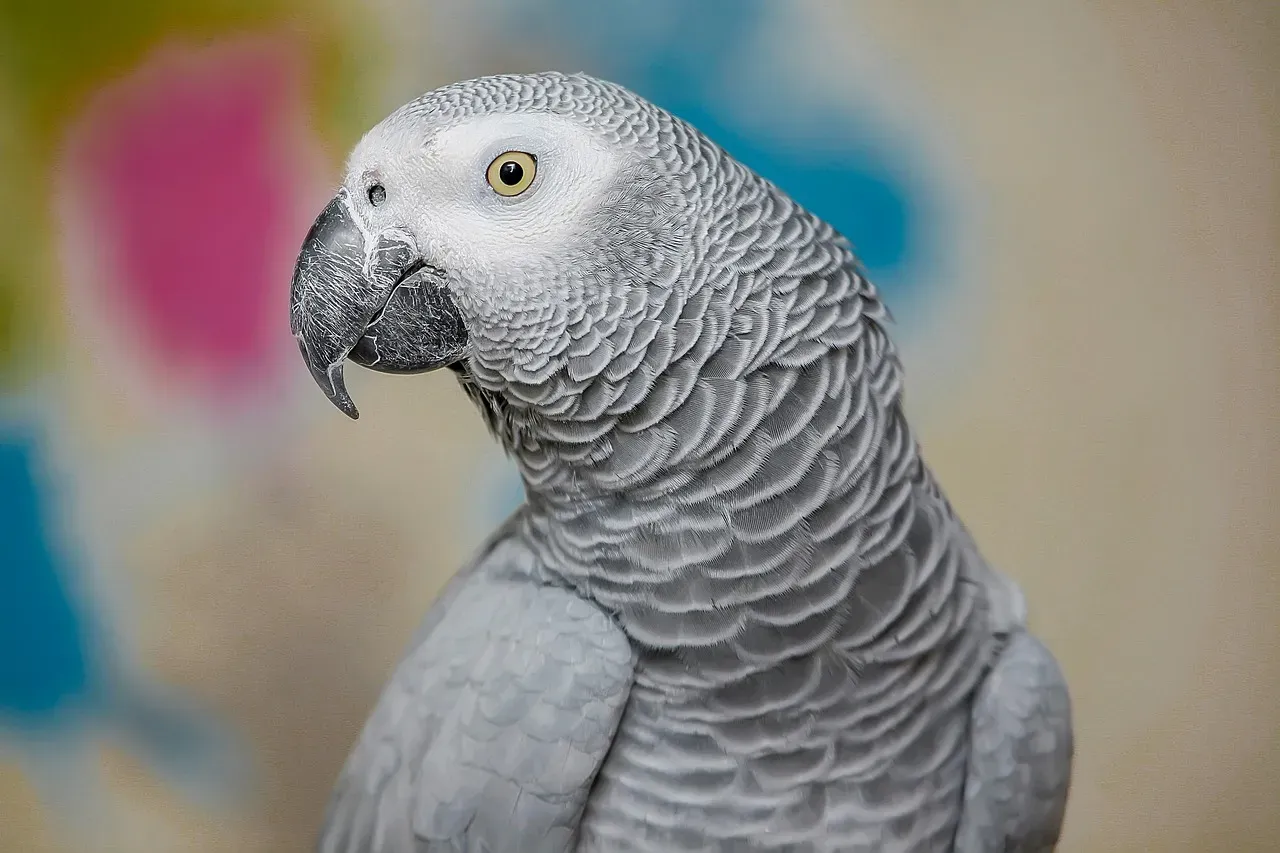
When you think of talking birds, the African grey parrot is the one that really changes your idea of what “talking” means. You’re not just hearing random words thrown back at you like an audio recording; these parrots can learn hundreds of human words and use them in ways that show some understanding of categories, colors, numbers, and even simple concepts like same and different. In controlled tests, individual African greys have shown that they can label objects, answer questions, and make choices using spoken language. What really hits you is the feeling that they’re not just parroting sounds; they’re engaging with you. Many owners describe moments that feel eerily like conversation – asking for specific foods, calling family members by name, or using words in new, appropriate contexts. When you watch an African grey look you in the eye and seemingly “ask” for what it wants, the line between human-style communication and animal vocalization suddenly looks very thin.
3. Kea – The Cheeky Alpine Genius
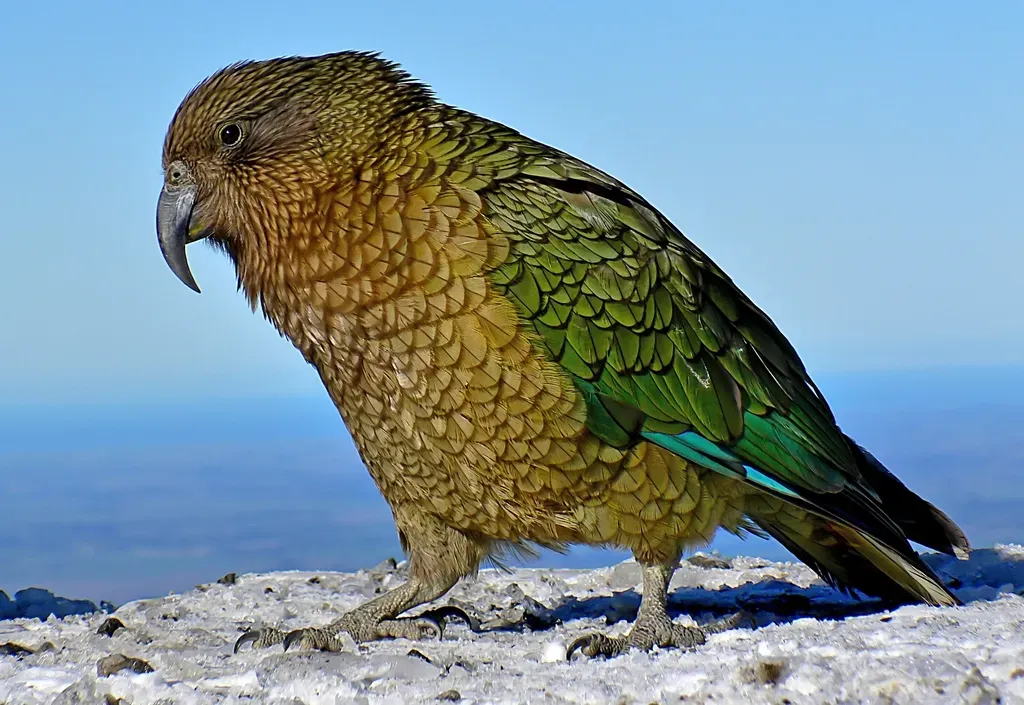
If you enjoy a bit of chaos mixed with intelligence, you’ll fall in love with the kea, a large parrot native to New Zealand’s mountains. You can think of the kea as that clever friend who’s always getting into trouble for the fun of it. These birds are incredibly curious, often investigating backpacks, cars, and ski equipment, and they learn quickly which actions get them the most interesting reactions from humans and the environment around them. In experiments, kea have solved complex mechanical puzzles, worked in pairs to access food rewards, and even shown signs of understanding probability and risk. Out in the wild, you’ll see them working together to open latches or tear open trash bins, almost like a tiny feathery heist crew. Their mix of boldness, playfulness, and problem-solving makes you feel like you’re watching a feathery toddler explore – and test every limit you set.
4. Raven – The Strategic Planner
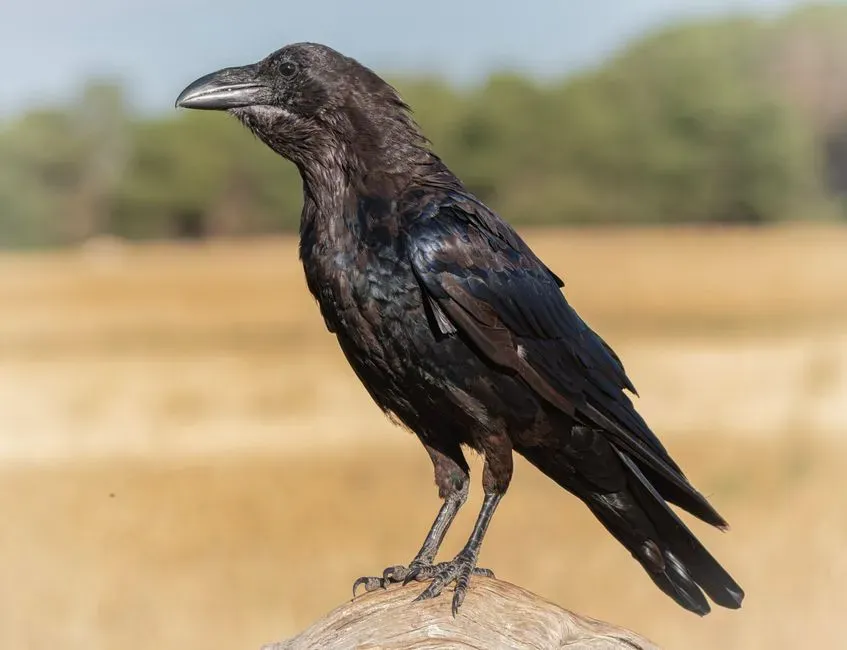
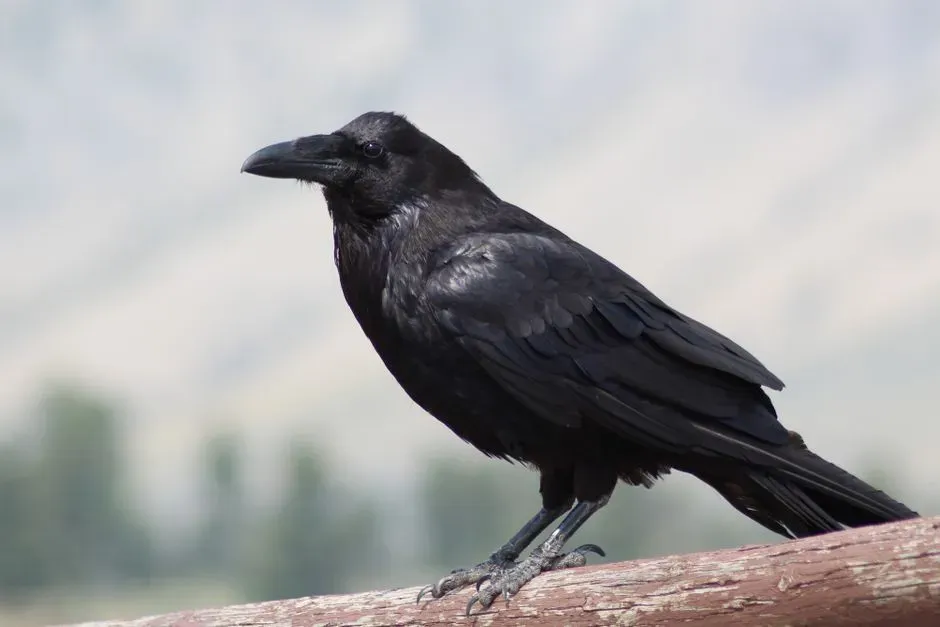
Ravens have haunted myths and legends for centuries, and when you see what they can do, you understand why people thought they were more than just birds. You’re looking at an animal that can remember who treated it fairly or unfairly, plan ahead for future needs, and even delay gratification if it knows a better reward is coming. In some studies, ravens have chosen tools they wouldn’t use until much later, as if they were packing a bag for a task they know is coming. You also see their intelligence in how they interact socially. Ravens will hide food and then pretend to hide it somewhere else if they realize another raven is watching, almost like you faking a password so nobody can steal it. They use vocal calls, body language, and even play to negotiate their relationships within the group. If you ever watch ravens follow a wolf pack, waiting to share leftovers from a kill, you realize they’re not just scavengers – they’re strategic partners working the system.
5. Eurasian Magpie – The Self-Aware Trickster
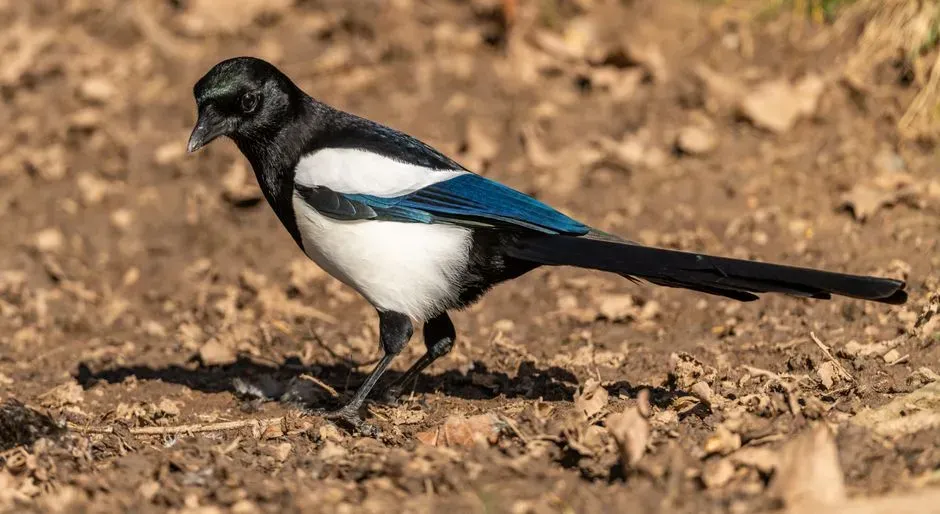
The Eurasian magpie is one of the few non-human animals that has passed a version of the mirror test, which is used to look for self-recognition. When you see a magpie react to a mark on its body visible only in a mirror, you’re watching something astonishing: a bird behaving as if it understands that the reflection is itself, not just another random bird. That kind of self-awareness is something you usually associate with great apes, dolphins, or young children. Beyond the mirror, magpies impress you with complex social behavior. They cache food and sometimes re-hide it if they think another bird has been watching, they use a wide range of calls and postures, and they’ve been seen holding what look like gatherings around deceased flock members. While you can’t say exactly what’s going on in their minds, their behavior keeps pushing you toward the idea that they experience in a rich, layered way rather than just reacting to simple cues.
6. Clark’s Nutcracker – The Memory Powerhouse
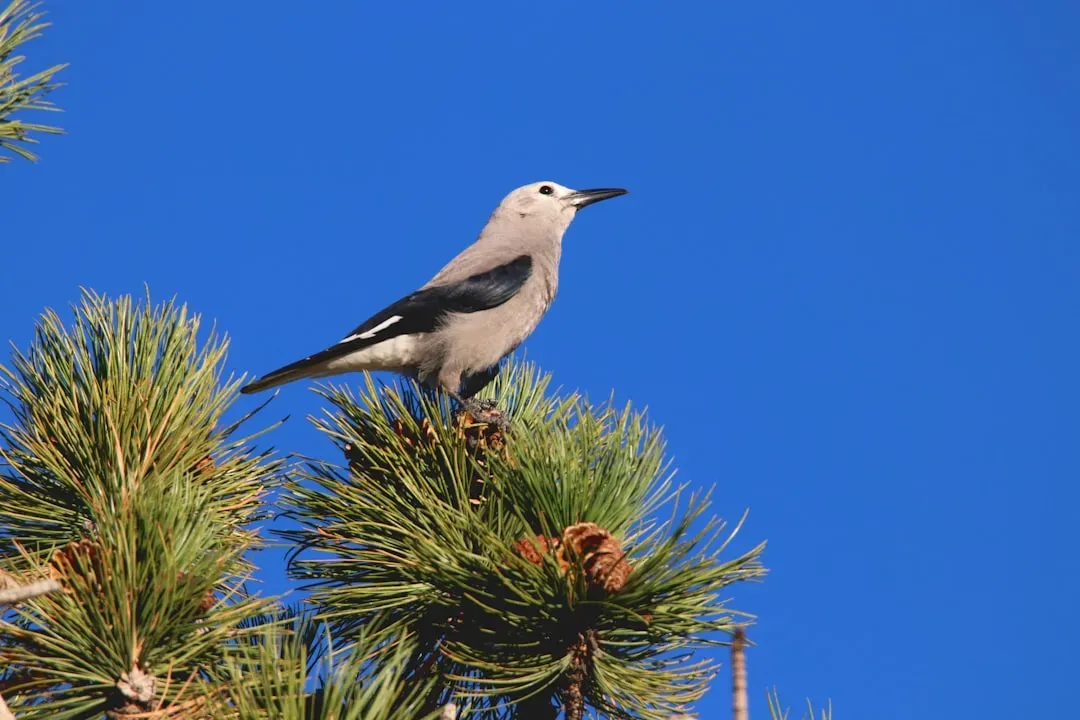
If you’ve ever forgotten where you parked your car, Clark’s nutcracker will make you feel very humble. This bird stores tens of thousands of pine seeds across a wide territory before winter, then later finds a huge portion of them again under snow and changing landscapes. You’re looking at a memory on a scale that makes your weekly grocery list seem tiny; it relies on detailed mental maps and landmarks rather than smell or chance. What’s especially striking is how long that memory seems to last. These birds can recover caches months later, when seasons have changed and the landscape looks different. Their survival depends on that accuracy, so evolution has fine-tuned their spatial memory in a way you might compare to a world-class chess player tracking dozens of moves in their head. When you think about it, your mental maps of your neighborhood are not so different – just far less precise and life-or-death.
7. Goffin’s Cockatoo – The Improviser
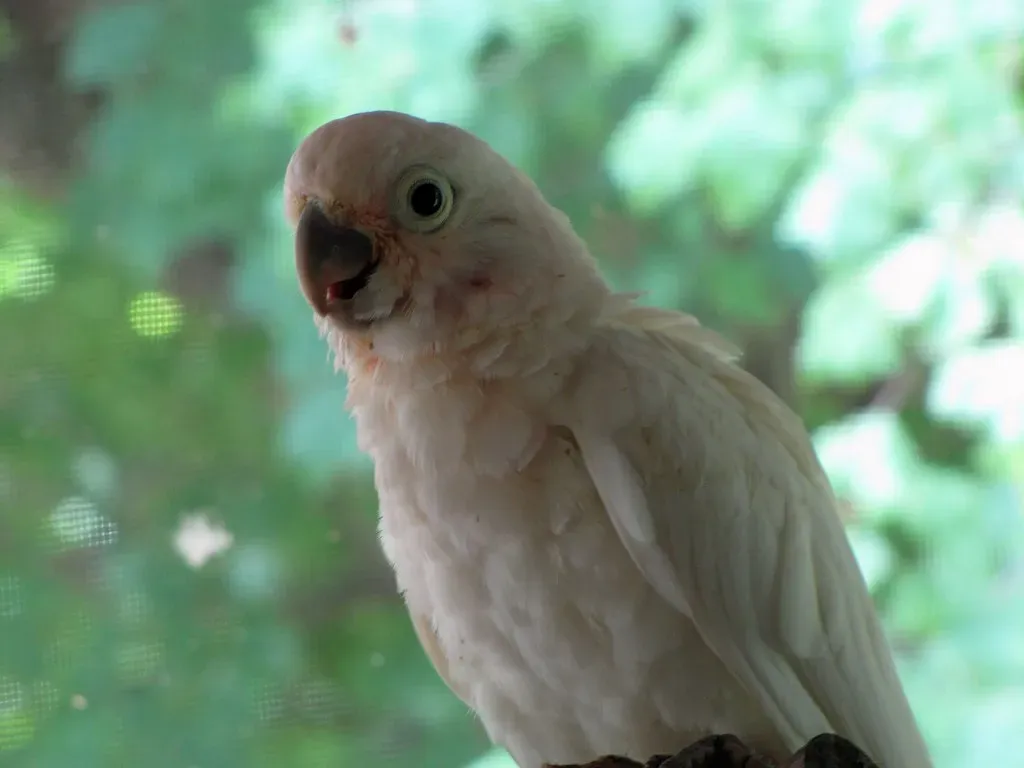
Goffin’s cockatoos are smaller white parrots that have shocked researchers with their ability to invent tools on the fly. You might expect tool use from a species that evolved with a long history of doing exactly that, but these cockatoos figured it out in captivity with no obvious wild tradition to copy from. In experiments, individuals have broken sticks to the right length, shredded cardboard into scoops, and shaped other materials to reach treats behind barriers. What pulls you in is how flexible they are in their thinking. They don’t just repeat the same trick; they adjust what they do to match the new problem, almost like you trying different keys on a key ring until one fits. They also show playful behavior that spills over into learning – many of their “discoveries” seem to start as curiosity or boredom. If you’ve ever found a creative solution while fiddling with something at your desk, you already understand the mindset that makes these birds so impressive.
8. Pigeon – The Underestimated Urban Scholar
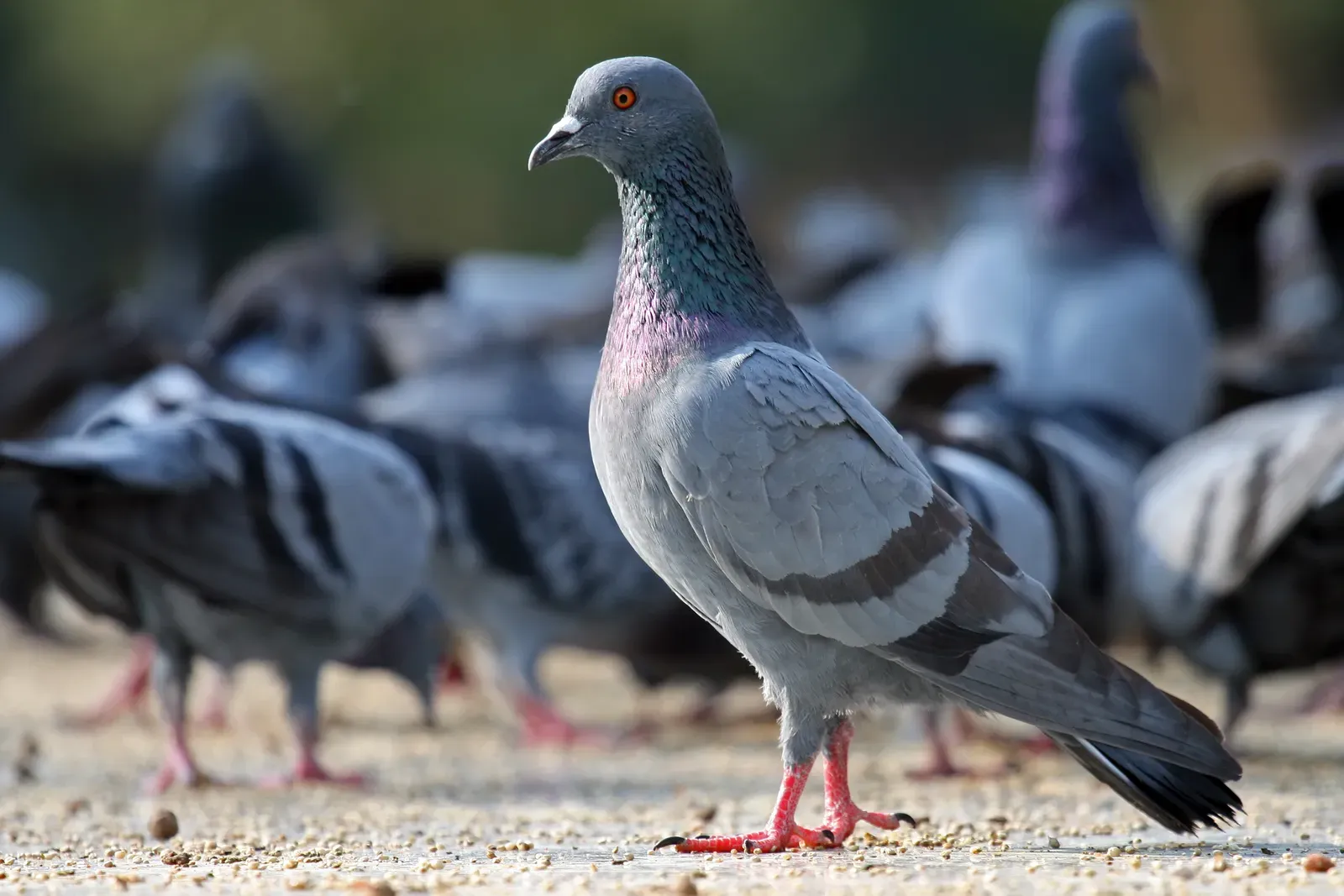
You might see pigeons every day on sidewalks and rooftops and assume they’re simple, but that casual glance sells them short. In lab settings, pigeons have learned to distinguish between different artistic styles, recognize sets of objects up to surprisingly high numbers, and even tell apart real words from nonsense letter strings on a screen. What you’re witnessing is a brain that’s very good at pattern recognition, categorization, and visual memory. Out in the real world, pigeons put those abilities to work in ways that matter. Homing pigeons can navigate back to their lofts over long distances using a combination of landmarks, the sun, and Earth’s magnetic field, which is like you finding your way home in a city you barely know without a map. They remember human faces, learn which people are likely to feed them, and adapt quickly to traffic, construction, and constant change. Once you notice how smoothly they weave through urban life, you stop thinking of them as “rats with wings” and start seeing them as quiet city experts.
9. Hyacinth Macaw – The Gentle Problem-Solver
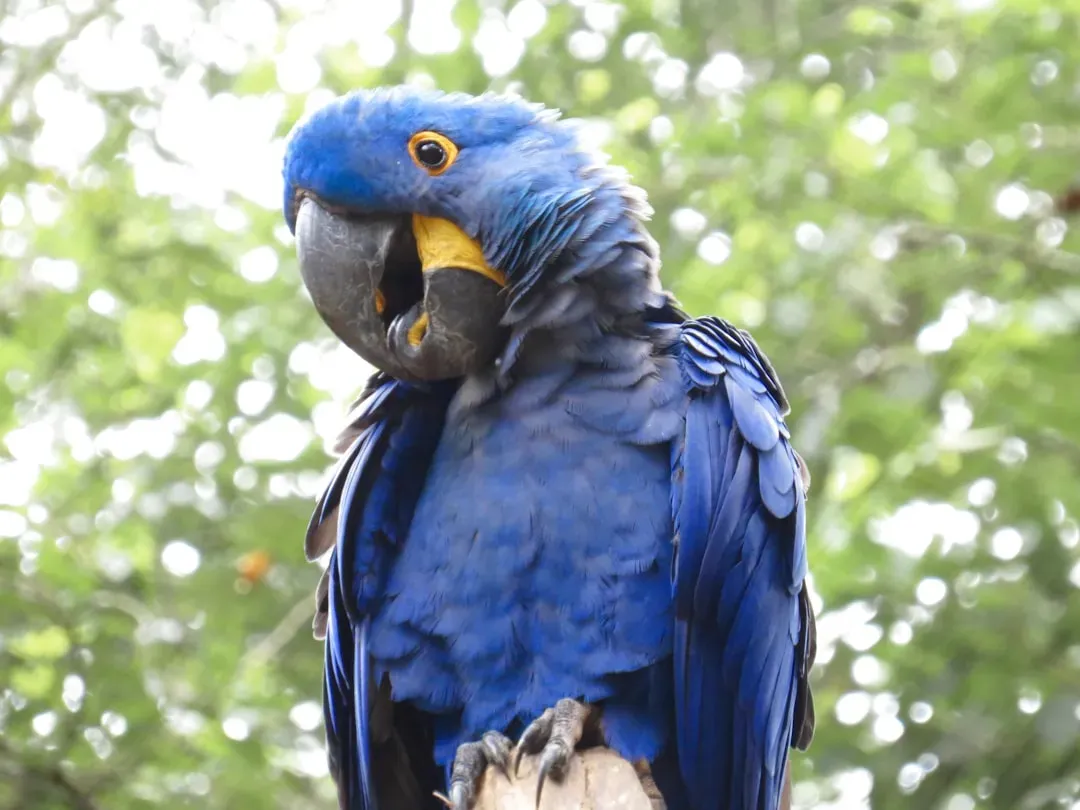
The hyacinth macaw, the largest of all parrots, looks dramatic with its deep blue feathers and strong beak, but its mind is just as striking. You see their intelligence in how delicately they handle tough nuts and fruits, using beak and feet with surprising precision, and in how they work through puzzles for food rewards. In cognitive tests, macaws have solved tasks that require planning several moves ahead or understanding cause and effect, much like you working out how a new gadget operates. What makes them especially fascinating is how their intelligence shows up in their relationships. These birds form close bonds with mates and flock members, use varied calls, and seem to coordinate movements and activities, almost like a tightly knit group on a camping trip. In captivity, they often learn to operate latches, open containers, or manipulate objects creatively, sometimes outsmarting the humans trying to keep them safely entertained. When you spend time with a hyacinth macaw, you’re not just hanging out with a pretty bird – you’re dealing with a thoughtful, emotionally complex being.
10. Owl – The Silent Specialist
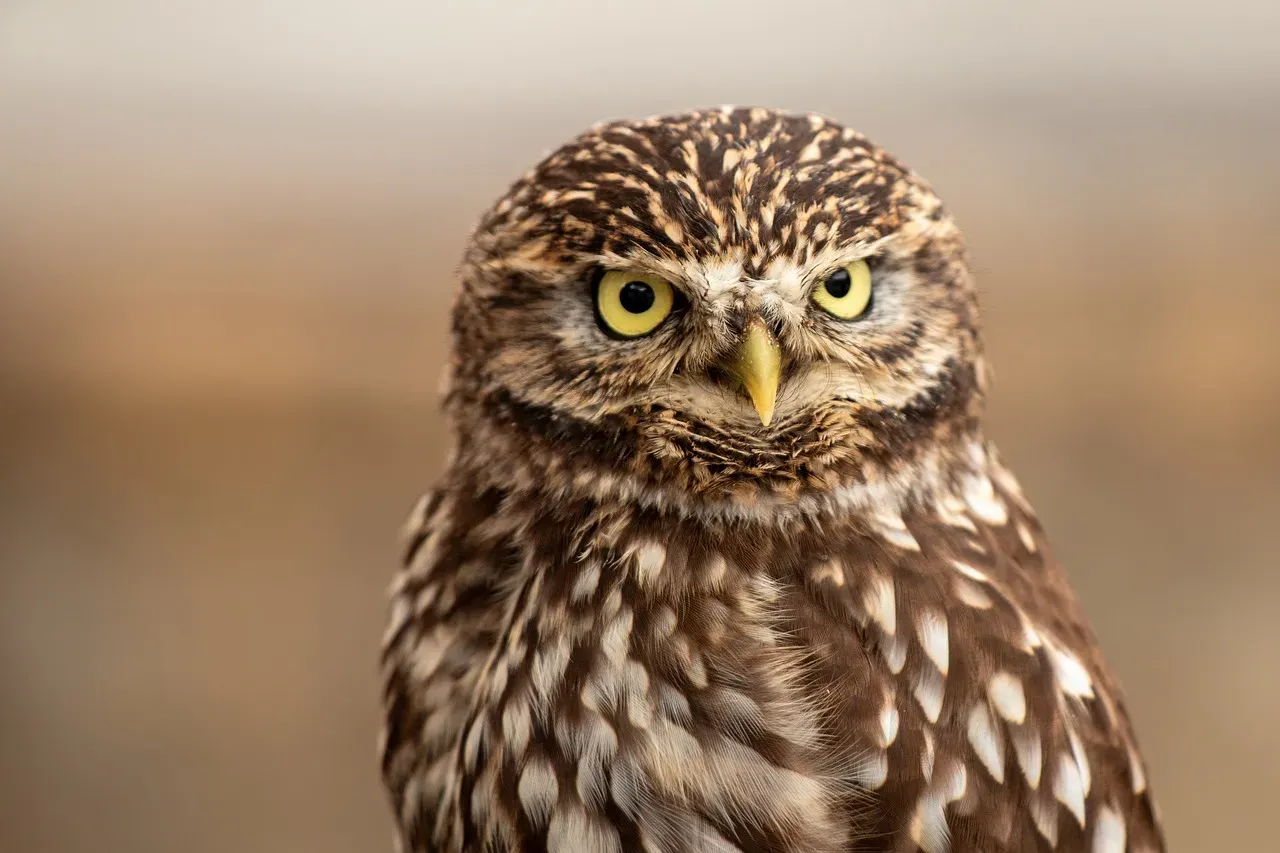
Owls are often romanticized as wise, and while their intelligence works differently from that of parrots and crows, you still find a remarkable kind of smarts in them. Their brains are heavily tuned for hunting in low light: they can process faint sounds, track tiny movements, and calculate depth using asymmetrical ears and forward-facing eyes. That may sound more like built-in hardware than flexible intelligence, but when an owl adjusts its hunting strategy to new environments or prey behavior, you see decision-making in real time. You also notice that many owls learn quickly from experience. They refine perches, angles of attack, and timing as they gain practice, much like you gradually figure out the best route to work after a few weeks. While they may not solve puzzles or talk like parrots, their specialized kind of cleverness reminds you that intelligence is not a single trait measured on one scale. In their world of darkness and silence, their minds are perfectly shaped to read the night in ways you never could.
Conclusion – Rethinking What “Birdbrain” Really Means
By now, the old insult of calling someone a “birdbrain” probably feels wildly unfair to birds and maybe a little generous to some people you know. You’ve just walked through crows that make tools, parrots that communicate with nuance, and memory specialists that can relocate tens of thousands of hidden seeds months later. When you stack all of that up, it becomes hard to keep pretending that a small brain automatically means a simple mind. What this really gives you is an invitation to look more closely at the everyday animals around you. The pigeon on your street corner, the crow at the parking lot, even the random parrot voice you hear from a neighbor’s window might be running more complex mental software than you ever imagined. Once you start seeing intelligence in feathers instead of just in faces that look like your own, gets richer, stranger, and far more interesting – so next time a bird looks your way, what kind of mind will you assume is looking back?