
If you grew up thinking the universe was a slow, predictable clockwork, recent space discoveries have probably blown that idea to pieces. In just the past few years, you’ve watched astronomers rewrite textbook chapters, challenge long-held theories, and admit they really do not have all the answers. That might sound unsettling at first, but it is also what makes this moment in space science so wildly exciting.
You are living in a time when black holes collide, planets rain glass sideways, and entire galaxies seem to be behaving in ways theory never fully predicted. Each new mission, telescope, and data release quietly drops another bombshell, forcing you to see your place in the cosmos with fresh eyes. As you go through these ten discoveries, you will notice a pattern: the more you learn, the stranger and more alive the universe starts to feel.
The First Image Of A Black Hole’s Shadow
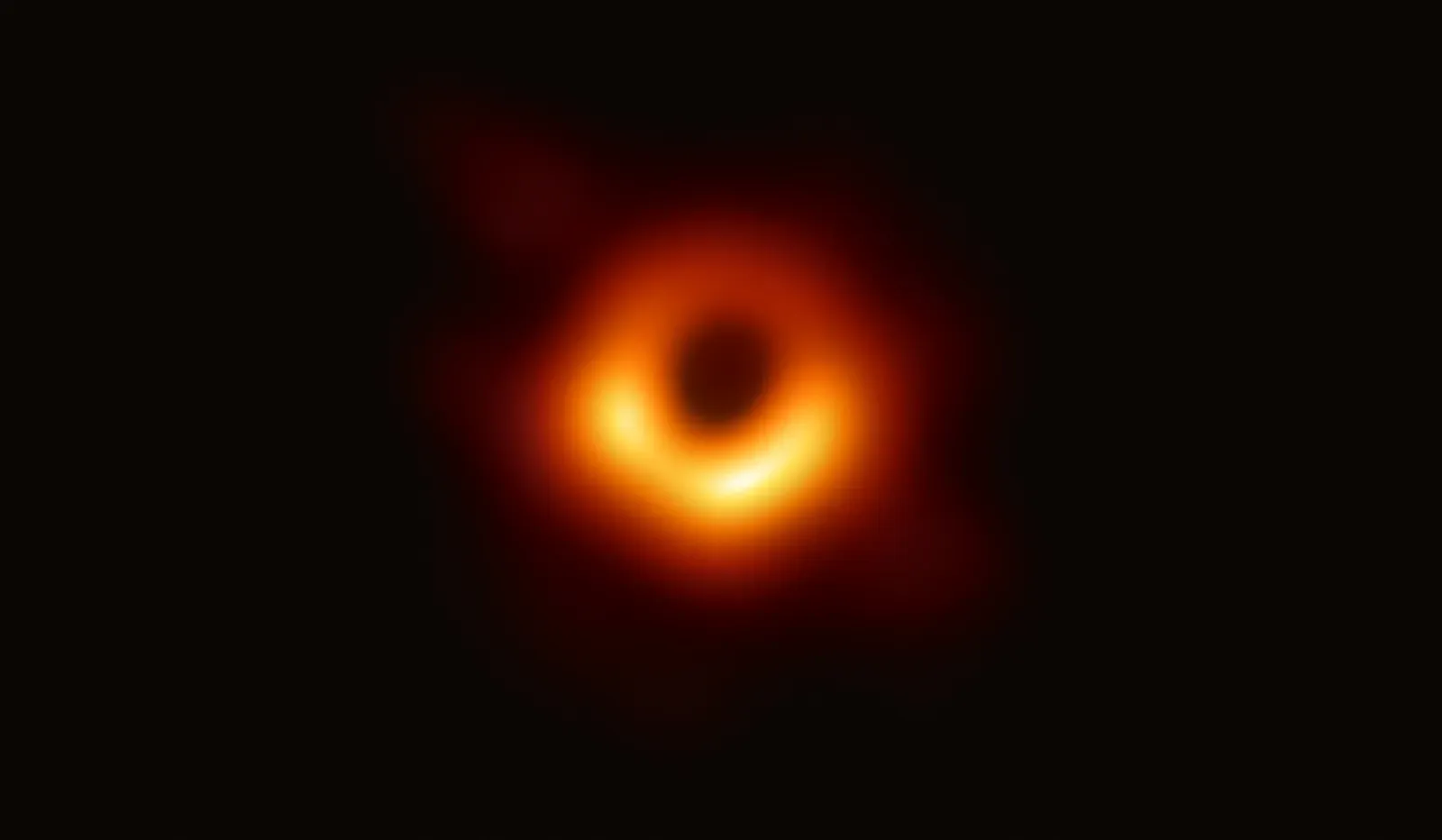
You probably saw it back in 2019: that grainy, orange ring surrounding a dark center, the first direct image of a black hole’s shadow. For decades, black holes were more of a mathematical ghost than a real object, something you accepted because equations and indirect measurements insisted they existed. Then the Event Horizon Telescope stitched together data from radio telescopes around Earth and suddenly you were staring at the silhouette of a supermassive black hole in the galaxy M87.
What makes this discovery so world-shifting for you is how it turned an abstract idea into something painfully real. The bright ring you saw is light being bent and twisted by gravity so extreme that not even light can escape once it crosses the event horizon. You are no longer just reading about spacetime being warped; you are literally looking at it happening. That image quietly confirmed some of the toughest predictions of general relativity and told you that, as bizarre as black holes sound, the universe is even more committed to them than you might have imagined.
The Milky Way’s Central Black Hole Finally Revealed
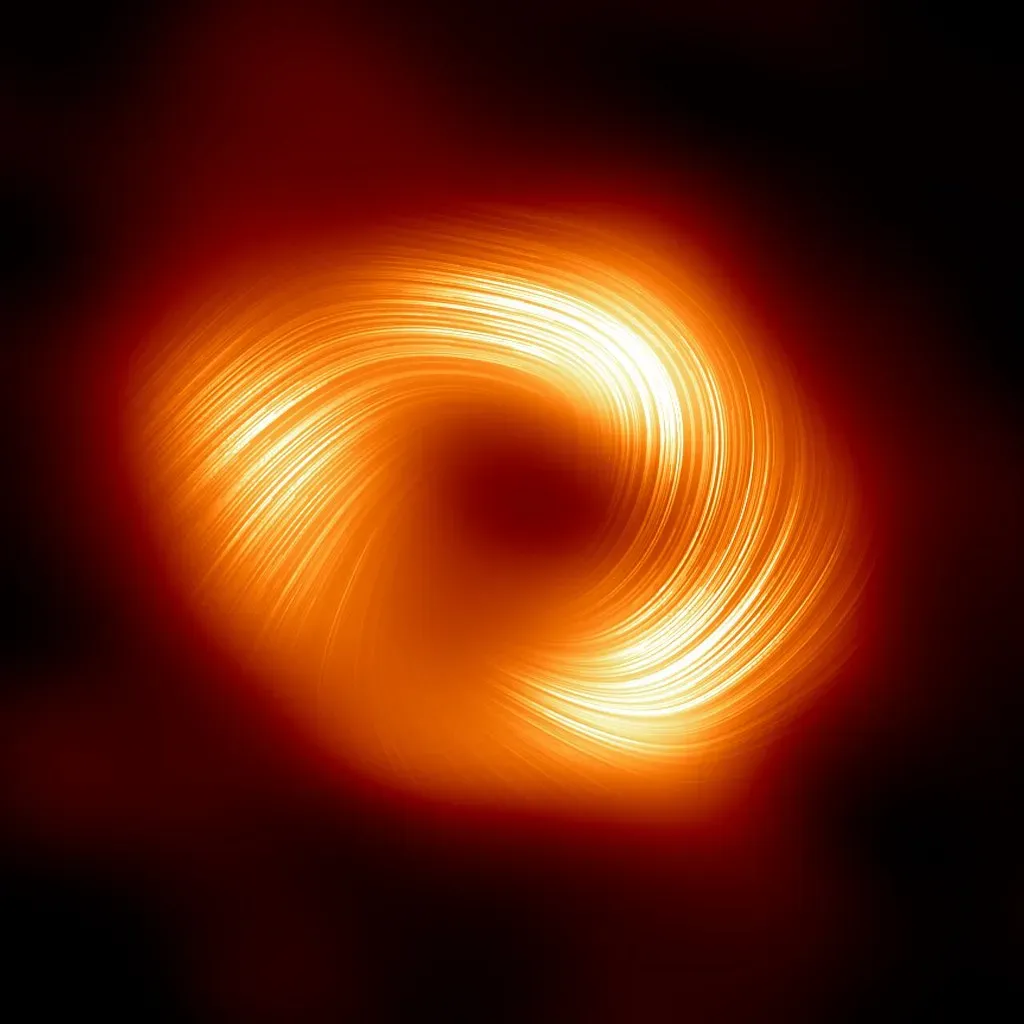
For years, you kept hearing that there was “probably” a supermassive black hole sitting in the middle of the Milky Way, but you never saw it directly. Instead, astronomers watched stars whip around an invisible heavyweight, like fireflies orbiting an unseen bonfire. In 2022, the same Event Horizon Telescope team that imaged M87’s black hole finally gave you the first direct image of Sagittarius A*, the black hole at the heart of your own galaxy.
Seeing that fuzzy, glowing ring was more than just another pretty picture. It confirmed that your galaxy really does anchor itself around a supermassive black hole, tying together decades of observations into a single, haunting snapshot. You are literally living inside a rotating system whose center is a dark monster about four million times the mass of the Sun. Instead of feeling distant or theoretical, the core of the Milky Way suddenly becomes a very real, very active neighbor that quietly shapes the galaxy you call home.
Webb’s Deep View Of The Early Universe
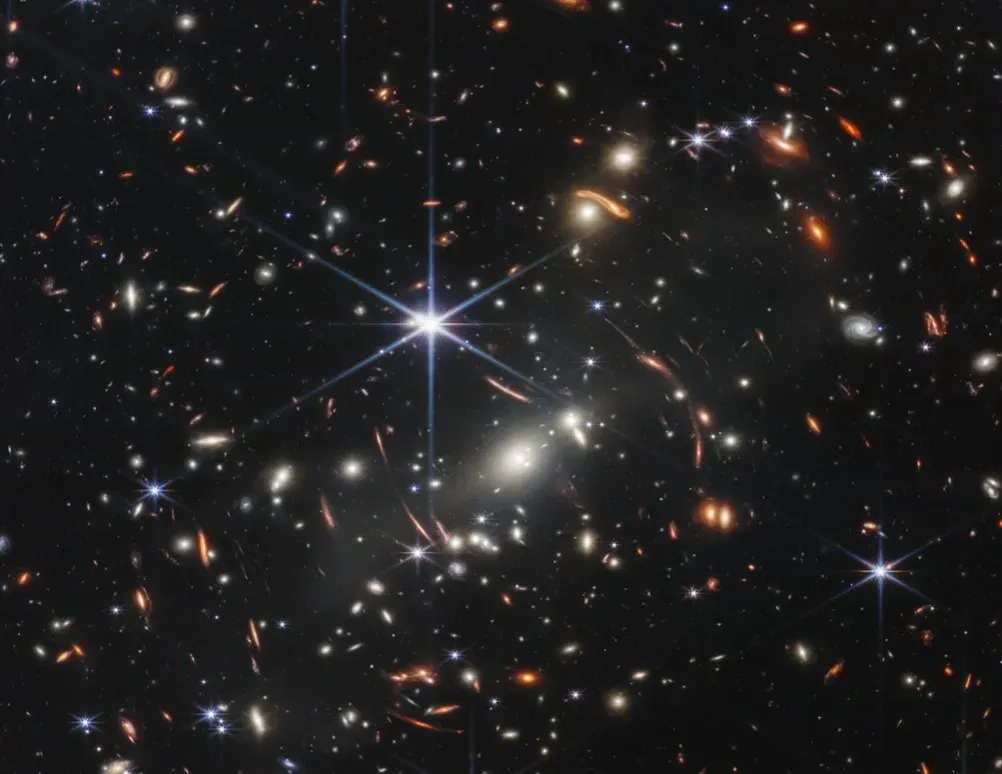
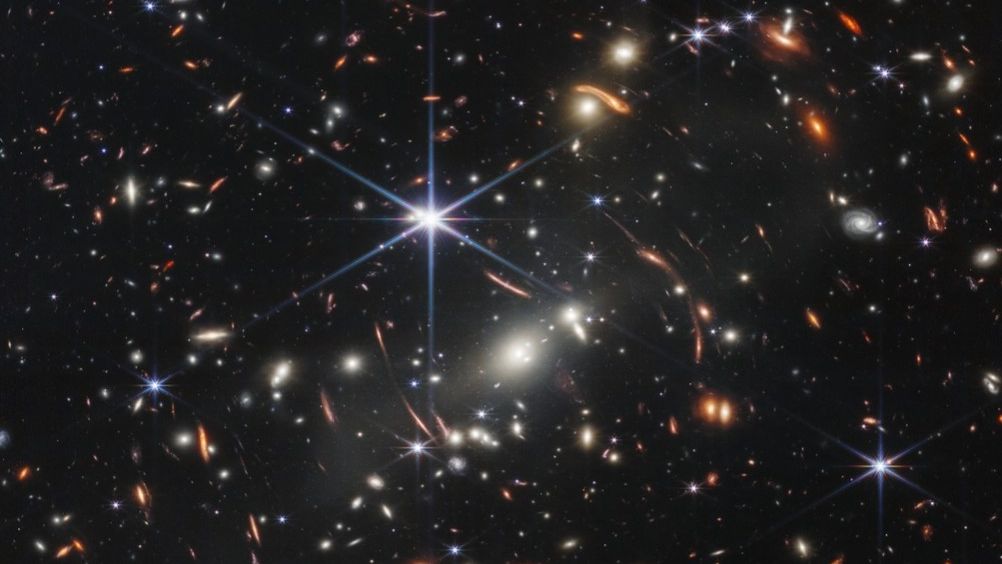
When the James Webb Space Telescope started sending back its first images, you probably expected sharper pictures, nicer colors, and maybe a few new galaxies. What you got instead was a cosmic plot twist: incredibly bright, surprisingly large galaxies appearing at times not long after the Big Bang. You were told the early universe should be mostly small, still-forming galaxies, but Webb’s deep surveys revealed objects that looked far more mature than some models predicted for such an early era.
For you, this raised a wild question: did stars and galaxies form faster than scientists thought, or are some of your assumptions about dark matter and cosmic evolution off the mark? You are watching cosmology, one of the most confident branches of physics, get nudged back into humility. While the core picture of an expanding universe still stands, Webb’s findings push you to realize that how quickly structure emerged – and exactly how – might be more complicated than the tidy story you once heard.
Exoplanets In Habitable Zones With Real Atmospheres
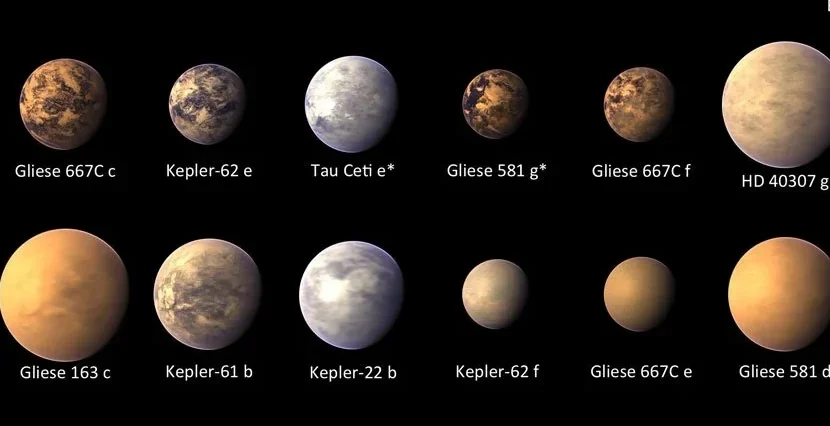
A decade or two ago, you were just getting used to the idea that other stars have planets at all. Now you are staring down detailed studies of worlds orbiting in the so-called habitable zone, where liquid water could exist. Telescopes, including Webb, have begun to tease out the fingerprints of atmospheres on some of these planets by watching how starlight filters through their skies as they pass in front of their stars.
For you, this changes the idea of alien worlds from vague science fiction backdrops into places with weather, chemistry, and perhaps even clouds. You are starting to see hints of molecules such as water vapor, carbon dioxide, and methane on distant planets, and scientists are actively checking whether those combinations could point to something interesting. While nobody has found solid evidence of life yet, you can feel the conversation shifting: instead of asking whether other planets exist, you are asking what kind of air you would breathe if you could stand on them.
Evidence Of Rogue Planets Drifting In The Dark
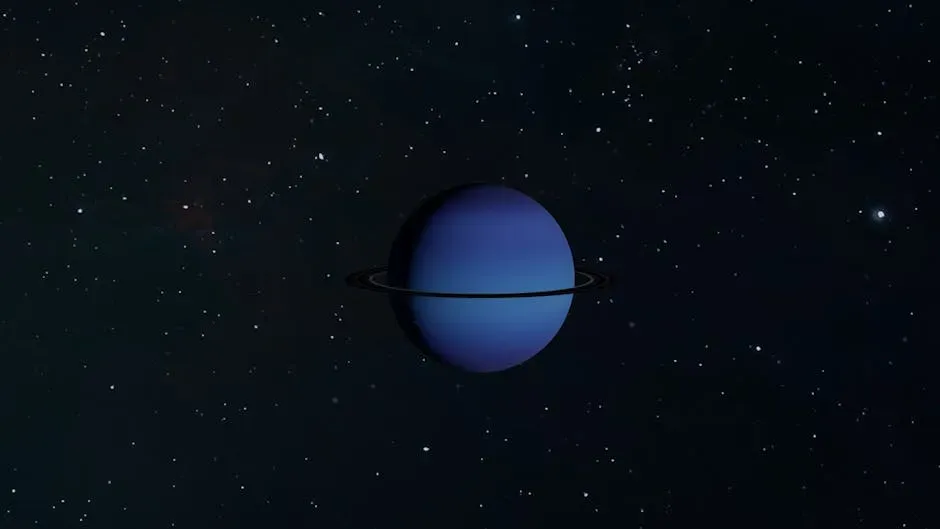
You probably grew up with a neat mental picture: every planet orbits a star, just like the planets in your solar system move around the Sun. Then observations began turning up something much stranger – planets that do not seem to orbit any star at all, wandering through the galaxy in darkness. These “rogue planets” appear to be more common than anyone first guessed, possibly numbering in the billions across the Milky Way.
For you, that means your idea of what a planet is has quietly stretched. A planet no longer has to be warmed by a parent star or lit by a sunrise; it can drift alone, warmed only by its own internal heat or almost completely frozen. Some models even suggest that thick atmospheres or subsurface oceans could exist on a few of these lonely worlds, raising the bizarre possibility that life might not need starlight at all. Instead of a tidy, well-organized solar system model, you are facing a galaxy filled with starless worlds, like marbles spilled across a dark floor.
Water And Organic Chemistry In Surprising Places
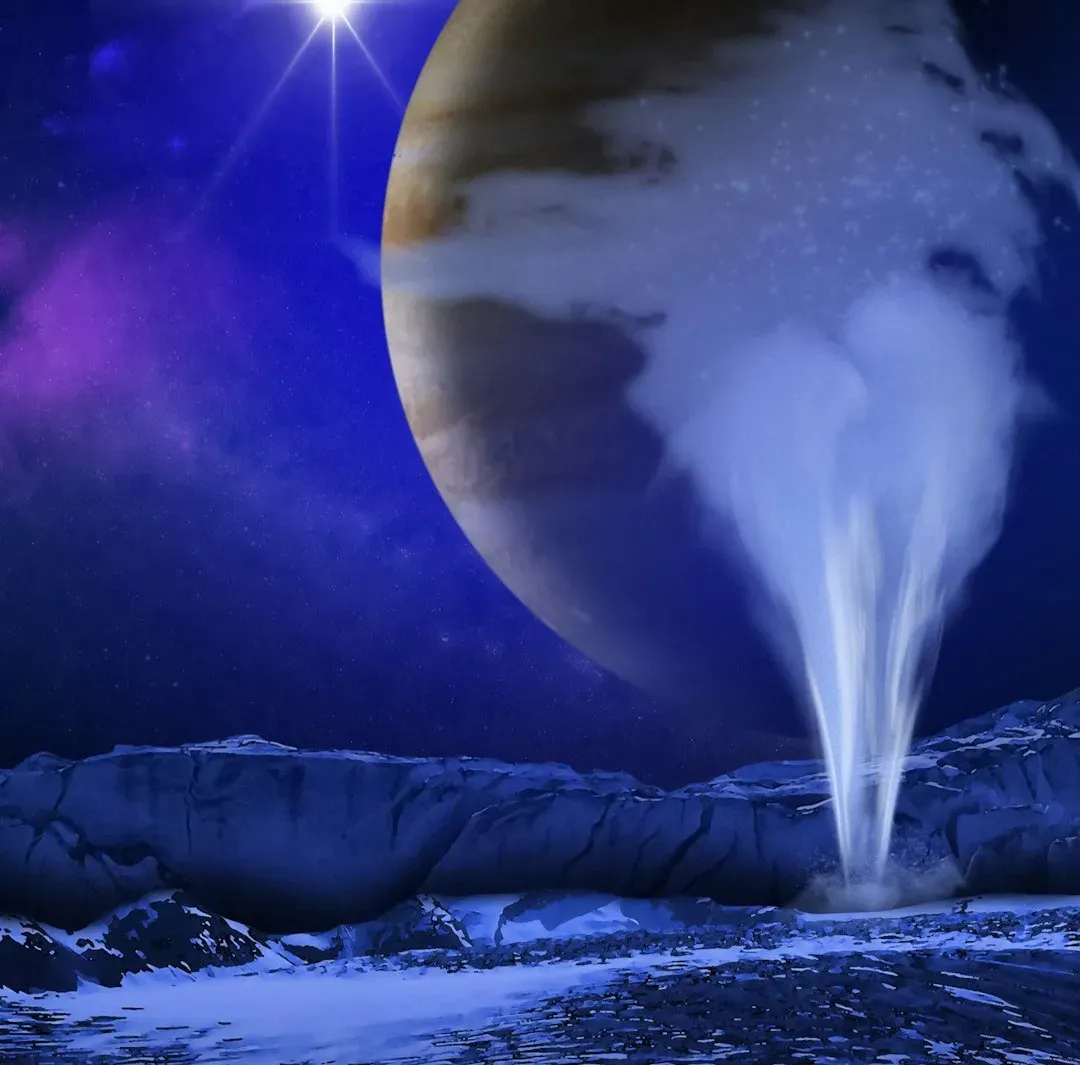
If you once thought water was rare and life’s building blocks were fragile, recent discoveries in your own cosmic backyard have probably changed your mind. Space missions have found water ice in permanently shadowed craters on the Moon, inside dark regions of Mercury, and in abundance on icy moons like Europa and Enceladus. On top of that, comets, asteroids, and interstellar clouds have turned out to be rich in complex organic molecules – chemicals that can play into the story of life.
For you, this suggests that the ingredients for life are not a local accident but a common theme scattered across the solar system and beyond. When you see plumes of water vapor jetting out from an icy moon, or spectra showing carbon-based molecules drifting through deep space, you are being told that chemistry is busy and persistent. Instead of picturing Earth as a one-off miracle, you start to view it as one example of what the universe does when it has water, rock, time, and energy to play with.
Gravitational Waves: Listening To Colliding Black Holes
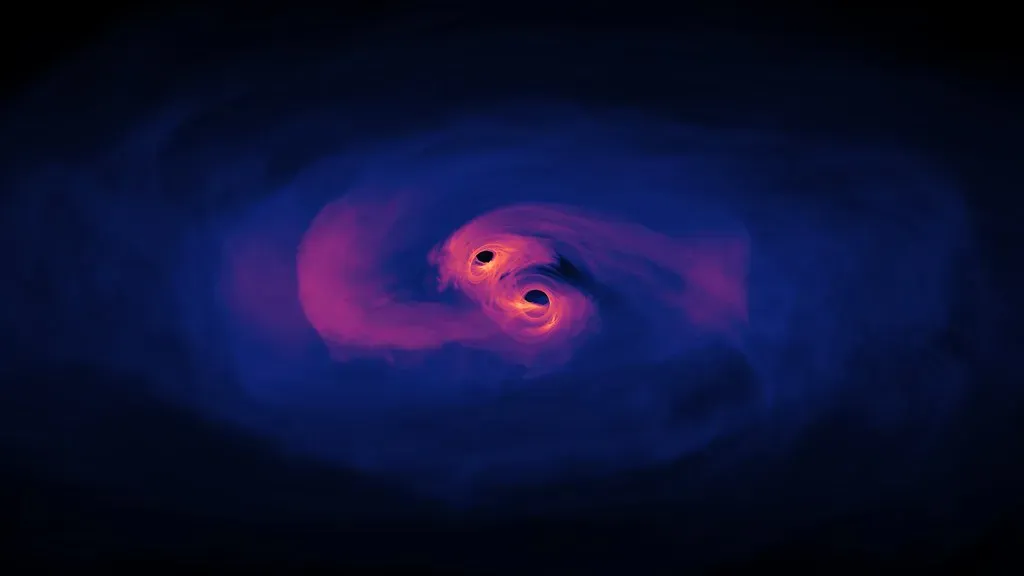
You used to think of space as mostly silent, something you saw but could not really “hear” in any physical sense. That changed when detectors like LIGO and Virgo picked up ripples in spacetime – gravitational waves – coming from colliding black holes and neutron stars. Suddenly you were not just seeing the universe; you were feeling its distant catastrophes through faint distortions in spacetime passing right through you.
For you, this opened up a completely new way of doing astronomy. Instead of relying only on light, you can now study the universe through its vibrations, picking up events that might be invisible to telescopes. You have learned that black hole mergers are not rare curiosities but seem to be happening regularly across the cosmos. Each detection nudges you to accept that the universe is far more dynamic and violent than a quiet night sky might suggest when you just stare up with your eyes.
Fast Radio Bursts And Their Mysterious Origins
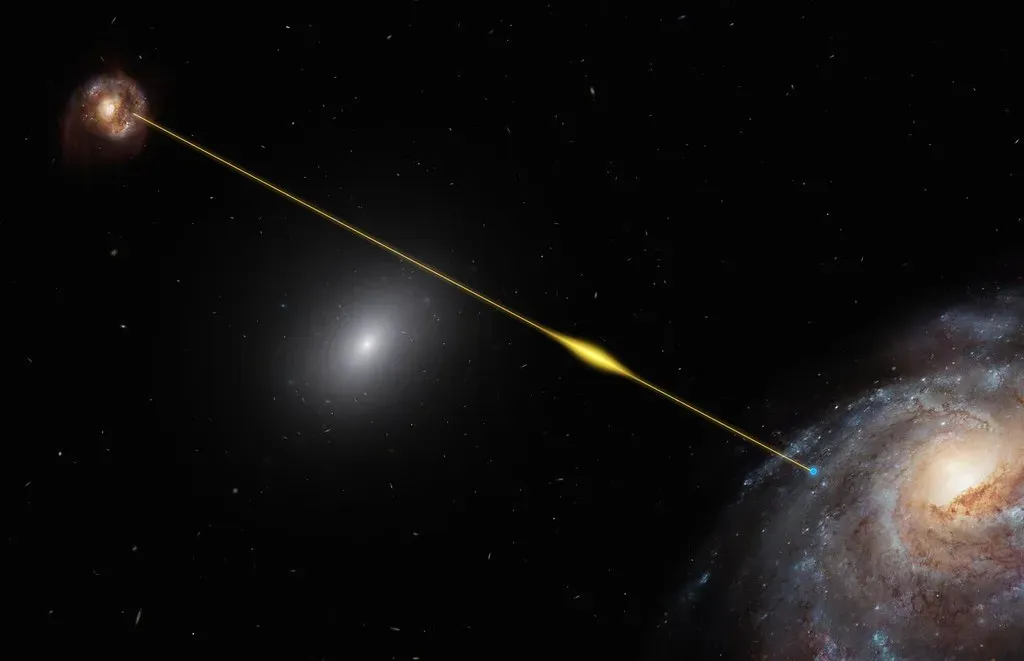
Imagine turning on a radio and catching a signal that blares for only a tiny fraction of a second but releases more energy than your Sun does in days. That is what you are dealing with when you talk about fast radio bursts, or FRBs – brief, powerful flashes of radio waves coming from far beyond the Milky Way. For years, they seemed almost like cosmic pranks: there and gone, with no clear source.
Recently, though, you have seen real progress in tracking down where some of these bursts come from, including connections to magnetars, which are extremely magnetic neutron stars. At the same time, other FRBs appear to repeat from specific regions in distant galaxies, hinting that more than one kind of engine might be producing them. For you, FRBs sit at that sweet spot between frustration and fascination: you know enough to say they are real and powerful, but not enough to close the book on what they truly are. The universe is basically reminding you that it still has secrets it is not ready to hand over easily.
Weird, Ultra-Extreme Exoplanets That Defy Intuition
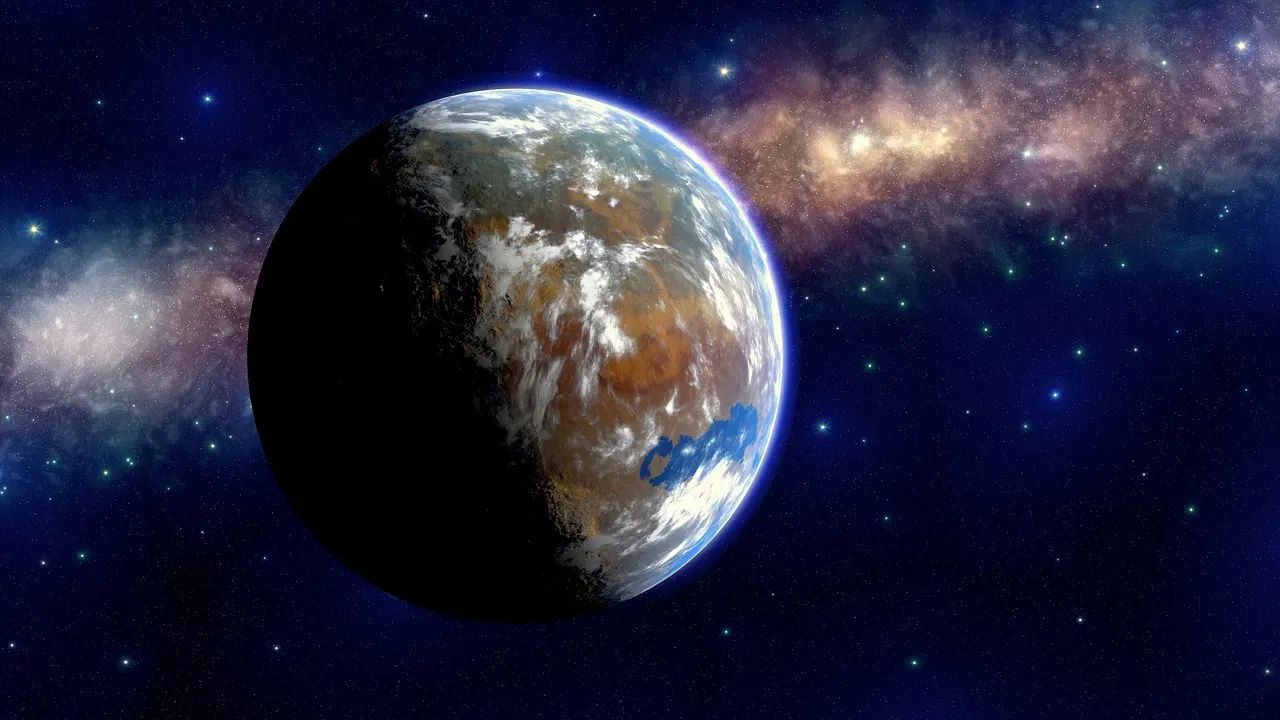
Your first mental picture of another planet might have been a kind of second Earth: blue oceans, clouds, and maybe a couple of moons. The more exoplanets you discover, the more you realize how limited that imagination was. You now know of planets so close to their stars that their years last only a few hours, worlds made mostly of iron, gas giants parked impossibly near their suns, and planets where temperatures skyrocket high enough to vaporize rock.
Some of these worlds likely have skies filled with vaporized minerals, or even glass-like particles blowing sideways in supersonic winds. For you, these discoveries do more than provide bizarre trivia; they completely reshape what you consider “normal” in planetary science. Instead of thinking of your solar system as the template, you are starting to see it as just one quirky example among countless others. The universe is showing you that when it comes to building planets, it is far more creative – and much weirder – than you might have dared to guess.
The Hubble Tension And A Universe That Won’t Sit Still
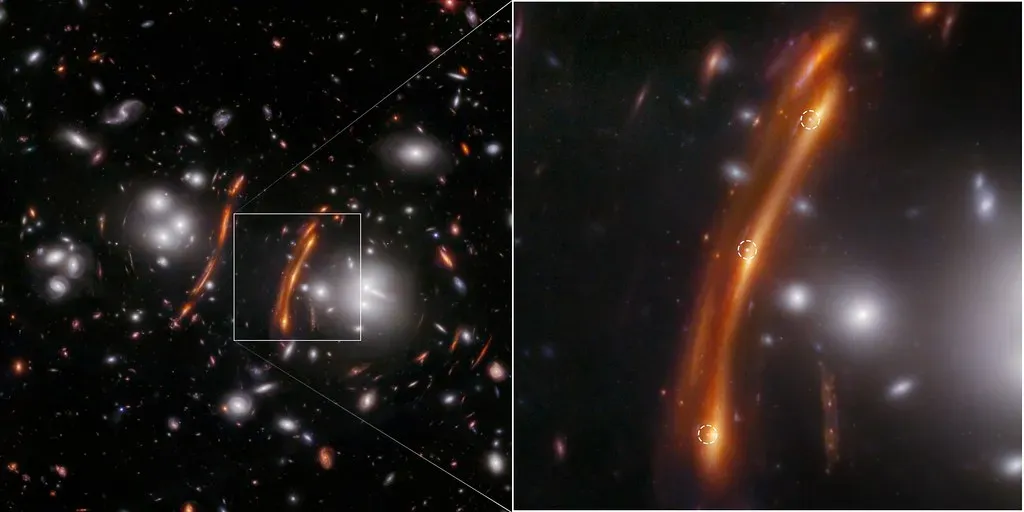
You might think that by now, something as basic as the expansion rate of the universe – how fast space itself is stretching – would be nailed down. Instead, you are watching one of the biggest puzzles in modern cosmology unfold in real time. Different methods of measuring the expansion rate, from observing the early universe to studying nearby supernovae, are giving you numbers that stubbornly do not match, a disagreement known as the Hubble tension.
For you, this means that either there is something subtle wrong with the measurements, or your understanding of the universe’s ingredients and laws is missing an important piece. Possibilities range from new physics in the early universe to unexpected behavior in dark energy or dark matter. You are being reminded that even the grand, confident story of an expanding universe still has unresolved chapters. Instead of closing the book on cosmology, this tension pushes you to keep an open mind about what the universe is really made of and how it has evolved.
Conclusion: A Universe Stranger, Busier, And Closer Than You Thought
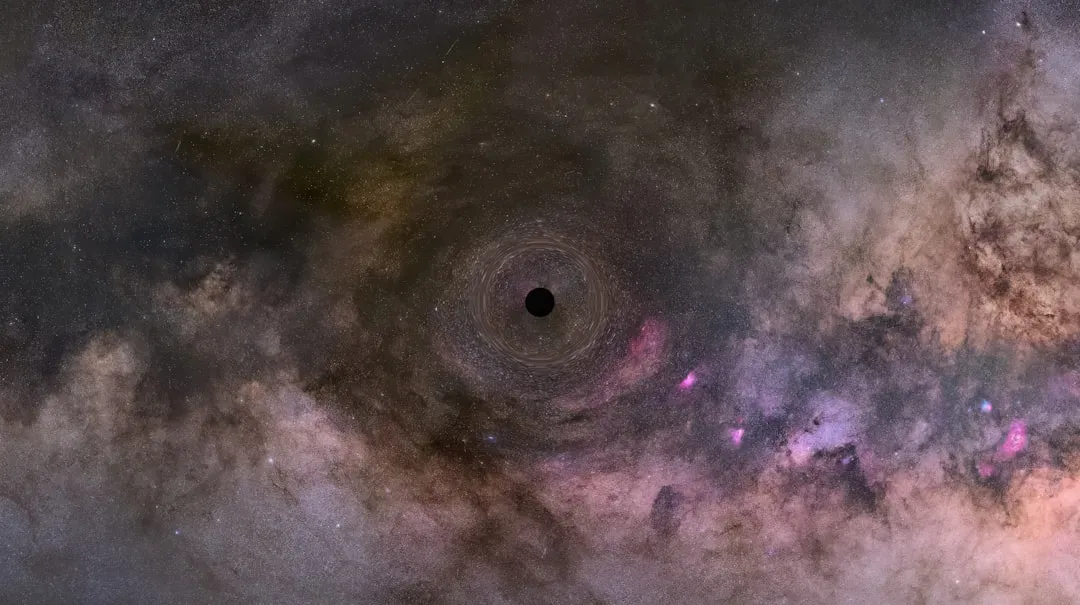
When you step back and look at these discoveries together, you can feel how much they have shifted your sense of the cosmos. Black holes are no longer abstract monsters; you have seen their shadows. Planets are not tidy, star-bound neighbors but wild, drifting, and sometimes incredibly hostile worlds scattered everywhere. Water and organic chemistry turn up so often that you have to seriously consider that life might not be as rare as you once believed.
At the same time, the universe refuses to hand you a neat, completed picture. Gravitational waves, FRBs, surprising early galaxies, and the Hubble tension all hint that you are still missing pieces of the puzzle. That might sound frustrating, but it is also what keeps the story alive and moving. You are living in an era when your understanding of the universe is being rewritten in front of you, one observation at a time – and you get to watch it happen. So, when you look up at the night sky tonight, will you still see a quiet backdrop, or will you feel all that hidden drama playing out above you?