
You have probably grown up with dragons in stories, movies, and video games, so a part of you might secretly hope they were real. Giant winged reptiles breathing fire and hoarding gold are hard not to love. But when you look at what you know about biology, physics, and the fossil record, the idea of real, living dragons starts to fall apart fast.
Once you strip away the special effects and myths, you start seeing just how many things would have to break the rules of nature for dragons to exist. From the way flight actually works to how skeletons preserve in rock, reality gives you a long list of dealbreakers. Let’s walk through them one by one, so the next time someone says dragons might have been real, you’ll know exactly why that just doesn’t hold up.
1. The Physics Of Flight Would Work Against Giant Dragons
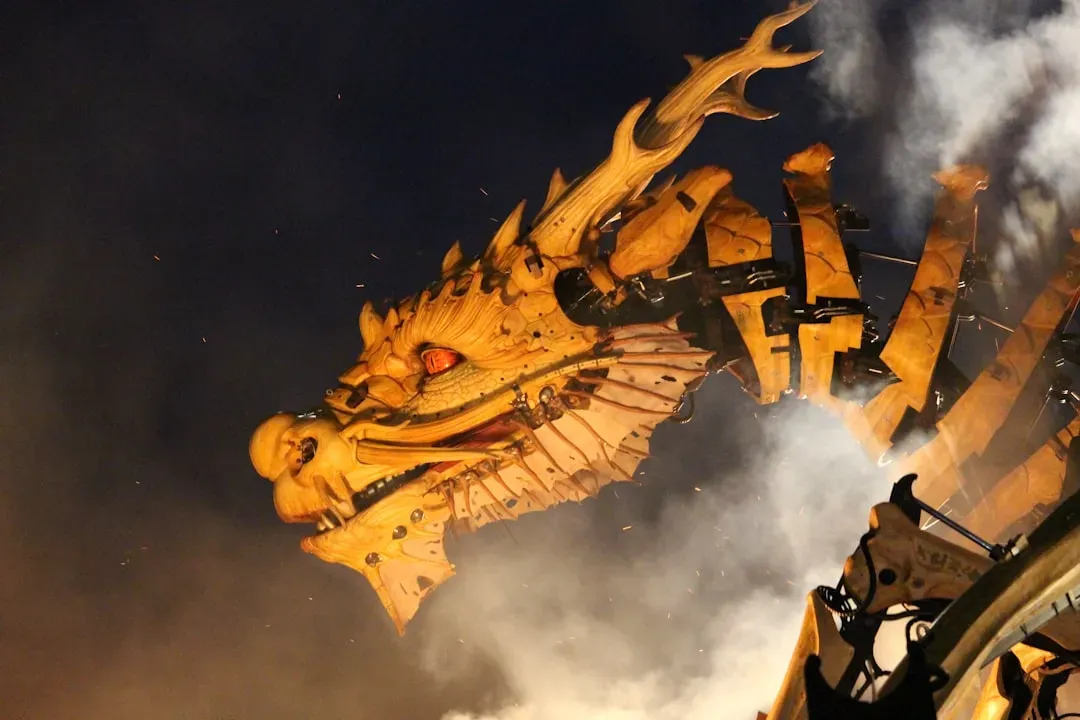
If you have ever watched a huge dragon glide over a city in a movie, it looks effortless and almost graceful. In the real world, though, flight gets brutally hard as an animal gets bigger. When body size increases, weight grows much faster than wing area, so the wings need to become absurdly huge to keep you in the air. That is why the largest flying animals that ever lived, like pterosaurs, were big but still nowhere near the size of the storybook dragons you are used to imagining.
You can picture it by thinking of a paper airplane versus a brick: adding more mass without enough surface to generate lift sends you crashing. To fly, a dragon‑sized creature would need wings spanning tens of meters, a super‑light skeleton, and enormous muscles to power takeoff. Even then, taking off from flat ground would be almost impossible, because gravity doesn’t scale kindly. You would essentially be asking nature to bend the aerodynamics that every bird, bat, and insect on Earth has to obey.
2. Fire Breathing Clashes With Basic Biology
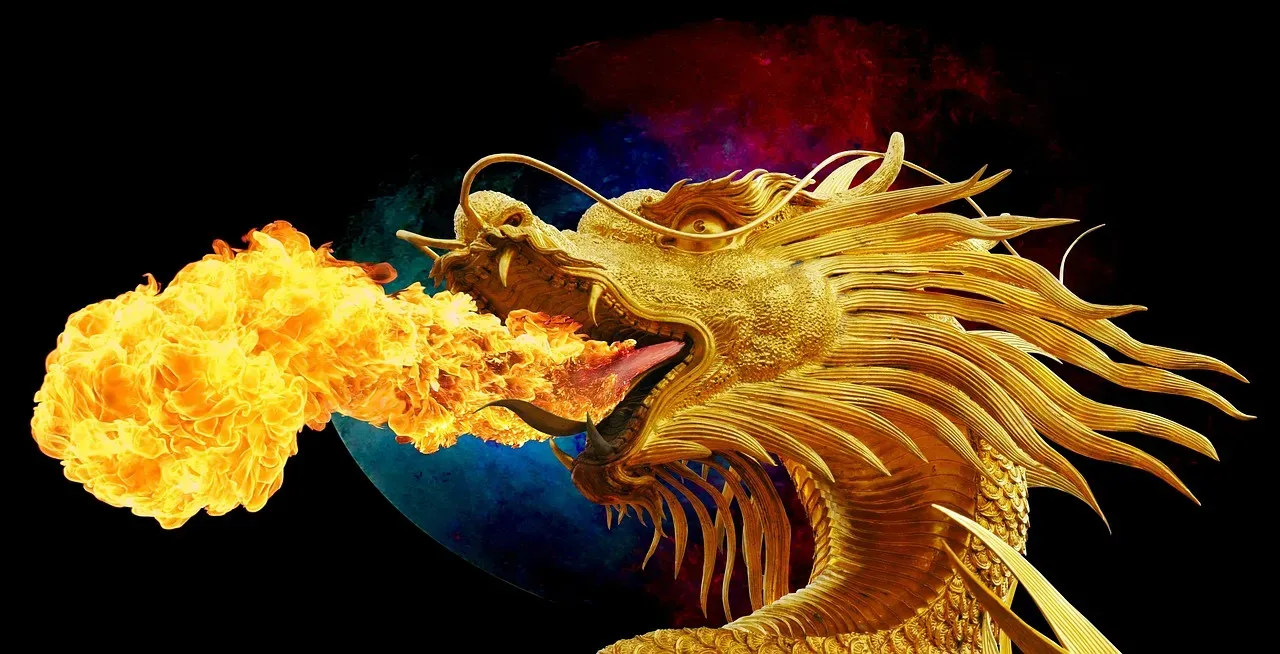
Even if you try to imagine something like chemical sprays that mix and ignite outside the mouth, you run into problems. The tissues in the mouth, tongue, and throat are not made to withstand continuous blasts of intense heat and corrosive chemicals. You would also have to solve how this system evolves step by tiny step without killing the animal along the way. You do see interesting chemical defenses in nature, like insects spraying irritating compounds, but nothing even close to controlled, repeatable fire breathing.
3. The Fossil Record Shows No Evidence Of Dragons
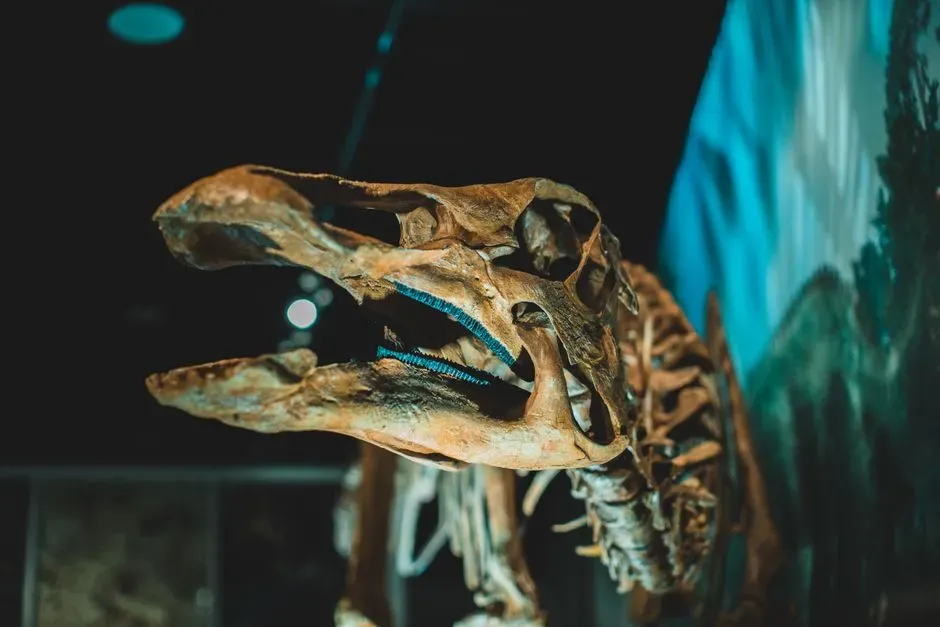
When you look at what paleontologists have actually dug out of the ground, you see a rich history of life that includes dinosaurs, giant reptiles, flying pterosaurs, and many strange creatures you would probably call monster‑like. If dragons had existed in large numbers for any significant amount of time, you would expect at least a few fossils with the right mix of traits: large reptilian bodies, clear wings, and maybe specialized bone structures to support impossible abilities. Instead, you find plenty of other animals but nothing that matches a dragon description.
Fossilization is rare, but it is not so rare that whole global groups of large animals vanish without a trace. Large bodies with wings and unusual skulls tend to preserve fairly well when conditions are right, and you already see that in the fossils of pterosaurs and many dinosaurs. So if you had real dragons soaring around, especially as often as myths suggest, their bones should show up somewhere in the rock record. The fact that they simply do not gives you a strong, physical reason to rule them out.
4. Reptile Biology Cannot Support Dragon Abilities

Dragons are usually pictured as huge, scaly, cold‑blooded reptiles with intelligence that feels almost human and powers that go far beyond anything you see in real lizards or snakes. Real reptiles have limits coming from their metabolism, temperature regulation, and growth patterns that you cannot just ignore. A cold‑blooded animal that size would struggle to stay warm enough to move quickly or fly, unless it lived in a consistently hot environment and spent a lot of time basking. That does not match the icy mountain lairs or cloudy skies you see in most dragon stories.
On top of that, the combination of gigantic body size, powerful flight, and fire breathing would demand huge amounts of energy. Reptile metabolisms are usually slower than those of birds and mammals, which is why many reptiles can go longer without food but also cannot sustain intense actions for as long. To be as active and dangerous as dragons are portrayed, you would need something more like a bird or mammal metabolism, which clashes with the traditional dragon design. You end up with a creature that is biologically confused: part lizard, part eagle, part furnace, and not really possible.
5. Dragon Wings Make No Structural Sense
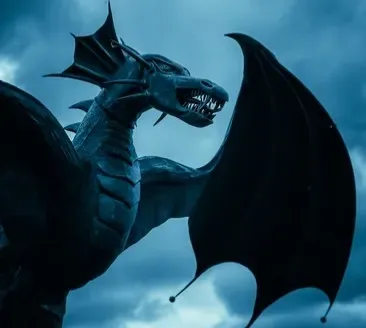
When you look closely at how wings work in real animals, you see that they are not random flaps of skin; they are carefully supported structures. Bird wings are modified arms with feathers attached to a light but strong skeleton. Bat wings stretch skin over elongated fingers. Pterosaurs had a unique design with a long single finger supporting a membrane. Every time, bones, joints, and muscles line up in a way that lets the animal generate lift and maneuver without tearing itself apart. You never see a bulky, quadrupedal creature just sprout huge, fully functional wings from its back on top of its regular limbs.
Most classic dragons are shown as four‑legged animals with an extra pair of wings, which would make them six‑limbed vertebrates. That is a big problem, because every known land vertebrate, from lizards to birds to mammals, shares the same basic four‑limb body plan. Adding a third pair of limbs for wings would require a complete rewrite of the developmental blueprint that has guided vertebrate anatomy for hundreds of millions of years. You would not just need a small mutation; you would need an entirely different lineage of life, and there is no sign of it in fossils or living animals.
6. The Energy Needs Of A Dragon Would Be Enormous
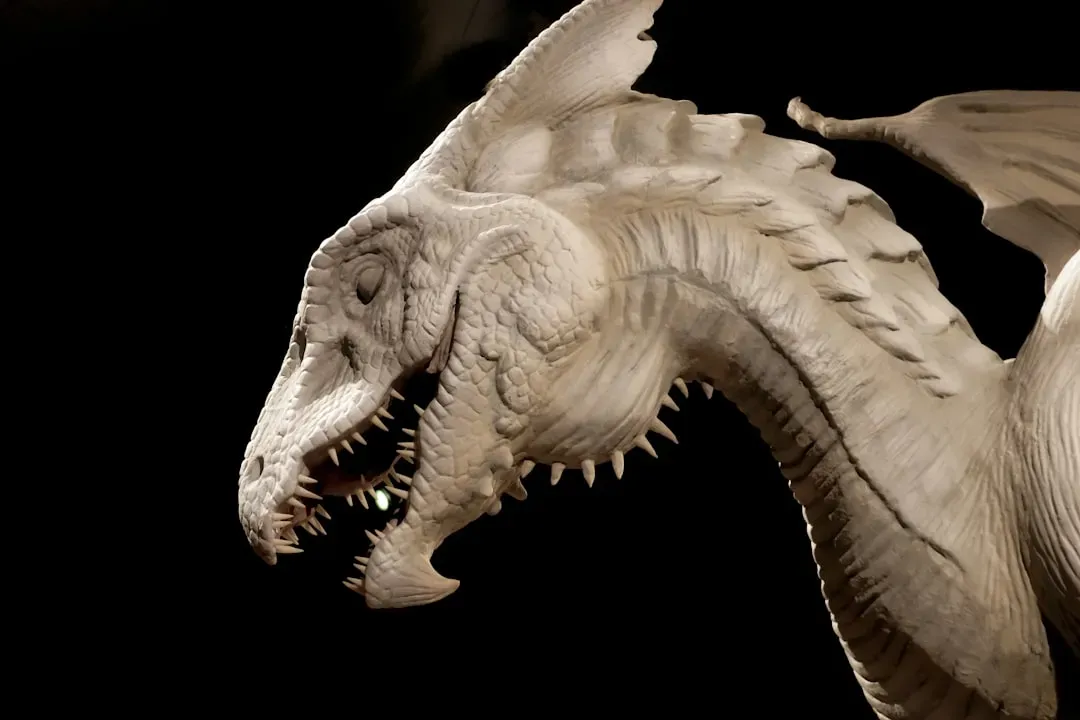
Imagine how much food it takes to keep a large dog or horse healthy and active, then scale that up to a multi‑ton flying predator that also breathes fire. You are suddenly dealing with a creature that would need a massive daily intake of calories just to survive. Hunting enough prey to feed such a body would transform entire ecosystems. If dragons had really existed, you would expect strong traces of their impact in the fossil record, such as strange prey patterns or signs of massive apex predators dominating wide regions.
You can see this by thinking about other large predators like big cats or ancient carnivorous dinosaurs, which already needed vast territories to find enough food. A dragon with wings and fire would be even more demanding because flight requires a lot of energy, and any extreme weapon system would add to that cost. To support even a small population of such animals, you would need an unrealistically rich and stable food supply. Since you do not see evidence of that or of dragon‑like damage patterns in fossils, it makes much more sense to place dragons firmly in legend rather than in ecology.
7. No Consistent Ecological Niche Exists For Dragons
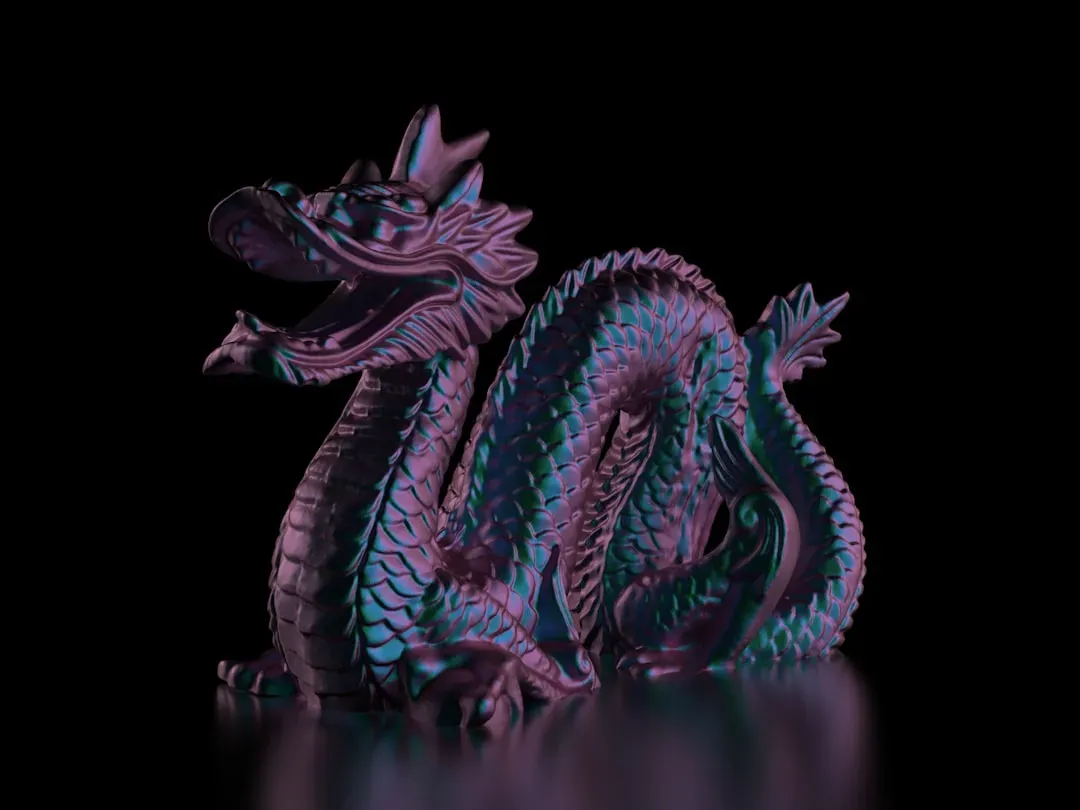
Every real animal fits into some kind of role in its environment, whether it is a plant‑eater, a scavenger, a top predator, or something in between. When you try to place dragons into this web of relationships, they do not fit naturally. A giant flying, fire‑breathing predator would outcompete or disrupt almost every other large carnivore in its range. Over time, that would shape the evolution of other species and leave clear signs in the types of animals that survived alongside it. You do not see those kinds of signatures in the history of life on Earth.
On the flip side, if dragons were rare enough to leave no ecological fingerprints at all, they would struggle to find mates and keep a population going. You would end up with either obvious, world‑shaping apex monsters, which fossils and geology do not support, or almost nonexistent creatures that are biologically unsustainable. Real ecosystems tend to be tightly balanced, with checks and feedbacks; a mythical dragon breaks that balance in ways you simply do not observe when you study prehistoric habitats. Dragons work in fantasy worlds exactly because those worlds are allowed to ignore those constraints.
8. Myths And Misinterpretations Explain Dragon Stories Better
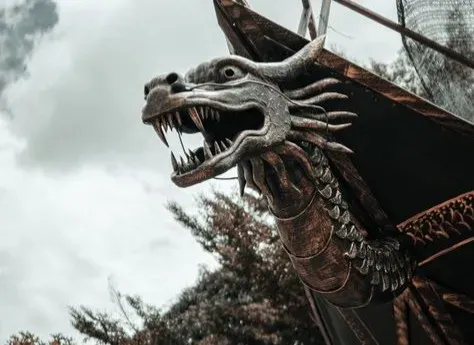
When you step back from bones and biology and look at human culture, you see that people have always turned unknown or frightening things into stories. A large, mysterious skeleton sticking out of a cliff could easily look like a dragon if you had no concept of dinosaurs or ancient marine reptiles. Over centuries, storytellers added details and powers, and dragons slowly solidified into the creatures you recognize today. You do not need real dragons to explain dragon myths; you just need imagination plus a few dramatic encounters with fossils and dangerous animals.
You can also see how different cultures shaped dragons to reflect their fears and hopes. In some traditions, dragons are wise or lucky; in others, they are symbols of chaos and destruction. That kind of variety is what you expect from legends, not from a single real species living in the wild. When you compare the stories to what science shows you about ancient life, the simpler explanation is that people blended real animals, like crocodiles and big snakes, with exaggerated tales. Dragons, in that sense, become a mirror of the human mind rather than a chapter in natural history.
9. Evolution Has No Clear Pathway To Dragons
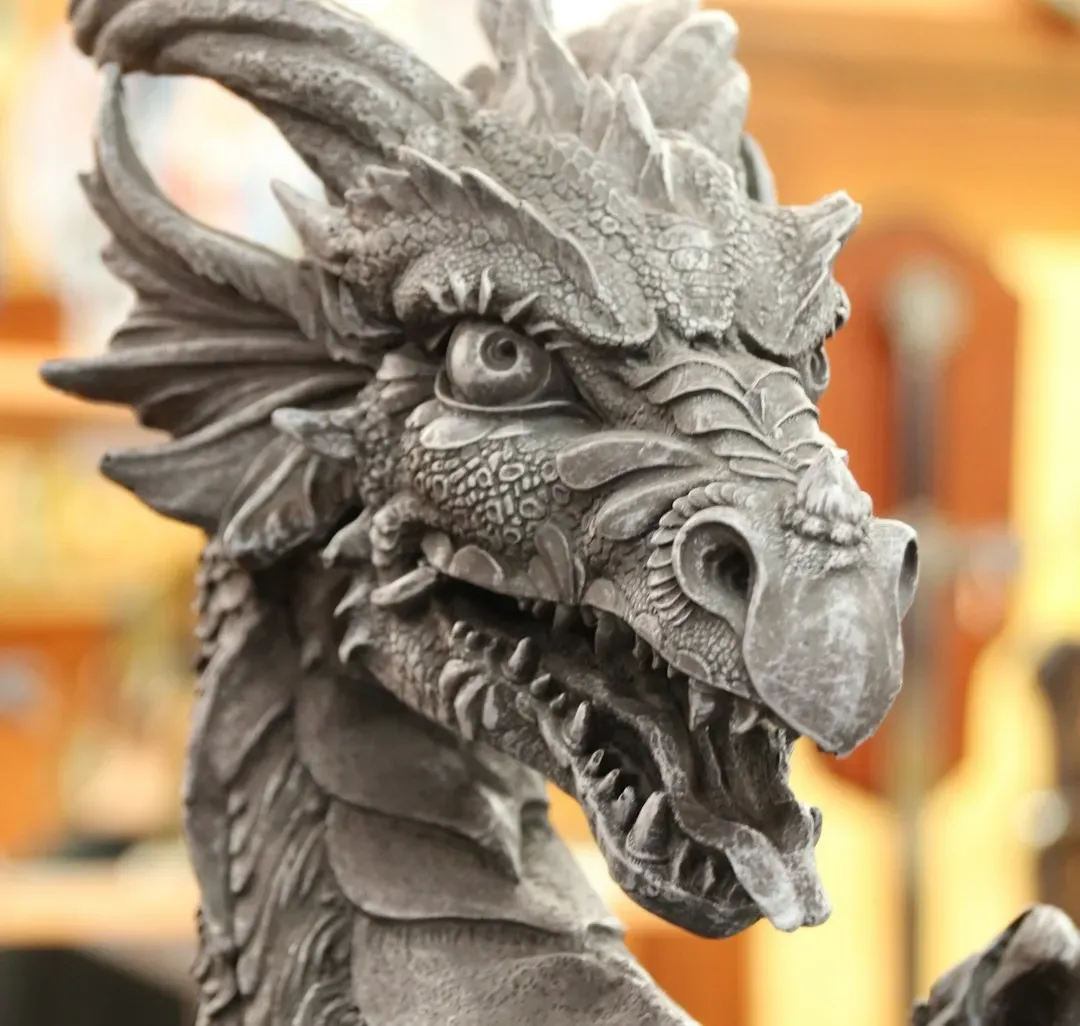
Evolution builds complex traits through small, gradual changes that have to offer some advantage at every step. If you try to imagine a realistic evolutionary path to a classic dragon, you quickly get stuck. How do you go from a ground‑dwelling reptile to a giant flying, fire‑breathing creature without many stages that are clumsy, vulnerable, and likely to die out? Flight alone took millions of years of tiny refinements in birds, bats, and pterosaurs. Adding extra limbs, weapons, and fire systems on top of that stretches the process beyond what you know evolution can comfortably do.
Even if you temporarily ignore fire and just focus on the body plan, you still face the hurdle of that six‑limbed structure and massive size. Natural selection tends to favor traits that are efficient and effective, not extravagantly costly. A halfway‑dragon with underdeveloped wings or partially working chemical weapons would be more burdened than blessed. Without convincing intermediate forms in the fossil record, you are left with an evolutionary gap that is so wide it becomes unreasonable to bridge it with wishful thinking. Dragons make sense as deliberate inventions of fantasy, not as products of slow, stepwise evolution.
10. Modern Science Gives You Better Monsters Than Dragons
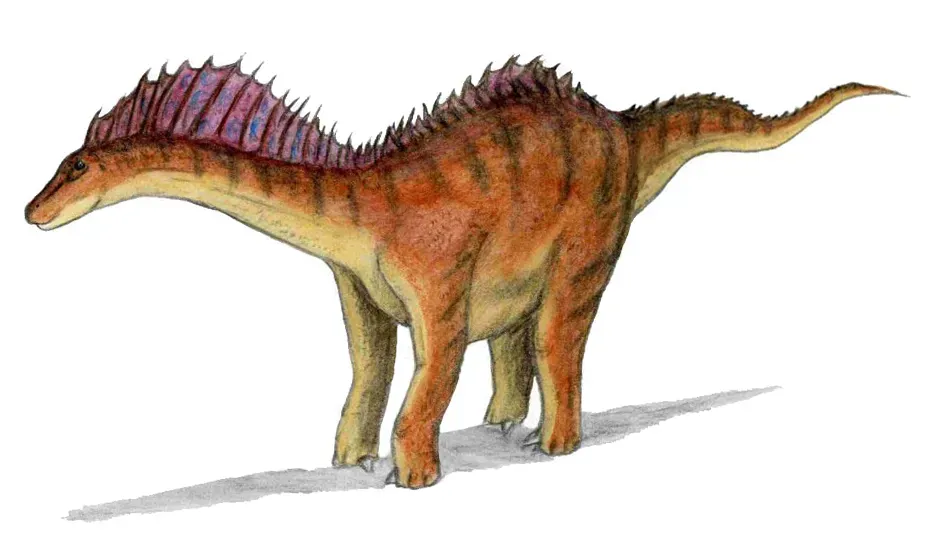
When you look at the strangest real creatures that have ever lived, from armored fish to sail‑backed reptiles and giant toothed birds, you realize you do not need dragons to feel a sense of wonder. Your planet has already produced animals that seem stranger than fiction, and scientists are still uncovering new ones. In some ways, clinging to the idea of real dragons actually distracts you from how wild and surprising genuine natural history really is. You get more awe, not less, by appreciating what actually existed rather than what never did.
On top of that, modern science can help you design fictional monsters that are more believable and interesting than traditional dragons. By borrowing traits from real animals and grounding your creations in physics and biology, you end up with creatures that feel both magical and possible. You can let your imagination roam while still respecting the rules of nature. In that sense, understanding does not kill the magic; it sharpens it and gives you a deeper appreciation of both fantasy and reality.
Conclusion: Dragons Belong To Imagination, Not Earth’s History
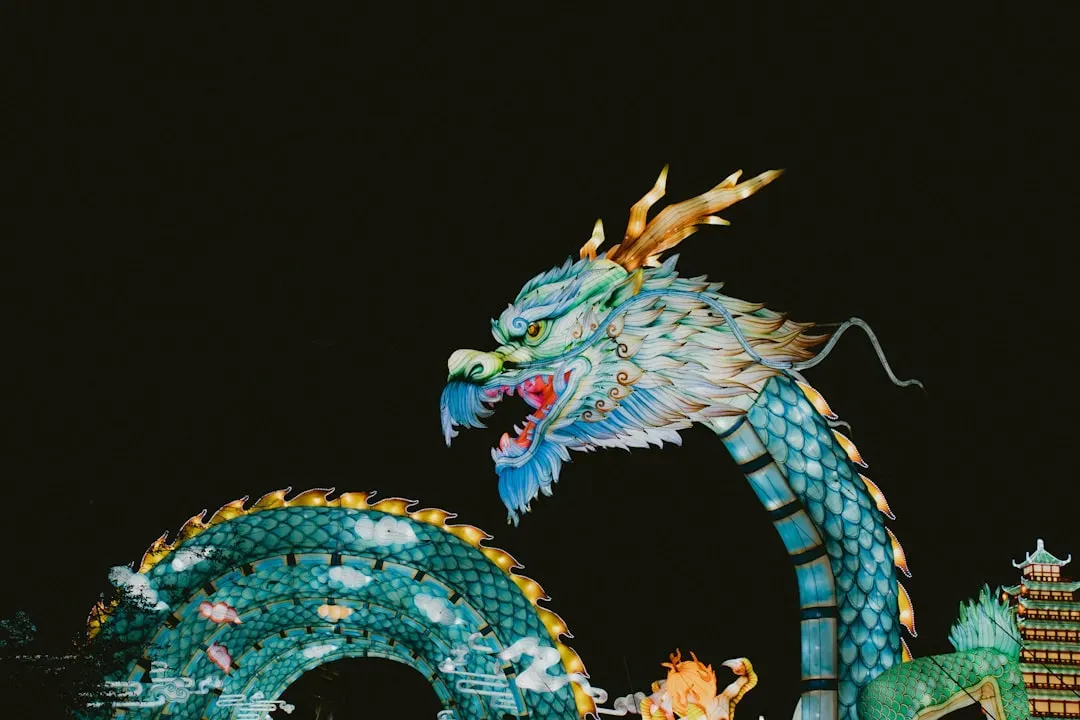
When you pull together all the threads – flight physics, reptile biology, energy demands, fossil evidence, evolution, and ecology – you see a consistent picture. Every major feature that makes a dragon a dragon clashes with how the natural world actually works. The wings do not match the known body plans; the fire breathing has no safe biological mechanism; the size and behavior would leave unmistakable traces in rocks and ecosystems that simply are not there. You are left with a creature that works on the page and the screen, but not in the sky above your head.
That does not mean you have to love dragons any less; if anything, it frees you to enjoy them fully as the stunning products of human creativity that they are. You can admire the real giants of prehistory, imagine new creatures inspired by them, and still dive into dragon stories without expecting them to be secretly true. In the end, knowing on Earth just highlights how powerful your mind is at weaving myths out of bones, shadows, and fear. Now that you have seen the evidence, do you find the real history of life even more astonishing than the legends?