
Have you ever stopped to think about the ground beneath your feet? It seems solid and simple. Nothing unusual about it, right?
Well, think again. Our planet is hiding some of the most bizarre, head-scratching formations that even scientists struggle to explain fully. From perfectly circular desert eyes to rocks that seem to defy gravity itself, these natural wonders challenge everything we think we know about Earth. Let’s dive into ten geological mysteries that continue to baffle researchers and capture imaginations worldwide.
The Eye of the Sahara: A Bull’s-Eye in the Desert
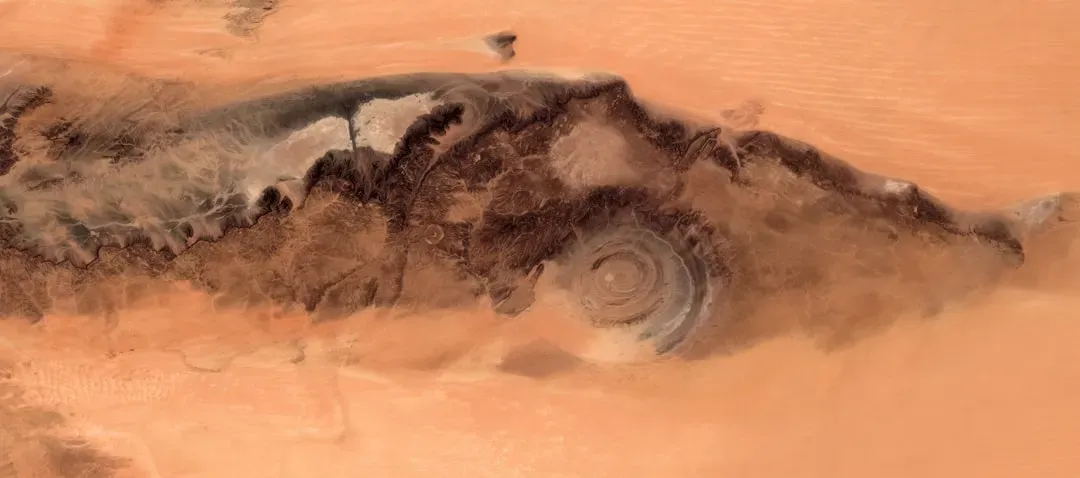
The Eye of the Sahara, also known as the Richat Structure, is a 28-mile-wide site of huge concentric circles found in the western African nation of Mauritania. When astronauts first spotted this massive formation from space, they thought they’d stumbled upon something truly extraordinary. Dubbed Eye of the Sahara, because it appears to be gazing out to other planets, the Richat Structure was first captured on camera by astronauts on NASA’s Gemini IV mission in 1965.
Geologists initially thought the site was created by an asteroid impact, but there isn’t enough melted rock among the rings to support this theory, and there’s no evidence to suggest a volcanic eruption. So what caused these perfect circles? More recently, geologists have proposed that the Eye of the Sahara could be an eroded, collapsed geological dome, formed some 100 million years ago when the supercontinent Pangea broke up, with ancient rocks found on the surface, which originated as much as 125 miles beneath the Earth’s crust.
Mima Mounds: Nature’s Bubble Wrap
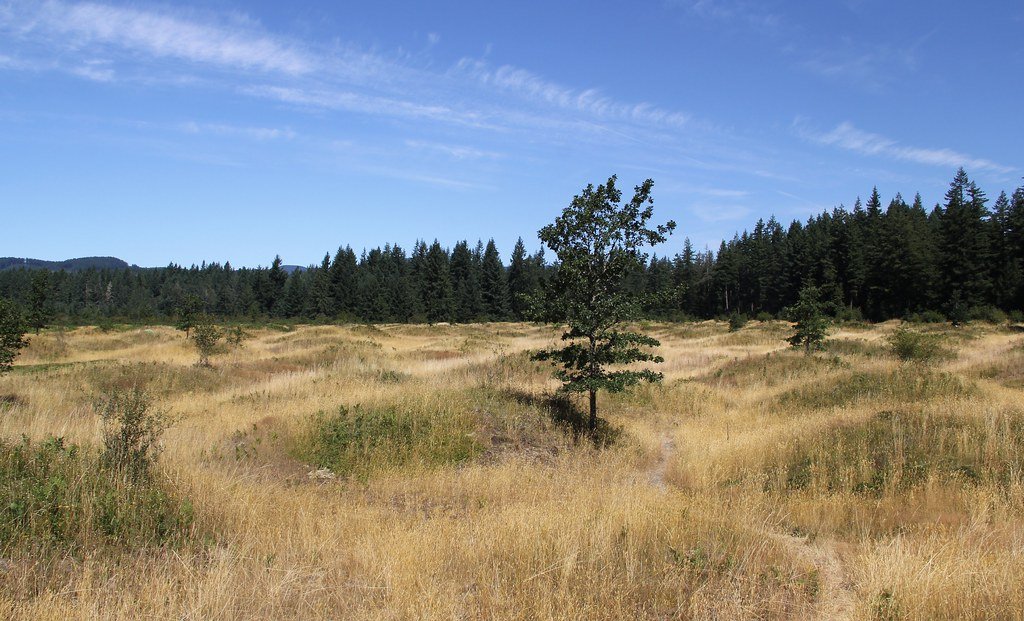
The Mima Mounds are mysterious, uniform undulations in the grasslands of Washington State near Olympia, ranging from 10 to 164 feet in diameter and up to 6.5 feet tall. Picture walking across a landscape that looks like someone placed thousands of perfectly spaced bumps across the ground. When American explorer Charles Wilkes set eyes on them in 1841, he believed they were human-made burial mounds and had three of them excavated, only to find them filled with loose stones, and similar mounds are found from California to Colorado.
Here’s the thing that really puzzles scientists. Scientists suggest that some of the mounds may be 30,000 years old, which makes decoding them complex; humans are believed to have arrived in North America several thousand years later than that. Theories range from pocket gophers creating them over millennia to seismic activity, but nobody has cracked the code yet.
Giant’s Causeway: When Nature Plays with Geometry
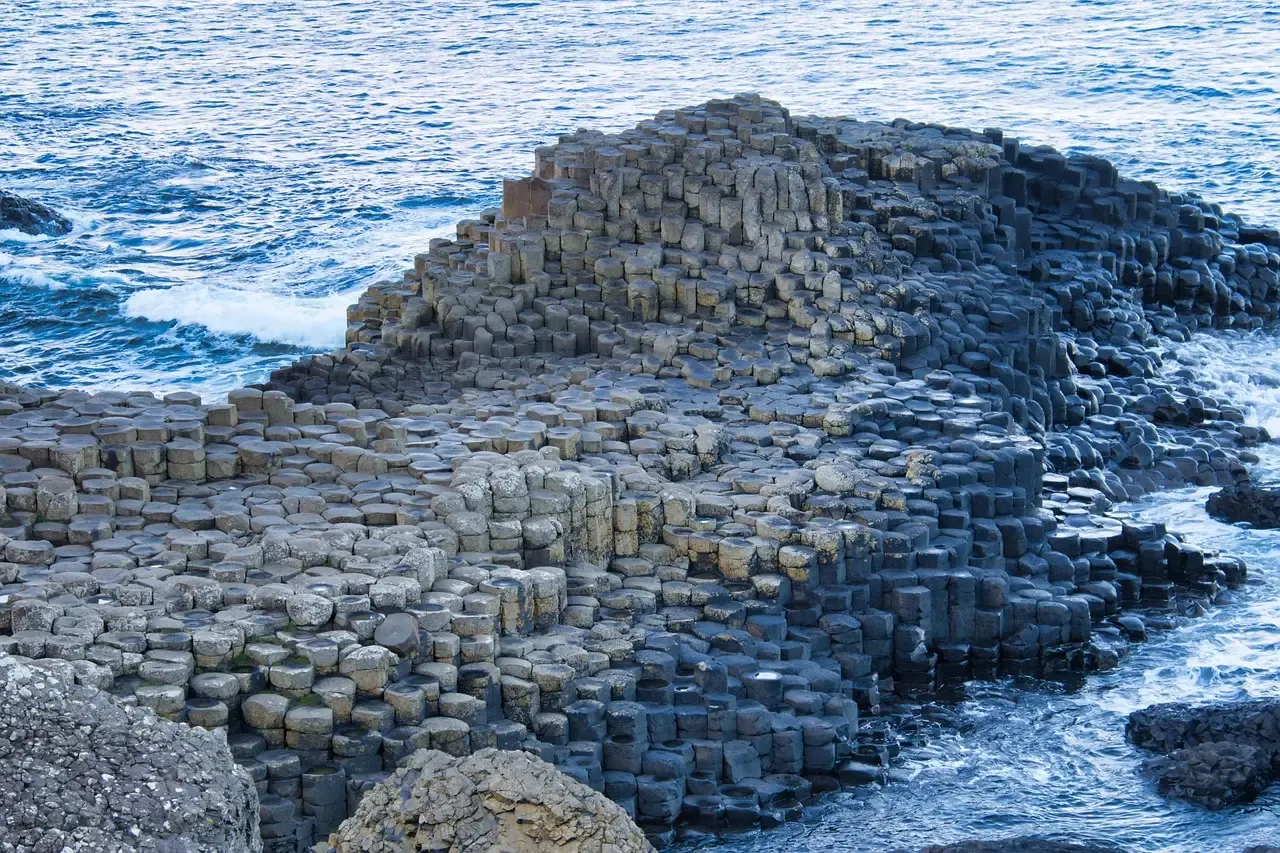
Giant’s Causeway is a natural geological formation located in Northern Ireland that consists of over 40,000 hexagonal basalt columns that are interlocked like puzzle pieces, made of cooled and hardened lava that was erupted from a volcanic fissure about 60 million years ago. Walking across these stones feels like stepping into a giant’s game board. The formation is named after a legend that claims it was created by the giant Finn McCool as a path to Scotland, where he planned to fight his Scottish counterpart, Benandonner.
While scientists understand the basic volcanic origins, the precision still amazes researchers. When the temperatures of the heated rocks dropped between 90 and 140 C below solidification, the rocks began to fracture at a temperature point that has fascinated the world of geology for a very long time. It’s a reminder that nature is a far better architect than we could ever be.
Sailing Stones: The Rocks That Move Themselves
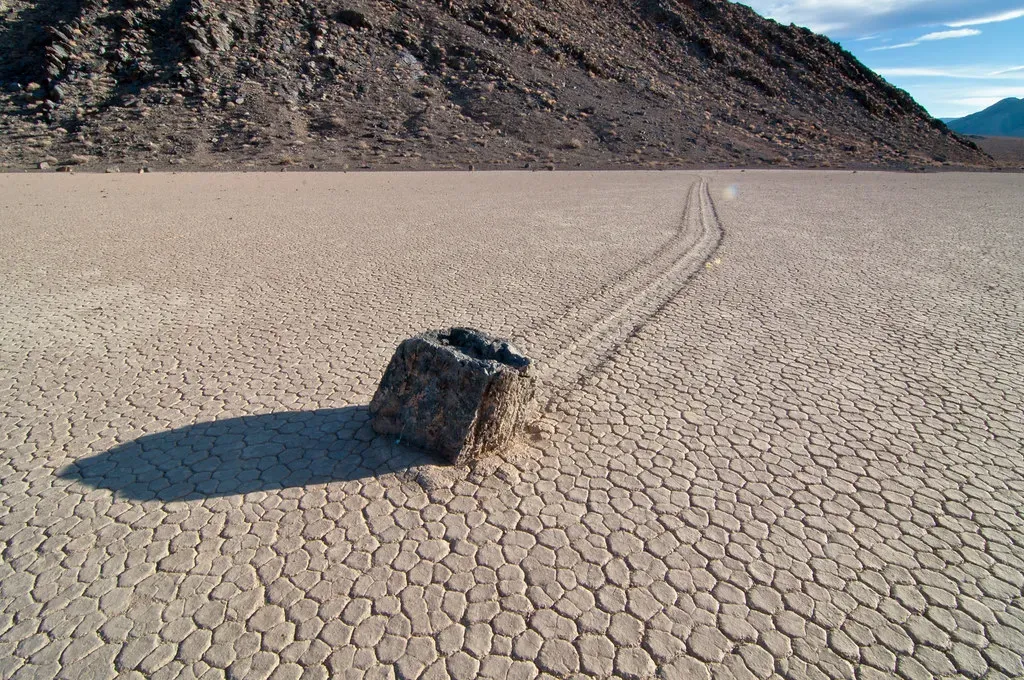
The phenomenon of the “Sailing Stones” is a mysterious geological occurrence that has puzzled scientists and intrigued visitors for years, located in the Racetrack Playa of Death Valley National Park in California, where these rocks appear to move across the desert floor on their own, leaving behind long tracks that can stretch for hundreds of feet. Imagine finding a rock weighing hundreds of pounds that somehow traveled across a dry lakebed, leaving a trail behind it.
It’s believed to be caused by a combination of factors, including strong winds, slick mud, and ice, as during cold desert nights, a thin layer of ice can form on the surface of the playa, creating a slick surface that allows the rocks to move when pushed by even the slightest breeze. Even with time-lapse photography finally capturing their movement, the sight of these wandering stones remains one of nature’s most captivating mysteries.
Blood Falls: Antarctica’s Crimson Cascade
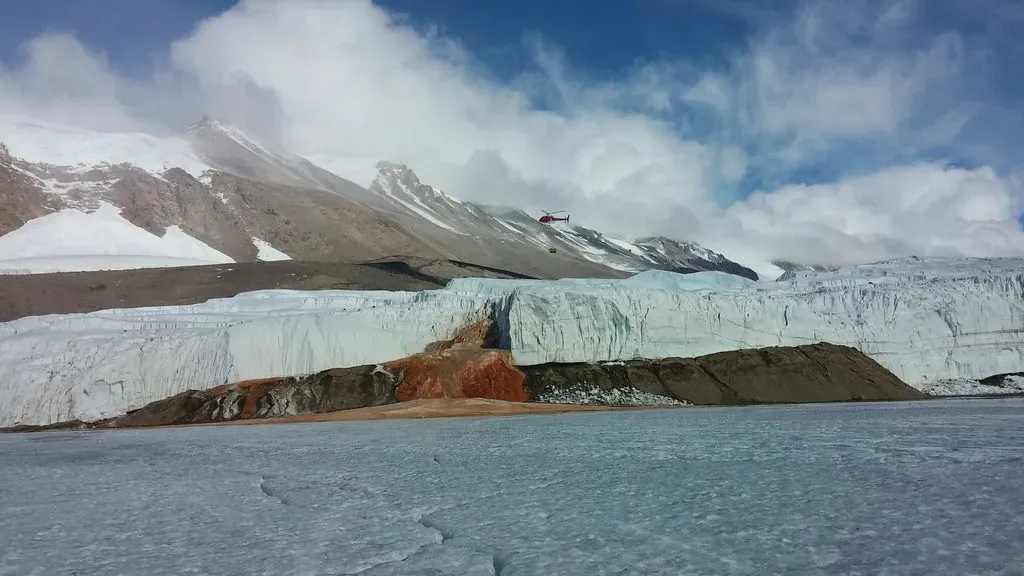
Blood Falls is a geological phenomenon located in Antarctica’s Taylor Glacier that gets its name from the outflow of iron-rich salty water that flows from the glacier, giving it the appearance of blood. The first explorers who saw this must have thought they were hallucinating. The water that emerges from Blood Falls is highly saline and contains a high concentration of iron, which creates a reaction with the oxygen in the air, causing the water to turn a deep red color, similar to blood.
The water flows from an underground reservoir beneath the glacier, which is believed to have been sealed off from the outside world for millions of years, and scientists believe that the water in the reservoir is kept liquid due to geothermal heating from the Earth’s interior. This ancient ecosystem trapped beneath the ice offers clues about how life might exist in extreme environments elsewhere in our solar system.
Cave of the Crystals: Nature’s Crystal Palace
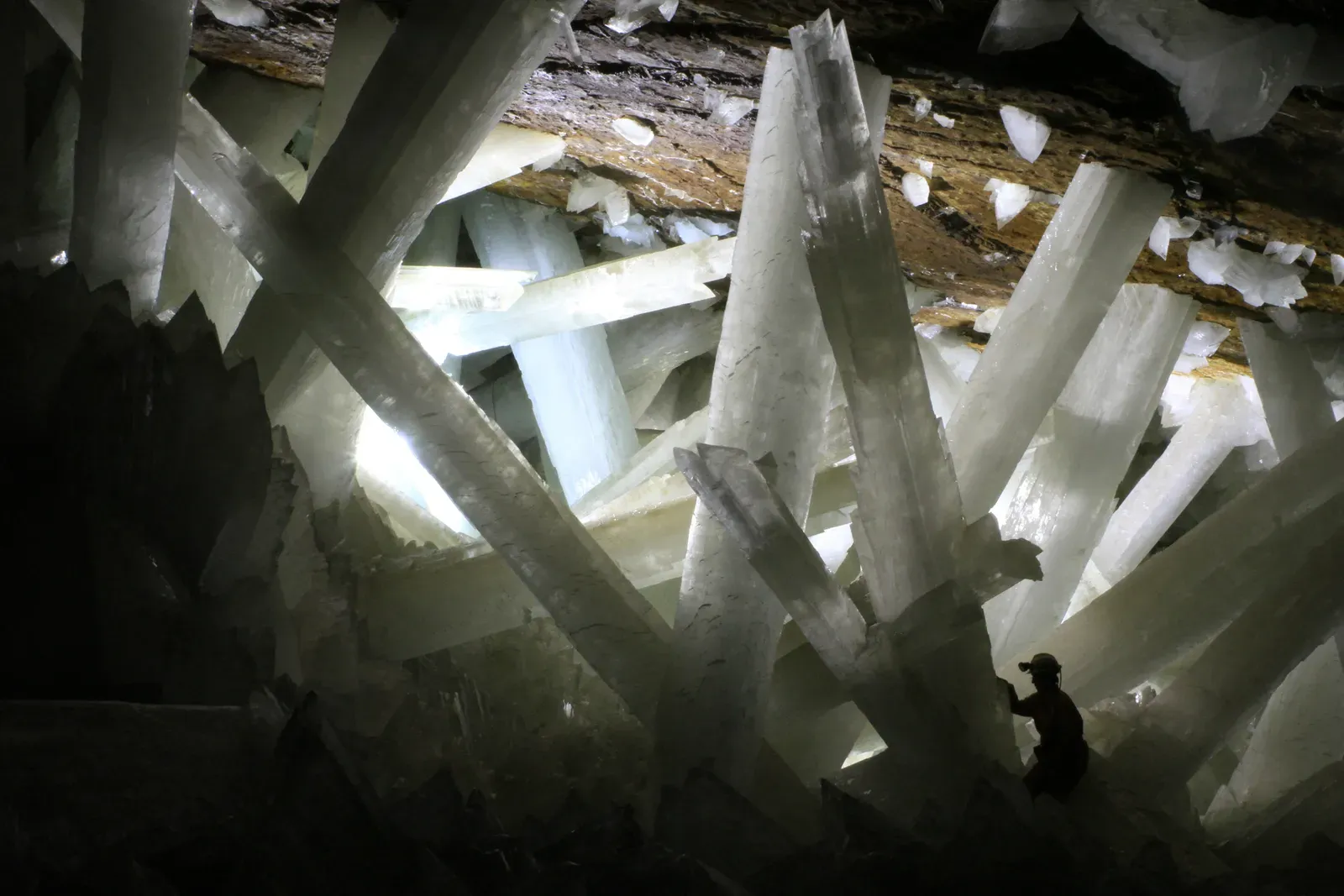
The otherworldly crystals in the Cave of the Crystals in Mexico can reach sizes larger than houses, by far the largest such crystals known on the planet, and they apparently grow at incredibly slow rates, gypsum formations that take as long as a million years to reach more than two stories tall. Walking into this cave is like entering a science fiction movie set.
Mexico’s giant crystal caves were originally discovered accidentally by silver miners, and extreme conditions of around sixty degrees centigrade and up to one-hundred percent humidity have allowed the crystals to grow up to 12m long. Researchers speculate that microscopic pockets of liquid within these giant crystals might hold microbes. The sheer scale of these crystals challenges our understanding of how geological processes can create such enormous structures.
Moeraki Boulders: Spheres from the Sea
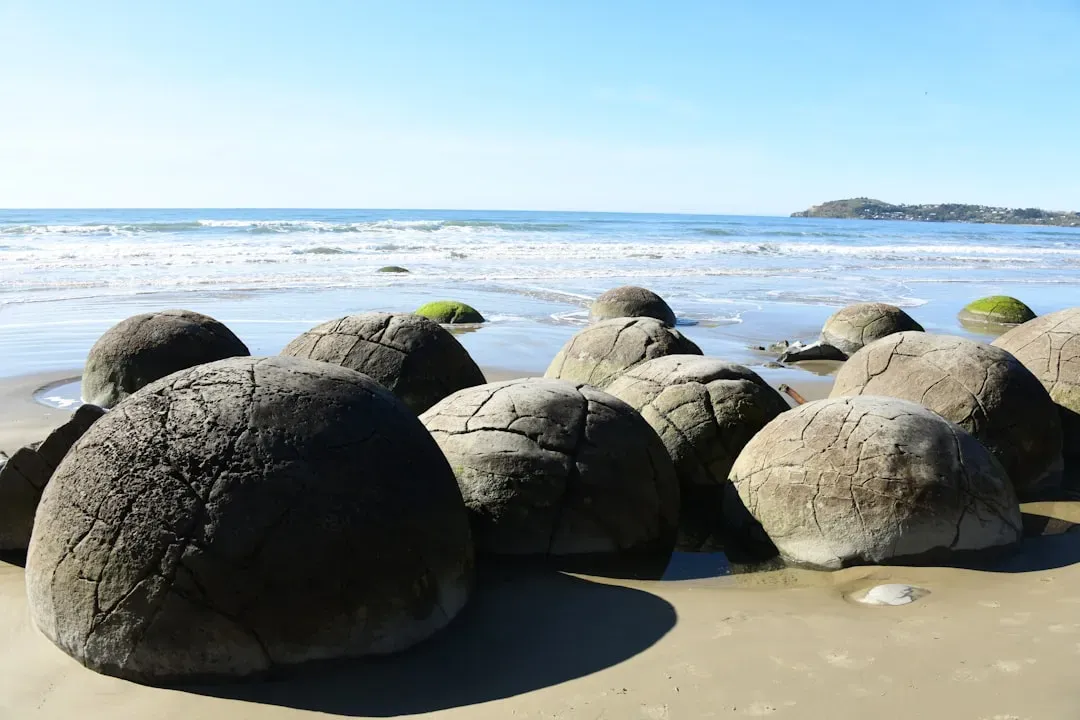
Scattered along Koekohe Beach on the Otago Coast of the South Island, the Moeraki Boulders are large, spherical stones that seem out of place on the sandy shores, and these geological curiosities, formed from ancient sea sediments, have fascinated visitors for years with their nearly perfect shapes and mysterious origins. These massive spherical rocks look like they were manufactured in some ancient factory and dumped onto the beach.
The Moeraki Boulders are unusually large and spherical boulders lying along a stretch of Koekohe Beach, and these boulders are grey-colored septarian concretions, which have been exhumed from the mudstone enclosing them and concentrated on the beach by coastal erosion. Local Māori legends explained the boulders as the remains of eel baskets, calabashes, and kumara washed ashore from the wreck of Arai-te-uru, a large sailing canoe. Science explains them as concretions, but their near-perfect spherical shape still draws thousands of curious visitors annually.
The Nastapoka Arc: Hudson Bay’s Perfect Curve
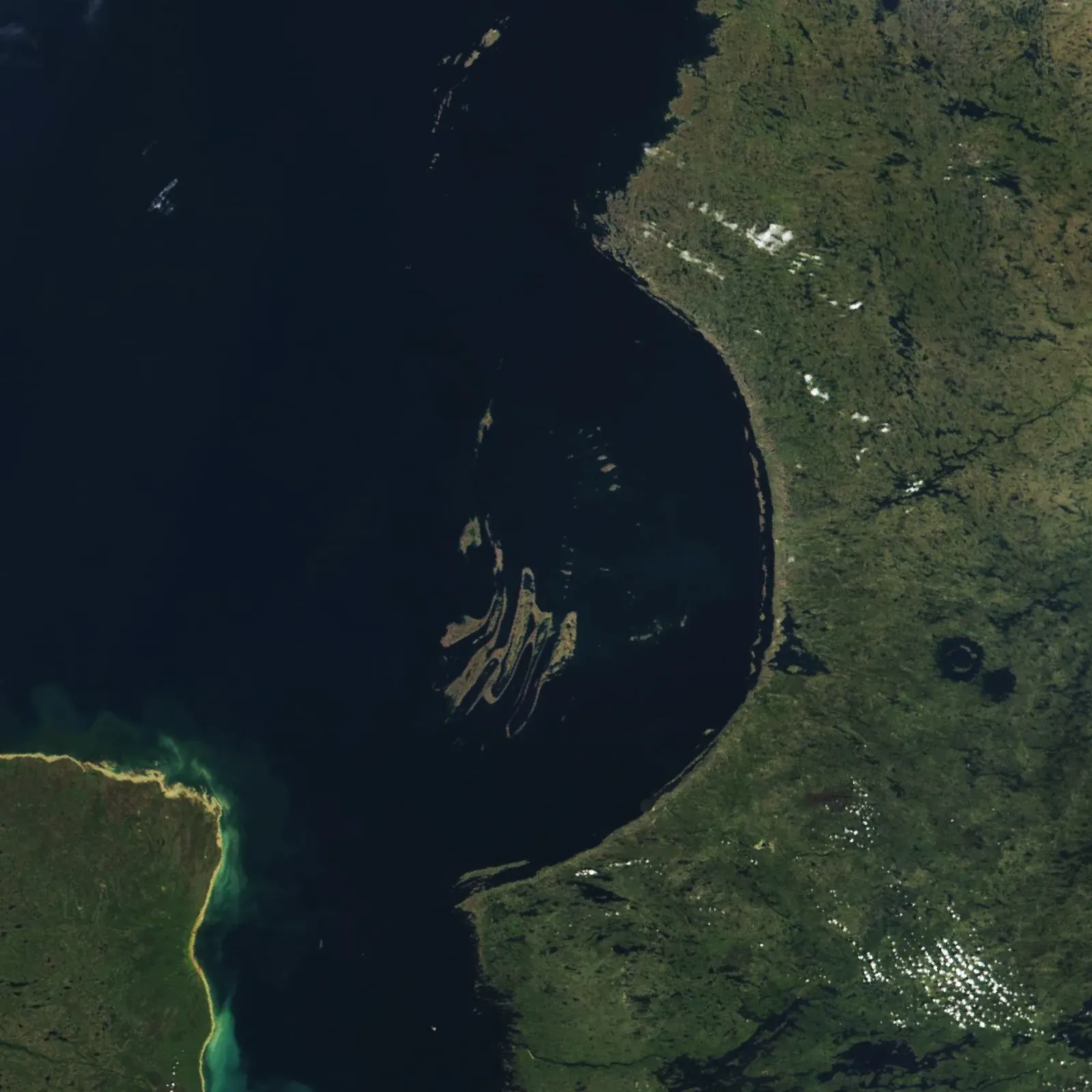
In the southeast corner of Hudson Bay, Canada, lies a near-perfect arc known as the Hudson Bay Arc, which was first thought to be an impact crater from a meteorite, but none of the usual confirming evidence, such as shatter cones or unusual melted rocks, has been found in the vicinity. Look at this formation from above and you’ll swear someone took a compass and drew a perfect semicircle across the landscape.
The most commonly accepted theory for the arc, based on geological evidence collected in the 1970s and later, is that it is a boundary formed when one shelf of rock was pushed under another, but that doesn’t explain how or why is it’s so perfectly round – so the Nastapoka Arc remains subject to ongoing study. It’s one of those formations that makes you wonder if nature has a sense of humor about keeping scientists guessing.
Lake Hillier: The Bubblegum Pink Mystery
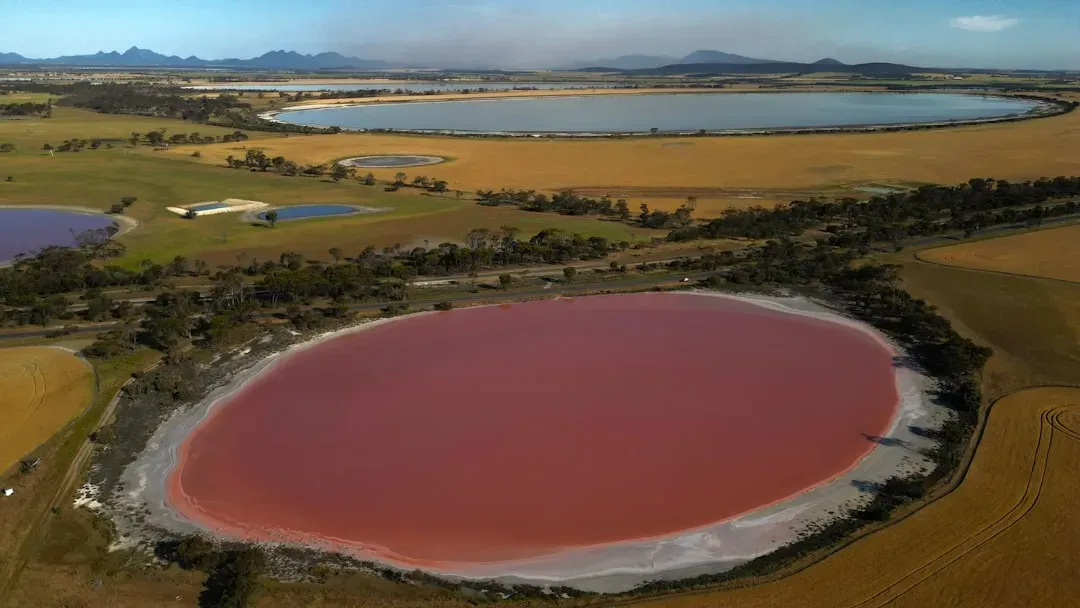
This small, saltwater lake on an island off Western Australia is only one-third of a mile long, but its bubblegum-pink color makes it especially striking, and the lake was documented in 1802 by British explorer Matthew Flinders, who took a sample of its waters but failed to understand how it got its startling hue. Seeing this bright pink lake surrounded by green forest and blue ocean is like stumbling into a surreal painting.
Scientists today suspect the color is due to the presence of a pink alga, Dunaliella salina, and/or a pink bacterium, Salinibacter ruber. Tourists can visit only by helicopter, though it is safe to swim in the waters. Despite our best scientific understanding, the vibrant pink color remains somewhat mysterious since other lakes with similar organisms don’t display the same intense coloration.
Tessellated Pavement: Nature’s Tile Floor
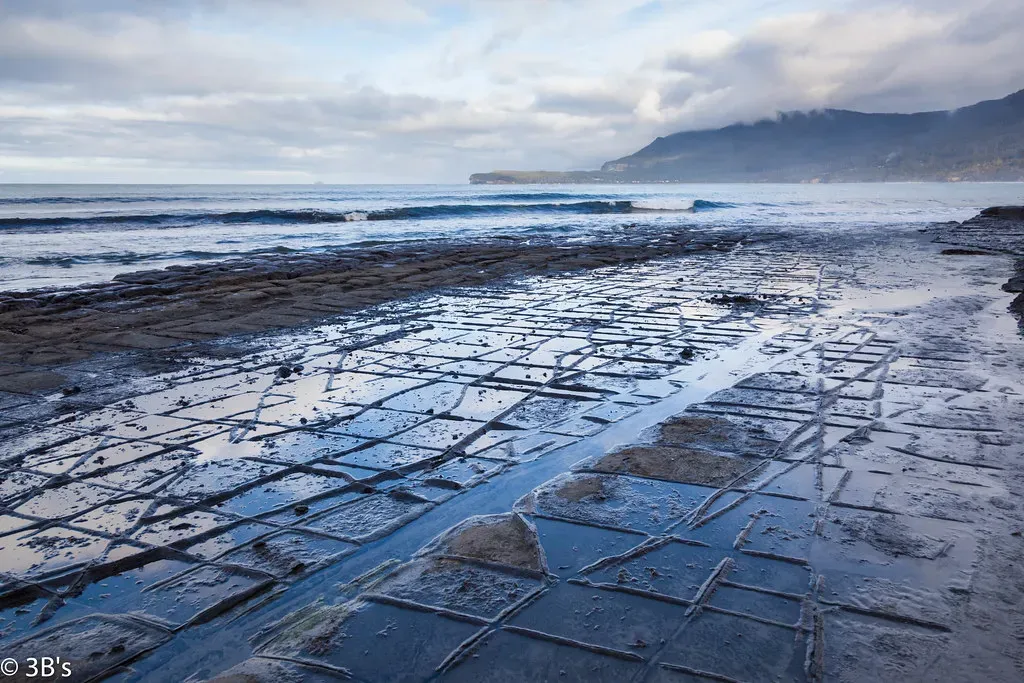
One might easily wonder if the unusual grid of the Tessellated Pavement of Eaglehawk Neck, Tasmania, is completely unnatural, as this rare geological feature formed when the underlying siltstone cracked in blocks resembling tiles, possibly between 60 million and 160 million years ago. The precision of these cracks makes the rock surface look like an ancient Roman floor.
When seawater covers the platform, sand and wave action erodes the rock, and the surface of the stone can erode faster between the rims of the tiles than on the rims themselves. This differential erosion creates the raised edges that make each “tile” stand out. Standing on this formation, you’ll find it hard to believe that no human hand shaped these perfectly rectangular blocks.
Conclusion
Our planet never stops surprising us. These ten geological mysteries remind us that even with all our advanced technology and scientific knowledge, Earth still holds secrets we’re only beginning to understand. Each formation tells a story millions of years in the making, shaped by forces we can barely comprehend.
From pink lakes to moving rocks, from ancient crystal caves to perfectly geometric coastlines, these wonders challenge our assumptions about what’s possible in nature. They inspire us to keep questioning, keep exploring, and keep marveling at the incredible world beneath our feet. What other mysteries might be hiding in plain sight, just waiting for us to notice them?
Hi, I’m Andrew, and I come from India. Experienced content specialist with a passion for writing. My forte includes health and wellness, Travel, Animals, and Nature. A nature nomad, I am obsessed with mountains and love high-altitude trekking. I have been on several Himalayan treks in India including the Everest Base Camp in Nepal, a profound experience.