
Every so often, science gets knocked off its pedestal. A quiet experiment, a strange measurement, or an inconvenient fossil shows up and suddenly the neat story we tell about the universe starts to wobble. Those are the moments when science stops being just a school subject and becomes something wild, human, and a little bit rebellious.
This isn’t a list of “fun facts.” These discoveries rattled the foundations of how we understand reality, sometimes turning entire disciplines upside down. Some were mocked, some were ignored for decades, and a few were so shocking that even the people who found them weren’t sure what to think. Let’s walk through ten times science had to swallow its pride and rewrite the rules.
1. Heliocentrism: When Earth Lost Its Place at the Center
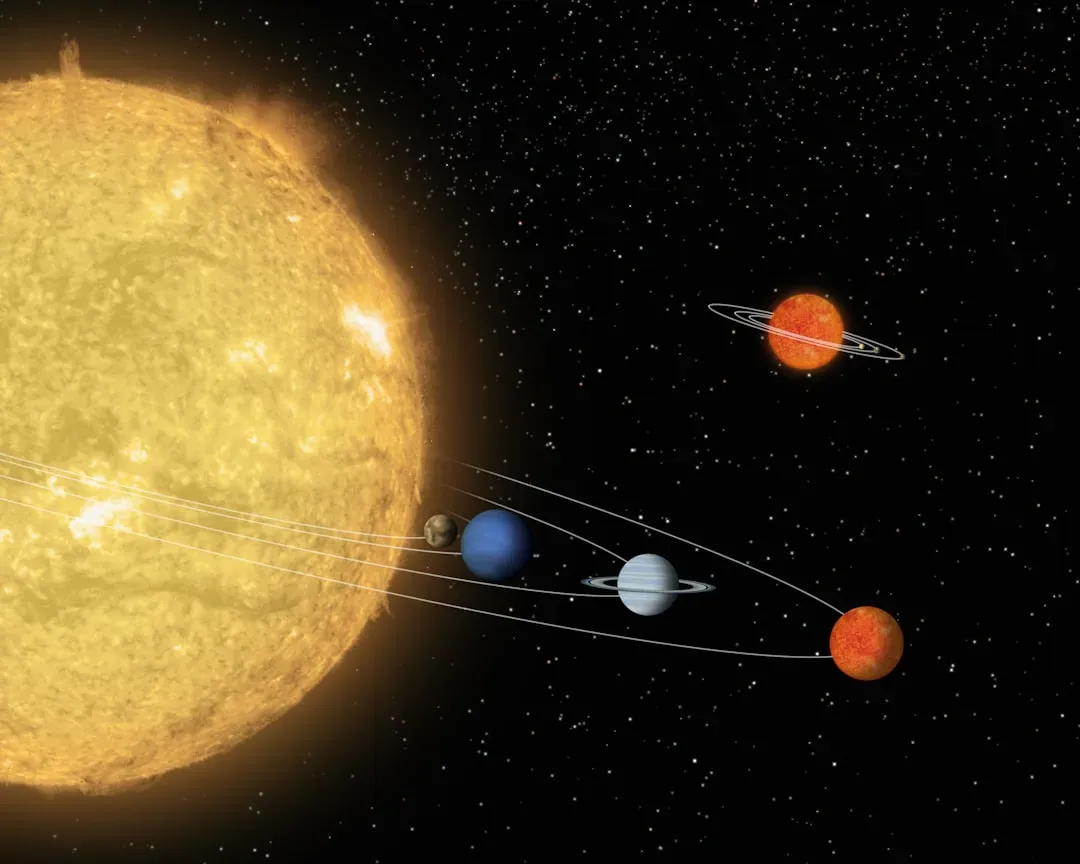
Imagine being told that everything you’ve ever believed about the sky is wrong. For most of human history, people assumed Earth sat comfortably at the center of the universe, with the sun, moon, and stars circling around us. Then came the bold idea that the sun, not Earth, is at the center of our local cosmic neighborhood, and that we’re the ones doing the spinning and circling.
This wasn’t just a technical correction; it was a psychological earthquake. The shift from an Earth-centered universe to a sun-centered one made humanity feel smaller, less special, and painfully ordinary. That emotional hit is part of why the idea faced so much resistance from authorities, scholars, and everyday people. In a very real sense, heliocentrism was the first big lesson that the universe doesn’t exist just to make us feel important.
2. Evolution by Natural Selection: Life Without a Script

The claim that all living things share common ancestors and change over time wasn’t totally new, but the idea that this happened through a blind, natural process was explosive. The concept of natural selection said that life didn’t need a scriptwriter or a blueprint; small variations and survival pressures, stacked over vast time, could sculpt everything from beetles to blue whales. That stripped away the comforting notion that species were fixed, permanent creations.
What really stunned people was how brutally simple the mechanism was. There was no grand plan, just a relentless filter of who survives and who doesn’t. Human beings, according to this view, weren’t dropped onto Earth as a finished product but emerged from the same tangled tree of life as every other organism. To this day, evolution still stirs strong emotions because it challenges deep stories we tell about purpose, identity, and what it means to be human.
3. Germ Theory of Disease: Invisible Invaders, Not Bad Air
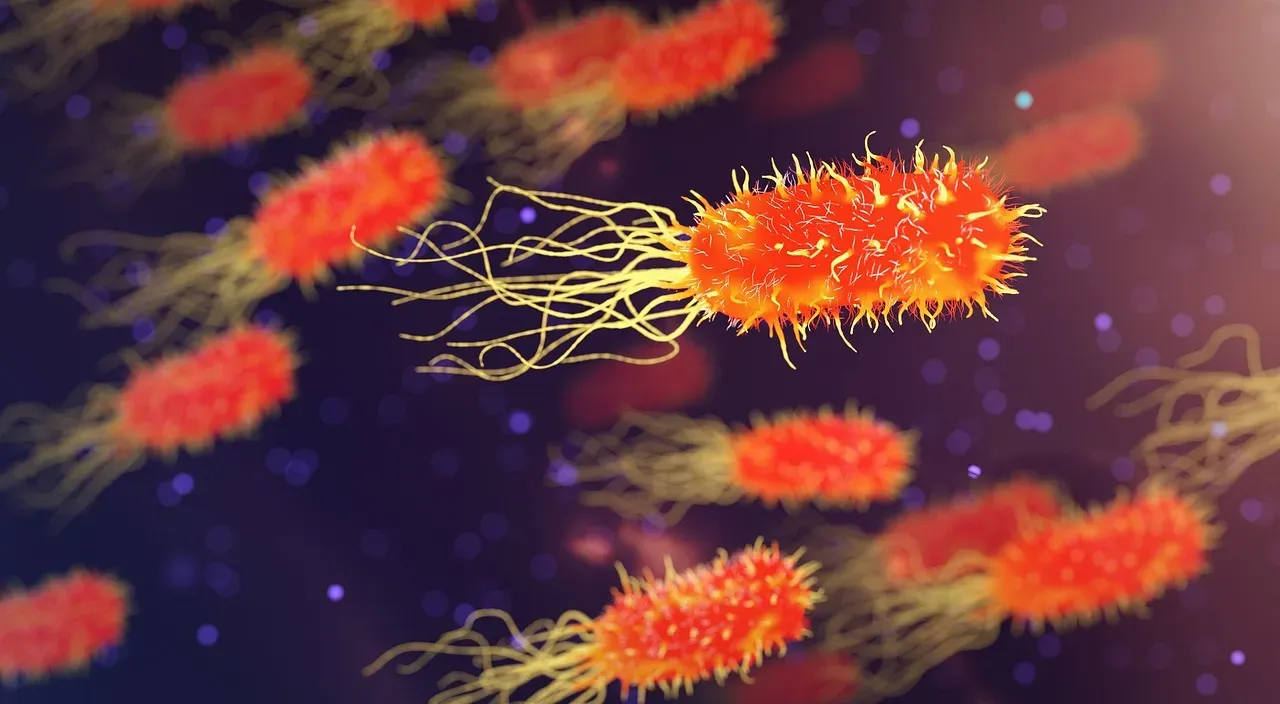
For centuries, people blamed “bad air,” curses, or moral failing for outbreaks of disease. Illness was seen as something vague and mysterious, a kind of fog that settled over unlucky populations. Then came the shocking proposal that many diseases are caused by tiny living organisms, too small to see but very real, crawling and multiplying in bodies, water, and food.
This invisible-world explanation flipped medicine on its head. Suddenly, washing hands, sterilizing tools, and boiling water weren’t just nice habits but life-or-death defenses against microscopic invaders. It took time for doctors and hospitals to accept that they themselves could be spreading infections. The mental shift from “bad air” to bacteria and viruses showed how a single idea can transform public health, surgery, and even everyday habits like covering your mouth when you cough.
4. Quantum Mechanics: When Reality Stops Behaving
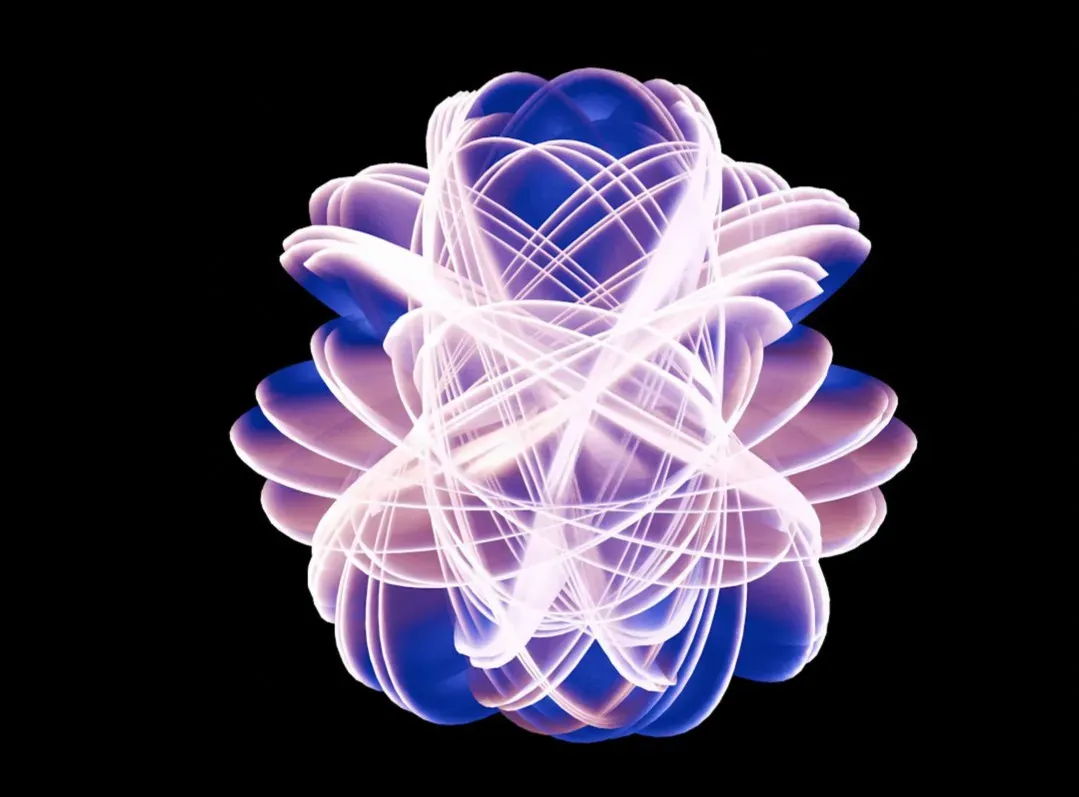
At human scale, the world feels solid and predictable: balls roll, glasses fall, cars stop when you hit the brakes. But when scientists started peering into the atomic and subatomic world, reality seemed to break its own rules. Quantum mechanics revealed that particles can act like waves, exist in multiple states at once, and behave as if observation itself changes what’s happening.
Suddenly, certainty went out the window. Instead of neat, exact predictions, scientists had to embrace probabilities and weird behaviors that sounded more like science fiction than physics. Familiar ideas like location, cause and effect, and even the meaning of “object” got blurry. The most unsettling part is that quantum theory actually works incredibly well; modern electronics and lasers depend on it. So we’re stuck with a universe that behaves sensibly on the surface but gets shockingly strange the closer you look.
5. Relativity: Time and Space Are Not What They Seem
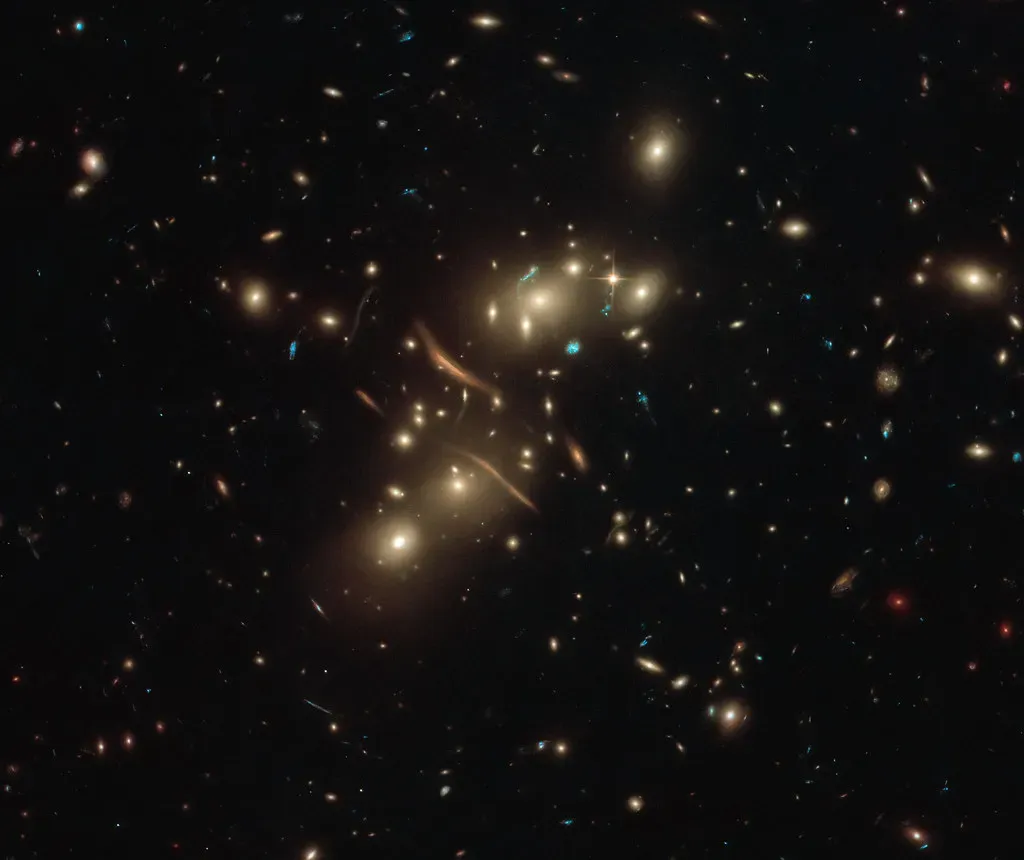
Most of us grow up thinking of time as an invisible conveyor belt that moves forward at the same speed for everyone. Space feels like a flat, unchanging stage on which events play out. The theory of relativity smashed those intuitions by showing that time can stretch or shrink depending on how fast you move or how strong gravity is, and that space itself can curve and ripple.
This meant that two people can genuinely disagree about whether two events happened at the same time and both be correct in their own frame of reference. Even more bizarre, mass and energy turned out to be two sides of the same coin, giving rise to the idea that a small amount of matter can unleash enormous energy. Today, GPS systems and high-energy physics rely on relativity, which is wild when you think about it: your phone’s location accuracy depends on correcting for the fact that time runs differently in orbit than on Earth’s surface.
6. Plate Tectonics: A Restless, Moving Planet

There was a time when the idea that continents could drift across the surface of the planet sounded almost laughable. The shapes of coastlines looked suspiciously like puzzle pieces, but most scientists dismissed the thought that entire landmasses could shift. Slowly, evidence piled up: matching fossils on far-apart continents, patterns in undersea mountains, and measurements showing that plates really do move, albeit slowly.
Plate tectonics gave Earth a dynamic, restless personality. Suddenly earthquakes, volcanoes, and mountain ranges weren’t isolated curiosities but side effects of a churning, convecting interior. Our planet stopped being a static rock and became more like a giant, cracked eggshell floating on a viscous interior. This discovery didn’t just reorganize geology textbooks; it reframed how we think about planetary habitability, the cycling of carbon, and even long-term climate stability over millions of years.
7. The Big Bang: A Universe with a Beginning
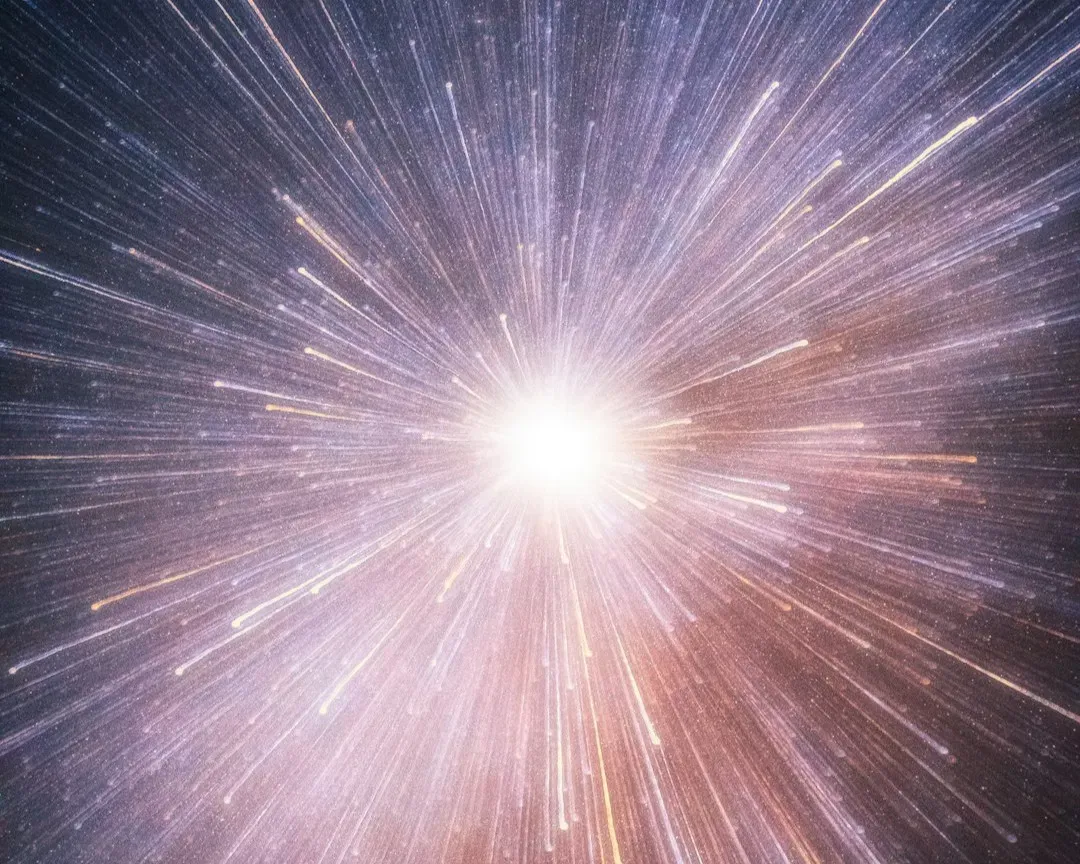
For a long time, many scientists liked the idea of a steady, eternal universe that had always existed more or less as it is. It felt philosophically neat: no beginning, no end, just endless stars in all directions. Then came evidence that galaxies are moving away from one another, and that the farther they are, the faster they recede. Combine that with the faint afterglow of early cosmic radiation, and a dramatic picture appeared: the universe had a hot, dense beginning and has been expanding ever since.
The notion that space itself is stretching, and that time and matter all started from an initial state, forced people to confront a truly cosmic “before and after.” It raised questions that aren’t just scientific but deeply personal: What does it mean for everything to have a beginning? Will there be an end? The Big Bang model is still being refined with better measurements and new telescopes, but its core message remains unsettlingly clear: the universe has a history, and we’re arriving very late in the story.
8. DNA and the Double Helix: The Code of Life Revealed
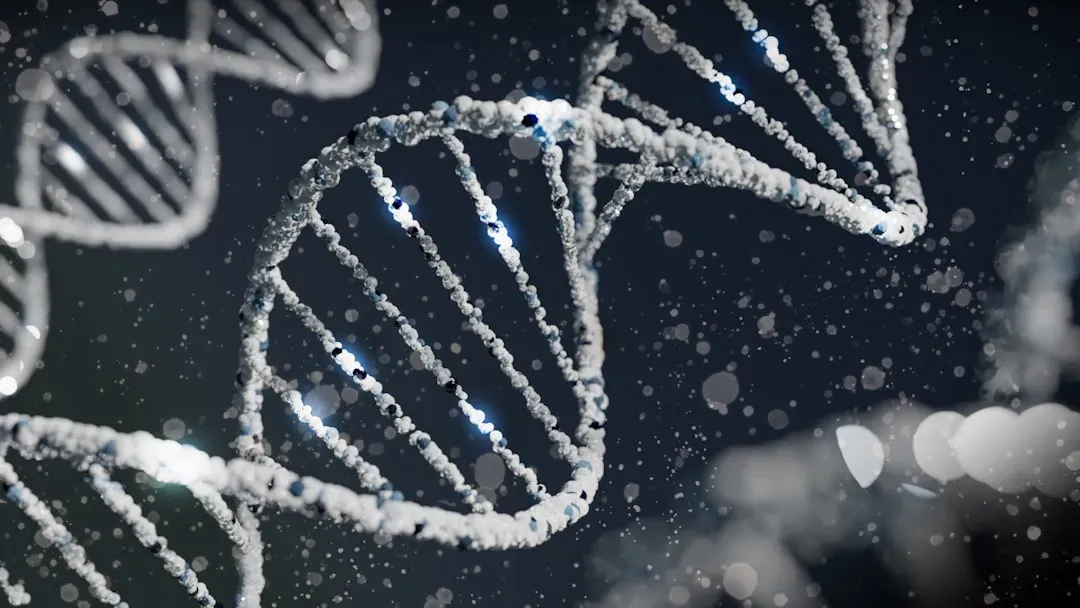
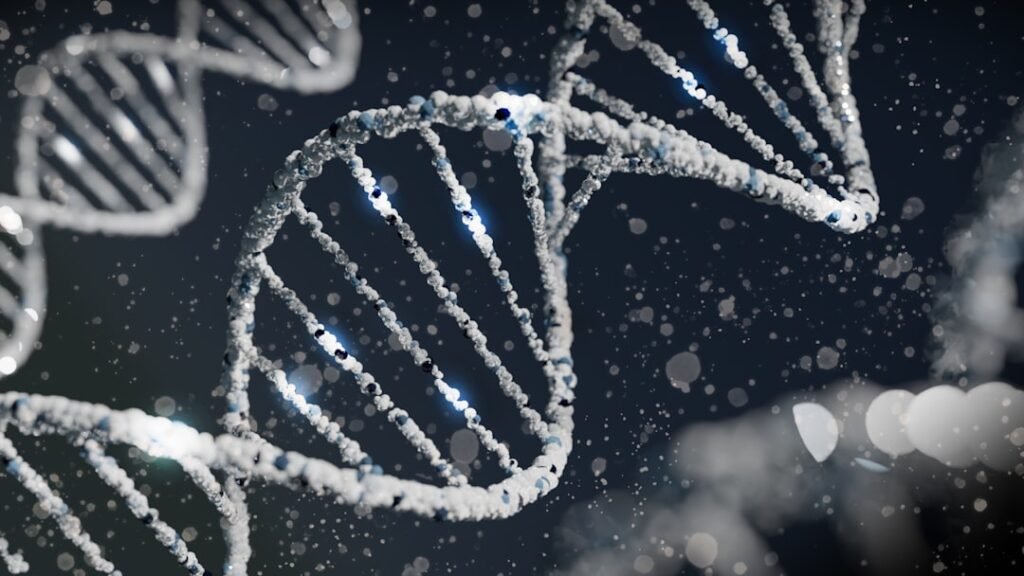
Before the structure of DNA was understood, the way traits passed from parents to children was a fuzzy mystery. People could see inheritance in action, but the mechanism was hidden, almost like a family recipe no one could quite read. Discovering that genetic information is stored in long, twisting molecules using a kind of four-letter chemical alphabet was a staggering leap. Life, it turned out, was writing instructions in microscopic script inside every cell.
This was more than a clever bit of molecular architecture; it unified biology around a single underlying code. It explained how small changes in that code can lead to dramatic differences in organisms, for better or worse. Over time, reading and editing this code has led to powerful technologies, from genetic testing to gene therapies. But it’s also raised heavy questions about how far humans should go in rewriting the script of life, and who gets to decide what counts as an “improvement.”
9. Non-Euclidean Geometry: Space Doesn’t Have to Be Flat
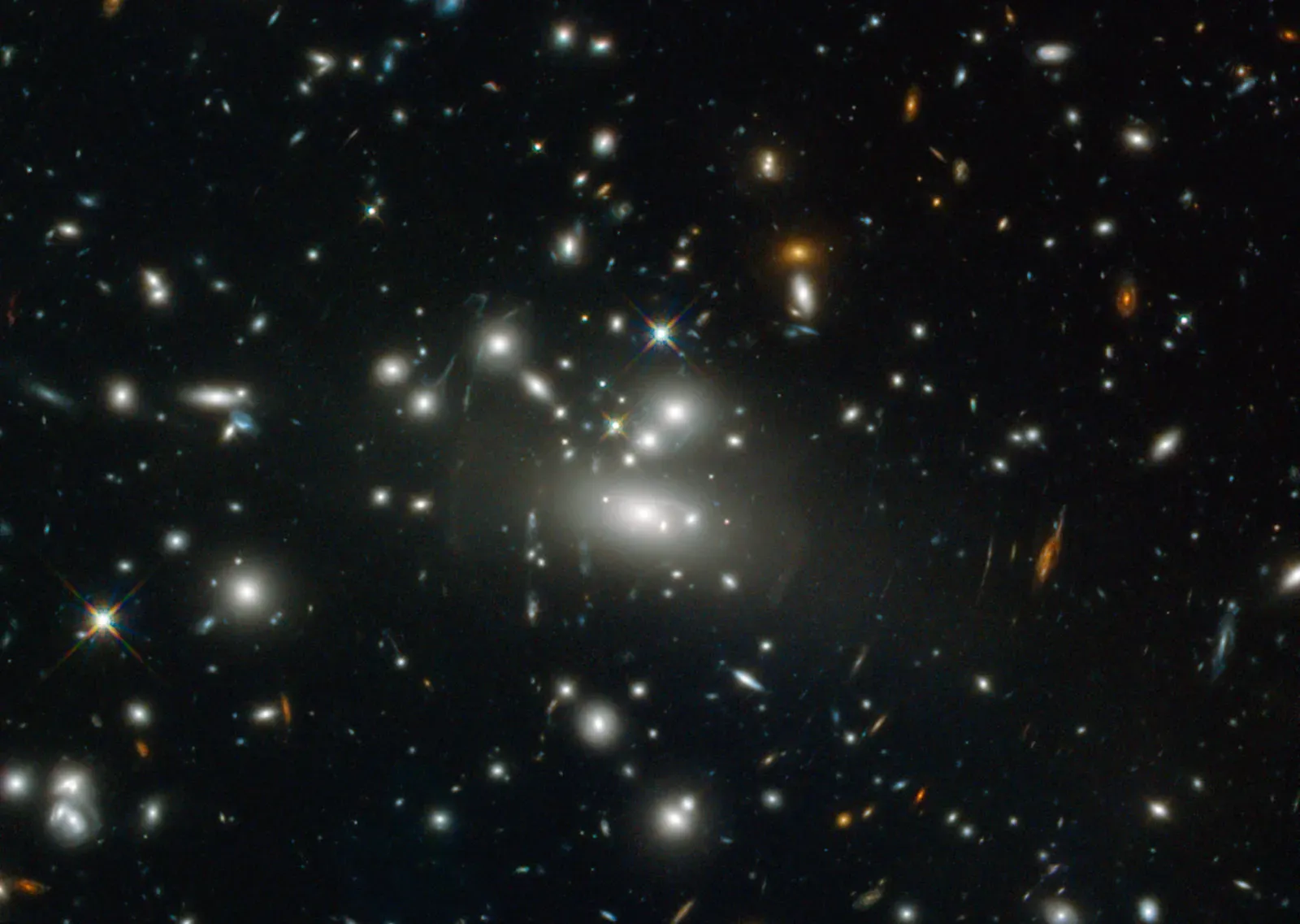
For centuries, Euclidean geometry felt like pure, unquestionable truth. Lines were straight, parallel lines never met, and the angles of a triangle always added up to a familiar total. Then mathematicians started seriously exploring what happens if you change some of those assumptions, and the result was deeply unsettling: you could build entire, consistent geometries where space was curved, and where parallel lines did strange things.
At first this seemed like abstract mental play, the kind of thing only mathematicians care about. But it turned out that these curved geometries were exactly what was needed to describe the real universe under relativity. Space and time could bend around massive objects, and the familiar rules from school geometry weren’t universally valid after all. What began as a thought experiment ended up helping explain how gravity works on a cosmic scale, a reminder that questioning even the most basic assumptions can pay off in shocking ways.
10. Dark Matter and Dark Energy: The Invisible Majority of the Cosmos
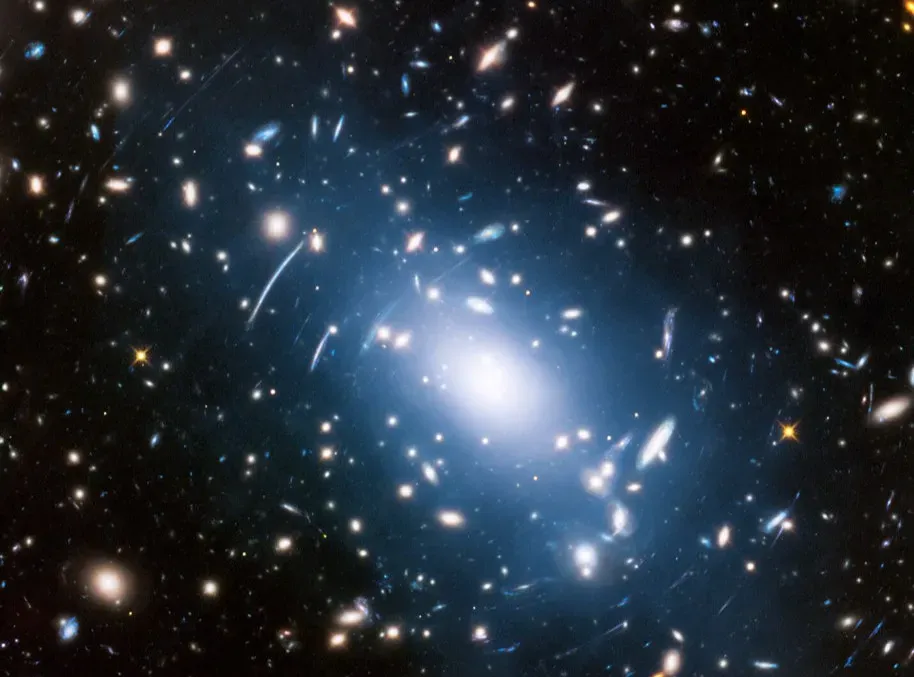
It would be comforting to think that the stars, gas, dust, and galaxies we can see make up most of the universe. Observations over the last century quietly destroyed that comfort. When astronomers measured how galaxies rotate and how large-scale structures move, the visible matter just didn’t add up. Something unseen had to be providing extra gravity, leading to the concept of dark matter, a mysterious substance that doesn’t emit light but seems to outweigh ordinary matter by several times.
As if that weren’t strange enough, measurements of distant exploding stars suggested that the expansion of the universe is speeding up rather than slowing down. To explain this, scientists introduced dark energy, an even more baffling component that seems to be pushing space apart. Put together, these two “dark” ingredients appear to make up the vast majority of the cosmos, leaving the stuff we’re familiar with as a small fraction. We now live with the awkward realization that most of reality is invisible and only indirectly inferred, and we still don’t really know what it is.
Living with a Universe That Keeps Surprising Us
Looking back at these discoveries, a pattern appears: every time we think we’ve nailed down how things work, reality slips out of our grasp and forces us to widen our view. Earth isn’t the center, life isn’t static, time isn’t absolute, space isn’t flat, and even the matter we can touch is only a minor player in a larger, hidden drama. It can feel unsettling, like walking on a floor that occasionally tilts just to remind you it’s not as solid as you thought.
But there’s also something oddly comforting in this constant upheaval. It means we’re not done, not even close, and that our current beliefs are invitations to be challenged rather than final answers. The universe keeps turning out to be stranger, richer, and more intricate than we imagine, and we keep adjusting, arguing, and learning. Which of today’s “obvious truths” do you think will be the next to fall?