
If you’ve ever stared at the sea and felt a strange mix of awe and unease, you’re not alone. Beneath that calm, blue surface lies a world so extreme and so alien that even seasoned scientists admit it still gives them chills. The deepest parts of the ocean are dark, crushing, and seemingly lifeless… and yet, life is not only surviving there, it’s absolutely thriving in ways that feel almost impossible.
In the last couple of decades, deep-sea exploration has leapt forward with better submersibles, robotic vehicles, and seafloor observatories. What we’ve found down there has completely rewritten the rules of biology, evolution, and even where life itself might exist in the universe. These discoveries don’t just expand our knowledge; they challenge our imagination. Here are ten of the most mind-bending revelations about the ocean’s deepest life forms that prove we’ve barely scratched the surface of what’s really going on below.
1. Creatures That Shrug Off Crushing Pressures
At the bottom of the deepest trenches, the pressure is so intense it would flatten a car like a soda can. Yet certain fish, amphipods, and strange snail-like creatures live there as if it’s no big deal. In the Mariana Trench’s deepest known region, scientists have filmed ghostly pale hadal snailfish calmly swimming nearly eleven kilometers down, where the pressure is more than a thousand times what you feel at sea level.
These animals pull off this trick with some wild biochemical hacks. Their cell membranes are reinforced with special fats that stay flexible even when squeezed, and their proteins are stabilized by unique molecules that keep them from breaking apart. To me, this is one of those moments where nature looks like it’s quietly flexing, as if to say, “You really thought this was uninhabitable?” It’s a humbling reminder that our limits are not life’s limits.
2. Animals That Glow Like Living Neon Signs
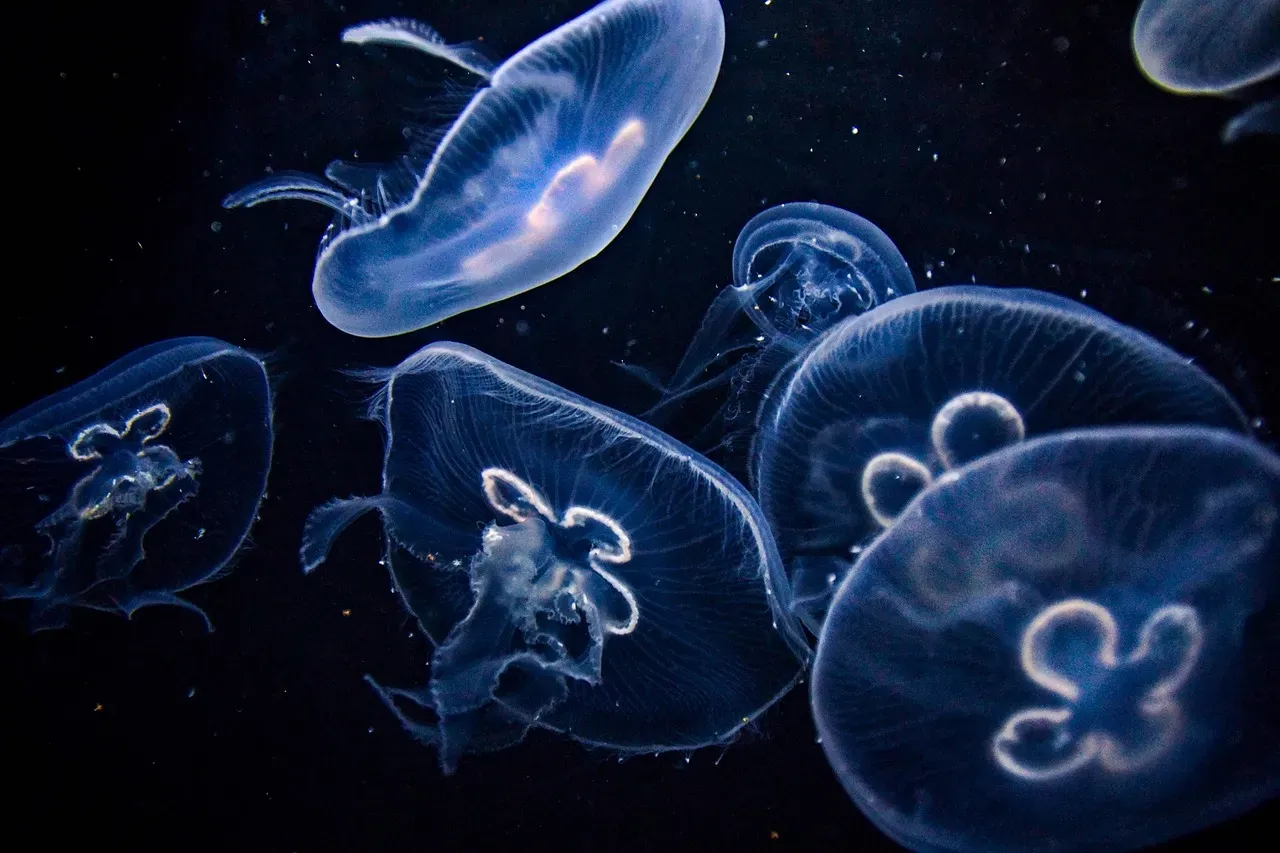
Down in the deep, sunlight is gone, but the darkness is anything but empty. Many deep-sea life forms make their own light through bioluminescence, turning the black water into a scene that looks more like outer space than Earth. Some fish flash blue pulses to communicate, while tiny plankton spark in swirling clouds when disturbed, like underwater fireflies on overdrive.
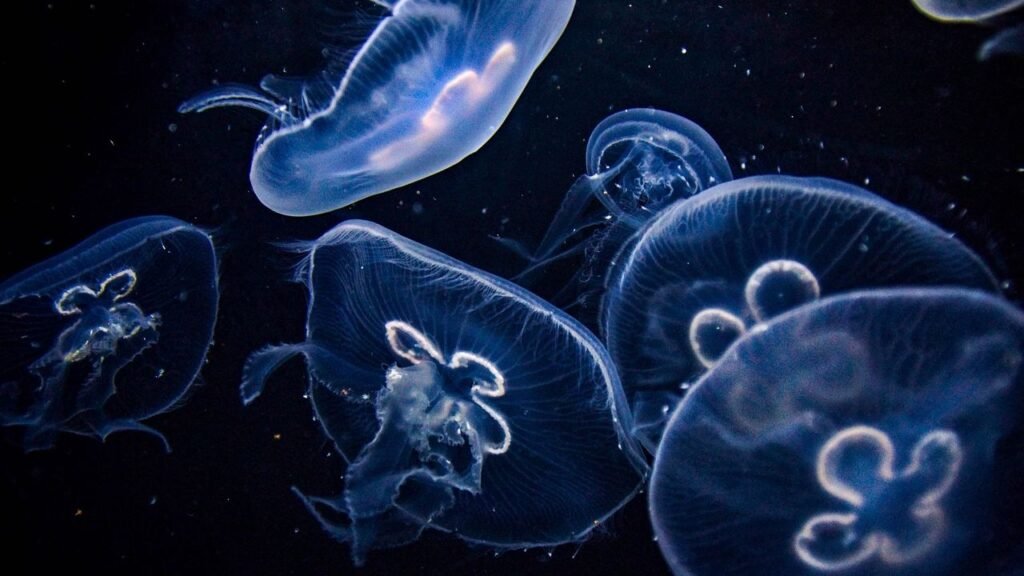
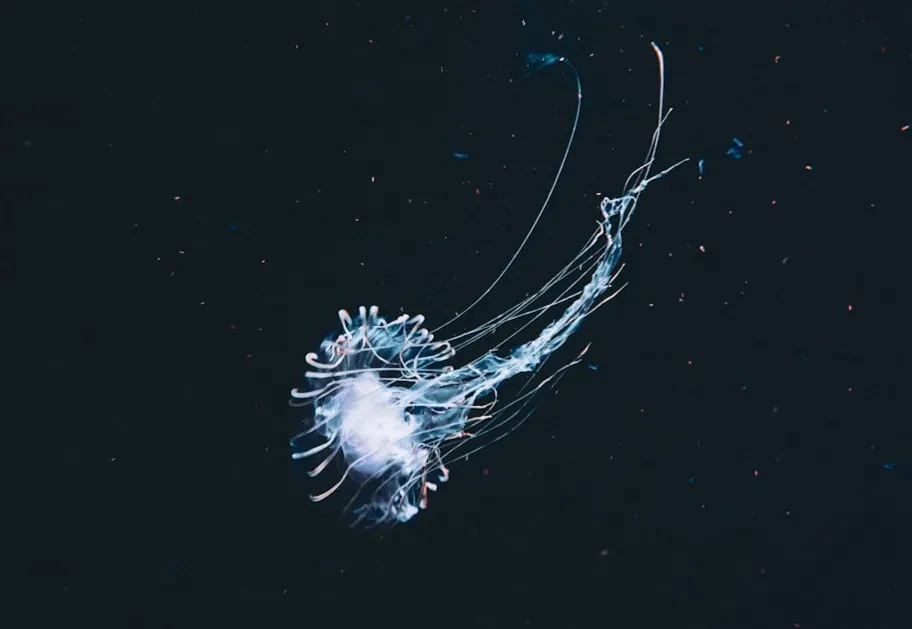
Then there are the specialists: anglerfish that dangle glowing lures from their heads, jellyfish with slow, hypnotic color waves, and shrimp that spit glowing clouds to confuse predators. This light is not just pretty; it’s survival tech. It’s used for hunting, hiding, flirting, and even faking out enemies. The first time I watched real deep-sea video of bioluminescence, I realized how silly our city skylines look in comparison. The deep ocean has been running a light show for millions of years, and we’re just late to the party.
3. Life That Eats Chemicals Instead of Sunlight
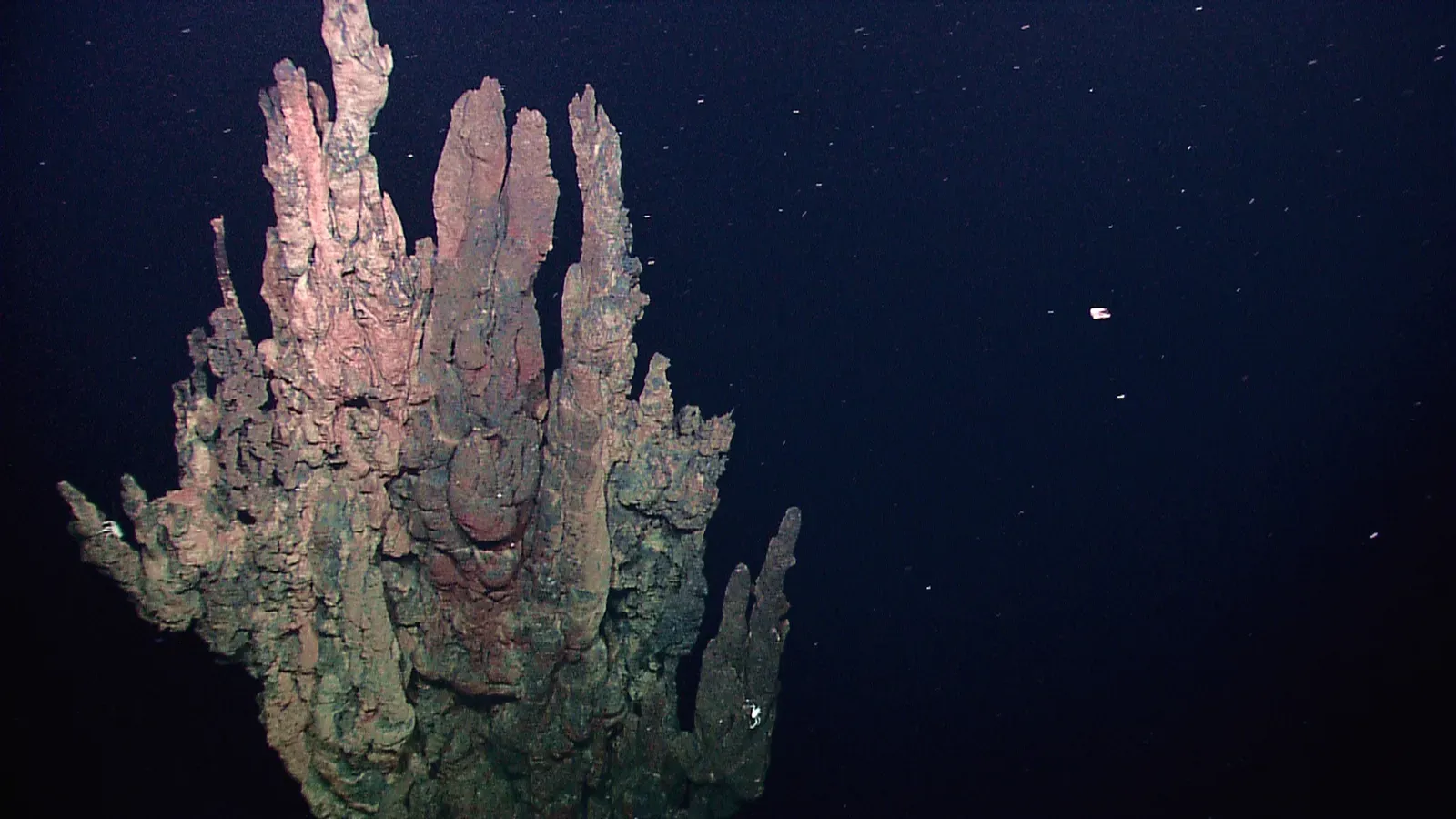
We grow up learning that all life depends on sunlight, directly or indirectly. Deep-sea hydrothermal vents smashed that idea. Around these black smokers – chimneys spewing hot, mineral-rich water – entire ecosystems thrive without a single ray of sun. Instead of photosynthesis, their food chains are powered by chemosynthesis, where microbes use chemicals like hydrogen sulfide to create energy.
On and around these vents, you find giant tube worms with blood-red plumes, ghostly white crabs, and clams the size of dinner plates. These animals rely on symbiotic bacteria living inside their bodies or on their shells, basically farming them for food. It feels almost like discovering a parallel version of life’s rules: one where the sun is irrelevant, and rocks and chemicals take center stage. If life can pull that off on Earth, it makes the idea of life in dark oceans on icy moons suddenly feel a lot less like science fiction.
4. Microbes Living Inside the Seafloor for Ages
It turns out, the deep ocean isn’t just about what lives in the water; it’s also about what’s hidden inside the seafloor itself. In deep sediments, kilometers below the surface, scientists have found microbes that are barely alive, yet somehow still hanging on. Some of these tiny organisms are thought to have been trapped in those layers for millions of years, slowly burning through minuscule amounts of energy.
These microbes live in what’s sometimes called “the deep biosphere,” an underground realm where life moves in slow motion. Their metabolism is so sluggish that a single cell division could take years or even longer. It’s like a biological low-power mode. When I first read about this, it felt like discovering that Earth has a secret basement full of almost-sleeping life, just quietly existing while the surface world races around in fast-forward. It reshapes the way we think about where life can persist – and for how long.
5. Gelatinous Giants Floating in the Dark
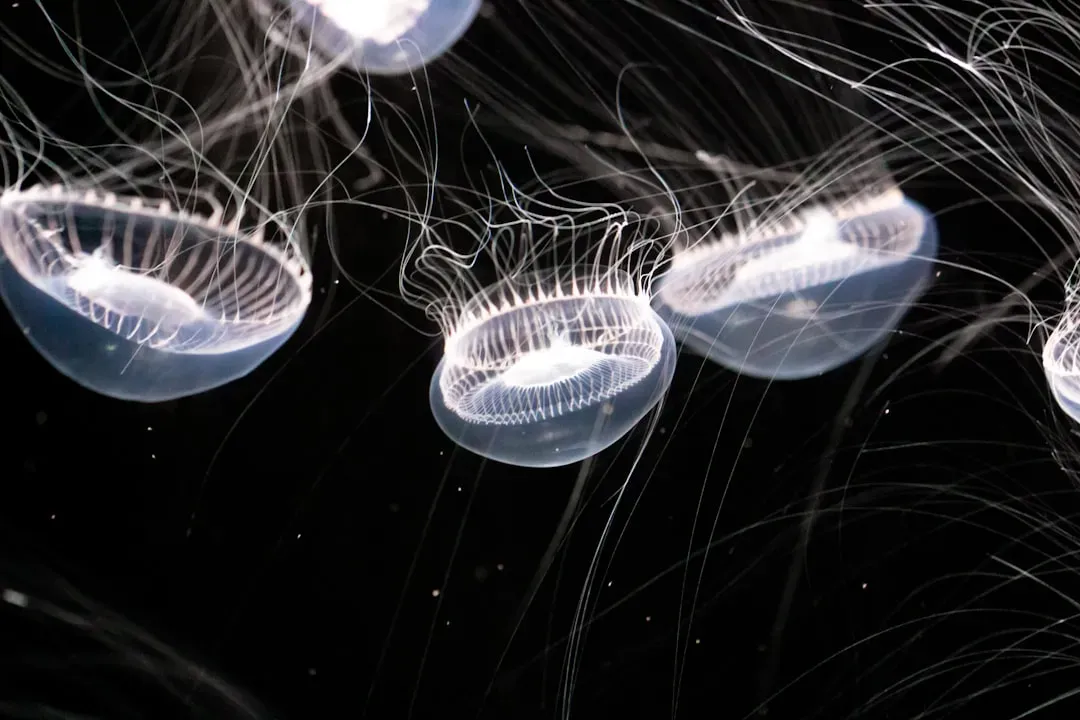
Not all deep-sea life is tiny or hard to spot. Some of the most jaw-dropping discoveries are huge, delicate, and almost unreal to look at. Massive jelly-like creatures, such as certain siphonophores, can stretch longer than a blue whale, yet are so fragile that a gentle current can tear them apart. They drift through the deep in ghostly chains or veils, part animal and part living net.
These gelatinous giants are built for the deep: low-energy, slow-moving, and highly efficient at scooping up whatever food drifts by. Some look like glowing chandeliers; others resemble transparent blankets falling through the water. They break every intuitive rule we have about size, structure, and strength. Imagine something as long as a skyscraper is tall, but thinner than a plastic bag – alive, coordinated, and silently patrolling a world of darkness. It’s hard not to feel a mix of awe and discomfort just picturing it.
6. Fish With Faces Straight Out of a Sci-Fi Movie
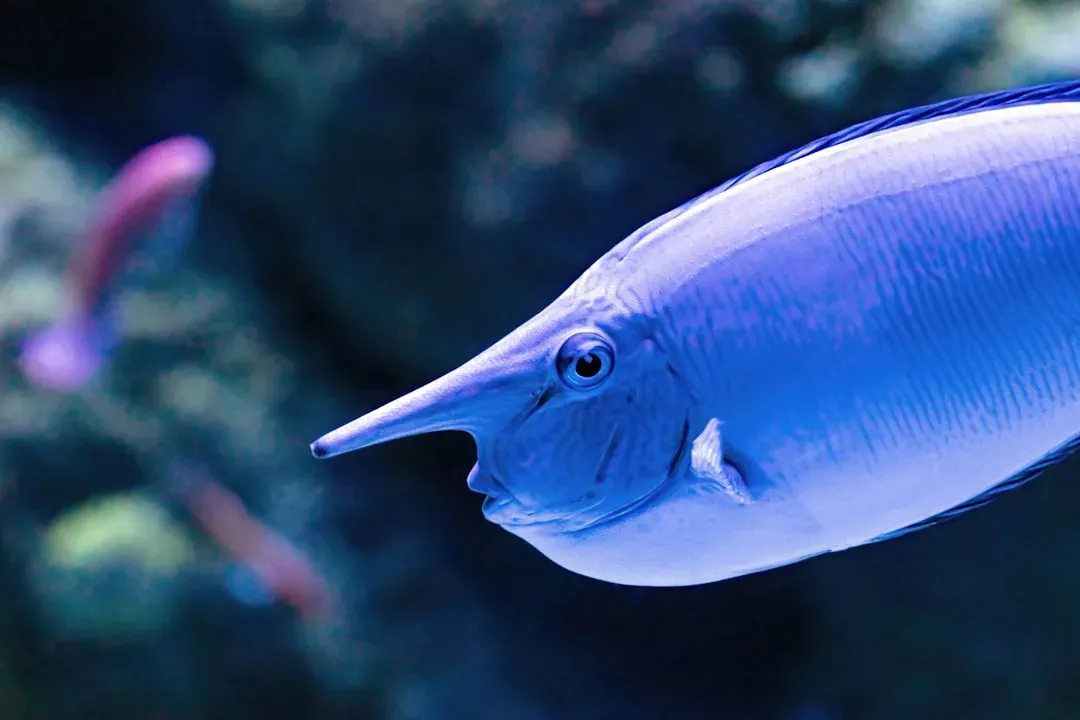
Deep-sea fish don’t just push the boundaries of weird – they smash right through them. Some have transparent heads where you can literally see their eyes and brain-like structures inside, adapted to focus on faint light from above. Others have mouths so oversized they can swallow prey almost as big as themselves, a smart strategy in a world where your next meal might be days away.
Many of these fish have evolved bizarre eyes, teeth, and body shapes that seem completely over the top until you remember how harsh their environment is. Barrel-eye fish, for instance, have upward-pointing tube-shaped eyes shielded under a clear dome, like tiny telescopes in a glass helmet. Gulper eels carry balloon-like jaws that look cartoonish but are brutally effective. These creatures force you to admit that beauty is a luxury of easy environments; in the deep, evolution cares only about what works, not what looks normal to us.
7. Deep-Sea Corals Older Than Human Civilization
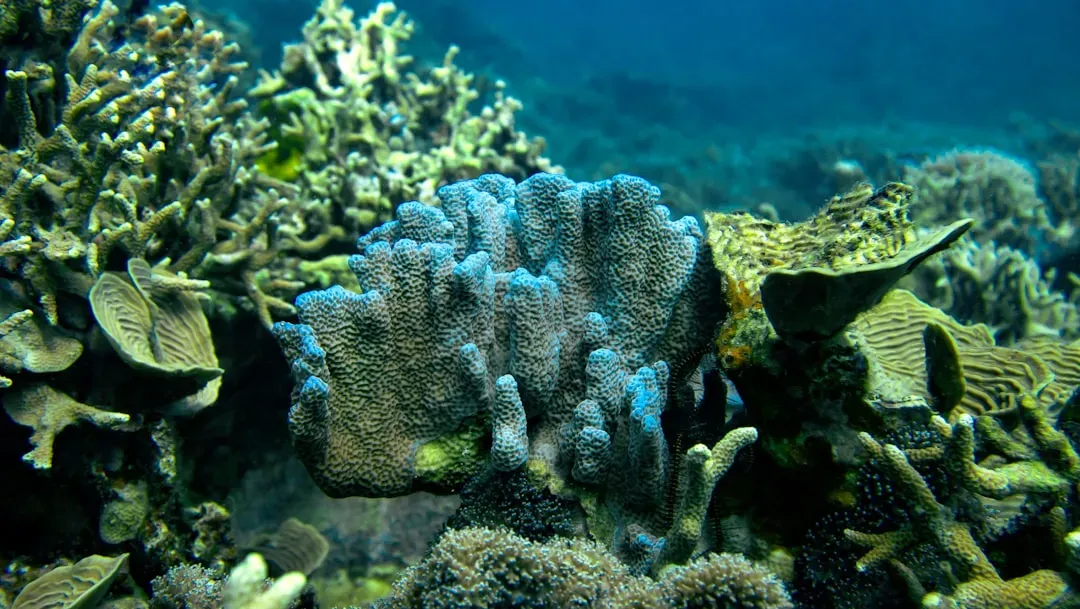
When most people think of corals, they imagine bright, shallow reefs in tropical waters. But the deep ocean holds its own secret forests of cold-water corals, growing in the dark, hundreds or even thousands of meters down. Some of these corals are astonishingly ancient, with individual colonies older than entire civilizations and some skeletons recording environmental history over many millennia.
These deep corals don’t rely on sunlight; instead, they filter food from passing currents, building slow, branching structures that become habitats for other creatures. They’re like time capsules, storing chemical clues about past climates and ocean conditions in their skeletons. When researchers age these corals and realize some started growing before major human religions existed, it hits you: while we’ve been arguing, building, and collapsing on land, quiet stone-like animals in the dark have just kept growing, century after century.
8. Ecosystems Growing on Fallen Whales and Shipwrecks
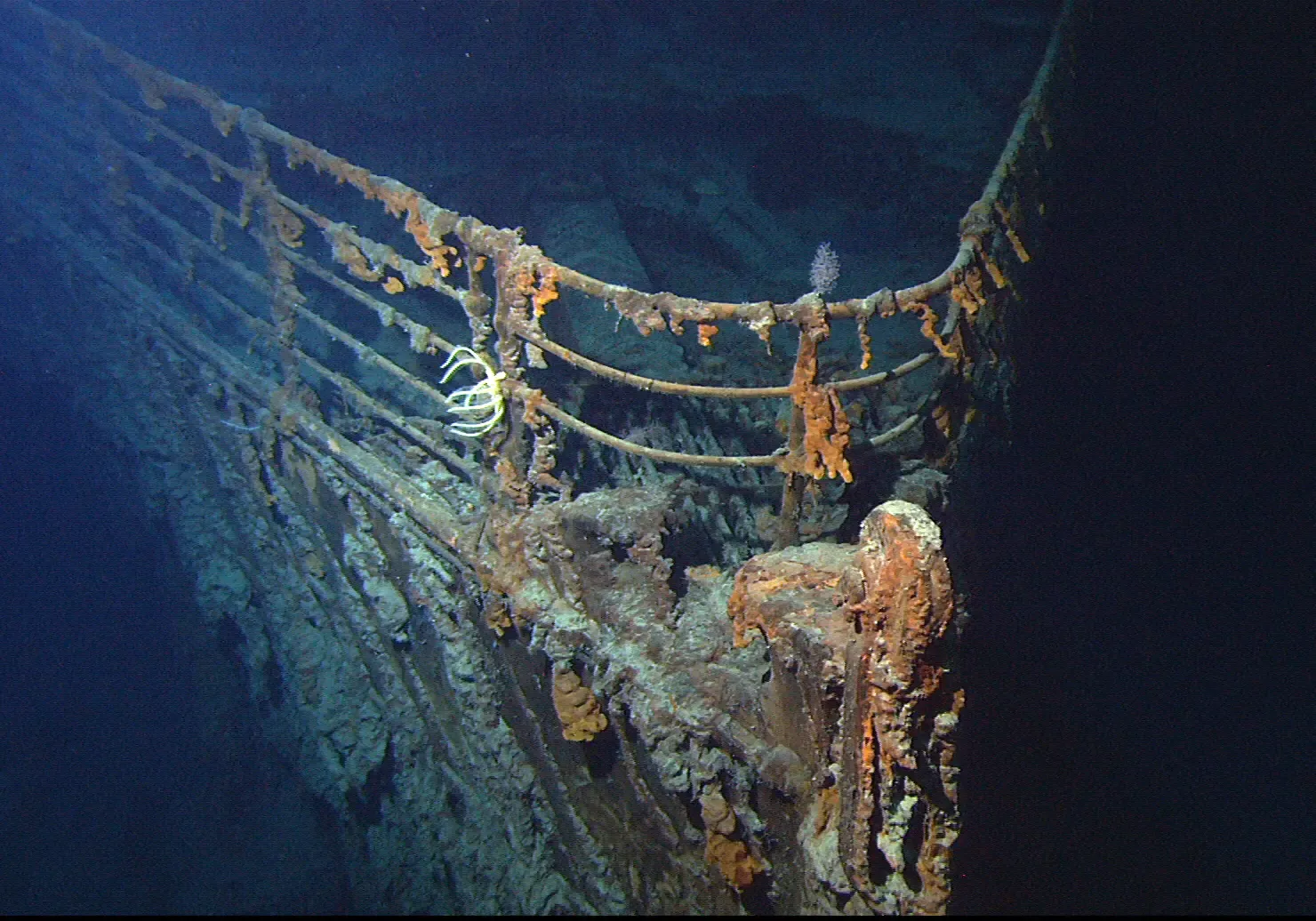
One of the eeriest and most fascinating discoveries in the deep sea is how life swarms to large objects that sink to the bottom. When a whale dies and its body drops into the abyss, it becomes an entire ecosystem known as a “whale fall.” At first, scavengers like sharks and big fish strip away the flesh. Then, worms, snails, and other invertebrates move in, and eventually bacteria break down the bones, releasing chemicals that support chemosynthetic communities.
The same kind of colonization happens on shipwrecks, old cables, and even metal structures from offshore industries. Life is quick to turn our leftovers into real estate. To me, this is one of the most strangely comforting ideas about the deep ocean: nothing is wasted. Even death and human debris become starting points for new worlds. It’s a stark, almost poetic reminder that in nature, endings and beginnings are often the same event, just viewed from different angles.
9. Creatures That Bend the Rules of Sex and Survival
In the deep sea, where encounters with others of your own kind can be rare, evolution gets very creative about reproduction. Some deep-sea anglerfish, for example, have tiny males that permanently fuse to much larger females, essentially becoming living sperm donors attached to their partner’s body. It sounds absurd, but in a place where you might never meet another mate again, it’s brutally efficient.
Other species shift sex over their lifetimes or have reproductive strategies that seem more like backup survival plans than anything we’d recognize as normal. Many produce vast numbers of eggs or larvae that drift through the water column for long periods, hoping a few will land in the right place. When you see how far life will go to keep going, even in total darkness and crushing pressure, it becomes hard to argue that life is fragile. Individual creatures are, yes – but the drive to continue is almost disturbingly strong.
10. New Species Discovered Almost Every Deep Dive
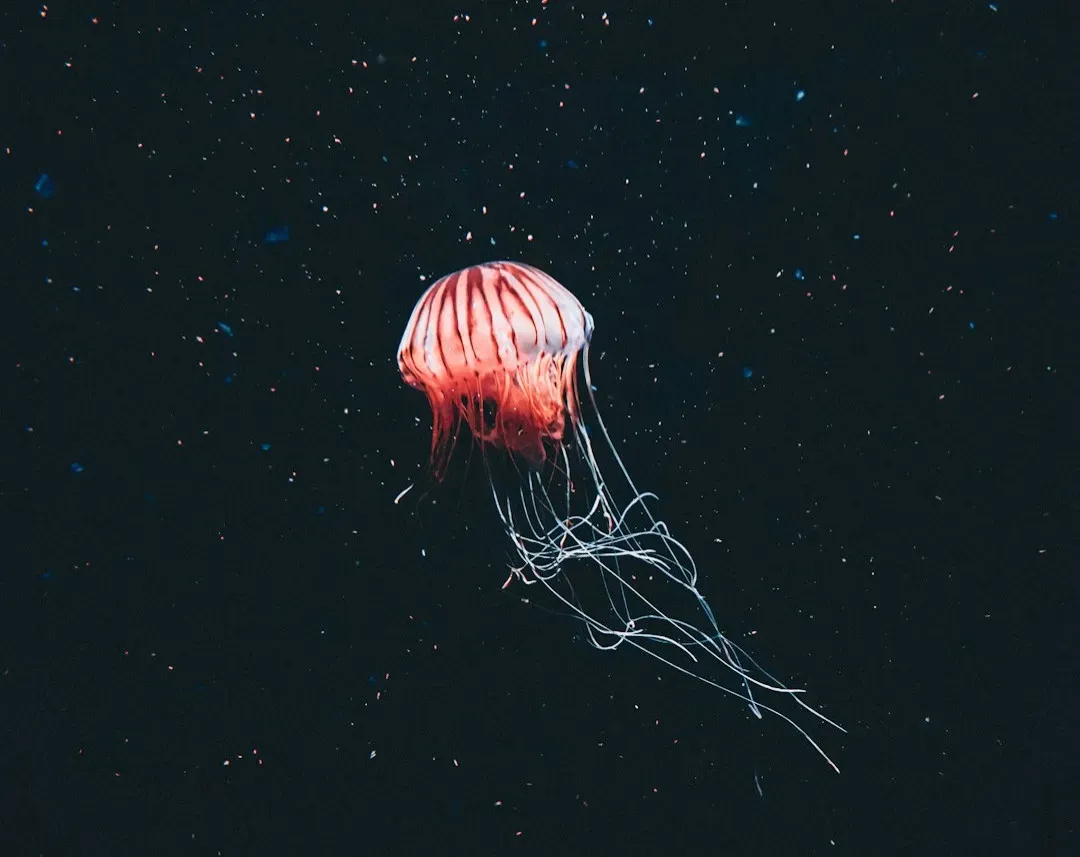
Perhaps the wildest part of all this is how unfinished the deep ocean story still is. With every major expedition that sends submersibles or remotely operated vehicles into the abyss, researchers come back with footage and specimens of creatures no one has ever documented before. It’s not unusual for a single deep dive to reveal several species that are completely new to science, from tiny worms to impressive predators.
That constant stream of discovery tells us something important: the deep sea is still largely unexplored, even in 2026. For all our satellites and data and technology, we know more about the surface of Mars than the deepest trenches on our own planet. Personally, I find that both frustrating and thrilling. It means our map of Earth is still unfinished, and the most alien ecosystems we will ever encounter might not be on another world at all – they’re right here, in the dark water below our feet.
A Hidden Universe Beneath the Waves
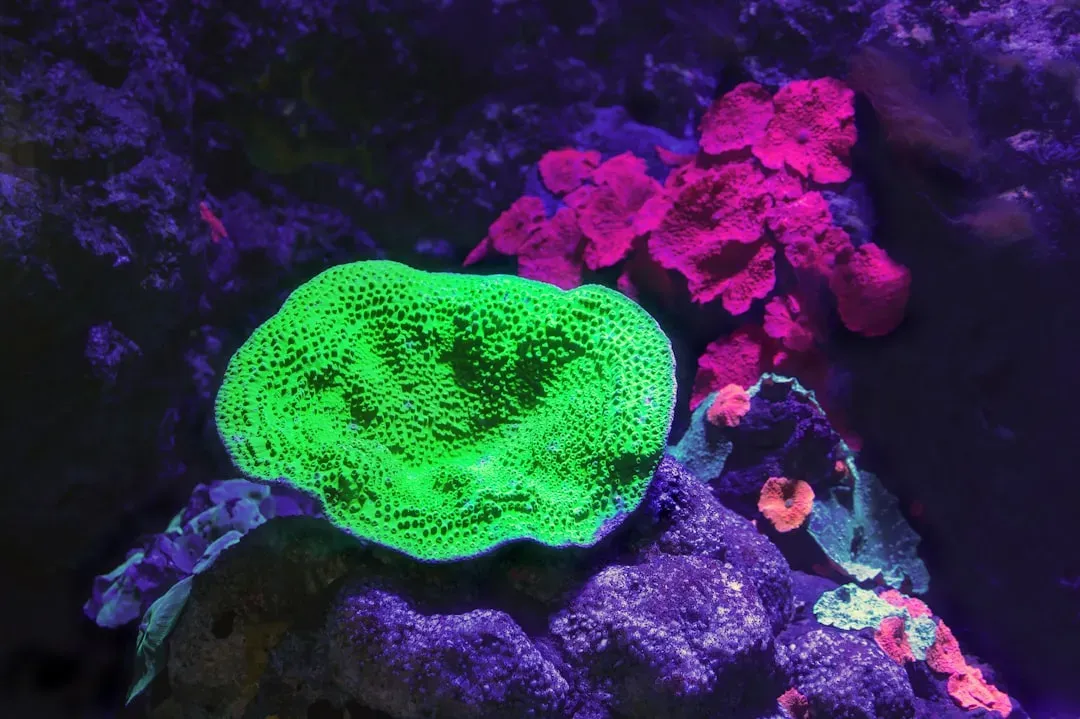
The deepest parts of the ocean reveal a version of life that is tougher, stranger, and more flexible than most of us were ever taught to imagine. From animals that glow in absolute darkness and shrug off crushing pressures, to ancient corals, chemical-powered ecosystems, and almost-sleeping microbes in the seafloor, these discoveries tear down the idea that life is delicate or predictable. Instead, they paint a picture of a planet where life fills every possible niche, no matter how extreme, as if it refuses to leave any space truly empty.
As deep-sea technology improves and more dives push into unexplored trenches, it’s almost certain that even more unsettling and inspiring life forms are waiting to be found. The ocean’s deepest realms are not just a frontier of biology, but a test of our curiosity and willingness to keep asking uncomfortable questions about how life works. When you think about everything that is already known – and how much is still completely unknown – it forces a simple, lingering question: what else is down there that we haven’t even dreamed of yet?