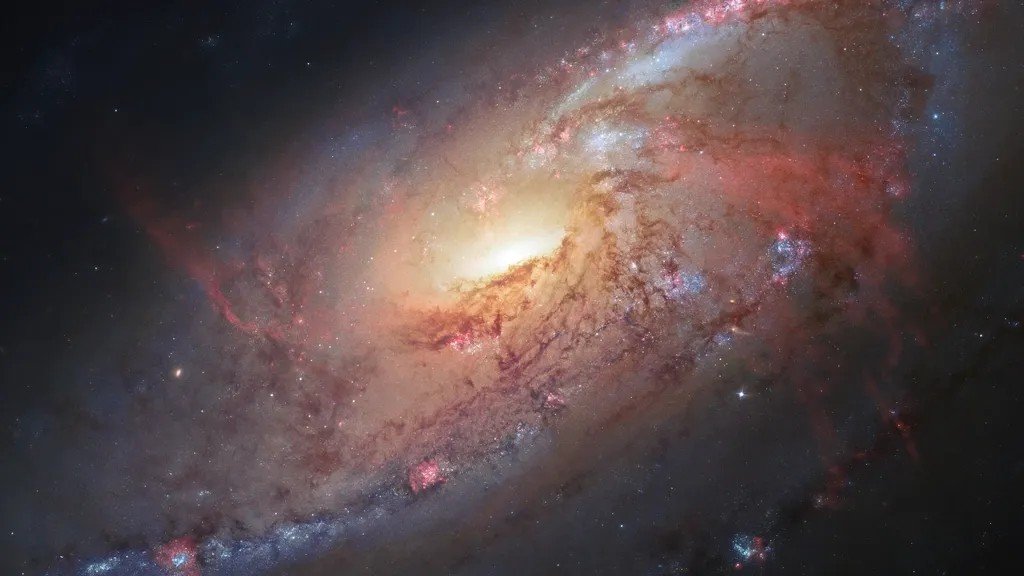

Have you ever stopped to think about just how strange the universe truly is? Like, really stopped? Most of us walk around each day assuming we understand the basics of reality. The ground beneath us is solid, time flows forward, and space is, well, just emptiness. Turns out we were wrong about pretty much all of it. Scientists have been uncovering revelations about the cosmos that challenge everything we thought we knew.
Right now, we’re living through what some are calling a golden age of astronomy. Powerful new telescopes, gravitational wave detectors, and deep space probes are pushing the boundaries of what’s observable, and every discovery seems to contradict the last theory. The more we learn, the weirder it gets. So let’s dive into ten discoveries that will fundamentally shift how you view your place in this bizarre, beautiful universe.
The Universe’s Expansion May Actually Be Slowing Down
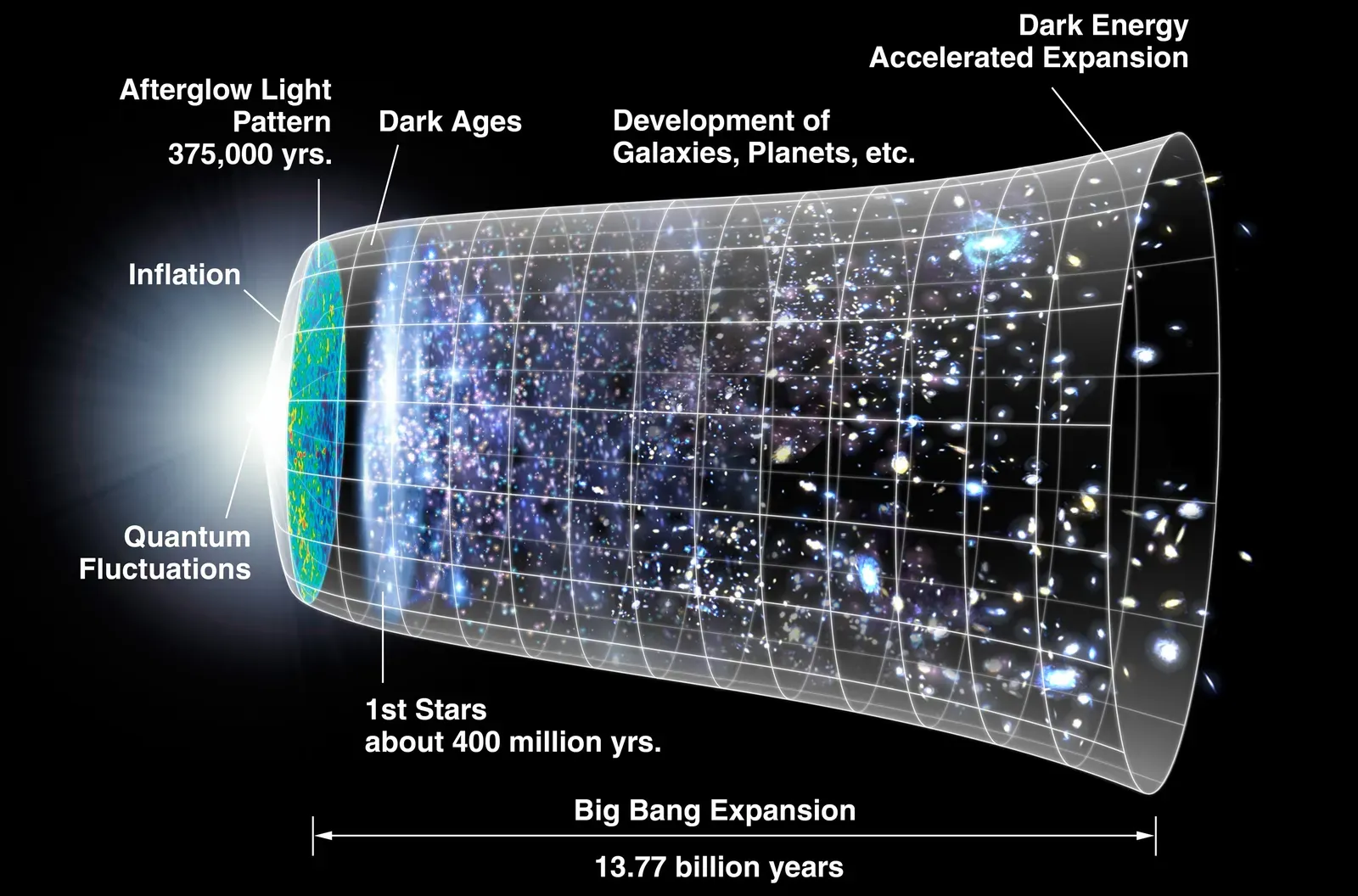
For decades, astronomers believed the universe was expanding at an ever-increasing rate, driven by dark energy. However, remarkable findings published in 2025 cast doubt on this long-standing theory, showing no evidence of an accelerating universe. Let’s be real, this is enormous. The entire framework we’ve used to understand cosmic fate might be fundamentally flawed.
Scientists now suggest the universe has already entered a phase of decelerated expansion, with dark energy evolving with time much more rapidly than previously thought. Think about what this means for our cosmic story. Instead of galaxies racing away from each other forever, the expansion might be slowing. Eventually, if the expansion continues to slow down, the universe could begin to contract, ending in what astronomers imagine may be the opposite of the big bang – the big crunch. It’s hard to say for sure, but even two years ago, the Big Crunch was out of the question. What seemed like settled science has suddenly become a mystery again.
Gravitational Waves Reveal Colliding Black Holes in Unprecedented Detail
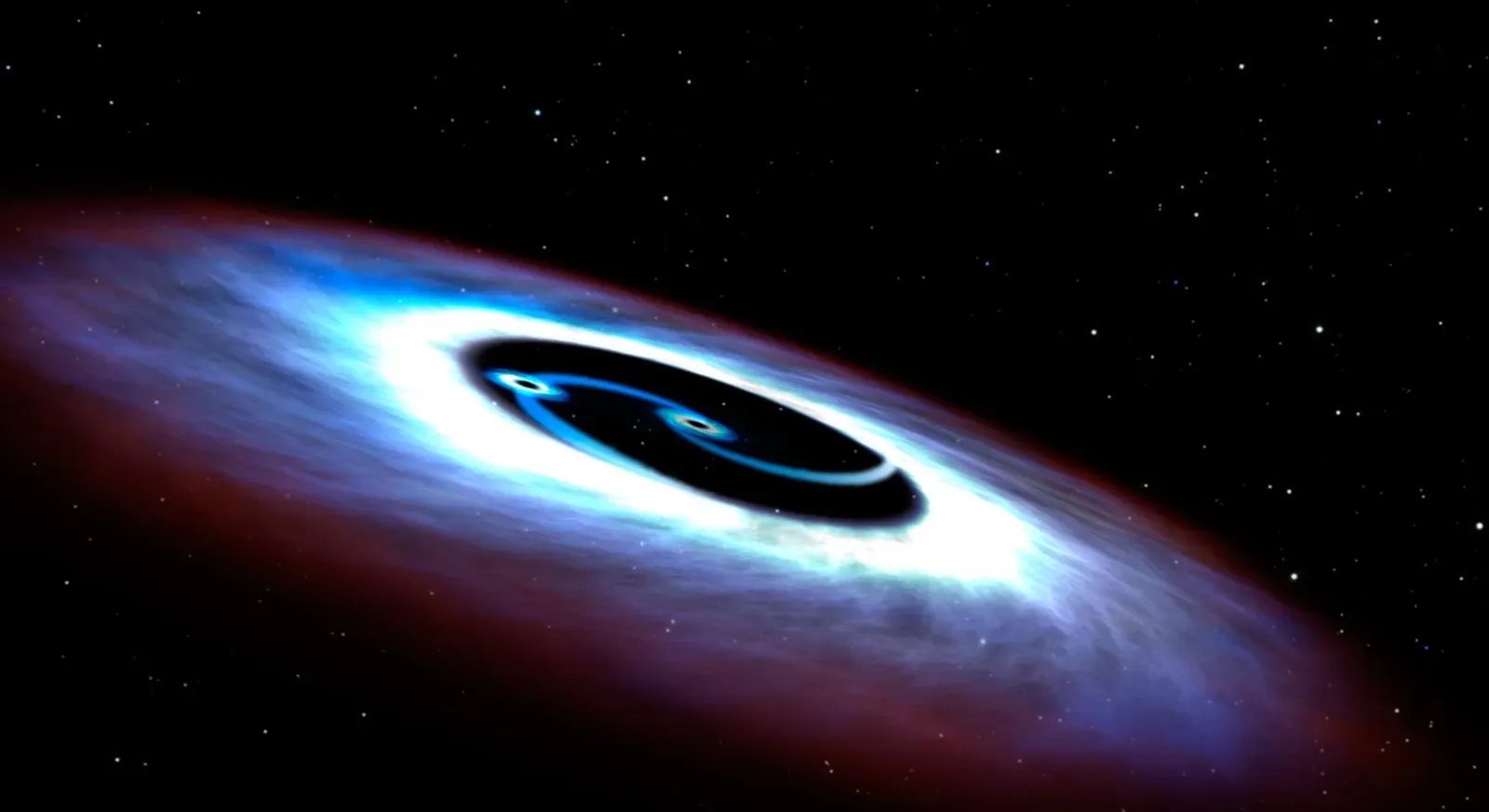
Remember when detecting gravitational waves was just a wild dream? In January 2025, a gravitational wave known as GW250114 was created when two black holes collided, sending ripples through space-time that reached Earth. Here’s the thing. This wasn’t just any detection. This is the clearest gravitational wave signal ever measured on Earth from two merging black holes, standing out more clearly than ever before from the background noise.
The signal was clear enough for scientists to measure two tones and place limits on a third, and all of those results matched Einstein’s theory. The precision here is absolutely mind-blowing when you consider these detectors are measuring changes smaller than a thousandth of a proton’s width. The black holes, 30 times as massive as our sun, circled each other at close to the speed of light before fusing in a collision, giving off energy equivalent to about three solar masses in the form of gravitational waves. For a very short moment, the power released was higher than all the light in the visible universe combined. Just sit with that for a second.
A Super-Earth in the Habitable Zone Lurks Nearby
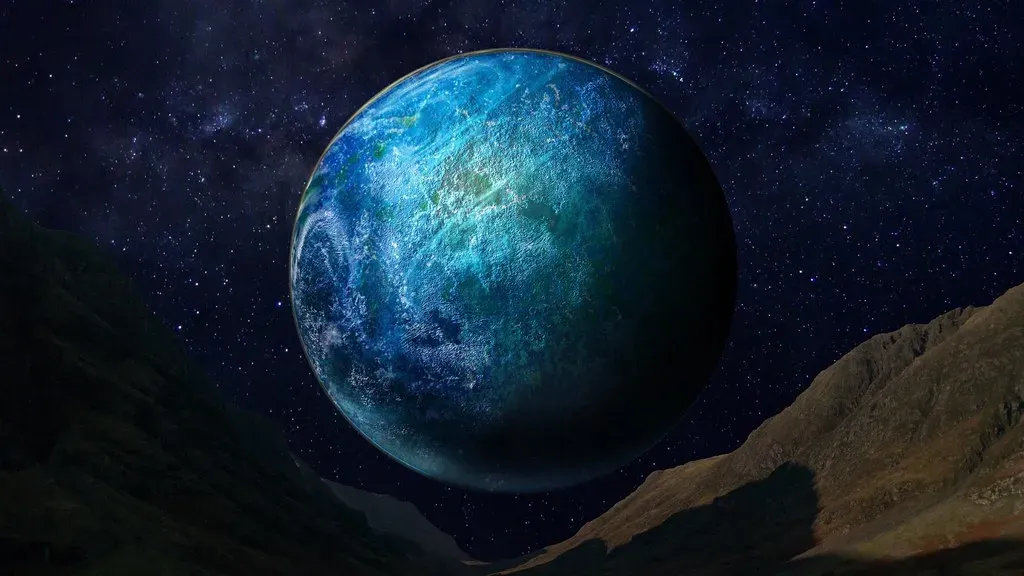
Astronomers have identified an exoplanet located in a star’s habitable zone just about 18 light-years away, where surface conditions might support the presence of liquid water. Eighteen light years might sound impossibly far, but in cosmic terms, that’s practically our backyard. The exoplanet may have a rocky composition like Earth and is several times more massive, making it a “super-Earth.”
Why does this matter so much? The planet orbits in the habitable zone of its system, meaning it is at the right distance from its star to sustain liquid water on its surface, a key ingredient for life as we know it. It’s too early to say whether it could host life, honestly, but the proximity makes it a prime candidate for future telescopes to study directly. Imagine being able to analyze the atmosphere of a potentially habitable world during our lifetimes. That possibility no longer feels like science fiction.
Dark Energy Might Not Be Constant After All
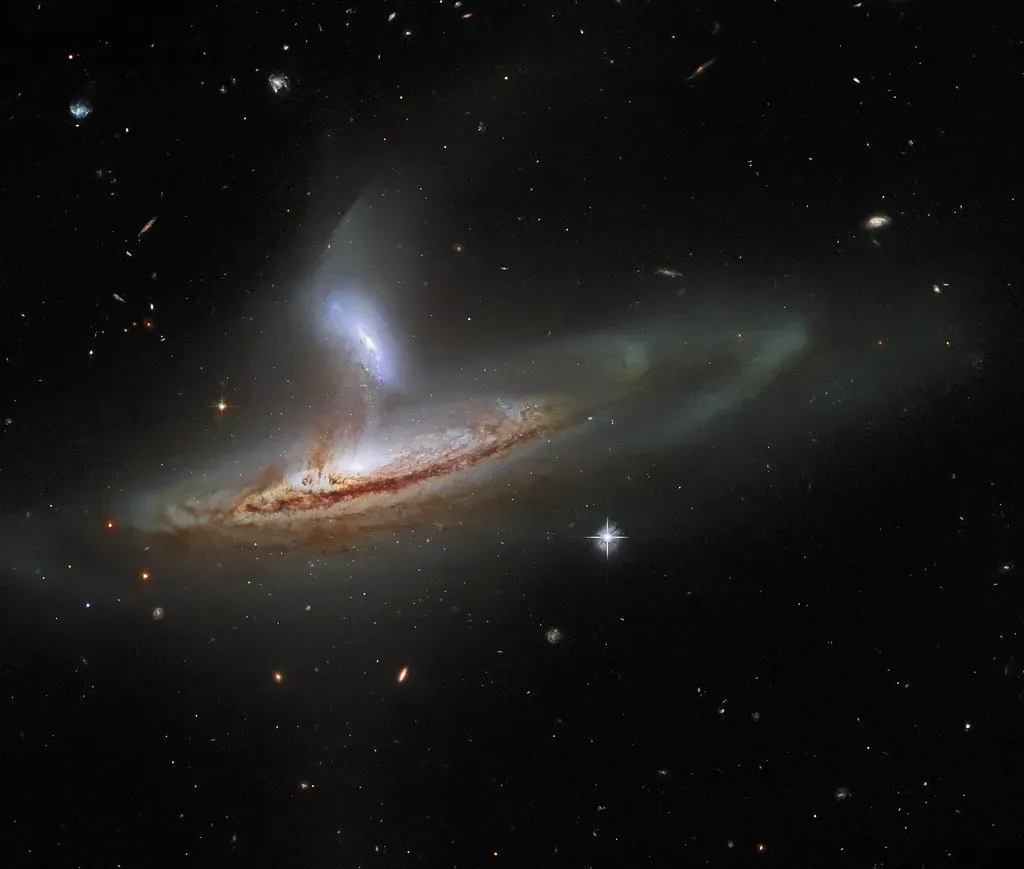
In 1998, two independent teams of cosmologists discovered that the universe’s expansion is accelerating rather than slowing, leading them to propose dark energy as the force responsible for driving this accelerated expansion. That discovery won a Nobel Prize. It fundamentally reshaped cosmology. Astrophysicists now believe dark energy makes up about 70% of the mass-energy density of the universe, yet we still know very little about it.
The latest data from DESI suggests that dark energy – long called a “cosmological constant” given that astronomers thought it was unchanging – is behaving in unexpected ways and may even be weakening over time. This is profoundly unsettling if you think about it. The single largest component of our universe, the thing that’s supposed to determine cosmic fate, might be changing right under our noses. The corrected supernova data and other measurements both indicate that dark energy weakens and evolves significantly with time. Whatever we thought we understood about the cosmos just got a lot more complicated.
Scientists May Have Finally Seen Dark Matter
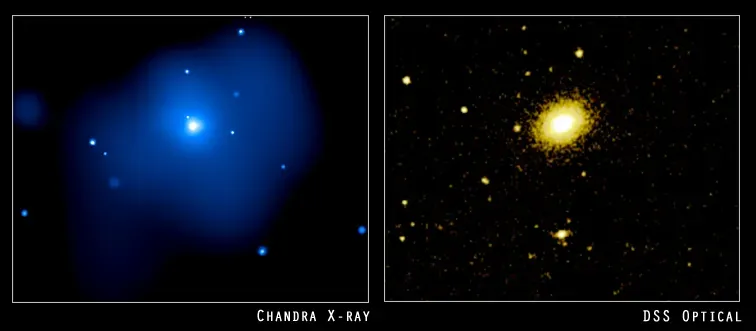
Nearly a century after astronomers first proposed dark matter, a researcher analyzing data from NASA’s Fermi Gamma-ray Space Telescope has detected a halo of high-energy gamma rays that closely matches what theories predict should be released when dark matter particles collide and annihilate. I know it sounds crazy, but this could be the breakthrough we’ve been waiting for since the 1930s.
The team detected gamma rays with a photon energy of 20 gigaelectronvolts extending in a halolike structure toward the center of the Milky Way galaxy. If this is correct, it would mark the first time humanity has “seen” dark matter, revealing it is a new particle not included in the current standard model of particle physics, signifying a major development in astronomy and physics. Of course, independent confirmation is essential. Other teams need to verify the data. Still, the possibility that we’ve finally glimpsed the invisible scaffolding of the universe is electrifying.
The Hubble Tension Deepens Into a Crisis
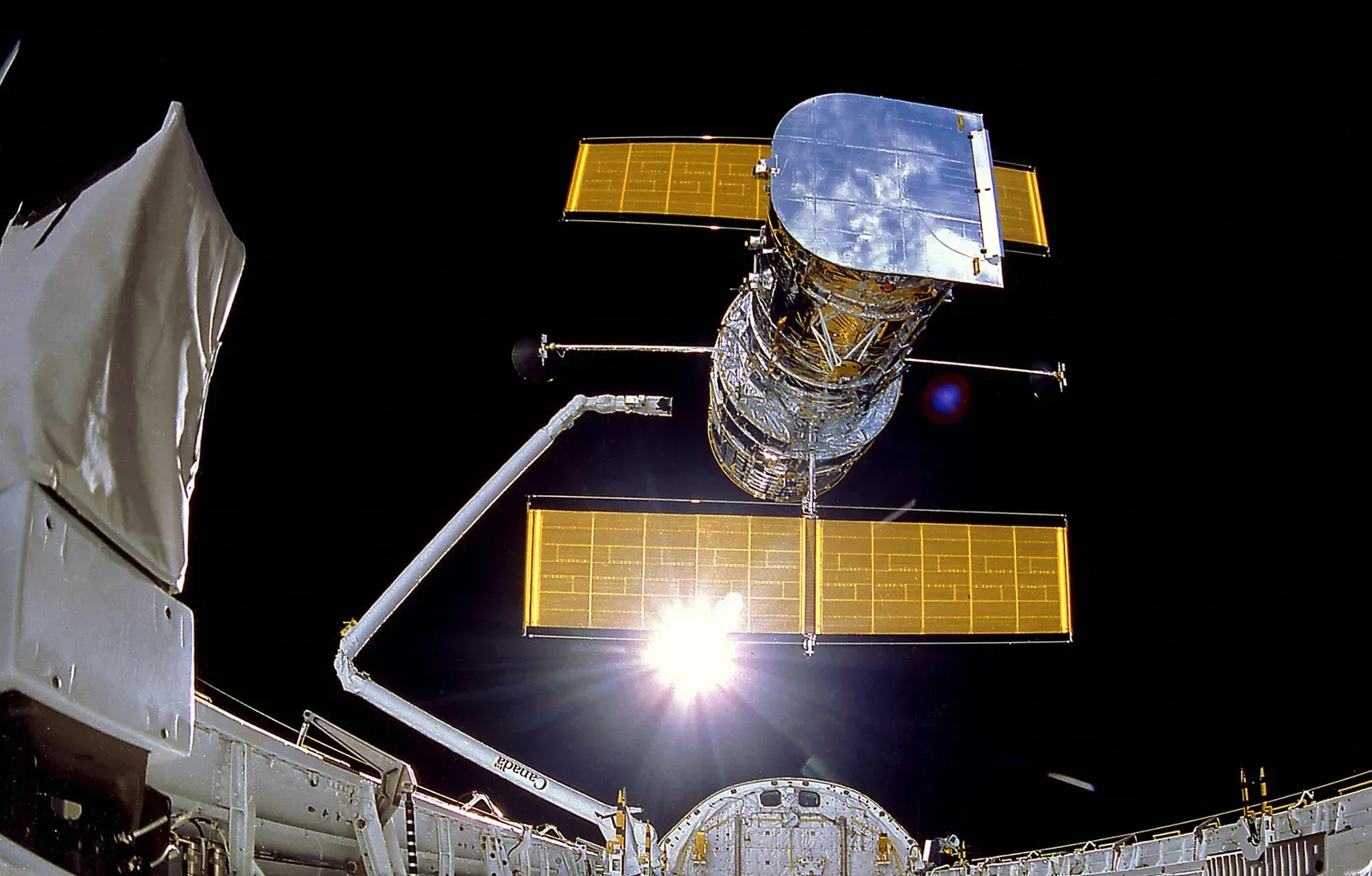
The James Webb Space Telescope, working alongside Hubble, has uncovered an unsettling contradiction about how fast the universe is expanding. This isn’t just some minor measurement error we’re talking about here. The Hubble constant can be calculated in two ways, with one method giving a value of about 67 kilometers per second per megaparsec, while measurements using another approach yield a rate closer to 74 km/s/Mpc.
The discrepancy between the observed expansion rate of the universe and the predictions of the standard model suggests that our understanding of the universe may be incomplete, and with two NASA flagship telescopes now confirming each other’s findings, we must take this problem very seriously. Confirming this tension would force scientists to rethink the very makeup of the cosmos; perhaps revealing new particles, or evidence for an “early dark energy” phase that briefly accelerated expansion after the Big Bang. What’s fascinating is that the more precise our measurements become, the worse the problem gets.
Microorganisms Survive Outside the Space Station
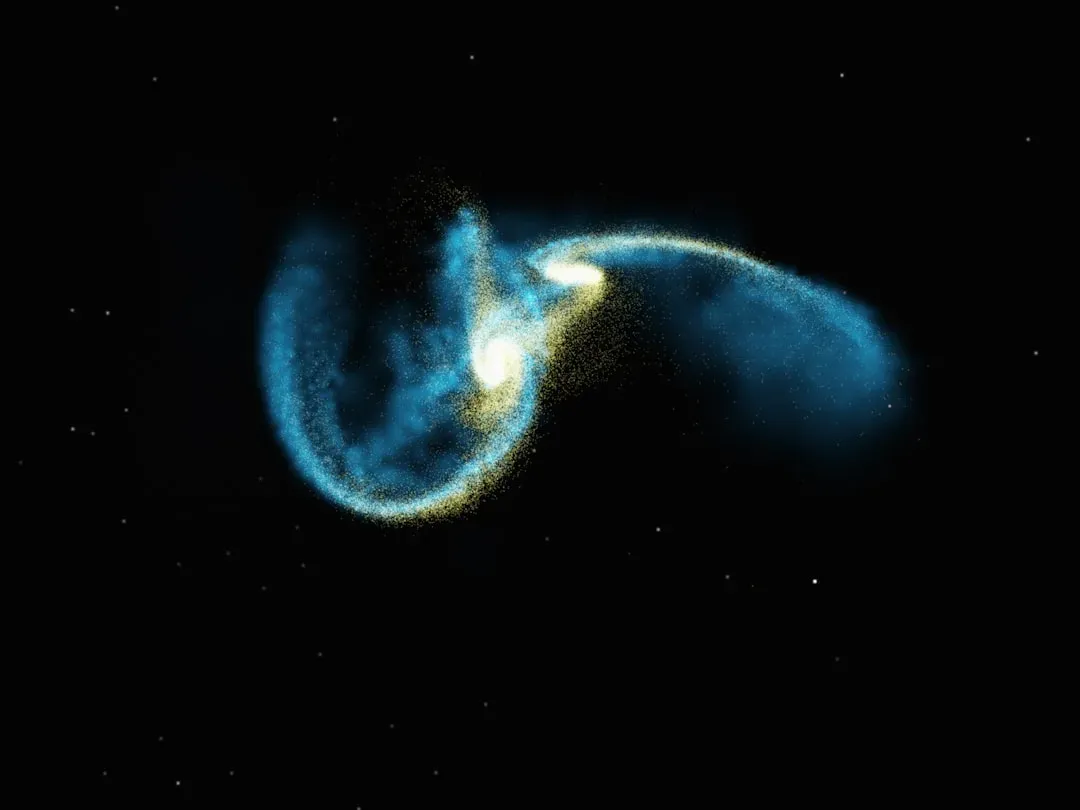
NASA astronaut Butch Wilmore collected microbiological samples during a spacewalk outside the International Space Station, taking samples near the life support system vents to see if the orbital complex releases microorganisms and examine if and how these microorganisms survive and reproduce in the harsh space environment. This might seem like a small thing, but the implications are staggering.
The data could help determine whether changes are needed on crewed spacecraft and spacesuits to reduce biocontamination during missions to explore destinations where life may exist now or in the past. Think about it. If Earth microbes can survive the vacuum of space, the intense radiation, and extreme temperature swings, then life might be far more resilient than we imagined. When scientists sent bacteria-infecting viruses to the International Space Station, the microbes did not behave the same way they do on Earth, with infections still occurring but both viruses and bacteria evolving differently over time in microgravity. Life finds a way, even in the most inhospitable places imaginable.
The Largest Cosmic Superstructure Ever Detected
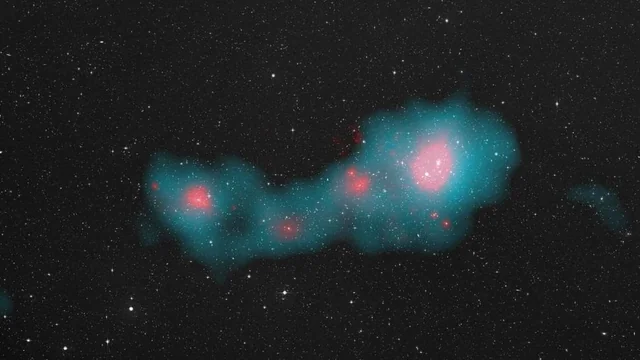
Early in 2025, astronomers revealed the largest cosmic superstructure ever detected, a vast chain of galaxy clusters linked together in three-dimensional space. We’re talking about a structure so massive it defies easy comprehension. The team behind the discovery named it ‘Quipu’ after the Incan knotted cords used for record keeping, both because of its resemblance and as a nod to the key observations being made at the European Southern Observatory in Chile.
These enormous structures help us understand how matter organized itself after the Big Bang. The map includes information on new galaxy clusters and the strands of dark matter that connect them, with these structures helping form the skeleton of the universe. Imagine galaxies not as isolated islands but as part of a cosmic web stretching across billions of light years. That’s the universe we actually live in. The more we zoom out, the more patterns emerge, and honestly, it’s both beautiful and terrifying in scale.
An Interstellar Comet Visited Our Solar System
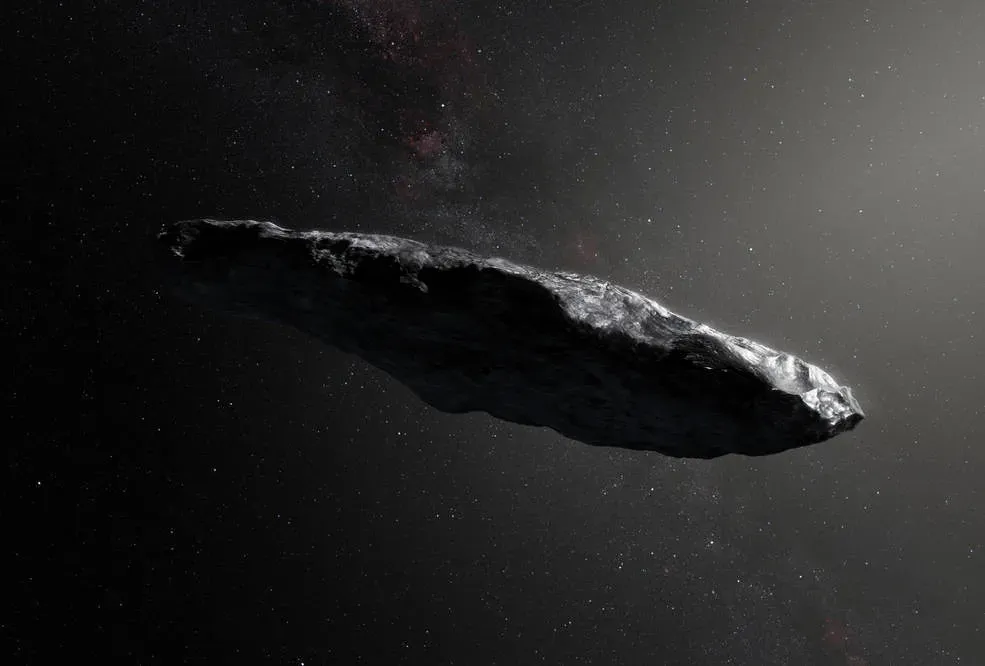
One of the highlights of 2025 was the long-awaited discovery of the third known interstellar object, now known as Comet 3I/ATLAS. Only the third visitor we’ve confirmed from beyond our solar system! Astronomers will continue to track 3I/ATLAS into 2026 in the hope of learning more about its composition, but one thing is clear: It is a comet, not a spaceship.
Interstellar objects give us a glimpse into other stellar systems without ever leaving home. They’re messengers from distant corners of the galaxy, carrying information about conditions around alien stars. Each one is like receiving a postcard from the cosmos. The fact that we can now detect and study these visitors means we’re finally developing the technology to understand our galactic neighborhood. Who knows what the next interstellar visitor will teach us?
The First Observations of the Vera Rubin Observatory
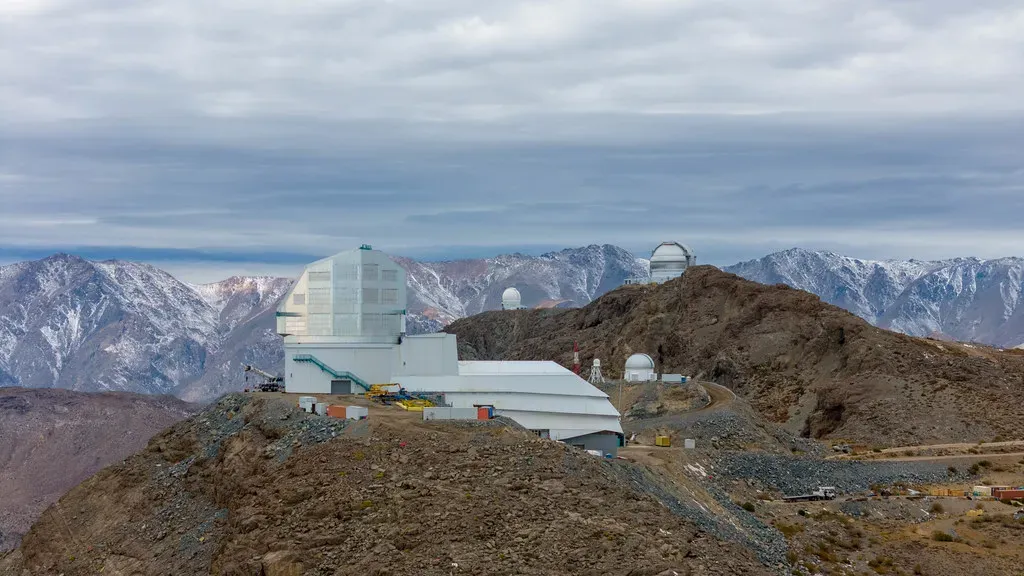
Astronomers entered a mind-blowing new era in 2025 with the first light of the Vera C. Rubin Observatory in Chile, designed to scan the sky in incredible detail and conduct a 10-year Legacy Survey of Space and Time project – creating a jaw-droppingly detailed movie of the cosmos around us. This isn’t just another telescope. It’s a game-changer.
Each night, the telescope will capture 20TB of data with its 3.2-gigapixel camera – the largest ever built – and issue 10 million alerts daily for asteroids, variable stars, tidal disruption events and supernovas, with the observatory accumulating 60 petabytes of information over the course of its initial 10-year survey. That’s an overwhelming amount of data, honestly. The discoveries hiding in that digital ocean will keep astronomers busy for decades. We’re about to see the universe change in real time, watching cosmic events unfold night after night. The golden age of astronomy? We’re living in it right now.
Conclusion
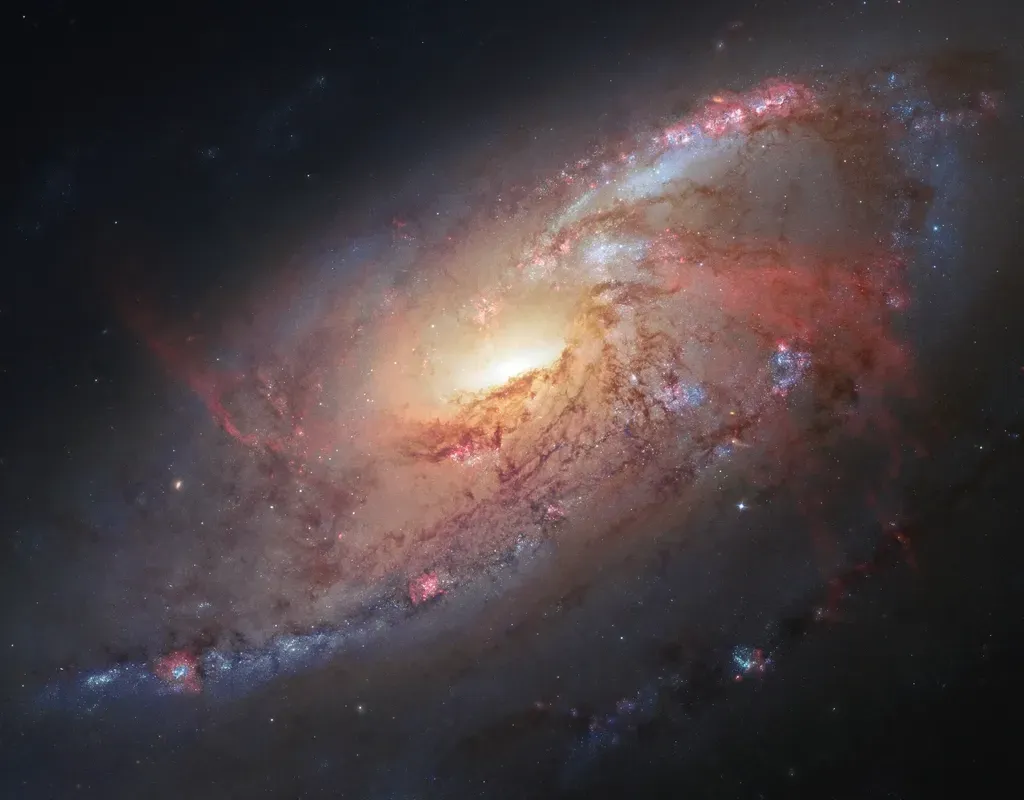
Space keeps surprising us. Just when we think we’ve got the universe figured out, another discovery shatters our understanding. From the possible slowing of cosmic expansion to the first glimpses of dark matter, from habitable super-Earths in our cosmic backyard to gravitational waves revealing colliding black holes, we’re witnessing revelations that would have seemed impossible just a generation ago.
These discoveries matter because they force us to question our assumptions about reality itself. The universe is stranger, more dynamic, and more mysterious than we ever imagined. What do you think about these cosmic revelations? Did any of them change how you see the universe?
Hi, I’m Andrew, and I come from India. Experienced content specialist with a passion for writing. My forte includes health and wellness, Travel, Animals, and Nature. A nature nomad, I am obsessed with mountains and love high-altitude trekking. I have been on several Himalayan treks in India including the Everest Base Camp in Nepal, a profound experience.