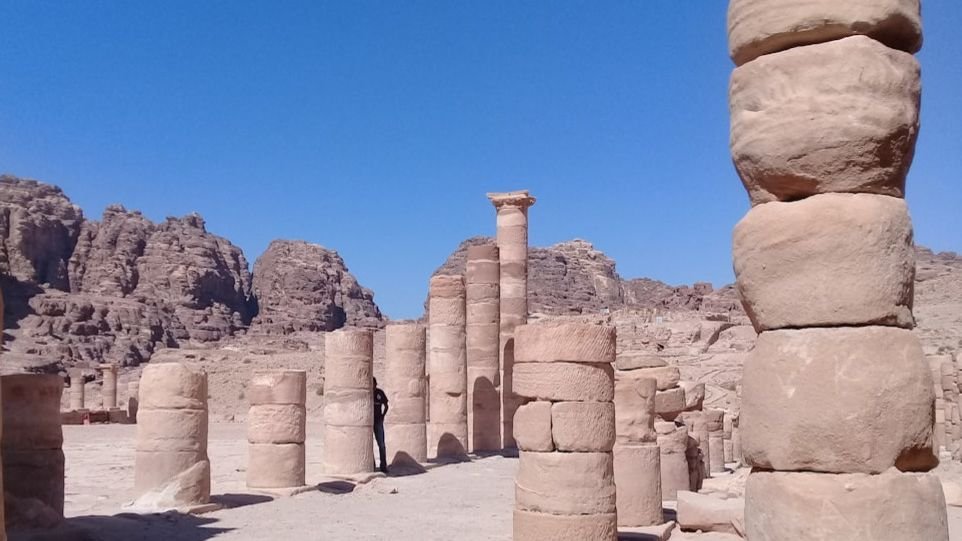

There’s something oddly haunting about a place that might have changed the course of history, yet we’re not even sure where it stood. Ancient writers spoke of glittering streets, mighty walls, and temples covered in gold, but today all we have are scattered clues, half-erased maps, and landscapes that stubbornly refuse to reveal their secrets. The world has been scanned by satellites, probed by archaeologists, and mapped down to individual trees – yet some of the most famous cities in myth and history are still missing in action.
I’ve always loved the feeling that maybe, just beyond what we can see, lies a buried harbor or a palace under the forest floor, waiting for the right person with the right idea to stumble upon it. These cities are more than just puzzles; they’re mirrors for our hopes and fears: of cataclysm, of forgotten greatness, of the fragility of human achievement. Let’s walk through ten of the most legendary lost cities whose exact locations still refuse to be pinned down, even in 2026, and see why they continue to captivate explorers, scientists, and daydreamers alike.
Atlantis – The Drowned Giant of the Western Imagination
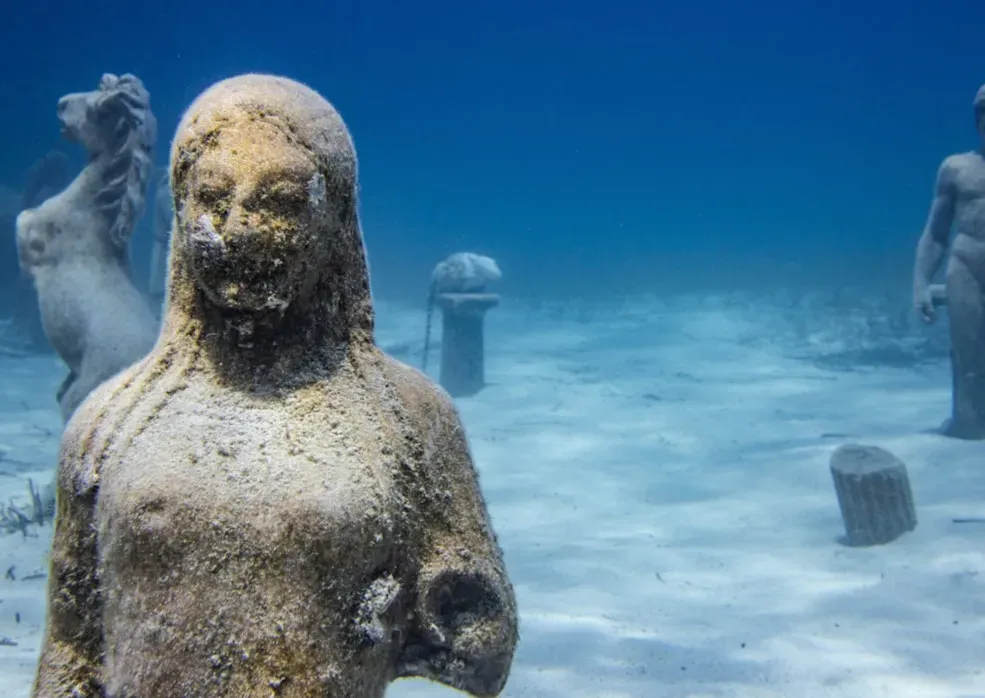
Atlantis is arguably the most famous lost city of all time, and yet it began as a philosophical story, not a travel report. Described by the Greek philosopher Plato as a powerful island civilization that sank in a single day and night, Atlantis has been placed almost everywhere: in the Atlantic Ocean, the Mediterranean, the Caribbean, Antarctica, and even under the Sahara. Modern research has tested some of these ideas with underwater surveys and geological studies, but no single site has matched the scale and detail of Plato’s description convincingly.
Part of what makes Atlantis so irresistible is that it blends disaster, moral warning, and grandeur in one neat package: a superpower punished for its arrogance by nature itself. Some scholars argue that Plato may have drawn inspiration from real events, like the devastating eruption of Thera (Santorini), but that his story is more allegory than history. Still, every time underwater ruins are photographed or sonar maps reveal odd shapes on the seafloor, Atlantis rises again in the public imagination. It’s less a single city now and more a symbol of the lost “golden age” people desperately want to believe once existed.
El Dorado – The City of Gold That Never Stops Moving
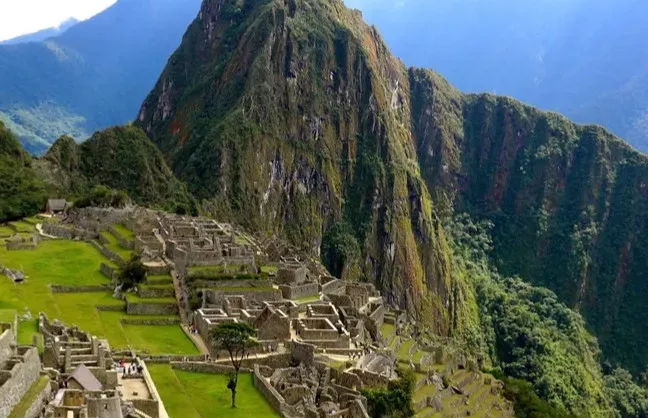
El Dorado started as a story about a man, not a city: a ruler said to cover himself in gold dust and wash it off in a sacred lake somewhere in the highlands of South America. Over time, European imagination inflated this into an entire golden city, then a golden kingdom, and finally a glittering empire hidden somewhere in the jungles or mountains. Expeditions in the sixteenth and seventeenth centuries charged into the Amazon and the Andes searching for it, many of them ending in failure, hunger, and disease.
What’s fascinating is how El Dorado kept “moving” on the map every time someone failed to find it – shifted further inland, deeper into the jungle, just beyond the latest expedition’s reach. Modern archaeology has revealed that pre-Columbian societies in the Amazon were far more complex than previously assumed, with vast networks of earthworks and settlements, but nothing like the literal city of solid gold that early conquerors imagined. In a way, El Dorado shows how greed can create its own geography: an ever-retreating mirage at the edge of human desire. The legend survives because it says less about South America, and more about the people who went chasing it.
Lyonesse – The Sunken Realm off Britain’s Western Edge
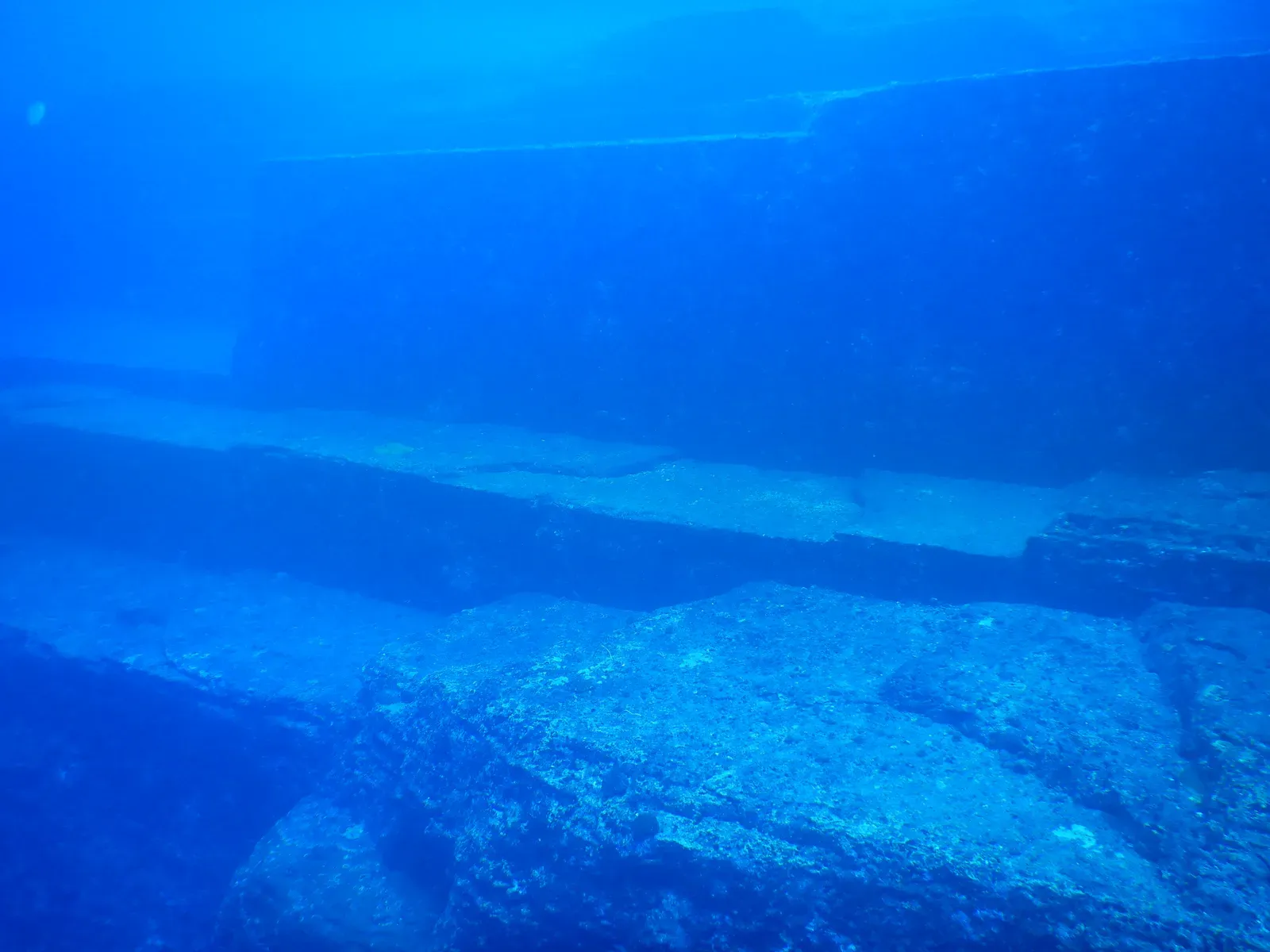
Off the coast of Cornwall in southwestern England, local stories tell of a drowned land called Lyonesse that once stretched out toward the Isles of Scilly. According to legend, it was a rich country with dozens of churches and fertile fields, swallowed by the sea in a single catastrophe, leaving only scattered islands behind. Sailors have spoken of hearing bells under the water, and for centuries people have pointed to submerged stone structures or odd sandbanks as hints of a lost landscape below the waves.
Geologists do know that sea levels around Britain have risen dramatically since the end of the last Ice Age, and there were once larger stretches of land on what is now the seabed. Some researchers have proposed that memories of real coastal flooding or storm surges might have contributed to the Lyonesse myth. Yet no clear archaeological evidence of a dense urbanized region has ever been found there, and mapping of the seafloor hasn’t revealed a neat drowned city. Lyonesse now lives mostly in literature and local folklore, a kind of Atlantic cousin to Atlantis – close enough to imagine seeing its rooftops on a calm day, just far enough to stay out of reach.
Thule – The Mysterious Edge of the Ancient World
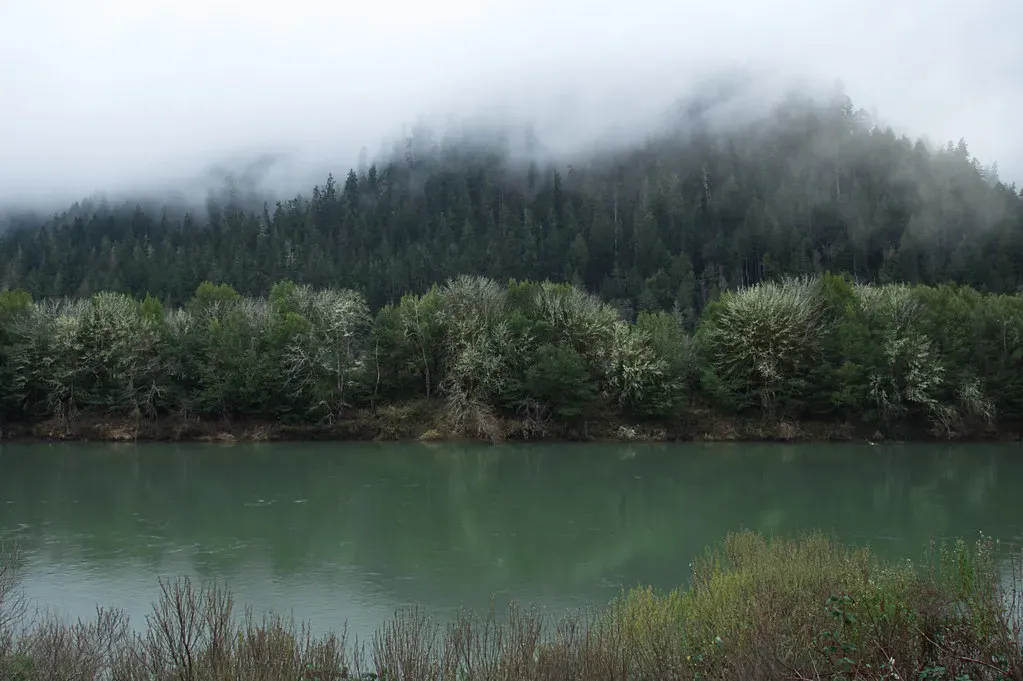
To ancient Greek and Roman writers, Thule was the name given to a land at the very edge of the known world, somewhere far to the north where the sun behaved strangely and the seas might be partly frozen. The descriptions are vague but evocative: a place where days and nights were distorted, perhaps hinting at regions inside the Arctic Circle. Over the centuries, people have tried to pin Thule to Scotland, Iceland, Norway, the Faroe Islands, and even parts of Greenland, but no definitive match has been agreed upon.
The real puzzle with Thule is that it might be a blend of different reports over many voyages, mashed into a single “ultimate north” in the ancient imagination. With our satellites and GPS, it’s odd to think that an entire region could linger as a semi-myth, but that’s exactly what Thule has become. Modern historians argue over navigation distances and sea routes, yet the name has drifted into symbolism, standing for any remote, almost unreachable place. In that sense, Thule is less a traditional lost city and more a lost horizon line, an address for our curiosity about what lies beyond the map’s final edge.
Zerzura – The White City of the Sahara Desert
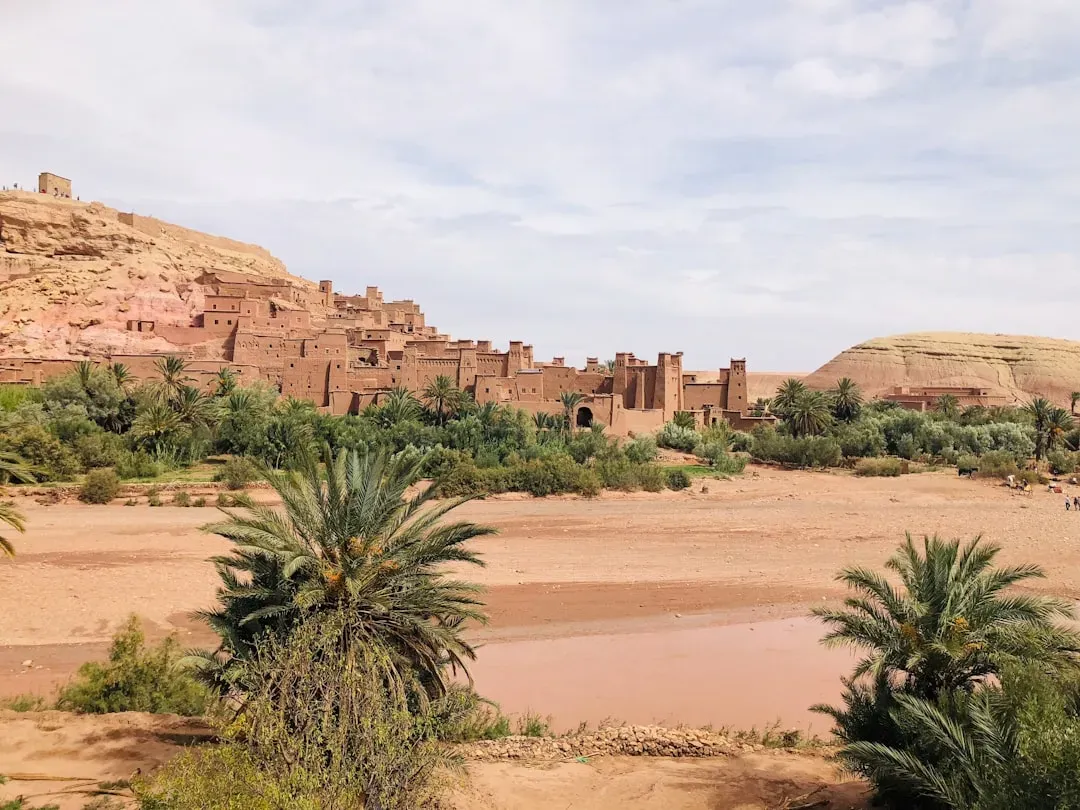
In medieval Arabic texts, there are tantalizing references to a hidden oasis city called Zerzura somewhere in the Sahara, described as a “white city” filled with treasure and guarded by mysterious people. European explorers picked up the legend centuries later and began searching for it in the nineteenth and early twentieth centuries, combing the vast desert plateaus and wadis of Egypt and Libya. Several expeditions claimed to have found unusually lush or isolated valleys, but none could prove the existence of a major, organized city that fit the full romantic description.
What we do know today is that the Sahara’s climate hasn’t always been as harsh as it is now, and satellite imagery has revealed ancient riverbeds and traces of past human settlement in regions that look absolutely lifeless on the surface. Some historians suspect Zerzura may have referred to one or more real oases that thrived during wetter periods, later exaggerated by storytellers. Still, the idea of a pristine white city, like a mirage frozen in time, continues to pull at people. In a desert so large and unforgiving, it’s easy to believe that something significant could still be hiding in a remote basin we’ve walked past without understanding what was under our feet.
Iram of the Pillars – The Vanished City of the Desert People
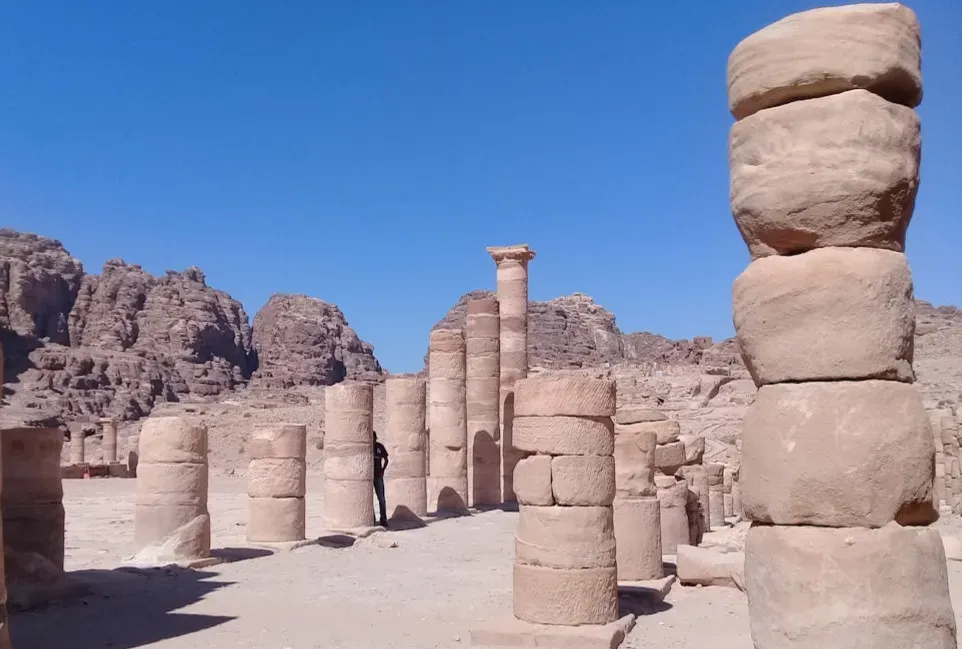
In early Islamic tradition, there are references to a city called Iram, sometimes called Iram of the Pillars, associated with a powerful and arrogant people who were destroyed for their excess. The name evokes towering columns and impressive architecture, standing out dramatically from the surrounding desert. For a long time, many scholars saw Iram as mostly symbolic, a moral warning rather than a literal place. However, archaeological discoveries in the Arabian Peninsula in the late twentieth century fueled new debates about whether the legend might have some historical core.
One proposed candidate has been a site associated with the ancient frankincense trade routes in the region of modern Oman, where remains of a once-important trading settlement have been found. Some researchers suggested that parts of this complex, connected to caravan routes and possibly damaged by the collapse of a limestone cavern, might align with aspects of the Iram story. Yet the evidence is still debated, and there is no absolute consensus that this settlement is the legendary city itself. As a result, Iram remains suspended between text and sand, half rooted in archaeology and half drifting in the realm of cautionary tale.
Ys – The Cathedral City Swallowed by the Sea
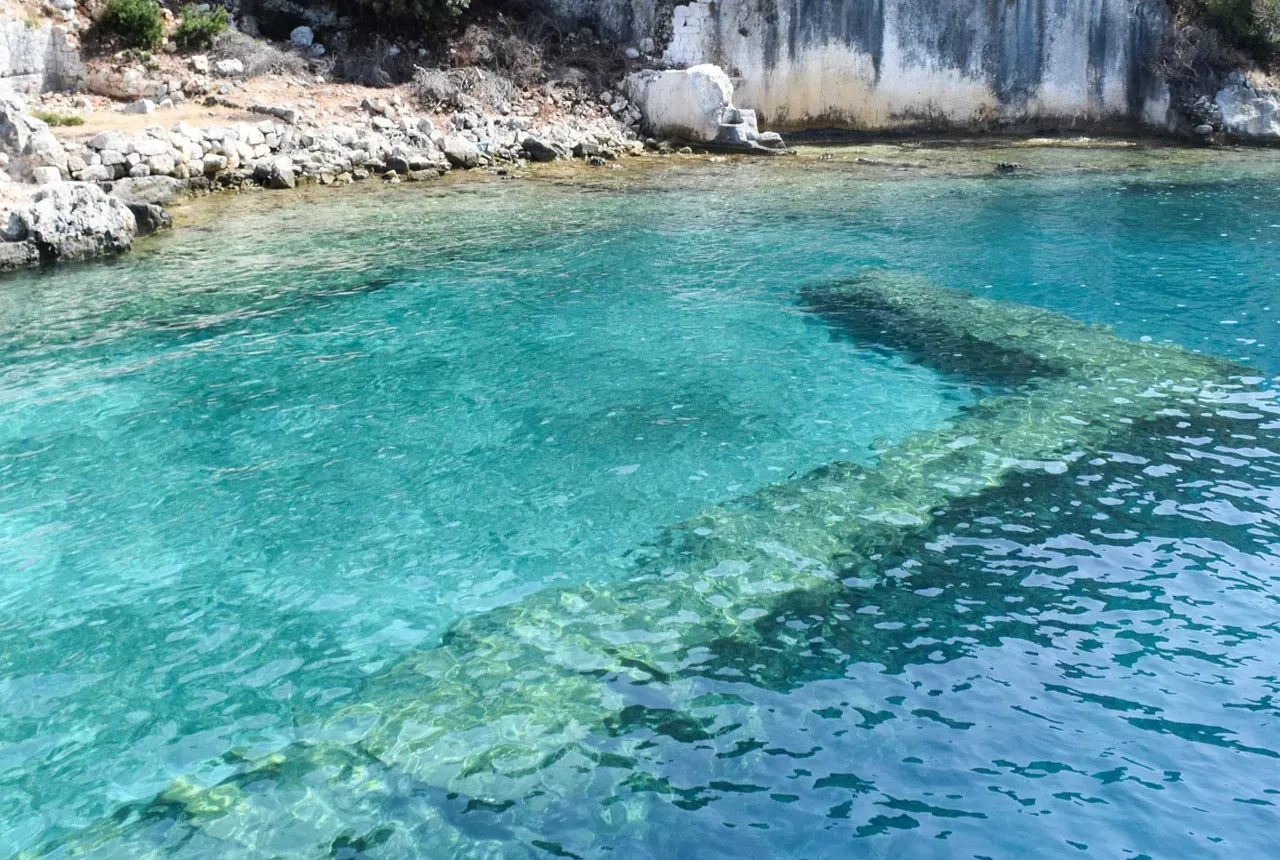
Along the coast of Brittany in France, stories are told of a splendid city named Ys that once lay below sea level, protected by mighty dikes and gates. According to legend, it was famed for its beauty and its cathedral, but moral decay and a catastrophic mistake led to the gates being opened and the Atlantic surging in to drown the city. Fishermen and coastal residents have passed down tales of seeing rooftops under the waves or hearing phantom bells ringing during storms, giving the story an eerie, almost personal touch.
From a historical standpoint, there’s no clear archaeological evidence for a city exactly matching the description of Ys, but the coastline of Brittany has experienced serious erosion, storm damage, and gradual sea-level change over centuries. Some scholars suggest that memories of real floods or lost coastal settlements could have combined with religious storytelling to produce the legend. Whether rooted directly in one place or not, Ys echoes a common European fear: that the sea, held back only by human engineering, might one day reclaim everything. It’s a myth that hits close to home in an era when rising sea levels are a very real concern.
Akhetaten (Amarna) – The City We Know, But Not Entirely
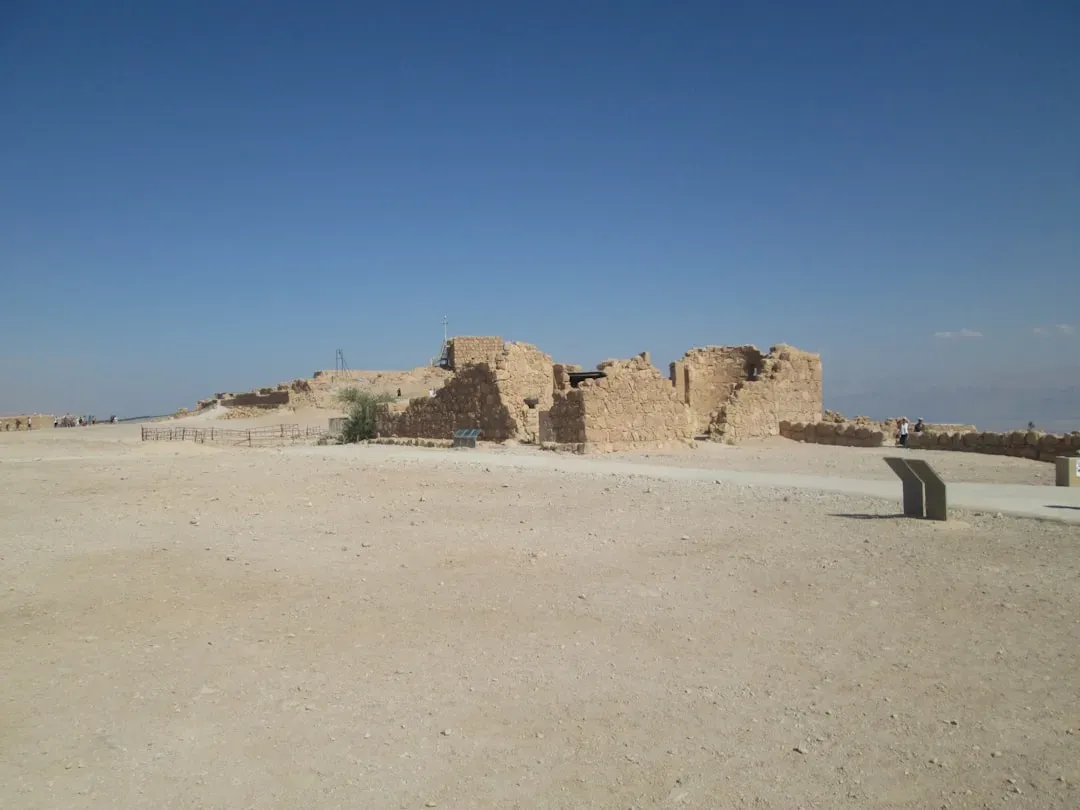
Unlike many lost cities on this list, Akhetaten – better known today as Amarna – has been physically found and extensively excavated in central Egypt. Built by the pharaoh Akhenaten in the fourteenth century BCE as the center of a radical new religion focused on the sun disk, it was abandoned only a few years after his death. The city’s remains lie along the Nile, and archaeologists have recovered houses, palaces, workshops, and thousands of artifacts. So why does it still belong in a discussion of “lost” cities whose locations elude us?
The tricky part is that the boundaries and full spread of Akhetaten’s urban life are still not completely mapped or understood, especially the broader hinterland of smaller communities tied into its rapid rise and collapse. Some scholars argue that satellite imagery and ground surveys hint at additional zones of activity beyond what has been thoroughly studied, blurred now by agriculture and modern development. In a deeper sense, Akhetaten is “lost” because the very idea of the city – how it functioned daily and how its people experienced such a sudden religious experiment – is only partially reconstructed. We know where its stones lie, but crucial pieces of its living geography remain frustratingly out of reach.
Ciudad Blanca – The “White City” of Central American Legend
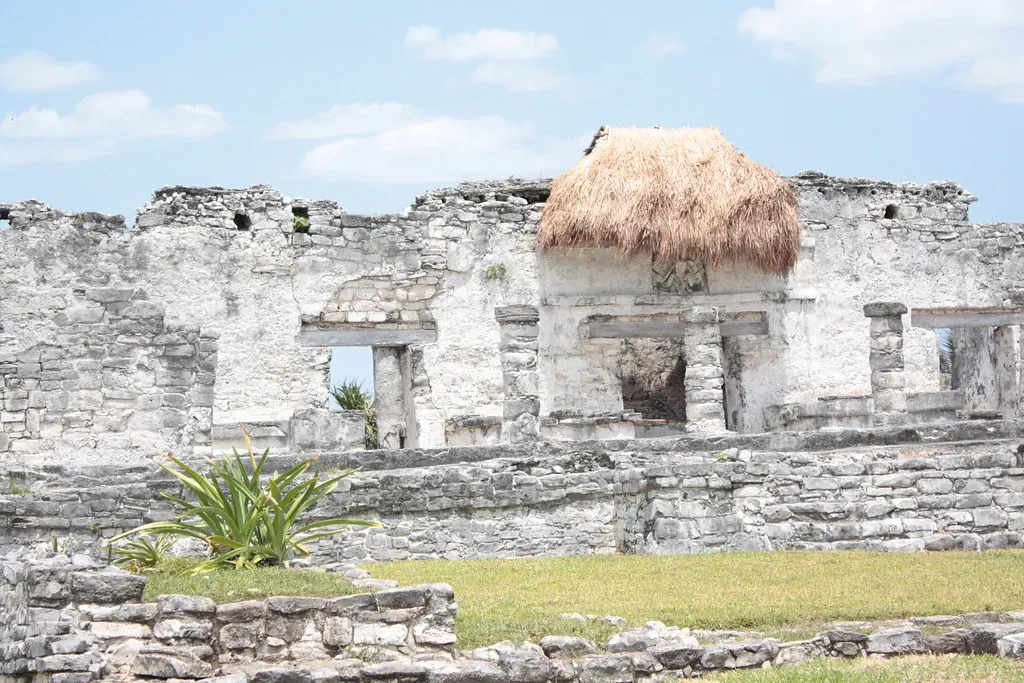
In the dense forests of eastern Honduras and neighboring regions, Honduran and Indigenous stories have long spoken of a hidden city sometimes called Ciudad Blanca, or the White City. Early twentieth-century explorers, pilots, and adventurers claimed to see pale stone structures from the air or stumble upon carved artifacts deep in the jungle. For decades, the idea of a lost jungle metropolis – untouched, pristine, and waiting like something from an adventure novel – captured imaginations far beyond Central America.
In recent years, advanced mapping technologies like airborne laser scanning have revealed previously unknown archaeological sites in the region, including complex urban settlements with plazas, earthworks, and monumental architecture. These discoveries have been widely reported and have sometimes been associated in popular media with the Ciudad Blanca legend. However, professional archaeologists have been cautious about tying any single site definitively to the mythical White City, noting the danger of over-romanticizing or misrepresenting local history. At this point, we know there were advanced cultures in those forests, but whether any one of their cities deserves the single name Ciudad Blanca is still an open question.
Ophir – The Wealthy Source Behind Biblical Gold

In the Hebrew Bible, Ophir is mentioned as a distant, wealthy land from which ships brought back staggering amounts of gold, as well as exotic goods like precious woods and stones. For centuries, this mysterious place has been located almost everywhere: on the coasts of southern Arabia, along the eastern shores of Africa, in India, or even farther east. Its exact location matters because it touches on old trade routes that once stitched together huge portions of the ancient world, well before modern globalization.
Modern scholars have used linguistic clues, ancient ship technology, and trade patterns to test different hypotheses, but none has won universal acceptance. Archaeological finds along the Red Sea and Indian Ocean show that long-distance maritime trade did exist and could have connected multiple regions described in such stories. Still, without a clear inscription or unmistakable marker saying “this is Ophir,” the name floats free, hovering like a tag with no confirmed map pin. In the end, Ophir has become shorthand for the dream of a single, almost impossibly rich port that supplied treasure to mighty kings and then vanished without leaving a proper forwarding address.
Why We Still Chase Cities That May Never Reappear
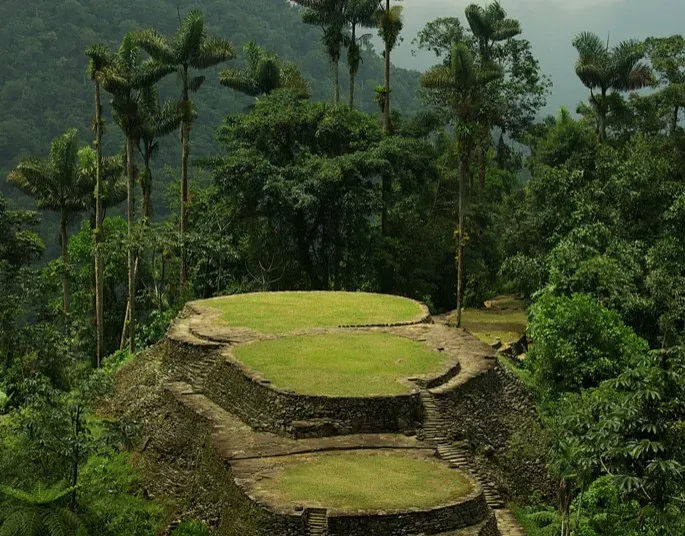
Looking across these ten lost cities, a pattern emerges: each one sits at a crossroads where real landscapes, partial memories, and human imagination overlap. Some, like Akhetaten and the jungle sites linked to Ciudad Blanca, have stones we can touch but stories we barely grasp. Others, like Atlantis or El Dorado, may be stitched together from fragments of reality and layers of wishful thinking, growing larger and shinier every time they are retold. In every case, the uncertainty itself is the engine that keeps new theories and expeditions alive.
Even with satellites, drones, and ground-penetrating radar, there are still thick jungles, shifting deserts, and drowned coastlines that refuse to tell us everything. That stubborn mystery is part of why these legends endure: they remind us there are still gaps in our picture of the past, places on the mental map that say “here might have been something extraordinary.” Whether these cities are ever located beyond serious doubt or remain forever in the borderland between myth and history, they push us to keep asking questions about how civilizations rise, fall, and disappear. If you could prove the truth behind just one of them, which lost city would you choose to finally bring back into the light?