If you picture a giant clam, you probably see a cartoonish shell snapping shut on some unlucky diver’s foot. The real animal is far stranger, gentler, and more impressive than that. When you look closer, you find a creature that builds reefs, farms solar power, and quietly rewrites what you think you know about life in the ocean.
As you explore these ten facts, you’ll see how a giant clam becomes less of a background prop and more of a main character in the reef story. By the end, you may never look at a shell on the seafloor the same way again – and you might even feel a little protective of these slow, glowing giants.
1. You’re Not Looking at a Predator – You’re Looking at a Farmer
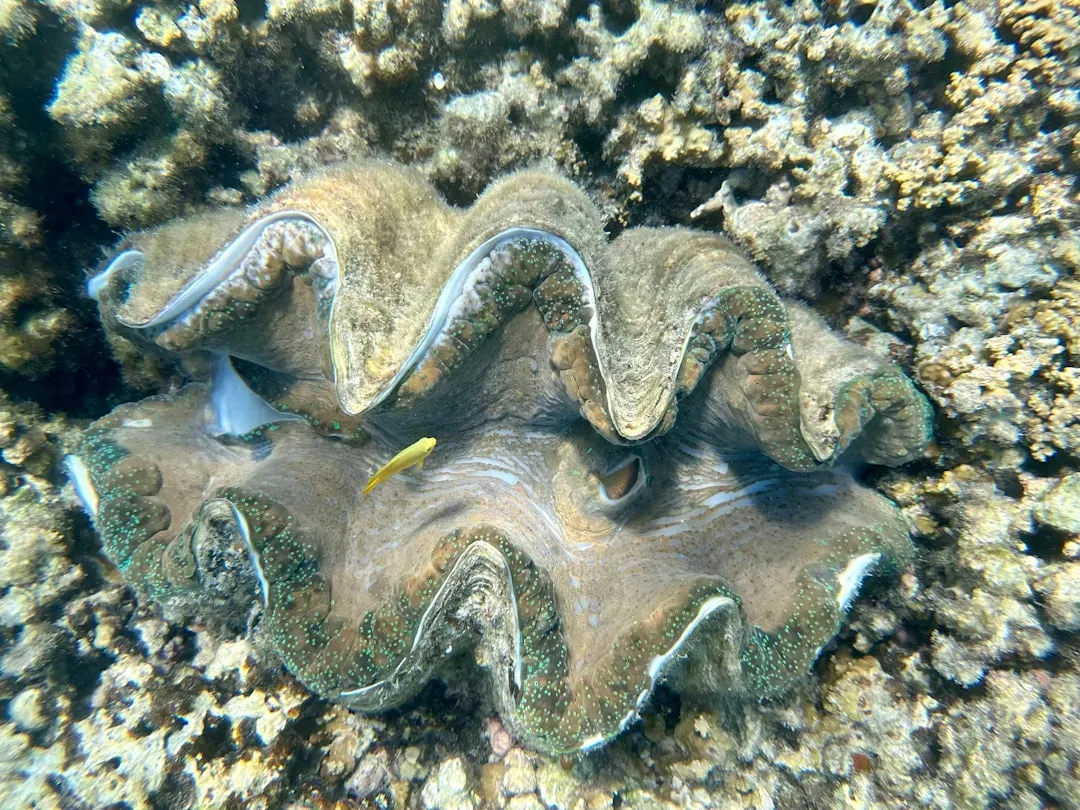
When you see those huge shells, your brain might jump straight to danger, but a giant clam is not waiting to snap shut on you. Instead, it spends its life farming microscopic algae inside its tissues, trading shelter and nutrients for sugar and energy. You are basically looking at a living greenhouse that just happens to be wrapped in stone-hard armor.
This partnership, called symbiosis, lets the clam survive in clear, nutrient-poor tropical waters where food can be surprisingly scarce. Instead of chasing anything, it simply opens up, shows off its colorful tissue, and lets sunlight fuel its personal crop of algae. If you think about it, that makes this animal less of a monster and more of a patient, sun-powered farmer.
2. A Giant Clam Can Weigh More Than a Small Car
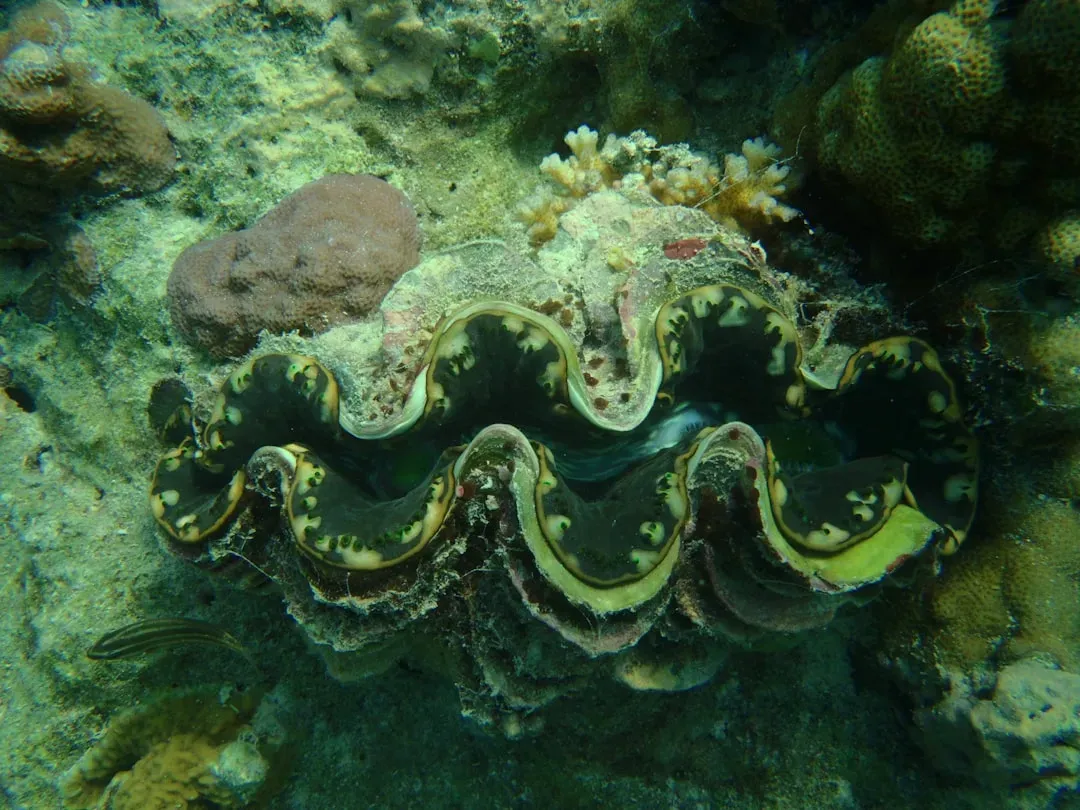
You might expect a big seashell to be heavy, but a fully grown giant clam can easily surprise you. Some individuals reach over a meter long and weigh hundreds of kilograms, with the majority of that weight coming from the thick, layered shell. If you tried to budge one by hand, you would feel like you were pushing a concrete block set into the seafloor.
What really resets your expectations is realizing how long it takes to get that big. You are looking at decades of slow mineral layering, with calcium carbonate built up millimeter by millimeter. That shell becomes so massive and dense that storms, waves, and many predators simply cannot move it, turning the clam into a permanent, heavy-weight resident of the reef.
3. Those Wild Colors Are Living Solar Panels
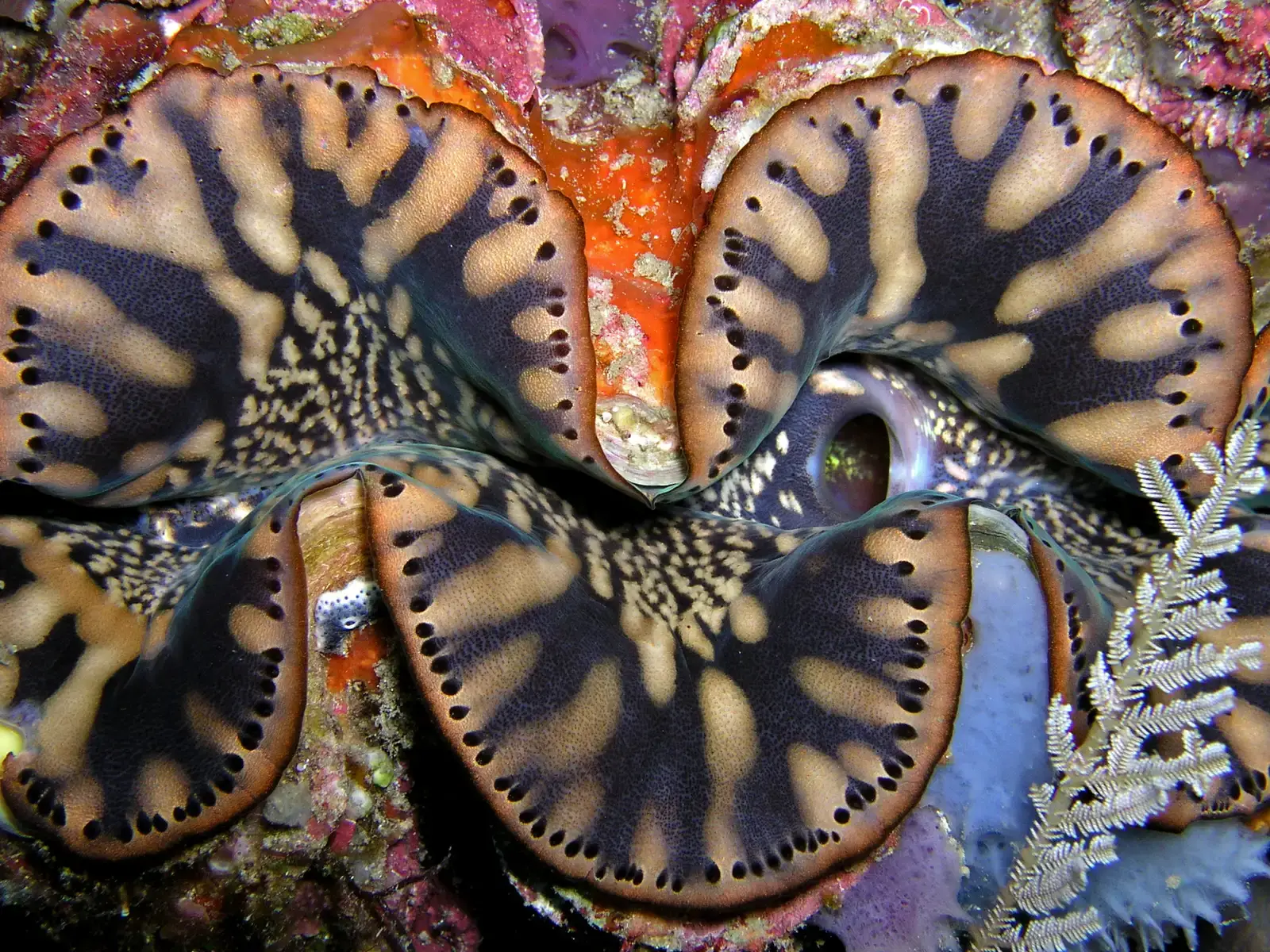
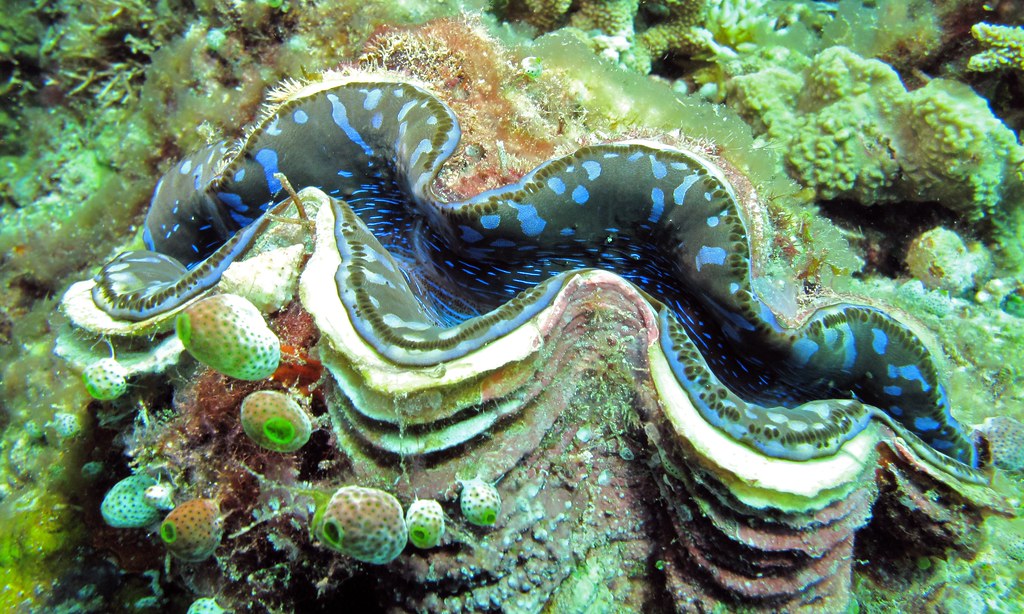
When you see a giant clam in clear water, its mantle often glows with blues, greens, golds, and purples that look almost unreal. You might think it is just decoration, but you are actually looking at a carefully tuned light-management system. The clam uses special cells and structures to scatter, filter, and redirect sunlight to the algae living inside it.
Instead of letting harsh tropical light burn its tissues, the clam turns that glare into usable energy. Some parts of the mantle act like tiny skylights, spreading light deeper into the algae-rich layers, while other parts act more like sunscreen. You are essentially watching a biological solar farm that knows how to handle too much sun better than most rooftop panels.
4. Giant Clams Help Build and Protect Coral Reefs
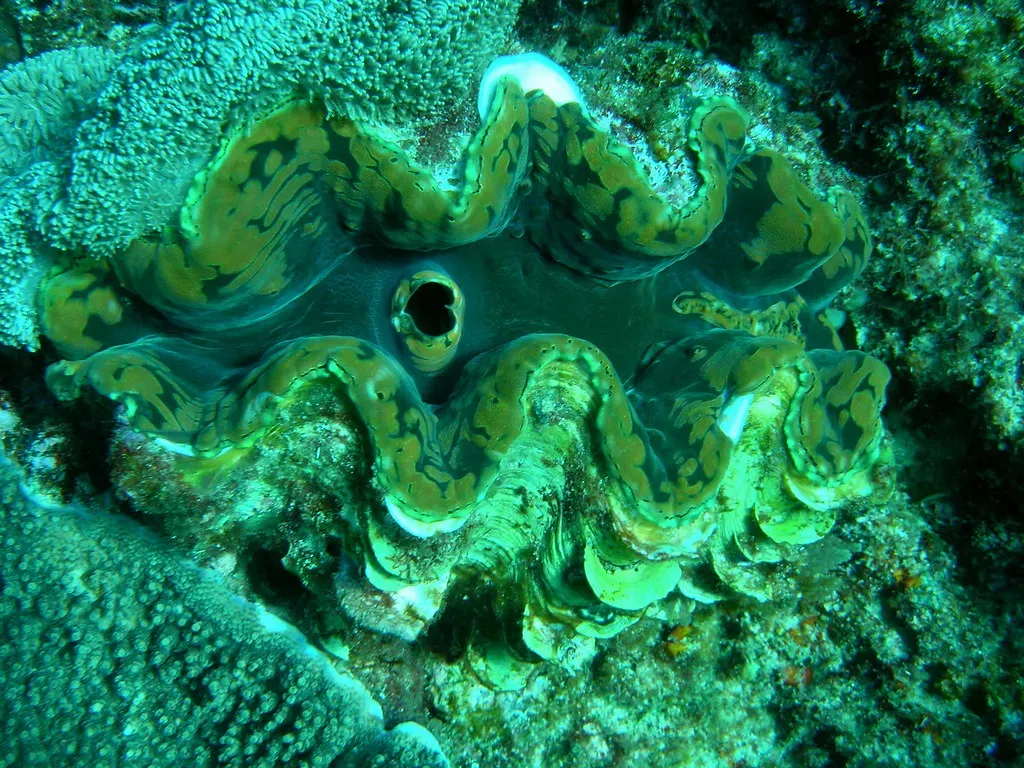
You might assume coral reefs are all about corals, but giant clams quietly add serious structure and stability to these ecosystems. As they grow, their heavy shells lock into the reef and create nooks, cracks, and ledges that shelter fish, crabs, snails, and countless other small creatures. You can think of each big clam as a tiny apartment building on the reef, complete with shade and hiding spots.
On top of that, the clam’s algae-fueled lifestyle helps recycle nutrients in a place where every scrap of food matters. Waste products and mucus released by the clam become food for other reef dwellers, feeding whole mini-communities. When you zoom out, you see how these animals act as both architects and caretakers for the neighborhoods they inhabit.
5. They Start Life Tiny and Drift Like Dust
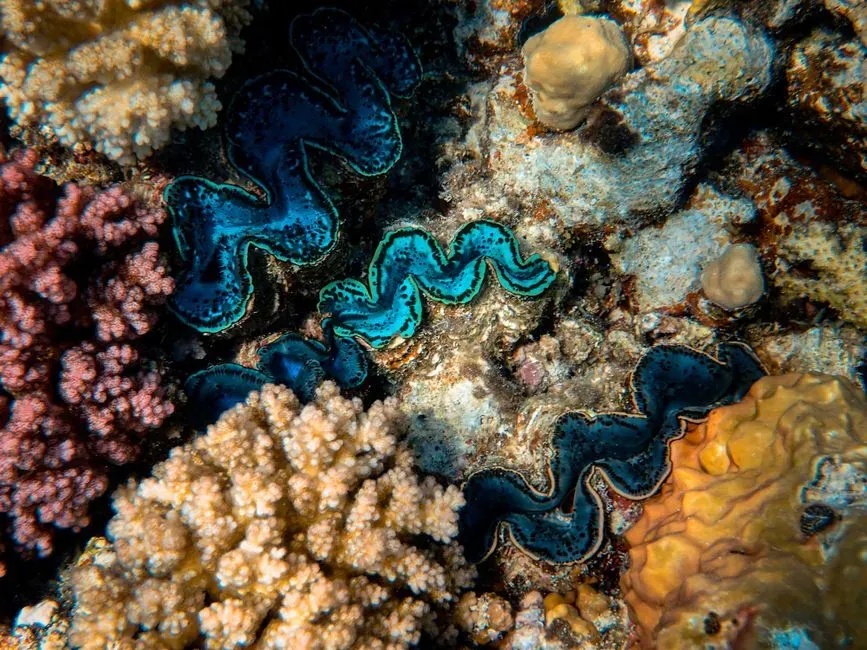
When you look at a massive clam cemented to the bottom, it is hard to imagine it ever moved at all. Yet in the beginning, it is a microscopic larva floating freely in the open ocean, invisible to your eye. For a while, it drifts on currents like dust in a sunbeam, vulnerable to everything that eats plankton.
Only later does it settle onto the seafloor, attach itself, and begin the long, patient climb toward giant size. That early drifting stage helps the species spread from reef to reef, even though the adults never relocate once they have picked their spot. The next time you see a giant clam, you can picture it as a former speck of life that somehow beat the impossible odds of planktonhood.
6. A Giant Clam Can Live Longer Than You Do
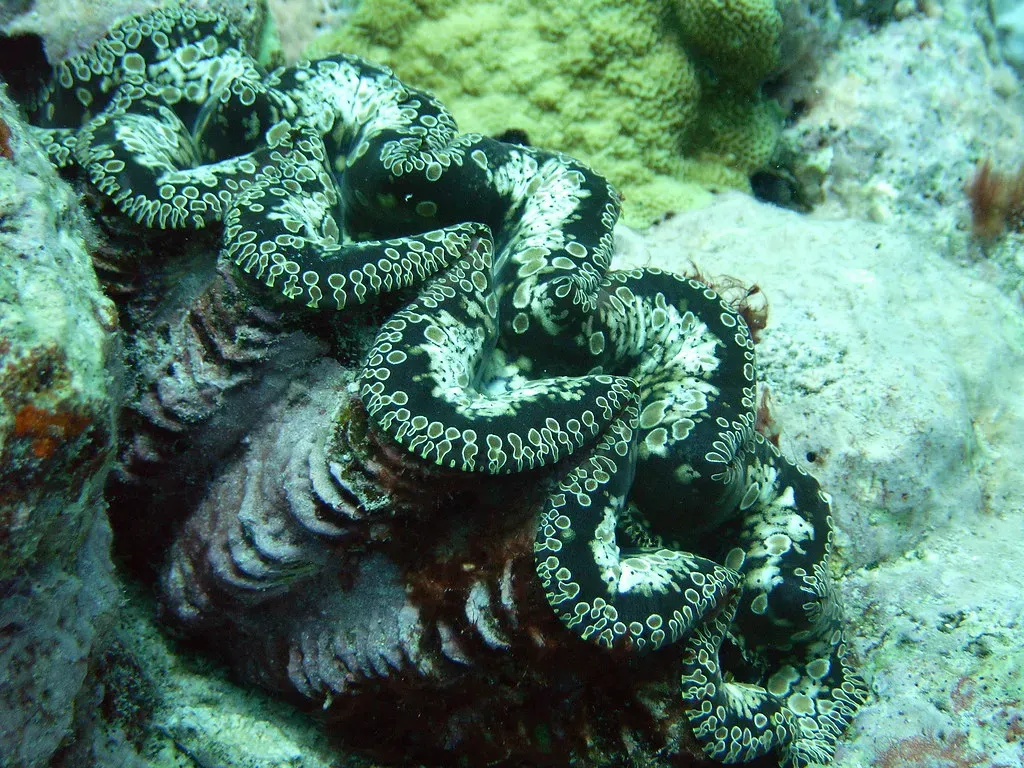
You may think of clams as simple, short-lived animals, but a giant clam can outlast human generations. Some individuals are believed to live for many decades, slowly thickening their shells year after year. If you are standing over an old giant clam, you are facing a creature that might have been there before you were born.
That long life is recorded in the shell like growth rings in a tree. Each layer reflects the conditions the clam lived through, from good years to stressful ones. Scientists can read those layers and learn about past ocean temperatures and chemistry, which means your clam is not only an elder of the reef but also a living environmental archive.
7. They Are Not the Man-Eaters You Were Told About
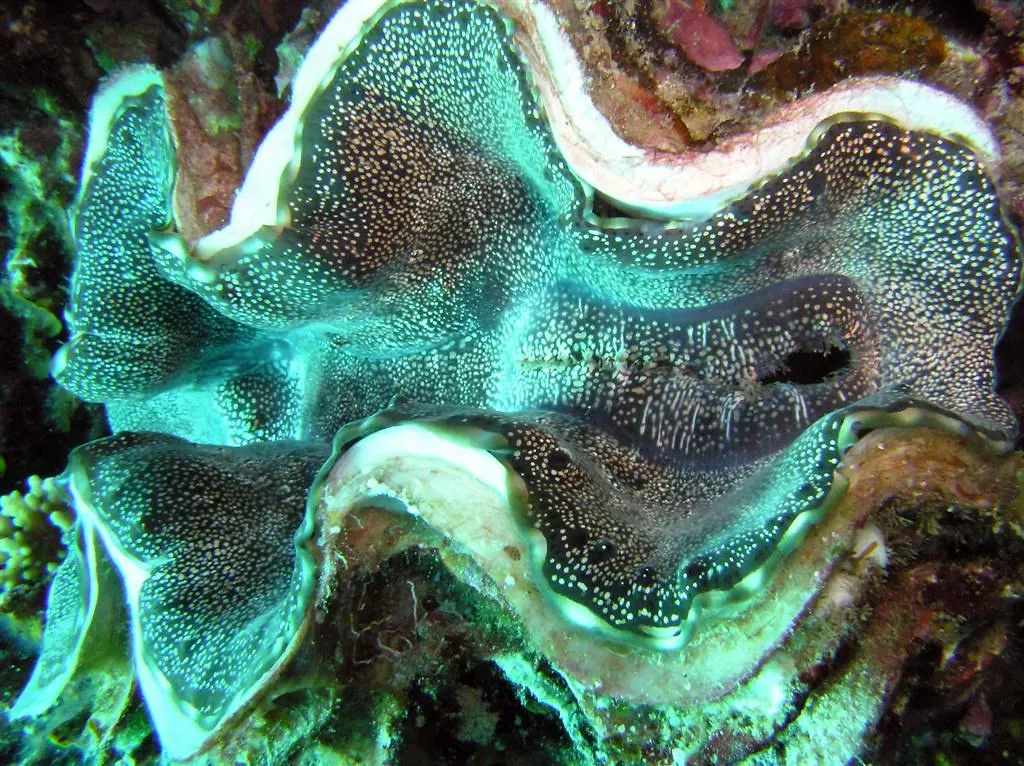
If you grew up hearing stories about divers getting trapped in giant clams, you are carrying around a myth. These animals can close their shells, but they do it slowly and mostly as a defensive reflex against shadows or touch. If you put your hand in, you would have plenty of time to pull it back long before anything serious happened.
In reality, the clam has no interest in eating you or any other large animal. It feeds by filtering tiny particles from the water and harvesting energy from its algae, not by hunting. When you let go of the old man-eating idea, you start to see the clam less as a threat and more as a cautious, light-loving introvert that would rather be left alone.
8. You Can “Read” a Giant Clam’s Health by Its Glow
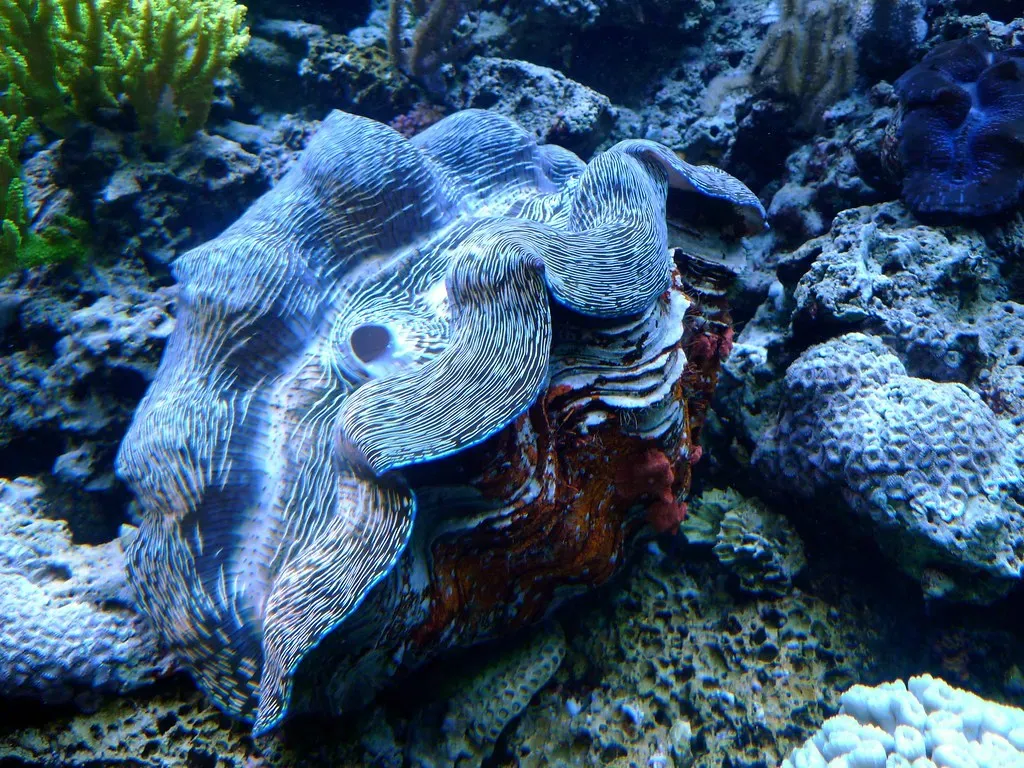
Once you get used to how a healthy giant clam looks, you can use your eyes to pick up subtle warning signs. A vibrant mantle that stretches wide, with clear patterns and strong colors, usually points to a thriving animal with happy algae. When that color fades, or the clam stops opening fully, you are seeing early signals of stress.
Changes in water temperature, pollution, or too much handling by curious divers can all show up as duller colors or sluggish behavior. In that sense, the clam behaves like a mood ring for the reef, reflecting broader environmental problems. When you learn to notice these shifts, you gain another quick, visual way to understand how the reef around you is doing.
9. They Reproduce in a Surprisingly High-Risk Way
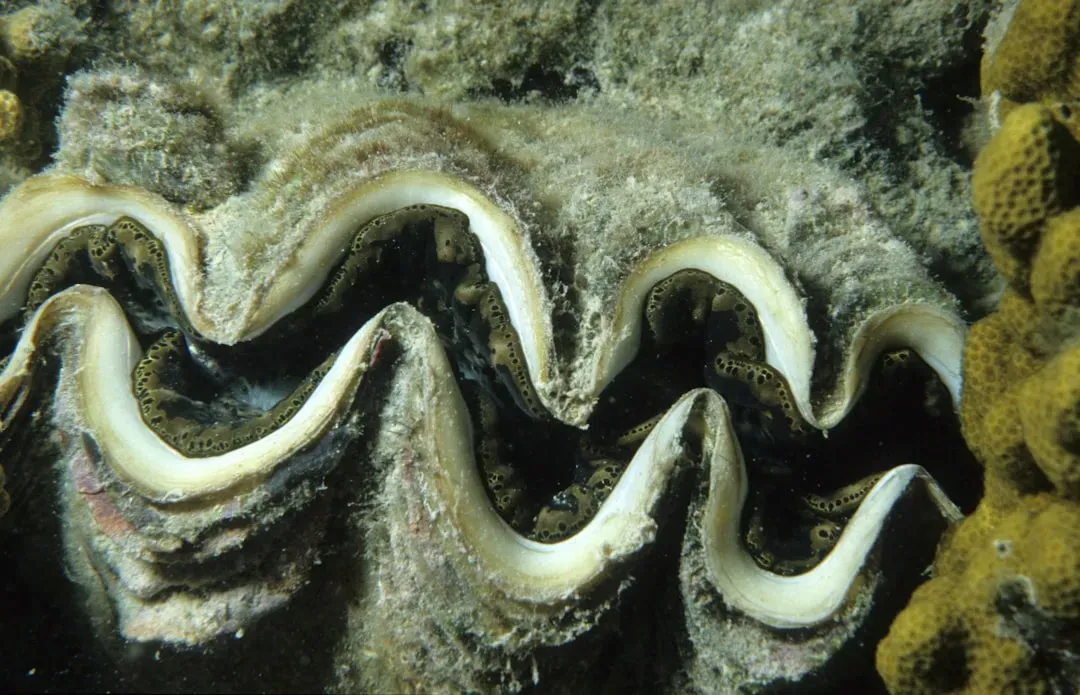
You might imagine giant clams carefully tending their young, but their actual strategy is more like rolling a handful of dice into the ocean. Adults release eggs and sperm into the water, often at the same time as other clams nearby, relying on currents to mix everything. Most of those cells will never meet a compatible match or survive long enough to become larvae.
To balance that risk, a single clam can release a huge number of reproductive cells in one event. You are watching a strategy built on sheer scale: create many chances and accept that only a few will succeed. It is a reminder that in the open sea, survival often depends not on precision planning, but on overwhelming numbers and lucky timing.
10. Your Choices on Land Reach All the Way to Their Reefs
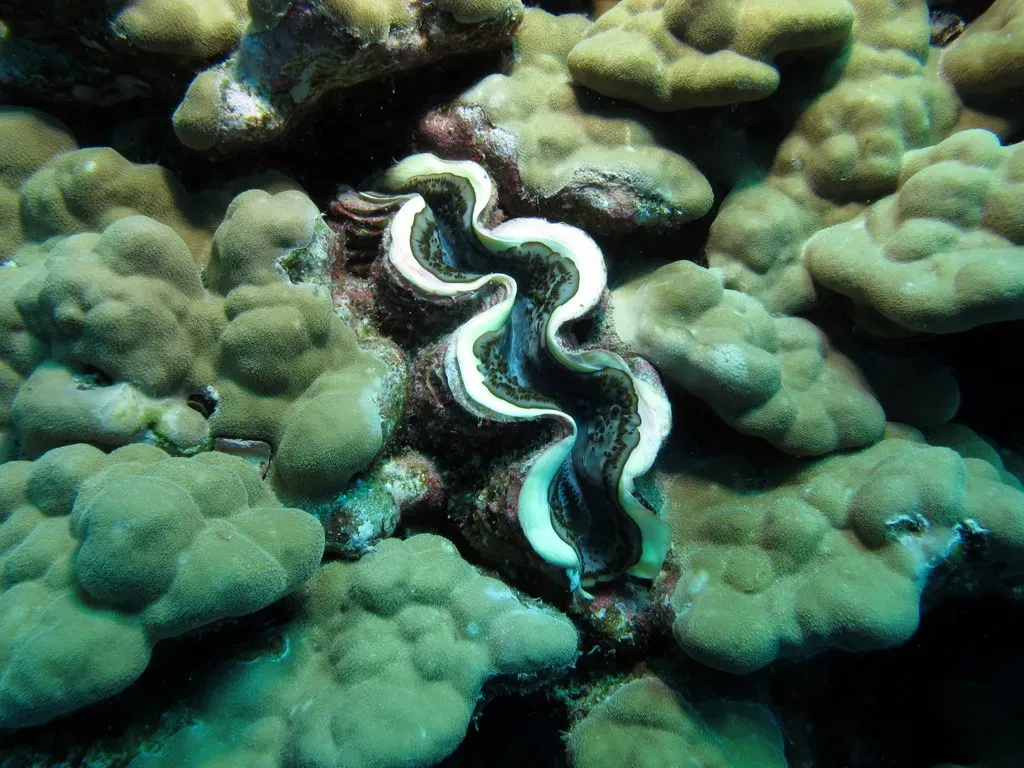
It is easy to think of giant clams as distant curiosities you might only see on a dive trip or in an aquarium. Yet the pressures they face often start much closer to your daily life, with coastal development, pollution, and climate change all tied to human activity. Warmer, more acidic seas and damaged reefs make it harder for clams to thrive, even if no one ever touches them directly.
On the other hand, your support for marine protected areas, responsible tourism, and sustainable seafood can help create safer spaces for these animals. When reefs are protected and water quality improves, giant clams have a better shot at surviving and rebuilding their populations. You may never meet the specific clam you are helping, but your choices still ripple out to its patch of reef.
Conclusion: Seeing the Giant Clam with New Eyes
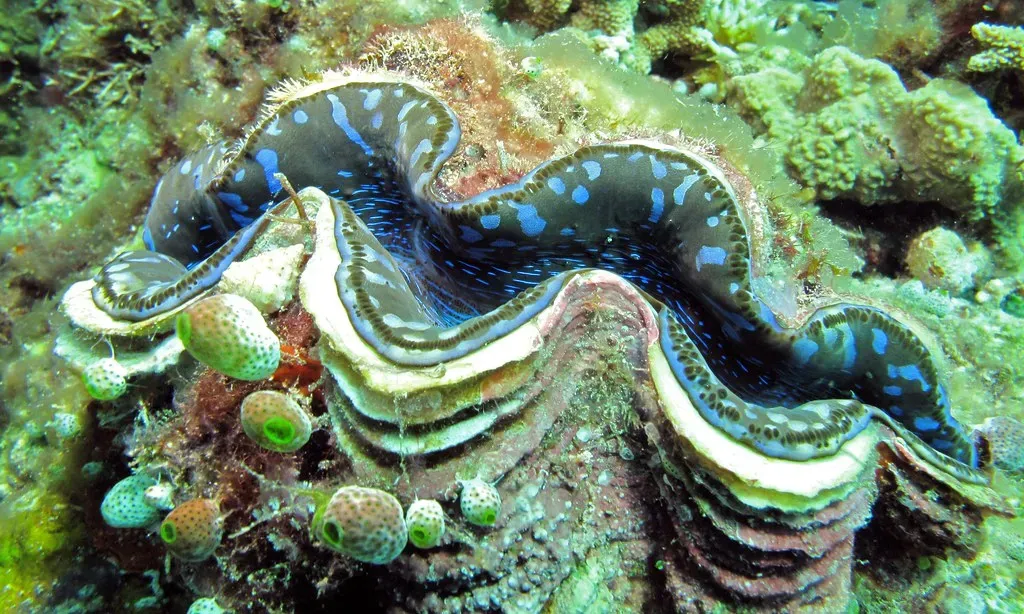
By now, you can see that a giant clam is far more than a big shell on the bottom of the sea. It is a solar-powered farmer, a long-lived reef builder, a nursery for other creatures, and a quiet witness to environmental change. Once you understand how much is going on inside that heavy shell, it becomes almost impossible to dismiss it as background scenery.
The next time you come across a photo or video of one, you will know you are looking at a complex life story built on light, patience, and resilience. And if you ever meet one underwater, you might feel a small jolt of respect for the glowing, immovable neighbor at your fins. Did you expect such a still, silent animal to be doing so much behind the scenes?