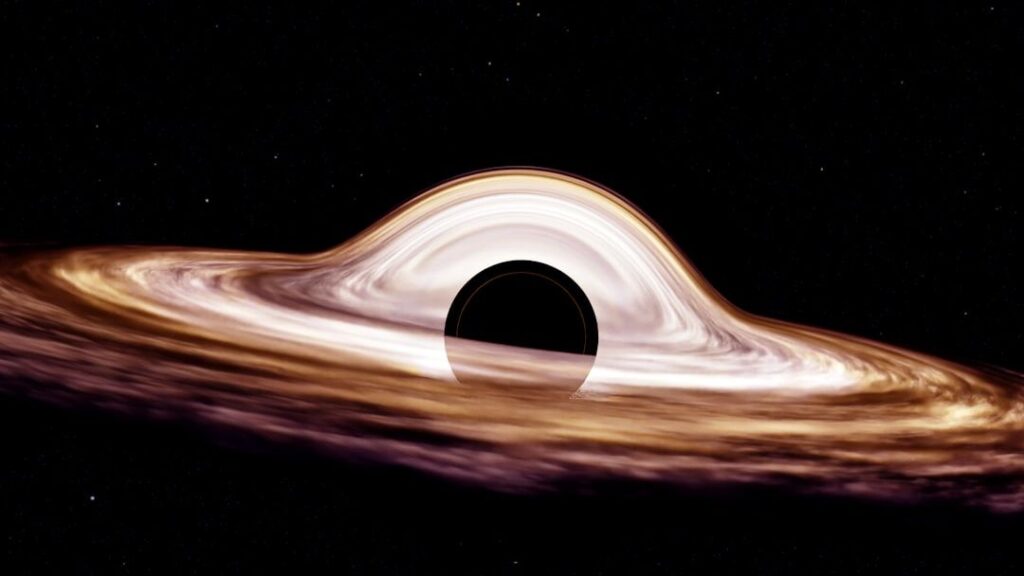

You probably think of black holes as cosmic vacuum cleaners, simple monsters that just swallow everything and call it a day. But the more closely you look at them, the stranger and more complicated they become. You are dealing with objects that literally bend space and time into knots, and even the best minds in physics still cannot agree on what exactly happens at their deepest core.
As you walk through these ten facts, you will notice a pattern: every time you think you understand black holes, they break the rules again. You will bump into paradoxes, see laws of physics pushed to breaking points, and realize that some of the universe’s biggest questions live right at the edge of a black hole’s shadow. By the end, you may not feel less confused – but you will definitely feel more amazed.
1. A Black Hole’s “Surface” Is Not Really a Surface
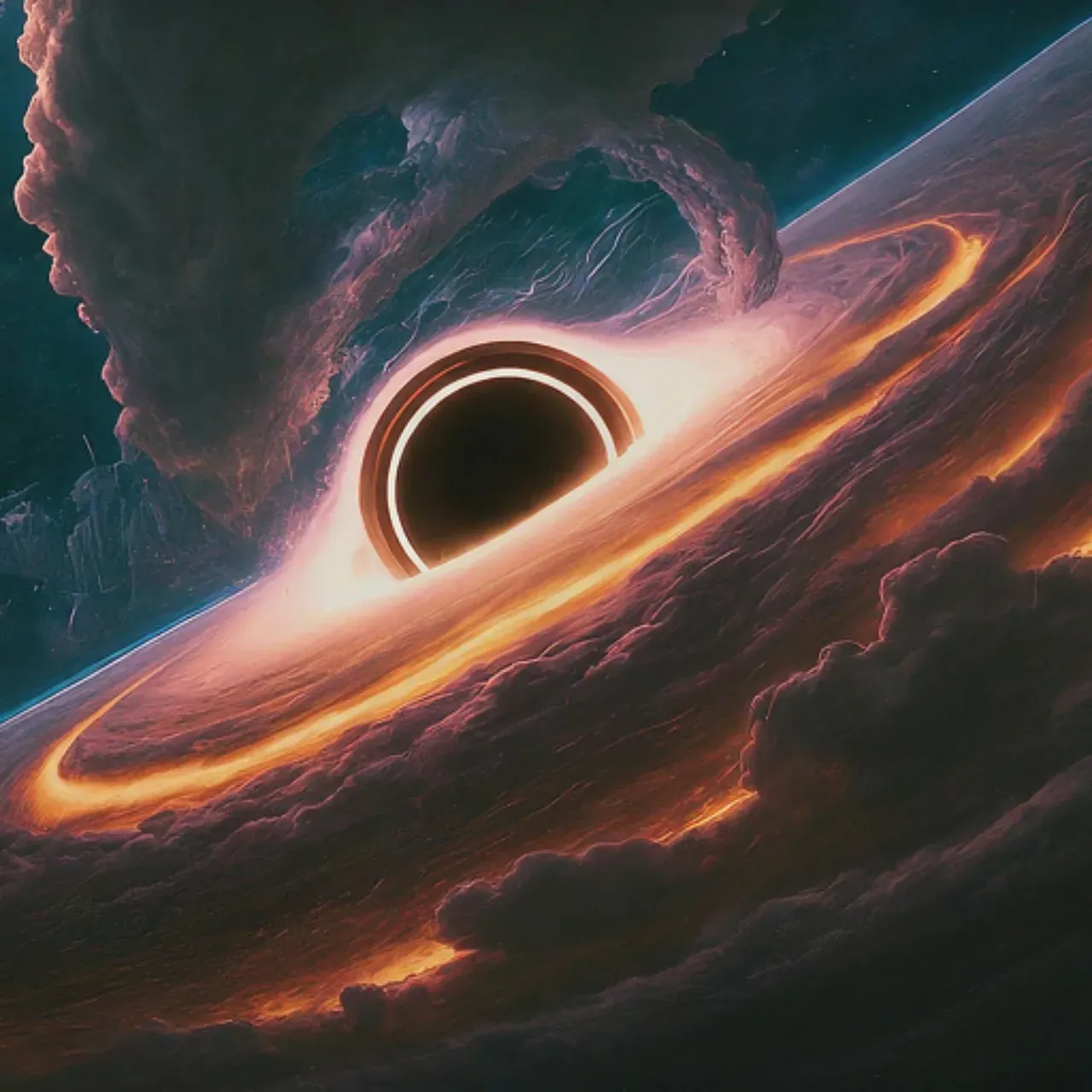
When you imagine a black hole, you might picture a solid, dark sphere, like a planet painted black. In reality, what you are looking at is more like a one-way border in spacetime called the event horizon. There is no physical shell, no wall to touch; you are crossing an invisible boundary where escape becomes impossible, even if you could move at light speed. From your point of view outside, this “surface” behaves like a real object, but for anything falling in, it is just another point in space.
The weird part is how time behaves as you approach this boundary. To you, watching from a safe distance, anything falling toward an event horizon appears to slow down, dim, and freeze just outside it, never quite crossing over. To the unlucky traveler plunging in, though, they cross the horizon in a perfectly normal amount of time and never notice anything special at that exact spot. You end up with two completely different realities, both valid, depending on where you are – and that still makes physicists uneasy.
2. At the Center, the Laws of Physics Seem to Break
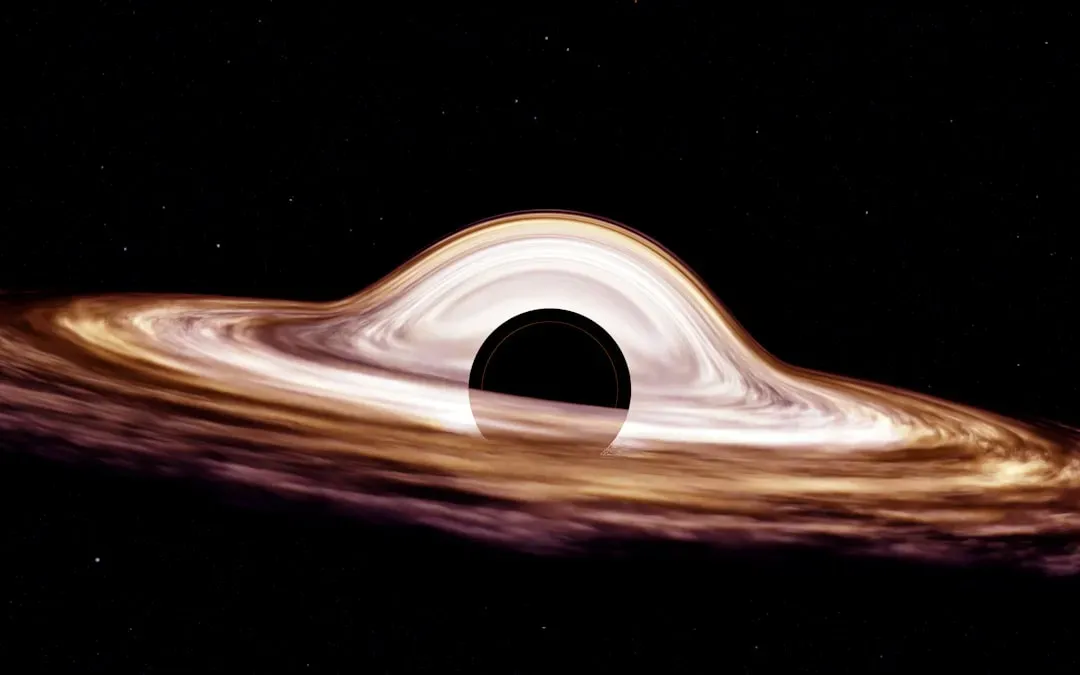
If you keep falling past the event horizon, theory says you eventually hit the singularity, a point where density becomes infinite and the known laws of physics simply fail. You are no longer dealing with matter in any familiar form; you are dealing with a place where space and time themselves are crushed. The equations of general relativity, which work beautifully almost everywhere else in the universe, spit out nonsense at this point.
Scientists suspect that the singularity is really a sign that your current theories are incomplete, not that nature literally allows infinite anything. You need a theory of quantum gravity – a framework that unites quantum mechanics with gravity – to describe what actually happens there. Right now, you only have rough candidates and thought experiments. So when you ask, “What do you really find at the center of a black hole?”, the honest answer is that nobody knows yet, and that uncertainty bothers physicists more than they like to admit.
3. Black Holes Are Not Completely Black
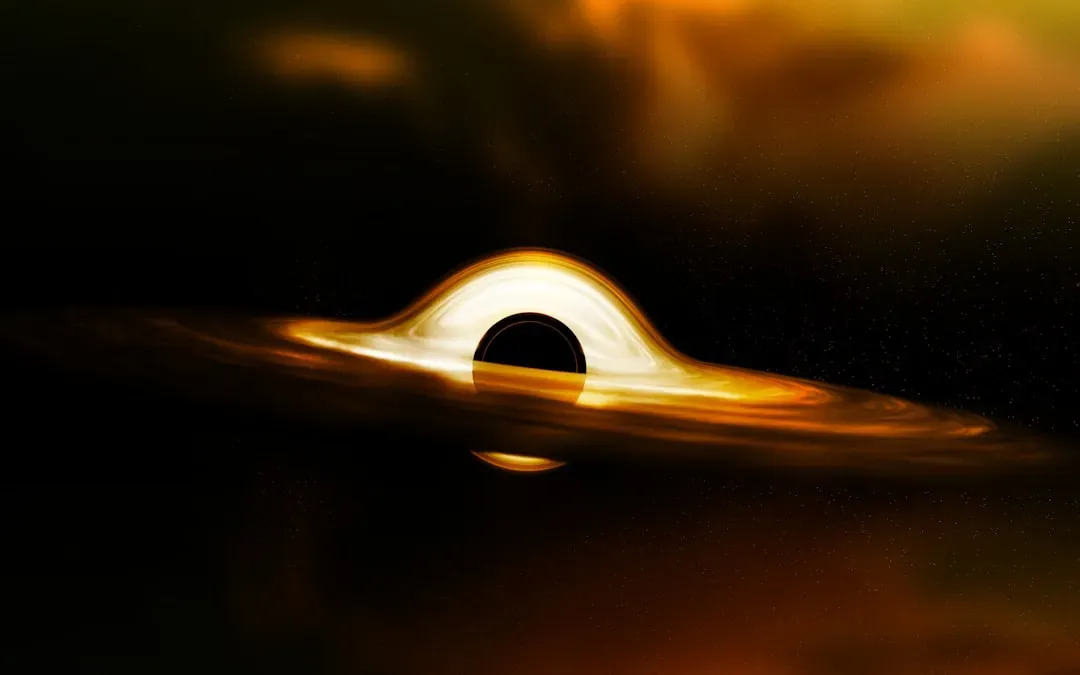
You might assume that “black” means absolutely no light escapes, ever. But when you mix gravity with quantum mechanics, you discover that black holes can slowly leak energy through what is called Hawking radiation. In simple terms, the strange quantum behavior of empty space near the event horizon lets a tiny trickle of energy escape, making the black hole gradually lose mass. Over incredibly long timescales, a black hole can, in theory, evaporate away completely.
This idea has a brutal consequence: if a black hole can disappear, what happens to all the information about the stuff that fell in? According to the rules of quantum physics, information about a system can never be completely destroyed, only rearranged. But if a black hole vanishes into a puff of radiation that looks almost featureless, you seem to lose track of that information forever. You are left with a direct clash between two core pieces of modern physics, and that clash still keeps people up at night.
4. The Information Paradox Still Has No Final Answer
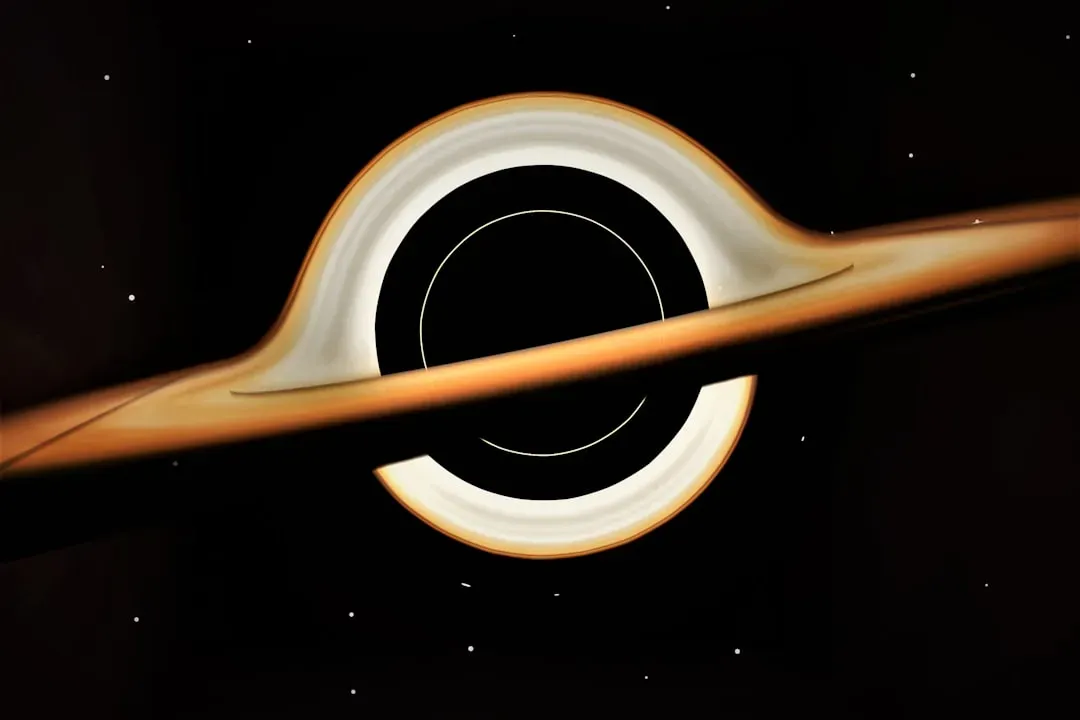
Imagine you throw a book, a star, or even yourself into a black hole. At the level of fundamental particles, all the information about what went in should still be preserved somewhere in the universe. Yet when you fast forward to the end of a black hole’s life, Hawking radiation appears to carry out only simple, random-looking energy, not the detailed pattern of what fell in. You are left with what is famously called the black hole information paradox.
There are many proposed solutions, and each one feels like a plot twist. Some approaches say the information is somehow encoded in the outgoing radiation in a highly scrambled way that you cannot yet fully describe. Others suggest the event horizon might act like a kind of storage surface, holding the information in a thin layer around the black hole. A few bold ideas introduce things like “firewalls” that would violently burn anything crossing the horizon, even though that breaks earlier expectations. You are basically watching physicists argue over which core principle of reality they are willing to sacrifice.
5. Black Holes Might Be Holograms of the Universe
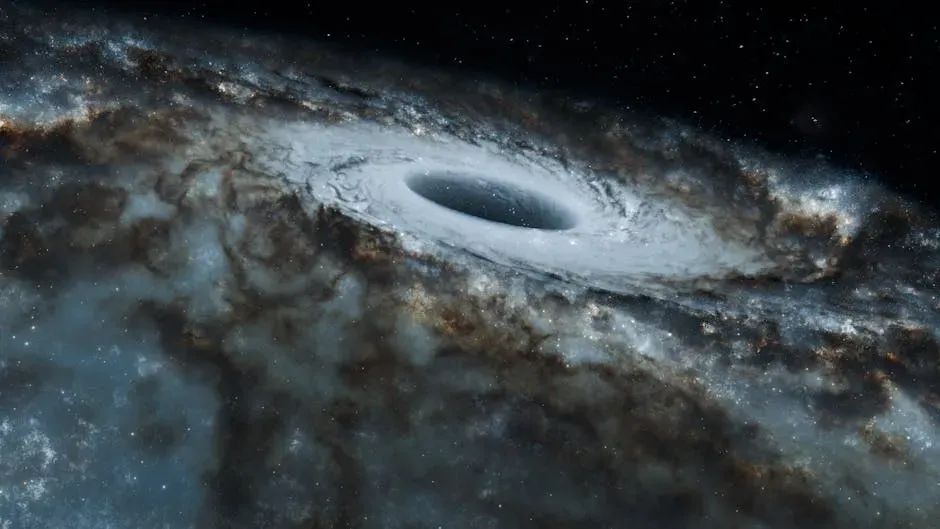
One of the strangest ideas to come out of studying black holes is that the amount of information inside them seems to scale with surface area, not volume. In everyday life, you expect the capacity of a box to grow with how much space is inside it. With black holes, you measure how much information they can contain by the area of their event horizon. That is like saying the memory of your laptop depends on the size of its screen, not on its internal hardware.
This odd behavior inspired the holographic principle, which suggests that all the information in a region of space might be encoded on a lower-dimensional boundary surrounding it, like a cosmic hologram. When you apply this to the entire universe, you start to entertain the possibility that your three-dimensional reality could be described by data living on a distant surface. Black holes end up acting like labs where you peek into this deeper structure, but you still do not know how literally to take that hologram picture.
6. Supermassive Black Holes Are Too Big, Too Fast
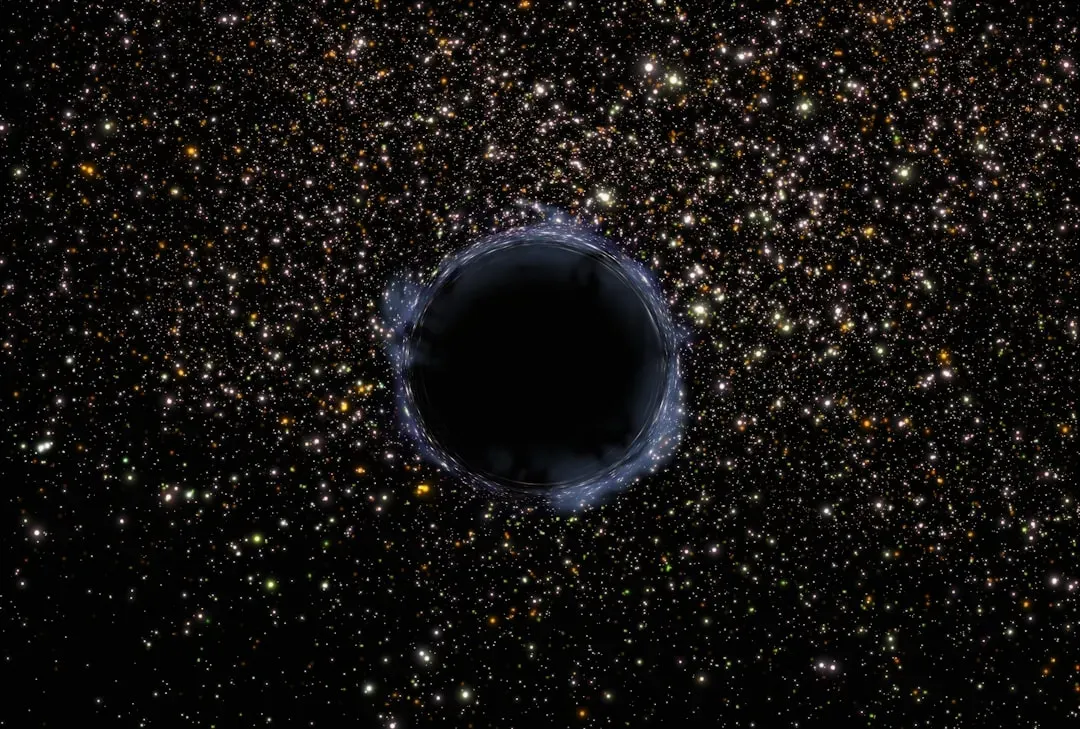
In the center of your own galaxy, and almost every large galaxy you look at, you find a supermassive black hole weighing millions or even billions of times the mass of the Sun. What puzzles scientists is how quickly some of these monsters seem to have formed. When you look at very distant galaxies, you see supermassive black holes that were already huge when the universe was still young, which leaves very little time for them to grow by normal processes.
To explain this, you have to consider ideas like massive “seed” black holes forming from gigantic early stars, or direct collapse of enormous clouds of gas skipping the usual star stage. You might also need periods of extremely rapid, almost runaway feeding, where the black hole gorges on gas and dust at astonishing rates. Even with these tricks, building such huge objects so early stretches your current models. The fact that supermassive black holes are everywhere suggests they are central to galaxy evolution, yet you are still guessing about their exact origin story.
7. Spinning Black Holes Can Twist Space Like Taffy
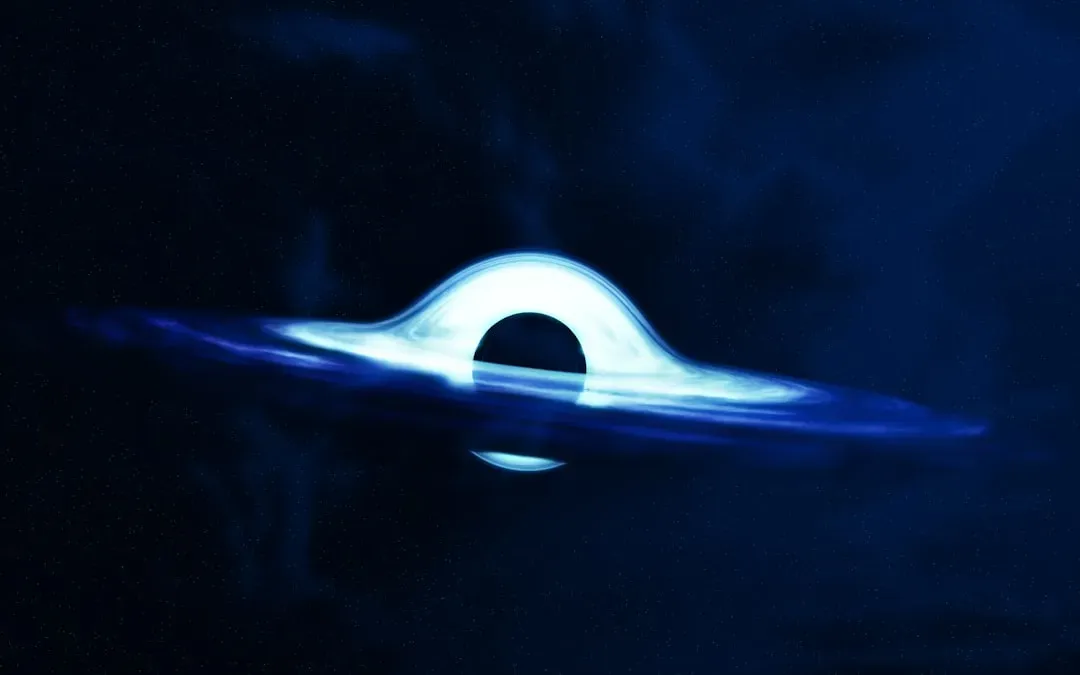
Most real black holes are not just sitting there quietly; they spin. When a black hole rotates, it drags the fabric of spacetime around with it in a phenomenon called frame dragging. If you could get close enough, you would feel space itself being twisted, forcing you to rotate in the direction of the spin. You cannot just hover in place without being dragged along, even if you fire rockets or imagine some super-advanced engine.
This rotating geometry creates an extra region outside the event horizon called the ergosphere, where nothing can remain at rest relative to distant space. Inside this zone, you can, in theory, tap into the black hole’s spin energy and extract power, like stealing rotational energy from a giant flywheel. That possibility raises questions about how jets from black holes get so incredibly powerful and how much energy you could, in principle, pull out. You are left with an object that is not just a sink of matter and light, but also a bizarre cosmic engine.
8. Black Holes Can Merge and Shake the Universe
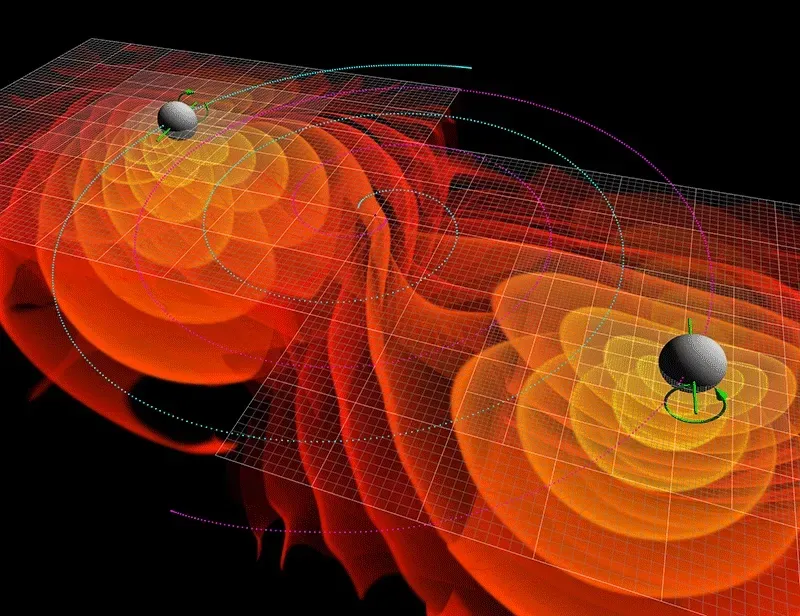
When two black holes orbit each other and eventually collide, they do more than just create a bigger black hole. They send ripples through spacetime itself called gravitational waves. You can think of these waves as tiny stretches and squeezes of space that wash over you as they pass, even though you cannot feel them directly. Sensitive detectors on Earth have already picked up these signals from distant mergers, giving you a new way to listen to the universe.
What still confuses scientists is how some of these merging black holes got their unusual masses and spins. You sometimes see pairs that seem too heavy or oddly aligned to fit neatly into standard stories about how massive stars live and die. You also have to explain how often these mergers happen and in what kinds of environments. Each detection is like hearing a new accent in a language you are still learning, and you are constantly updating your guesses about where these black holes were born and how they met.
9. Inside, Space and Time May Swap Roles
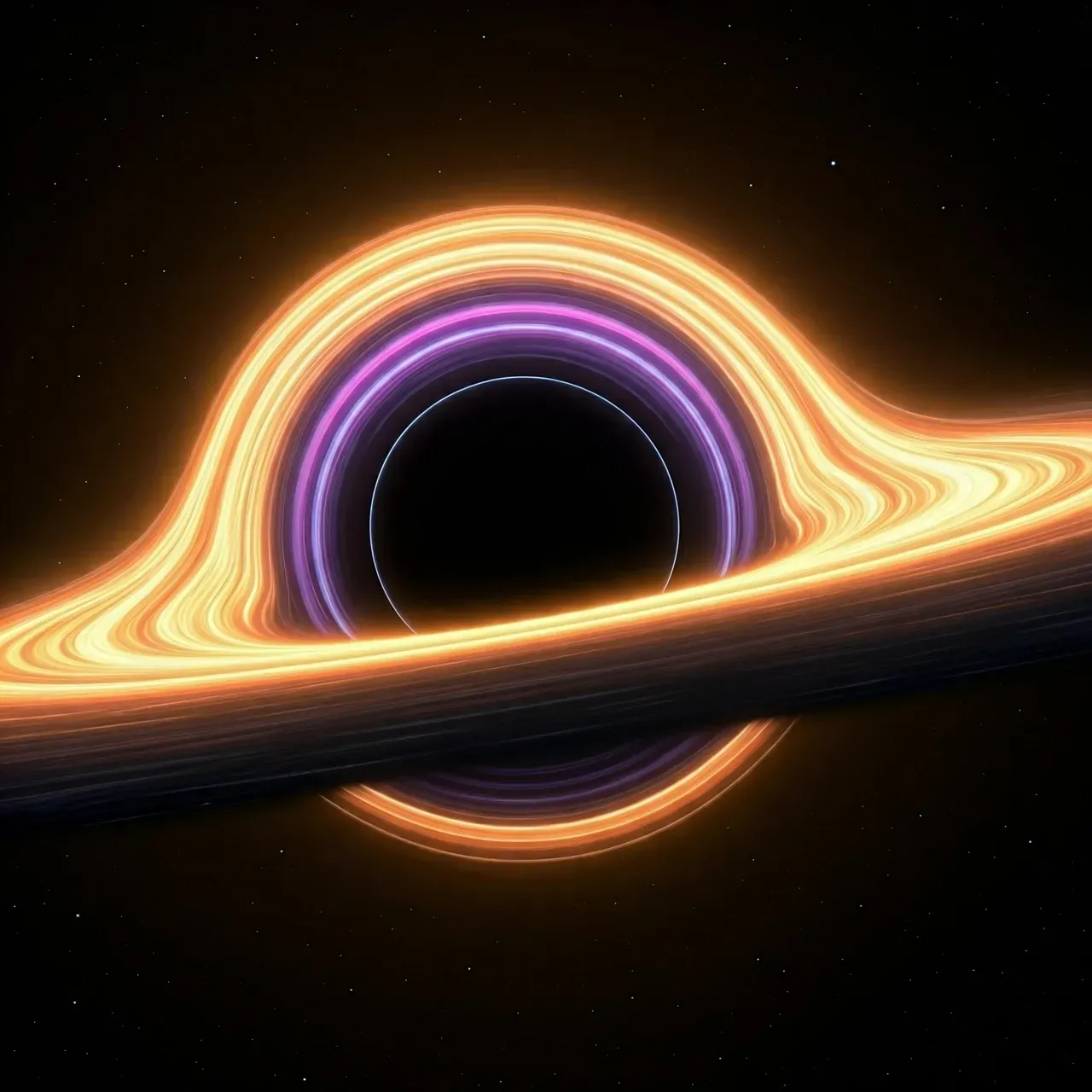
In your everyday experience, you move freely through space but only in one direction through time. Near and inside a black hole, those roles start to blur. Mathematically, once you cross the event horizon, “going inward” toward the center behaves a bit like moving forward in time – you cannot choose to stop or turn around. Falling deeper becomes as unavoidable as tomorrow arriving after today.
This idea messes with your intuitive sense of free will and motion. If moving toward the singularity is as inevitable as aging, what does it even mean to talk about escape or survival inside a black hole? You also run into strange questions about how different observers slice spacetime into “moments” and what counts as now. You are forced to accept that time and space are not fixed backgrounds but flexible directions that can trade places when gravity gets extreme enough.
10. You Do Not Know Whether Black Holes Are the Final Story
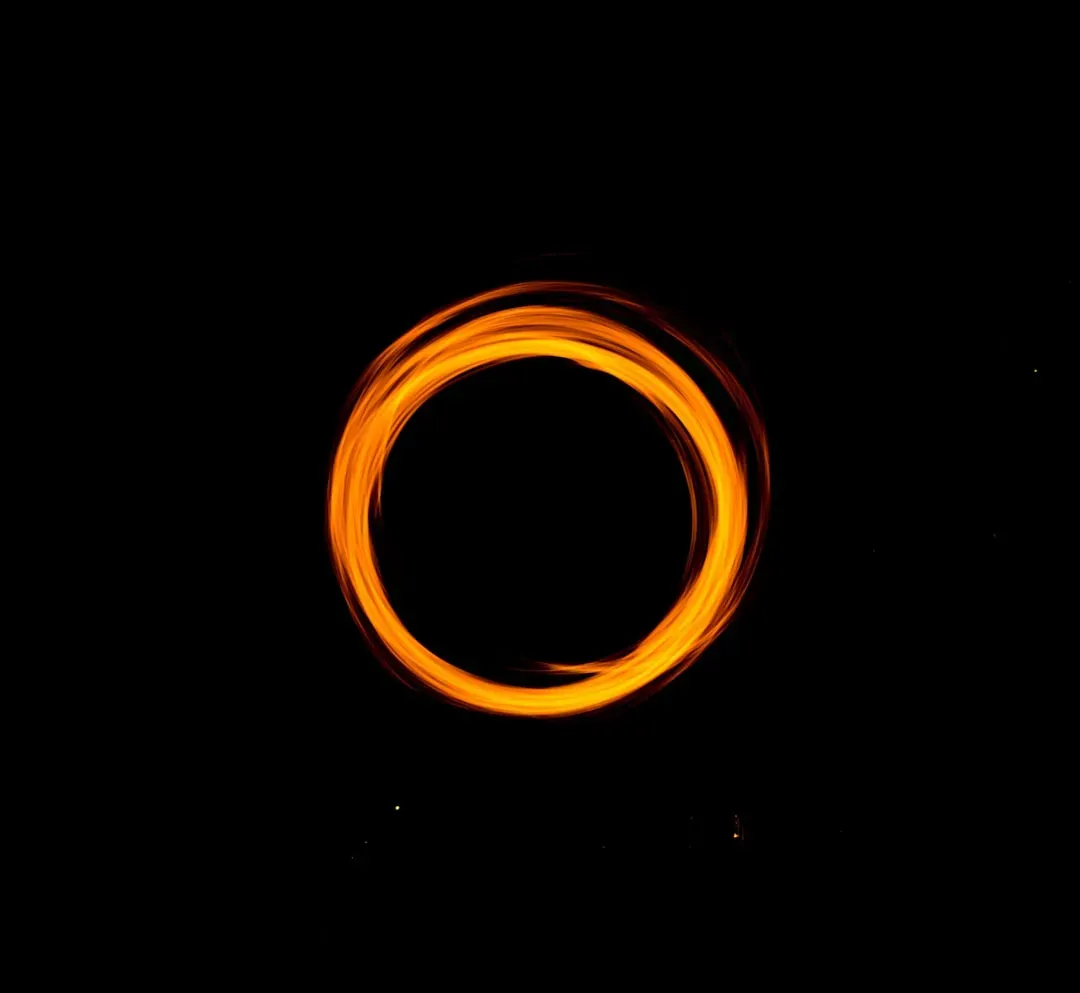
For all their fame, black holes might not be the ultimate word on collapsed matter. Some speculative models suggest that quantum effects could prevent a true singularity from forming and replace it with something else, such as extremely dense exotic states of matter or “bounces” that avoid infinite density. In some ideas, what you call a black hole could instead be a slightly different object that only looks almost identical from far away but behaves differently at the tiniest scales.
You also cannot rule out that new physics, beyond your current standard models, might reshape how you think about horizons, information, and gravity itself. Because you cannot directly peek inside an event horizon, you are always working backward from indirect clues: light curves, gravitational waves, and the motion of nearby stars and gas. That makes black holes feel like locked boxes that may still hold surprises for decades or centuries. The more precisely you measure them, the more you may discover that today’s picture is just a very convincing first draft.
Conclusion: The Dark Heart of the Universe Is Also Its Brightest Mystery
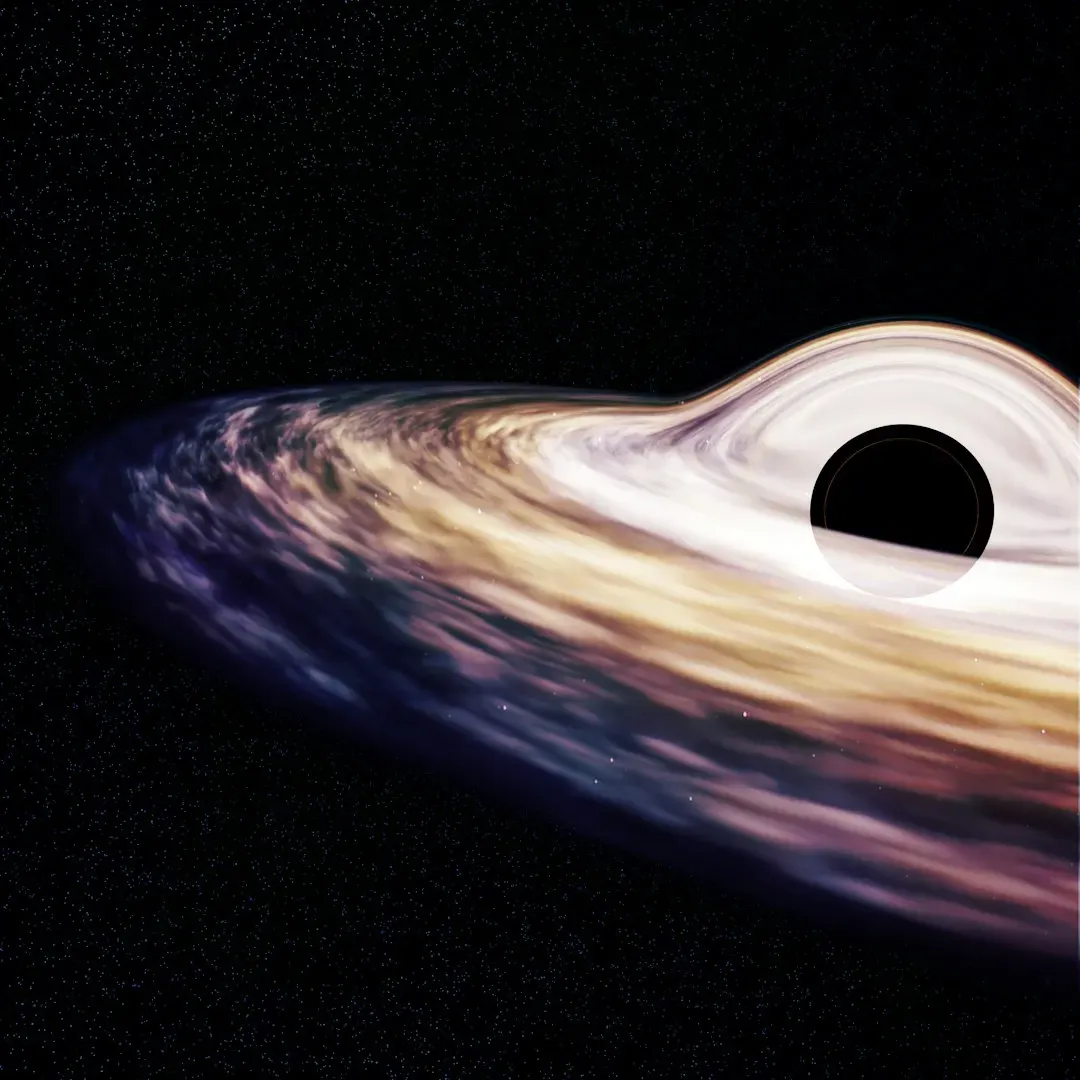
When you put all these puzzles together, you start to see black holes less as simple cosmic drains and more as pressure points where your understanding of reality breaks and reforms. You have objects that bend time, shred information, possibly act like holograms, and shake the universe when they collide. Each new observation answers one question while raising two more, like peeling back a layer of paint only to find another strange mural underneath. It is no accident that so many of the biggest open problems in physics gather around these dark, compact objects.
In a way, black holes are mirrors that show you where your theories still fall short, and that makes them priceless. As you keep listening to gravitational waves, imaging shadows of event horizons, and sharpening your mathematical tools, you are inching closer to a deeper picture of space, time, and matter. You may never get to fall into a black hole yourself, but the mysteries they hold are already reshaping how you think about the universe and your place in it. When you look up at the night sky now, do you see empty darkness – or do you wonder what impossible secrets are hiding just beyond the light?