Every so often, archaeologists uncover a structure so advanced, so deliberate, that it feels like a message from a vanished world. These are not the familiar monuments pinned to a single place on the globe, but a wider class of ancient feats that appear again and again across the planet: precision stonework, mind-bending alignments, and engineering decisions that still puzzle modern engineers. We recognize the raw materials, we can sometimes date the ruins, but the minds behind them remain strangely out of reach. As modern science throws lasers, satellites, and algorithms at these mysteries, the picture becomes richer but not always clearer. Instead of closing the case, each discovery deepens a more unsettling question: how did people we barely understand build like this?
The Labyrinth Cities: Urban Planning Beyond the Horizon
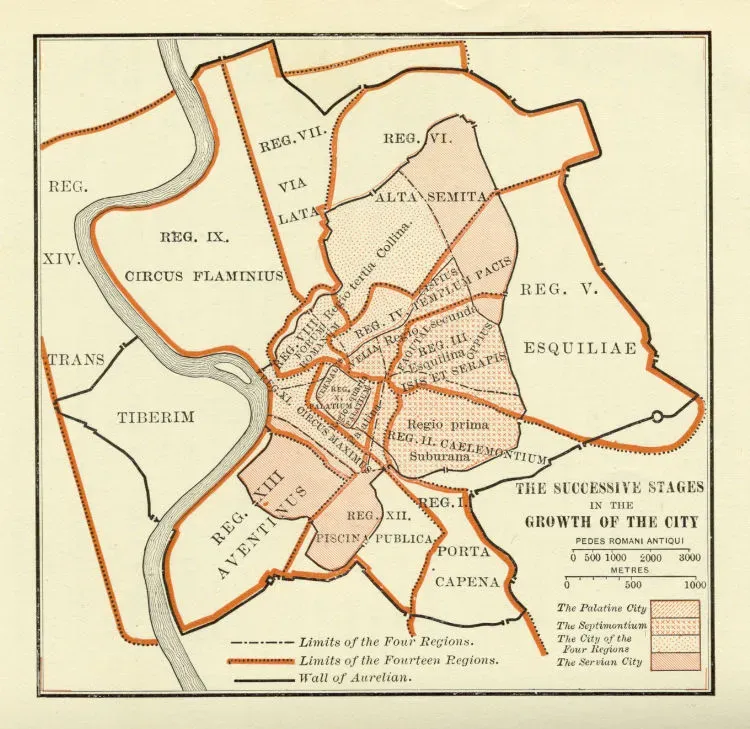
Imagine walking into a city where streets, plazas, and corridors are arranged with such precision that getting lost feels almost impossible – and yet you still do. Beneath layers of earth and vegetation, researchers are now mapping ancient urban grids that rival modern metropolitan planning in complexity, despite being laid out long before written maps as we know them. These places sometimes stretch far beyond the visible ruins, continuing underground or into surrounding landscapes in sprawling patterns that only become clear from above. When lidar and ground-penetrating radar reveal multi-level complexes, elevated causeways, and hidden reservoirs, it becomes hard not to think of them as three-dimensional blueprints of vanished minds. The real shock is not just that these cities existed, but that they were meticulously planned in ways that hint at mathematics, social organization, and logistics we are only beginning to grasp.
Archaeologists talk about traffic flow, sight lines, and zoning as if they are describing a modern capital, yet they are tracing decisions made many centuries ago. Some cities seem tuned to ritual movement, with processional routes and viewing platforms carefully positioned to choreograph how people experienced power and the sacred. Others appear optimized for trade, food distribution, and defense, revealing a granular understanding of population density and risk. With every new high-resolution scan, new districts pop into view: marketplaces, industrial quarters, and mysterious compounds that do not match anything we know. The unsettling part is that we still have almost no idea how rulers, planners, and builders coordinated these immense projects, or what debates and calculations shaped them.
The Precision Stone Giants: When Rock Behaves Like Metal
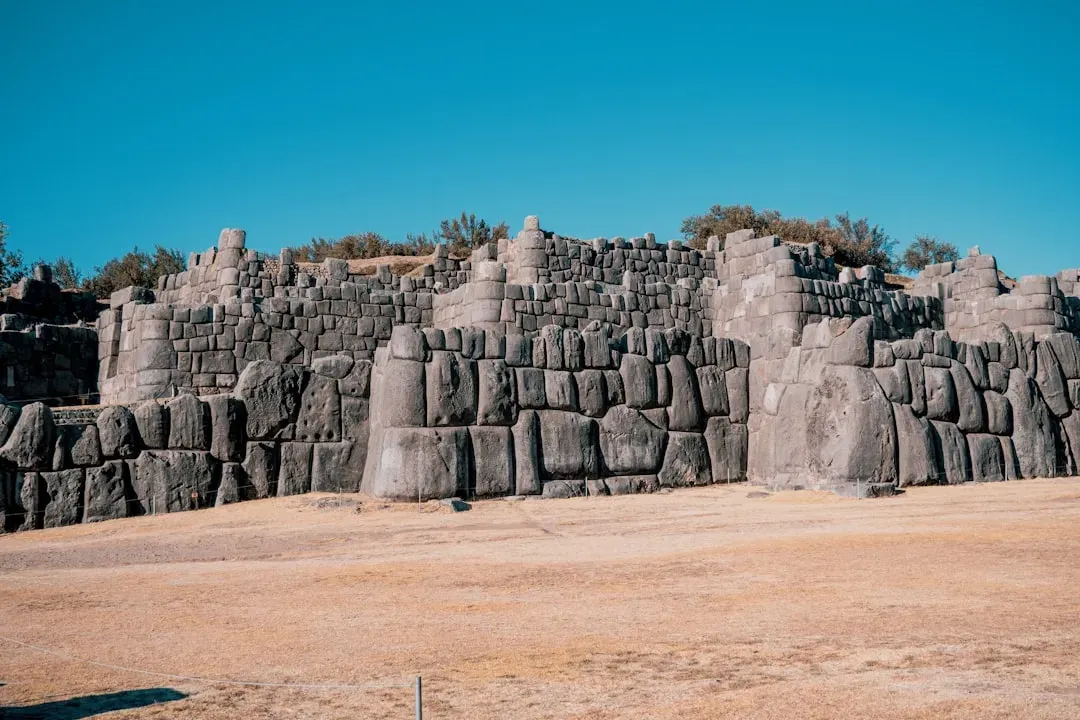
Some ancient structures look almost ordinary from a distance – just walls, terraces, or platforms. Step closer, and the illusion dissolves. Vast blocks are carved so precisely that they interlock like machine-cut puzzle pieces, forming joints so tight that blades of grass or sheets of paper cannot easily slip between them. In many cases, these stones follow irregular, many-sided outlines that fit together along complex curves, as if stone had been coaxed into flowing shapes. The engineering logic behind this kind of construction is still debated, because it resists the tidy categories of “primitive masonry” or simple stacking.
Modern engineers and materials scientists have tried to reverse-engineer how such surfaces were shaped without steel tools or industrial abrasives. Experimental archaeology suggests combinations of hammering, pecking, polishing, and repeated fitting could achieve this over long periods of time, but scaling that up to entire walls or platforms still strains imagination. The payoffs for such labor are clear: interlocking blocks resist earthquakes, erosion, and time in ways regular brickwork cannot. Yet the choices seem overbuilt, as if the builders were designing for catastrophes we do not fully understand. The stone giants do not just show that ancient engineers were skilled; they hint at knowledge of stress, weight, and resilience that we have yet to fully decode.
The Silence of Cyclopean Walls: Defensive or Something Else?
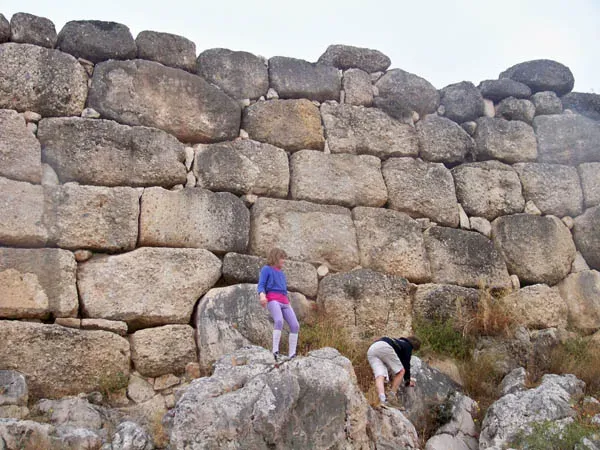
All over the world, early explorers described certain massive walls as if they had been built by giants. These fortifications are formed from immense stones, stacked into towering barriers that dominate their surroundings. To a modern eye, it is tempting to read them as straightforward military architecture – bigger walls, stronger defense. But as archaeologists now compare examples across continents, the patterns do not always line up neatly with battlefields and borders. Some fortifications enclose spaces that seem too small to justify the effort, while others define enclosures that include sacred or ceremonial areas.
This has led to an uncomfortable question: were these walls primarily built to keep enemies out, or to shape the social and symbolic world inside? In some cases, the walls align with natural features or astronomical directions, hinting at layered functions beyond warfare. Their sheer scale suggests elite control of labor and resources, but also a population that accepted, or was compelled into, years of focused effort. Modern analysis of wear, repairs, and additions shows that many of these structures evolved over time rather than springing up fully finished. The strange truth is that we still do not know exactly what kind of threat or hope these walls were meant to confront.
The Hidden Clues in Invisible Alignments
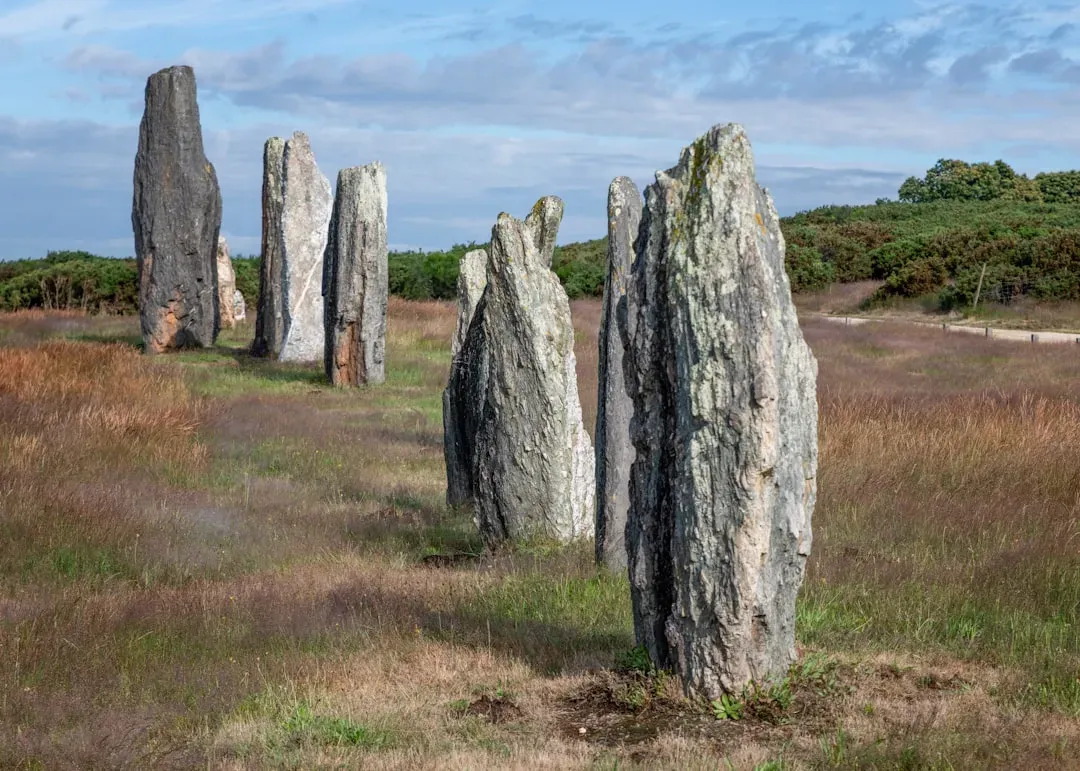
Stand in the right place at the right time, and some ancient structures suddenly come alive. Shadows line up with carved markers, shafts of light pierce inner chambers, or distant hills fall perfectly into view along narrow corridors. These are not accidents. Archaeologists and archaeoastronomers are increasingly documenting how often monuments are aligned with key points on the horizon, the rising and setting positions of the sun, moon, or bright stars, and even subtle seasonal changes. What looks like random placement from the ground sometimes reveals a lattice of intentional directions when studied with precise instruments.
Satellite imagery and statistical analysis have shown that many alignments occur far more often than chance would predict. That suggests systematic observation of the sky over long periods – people watching, recording, and building based on recurring patterns we still track with modern astronomy. These alignments might have anchored calendars for agriculture, regulated religious festivals, or encoded mythic stories into stone and earth. Yet in many cases, the exact meaning behind a line or orientation remains frustratingly opaque. We can measure the angles; what we lack is the cultural lens that once made those angles speak.
The Underground Networks: Hidden Infrastructures of Water and Air
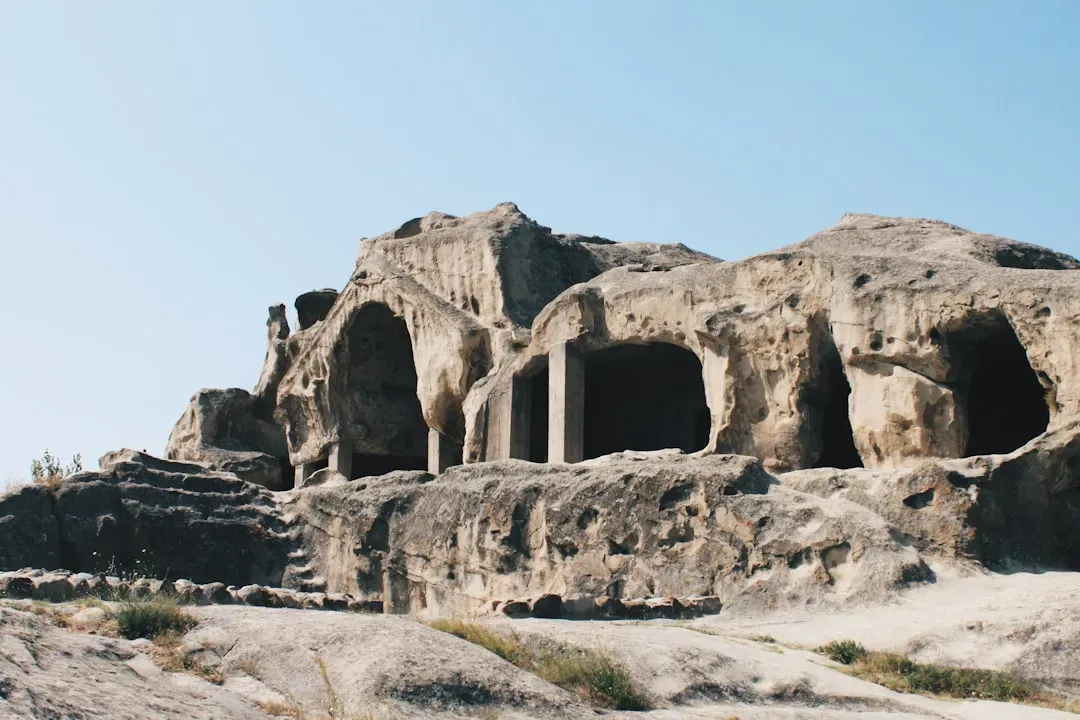
If you think of ancient ruins as a collection of walls and temples, you are only seeing the surface story. Beneath many of these sites runs a second, invisible architecture: tunnels, channels, cisterns, and shafts that manage water, air, and temperature in surprisingly sophisticated ways. Archaeologists are now treating these as integral parts of ancient engineering, not afterthoughts. Some systems capture rare seasonal rains, store them safely, and deliver them months later with minimal loss. Others use vertical shafts and angled tunnels to pull cool air from deeper underground, creating natural ventilation and basic climate control.
What makes these systems especially impressive is that they were built without pumps, electric sensors, or modern fluid mechanics theory. Builders relied on keen observation of how water and air behaved in their environment and translated that into practical design rules. In some places, the subterranean works are more extensive than the visible structures above them, hinting that managing the hidden flows of nature was as important as building imposing facades. Modern hydrologists study these networks to understand how they coped with drought, flooding, and seasonal variability. The ancient engineers who dug and lined these channels understood risk and resilience in ways that carry an eerie relevance for our climate-challenged world.
From Ancient Tools to Modern Science: How We’re Finally Seeing the Full Picture
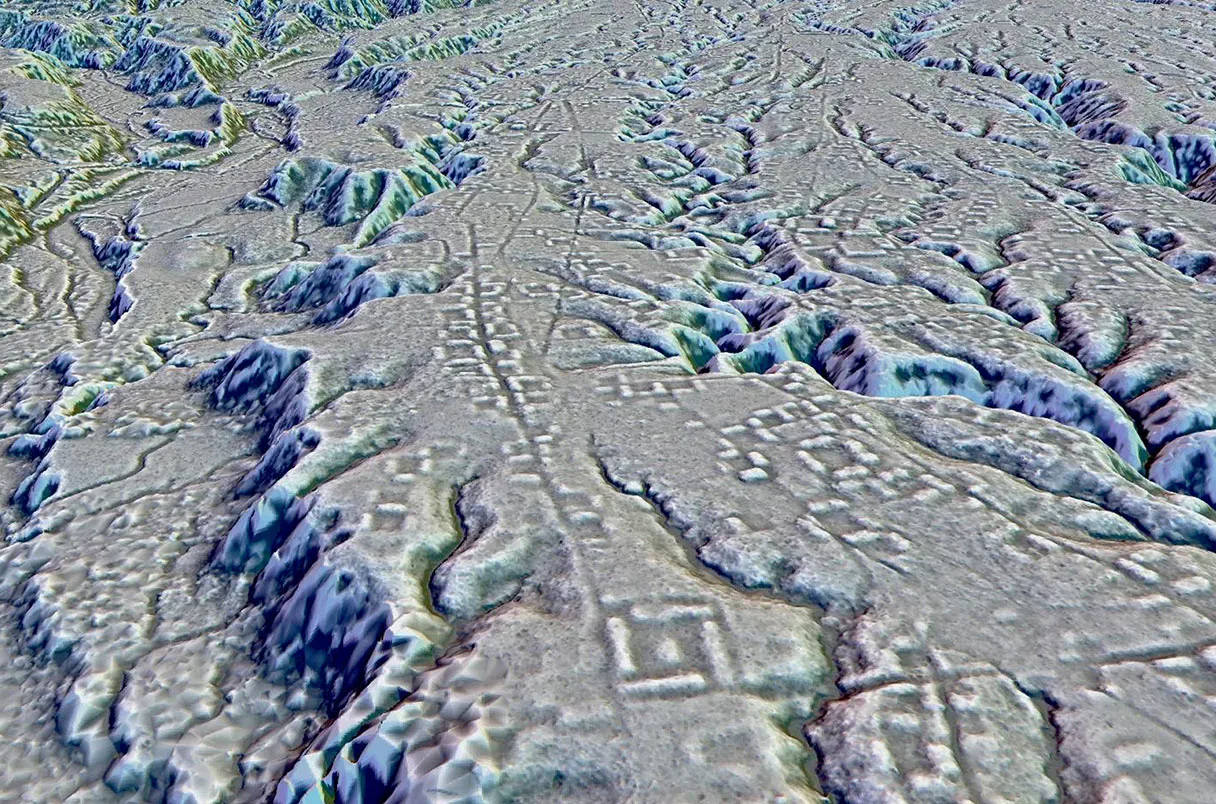
For a long time, our understanding of these structures was limited to what explorers could sketch and measure by hand. That meant we often mistook fragments for the whole and mythologized what we could not explain. The last few decades have changed that dramatically. Technologies like lidar, high-resolution satellite imaging, drone photogrammetry, and portable spectrometers have turned ruins into rich datasets. Entire lost districts, causeways, and hidden chambers have appeared where earlier surveys saw only empty forest, desert, or rubble.
Modern lab techniques are just as transformative. Microscopic analysis of tool marks can differentiate between pounding, cutting, and polishing methods, giving us a more realistic picture of how stones were shaped and fitted. Isotope studies trace where building materials came from, sometimes revealing trade networks stretching across vast regions. Radiocarbon dating refines timelines, showing that some monumental programs unfolded over centuries rather than decades. As a science journalist, I have watched researchers light up when a familiar site suddenly snaps into new focus on a lidar screen; it is a reminder that even our most iconic ruins have been partially invisible until now. Yet, for all this, the inner logic of the societies that built them often remains tantalizingly out of reach.
Why It Matters: Rethinking What “Advanced” Really Means
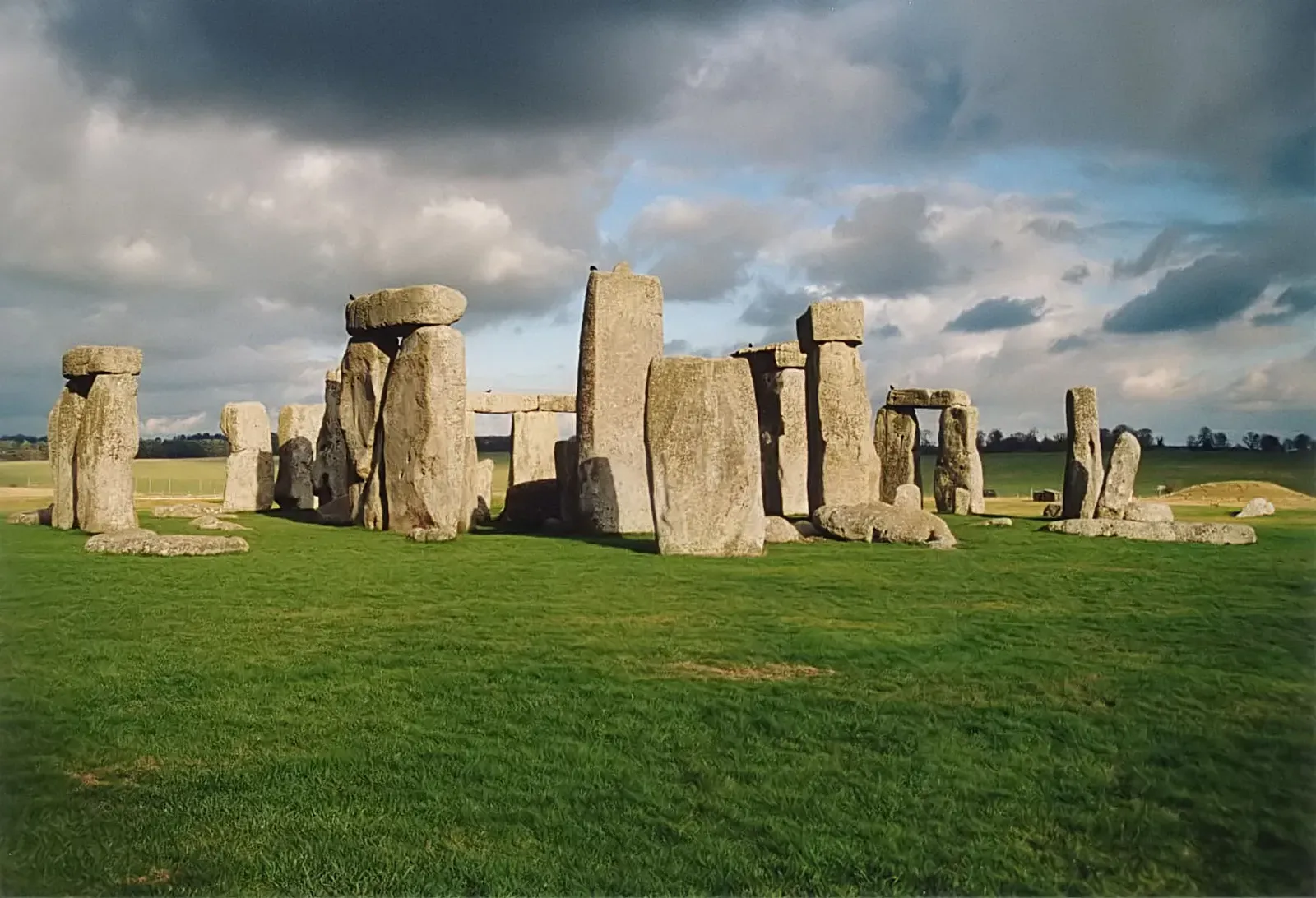
It is easy to treat these structures as curiosities, the stone equivalent of viral fun facts. But they force us to confront something more uncomfortable and more exciting: our modern timeline of progress is not as straightforward as we like to imagine. Sophisticated planning, durable construction, and complex symbolism flourished long before industrial technology, and not just in one place or culture. When we call a civilization “lost” or “poorly understood,” we are really admitting that our own frameworks are too narrow. These buildings are not primitive prototypes of modern engineering; they embody different priorities and ways of thinking.
Comparing these ancient works to today’s infrastructure highlights a sharp contrast. We often prioritize speed, cost, and short-term performance, building in service lives measured in decades. Many ancient structures were clearly designed with centuries in mind, even at immense human cost. At the same time, they tied practical needs – water, defense, shelter – to ritual and identity in ways that gave communities a shared sense of place. Understanding this matters for science because it broadens our sample size of how complex societies solve problems. It also matters for us as people, because it challenges the quiet assumption that older means simpler, and that our way of building is the obvious endpoint of human ingenuity.
The Future Landscape: New Tools, New Mysteries
Looking ahead, the most radical shift may be that we will soon map more ancient structures from the air and space than we ever dig with shovels. Machine learning tools are already being trained to spot subtle patterns in satellite imagery – faint lines, discolorations, and anomalies that hint at buried walls, canals, and foundations. As these algorithms improve, they will almost certainly reveal entire networks of unknown sites, reshaping our maps of the ancient world. Non-invasive techniques like muon tomography and advanced radar will peer deeper into massive mounds and stone platforms, perhaps exposing interior chambers or structural tricks we have never seen before.
But new tools bring new challenges. There is a risk that we start treating ancient landscapes as datasets rather than living heritage, flattening human stories into pixel patterns. Climate change and modern development are also racing ahead of archaeology, threatening to erase some sites before we can properly document them. International collaborations and local stewardship will be crucial to avoid a future where we know more about these structures in theory than exists on the ground. The paradox is that as science gives us sharper images and richer models, the civilizations behind them may feel even stranger – less like earlier versions of us, and more like alternative experiments in being human.
How You Can Engage: From Awe to Action
Ancient structures can feel distant, like something belonging only to experts and museum labels, but they are part of a shared human archive that needs help to survive. One simple step is to be a more critical consumer of stories about the ancient world. Sensational claims about secret technologies or impossible feats often drown out the far more interesting reality of human creativity, patience, and adaptation. Seek out reporting and documentaries that highlight careful research, collaboration with local communities, and the slow, meticulous work behind every headline discovery. Paying attention to how stories are told is a quiet but powerful form of support.
There are tangible ways to get involved as well. Supporting reputable archaeological and heritage organizations, even with modest donations, helps fund fieldwork, conservation, and training for local experts who will care for sites long after visiting researchers leave. When you travel, choosing guides and tours that respect sites, follow regulations, and contribute to local economies can make a real difference. Some projects now invite volunteers to help classify satellite images or transcribe field notes online, turning curiosity into useful data. The next time you see a photograph of weathered stones under a dramatic sky, you might ask yourself a different question: not just how they were built, but what role you want to play in whether they are still standing for someone else to wonder about.
Suhail Ahmed is a passionate digital professional and nature enthusiast with over 8 years of experience in content strategy, SEO, web development, and digital operations. Alongside his freelance journey, Suhail actively contributes to nature and wildlife platforms like Discover Wildlife, where he channels his curiosity for the planet into engaging, educational storytelling.
With a strong background in managing digital ecosystems — from ecommerce stores and WordPress websites to social media and automation — Suhail merges technical precision with creative insight. His content reflects a rare balance: SEO-friendly yet deeply human, data-informed yet emotionally resonant.
Driven by a love for discovery and storytelling, Suhail believes in using digital platforms to amplify causes that matter — especially those protecting Earth’s biodiversity and inspiring sustainable living. Whether he’s managing online projects or crafting wildlife content, his goal remains the same: to inform, inspire, and leave a positive digital footprint.