When Howard Carter first peered into Tutankhamun’s tomb in 1922, he famously said he saw “wonderful things” – but even he could not have imagined the scientific revolution that this teenage king would spark a century later. Today, Tutankhamun is less a static museum icon and more a living dataset, reanalyzed with each new wave of technology, from CT scanners to AI-driven pattern recognition. His short life, mysterious death, and dazzling burial have become a testbed for methods that are now transforming archaeology itself. As researchers feed decades of excavation notes, imaging data, and genetic results into increasingly sophisticated algorithms, the boy king is quietly helping rewrite what we think we know about ancient Egypt – and how we do historical science at all.
The Hidden Clues: A Boy King Who Refuses To Stay Solved
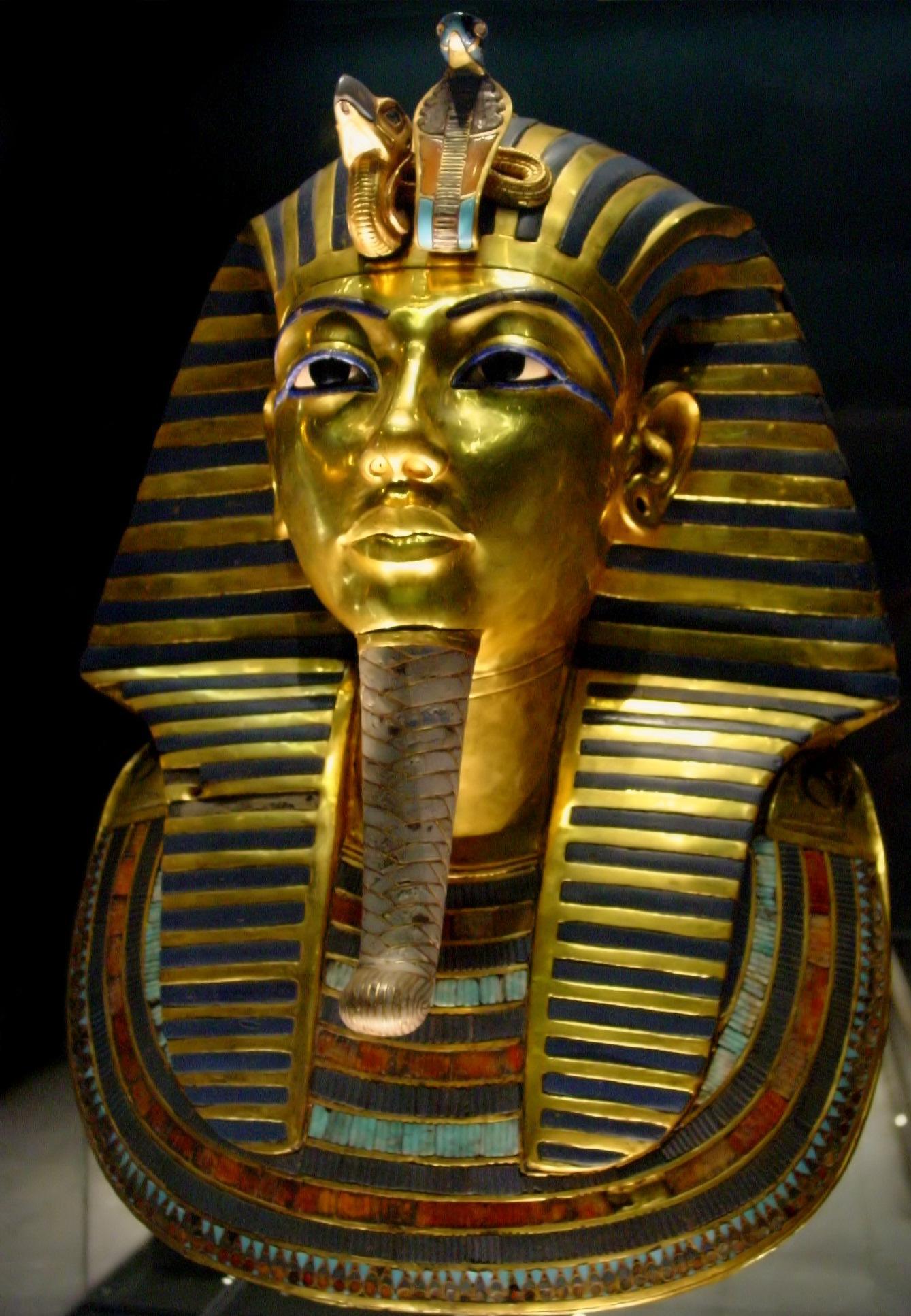
The most surprising thing about Tutankhamun in 2025 is that he remains, in many ways, unsolved. For decades, textbooks framed him as a relatively minor pharaoh whose fame came mainly from his almost intact tomb, a glittering accident of history. But as scientists revisit every scrap of evidence with new tools, they are finding that Tutankhamun is less a closed chapter and more a dynamic investigation in progress. His bones, his textiles, the pigments on his burial mask, even the layout of his tomb are still yielding fresh leads.
What has changed is not Tutankhamun, but the questions we can ask. Machine-learning systems are now combing through thousands of burial records, art motifs, and inscription fragments to place his reign in a more precise political and religious context. Instead of treating him as a static image – beautiful mask, tragic story – researchers increasingly treat him like a complex dataset with missing values, noise, and hidden correlations. That shift from spectacle to system is reshaping how we read the “clues” locked into his short, turbulent life.
From Tomb Discovery To Data Discovery: How Science Keeps Revisiting Tutankhamun
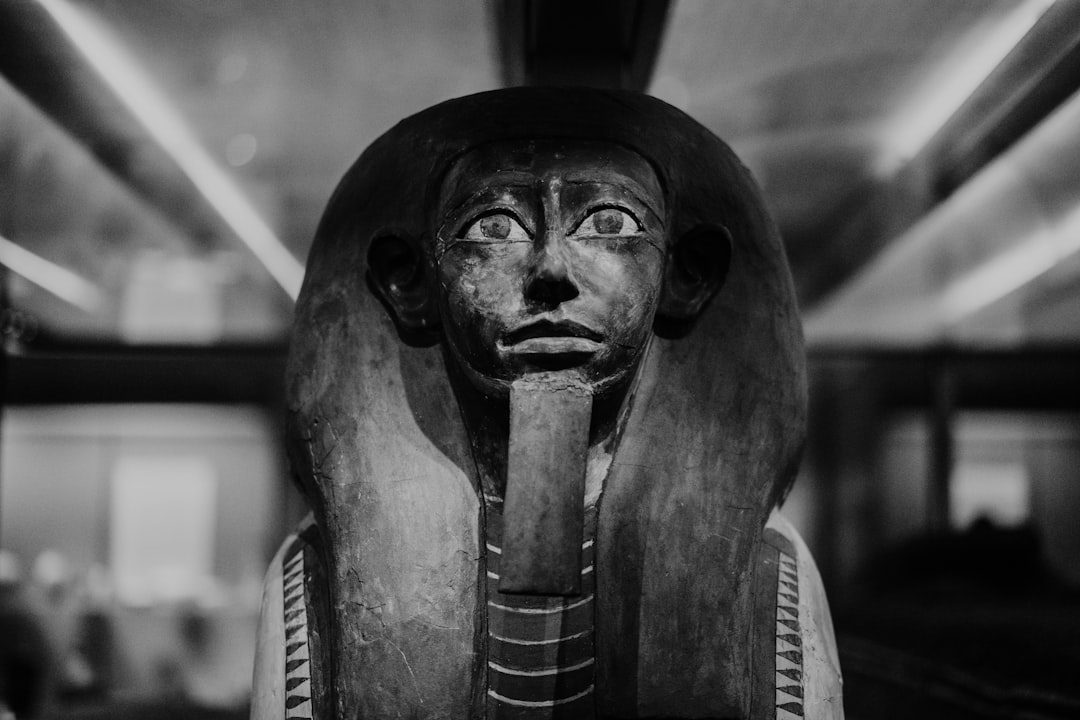
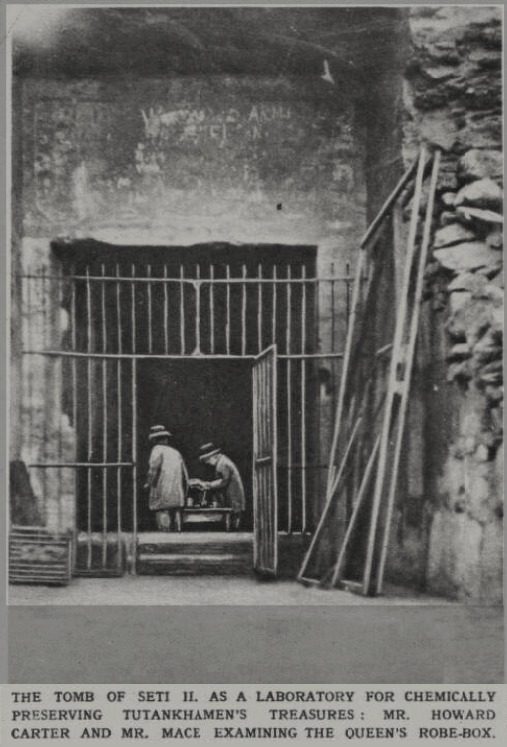
Tutankhamun’s story used to be told as a heroic adventure: one British archaeologist, one hidden staircase, one untouched royal tomb. Now the narrative looks very different, more like an evolving open-science project than a single breakthrough moment. The original excavation diaries, hand-drawn plans, and glass-plate photographs have been digitized and are being mined by algorithms that can spot patterns and anomalies the human eye missed a century ago. Details that once seemed trivial – placement of small objects, tool marks in stone, microscopic wear on artifacts – are increasingly treated as data points rather than curiosities.
Historians and computer scientists are teaming up to build structured databases from Carter’s chaotic notes, a painstaking process that turns narrative description into queryable, analyzable information. Once that structure exists, researchers can ask new questions at scale: How typical is Tutankhamun’s burial layout compared to other Eighteenth Dynasty tombs? Do the distribution of goods or motifs suggest political alliances or economic stress? In this sense, modern Tutankhamun research is shifting from the romance of the single find to the hard, iterative work of data discovery, version by version.
Inside The Mummy: What CT Scans Really Revealed
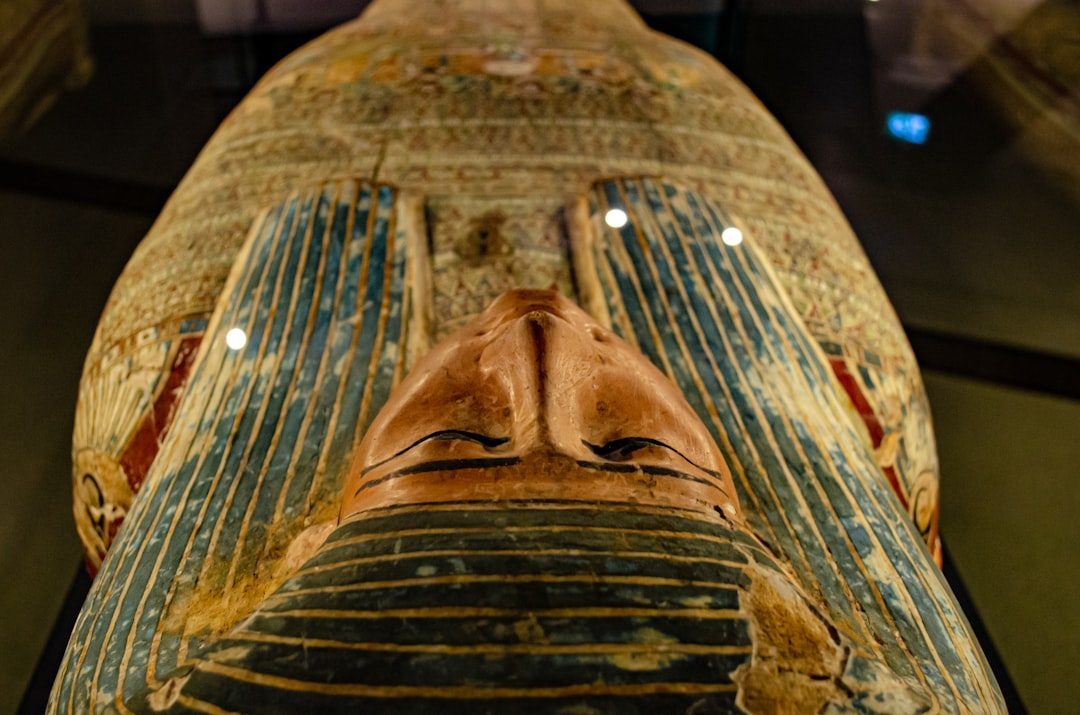
Few royal mummies have been scrutinized as intensely as Tutankhamun’s, and few have generated so much debate. High-resolution CT scans, first widely discussed in the mid-2000s and refined since, have overturned some of the most dramatic early theories about his death, especially the popular idea that he was murdered by a blow to the back of the head. Detailed imaging showed that the supposed “fatal wound” was more likely damage from the mummification process or later handling of the body. At the same time, CT data highlighted a fractured leg and signs of compromised health that could have made him vulnerable to infection and disease.
More recent analyses have focused less on sensational cause-of-death headlines and more on reconstructing his overall health profile. Scans and 3D modeling suggest a young man with skeletal anomalies, possibly a clubfoot, and other conditions that would have affected his mobility and resilience. Some studies, combined with genetic work, point toward a complex picture involving both inherited vulnerabilities and environmental challenges like malaria. The takeaway is that modern imaging has not given us a neat “solution,” but a more nuanced, medically grounded narrative – and it has turned Tutankhamun into a reference case for mummy CT workflows worldwide.
Genes, Family Drama, and the Inbreeding Question
If CT scans opened a window into Tutankhamun’s body, genetic studies flung the shutters wide open on his family tree. DNA analyses of Tutankhamun and several other royal mummies have provided strong evidence that his parents were closely related, likely siblings, confirming what many Egyptologists suspected from the convoluted royal lineage of the Amarna period. This kind of consanguinity was politically useful for consolidating power, but biologically risky, increasing the chance of inherited disorders and weakened immunity. By comparing genetic markers, scientists have been able to sketch a plausible family network around Tutankhamun that places him as a grandson of the powerful Amenhotep III and a product of the radical religious experiment under Akhenaten.
Those same studies have also illustrated the pitfalls of mixing genetics, history, and public imagination. Early announcements often traveled faster than the caveats, with bold claims about specific diseases or deformities racing through headlines long before the scientific community had fully debated the data. Today, researchers are more cautious, emphasizing probability and uncertainty rather than diagnosis by press conference. Still, the genetic portrait of Tutankhamun – vulnerable, over-burdened by inherited risk, yet placed on the throne – adds a deeply human layer to what can otherwise feel like an abstract royal chronicle.
Artifacts As Algorithms: How AI Is Reading Tutankhamun’s World
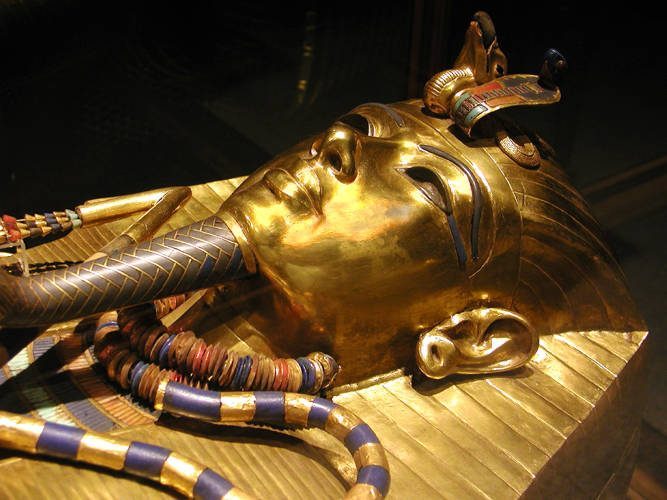
In the past decade, artificial intelligence has shifted from a speculative tool in archaeology to a practical one, and Tutankhamun’s corpus is at the center of that transition. Researchers are training computer-vision models on thousands of artifact images – jewelry, furniture, ceremonial weapons – teaching algorithms to recognize patterns in decoration, craftsmanship, and material use that once required decades of specialist training. These systems can flag subtle similarities between objects from Tutankhamun’s tomb and items scattered across global collections, re-linking pieces of the same workshops or diplomatic gift networks. They can also detect traces of previous repairs, re-inscriptions, or re-use that hint at economic pressures or political changes.
On the textual side, natural language processing is being applied to hieroglyphic transcriptions and translation corpora to cluster phrases, titles, and ritual formulas. This allows scholars to see which religious themes were emphasized in Tutankhamun’s commissions compared to earlier or later rulers, a kind of statistical theology. Some projects are even using graph-based AI models to map relationships between officials named on artifacts, reconstructing the web of power around the young king. In essence, the tomb and its associated records are being converted into a living knowledge graph – one that can be queried, expanded, and revised as new data emerges.
Why It Matters: Tutankhamun As A Test Case For Scientific History
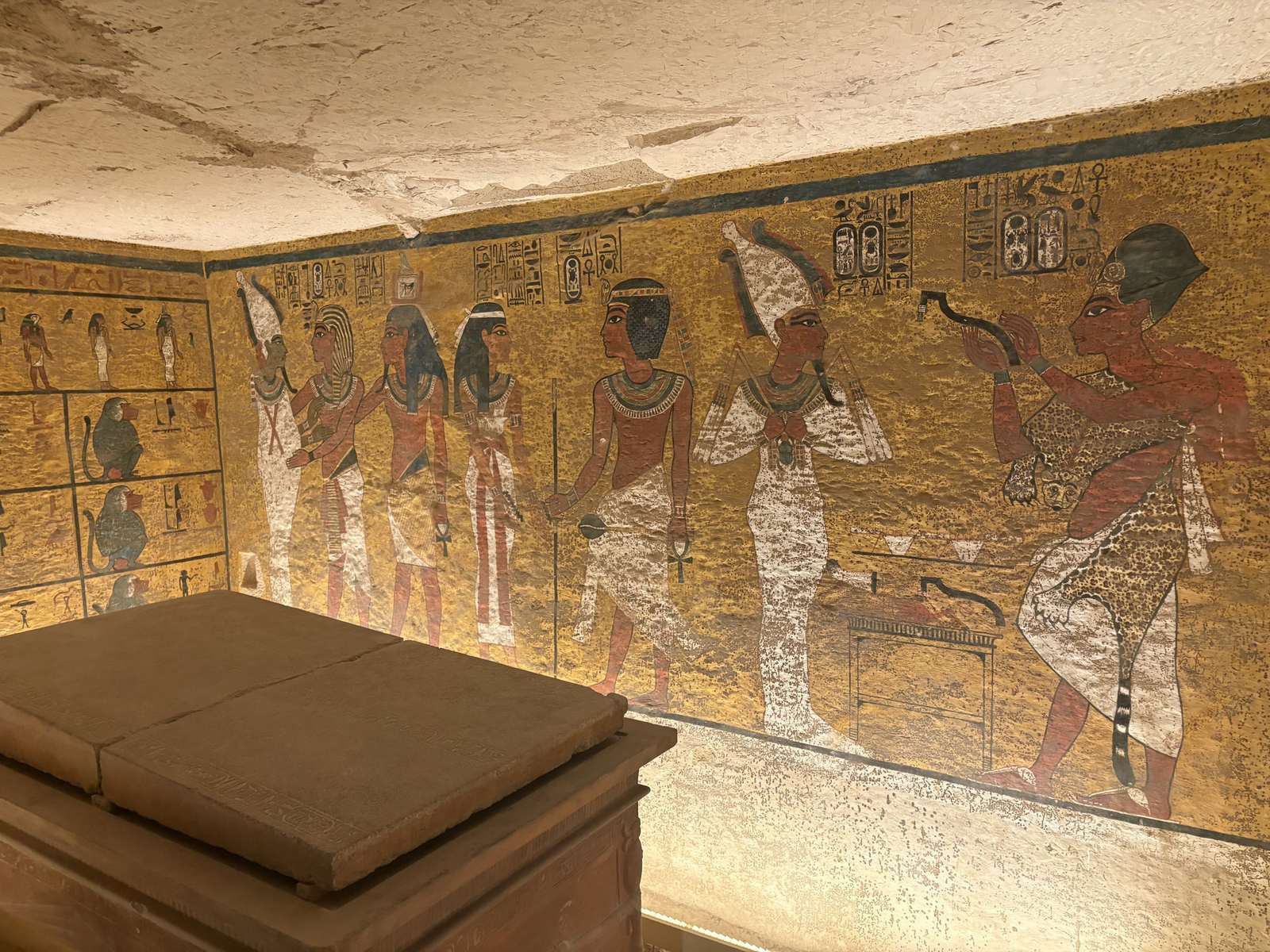
It is fair to ask why so much energy still goes into studying one short-lived pharaoh when there are entire ancient cultures barely touched by modern research. The answer is uncomfortable but important: Tutankhamun is uniquely data-rich, and that makes him a powerful test case. Because his tomb was so well preserved and so obsessively documented, scientists can prototype new methods – advanced imaging, AI-based classification, integrated genetic-historical modeling – on his material with a level of detail that is impossible elsewhere. When those methods prove reliable, they can then be adapted to less complete, more fragile, or more politically sensitive contexts.
There is also a deeper methodological lesson here. Tutankhamun’s story shows how scientific history is less about final answers and more about iterative refinement. Each new technology, from radiography to machine learning, has both corrected and complicated earlier interpretations. The boy king demonstrates that we do not simply “solve” the past; we build models of it that become more robust, more transparent, and sometimes more humbling over time. In that sense, caring about Tutankhamun is really about caring whether our tools for understanding any past – Egyptian, Mayan, or even twentieth-century – are honest and resilient enough to handle the unknowns.
From Golden Mask To Global Mirror: Cultural Impact In The Age Of Algorithms
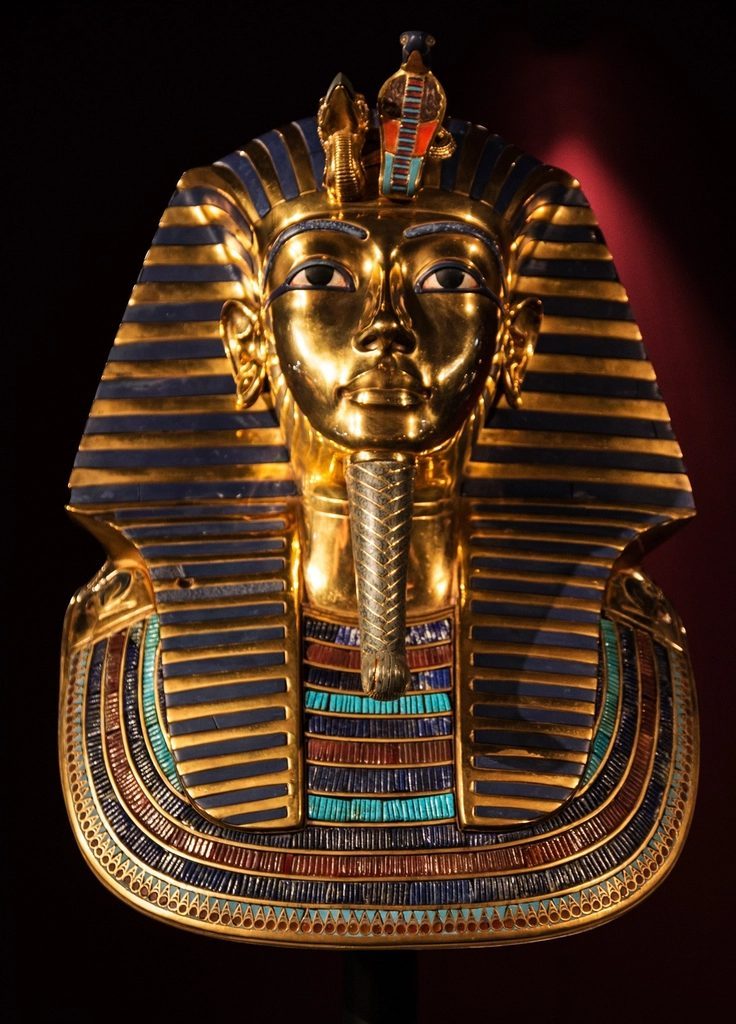
Tutankhamun’s golden mask has long been a kind of visual shorthand for ancient Egypt, but in the last few years it has also become a mirror for modern anxieties about technology and ownership. As high-resolution scans of artifacts and tomb spaces circulate online, questions flare about who controls this digital heritage and who profits from it. Egypt has increasingly asserted its right to manage and benefit from Tutankhamun’s image, from blockbuster touring exhibitions to virtual experiences. At the same time, open-access projects argue that shared, global datasets are essential if AI-based research is to reach its full potential.
This tension plays out in practical ways. AI models trained only on images or records from a handful of Western museums will inevitably bake in biases about what “counts” as canonical Egyptian art. Conversely, projects that partner closely with Egyptian institutions and archaeologists can ensure that algorithms reflect local priorities and interpretations, not just external curiosity. Tutankhamun sits uncomfortably at this crossroads, both a national icon and a global research resource. How we negotiate that balance will set precedents for countless other archaeological treasures in the decades ahead.
The Future Landscape: AI Tomb Hunters And Virtual Pharaohs
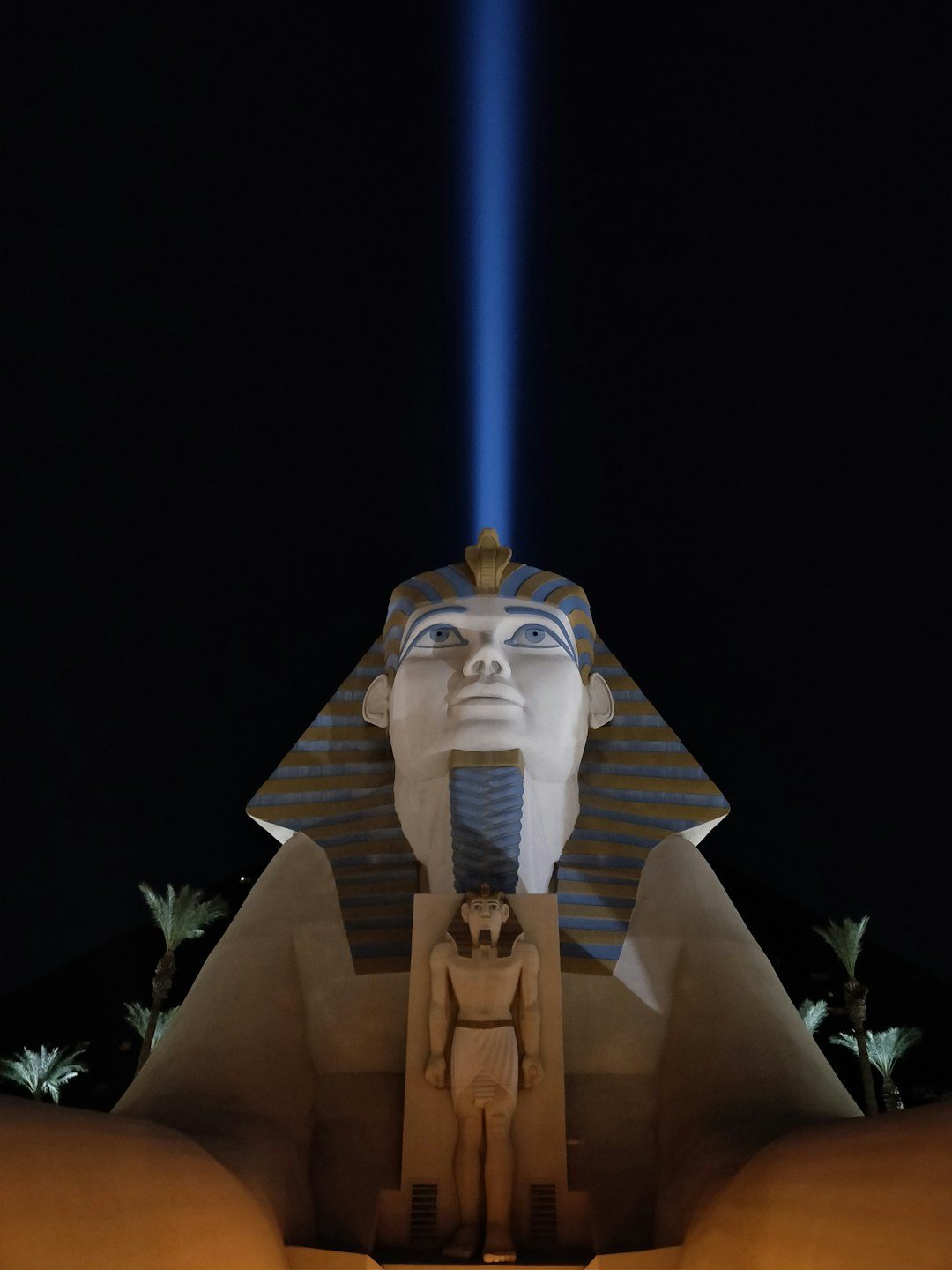
Looking ahead, Tutankhamun is poised to participate in a future that would have sounded like fantasy even twenty years ago. AI systems trained on existing tombs, burial patterns, and geological data are being explored as tools to predict where undiscovered royal burials might lie in the Valley of the Kings and beyond. Instead of random digs or intuition-driven trench lines, archaeologists could consult probabilistic maps generated from layers of satellite imagery, historical survey data, and known tomb orientations. Tutankhamun’s tomb, with its peculiar placement and design, is one of the anchor points for calibrating those models.
On a different front, increasingly detailed digital reconstructions of Tutankhamun’s face, voice, and environment are raising both excitement and ethical questions. Augmented reality experiences already allow visitors to “walk” through his burial chambers as they may have looked at the time of sealing. Future systems may combine biomechanical modeling, genetic inferences, and historical context to simulate how he might have moved, spoken, or even perceived his world. There is enormous educational potential in such “virtual pharaohs,” but also a risk of blurring the line between evidence-based reconstruction and entertainment. The challenge will be to harness these tools without turning a real young man into little more than a customizable avatar.
How You Can Engage: From Museum Visitor To Informed Participant
Engaging with Tutankhamun’s ongoing story no longer means simply staring at a glass case and moving on. One of the simplest steps is to treat museum labels, documentaries, and online exhibits as starting points rather than answers, asking how recent the information is and what methods back it up. Many major institutions now publish open datasets, 3D models, and high-resolution images related to Tutankhamun and other Egyptian finds; exploring or even lightly annotating these resources can contribute to better training data for future AI tools. Some projects actively invite volunteers to help transcribe old field notes or tag objects in image archives, transforming passive interest into collective research muscle.
There is also a role for more reflective engagement. Supporting institutions that prioritize collaboration with Egyptian researchers and communities helps ensure that the digital future of Tutankhamun’s legacy is not dictated solely from afar. When new headlines appear about “solving” his death or “finally revealing” his face, readers can reward nuance by seeking out detailed explanations rather than viral summaries. Small choices like these shape what kinds of research and storytelling get funded, amplified, and remembered. In a quiet but real way, the future of this ancient king’s story depends on how thoughtfully we, as a global audience, choose to listen.
Suhail Ahmed is a passionate digital professional and nature enthusiast with over 8 years of experience in content strategy, SEO, web development, and digital operations. Alongside his freelance journey, Suhail actively contributes to nature and wildlife platforms like Discover Wildlife, where he channels his curiosity for the planet into engaging, educational storytelling.
With a strong background in managing digital ecosystems — from ecommerce stores and WordPress websites to social media and automation — Suhail merges technical precision with creative insight. His content reflects a rare balance: SEO-friendly yet deeply human, data-informed yet emotionally resonant.
Driven by a love for discovery and storytelling, Suhail believes in using digital platforms to amplify causes that matter — especially those protecting Earth’s biodiversity and inspiring sustainable living. Whether he’s managing online projects or crafting wildlife content, his goal remains the same: to inform, inspire, and leave a positive digital footprint.