
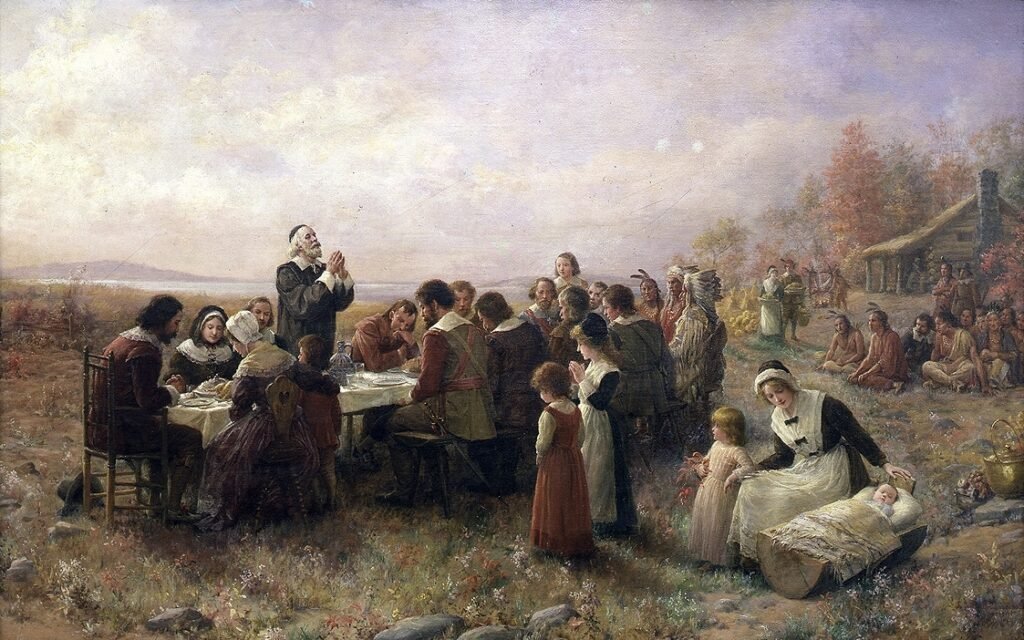

You might think you know everything about Thanksgiving. Turkey, family gatherings, and that iconic image of Pilgrims and Native Americans sharing a meal. Still, the real story behind this American holiday is far more complex, surprising, and honestly, way more interesting than the simplified version we learned in school. Let’s be real, so much of what we believe about Thanksgiving is rooted more in mythology than actual history.
Curious about what really happened back in the early days of this celebration? Prepare to have some of your assumptions challenged. involve strategic alliances, forgotten feasts, political maneuvering, and centuries of evolving traditions that had nothing to do with football or Black Friday sales. So let’s dive in.
The 1621 Harvest Celebration Wasn’t Called Thanksgiving
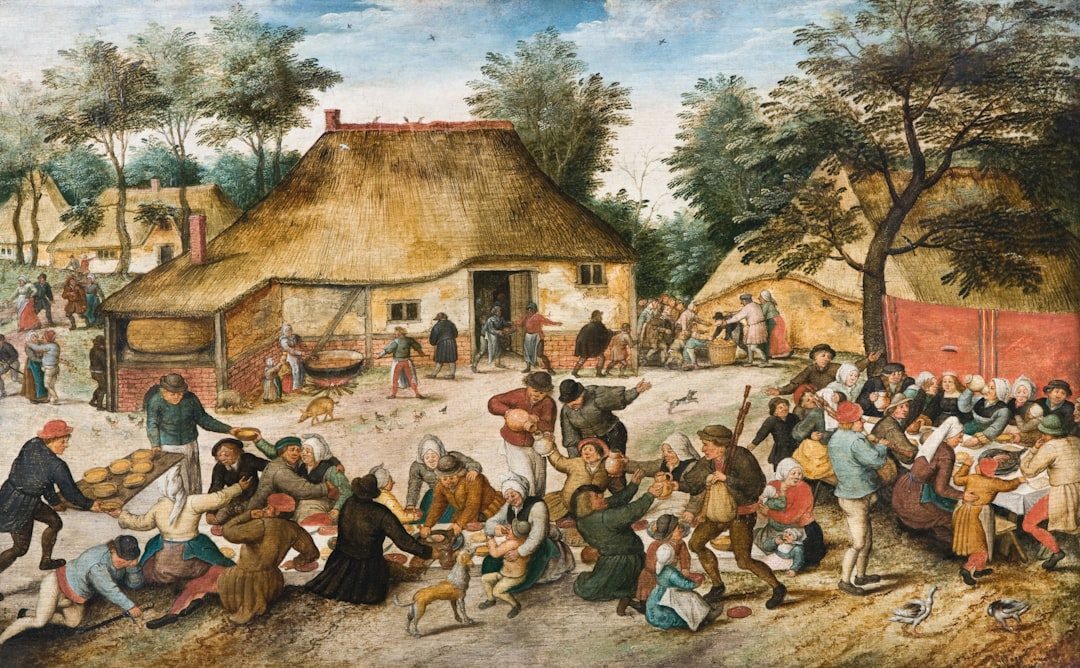
During the autumn of 1621, at least 90 Wampanoag joined 52 English people at what is now Plymouth, Massachusetts, to mark a successful harvest, though no one back then used the term Thanksgiving. Think about that for a second. The event we now celebrate as the foundation of our national holiday wasn’t even identified as such by the people who were there.
The first day identified as such in primary sources in the Plymouth Bay Colony actually occurred in 1623, when colonists gave thanks for rain after drought. That harvest gathering in 1621? It was more like a secular festival with games, feasting, and community bonding. The religious thanksgiving days that the Pilgrims observed were completely separate occasions, marked by prayer and fasting rather than massive feasts with your neighbors.
The Wampanoag Outnumbered The Pilgrims At The Feast
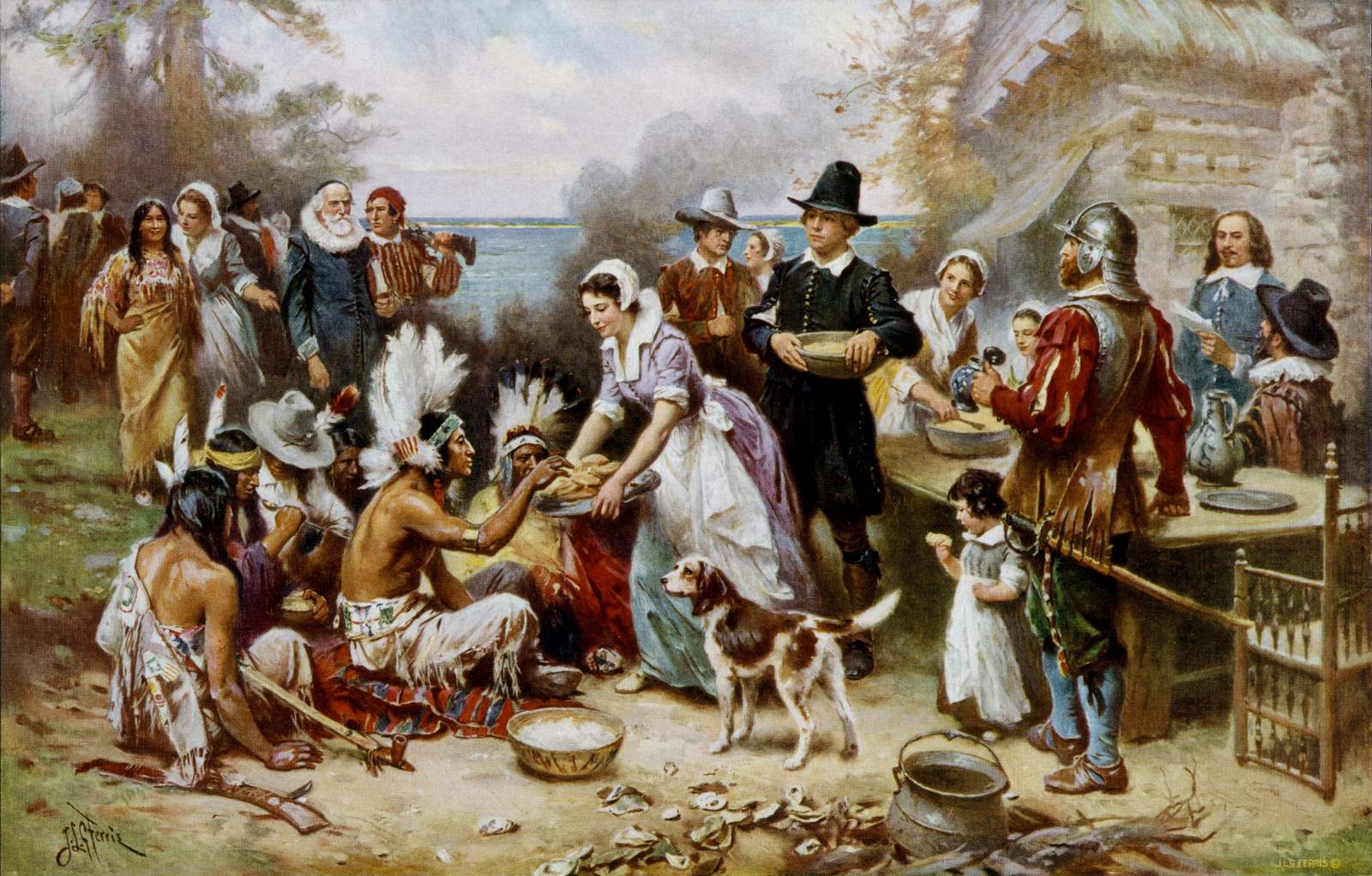
Popular images show a handful of Native Americans politely attending a Pilgrim feast. The reality was exactly the opposite. According to the only eyewitness account from Pilgrim Edward Winslow, the Wampanoag leader Massasoit brought 90 men, while only about 50 English colonists were present.
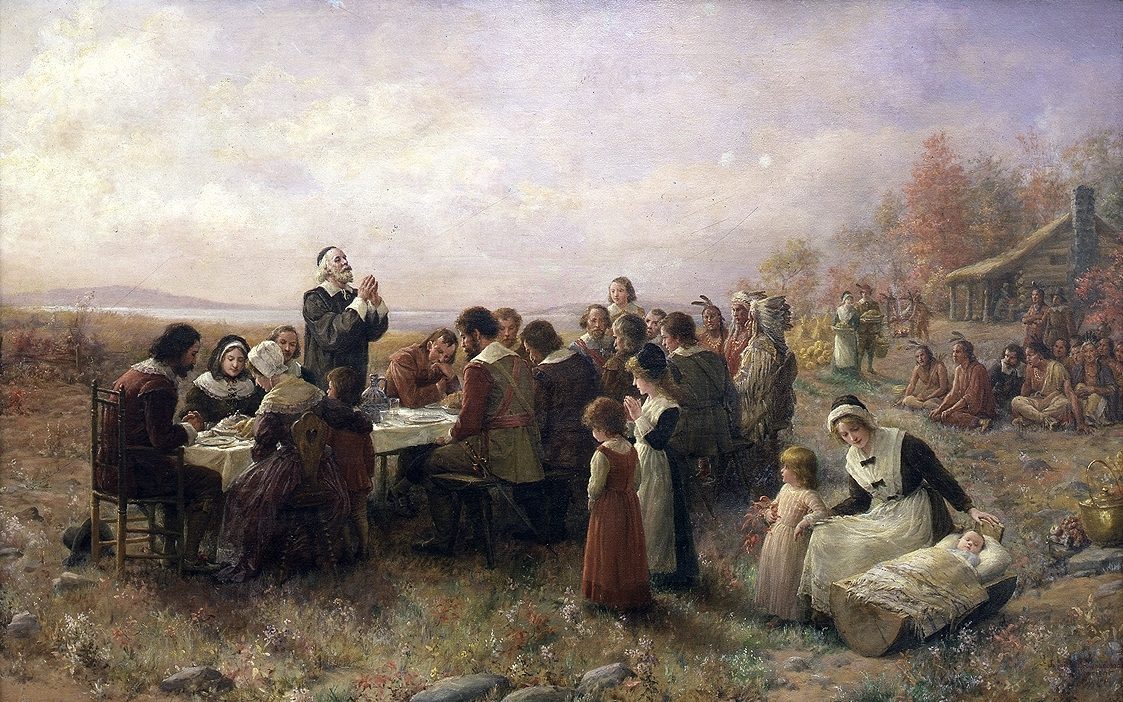
Artistic renditions tend to feature only a few Native Americans in attendance, when in truth the event had about 90 Wampanoag visitors compared to the 50 settlers. This wasn’t a quaint dinner party where the Pilgrims graciously hosted a few indigenous guests. It was a diplomatic gathering where the Wampanoag were actually the majority. Some historians suggest the shared meal was as much a diplomatic event marking an alliance as an agricultural feast celebrating a harvest. The Wampanoag weren’t just dropping by to be neighborly; they were engaging in serious political strategy.
Turkey Probably Wasn’t On The Original Menu
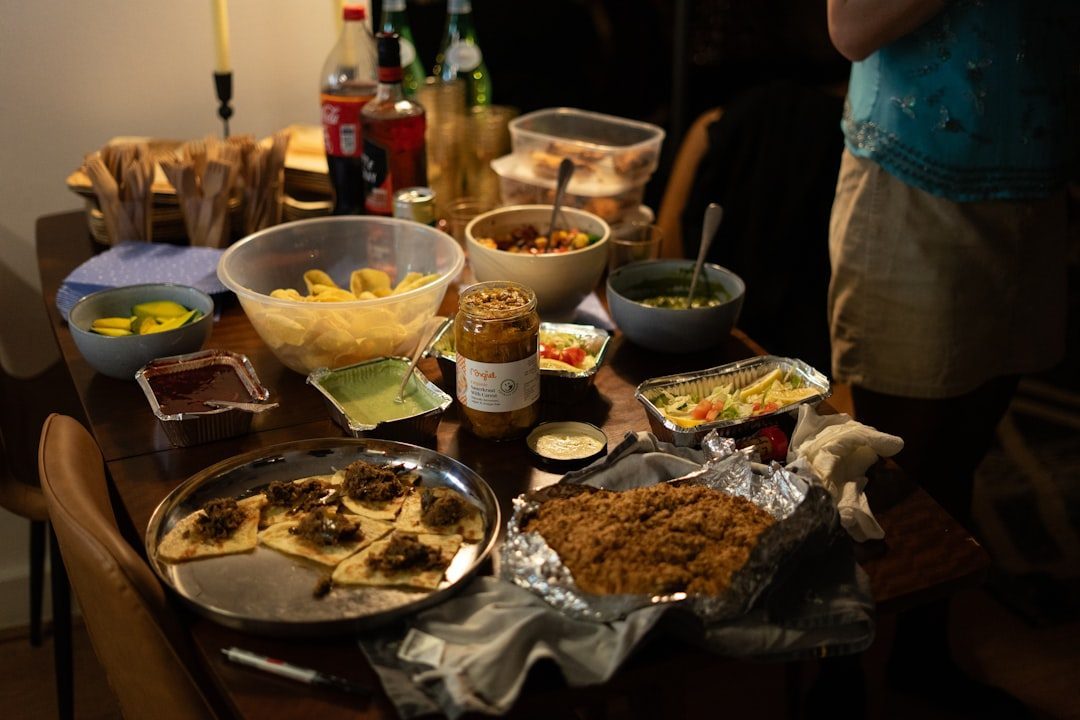
Here’s the thing that might upset your Thanksgiving tablescape plans: There’s no solid evidence that turkey was on the menu in late 1621. Sorry to break it to you, but that centerpiece bird might be a 19th-century invention.
The Wampanoag brought deer, and the Pilgrims provided wild fowl, which could have been turkeys native to the area, but historians think it was probably ducks or geese. Other likely menu items? Shellfish, eels, corn, and various vegetables. Because the Pilgrims had no oven and the Mayflower’s sugar supply had dwindled by the fall of 1621, the meal did not feature pies, cakes or other desserts. No pumpkin pie, no mashed potatoes, no cranberry sauce as we know it today. Wild, right?
A Magazine Editor Made Thanksgiving A National Obsession
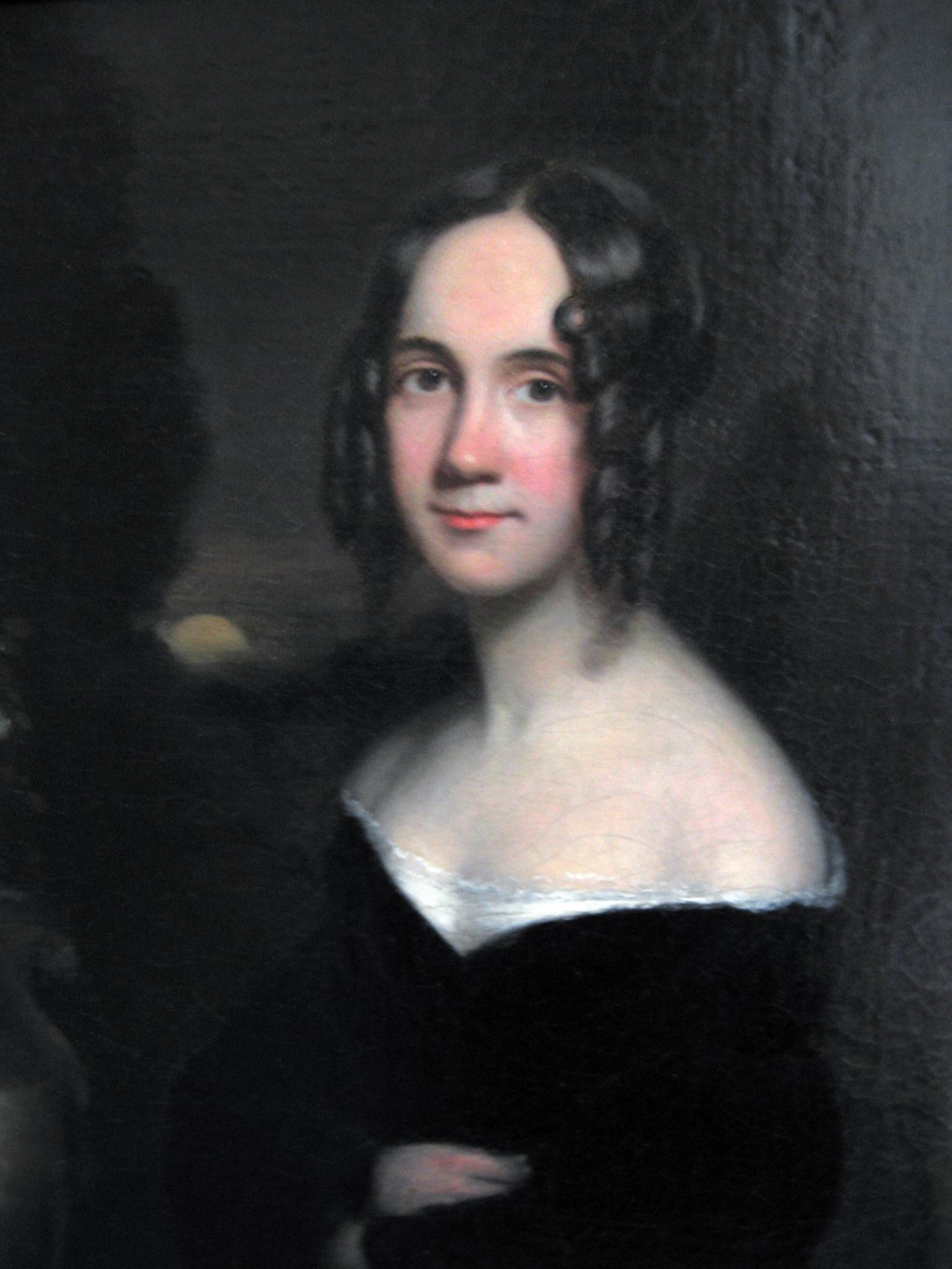
If Thanksgiving feels like a deeply American tradition, you can thank Sarah Josepha Hale for that. Sarah Josepha Hale, a prominent author and magazine editor credited with writing Mary Had a Little Lamb, played a crucial role in establishing Thanksgiving. Starting in the late 1820s, she used her massive platform to champion the holiday.
Hale edited the leading women’s magazine Godey’s Lady’s Book for 50 years, and the magazine’s circulation peaked in 1860 at 150,000 per month, giving her tremendous access and influence. Every November, she published editorials promoting Thanksgiving as a unifying national celebration. Hale lobbied state and federal officials to pass legislation creating a fixed, national day of thanks on the last Thursday of November, believing such a measure could help ease growing tensions between northern and southern parts of the country. Her persistence changed American culture forever.
Lincoln Created The Holiday To Unite A Divided Nation
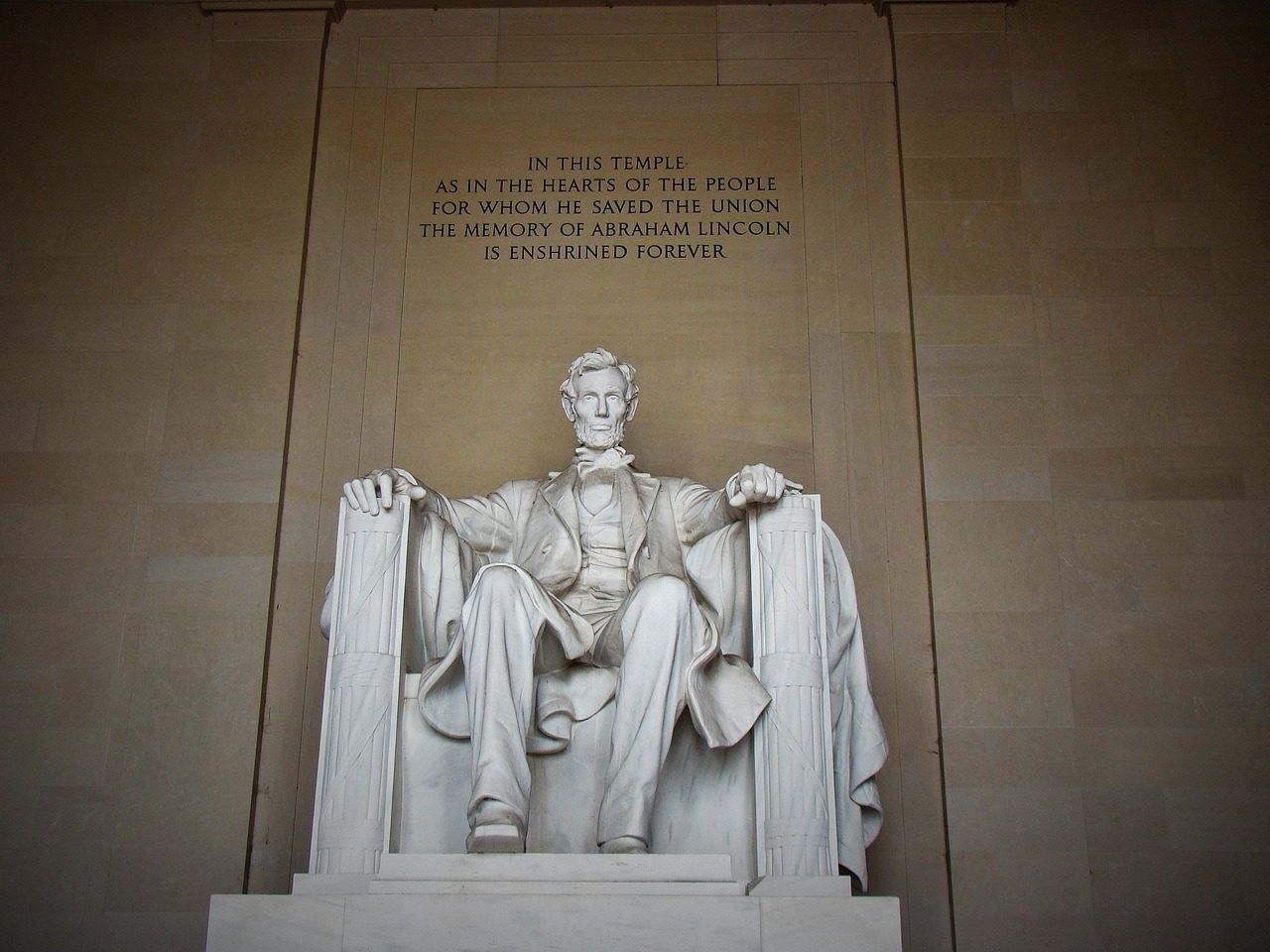
The federal Thanksgiving holiday has its roots in one of the country’s bitterest moments of division – the Civil War, when President Abraham Lincoln issued a Thanksgiving Day proclamation on October 3, 1863, to help unite a war-weary nation. Honestly, it’s kind of genius when you think about it. In the middle of devastating conflict, Lincoln asked Americans to pause and give thanks together.
Sarah Josepha Hale wrote a letter to Lincoln on September 28, 1863, urging him to have the day of annual Thanksgiving made a national and fixed Union Festival. Within days, Lincoln responded. His order set a precedent to observe the last Thursday of November as a day every year for decades to follow. It was part public relations campaign, part genuine attempt to heal a fractured nation by creating shared ritual.
Virginia Claims An Earlier Thanksgiving Than Plymouth
Let’s be real, the Plymouth story isn’t the only claim to the first Thanksgiving. An annual thanksgiving holiday tradition in North American colonies is documented for the first time in 1619 in Virginia, when thirty-eight English settlers arrived at Berkeley Hundred and immediately held a religious celebration dictated by their charter declaring the day would be yearly and perpetually kept holy as a day .
That’s two full years before the Plymouth gathering. Perhaps the idea of an annual event to honor survival in the New World originated in Virginia, but Americans would likely associate Thanksgiving with Virginia if this settlement had not been wiped out by massacre. It’s sobering to realize that historical memory often depends on which communities survived to tell their stories. The Plymouth narrative won out partly because those colonists lived to cement their version of events.
The First Feast Lasted Three Days And Included Games
Forget sitting quietly around a table for a few hours. The Pilgrims held a non-religious Thanksgiving feast aside from saying grace, and they seem to have used the three days for feasting, playing games, and even drinking liquor. This was a full-on festival, not a solemn dinner.
The feast included fowl, venison, fish, eels, shellfish, stews, vegetables, and beer, with most people eating outside while sitting on the ground or on barrels with plates on their laps, while men fired guns, ran races, and drank liquor. It sounds chaotic, messy, and honestly kind of fun. Nothing like the orderly Norman Rockwell painting we imagine. The celebration was rowdy, physical, and collaborative between two very different cultures trying to figure out how to coexist.
The Holiday Disappeared For Centuries Before Becoming Annual
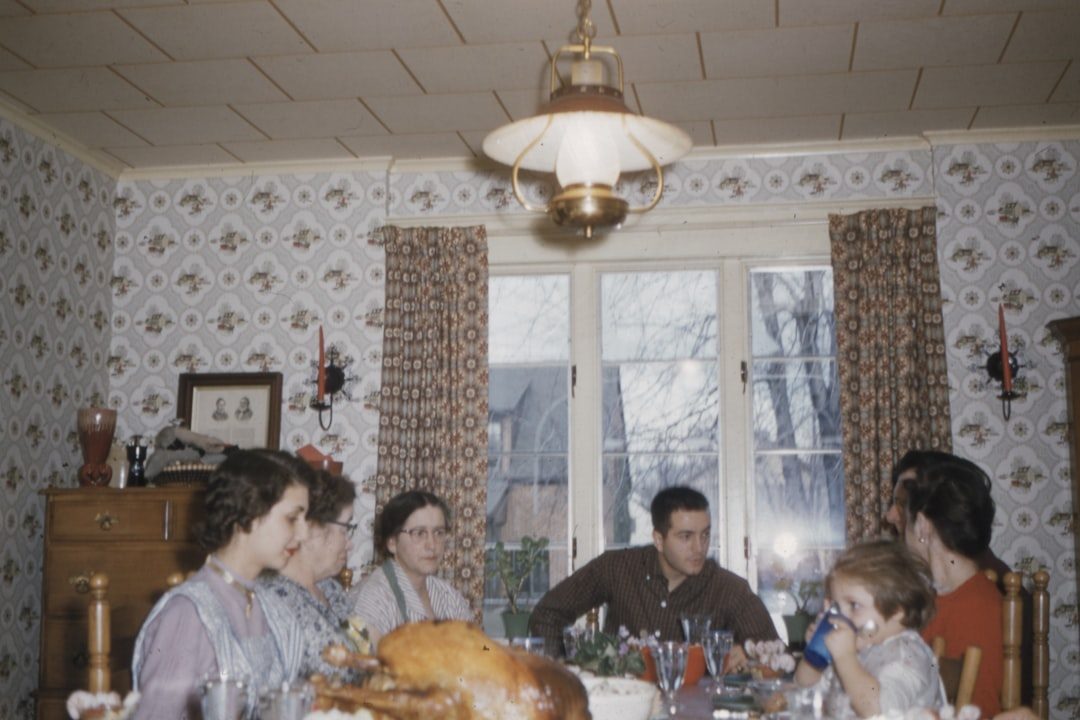
Here’s something that might surprise you: Thanksgiving wasn’t continuously celebrated from 1621 onward. The 1621 harvest celebration was largely forgotten for over a century. Various New England communities held sporadic days for different reasons throughout the colonial period, but there was no consistent annual tradition.
For more than two centuries, days were celebrated by individual colonies and states, and it wasn’t until 1863 that President Abraham Lincoln proclaimed a national Thanksgiving Day. Even after Lincoln’s proclamation, it took decades for the holiday to become the standardized celebration we know today. In 1941, a Congressional Joint Resolution officially set the fourth Thursday of November as a national holiday for Thanksgiving. The modern holiday is actually a fairly recent invention in the grand scheme of American history.
Native Americans Saved The Pilgrims From Starvation
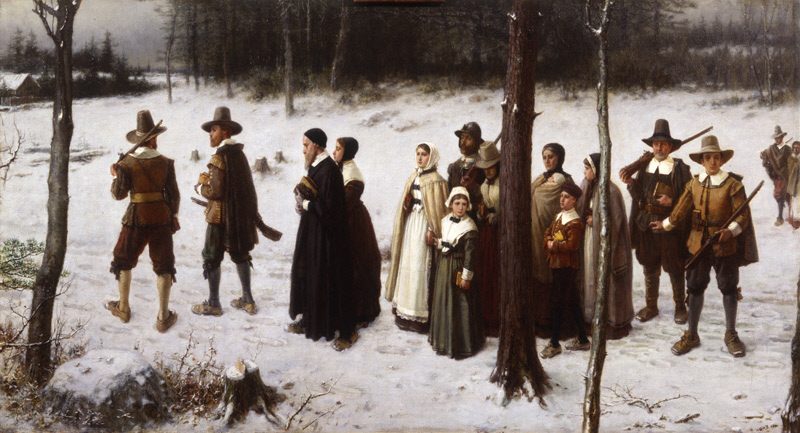
Let’s not sugarcoat this: the Pilgrims would not have survived without help. Only half of the Mayflower’s original passengers and crew lived to see their first New England spring. The winter was brutal, and these English settlers had no idea how to survive in this environment.
Squanto, who had been kidnapped and sold into slavery before escaping to London and returning to his homeland, taught the Pilgrims how to cultivate corn, extract sap from maple trees, catch fish in the rivers and avoid poisonous plants. Wampanoag tribal leaders formed an alliance with the colonists for strategic purposes and shared knowledge about hunting and planting that saved the Pilgrims from starvation and made the 1621 harvest celebration possible. Without this assistance, there would be no Plymouth Colony to mythologize.
The Peace Between Pilgrims And Wampanoag Didn’t Last
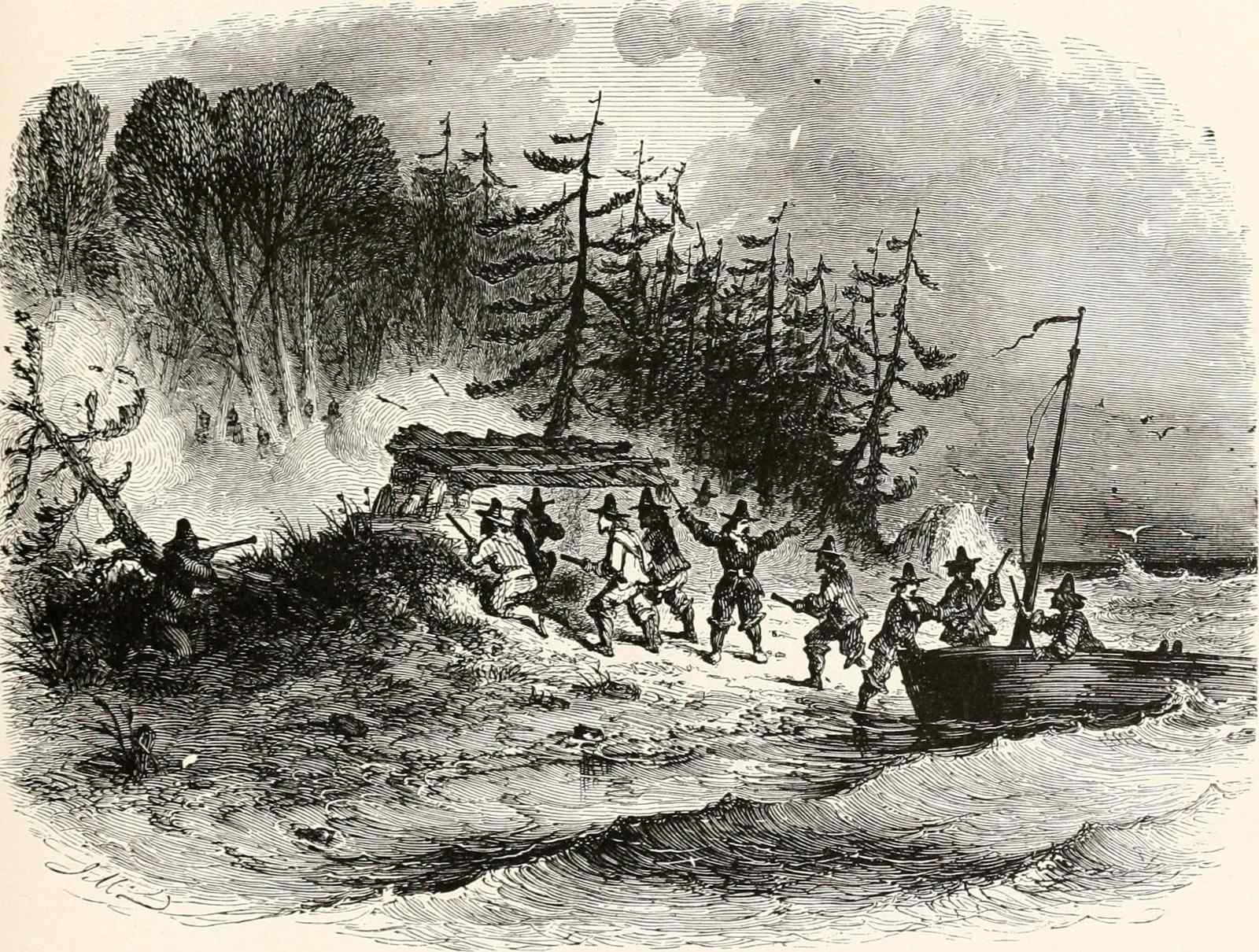
The story of harmonious coexistence is tragically incomplete without mentioning what came next. The peace between groups was short-lived, and within a generation war would erupt and the Wampanoag would ultimately lose their political independence and much of their territory. The alliance held for roughly five decades, which sounds significant until you realize the devastating consequences that followed.
The alliance collapsed in the early 1670s, erupting into King Philip’s War from 1675 to 1676, resulting in hundreds of English deaths and thousands of Native American deaths, with the Wampanoag ultimately losing their political independence and many being killed, sold into slavery, or forced from their ancestral lands. Since the 1970s, the United American Indians of New England have organized an annual National Day of Mourning on Thanksgiving Day in Plymouth that confronts the myth of the First Thanksgiving. For many Native Americans, this holiday represents loss, betrayal, and the beginning of centuries of tragedy.
Conclusion
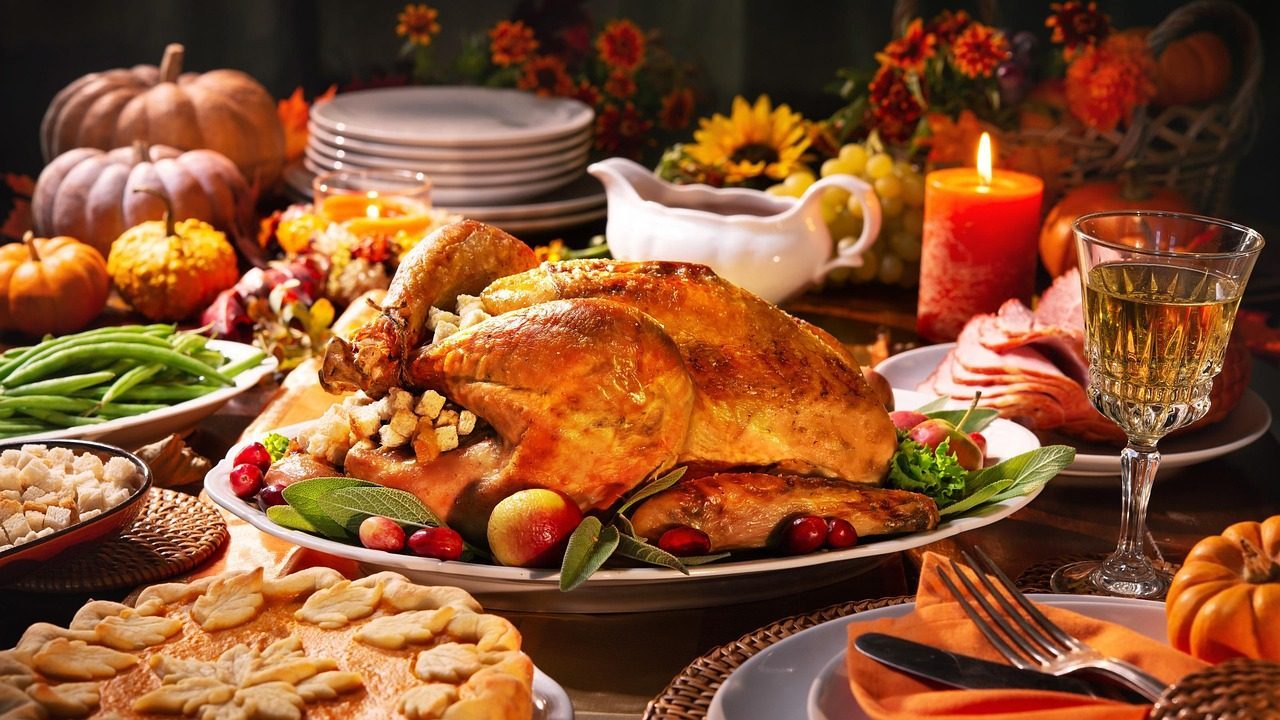
Thanksgiving’s real origins are far messier, more political, and more complex than the sanitized story most of us grew up with. What we celebrate today is actually a 19th-century creation, shaped by magazine editors, political leaders, and a nation searching for unifying myths during its darkest hours. The 1621 harvest celebration was just one moment in a long, complicated history of cultural exchange, survival, conflict, and eventual tragedy.
Does this mean we shouldn’t celebrate Thanksgiving? I don’t think so. Maybe it means we should celebrate it differently, with awareness of the full story. We can gather with loved ones, express gratitude, and share food while also acknowledging the Indigenous peoples whose generosity made that first feast possible and whose descendants still live with the consequences of colonization. History isn’t simple, and neither should our understanding of this holiday be. What do you think about these surprising origins? Does knowing the real story change how you’ll approach Thanksgiving this year?
Hi, I’m Andrew, and I come from India. Experienced content specialist with a passion for writing. My forte includes health and wellness, Travel, Animals, and Nature. A nature nomad, I am obsessed with mountains and love high-altitude trekking. I have been on several Himalayan treks in India including the Everest Base Camp in Nepal, a profound experience.


