
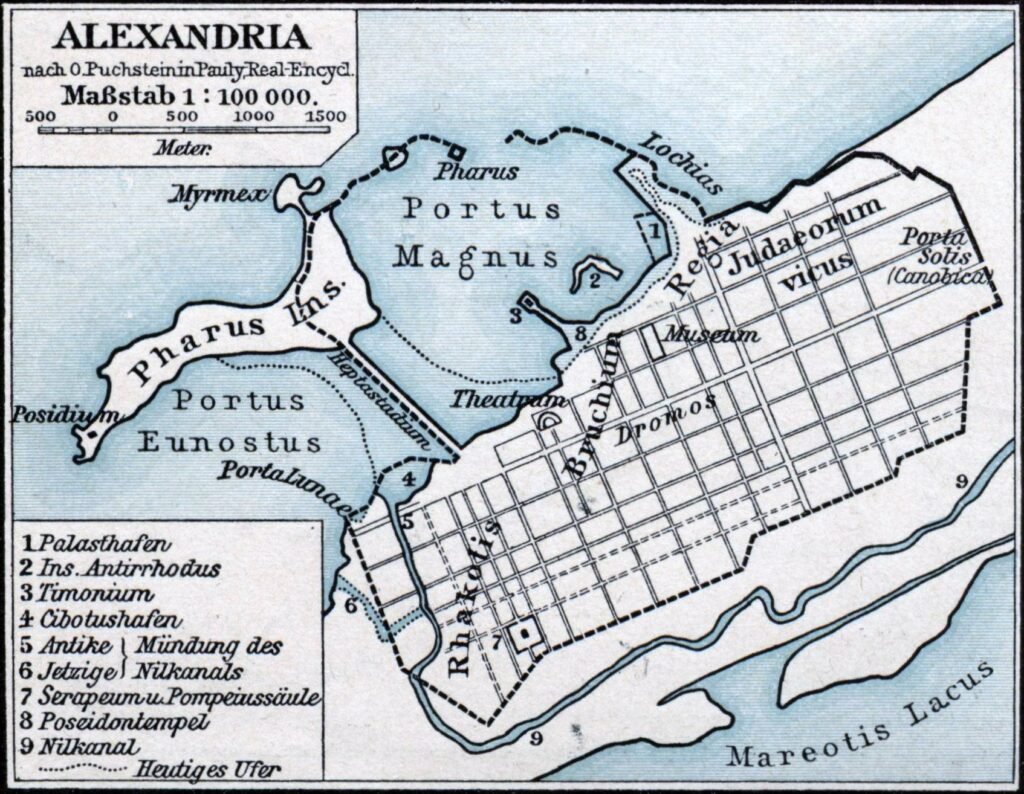

Have you ever wondered what it would be like to walk through the streets of a city that once held the world’s greatest library? To see a lighthouse so magnificent that ancient travelers called it a wonder? Alexandria wasn’t just another city in the ancient world. It was the place where cultures collided, where scholars gathered to unlock the secrets of the universe, and where powerful rulers shaped the course of history.
Today, much of the ancient city lies beneath the waves of the Mediterranean, swallowed by earthquakes and time itself. The mysteries hidden beneath those waters continue to tantalize archaeologists and historians alike. Let’s dive into ten captivating facts about this legendary metropolis that will make you see why Alexandria was truly extraordinary.
1. Alexander the Great Founded the City but Never Saw It Flourish
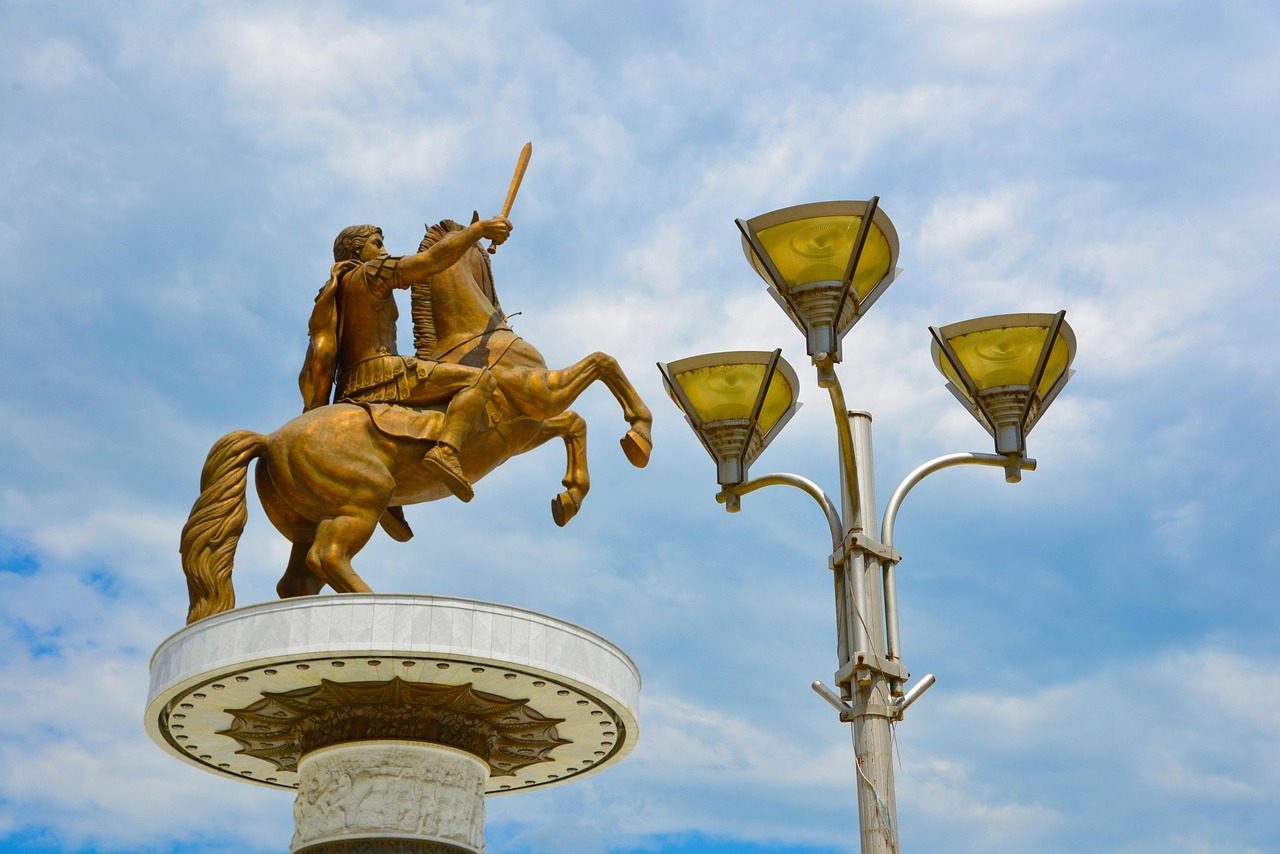
The city was founded by Alexander the Great in 331 BC, chosen for its strategic location between the Mediterranean Sea and Lake Mareotis. Picture Alexander standing on that strip of land, envisioning something grander than anything Egypt had seen before. The historian Arrian tells how Alexander undertook to lay out the city’s general plan, but lacking chalk or other means, resorted to sketching it out with grain.
A few months after the foundation, Alexander left Egypt for the East and never returned to his city. His architect Dinocrates took the vision and turned it into reality. Imagine the irony: founding a city that would carry your name for over two millennia, yet never witnessing its golden age. In a century, Alexandria had become the largest city in the world, and for some centuries more, was second only to Rome.
2. It Was Built Over an Ancient Egyptian Fishing Village
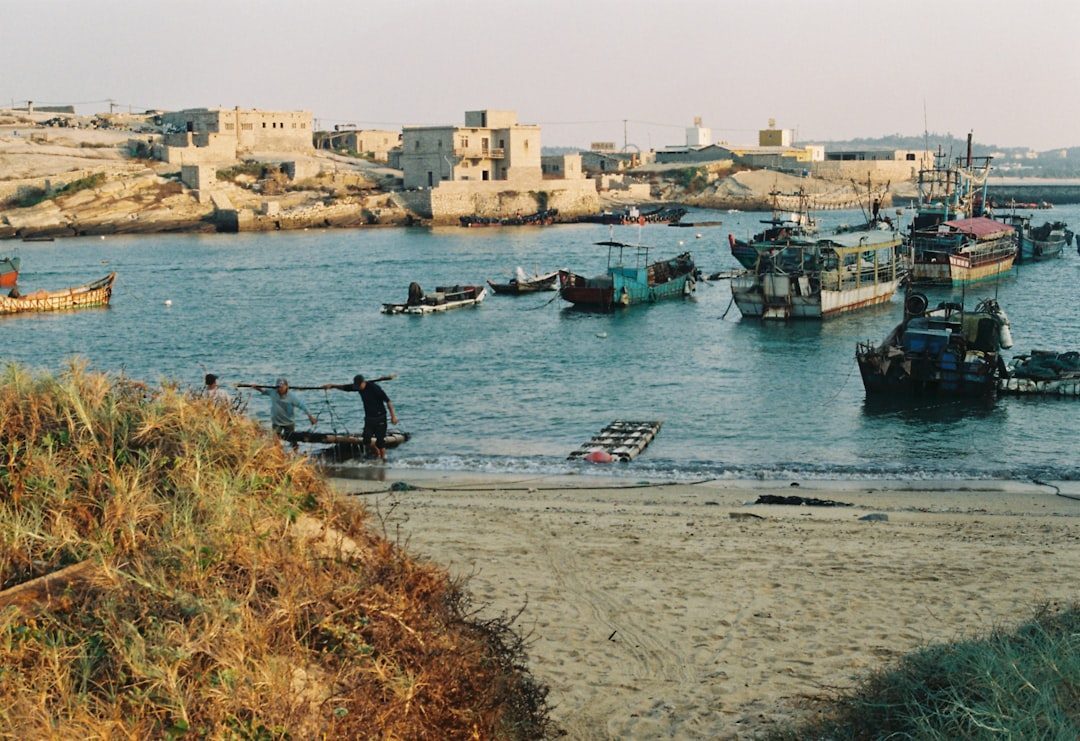
A small Egyptian fishing village named Rhakotis existed since the 13th century BC in the vicinity and eventually grew into the Egyptian quarter of the city. Long before Alexander’s grand vision, this humble settlement sat quietly on Egypt’s northern coast. Life was simple there, fishermen casting their nets in the Mediterranean, utterly unaware that their village would become the foundation for one of antiquity’s greatest metropolises.
From ancient sources it is known there existed a trading post at this location during the time of Rameses the Great for trade with Crete, but it had long been lost by the time of Alexander’s arrival. The site wasn’t chosen randomly. Even in Pharaonic times, people recognized its natural advantages for commerce and defense. That ancient wisdom became the bedrock upon which a new world would be built.
3. The Lighthouse Was a Technological Marvel That Stood for Over 1,600 Years
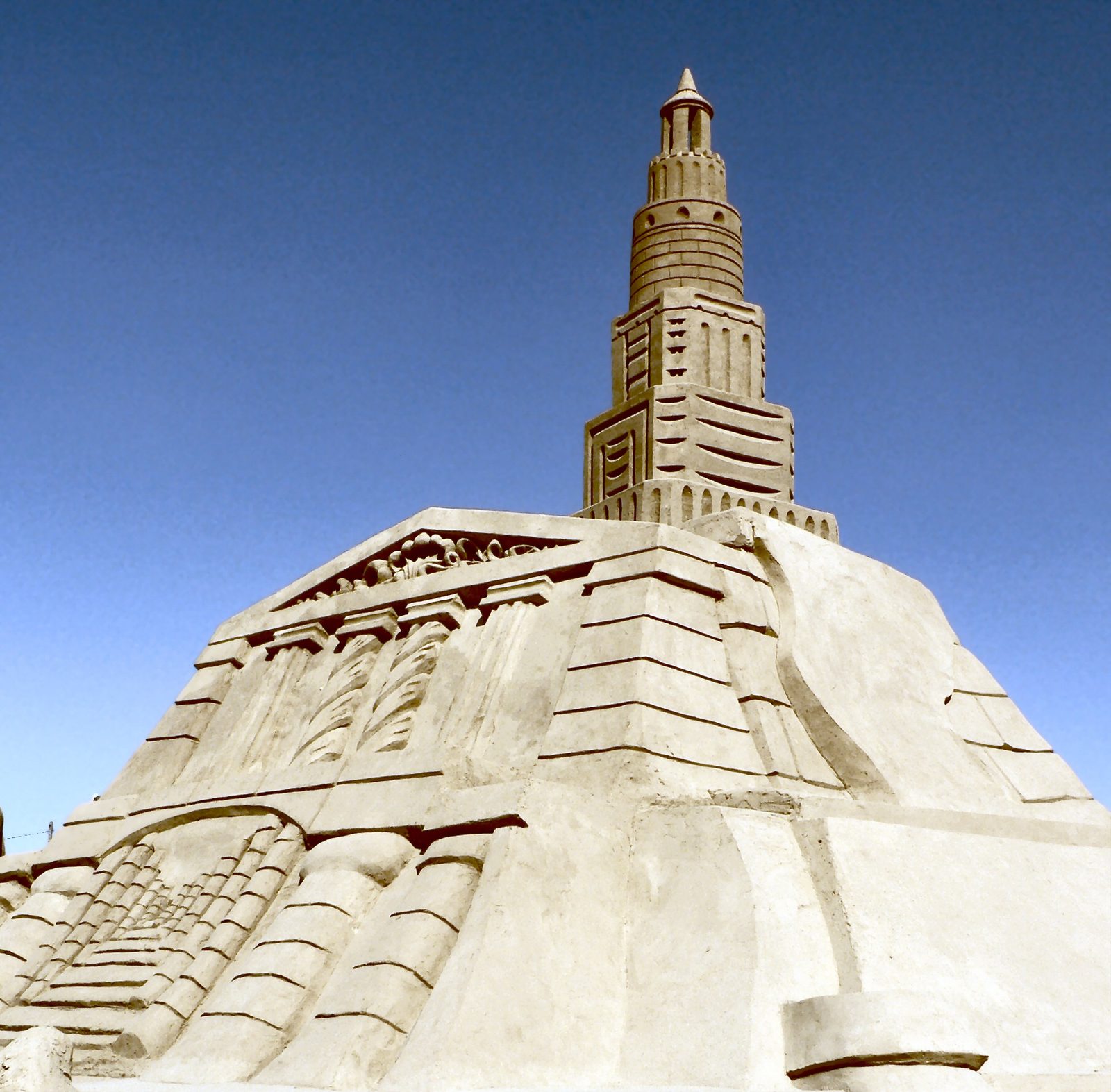
Let’s be real, when you think of ancient wonders, you probably picture the pyramids. Yet the Lighthouse of Alexandria, sometimes called the Pharos of Alexandria, was built during the reign of Ptolemy II Philadelphus and has been estimated to have been at least 100 metres in overall height. That’s taller than most modern buildings. Ships could see its beacon from miles away, guiding them safely into Alexandria’s bustling harbor.
The building took twelve years to complete at a total cost of 800 talents of silver, and the light was produced by a furnace at the top, with the tower built mostly with solid blocks of limestone and granite. The Pharos Lighthouse of Alexandria existed for 1600 years, through three major political systems, and was rebuilt and repaired many times. Eventually, earthquakes brought down this architectural giant, but its legacy endures.
4. The Library of Alexandria Housed Unimaginable Knowledge
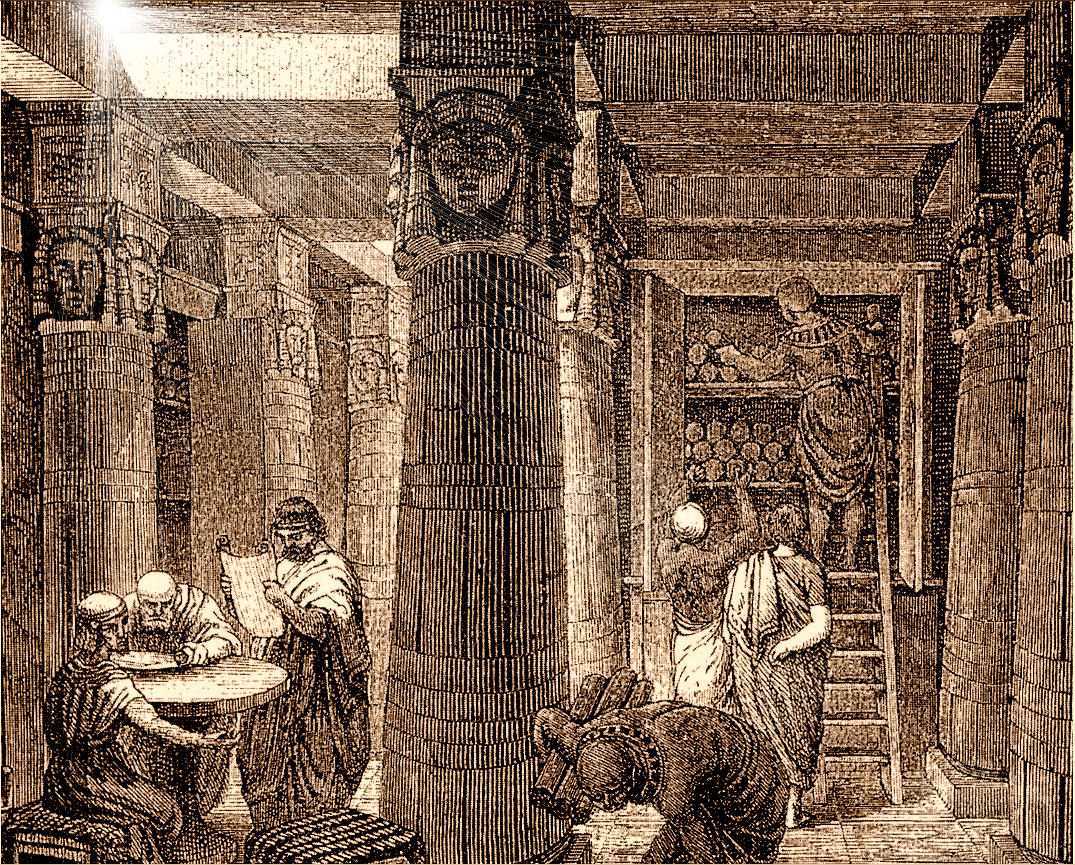
The Library of Alexandria was one of the largest and most significant libraries of the ancient world, and the library was part of a larger research institution called the Mouseion, which was dedicated to the Muses, the nine goddesses of the arts. Honestly, it’s hard to say for sure just how vast this collection truly was. It is unknown precisely how many scrolls were housed at any given time, but estimates range from 40,000 to 400,000 at its height.
The Ptolemies were obsessed with gathering knowledge. One method to which they reportedly resorted was to search every ship that sailed into the harbour of Alexandria, and if a book was found, it was taken to the library for a decision as to whether to return it or to confiscate it and replace it with a copy made on the spot. Imagine being a merchant, arriving with goods to trade, only to have your precious manuscripts seized. That’s how seriously they took the pursuit of knowledge.
5. Cleopatra’s Royal Palace Now Lies Underwater
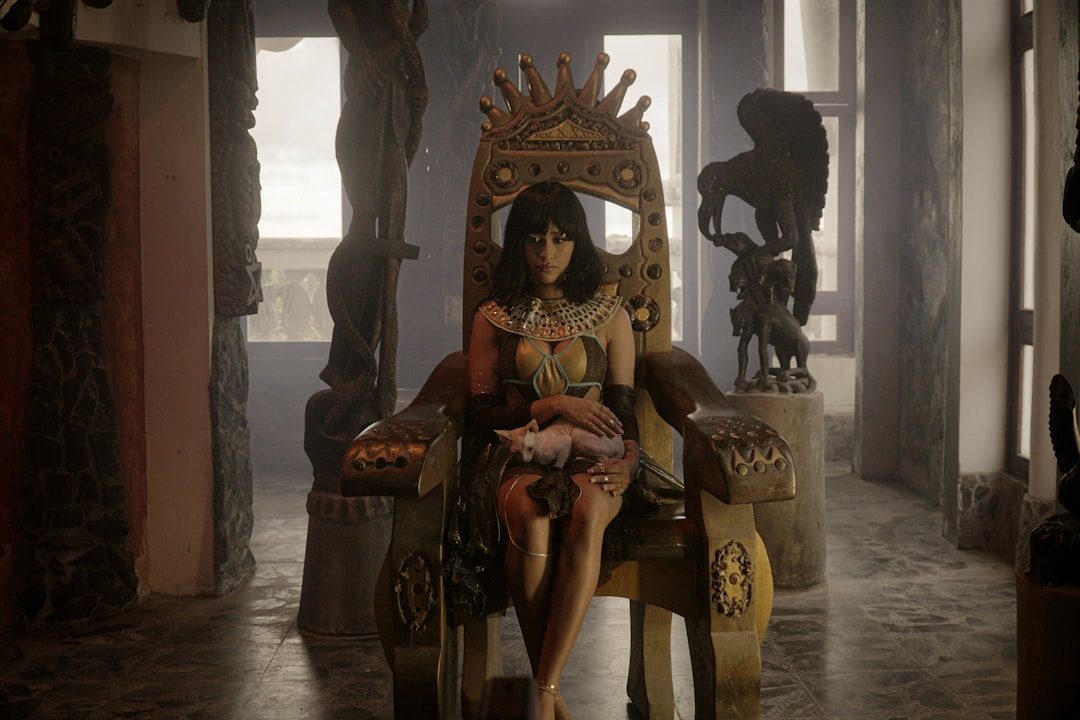
The island of Antirhodos housed remains of a relatively modest marble-floored 3rd century BC palace, believed to have been Cleopatra’s royal quarters. This wasn’t some fairy tale castle. It was real, and now it rests beneath roughly five meters of Mediterranean seawater. The island probably sank in the 4th century, when it succumbed to earthquakes and a tsunami following an earthquake in the eastern Mediterranean near Crete in the year 365.
In the 1990s, French marine archaeologist Franck Goddio led underwater explorations in Alexandria’s harbor, and his team discovered significant remains of the palace complex, including columns, statues, and sphinxes. What must it be like for divers to swim through rooms where Cleopatra once walked? Where she plotted with Julius Caesar and Mark Antony? The very thought sends shivers down your spine.
6. It Became the Most Populous City in the Ancient World
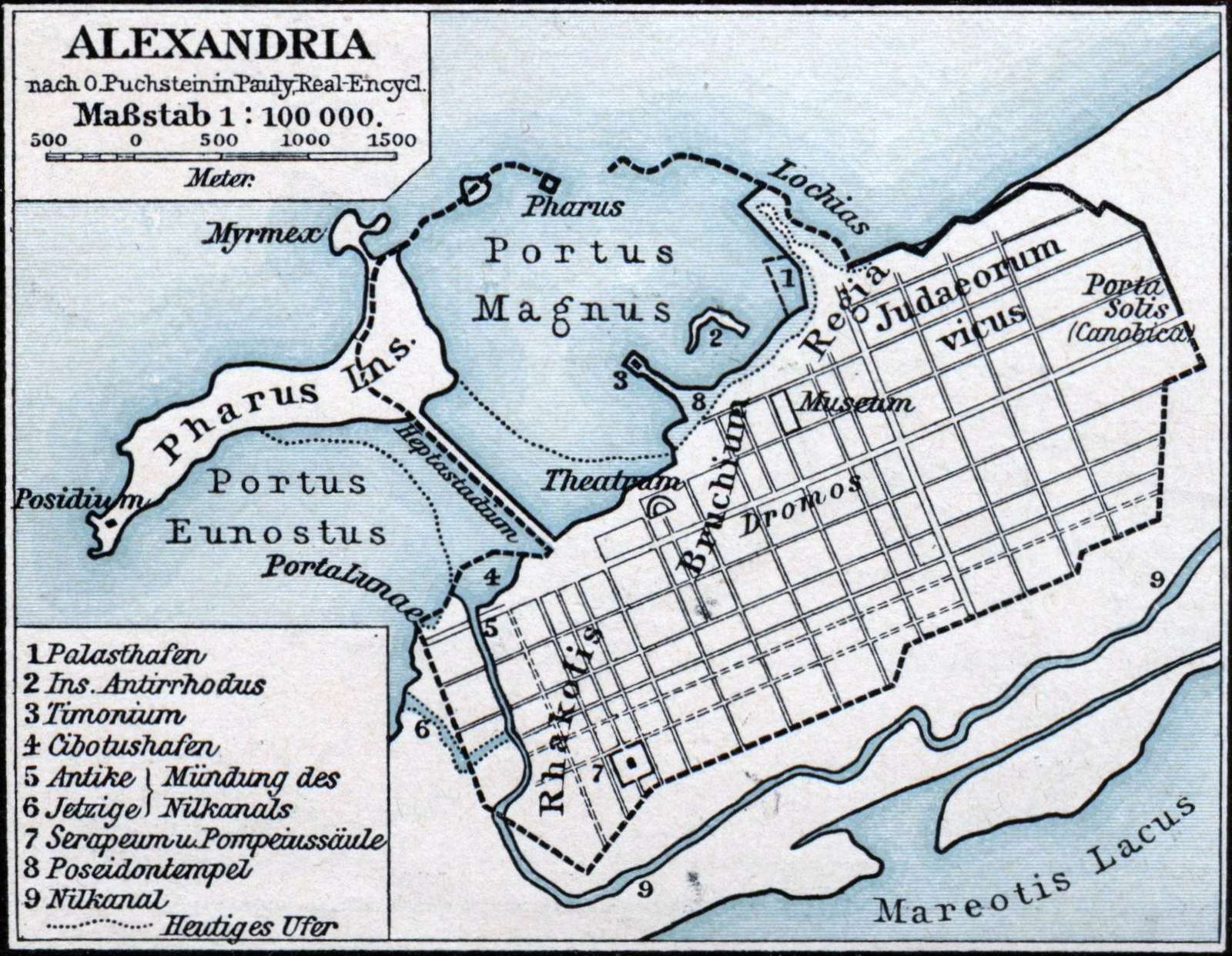
The city was made the capital of the Ptolemaic Kingdom and became the foremost commercial, intellectual, and cultural centre for much of the Hellenistic age and late antiquity; at one time, it was the most populous city in the ancient world. Think about that for a moment. More people lived in Alexandria than in Athens, than in Carthage, than anywhere else. The streets must have been absolutely teeming with merchants, scholars, sailors, and laborers from every corner of the known world.
Inheriting the trade of ruined Tyre and becoming the center of the new commerce between Europe and the Arabian and Indian East, the city grew in less than a generation to be larger than Carthage. Trade goods flowed through its ports like rivers. Egyptian grain fed Rome, while exotic spices and silks from the East passed through on their way to Mediterranean markets. The city hummed with prosperity and possibility.
7. It Hosted One of the Largest Jewish Communities in Antiquity
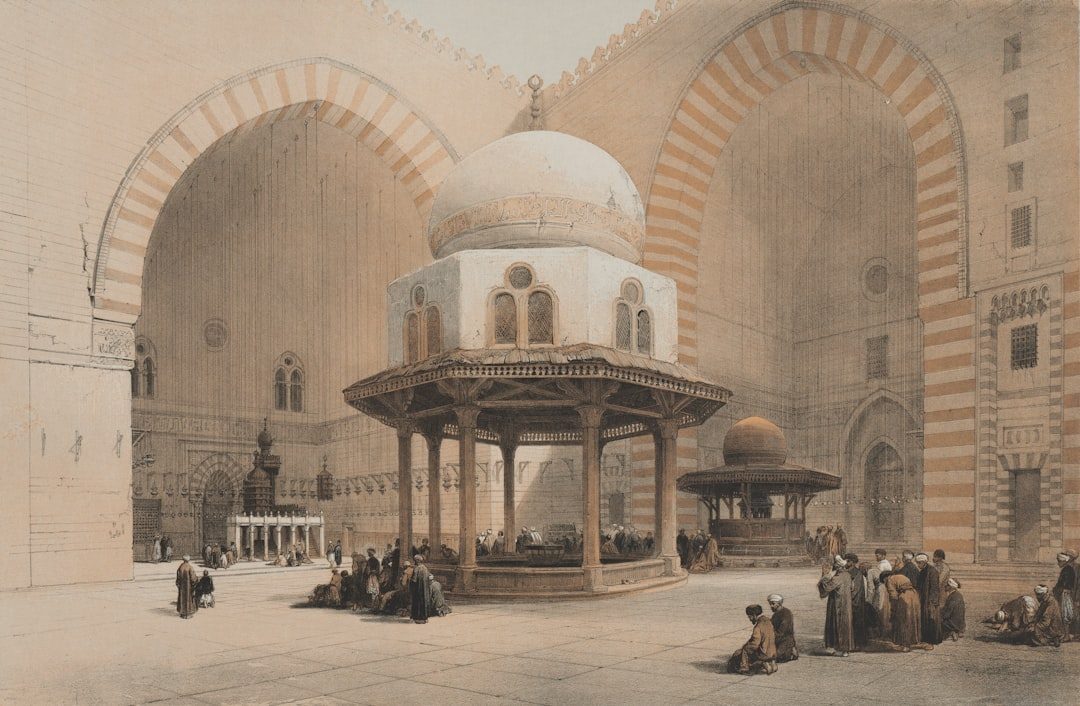
Alexandria was home to the largest Jewish community in the ancient world, and the Septuagint, a Greek translation of the Hebrew Bible, was produced there; Jews occupied two of the city’s five quarters and worshipped at synagogues. This wasn’t just a minor presence. Nearly half the city might have had Jewish residents at certain points in history.
The Jewish community made up a large part of Alexandria’s population, many of whom spoke Greek and used the Septuagint, a Greek translation of the Hebrew Scriptures; according to tradition, the Septuagint was translated in Alexandria by seventy-two Jewish scholars during the reign of Ptolemy II. The cultural melting pot of Alexandria meant that Greek philosophy mingled with Hebrew scripture, creating entirely new ways of thinking about religion and philosophy that would shape Western civilization.
8. The City Was a Center for Groundbreaking Scientific Discovery
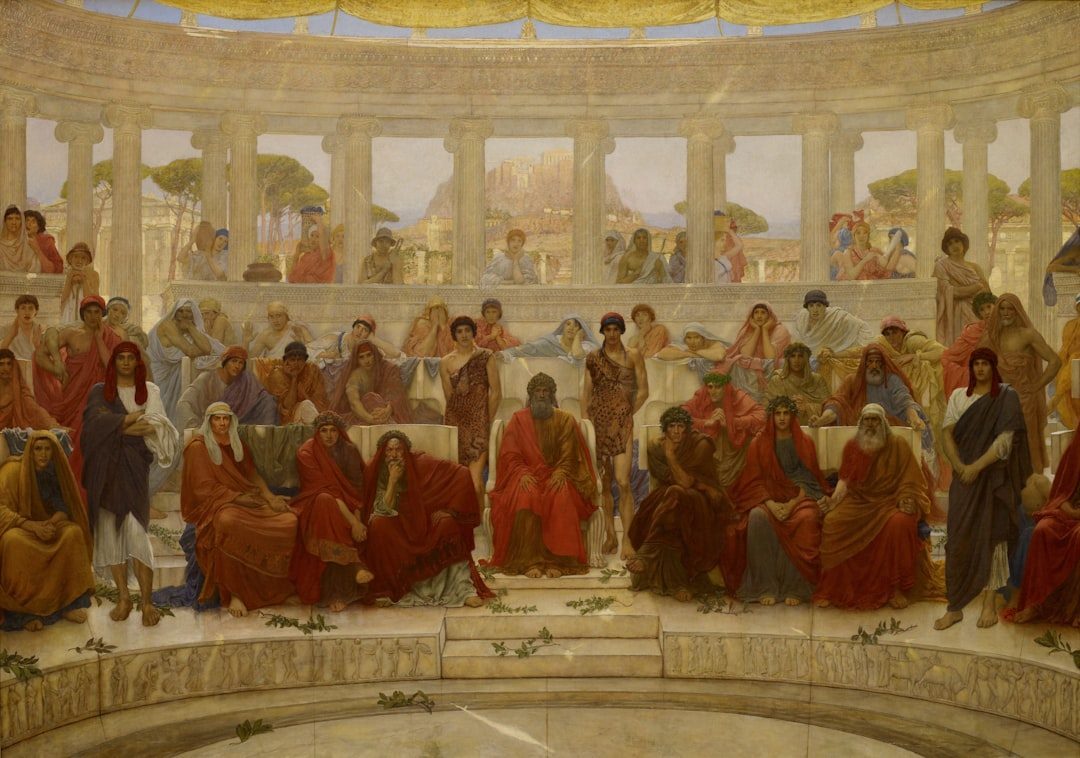
Alexandria became, within a century of its founding, one of the Mediterranean’s largest cities and a centre of Greek scholarship and science; such scholars as Euclid, Archimedes, Plotinus the philosopher, and Ptolemy and Eratosthenes the geographers studied at the Mouseion. Picture the greatest minds of the ancient world gathering in one place. Euclid writing his Elements, laying the foundation for geometry. Eratosthenes calculating the circumference of the Earth with stunning accuracy.
The level of intellectual activity was remarkable. Scholars who lived and worked there received accommodation, food, and access to one of the greatest collections of texts ever assembled, and some ancient estimates claimed that the Great Library housed between 400,000 and 700,000 scrolls. These weren’t just academics sitting in ivory towers. They were pushing the boundaries of human knowledge, conducting experiments, making observations, and recording their findings for future generations.
9. It Featured a Unique Blend of Egyptian and Greek Culture
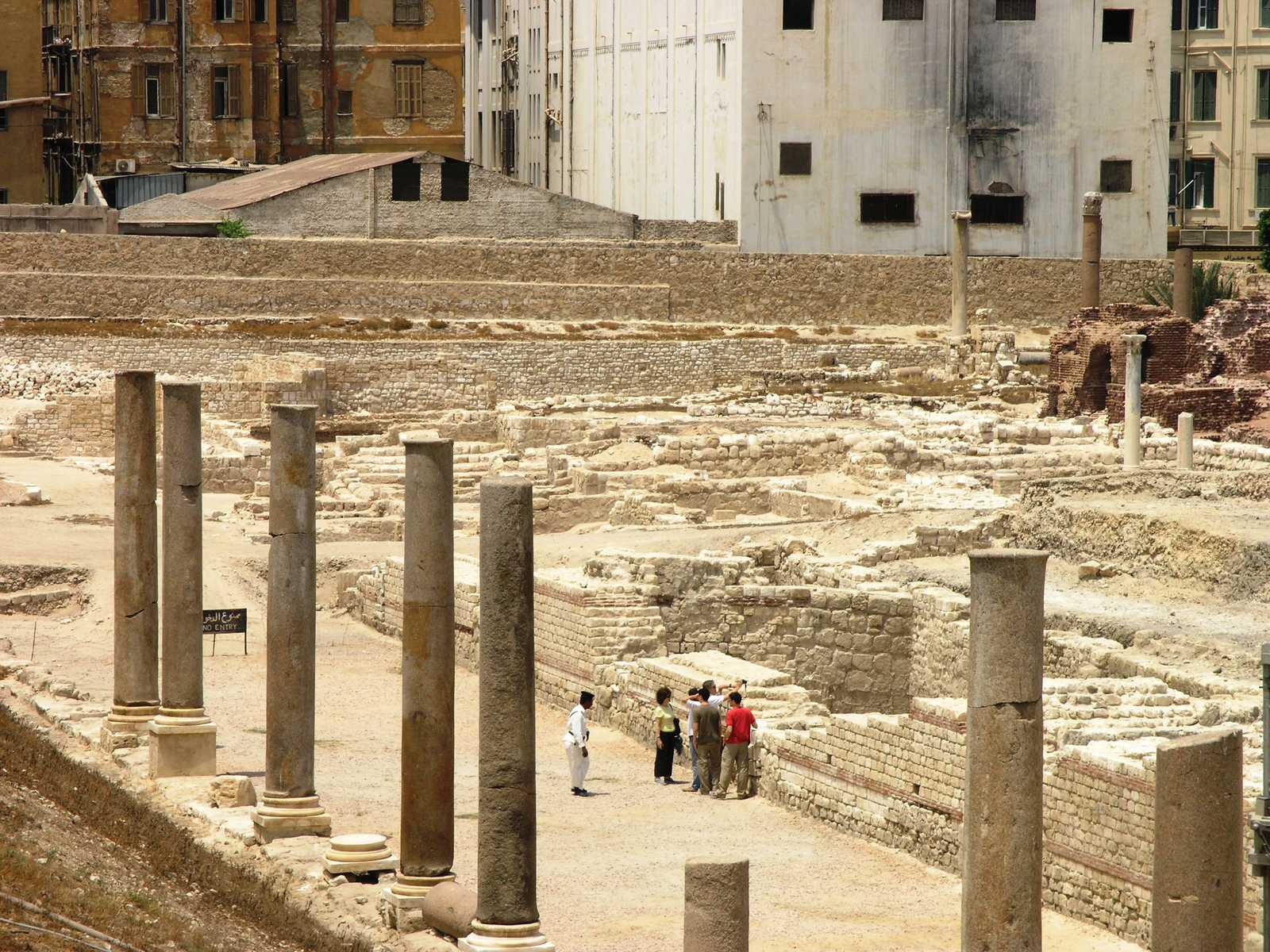
Evidence suggests that the culture of ancient Alexandria was a mix of Egyptian and Greek ideas, and the Ptolemies blended some Greek gods with Egyptian deities and also instituted a new god, Serapis, whose attributes came from several Greek and Egyptian gods. This wasn’t cultural appropriation in the modern sense. It was intentional syncretism, an attempt to unify the Greek rulers with their Egyptian subjects under shared religious beliefs.
Alexandria, under the Ptolemies, was a melting pot of Greek and Egyptian cultures, and the palace was a symbol of this cultural fusion; the royal quarters would have been adorned with art and artifacts reflecting both Hellenistic and Egyptian influences. Walking through ancient Alexandria must have felt like traveling between worlds. Greek columns stood beside Egyptian obelisks. Temple priests performed rituals that honored both Zeus and Amun.
10. Much of the Ancient City Remains Hidden Beneath Modern Alexandria
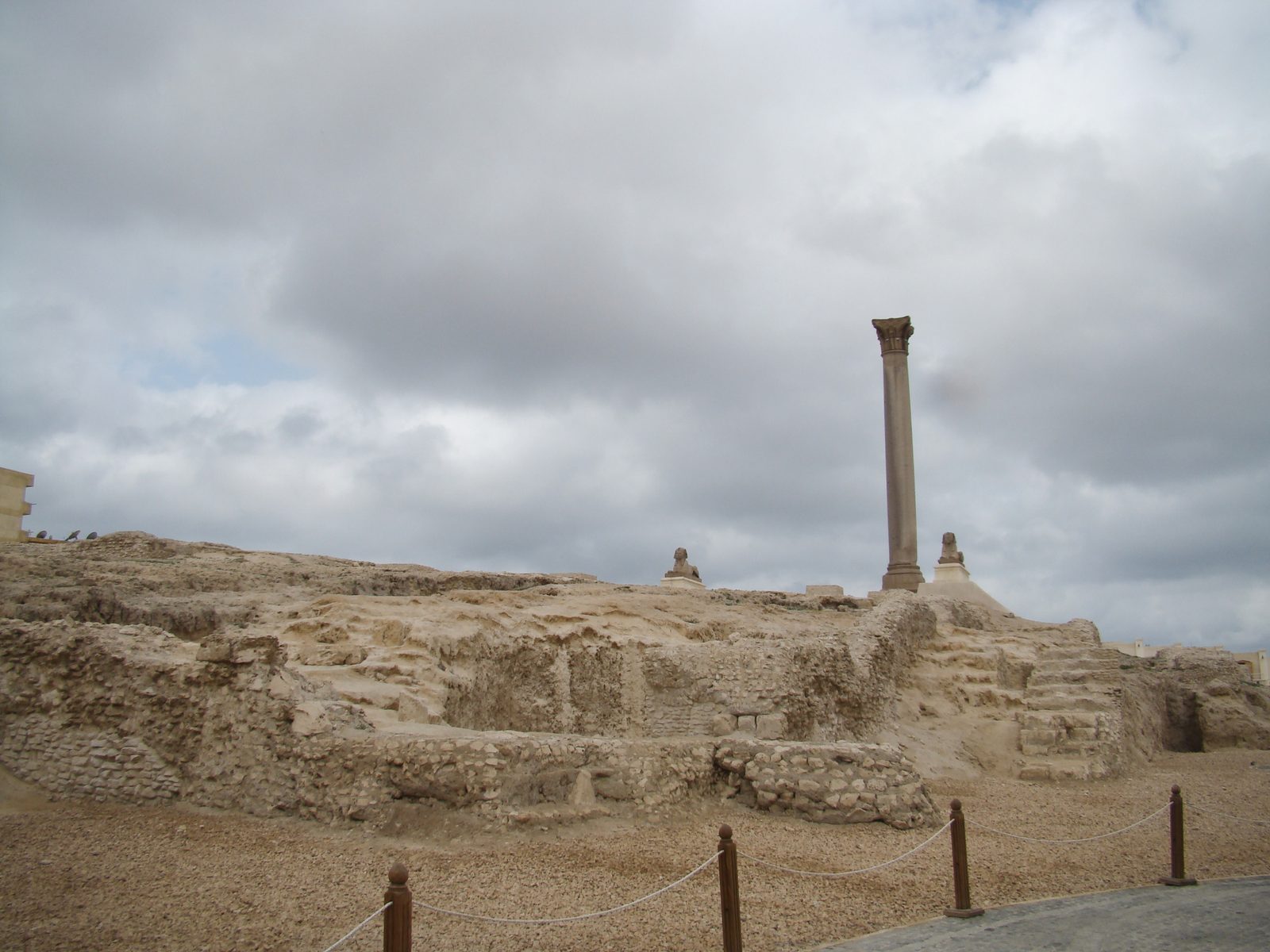
In the present day, the old city lies beneath the new or at the bottom of the harbor; in 1994, the first discoveries were made known of several relics, statuary, and buildings in the harbor of Alexandria, which have been steadily excavated by Professor Jean-Yves Empereur and his team. The ancient Royal Quarters, the Great Library, Alexander’s tomb – they’re all down there somewhere, buried under centuries of construction or resting on the seafloor.
By the mid-fifth century A.D., the royal palaces and buildings within Alexandria’s Great Harbor had been destroyed by a series of earthquakes and tidal waves; over time, the harbor floor dropped more than 20 feet, the Royal Quarters collapsing and sinking beneath the waves. Modern Alexandria is a bustling metropolis with millions of residents. Beneath their feet lies one of history’s greatest civilizations, waiting to be fully rediscovered.
Conclusion
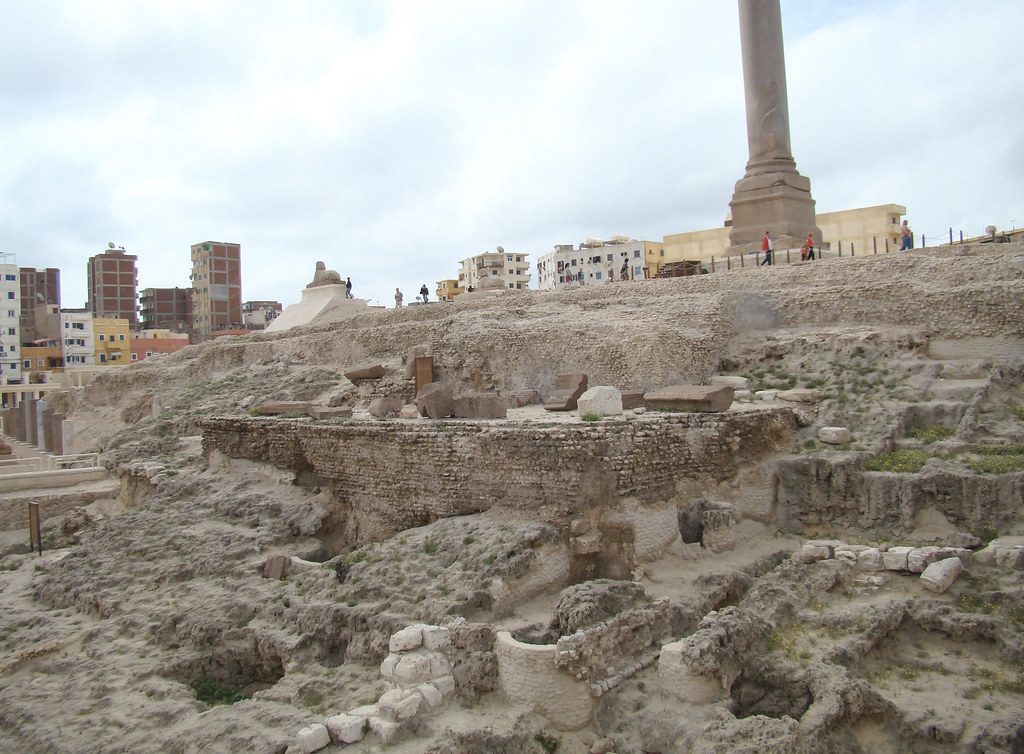
stands as a testament to human ambition, intellectual curiosity, and the power of cultural exchange. From its founding by Alexander the Great to its role as the ancient world’s premier center of learning, Alexandria shaped Western civilization in ways we’re still discovering today.
The fact that so much of this legendary city now lies underwater or buried beneath modern construction adds an element of mystery that continues to captivate us. Every artifact raised from the harbor floor tells a story about the people who lived, worked, and dreamed in this remarkable place.
What do you find most fascinating about ancient Alexandria? Would you want to dive beneath the waves to explore Cleopatra’s palace, or would you rather have walked the halls of the Great Library? The magic of Alexandria is that it still has the power to make us wonder.
Jan loves Wildlife and Animals and is one of the founders of Animals Around The Globe. He holds an MSc in Finance & Economics and is a passionate PADI Open Water Diver. His favorite animals are Mountain Gorillas, Tigers, and Great White Sharks. He lived in South Africa, Germany, the USA, Ireland, Italy, China, and Australia. Before AATG, Jan worked for Google, Axel Springer, BMW and others.


