
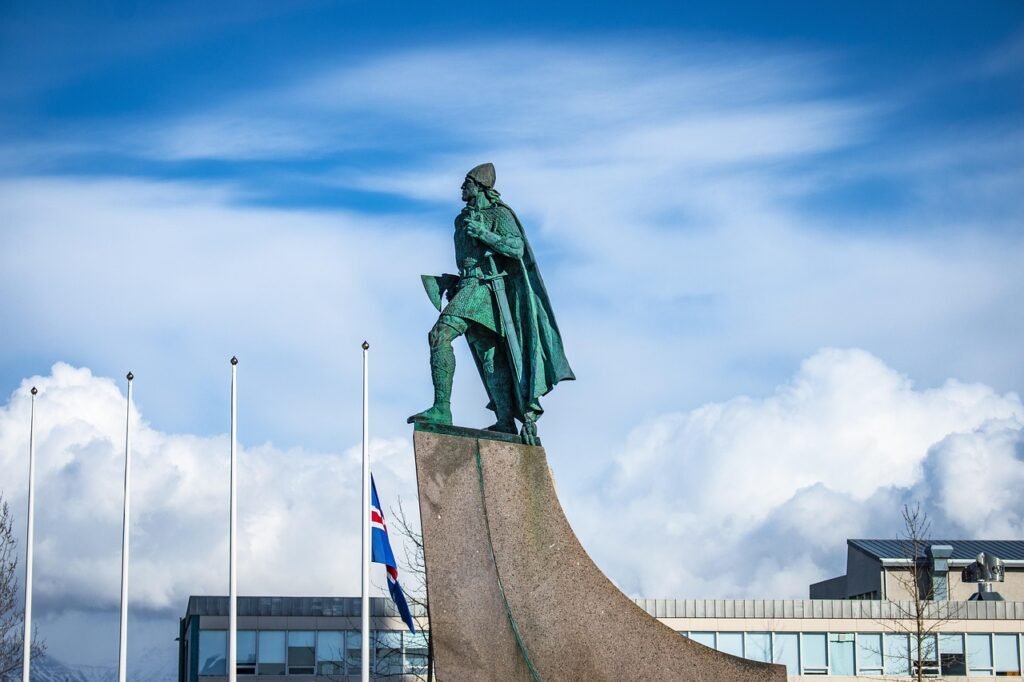

You’ve probably heard that Christopher Columbus discovered the Americas in 1492. Yet there’s another explorer whose story pushes that timeline back nearly half a millennium. His name was Leif Erikson, and he was a Viking who dared to sail into uncharted waters when much of Europe still thought the world ended at the horizon.
This Norse adventurer didn’t just stumble upon distant shores by accident. He became part of one of history’s most fascinating tales of exploration, courage, and cultural collision. Let’s dive into what made Leif Erikson such an extraordinary figure in the annals of human discovery.
He Was the Son of Erik the Red, a Notorious Outlaw
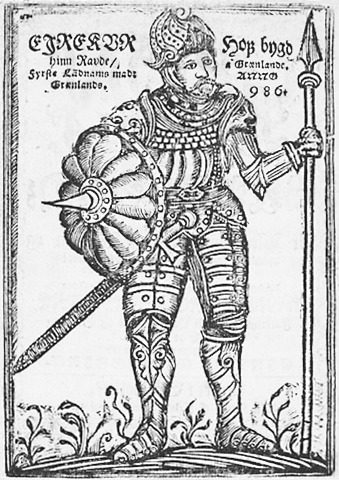
Leif’s father, Erik the Red, founded the first Norse settlement in Greenland, but his path to exploration began with exile and violence. Erik was born in Norway, and his father was banished from the country for committing manslaughter, forcing the family to flee to Iceland when Erik was just a boy. The pattern of violence continued when Erik himself was banished from Iceland around 982 for killing a man.
Leif grew up on the family estate Brattahlíð in the Eastern Settlement of Greenland. His childhood was shaped by frontier life and the restless Viking spirit that drove his father westward. He had two brothers named Thorstein and Thorvald, and a sister named Freydís, and was largely raised by Tyrker, one of Erik’s thralls, whom Leif later called his foster father.
His Nickname Was Leif the Lucky
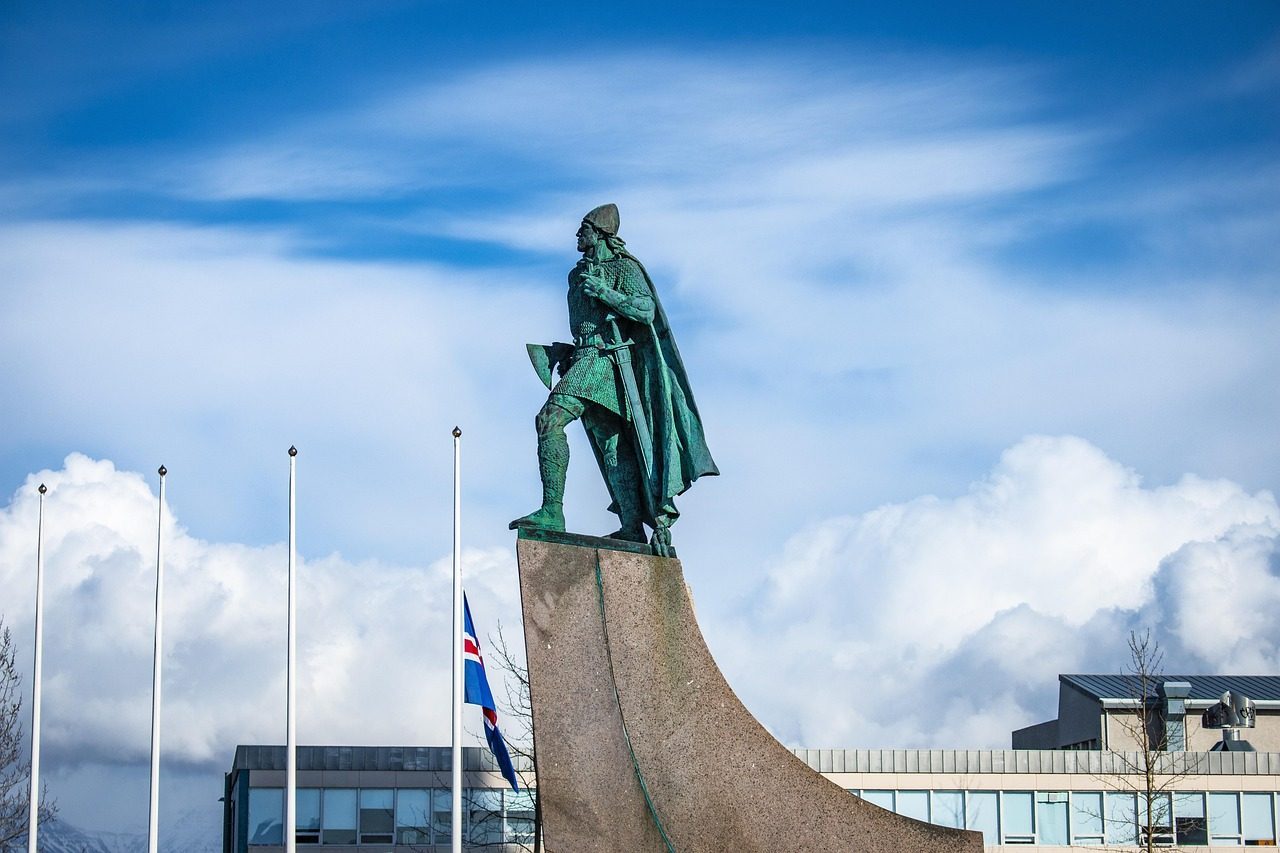
Leif Erikson was also known as Leif the Lucky, though the reasons behind this nickname reveal more than mere good fortune. According to one account, he earned this moniker after rescuing an Icelandic castaway and his crew during his return voyage from Vinland. The act of mercy, combined with his successful discovery of resource-rich lands, cemented his reputation.
Think about the circumstances. Here’s a guy who sailed across treacherous northern seas without modern navigation tools, found a habitable land rich with timber and grapes, and made it back alive to tell the tale. That kind of luck was worth celebrating in Viking culture.
He Lived Around 970 to 1025 CE
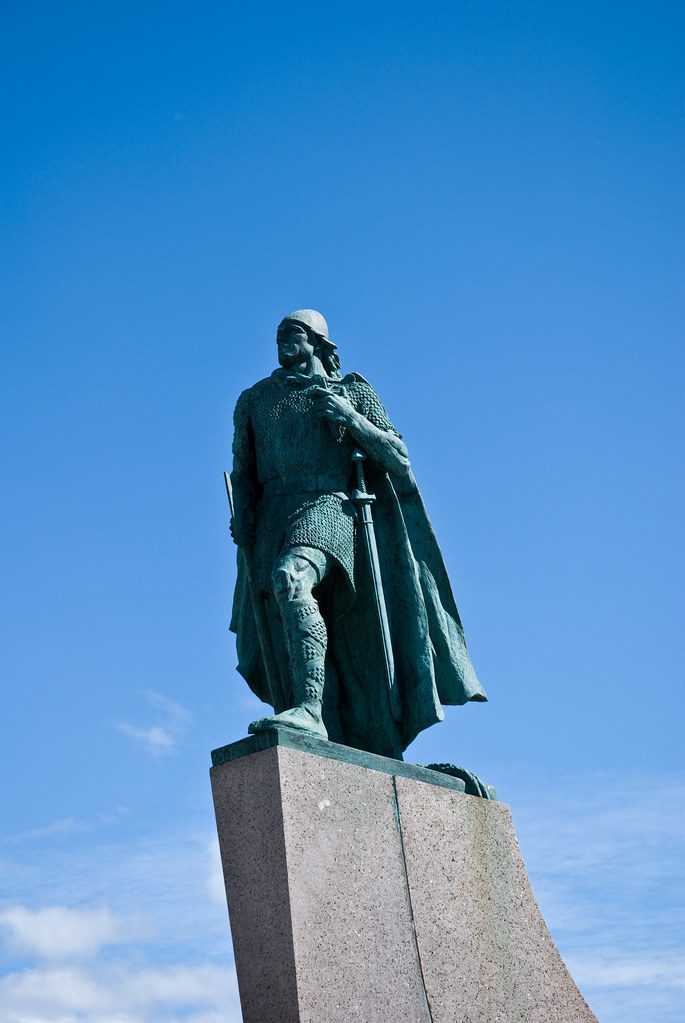
Leif’s year of birth is often estimated around the 970s, though the exact date remains uncertain. His birthplace is assumed to have been in Iceland, where his father Erik the Red founded the first Norse settlement in Greenland. The details of his early years are sketchy, pieced together from sagas written centuries after his death.
Leif is last mentioned alive in 1018, and by 1025 his son Thorkell had succeeded him as chieftain, suggesting Leif died somewhere between these dates. His life spanned a pivotal moment in Norse expansion, when Vikings were pushing the boundaries of the known world further west than anyone had dared before.
He Converted to Christianity in Norway
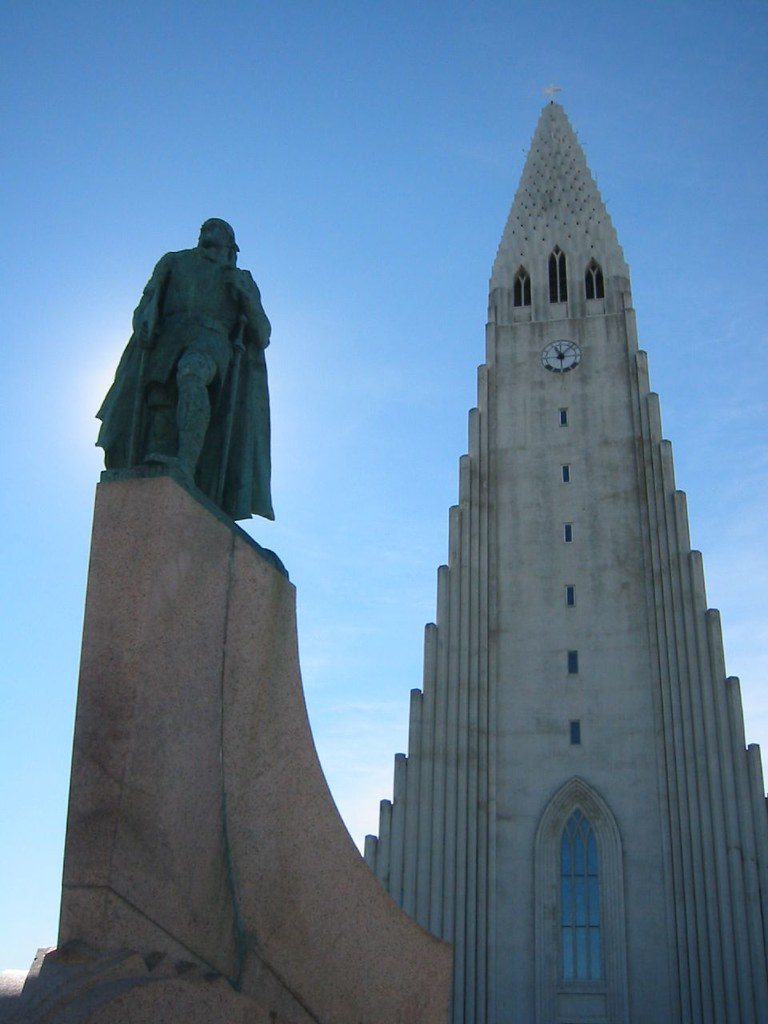
When Leif was of a proper age, he went to Norway to serve as a retainer to King Olaf Tryggvason, where he was converted to Christianity. This wasn’t just a casual spiritual awakening. King Olaf commissioned him to spread Christianity among the Greenland settlers, giving Leif a mission that would intertwine with his exploratory ambitions.
The conversion was significant because it marked a generational shift. Unlike his son Leif, Erik the Red remained a follower of Norse paganism. Leif was able to convert his mother, Thjodhild, who had Greenland’s first Christian church built at Brattahild. Religion and exploration became inseparable parts of his legacy.
There Are Two Different Stories About How He Found North America
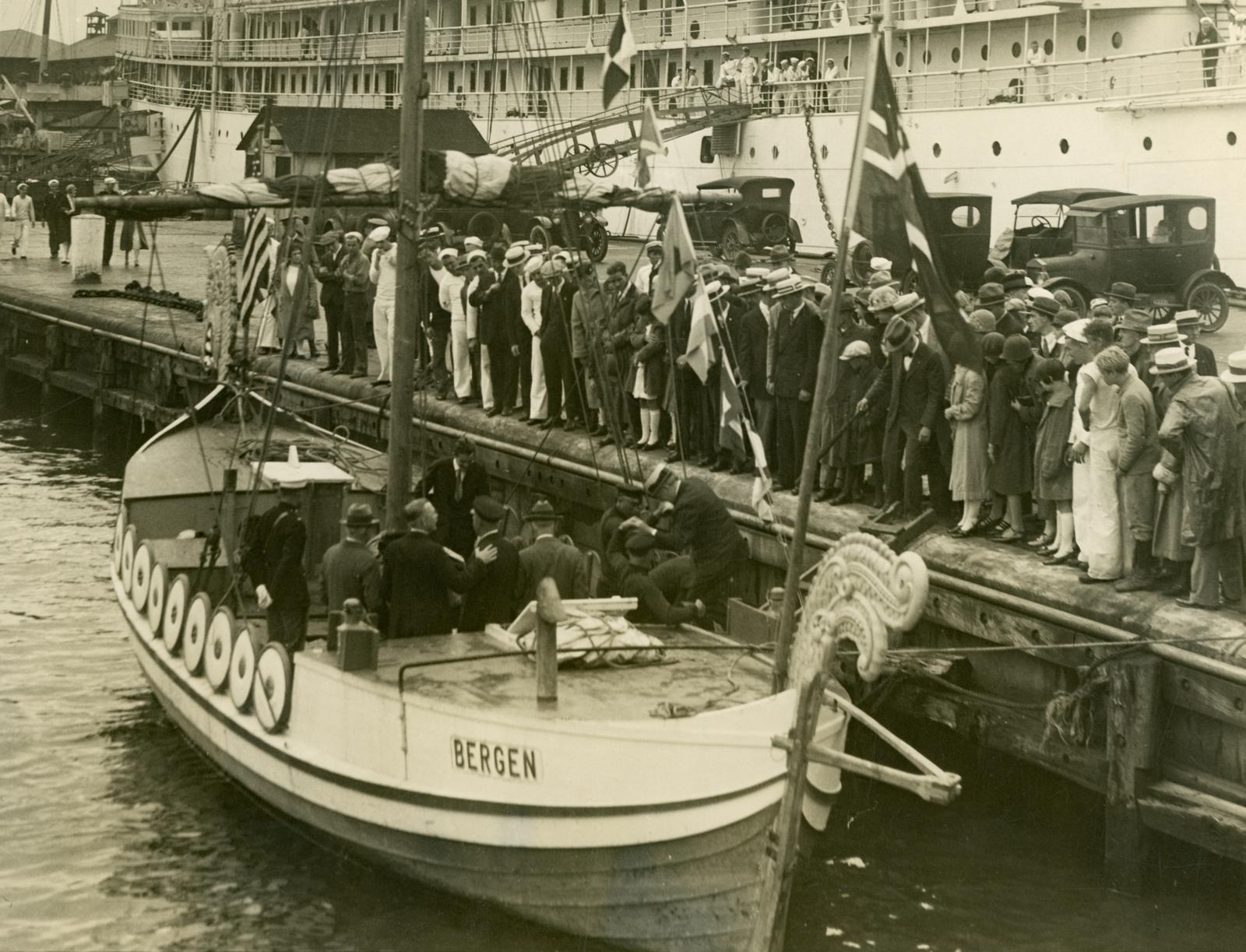
Honestly, the sources get a bit messy here, which makes the story even more intriguing. According to one saga, Leif was blown off course while returning to Greenland around 1000 and accidentally landed on the North American continent. That version makes his discovery sound like pure chance.
The other saga, considered more reliable by scholars, claims Leif learned of the new land from an Icelandic trader named Bjarni Herjólfsson, who had been storm-driven there about 15 years earlier. In this telling, Leif deliberately equipped an expedition to the new land shortly after 1000. Either way, intentional or not, he made it across.
He Named Three Different Lands on His Voyage
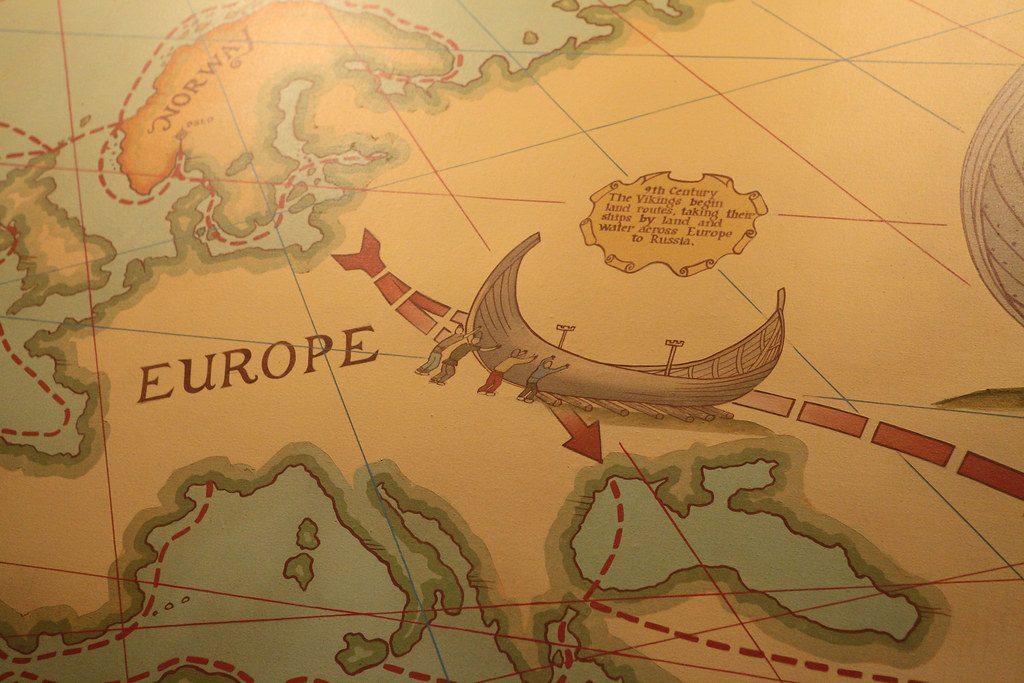
Leif named the new areas according to their qualities: Helluland, meaning Land of Flat Rocks; Markland, meaning Land of Forests; and Vinland. Each name reflected what the Vikings saw and valued in these territories. They first landed in an area flat and covered in rocks and glaciers, which Eriksson named Helluland, believed to be modern-day Baffin Island.
Moving south, they reached an area covered in trees and white sands, which Eriksson named Markland. Finally came the most famous of all. During exploration, Tyrker discovered the land was full of vines and grapes, leading Leif to name it Vinland, meaning Wineland.
He Established a Settlement Called Leifsbudir
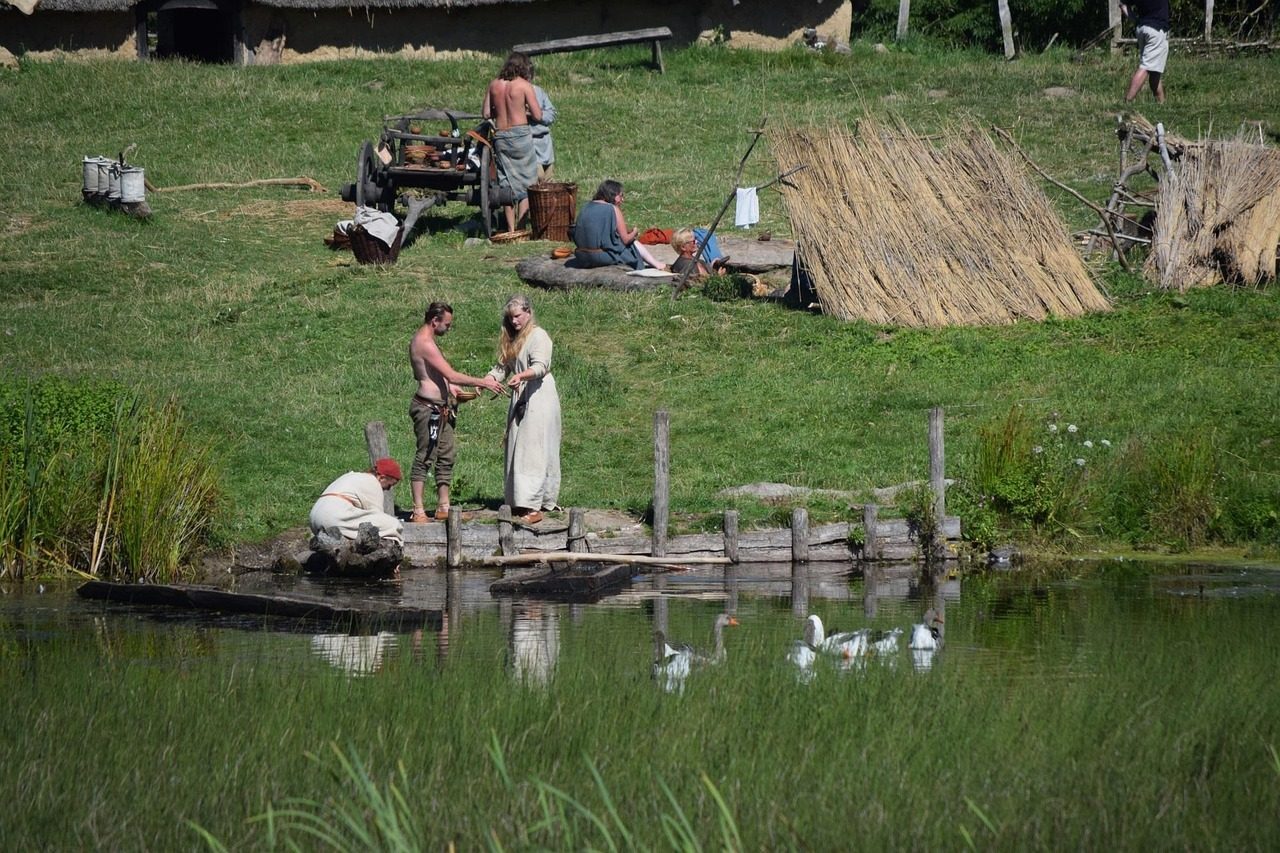
Leif and his crew built a small settlement called Leifsbudir, or Leif’s Booths, where they wintered before returning to Greenland in the spring with a cargo of grapes and timber. The settlement wasn’t meant to be permanent from the start. It served as a base camp for exploration and resource gathering.
Around 1000 CE, Leif purchased a ship from a fellow Norseman, gathered a crew of 35 men, and set sail for the new lands. That’s a relatively small crew for such a monumental journey. They built houses and spent the winter in Vinland, finding an abundance of salmon for food and grass good for cattle.
The Settlement at L’Anse aux Meadows Likely Marks His Landing Site
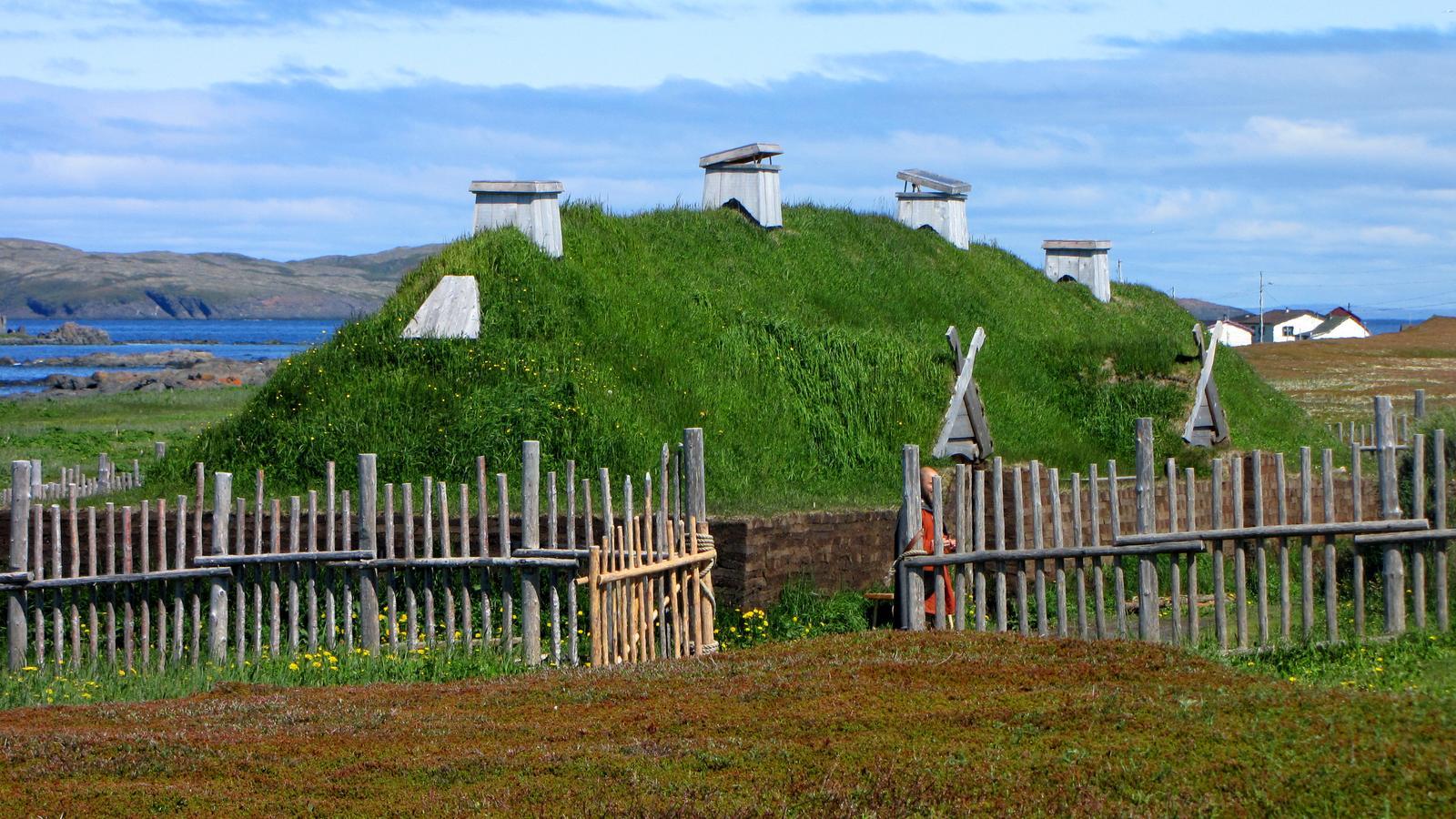
For centuries, skeptics dismissed the Viking sagas as mere legend. Then came 1960. Norwegian explorer Helge Ingstad and his wife, archaeologist Anne Stine Ingstad, identified a Norse site at the northern tip of Newfoundland known as L’Anse aux Meadows, with carbon dating estimates between 990 and 1050 CE. Suddenly, the stories were real.
The Ingstads demonstrated that Norsemen had reached North America about 500 years before Christopher Columbus. The site is now a UNESCO World Heritage Site, honored as the first and only known site established by Vikings in North America and the earliest evidence of European settlement in the New World. Walking through those ruins today, you can almost feel the presence of those ancient explorers.
He Never Returned to North America After His Initial Voyage
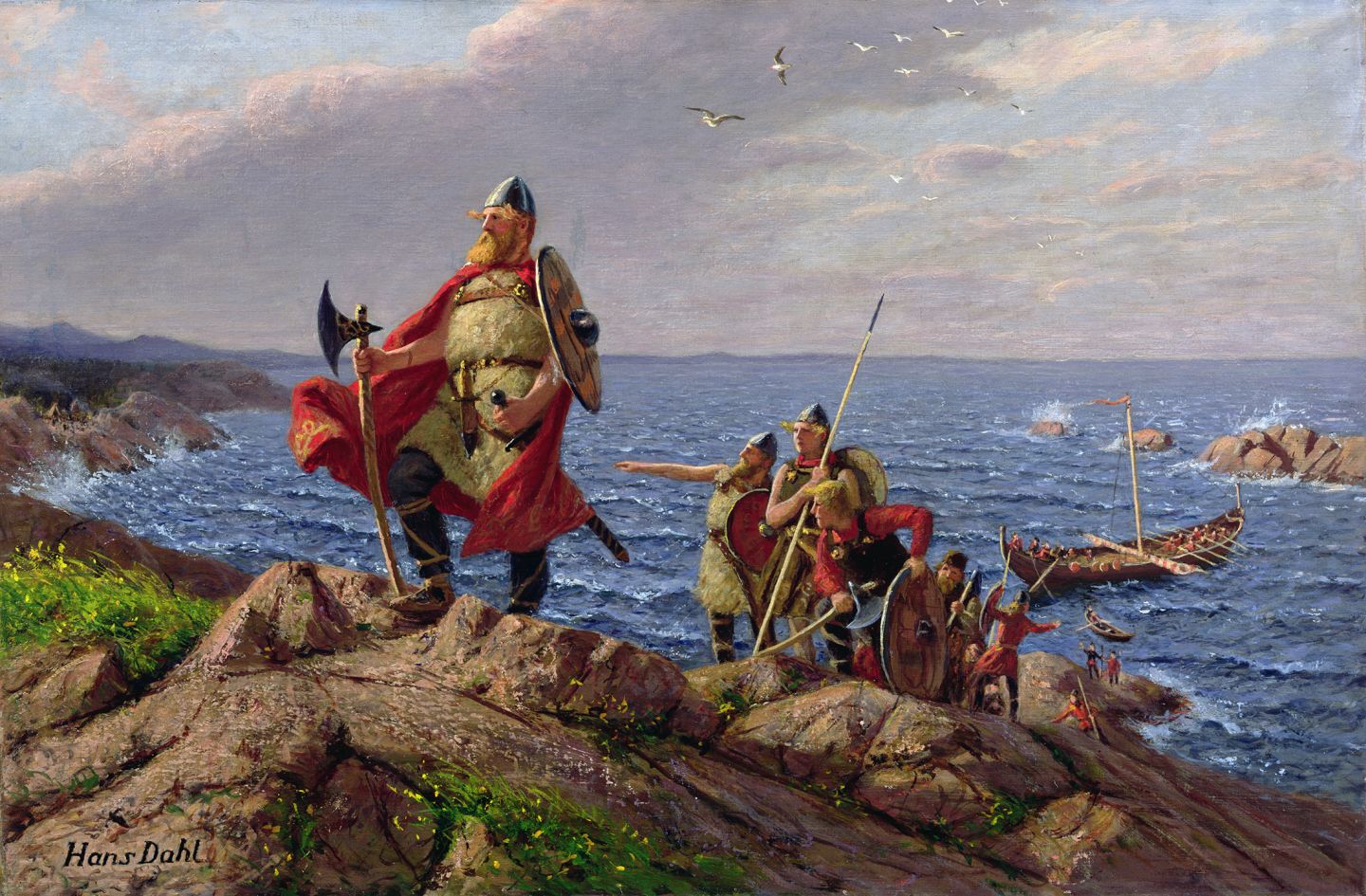
After spending the winter in Vinland, Leif sailed back to Greenland and never returned to North American shores. It’s hard to say for sure why he didn’t go back. Maybe the journey was too perilous, or perhaps his responsibilities in Greenland took precedence.
The winter following Leif’s return from Vinland, his father Erik the Red died, making Leif paramount chief in Greenland. Leadership duties likely kept him anchored. His brother Thorvald led another Viking expedition to Vinland, but future efforts to settle the region failed due to bitter clashes between the Norsemen and the local Native American population.
October 9th Is Celebrated as Leif Erikson Day in the United States
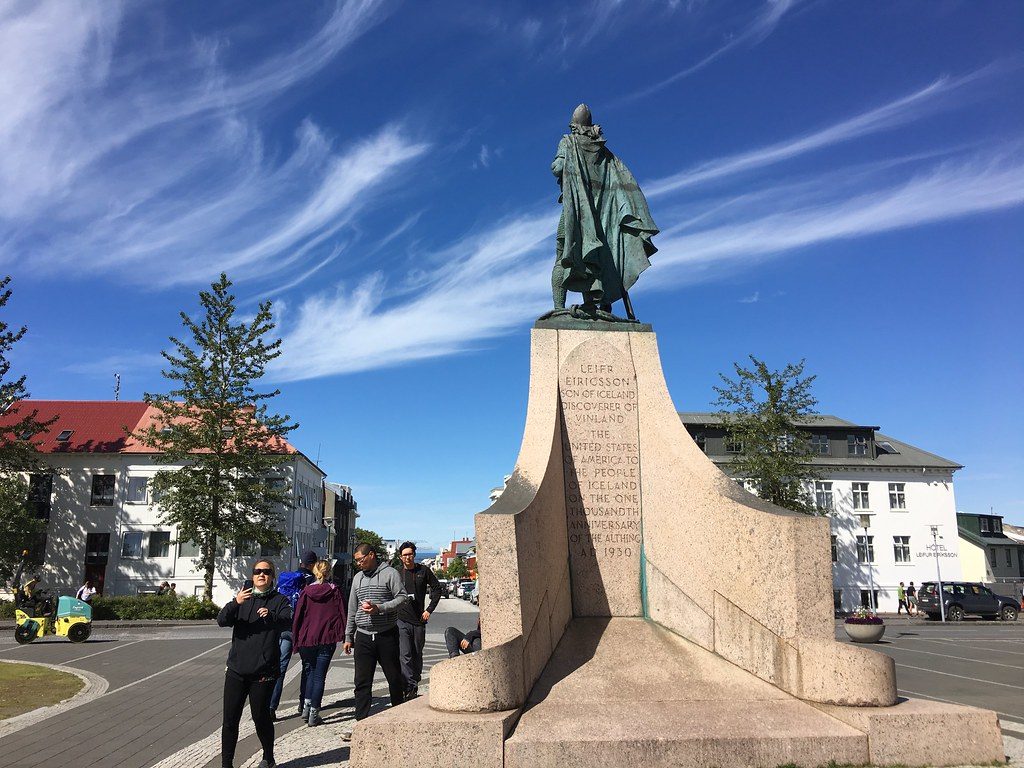
In 1964, Congress authorized and requested the president to proclaim October 9th of each year as Leif Erikson Day, and in the years since, each president has issued an annual proclamation calling for observance of the day. The date honors not just Leif himself but also the contributions of Nordic Americans to the country’s history.
The first statue of Erikson was erected in Boston in 1887, and another was erected in Chicago in 1901, originally commissioned for the 1893 World’s Columbian Exposition. These monuments stand as testaments to a man who sailed beyond the edge of the known world and lived to tell about it. His legacy challenges us to reconsider who truly arrived first and reminds us that history is often far more complex than the stories we learned in school.
Conclusion
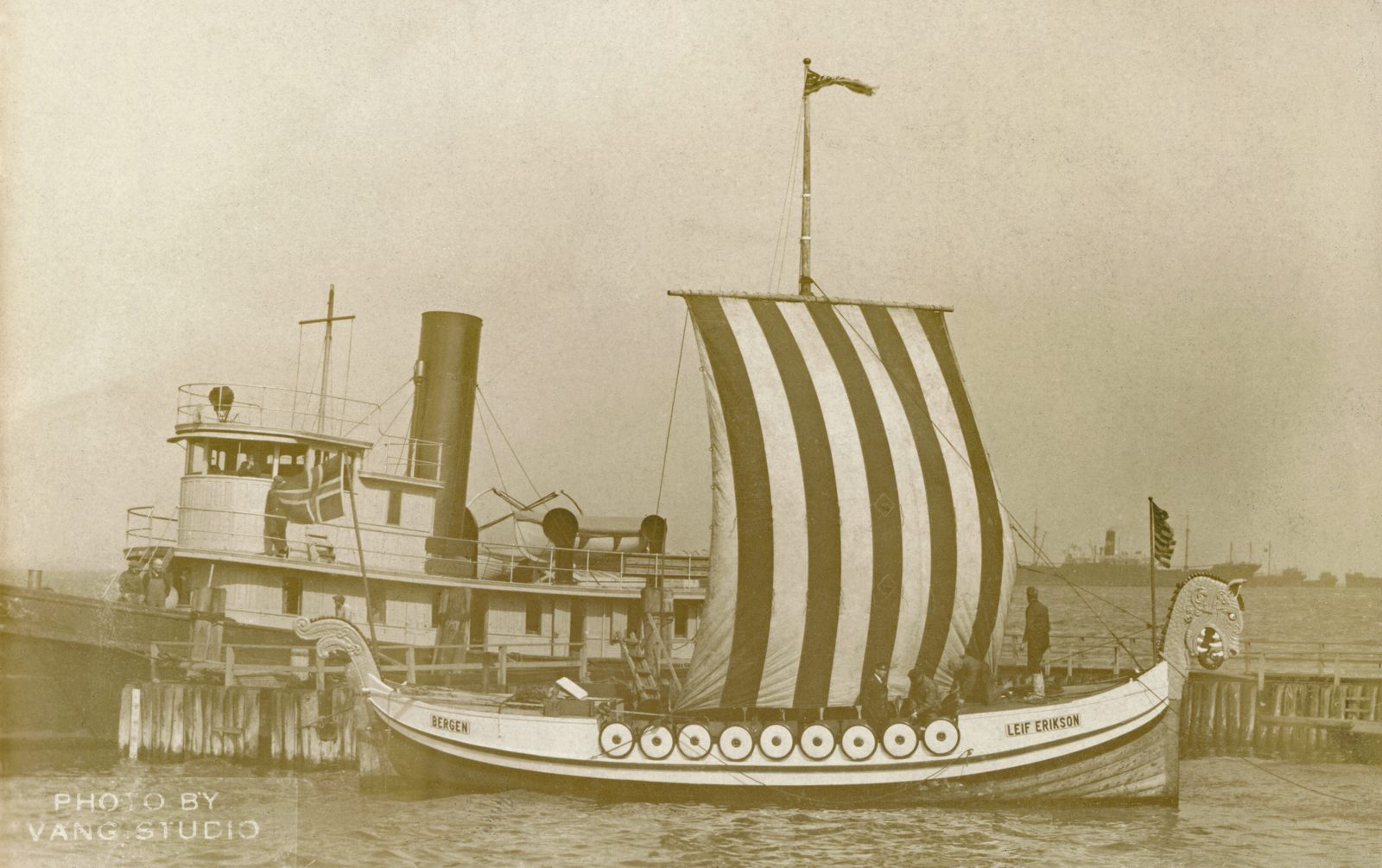
Leif Erikson’s journey across the Atlantic stands as one of the most remarkable feats of medieval exploration. He reached North America roughly 500 years before Columbus, establishing a foothold in a land that would remain largely unknown to Europe for centuries. His voyage, preserved in Icelandic sagas and confirmed by modern archaeology, rewrites our understanding of early transatlantic contact.
The Viking explorer’s legacy lives on through annual commemorations, statues across multiple countries, and the archaeological evidence at L’Anse aux Meadows. His story reminds us that history is filled with forgotten pioneers whose courage and curiosity pushed humanity forward. Did you expect that a Viking beat Columbus to the Americas by half a millennium?
Hi, I’m Andrew, and I come from India. Experienced content specialist with a passion for writing. My forte includes health and wellness, Travel, Animals, and Nature. A nature nomad, I am obsessed with mountains and love high-altitude trekking. I have been on several Himalayan treks in India including the Everest Base Camp in Nepal, a profound experience.


