
Every so often, a single fossil rips up the old rulebook of biology and forces scientists to see life on Earth with fresh eyes. These bones, feathers, and imprints from deep time are like time-stamped arguments, quietly contradicting what we thought we knew. They show that evolution is rarely smooth or simple, and that our own story is tangled up with creatures that look both familiar and deeply alien.
When I first started reading about these discoveries, what shocked me most wasn’t how long ago these animals lived, but how many times researchers had been wrong before the right fossil turned up. It’s oddly comforting: even the experts are constantly revising their ideas. Below are ten extraordinary fossils that did exactly that – changed the story mid‑sentence and left us with a far stranger, richer picture of evolution than anyone expected.
Archaeopteryx: The Feathered Bridge Between Dinosaurs and Birds
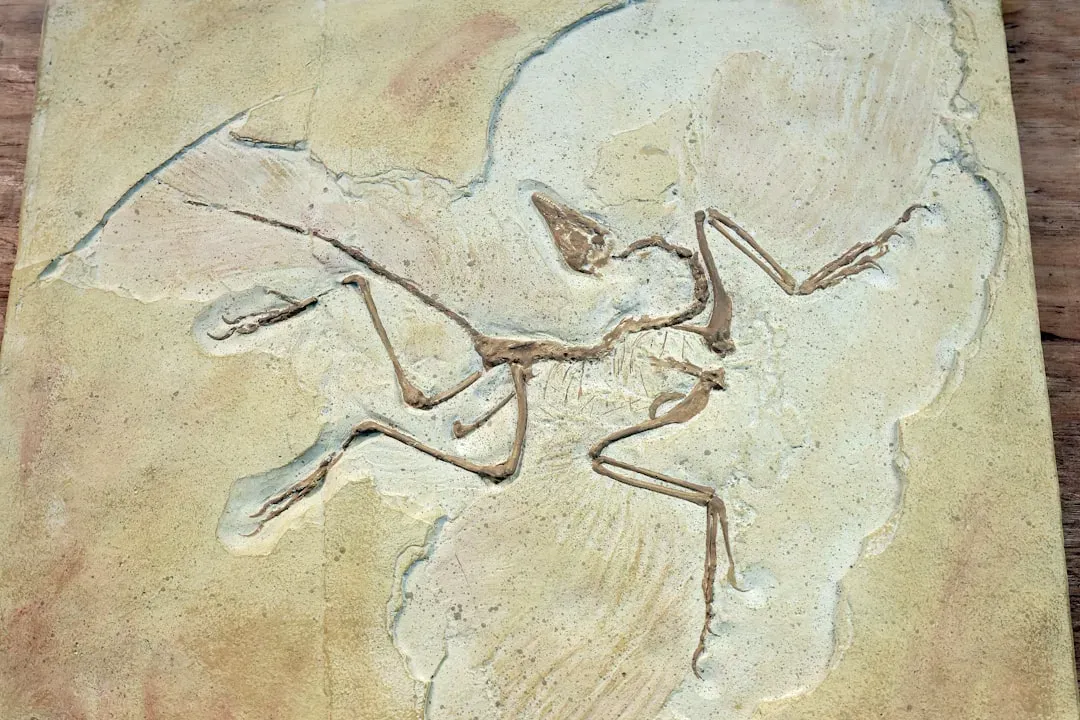
Imagine holding a fossil that looks like a small dinosaur at first glance, then noticing clear feather imprints fanning out from its arms and tail. That’s Archaeopteryx, discovered in the nineteenth century in the limestone quarries of Germany, and it shattered the neat divide people tried to maintain between reptiles and birds. It had teeth in its jaws, claws on its wings, and a long bony tail, yet it also carried asymmetrical flight feathers like modern birds.
Before Archaeopteryx, the idea that birds descended from dinosaurs was controversial and easy to dismiss as speculation. This fossil turned speculation into something dangerously close to proof by showing what a “halfway” form really looks like. It forced scientists to accept that major evolutionary transitions are often messy and gradual, with bodies mixing traits we’d normally assign to completely different groups. If you’ve ever watched a crow strut and thought it seemed a little dinosaur-like, Archaeopteryx is the fossil that made that feeling scientifically legitimate.
Lucy (Australopithecus afarensis): Redrawing the Human Family Tree
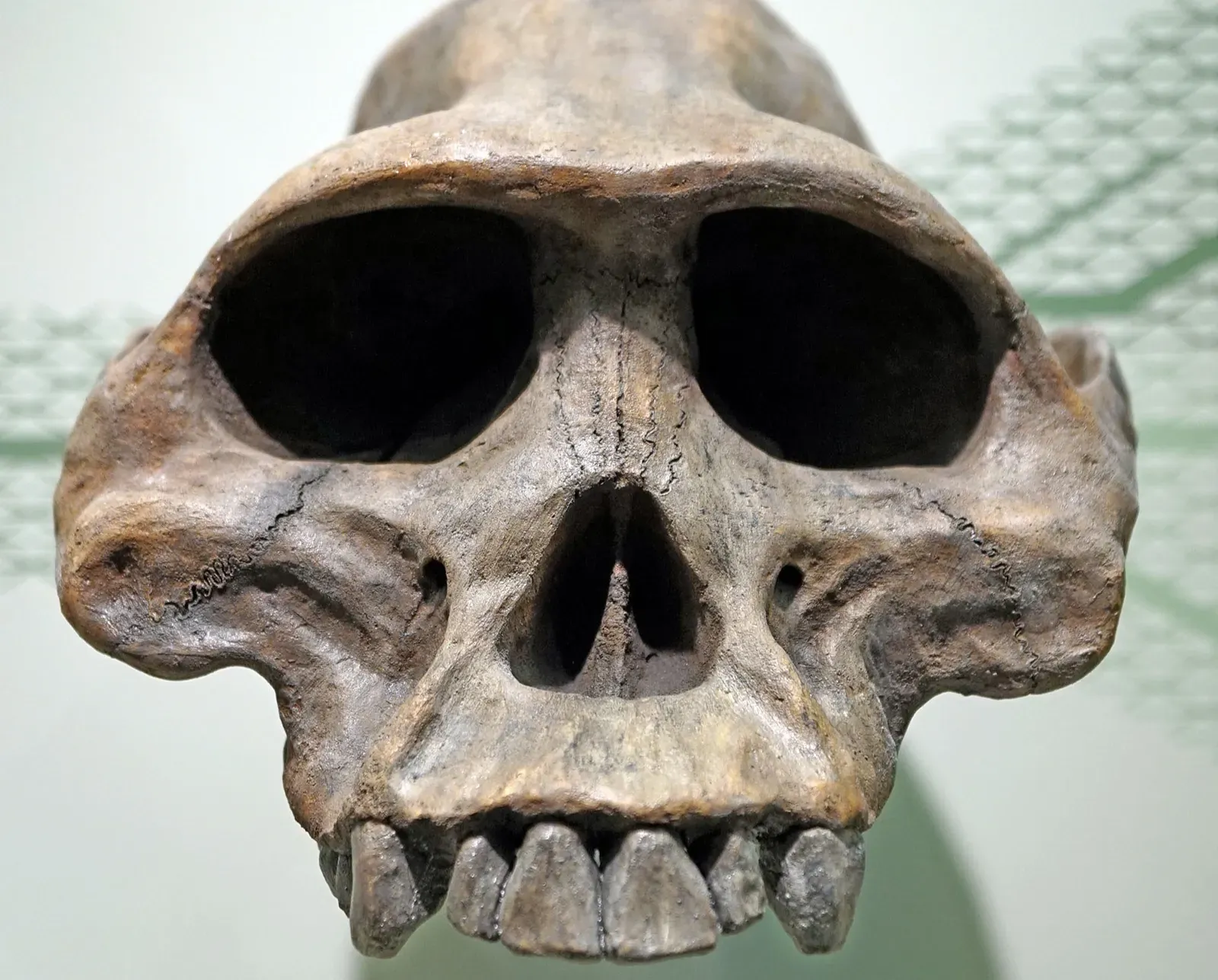
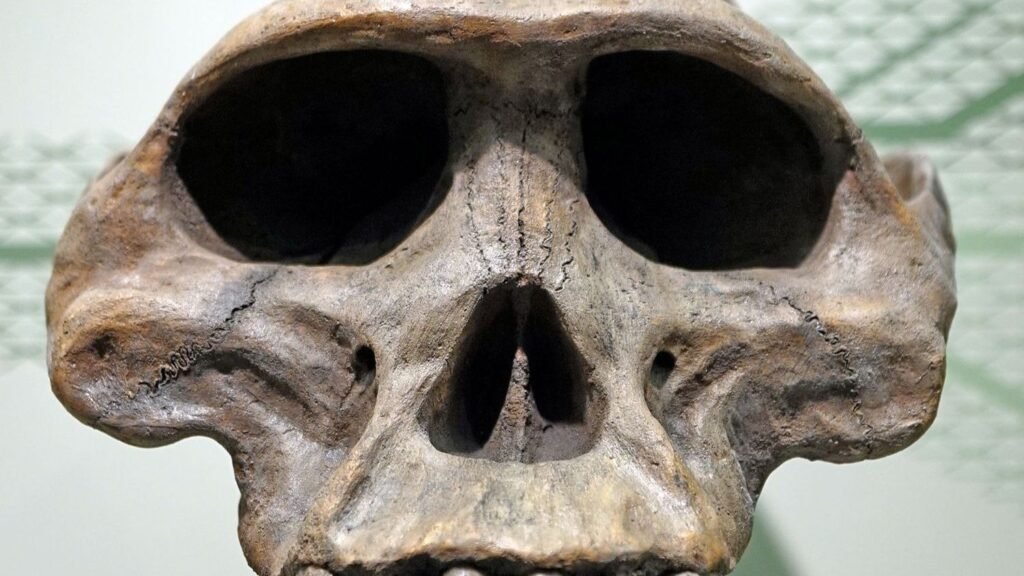
When the skeleton known as Lucy was found in Ethiopia in the 1970s, she looked small and fragile, yet the implications were enormous. Her bones showed a creature that walked upright on two legs but still had a relatively small, ape-like brain. This combination blew up the old assumption that a big brain had to evolve first before our ancestors started walking tall.
Lucy’s pelvis and leg bones made it clear that bipedalism came early, well over three million years ago, while brain expansion followed later. That switch in order might sound technical, but it completely changed theories about what drove our evolution – shifting the focus toward walking, energy use, and life on the ground, rather than just mental brilliance. I still find it oddly humbling that our defining posture came long before the kind of intelligence we like to brag about. In a sense, our legs led the way, and our brains had to catch up.
Tiktaalik: The Fish That Walked (Almost)
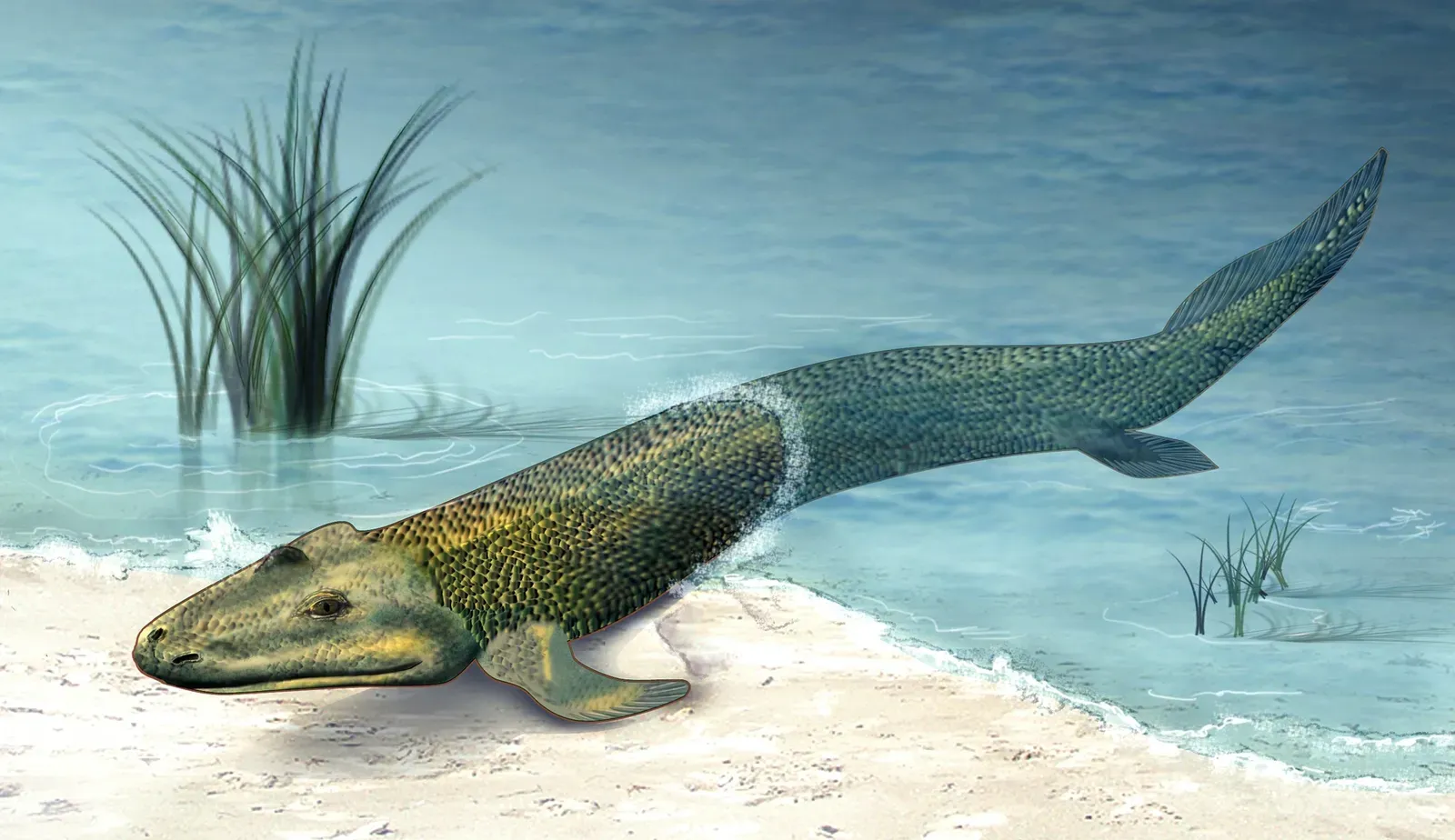
Tiktaalik looks like something a kid might draw when you tell them to invent a “land fish.” Found in Arctic rocks that were once ancient riverbeds, it had scales and fins like a fish, but also a flattened head, a neck, and sturdy limb bones hidden inside its fins. Those bones matched the pattern seen in early land animals: one big upper bone, two smaller lower bones, plus wrist-like elements.
This fossil landed almost exactly where scientists had predicted a water-to-land transition should show up in the rock record, which gave it extra weight. Tiktaalik answered the nagging question of how fish could possibly make the jump from swimming to walking by showing that the intermediate forms used their fins like props in shallow water first. Suddenly, the idea of a fish doing push-ups in a muddy stream to escape predators or chase food sounded a lot less ridiculous. It proved that major evolutionary steps don’t happen in a single leap – they creep across the shoreline, one modified fin at a time.
Pakicetus and Ambulocetus: The Four-Legged Ancestors of Whales
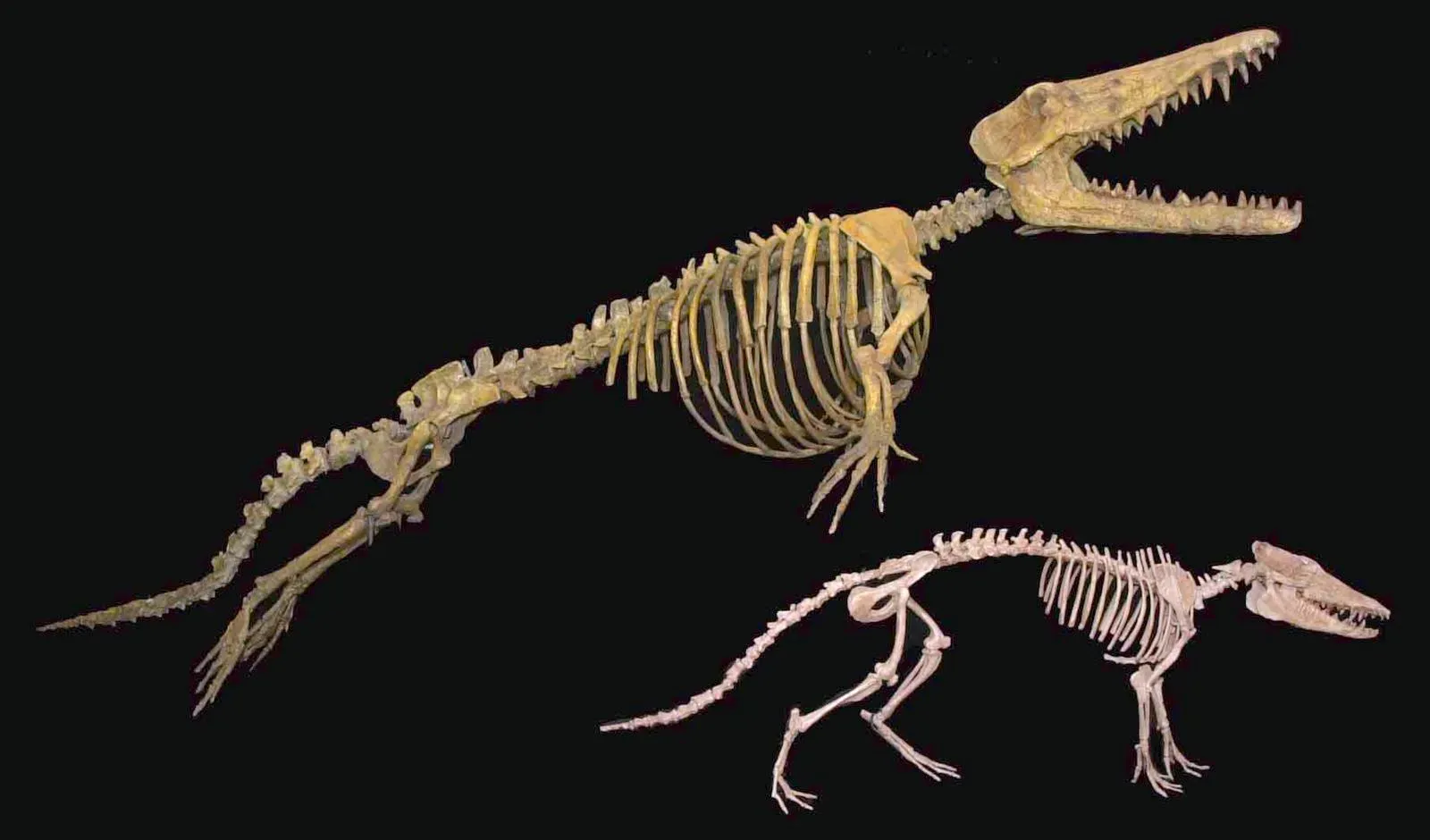
The thought that whales – those massive, streamlined ocean giants – come from land mammals used to feel almost like a myth. Then fossils like Pakicetus and Ambulocetus were unearthed, revealing awkward, wolf-sized creatures with legs, long snouts, and ear structures only seen in whales. Pakicetus looked mostly terrestrial but had inner ear bones tuned for underwater hearing, while Ambulocetus had limbs built for swimming and a body that probably moved through water a bit like a crocodile.
These animals filled in the uncomfortable gap between hoofed land mammals and fully aquatic whales, showing an evolutionary path step by step instead of a mysterious jump. They also linked whales to even-toed ungulates – the group that includes cows and hippos – based on shared ankle and skull features. I remember thinking, the next time I saw a breaching whale on video, that it was basically a heavily re-engineered land mammal that had doubled down on a life at sea. These fossils turned that wild idea into a grounded, anatomical reality.
Microraptor: A Four-Winged Dinosaur That Complicated Flight
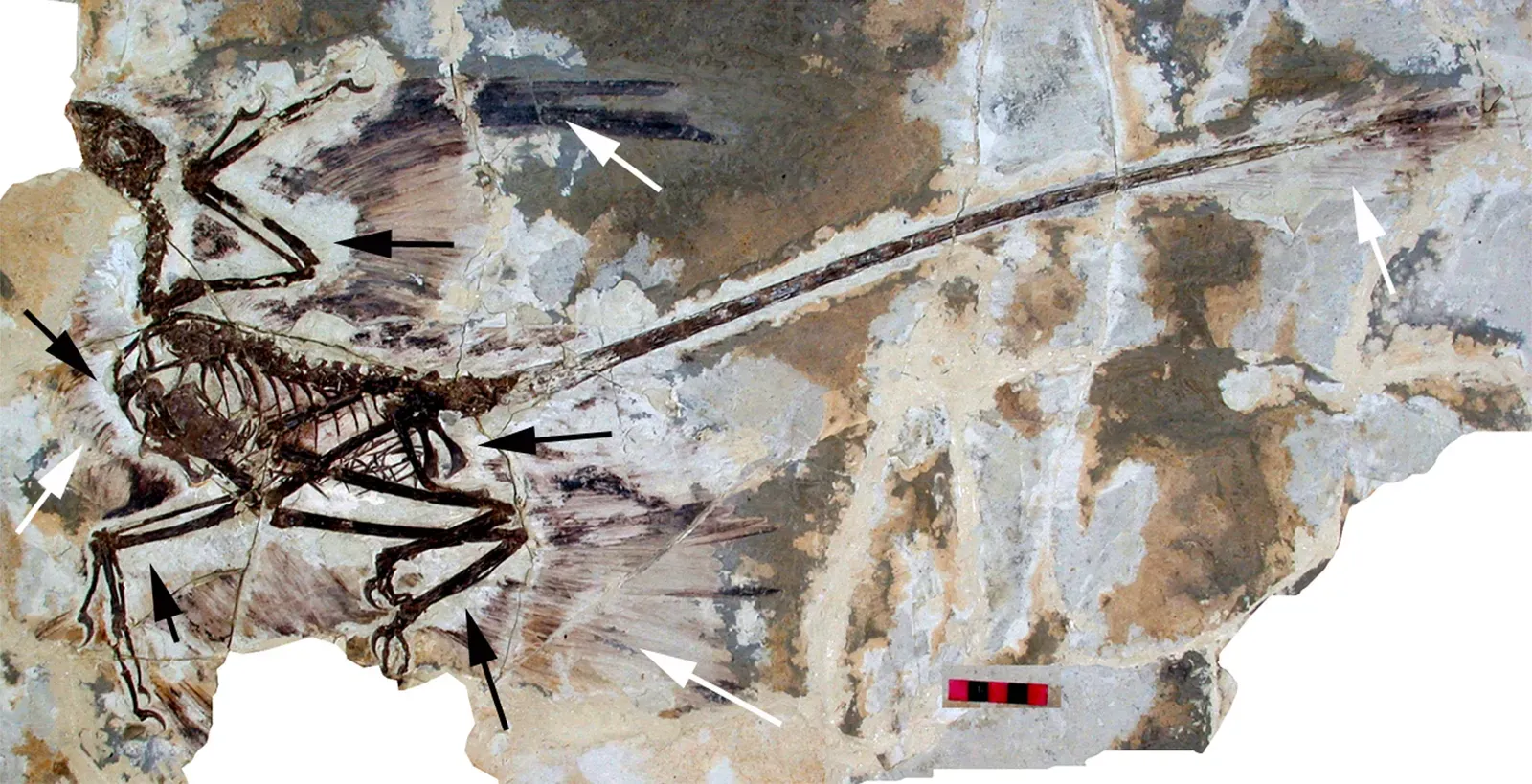
Microraptor is one of those fossils that seems designed to start arguments. This small dinosaur from China had long flight feathers not just on its arms, but also on its legs, forming something close to four wings. Its anatomy suggested it glided or flew between trees, with its legs splayed out in ways that made early reconstructions look almost comical, like a flying cross.
Before Microraptor, discussions about the origin of flight in birds often lined up in simple camps: ground-up runners or tree-down gliders. This fossil showed that reality could be stranger, with multiple experiments in flight happening among small feathered dinosaurs. It suggested that some dinosaurs might have been capable of complex aerial maneuvers long before true birds settled on the modern wing plan. Instead of a single clean origin story for flight, Microraptor pushed scientists toward a more chaotic picture with overlapping, competing designs.
Homo naledi: A Puzzling Human Relative in the Wrong Place and Time
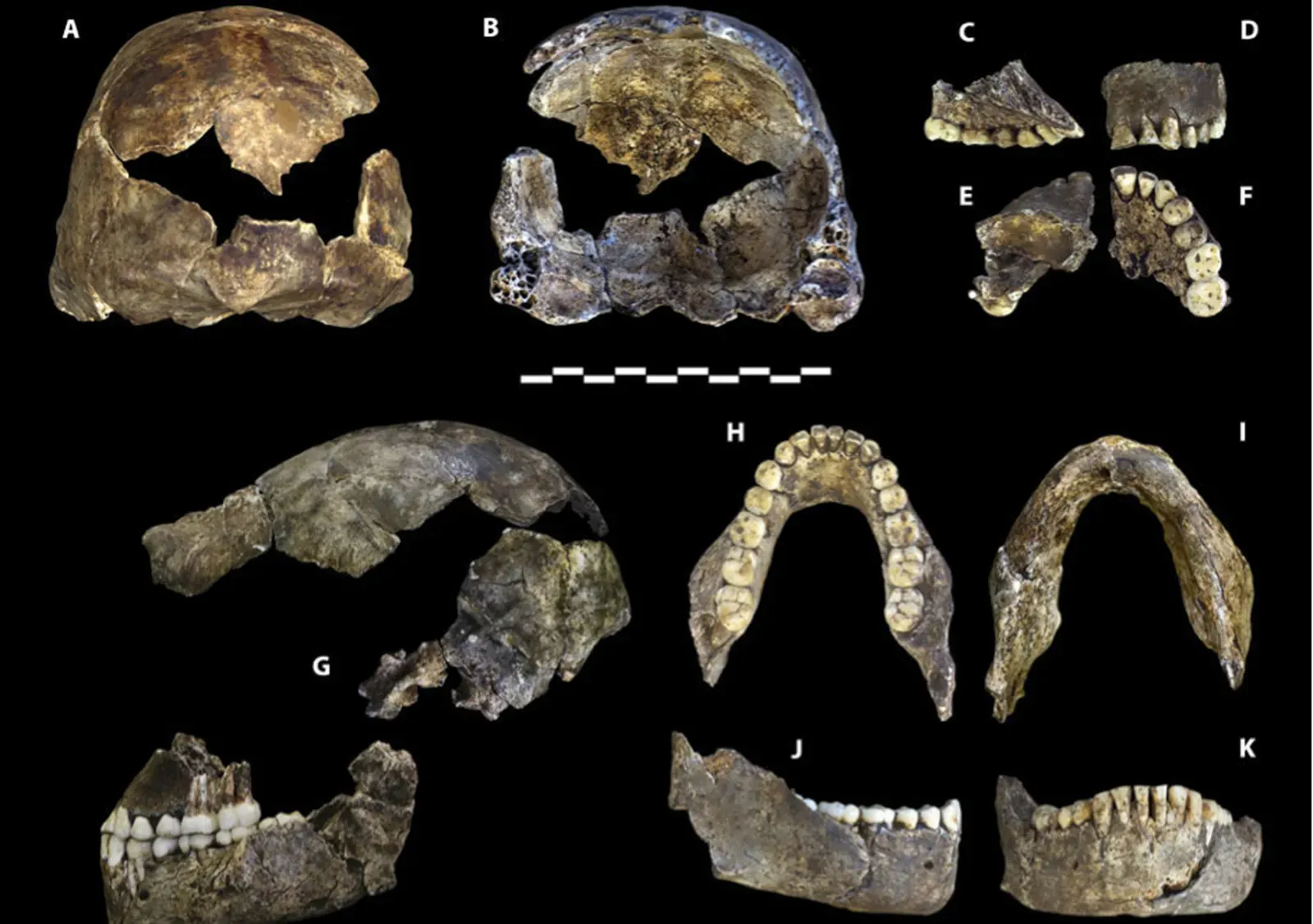
When bones of Homo naledi were first described from a cave in South Africa, the reactions ranged from excitement to disbelief. Here was a species with a strange mix of traits: a small brain closer in size to much older hominins, but hands, feet, and legs that looked surprisingly modern and well-suited to walking and tool use. The real twist came when dating suggested that these individuals lived far more recently than their primitive-looking skulls would imply.
This meant that a relatively small-brained human relative might have shared the continent with early Homo sapiens or their close kin, instead of existing only in some deep, distant past. It challenged the comforting idea that evolution always marches neatly from primitive to advanced in a straight line. Instead, it painted a picture of multiple human-like species coexisting, overlapping, and possibly interacting. To me, it’s like discovering that your family tree is less a simple trunk and more a messy, branching thicket.
Haikouichthys and Other Early Vertebrates: The Origins of Backbones
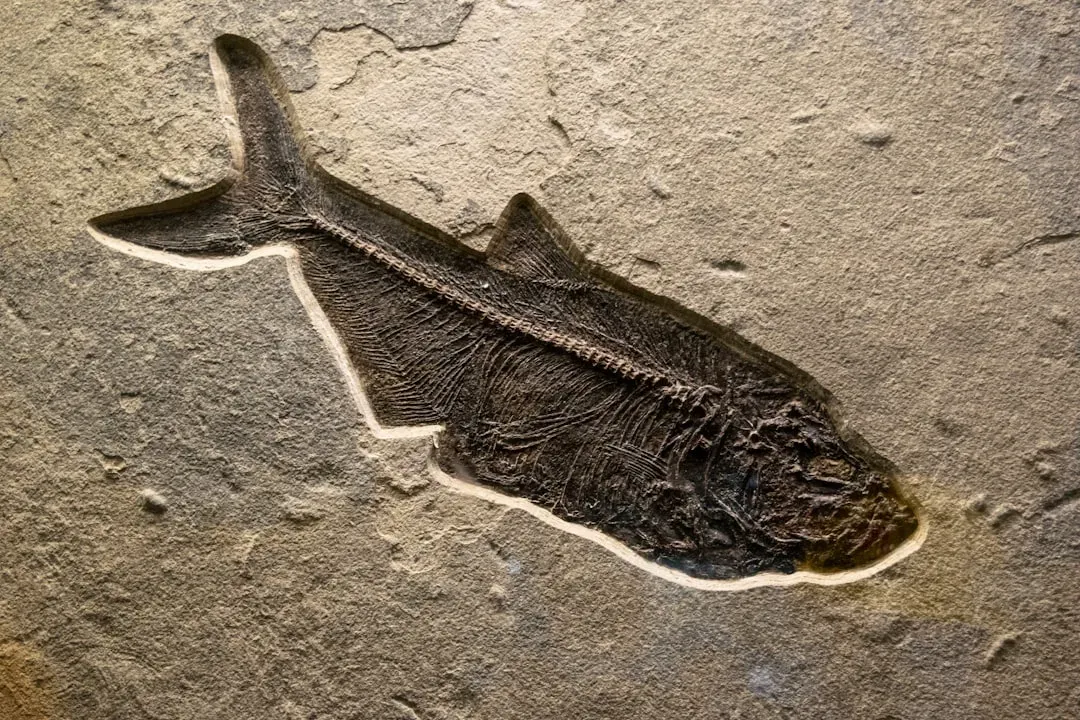
It’s easy to think of dinosaurs or mammoths when someone says “important fossils,” but some of the real game-changers are tiny, almost unimpressive at first glance. Haikouichthys, found in early Cambrian rocks in China, is one of the earliest known vertebrates – an animal with a backbone-like structure. It looked like a small, fish-like creature with a head, simple eyes, and the beginnings of the skeletal support that would later allow everything from sharks to humans.
This fossil matters because it marks the moment when the vertebrate body plan started to crystallize. The appearance of structures like a notochord and simple vertebrae meant animals could move more efficiently and grow larger, opening a door to whole new evolutionary possibilities. If you trace your own spine back through time, in a sense it runs straight through creatures like Haikouichthys. These early vertebrates turned a soft-bodied world into one where skeletons became a winning strategy.
Trilobites with Complex Eyes: Early Masters of Vision
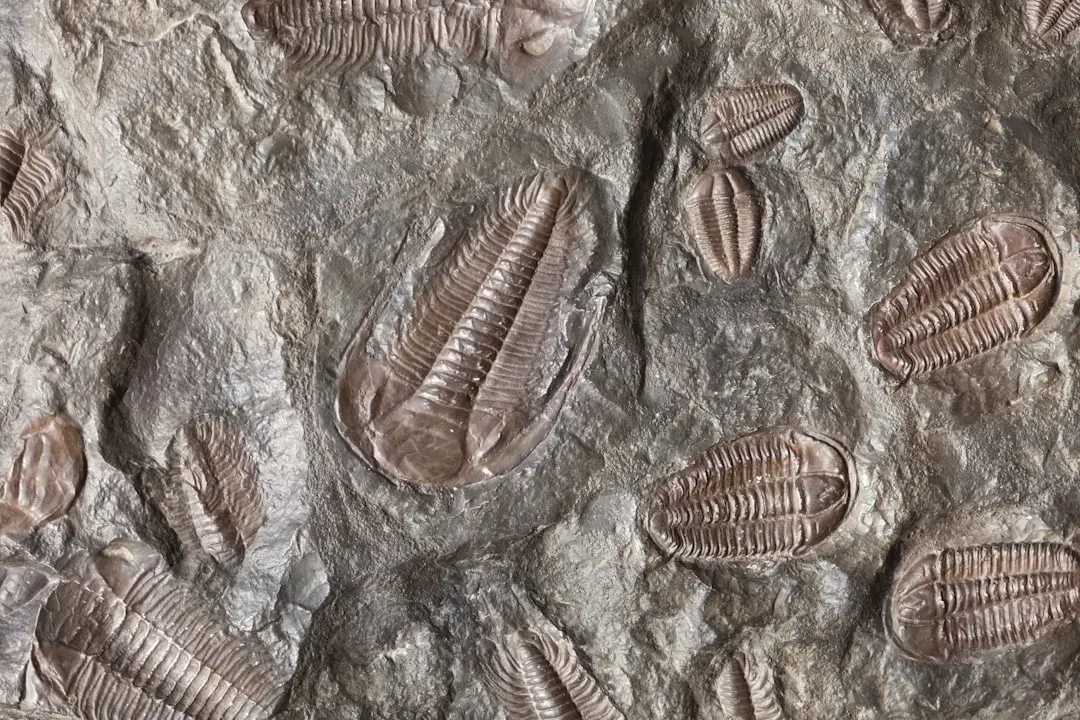
Trilobites, those ancient, armored arthropods, are famous fossil icons, but their eyes are the real shock. Some trilobites had compound eyes made of calcite lenses, arranged in intricate patterns that could provide detailed vision hundreds of millions of years ago. These weren’t crude light sensors; they were sophisticated optical systems rivaling or surpassing many modern arthropods.
The existence of such advanced eyes so early in the fossil record forced scientists to rethink how quickly complex traits can evolve. Vision ramps up the evolutionary arms race: once some animals can see well, predators become more effective and prey need better defenses or camouflage. Trilobite eyes showed that this race started far earlier than many had assumed. When you look at them, you’re essentially staring into some of the oldest windows nature ever built.
Bird-Like Theropods: Turning Dinosaurs into Feathered Animals
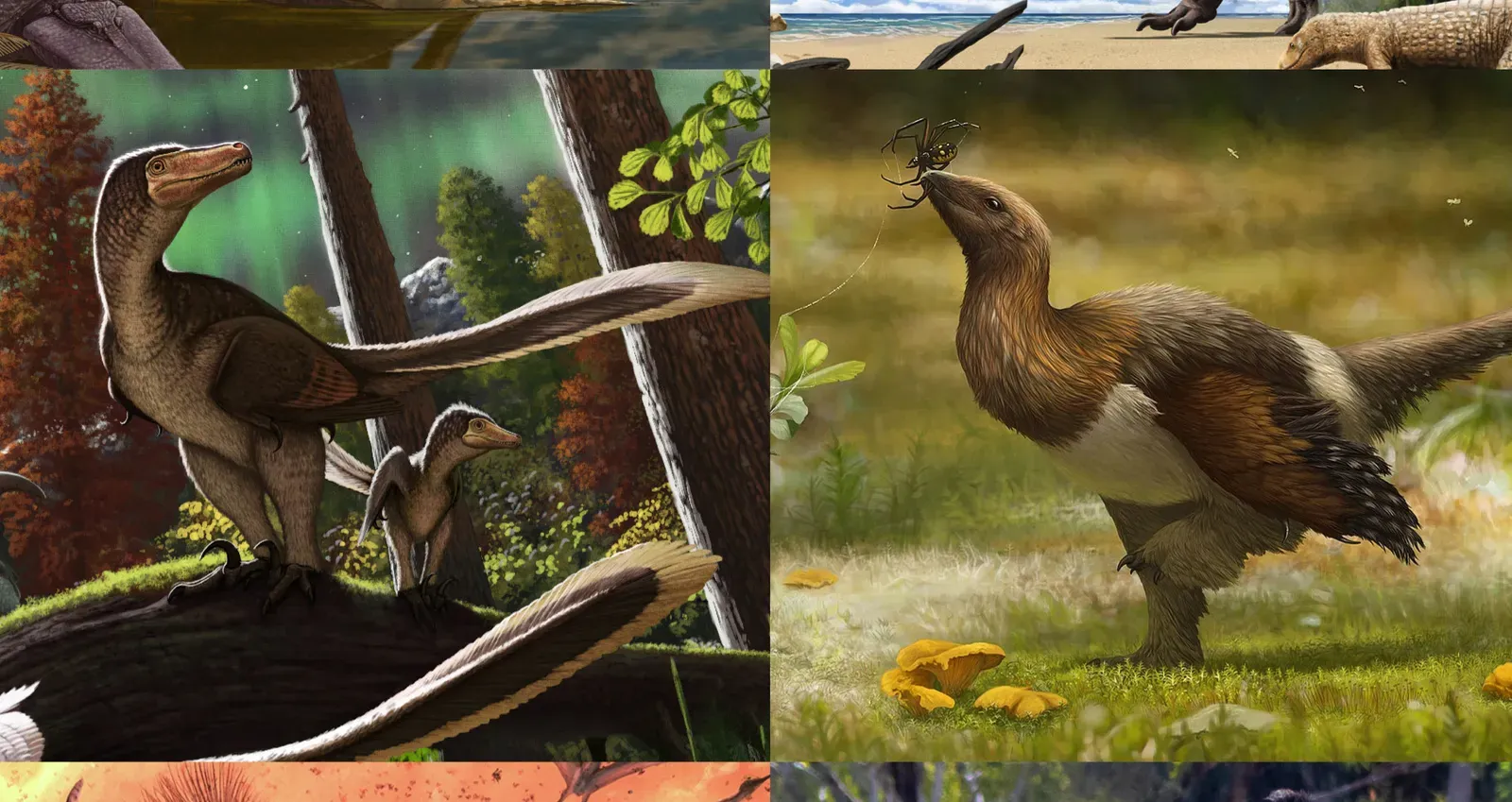
For a long time, dinosaurs were imagined as lumbering, scaly reptiles with dull colors and slow minds. Then a wave of bird-like theropod fossils from places like China arrived, covered in the impressions of feathers, fuzz, and filamentous structures. Animals such as Sinosauropteryx, Velociraptor with its quill knobs, and many others made it clear that feathers were not unique to birds, and that they may have first evolved for insulation or display rather than flight.
These discoveries flipped the public image of dinosaurs from drab monsters into lively, dynamic animals that would look more at home in a modern bird park than in an old horror movie. They also tied birds and non-avian dinosaurs together so tightly that modern birds are now often described simply as living dinosaurs. I still catch myself looking at pigeons differently after reading about these fossils – they’re essentially tiny, surviving theropods hustling crumbs on city streets. Feathers stopped being a quirky bird feature and became an ancient dinosaur invention.
Burgess Shale Creatures: Exploding the Tree of Life
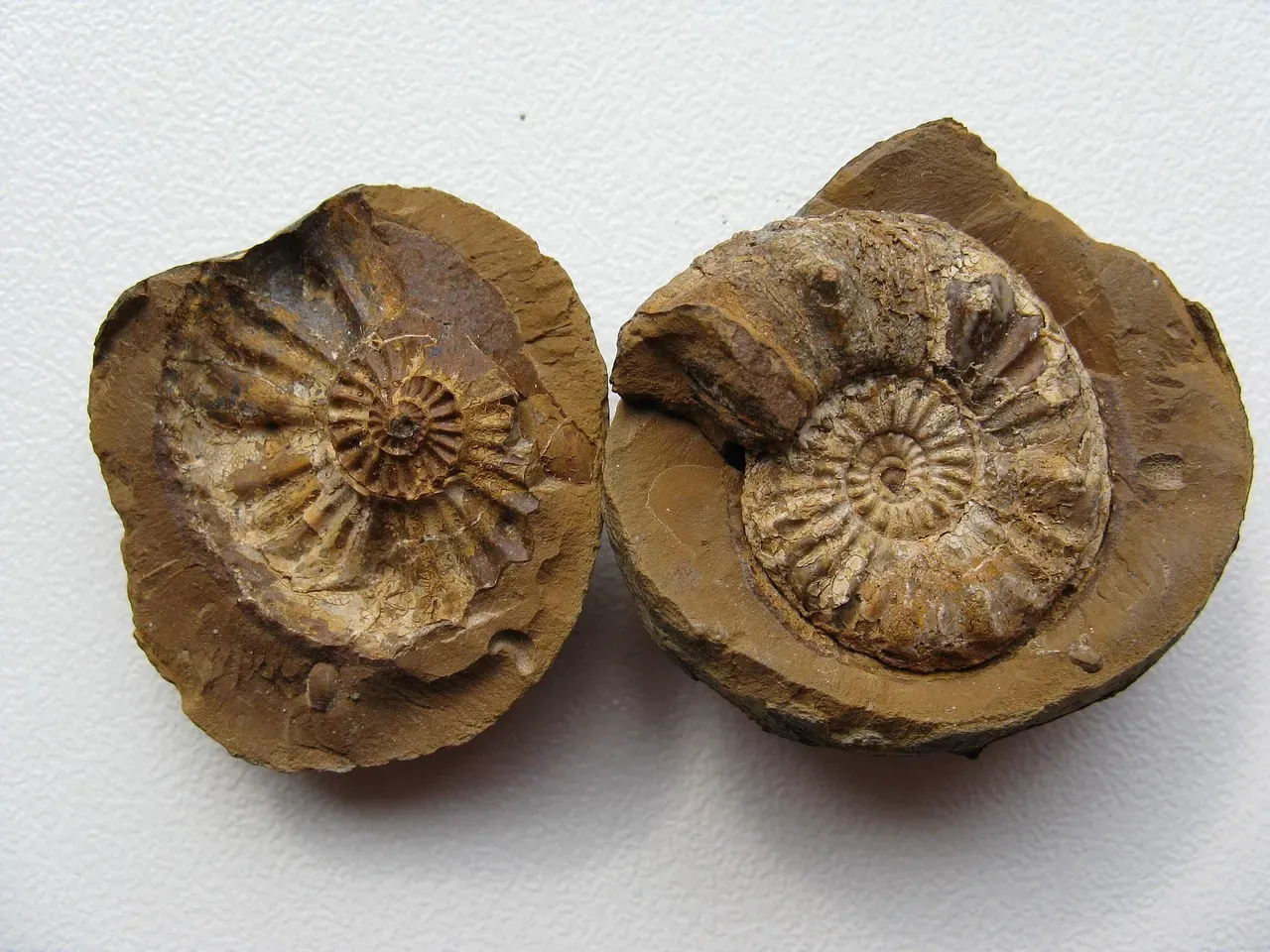
The Burgess Shale in Canada holds some of the strangest fossils ever found, preserving soft-bodied creatures from the Cambrian period in remarkable detail. Animals like Opabinia with multiple eyes and a trunk-like appendage, or Hallucigenia with spines and bizarre limb arrangements, looked so alien that early reconstructions bordered on absurd. These fossils showed that early animal evolution wasn’t a gentle sprouting of familiar forms, but an explosion of wildly experimental body plans.
What makes the Burgess Shale so transformative is how it forced scientists to confront how much evolutionary diversity has been lost. Many of these forms represent lineages that left no modern descendants, branches of the tree of life that ended long ago. It changed the narrative from a steady climb toward modern groups to a story filled with dead-ends and radical experiments. In a way, these fossils remind us that our current world is just the surviving fraction of a much stranger past.
Taken together, these ten fossils turned evolution from a simple, ladder-like story into something far more tangled, surprising, and alive. They demonstrate that big transitions – fish to land animals, reptiles to birds, apes to humans – are built from countless small steps, each preserved in stone by a stroke of luck. The next time a new fossil emerges from a quarry or cave, what piece of our own story might suddenly look different?