

You probably walk past them, use them, touch them every single day without a second thought. That mug you’re drinking coffee from, the aluminum foil you wrapped your lunch in, even the rubber band holding your papers together. They seem mundane, almost boring. Yet every single one of these materials has a hidden world of scientific wonder lurking just beneath the surface, full of physics, chemistry, and molecular mysteries that scientists are still trying to fully understand.
Honestly, we take these things for granted because they work so well, so reliably. They’ve been engineered over decades, sometimes centuries, to perform their jobs flawlessly. What you might not realize is that many everyday materials operate on principles that challenge even the brightest minds in materials science. Let’s dive in.
Glass: The Solid That Acts Like a Liquid

Glass is actually an amorphous solid, meaning it shares characteristics with liquids at the atomic scale while exhibiting all the mechanical properties of a solid. Think about that for a moment. The window you look through isn’t technically a crystal like most solids; instead, it’s produced by cooling molten material so rapidly that atoms remain in a random, disordered state similar to the arrangement in a liquid.
Physicist William H. Zachariasen first proposed in 1932 that glass consists of three-dimensional random networks of silicon and oxygen atoms joined in long cross-linked chains, with a basic structural unit being a tetrahedron of one silicon atom surrounded by four oxygen atoms. Glass transparency results from the absence of grain boundaries which scatter light in polycrystalline materials. Even today, mysteries remain about exactly how glass transitions from liquid to solid, and scientists run computer simulations that can take up to a year just to better understand this everyday material.
Rubber: Entropy-Powered Elasticity

Here’s something wild. When you stretch a rubber band, it actually gets slightly warmer, and if allowed to quickly retract, an equal amount of cooling is observed. This isn’t some manufacturing defect; it’s fundamental physics at work.
Crosslinked rubbers exhibit reversible high extensibility with a markedly low elastic modulus that originates from the entropic elasticity of polymer chains, a property unparalleled in solid materials. What does that mean? Unlike most materials that resist deformation because of energy stored in chemical bonds, a rubber band is literally a single giant molecule, as is a latex glove, with all polyisoprene molecules connected at multiple points by chemical bonds forming network nodes. Alterations of the configurations of the chains comprising the network account for the elastic free energy and stress arising from deformation. Essentially, rubber’s stretchiness comes from thermodynamics and entropy, the same force that drives the expansion of gases.
Aluminum: The Metal That Shouldn’t Exist
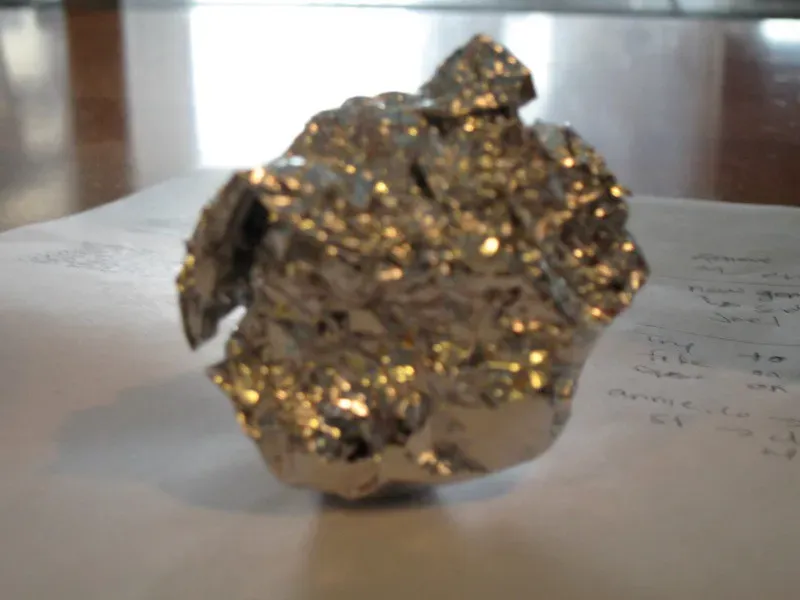
Aluminum has a great affinity toward oxygen, forming a protective layer of oxide on the surface when exposed to air. This protective layer is the only reason aluminum foil, soda cans, and aircraft wings don’t just crumble into dust. Without this invisible shield, aluminum would react violently with air.
Aluminum has atomic number 13 and a density about one third that of steel, making it incredibly useful for anything that needs to be lightweight yet strong. The aluminum cation is small and highly charged, giving it more polarizing power, which means bonds formed by aluminum have a more covalent character. Aluminum atoms have 13 electrons with a shell structure of 2.8.3, and the ground state electron configuration features an unusual arrangement that makes aluminum chemically reactive yet paradoxically stable. It’s hard to say for sure, but this combination of reactivity and stability might be why aluminum is so versatile in modern manufacturing.
Salt: The Crystal You Can’t Live Without
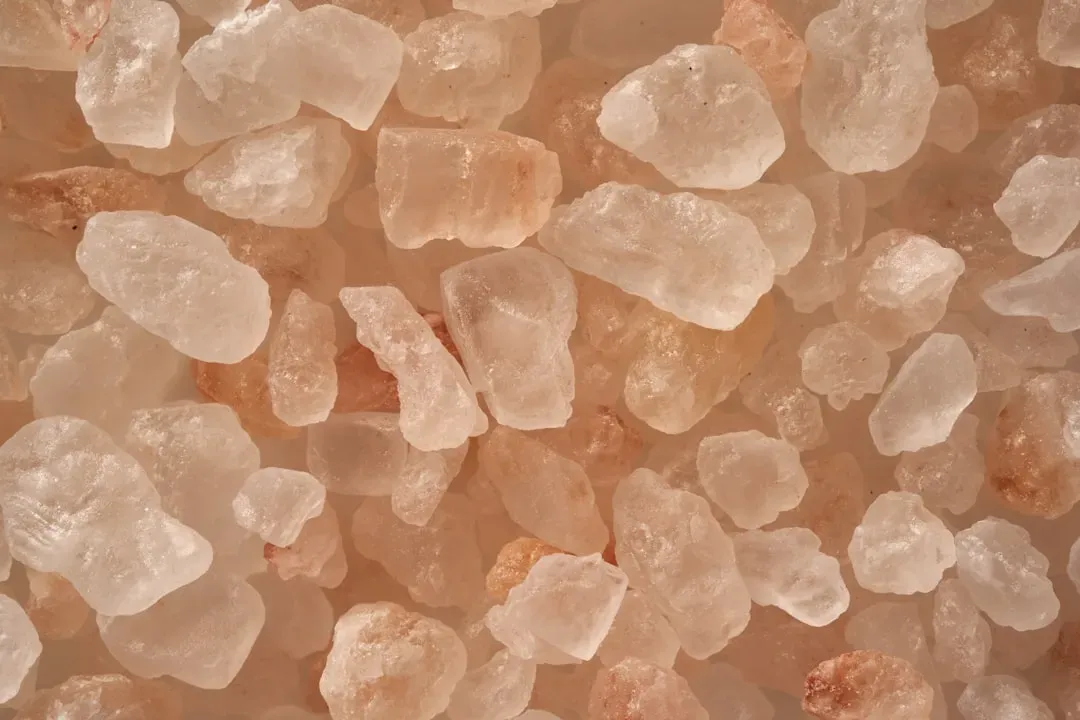
The word salary literally comes from salarium, the payments made to Roman soldiers for buying salt, because salt was so critical for preserving food, disinfecting wounds, and tanning hides. This humble seasoning was once more valuable than gold in some regions.
Owning salt meant having power, and wars were fought over salt mines with entire trade routes built around moving it. On the molecular level, salt forms a perfect cubic crystal structure where sodium and chloride ions arrange themselves in a repeating lattice. This arrangement is so stable that salt can withstand extreme conditions. The fact that something so simple chemically can be so essential biologically and historically tells you everything about how we underestimate everyday materials.
Paper: The Engineered Forest

Paper might seem simple, just compressed wood pulp, right? Actually, the manufacturing process involves breaking down wood into individual cellulose fibers, treating them chemically, and then carefully arranging them into sheets where hydrogen bonds between fibers create the material’s strength. The direction these fibers align determines whether paper tears easily or resists tearing.
Modern paper often contains additives like sizing agents to control how ink absorbs, fillers to improve opacity, and coating materials for glossy finishes. Each sheet you write on represents a careful balance of chemistry and engineering. The hydrogen bonding network that holds paper together is surprisingly sophisticated, and different paper grades require precise control over fiber length, orientation, and chemical treatment.
Soap: The Molecular Diplomat

Soap molecules are basically tiny diplomats that can negotiate between water and oil, two substances that normally refuse to mix. Each soap molecule has a hydrophilic head that loves water and a hydrophobic tail that loves oils and fats. When you wash your hands, these molecules surround dirt and oil particles, with their tails grabbing onto the grease and their heads facing outward toward the water.
This creates tiny bubbles called micelles that trap the dirt and allow it to be rinsed away. The chemistry is elegantly simple yet profoundly effective. Without this molecular structure, you’d need much harsher chemicals to clean anything. Let’s be real, the fact that ancient civilizations figured out how to make soap by combining animal fats with wood ashes is pretty remarkable, even if they didn’t understand the molecular mechanisms behind it.
Stainless Steel: The Alloy That Heals Itself

Stainless steel contains chromium, typically around twelve percent or more, and this chromium does something amazing. When exposed to oxygen, it forms an incredibly thin layer of chromium oxide on the surface, just a few atoms thick, that prevents rust from forming underneath. If you scratch stainless steel, this layer reforms automatically within moments.
This self-healing property makes stainless steel ideal for everything from surgical instruments to kitchen sinks. The chromium atoms essentially sacrifice themselves to protect the iron beneath, and they’ll keep doing this indefinitely as long as enough chromium remains in the alloy. Different grades of stainless steel contain varying amounts of nickel, molybdenum, and other elements that fine-tune properties like corrosion resistance and strength. The metallurgy involved is far more complex than most people realize.
Concrete: The Ancient Material We Still Don’t Fully Understand
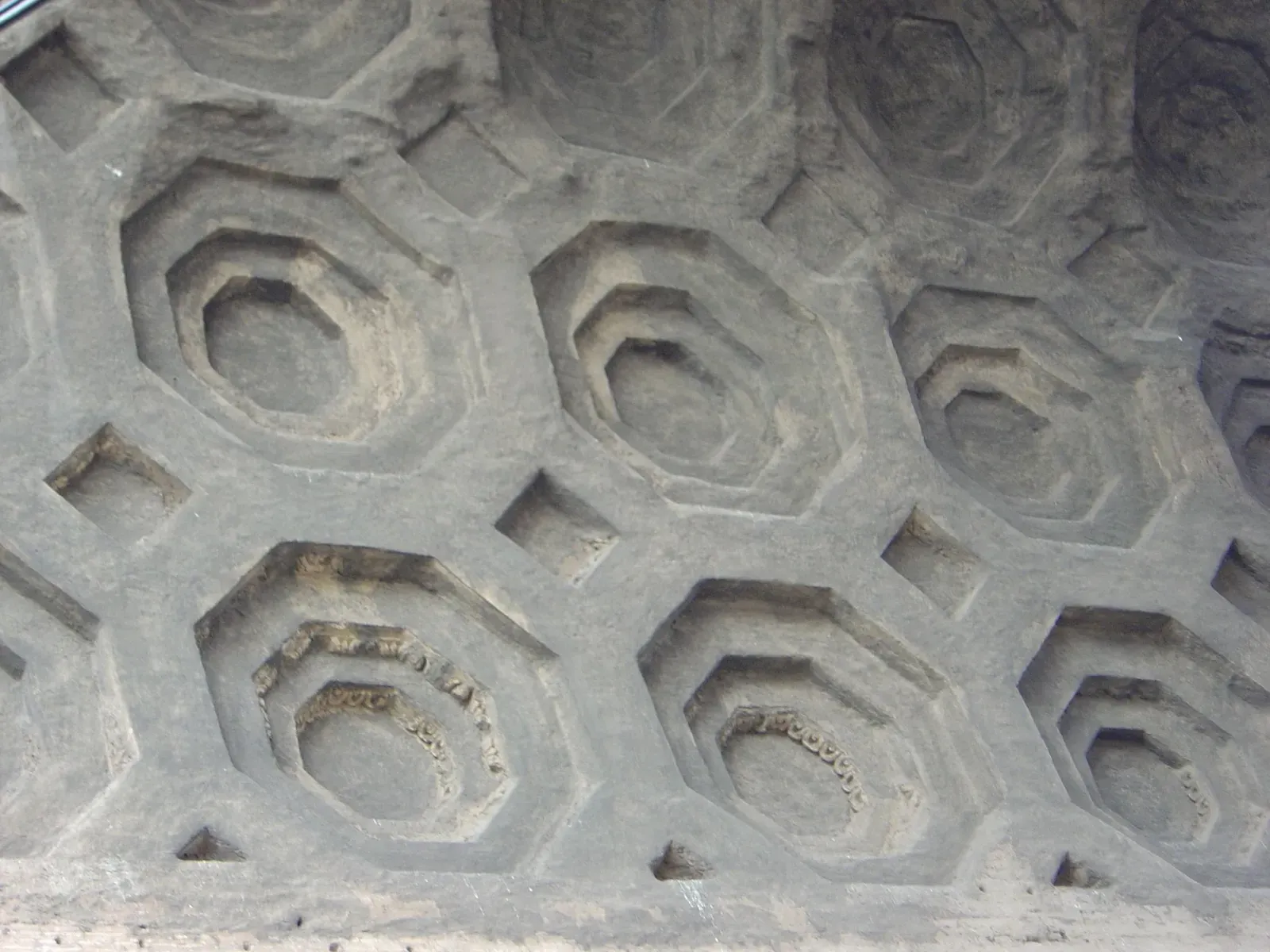
The Romans built concrete structures over two thousand years ago that are still standing today, and in some cases, their concrete is actually stronger than what we make now. Modern engineers are still trying to reverse-engineer ancient Roman concrete, which used volcanic ash and seawater to create a material that literally gets stronger over time through chemical reactions with seawater.
Modern concrete is a composite of cement, water, sand, and gravel. When water is added to cement, it triggers a chemical reaction called hydration that produces calcium silicate hydrate crystals, which bind everything together. The strength of concrete depends critically on the water-to-cement ratio, curing time, and temperature. Too much water weakens it; too little prevents proper hydration. The science of concrete mixing is surprisingly precise, and small variations in ingredients or process can dramatically affect the final product’s durability.
Teflon: The Substance Nothing Sticks To
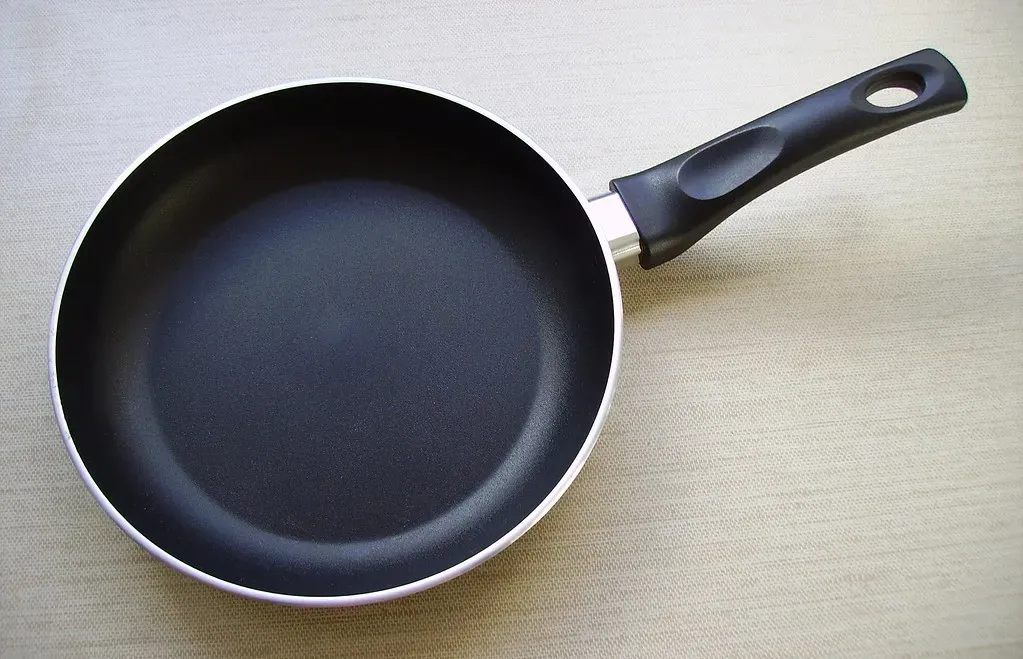
Polytetrafluoroethylene, better known as Teflon, was discovered by accident in 1938 when a chemist found that a pressurized canister of refrigerant gas had polymerized into a waxy white powder. This material has one of the lowest coefficients of friction of any solid, making it incredibly slippery. The carbon-fluorine bonds in Teflon are among the strongest in organic chemistry, which makes the material extremely stable and resistant to chemical attack.
The fluorine atoms form a protective sheath around the carbon chain, preventing other molecules from bonding to it. That’s why nothing sticks to a Teflon pan. The same properties that make Teflon great for cookware also make it useful in space suits, medical implants, and industrial applications. I know it sounds crazy, but this accidental discovery revolutionized both kitchens and high-tech manufacturing. Though you do have to be careful not to overheat Teflon-coated pans, as very high temperatures can cause the coating to break down.
Cotton: The Fiber That Changed History

Cotton fibers are nearly pure cellulose, the same material that makes up wood and paper, but arranged in a unique twisted ribbon structure. Under a microscope, each cotton fiber looks like a collapsed, twisted tube. These twists allow fibers to lock together when spun into thread, creating surprisingly strong yarn from individual weak fibers.
The cellulose molecules in cotton are arranged in a crystalline structure with regions of high order alternating with amorphous regions, giving cotton both strength and flexibility. Researchers at Avantium and the University of Amsterdam recently developed a breakthrough recycling process using highly concentrated hydrochloric acid at room temperature to separate cotton and polyester in mixed waste textiles, achieving roughly three quarters recovery rates for both materials, with technology moving to demonstration plants in 2026. The molecular structure of cotton makes it breathable, absorbent, and comfortable, which explains why it became such a dominant textile throughout human history.
Conclusion

The materials we encounter every single day are far more sophisticated than they appear. From glass that exists in a limbo between solid and liquid, to rubber that stretches due to entropy, to aluminum that protects itself with an invisible oxide shield, these substances represent centuries of scientific discovery and engineering refinement. Understanding the hidden science in everyday materials gives us a deeper appreciation for the world around us.
Next time you wrap leftovers in aluminum foil or stretch a rubber band, remember the molecular ballet happening at scales too small to see. What do you think about these hidden secrets in everyday materials? Tell us in the comments.
Hi, I’m Andrew, and I come from India. Experienced content specialist with a passion for writing. My forte includes health and wellness, Travel, Animals, and Nature. A nature nomad, I am obsessed with mountains and love high-altitude trekking. I have been on several Himalayan treks in India including the Everest Base Camp in Nepal, a profound experience.