You probably picture extinction as something that happens far away, in dense rainforests or remote African savannas. The hard truth? Some of the most heartbreaking wildlife stories are unfolding right here, on American soil, in the waters just off our coastlines, and in the skies above our national parks. These are creatures that shaped entire ecosystems long before humans arrived, and right now, many of them are hanging by a thread.
The endangered species list currently shows 1,677 species protected under federal law in the United States. That number is staggering when you let it sink in. The Endangered Species Act, signed into law in 1973, protects more than 1,500 species in the U.S., and this foundational law is both effective and essential to the management and protection of threatened animals across the country. Here are ten of the most at-risk species in America, and the remarkable, sometimes desperate, efforts to save them. Let’s dive in.
1. The North Atlantic Right Whale: Running Out of Time at Sea
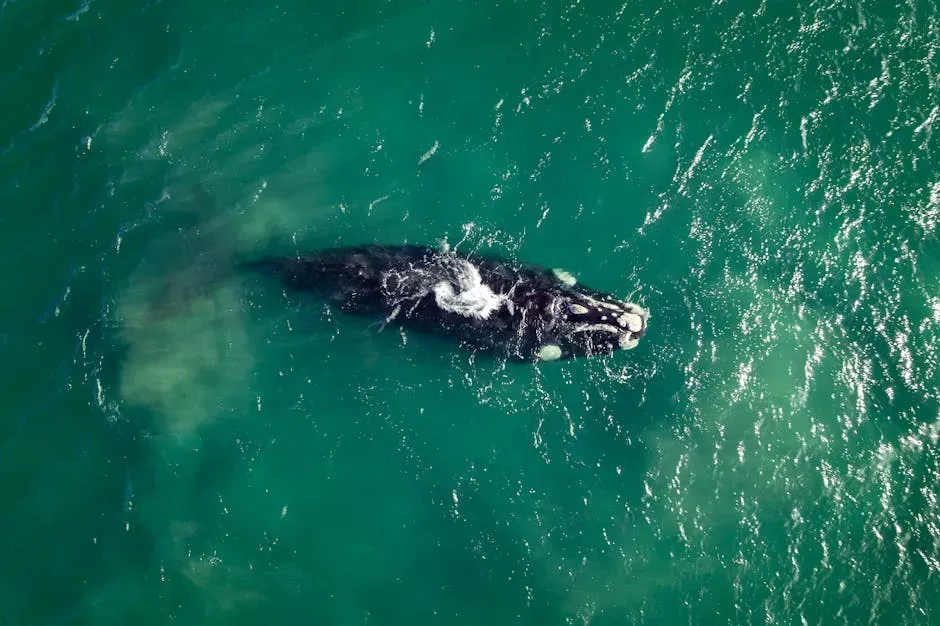
If you’ve ever been lucky enough to spot a massive whale breaching off the Atlantic Coast, consider yourself truly fortunate. Because for the North Atlantic right whale, each sighting feels more precious by the year. The North Atlantic Right Whale leads marine endangered animals with fewer than 340 individuals remaining, and these massive mammals face threats from ship strikes and fishing gear entanglement. To put that in perspective, that’s fewer individuals than you’d find in a small-town high school graduating class.
As of October 2025, NOAA Fisheries estimated that there were 384 individual North Atlantic right whales alive at the start of 2024. Conservationists have not given up, though. In October 2024, NOAA Fisheries released a North Atlantic right whale population viability analysis tool, developed through a five-year collaboration with partners from the United States and Canada. This tool helps users understand how the population will change over 100 years if threats are mitigated, and the results demonstrate that vessel strikes and entanglements must be reduced considerably for the species to persist.
2. The Florida Panther: A Ghost in the Everglades
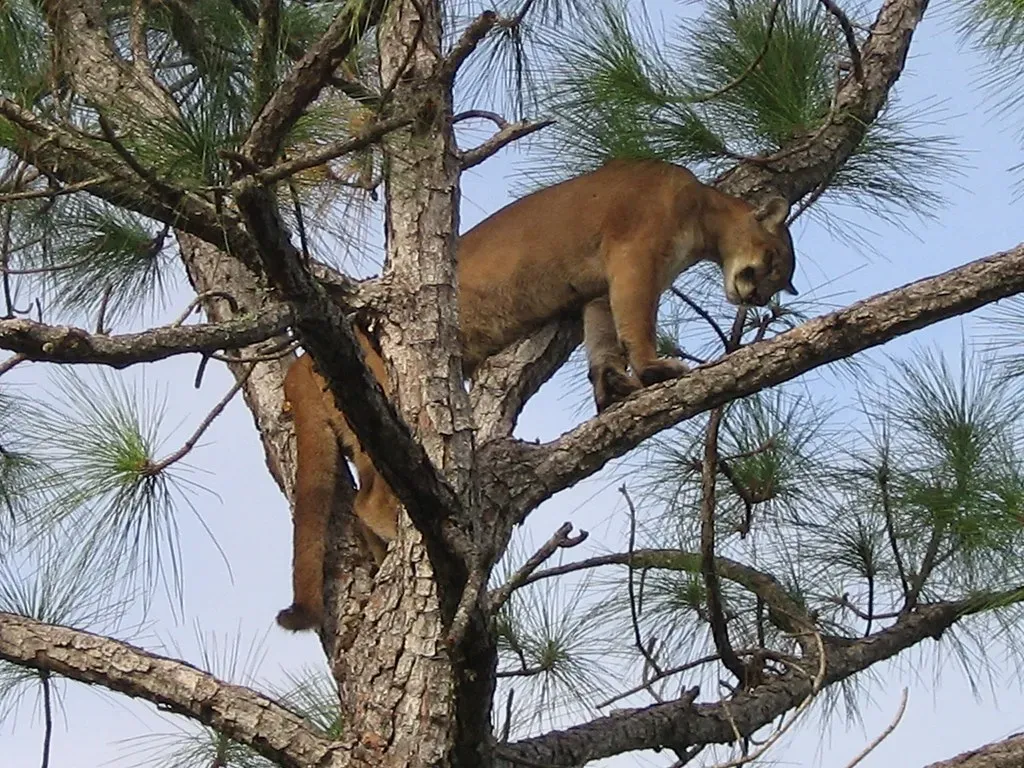
There’s something hauntingly beautiful about an animal so rare that most people who live near its habitat have never laid eyes on one. The Florida panther is exactly that. The Florida panther is federally listed as an endangered species under the Endangered Species Act of 1973, and the wildcat now survives only in a tiny area of South Florida, where only 120 to 230 individuals continue to roam in the wild as a result of habitat destruction and widespread urbanization.
Inland development such as roads and highways poses a serious danger to panthers attempting to cross the land, though the panthers can be spotted in forests, prairies, and swampland such as Everglades National Park and Big Cypress National Preserve. Conservation efforts include wildlife corridors and specially designed highway underpasses, helping these cats move between fragmented habitats without being struck by vehicles. Honestly, it’s one of those situations where engineering and ecology have to work hand-in-hand, and every underpass built matters enormously.
3. The California Condor: From Six Survivors to Soaring Again
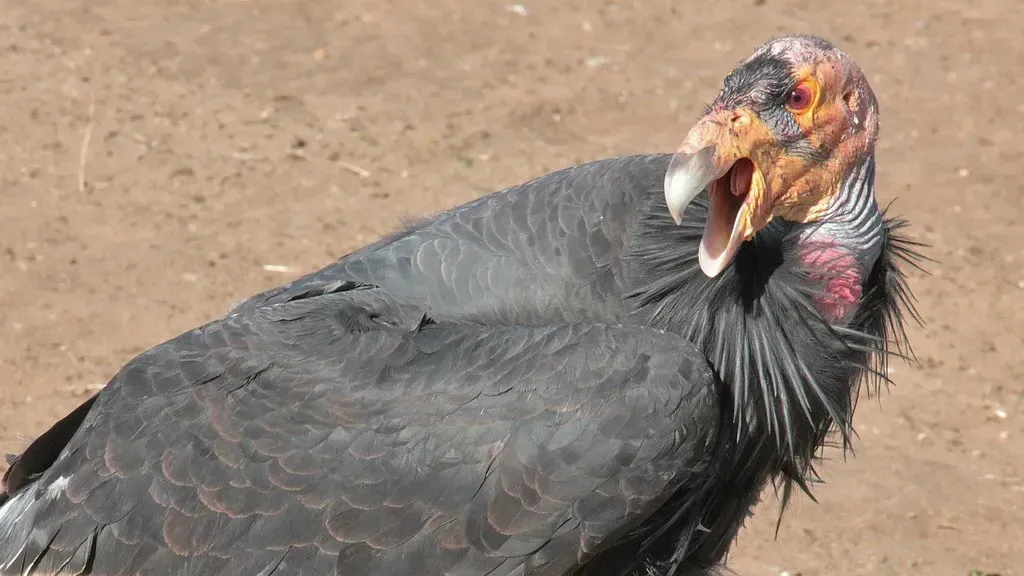
I think the California condor story is genuinely one of the most dramatic wildlife recoveries in American history. Though the bald eagle is the most recognizable bird of prey in the US, the California condor is the largest known wild bird in North America. By the 1980s, only about six individuals were left in the wild, a staggering result of lead poisoning from ingesting bullet fragments and reduced eggshell thickness from the synthetic insecticide DDT.
The remaining six condors were then captured for an intensive breeding recovery programme, which helped boost population numbers up to 223 by 2003. Today, careful recovery programs have boosted the California condor’s numbers to over 500, and the condors once again soar over the Western United States. Yet the species remains critically endangered, and the ongoing threat of lead ammunition in the environment continues to be a major concern, with some legislative battles still being fought over this very issue.
4. The Red Wolf: The World’s Most Endangered Wolf
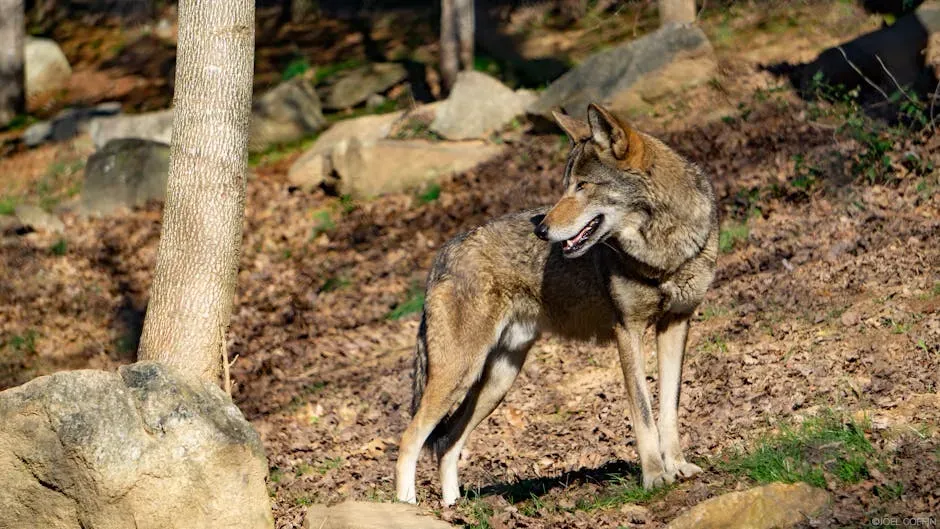
Identifiable by its reddish fur behind its ears, neck, and legs, the red wolf is the world’s most endangered wolf, and the International Union for Conservation of Nature now categorizes red wolves as critically endangered. This animal didn’t fade quietly. It was pushed, hunted, squeezed out of its territory, and nearly erased from the planet entirely. Once common in eastern and south-central regions of the US, the red wolf was listed as a species threatened with extinction under the Endangered Species Preservation Act in 1967, after population numbers dropped significantly due to decades of human activity including gunshots and vehicle collisions.
The US Fish and Wildlife Service reintroduced red wolves in eastern North Carolina in the late 1980s to help conserve and recover the rare species, though the species remains highly threatened with only 20 to 30 individuals left. Even as the species teeters on the edge of survival, five red wolves died in collisions on a nearby highway in 2023 and 2024, and in one tragic case, the death of one male red wolf on the highway resulted in his five pups starving to death. Wildlife crossings are now being actively pursued as a solution, with a federal grant helping fund this vital project.
5. The Florida Manatee: Gentle Giants in a Shrinking World
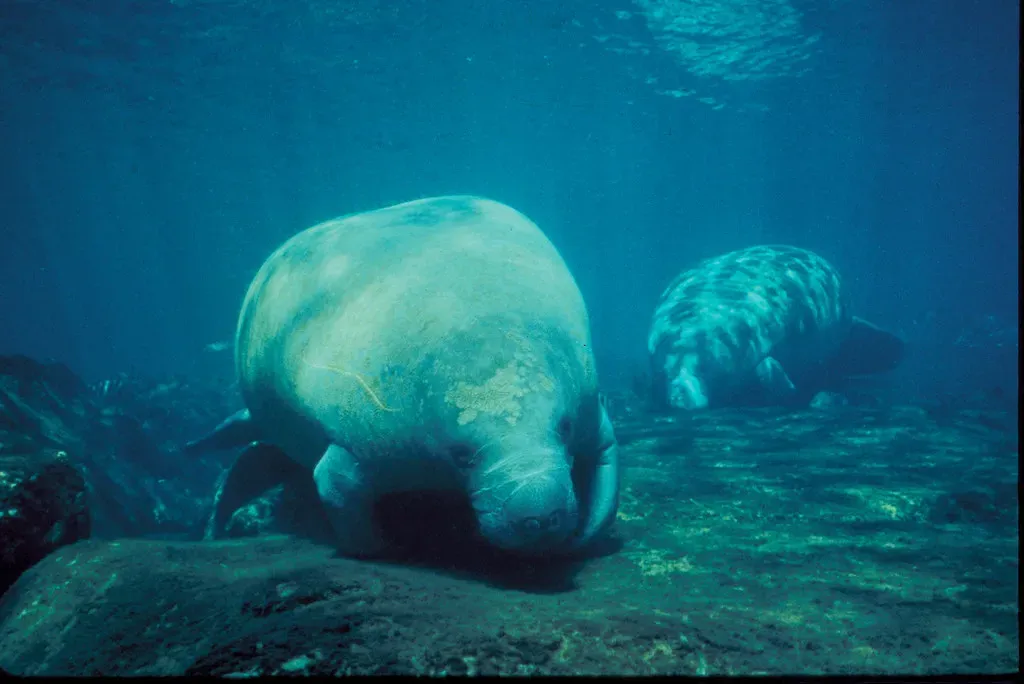
You’d be hard pressed to find an animal more gentle or more vulnerable than the Florida manatee. These slow-moving sea cows glide through warm coastal waters, completely at the mercy of their environment. Florida’s lovable sea cows are one of the state’s signature animals, but whether they know it or not, these gentle giants are facing an existential threat, with fewer than 10,000 manatees surviving in Florida’s waters. Between 2021 and 2022, nearly 2,000 manatees died in Florida, far exceeding the annual average of 578 deaths between 2015 and 2020.
Between 2020 and 2022, more than 2,500 manatees died, mostly from starvation because of the decline of seagrass. Hundreds more died in 2023 and 2024. The seagrass shortage became so severe that authorities at one point had to drop hundreds of tons of lettuce into the water to keep manatees from starving to death en masse. Thanks to decades of earlier conservation efforts, manatee numbers had recovered enough to prompt the US Fish and Wildlife Service to downlist the species from “endangered” to “threatened” under the ESA in 2017. Many conservationists believe that downlisting was premature, given the mass die-offs that followed.
6. The Black-Footed Ferret: Back from the Dead, Almost
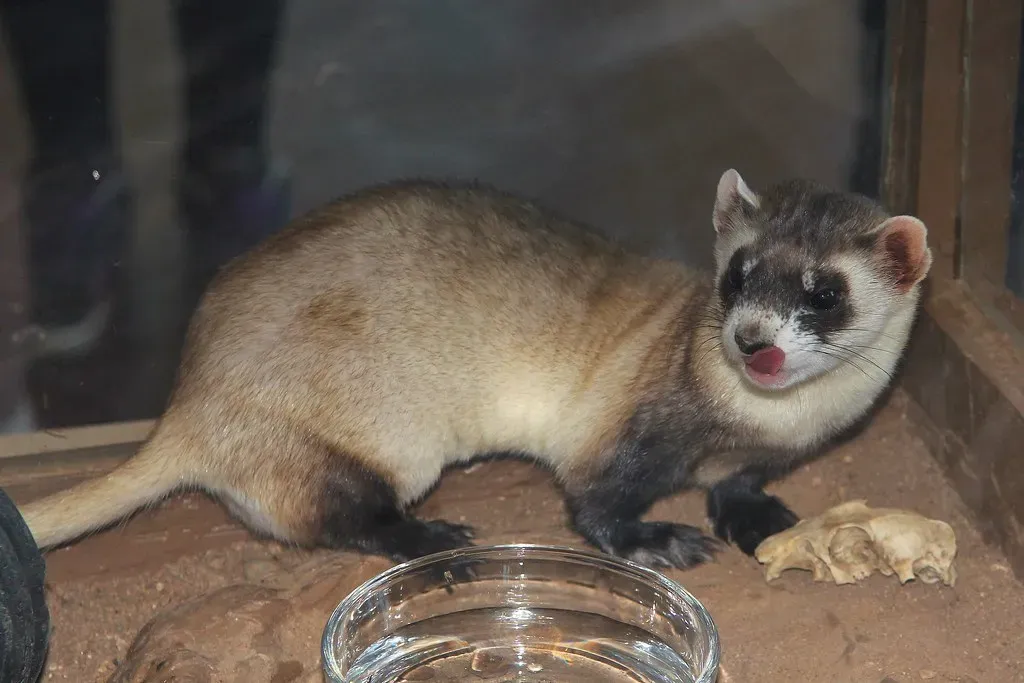
Here’s the thing about the black-footed ferret: it was actually declared extinct. Twice. And yet, here it is, still fighting for survival on the American plains. The black-footed ferret is listed as “endangered” on the IUCN Red List and is one of the rarest mammals in North America. Once common throughout the Great Plains from southern Canada to northern Mexico, the species became extinct in the wild in the 1980s, though conservation efforts successfully reintroduced populations in eight western US states and in Chihuahua, Mexico.
The American Burying Beetle and species like the black-footed ferret exemplify successful endangered species recovery programs in the United States. Once found across 35 states, distinctive populations now inhabit only small, scattered pockets of their former range. The black-footed ferret has been brought back from the brink of extinction through dedicated breeding programs. Scientists are now even exploring gene editing technology to help the ferret develop resistance to sylvatic plague, a disease that devastates both the ferret and the prairie dog populations it depends on for food. That’s how committed researchers have become to keeping this animal alive.
7. The Whooping Crane: A Bird That Nearly Vanished Forever
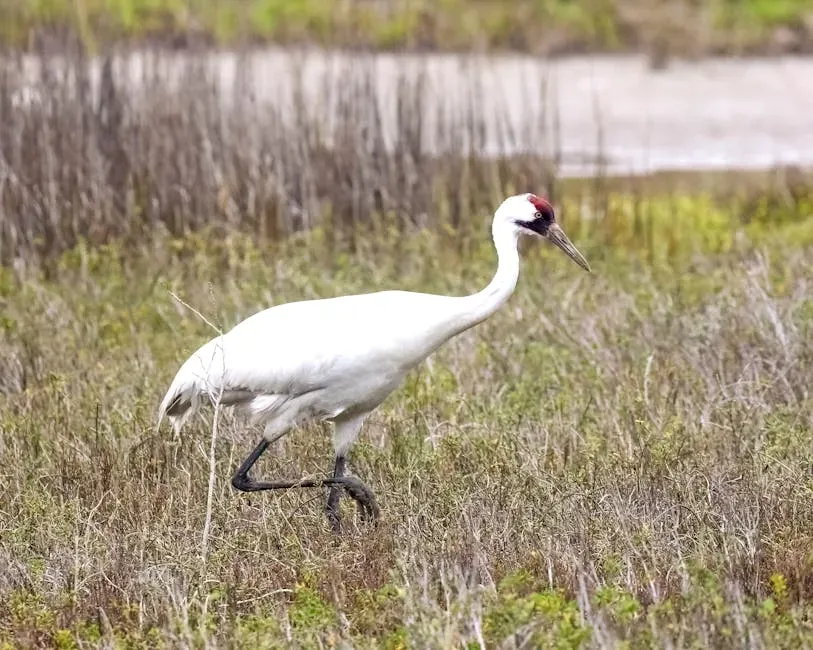
The whooping crane occurs only in North America, specifically within Canada and the United States, and is North America’s tallest bird. Though it once ranged throughout the Great Plains and Gulf Coast regions, the whooping crane population was decimated by hunting and habitat loss. The whooping crane’s story nearly ended in the 1940s when its population plummeted to just 15 individuals worldwide. Fifteen. For the entire planet. It’s almost unimaginable.
Montana serves as a critical stopover during the whooping crane’s remarkable migration journey. These birds travel an astonishing 2,500 miles twice yearly between their winter grounds at Aransas National Wildlife Refuge in Texas and their summer breeding territory in Wood Buffalo National Park, Canada. The central flyway through Montana provides essential resting and feeding locations during their arduous journey. Today, thanks to decades of painstaking protection, captive breeding, and habitat preservation, the whooping crane has made a comeback, though it remains endangered due to ongoing habitat challenges.
8. The Hawaiian Monk Seal: An Island Icon Under Pressure
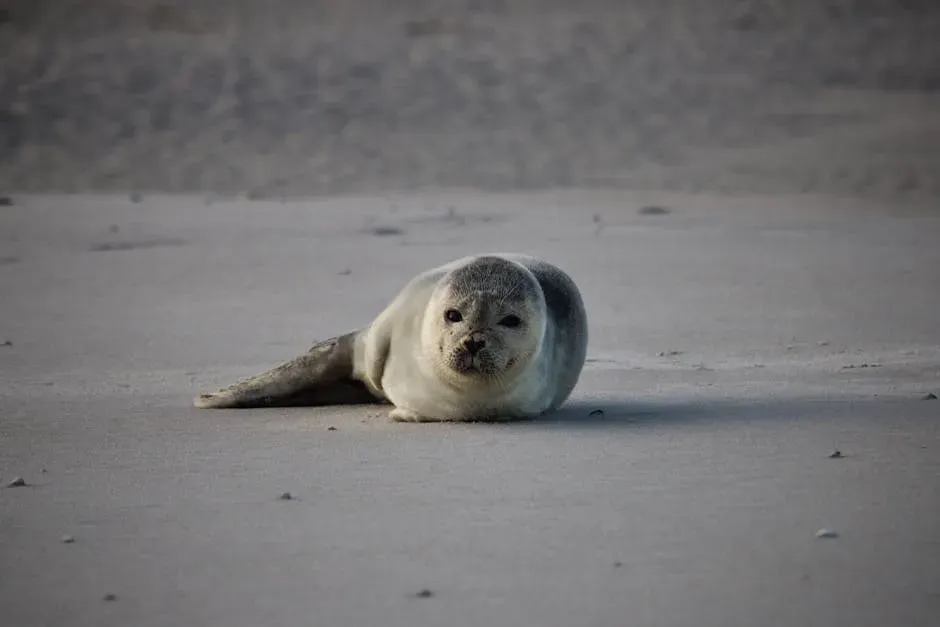
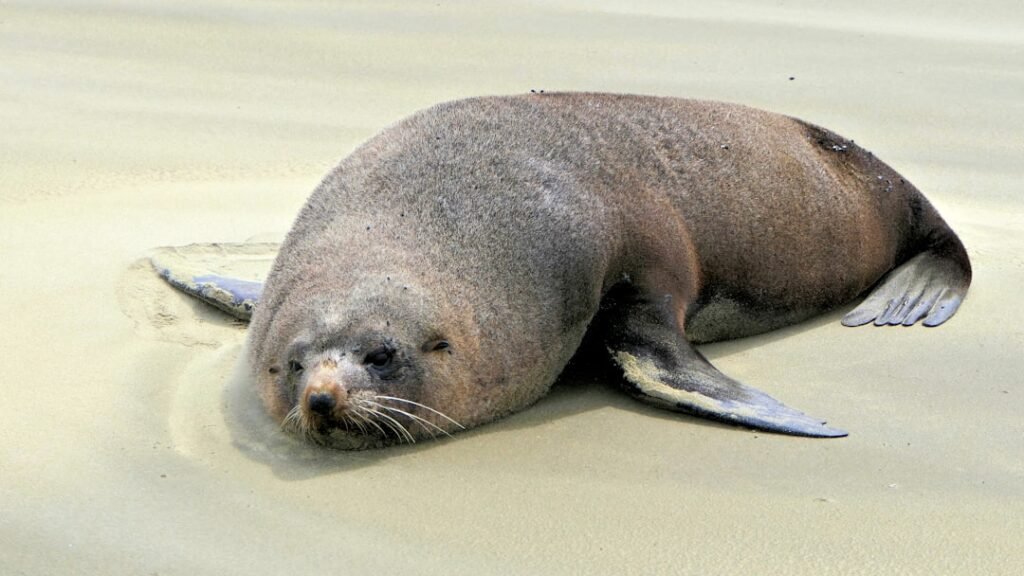
Picture the most remote islands in the Pacific Ocean, sun-drenched beaches with volcanic backdrops. Now imagine one of the world’s rarest marine mammals resting on those shores. The Hawaiian monk seal is found nowhere else on Earth. Found only in the Hawaiian Islands, this seal is endangered due to habitat loss, climate change, and human interference. Its isolation, once a kind of natural protection, has become both a blessing and a curse in a rapidly warming ocean.
The Hawaiian monk seal population has stabilized at approximately 1,570 individuals, representing a conservation success story through dedicated protection efforts along Hawaiian coastlines. It’s a relative bright spot in an otherwise sobering landscape. Conservation efforts include entanglement removal, vaccination programs against morbillivirus disease, and removing invasive sharks from critical pupping beaches. The Hawaiian community has also played a central role, with native Hawaiian cultural traditions helping frame the monk seal as a deeply respected presence in the islands.
9. The Loggerhead Sea Turtle: Ancient Traveler in Danger
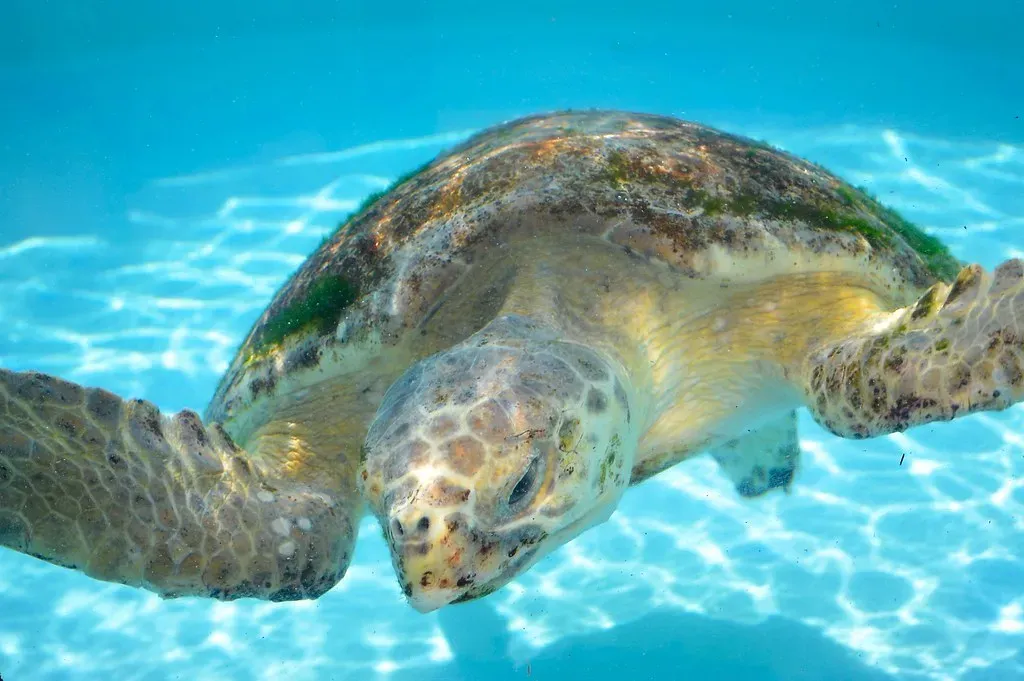
Sea turtles have been navigating the world’s oceans for roughly 100 million years. They outlasted the dinosaurs. They’ve witnessed ice ages. Yet here we are, in 2026, watching this ancient creature struggle to survive because of threats that didn’t exist until a few centuries ago. The loggerhead sea turtle first joined the endangered species list in 1978 following a 50 to 90 percent population decline from the destruction of its beach nesting habitats and overharvesting of its eggs. The turtle is also a common victim of bycatch in commercial fishing and trawling, and as roughly 95 percent of its US breeding population is located in Florida, the threats are concentrated in a remarkably small geographic area.
With decades of dedicated conservation efforts, the species managed to increase its population number by 24 percent between 1989 and 1998, with an estimated total of more than 100,000 nests per year. That’s genuinely encouraging. Nest protection programs, beach lighting ordinances to stop artificial lights from disorienting hatchlings, and turtle excluder devices in fishing nets have all played meaningful roles. These sea turtles continue to face threats from habitat degradation and accidental capture in fishing gear, so the work is far from over.
10. The Gray Wolf: A Keystone Species in a Political Storm
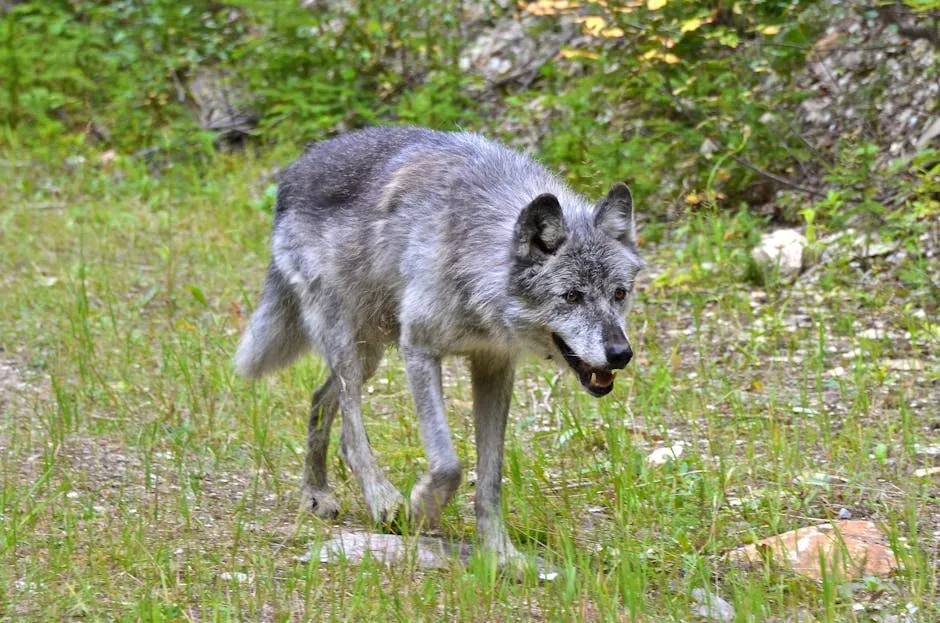
Few American animals have been caught in a more contentious, emotionally charged debate than the gray wolf. Wolves are perhaps the most prominent example of how both implementing and stripping protections can impact animal populations. Before heavy hunting began in the 1900s, a quarter of a million wolves were thriving in the US, and following the arrival of European settlers, unregulated wolf hunting resulted in a sharp population decline and severely isolated populations. A large portion of the species was wiped out in a government-approved extermination plan to make way for urbanization and domesticated animal farming, and sudden population declines even triggered Yellowstone National Park’s ecological collapse in the 1920s.
The gray wolf population in the United States has recovered from near extinction to over 6,000 individuals through protection under the Endangered Species Act and successful reintroduction efforts in Yellowstone National Park. Still, the political rollercoaster never stops. In 2019, the US Fish and Wildlife Service announced plans to delist gray wolves from the Endangered Species List based on the species’ recovery rates in the Great Lakes. However, the recovery of a single population was not representative of the entire country, so in 2022, the gray wolf was relisted as an endangered species to continue conservation efforts. Today, since January 2025, the 119th Congress has introduced 32 bills that aim to weaken the Endangered Species Act, including proposals to delist vulnerable animals such as grizzly bears and gray wolves and roll back habitat protections.
Conclusion: The Choice We’re Still Making
Every single species on this list represents something profound: a creature shaped by millions of years of evolution, now teetering on the edge because of decisions made in boardrooms, highways, fishing boats, and legislative chambers. It’s humbling, and if we’re being honest, more than a little sobering.
Enacted in 1973, the Endangered Species Act continues to be a powerful and effective tool for conserving species and their habitats. Less than one percent of the species listed under the ESA have gone extinct, and others have been recovered to the point where they no longer need protections. The ESA has been credited with preventing the extinction of over 99 percent of the listed species it has protected over its 50-year history. That’s not a small thing. That’s a genuine triumph of collective will.
The stories of the California condor soaring again, the whooping crane migrating across half a continent, and the manatee paddling through warm Florida waters all remind us that recovery is possible, but only when the effort is real and sustained. Nature is resilient. The question is whether we’ll give it the space, protection, and time it needs. What would it say about us if we didn’t? Tell us your thoughts in the comments below.