
Look up at the night sky and it seems calm, almost gentle. Stars twinkle, the Moon glows softly, and everything feels still. But behind that serene backdrop, the universe is doing something wild: it is literally bending, twisting, and stretching the fabric of space and time. Some objects are so dense and so extreme that they do not just sit in space; they reshape it, like bowling balls pressed into a rubber sheet. Once you realize that, it is hard to ever see the sky as “peaceful” again.
I still remember the first time I saw an illustration of light curving around a massive galaxy cluster – like a cosmic hall of mirrors – and it honestly felt more like science fiction than science. Yet this is our universe, right now, doing these strange things whether we are looking or not. In this article we are going to walk through ten of the most powerful space‑warping objects known, from black holes the size of cities to clusters of galaxies that act like gigantic cosmic magnifying glasses. Some are familiar, some are quietly terrifying, and all of them prove that reality is way weirder than most of us were ever told in school.
1. Stellar‑Mass Black Holes: City‑Sized Monsters That Trap Light
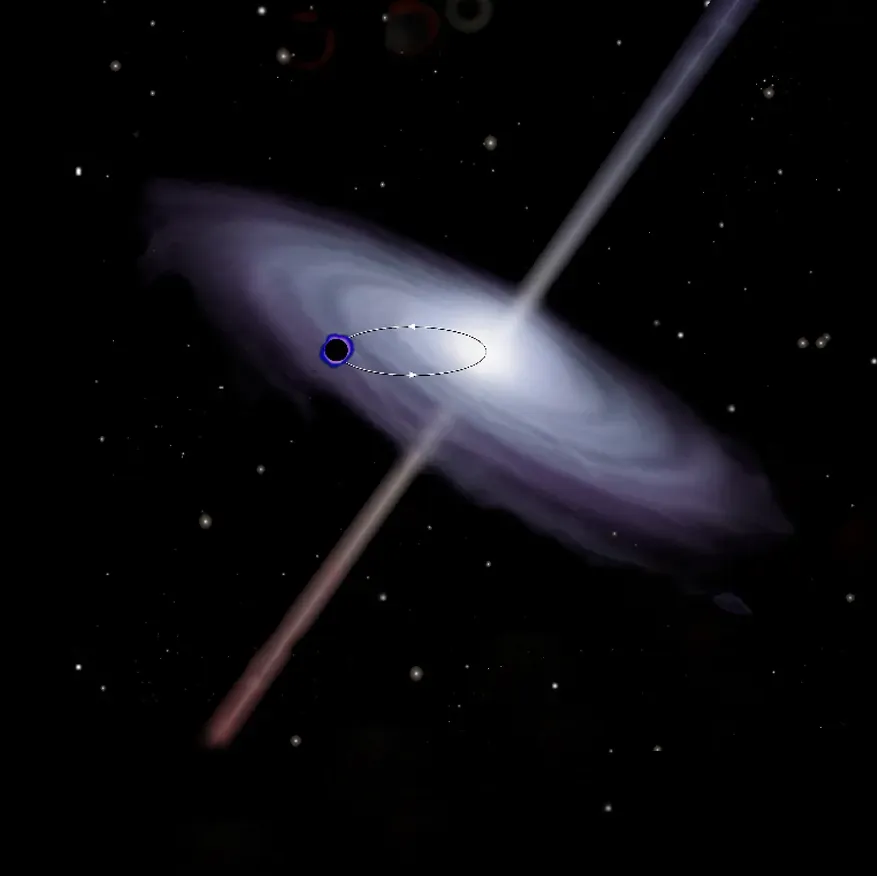
Stellar‑mass black holes are born from the violent deaths of massive stars, the kind that live fast and die in titanic supernova explosions. When such a star runs out of fuel, its core collapses under its own gravity until it becomes so dense that not even light can escape. All that mass is crammed into a region that can be as small as a city, yet weighs more than our Sun several times over. Around this invisible core lies the event horizon, the ultimate “point of no return” where space is so distorted that every possible path forward leads inward.
Close to a stellar black hole, space and time get weird. Light that passes nearby can be bent into arcs or even loop around multiple times before escaping, like a car trapped in a confusing roundabout. Time itself runs more slowly in the intense gravity, so a clock near the black hole would tick more slowly compared to one far away. If you fell toward one feet‑first, the difference in gravity between your feet and your head would stretch you into a long, thin shape – a process colorfully nicknamed spaghettification. These objects might be small on a cosmic scale, but they are gravity’s most brutal expression.
2. Supermassive Black Holes: Galactic Hearts That Rule Millions of Stars
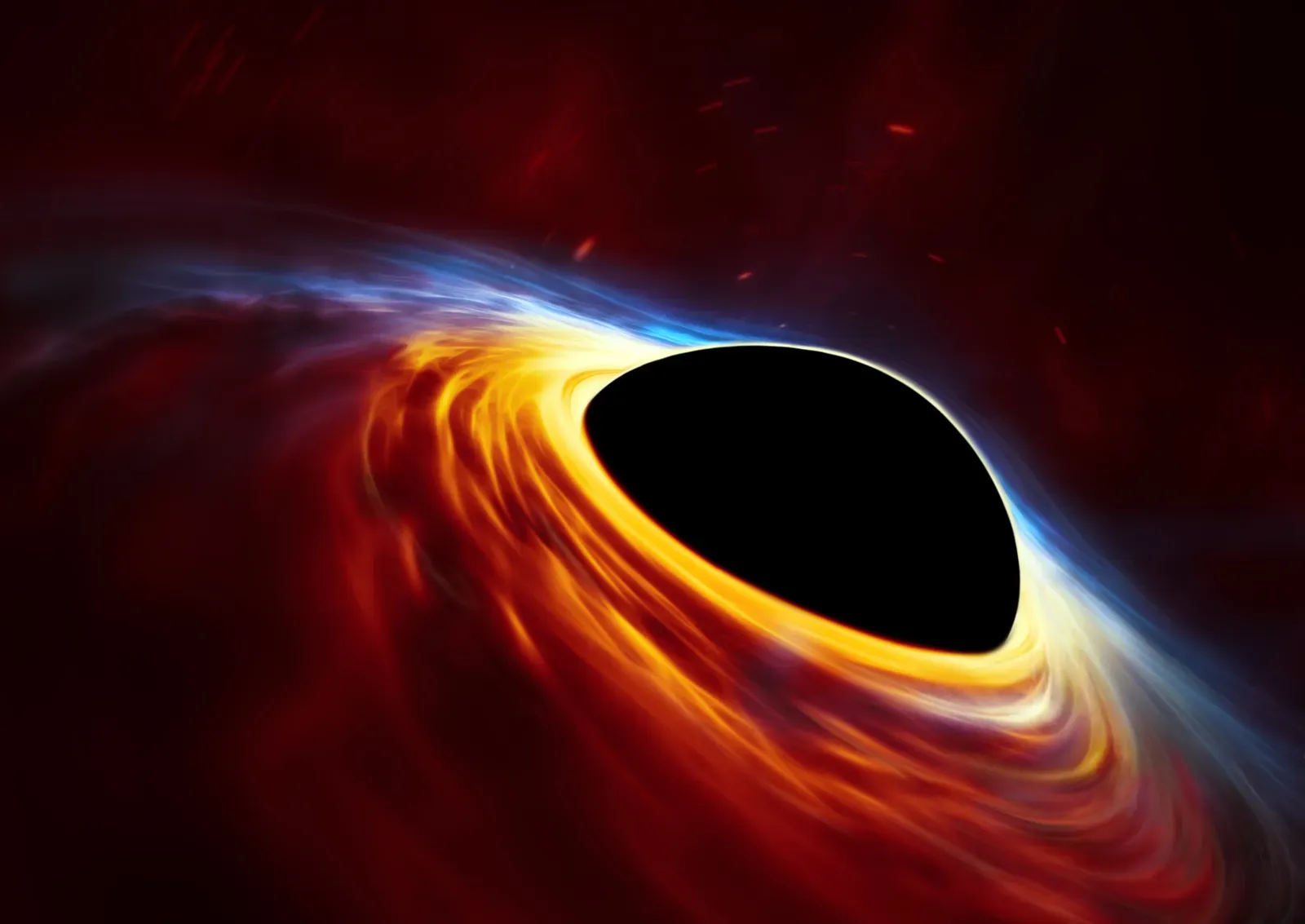
At the centers of most large galaxies, including our own Milky Way, lurk supermassive black holes weighing millions to billions of times more than the Sun. Unlike their smaller stellar cousins, these are not just leftovers from dead stars; they are titans that shape the evolution of entire galaxies. Our own central black hole, often referred to as Sagittarius A*, has the mass of roughly a few million Suns packed into a region smaller than our Solar System. It silently warps the orbits of nearby stars, keeping them racing around at astonishing speeds in tight, elliptical paths.
The space distortions around these giants can be dramatic far beyond the event horizon. When they pull in gas and dust, the material forms a hot, swirling accretion disk, where friction and magnetic chaos heat it to incredible temperatures. The energy released can outshine all the stars in the host galaxy, and powerful jets can blast out from the poles at nearly the speed of light. These jets and winds can push back on the surrounding galaxy, shutting down or triggering waves of star formation. In that sense, supermassive black holes are not just passengers at the center of galaxies – they are more like ruthless, unseen city planners, reshaping the neighborhood through raw gravitational influence and energy.
3. Quasars: Black Holes Turned Up to Cosmic Spotlight Mode
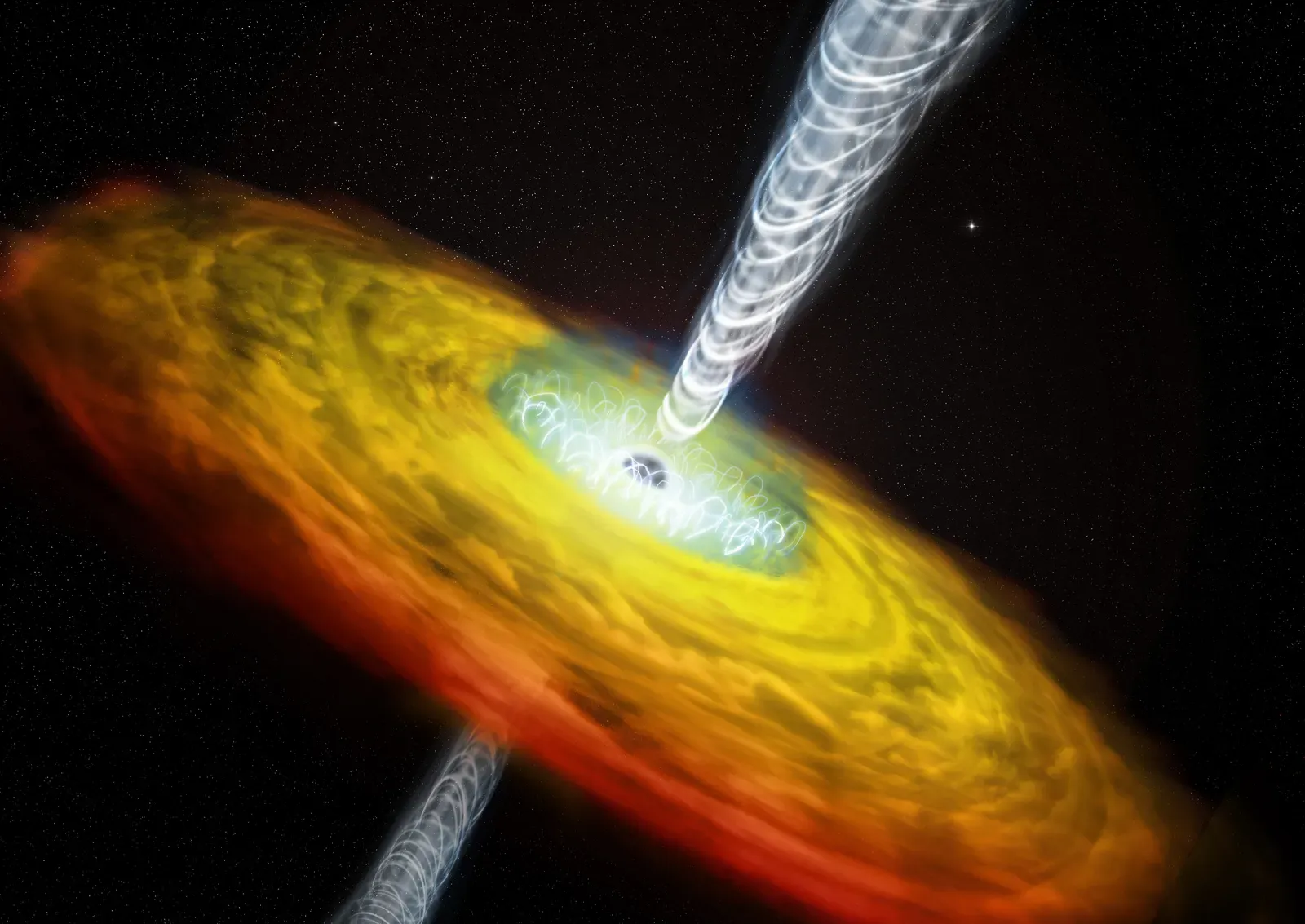
Quasars are what you get when a supermassive black hole goes into full‑blown feeding frenzy. When huge amounts of gas fall toward the central black hole, the accretion disk becomes incredibly bright, releasing more energy than entire galaxies. Even though the black hole itself is invisible, the region around it becomes a blinding beacon that we can detect across billions of light‑years. Some quasars we see today switched on when the universe was still very young, which means we are looking back in time at their furious growth stages.
The gravitational impact of a quasar is twofold. First, the black hole’s sheer mass severely curves spacetime, just as with any supermassive black hole. But second, the energy output from the infalling material can physically blow gas out of the galaxy, altering its shape and potential for forming new stars. Quasars can also act as gravitational lenses themselves, bending the light of objects behind them and producing multiple images or stretched arcs. In a way, they are like cosmic engines running so hot that they not only distort space but also sculpt the future of the galaxies that host them.
4. Neutron Stars: Atomic Nuclei Scaled Up to City Size
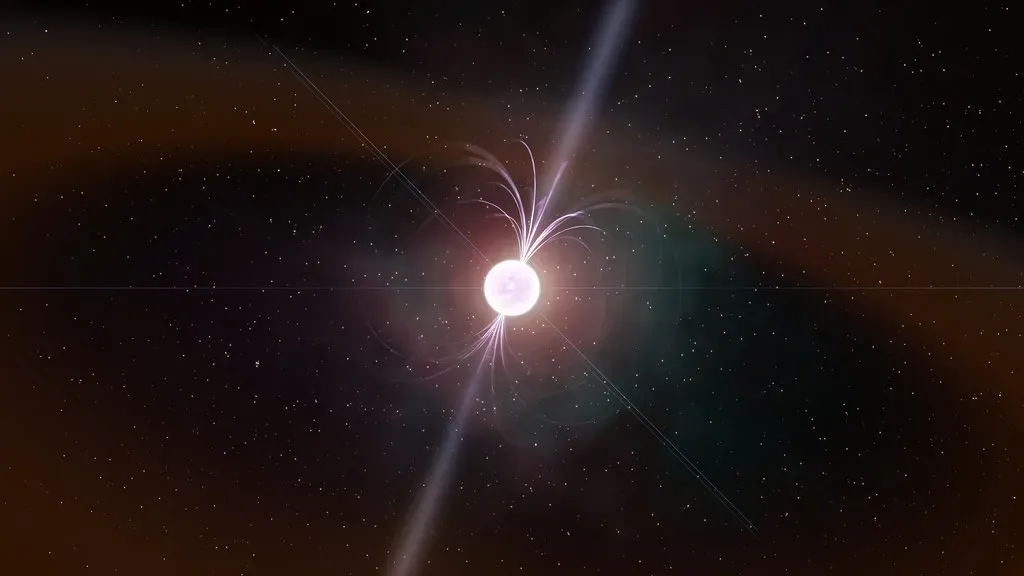
Neutron stars are what happens when a massive star collapses but stops just short of becoming a black hole. They are incredibly dense – so dense that a teaspoon of neutron star matter would weigh as much as a mountain. All that mass is crammed into a sphere roughly the size of a large city, which means their surface gravity is ferocious. If you could stand on one (you cannot, you would be crushed and vaporized), you would weigh many billions of times more than on Earth, and even light paths are noticeably curved as they skim past.
What makes neutron stars even stranger is that their interiors are filled with matter in a state we cannot recreate on Earth at the same scale. Protons and electrons have been squeezed together into neutrons, a bit like taking every person in a city, compressing them into a single bead, and then building a sphere out of those beads. Some neutron stars spin dozens or even hundreds of times per second, dragging spacetime around with them in a phenomenon called frame‑dragging. This rotational warping means that not only is space bent by their gravity, but it is also, in a sense, being twisted as they whirl, like a spoon stirring thick cosmic syrup.
5. Binary Systems of Black Holes and Neutron Stars: Cosmic Dance Floors for Gravitational Waves
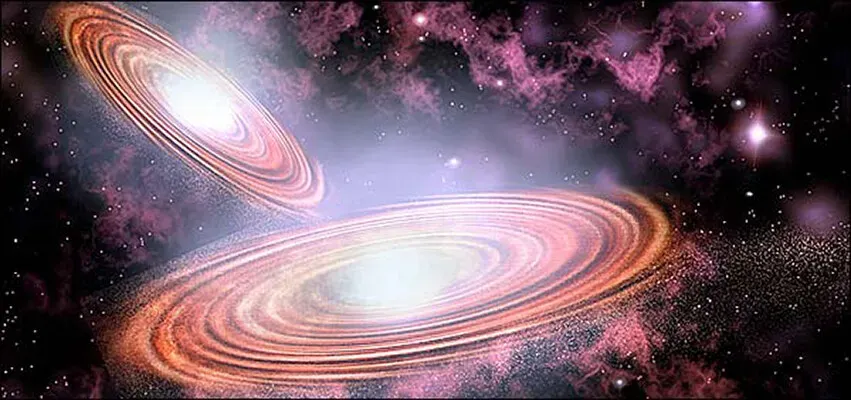
Put two extremely dense objects in orbit around each other – like a pair of black holes, or a black hole and a neutron star – and things get even stranger. As they spiral around, their intense gravity constantly stirs spacetime, sending out ripples known as gravitational waves. Over time, these systems lose energy through those waves, causing the orbit to shrink and the pair to draw ever closer. Eventually they merge in a final, dramatic collision that briefly releases more power than all the stars in the observable universe, but in the form of spacetime ripples instead of light.
When detectors on Earth first measured gravitational waves from such mergers, it felt almost like we had grown new senses. We were suddenly listening to the universe through its vibrations in spacetime instead of just seeing light. These binary systems do not just warp space locally; they literally shake it, sending tremors across the cosmos that subtly stretch and compress everything in their path. The distortion is tiny by the time it reaches us – far smaller than the width of a proton – but measuring it confirms that massive objects in motion can churn up spacetime like stones tossed into a dark, invisible pond.
6. Spinning (Kerr) Black Holes: Gravity That Also Drags Space Around
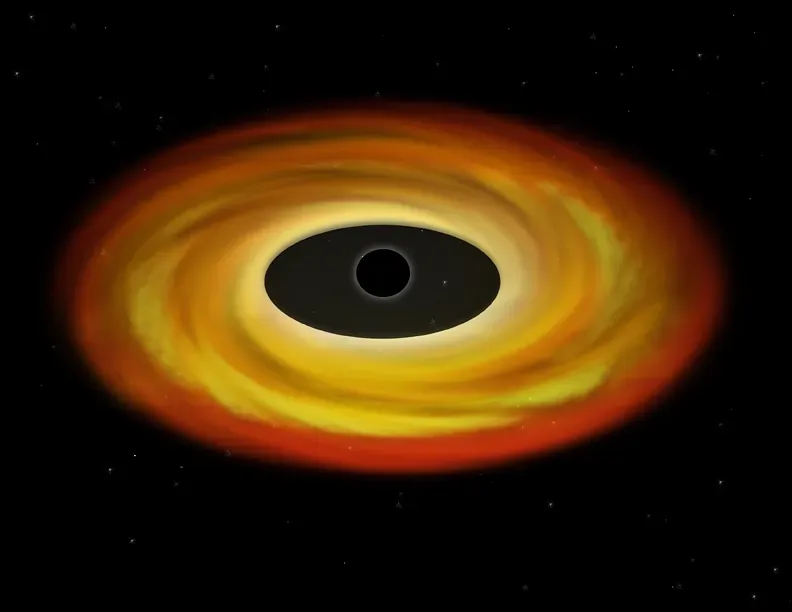
Real black holes probably spin, sometimes at astonishing fractions of the speed of light at their edges. These are described by what physicists call Kerr black holes, and their rotation adds an extra twist – literally – to how they distort spacetime. Around a spinning black hole there is a region called the ergosphere, where spacetime itself is dragged along with the rotation. Inside this zone, you cannot remain still relative to distant stars, no matter how powerful your rockets; space is being pulled around whether you like it or not.
This frame‑dragging effect leads to some mind‑bending possibilities. In principle, it is possible to extract energy from a spinning black hole by sending matter into the ergosphere in clever ways, slowing the black hole’s rotation slightly while gaining energy in return. Jets launched from the poles of accreting black holes are also thought to be powered in part by their spin, tapping into this rotational energy. To me, spinning black holes feel like the ultimate cosmic fidget spinners – once they get going, they not only bend space but literally twist it, redistributing energy on scales that make any human technology look laughably small.
7. White Dwarfs: Quiet, Dense Embers Bending Space More Than You’d Expect
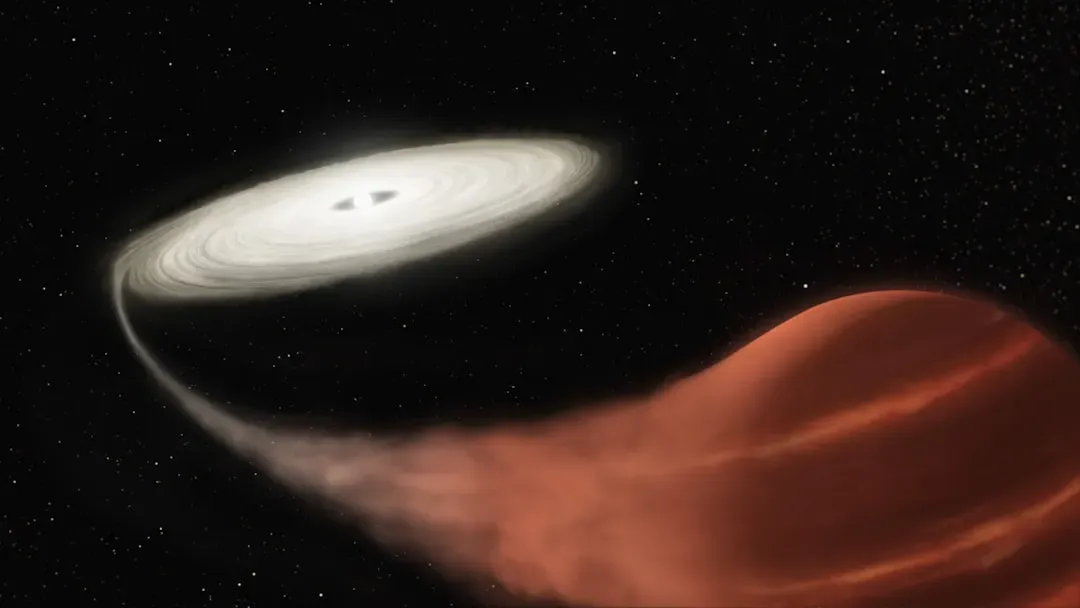
White dwarfs are the dense, Earth‑sized remnants left behind when Sun‑like stars run out of nuclear fuel. Compared to black holes and neutron stars they may sound tame, but they are still extreme by everyday standards. A white dwarf can pack a mass comparable to the Sun into a sphere about the size of our planet, which gives it a gravity tens of thousands of times stronger than Earth’s. Light passing nearby is noticeably deflected, and time runs a bit slower on its surface than far away, thanks to the curvature of spacetime.
These objects are supported against further collapse by a quantum effect known as electron degeneracy pressure, which feels almost like cheating: the rules of quantum mechanics step in to hold gravity at bay. But there is a hard limit to this support; if a white dwarf piles on too much mass, it can collapse further or explode as a type of supernova. In that sense, white dwarfs are like cosmic tightrope walkers, balancing on the edge between stability and catastrophic collapse. Their quiet, steady warping of space is a reminder that you do not have to be a full‑blown black hole to bend the universe around you in serious ways.
8. Galaxy Clusters: Cosmic Cities That Act as Natural Gravitational Lenses
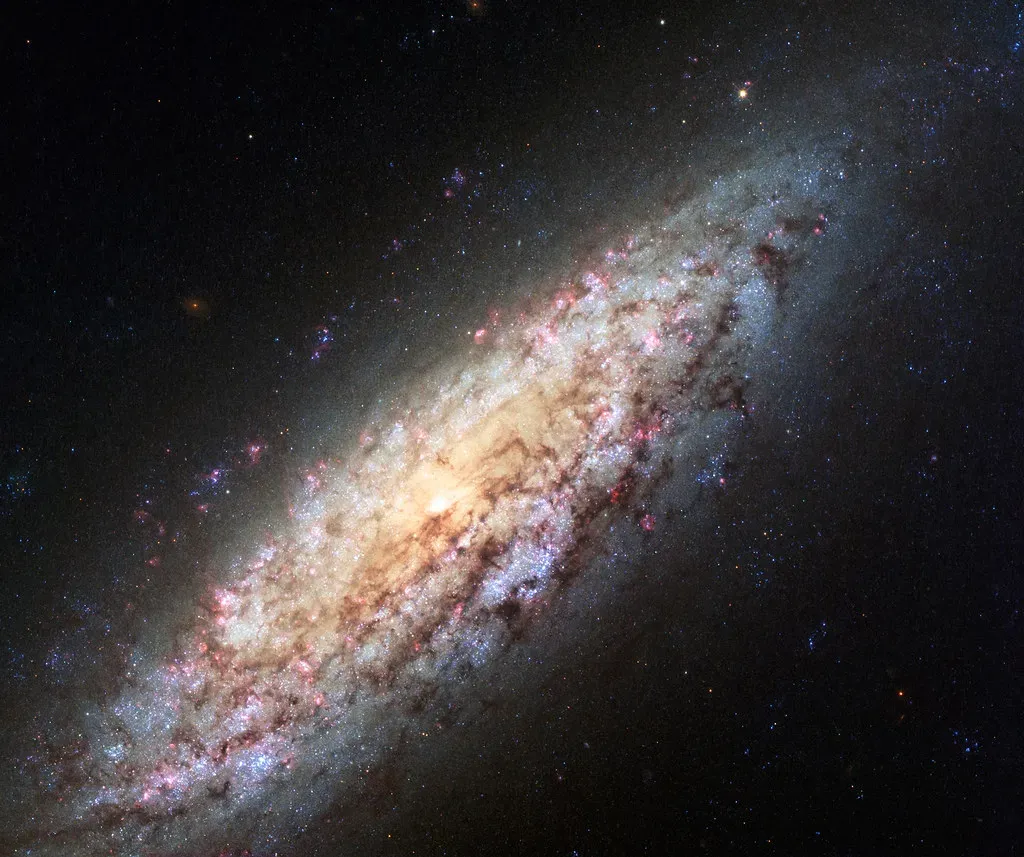
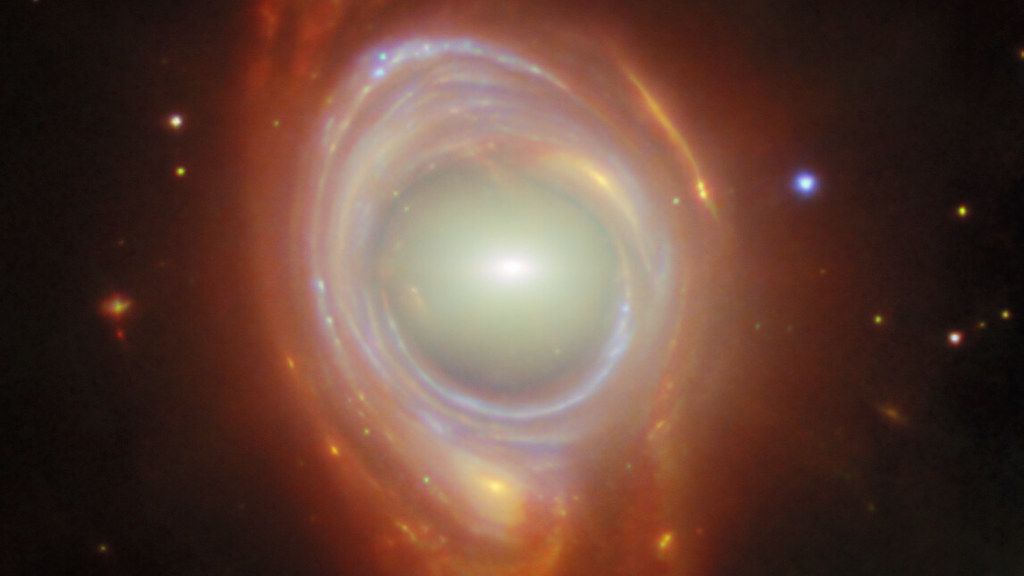
Galaxy clusters are the largest gravitationally bound structures in the universe – huge gatherings of hundreds to thousands of galaxies, plus hot gas and a vast amount of dark matter. Altogether, they contain so much mass that they significantly warp spacetime over millions of light‑years. Light from more distant galaxies that passes through or near a cluster gets bent, stretched, and magnified, creating spectacular arcs and multiple images in telescope pictures. Astronomers call this effect gravitational lensing, and it is one of the clearest visual demonstrations that mass really does bend light by curving space.
In deep space images, these lensing distortions can look almost artistic, like streaks of paint around a dense knot of galaxies. But they are more than just pretty: they let us map how mass is distributed in the cluster, including the otherwise invisible dark matter. Sometimes, clusters produce what are known as Einstein rings or giant luminous arcs when the geometry lines up just right, almost like nature built its own high‑end zoom lens. To me, galaxy clusters are proof that gravity, on large scales, turns the cosmos into a funhouse mirror, reshaping our view of the distant universe in surprisingly useful ways.
9. Neutron Star–Black Hole Mergers: One‑Sided Encounters That Shred Matter and Space
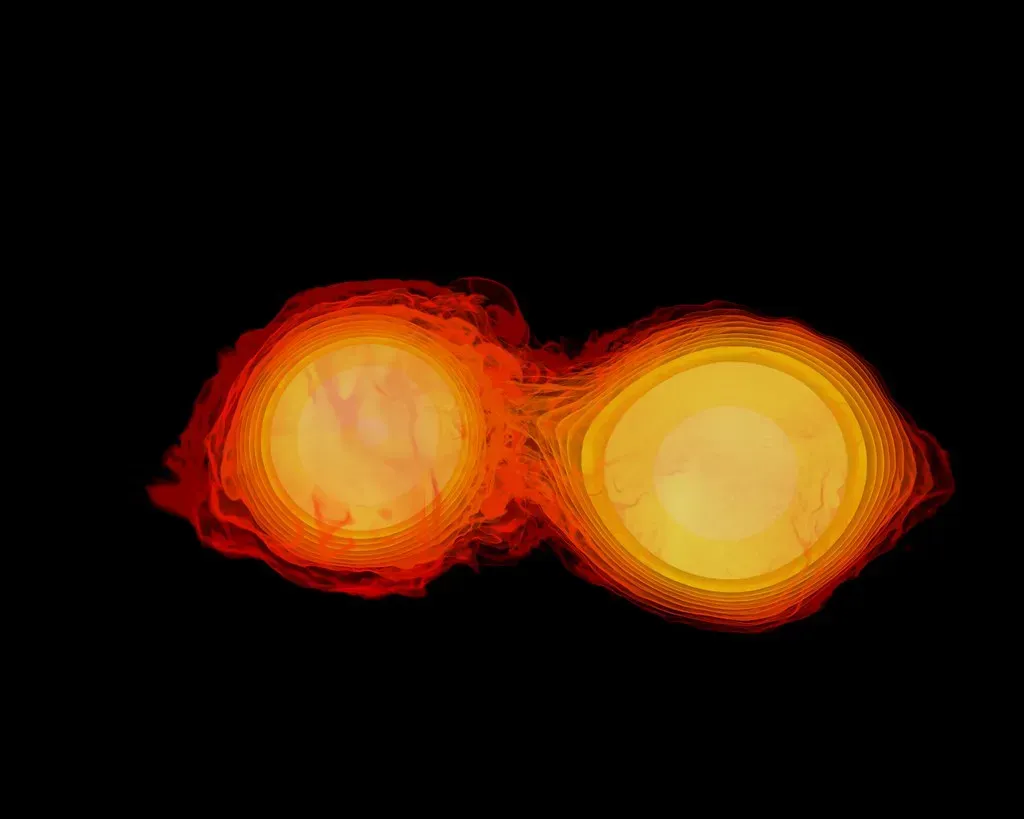
When a neutron star gets too close to a black hole, the encounter can be brutally one‑sided. The black hole’s gravity can strip material off the neutron star, shredding it into a spiral of super‑hot debris before it disappears. This process distorts spacetime in an incredibly dynamic way, sending out strong gravitational waves that encode details about both objects – their masses, spins, and how squishy or stiff the neutron star’s matter is. For a brief moment, the region around them is a chaotic storm of warped space, intense radiation, and extreme physics.
These mergers are also thought to be factories for some of the heaviest elements in the universe, like gold and platinum. When the neutron‑rich debris is flung outward and then cools, nuclear reactions can build up complex nuclei that later end up in planets, jewelry, and maybe even your smartphone’s circuitry. There is something almost poetic about that: the very events that most violently twist spacetime also help seed the cosmos with the ingredients for technology and culture. It is a reminder that the calm metals we casually wear or hold might have been forged in a place where space itself was being torn and sewn back together.
10. The Cosmic Web and Dark Matter Halos: Invisible Sculptors of Spacetime
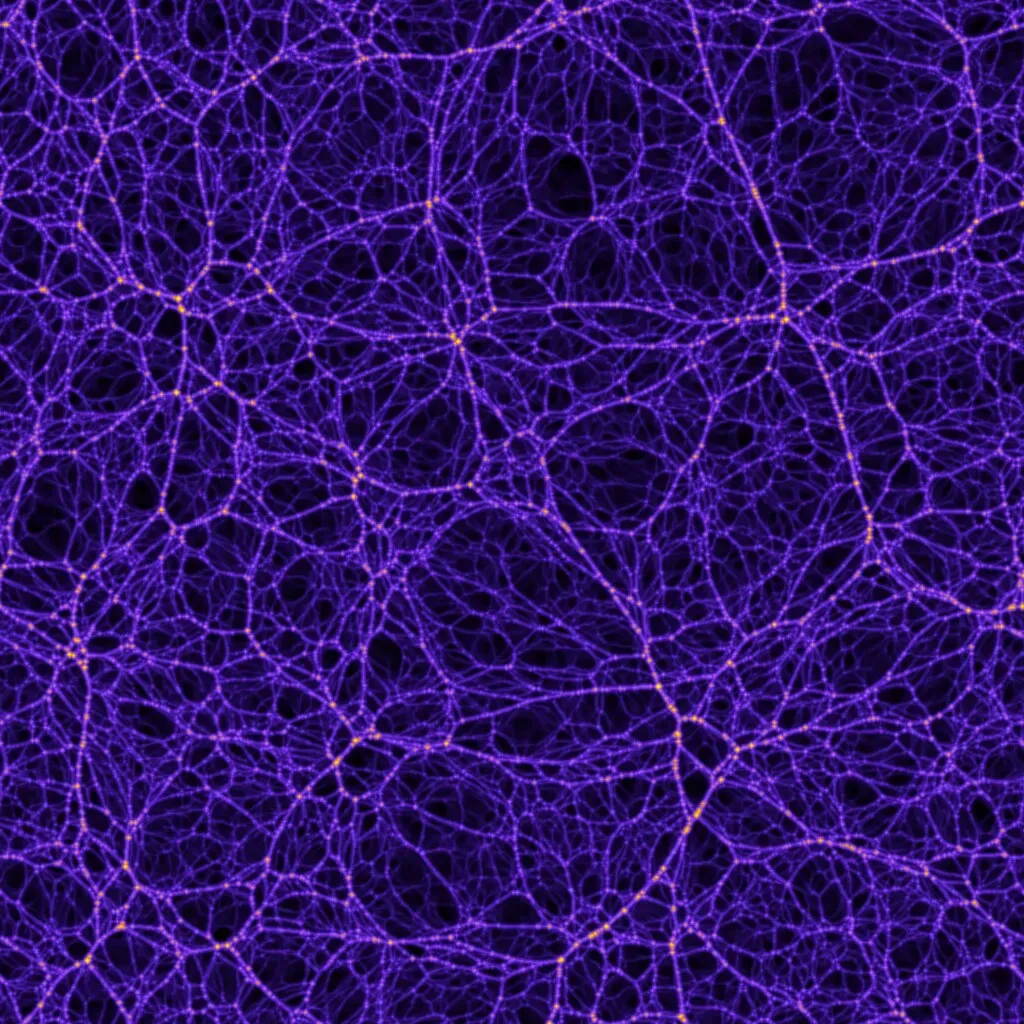
On the largest scales, galaxies are not scattered randomly; they are strung out along a vast cosmic web of filaments and nodes made mostly of dark matter. We cannot see dark matter directly, but we can see its fingerprints in how it bends light and guides the motion of galaxies. Each galaxy sits inside an extended dark matter halo, and many of these halos connect to form enormous structures stretching across hundreds of millions of light‑years. The combined mass of this dark skeleton is what shapes the overall curvature of spacetime on the grandest scales we can observe.
Gravitational lensing surveys show that even apparently empty regions can distort the images of background galaxies, revealing invisible concentrations of mass. In that sense, dark matter halos and the cosmic web are like a transparent sculpture hidden in a dim room – you do not see the sculpture directly, but you see how it warps the patterns of light around it. Personally, I find this both unsettling and beautiful: most of the universe’s mass is unseen, yet it quietly dictates where galaxies form, how they move, and even how the universe’s expansion history played out. Space is not just an empty backdrop here; it is a living, responsive medium, shaped by matter we are still struggling to fully understand.
Conclusion: A Universe That Refuses to Stay Flat
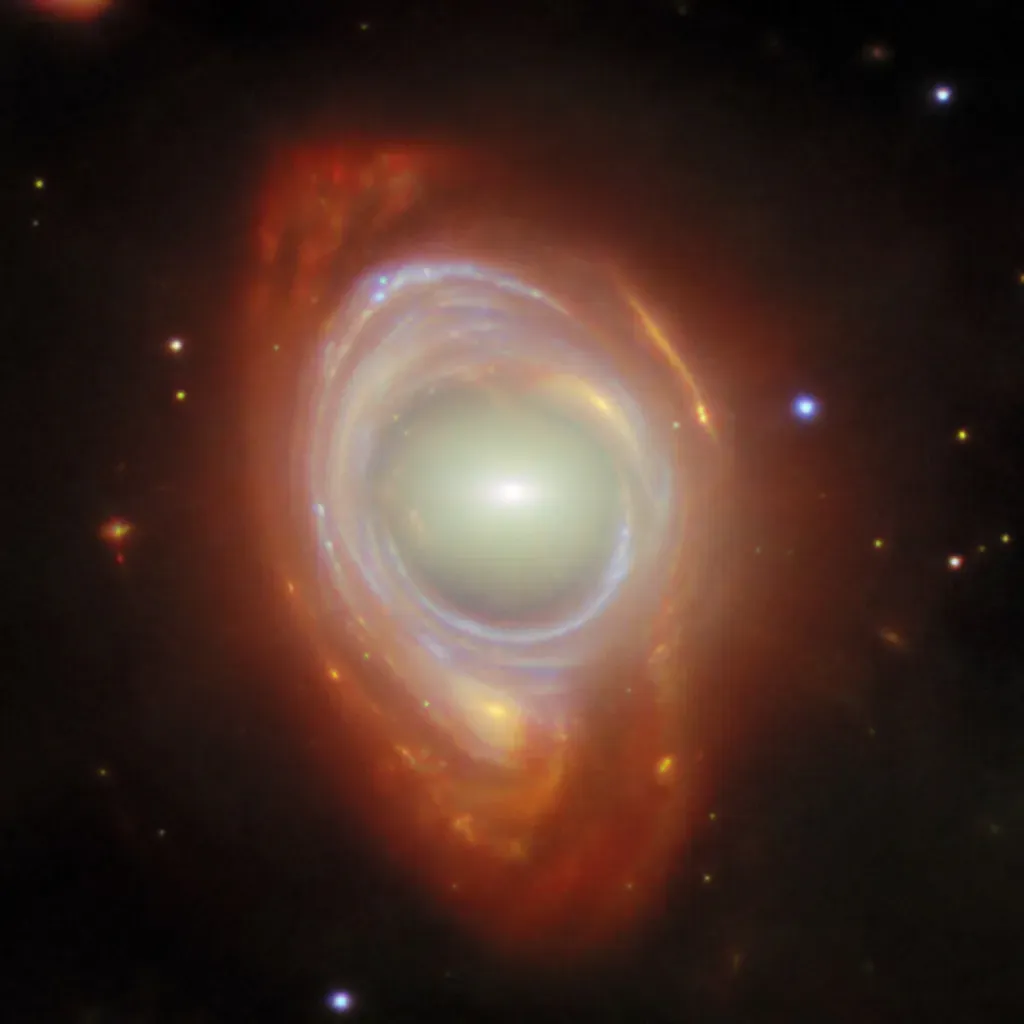
The more we learn about these extreme objects, the harder it is to cling to the old picture of space as some flat, passive stage where the cosmic drama unfolds. Black holes, neutron stars, white dwarfs, galaxy clusters, and the invisible dark matter scaffolding all insist on the same lesson: mass and motion do not just occupy space; they sculpt it. Our everyday intuition – where gravity is just “things falling down” – feels almost childlike next to a universe where time slows, light loops, and entire galaxies are magnified by invisible lenses made of matter and curvature. Ignoring that complexity feels, to me, like insisting the Earth is flat just because the horizon looks that way.
At the same time, there is something grounding about knowing that even your body, your coffee mug, and your phone are technically bending spacetime, just by existing – only far too weakly for us to notice. The monsters of gravity we have talked about are simply this same principle pushed to its absolute extremes. As we keep building better telescopes and gravitational‑wave detectors, we are going to uncover even stranger ways the universe twists itself out of our comfortable mental boxes. In a cosmos where space refuses to stay flat, the real question is not whether reality will surprise us, but how far we are willing to let it change our picture of what “space” even means – what would you have guessed before you knew it could bend at all?