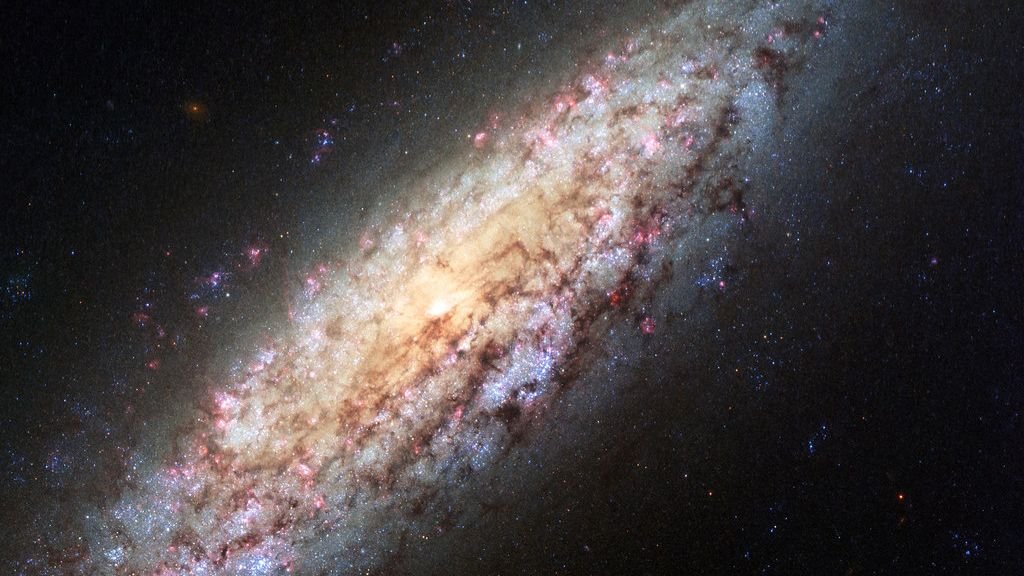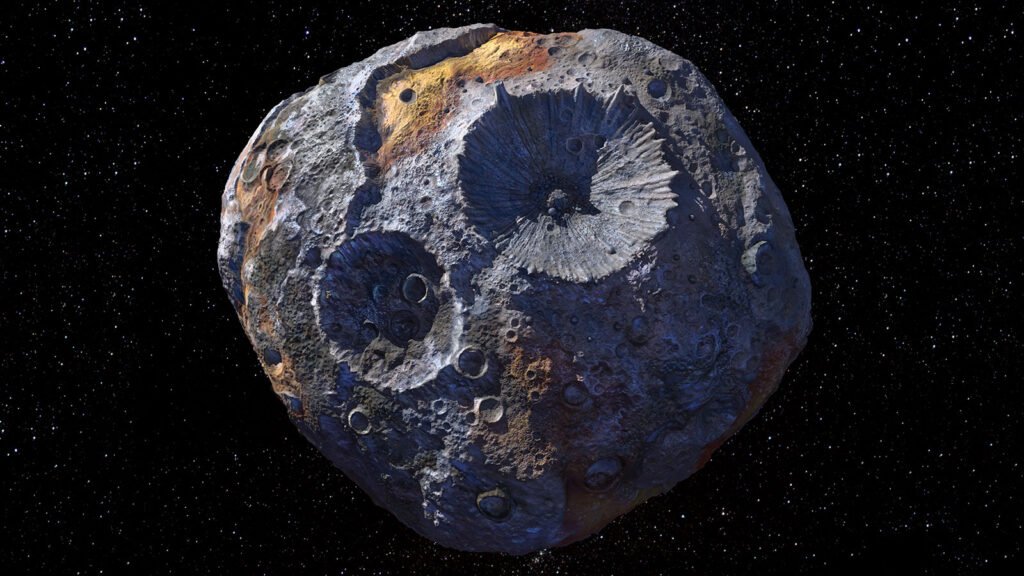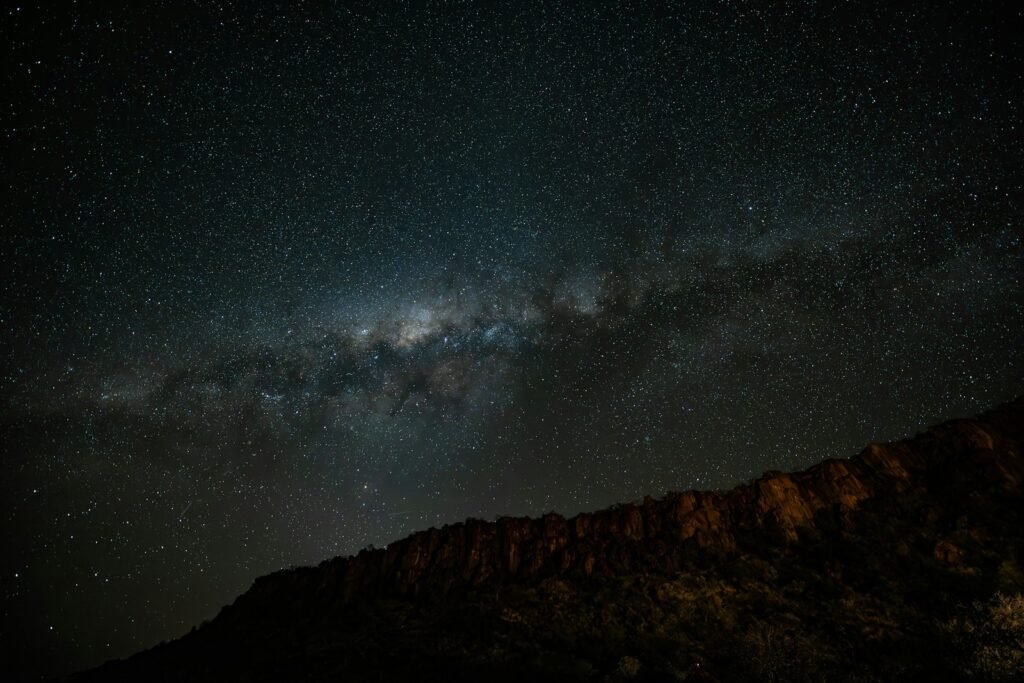

Long before telescopes, computer models, and space probes, the night sky was humanity’s most powerful screen – flashing warnings, promises, and puzzles that seemed to come straight from the gods. Across continents, people tracked strange lights, vanishing stars, and wandering points of fire, then built entire belief systems to make sense of them. Today, astronomers can simulate these events down to the minute, but the real intrigue lies in how those same phenomena steered kings’ decisions, inspired revolutions, and even justified wars. As researchers cross-check ancient texts with orbital calculations, they’re finding that what looked like myth often began with a very real, very bright event in the sky. The story of ancient civilization is, in many ways, the story of people trying to decode a universe that kept writing in light.
Total Solar Eclipses: When the Sun Vanished on Command
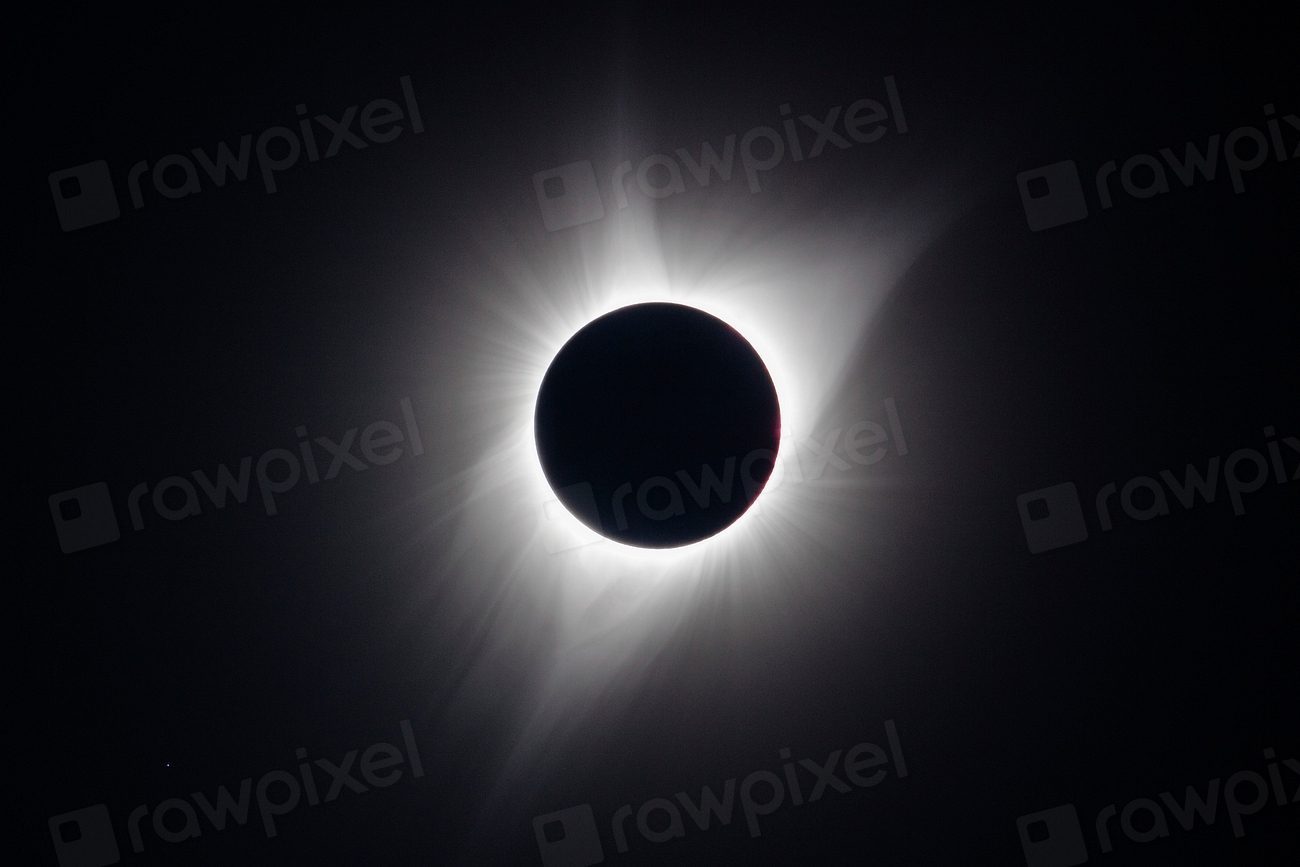
Total solar eclipses were among the most terrifying spectacles early humans ever witnessed: daylight collapsing into eerie twilight, temperatures dropping, stars emerging in the middle of the day. In ancient Mesopotamia and China, court astronomers treated eclipses as state-level emergencies, because a darkened Sun was widely seen as a direct threat to the king. Some rulers even staged substitute kings during predicted eclipses, temporarily placing a stand-in on the throne so that any celestial “attack” would strike the decoy. This sounds theatrical, but it shows a cold political logic – better to manipulate cosmic fear than be devoured by it. In a way, solar eclipses became tools of governance as much as moments of panic.
What’s striking is how quickly some cultures shifted from fear to calculation. Babylonian astronomers, by carefully recording eclipse intervals, discovered cycles that allowed them to anticipate future events with surprising accuracy. Much later, Greek thinkers like Thales of Miletus were credited in ancient sources with predicting a famous eclipse that allegedly halted a battle, turning a celestial anomaly into diplomatic leverage. Today, historians and astrophysicists reconstruct these eclipses using orbital mechanics, then match them to clay tablets and chronicles, pinpointing exact dates that realigned myth with physics. The same cosmic alignment that once felt like a divine verdict is now used as a precise timestamp to anchor ancient history.
Lunar Eclipses and Blood Moons: Omens in Earth’s Shadow
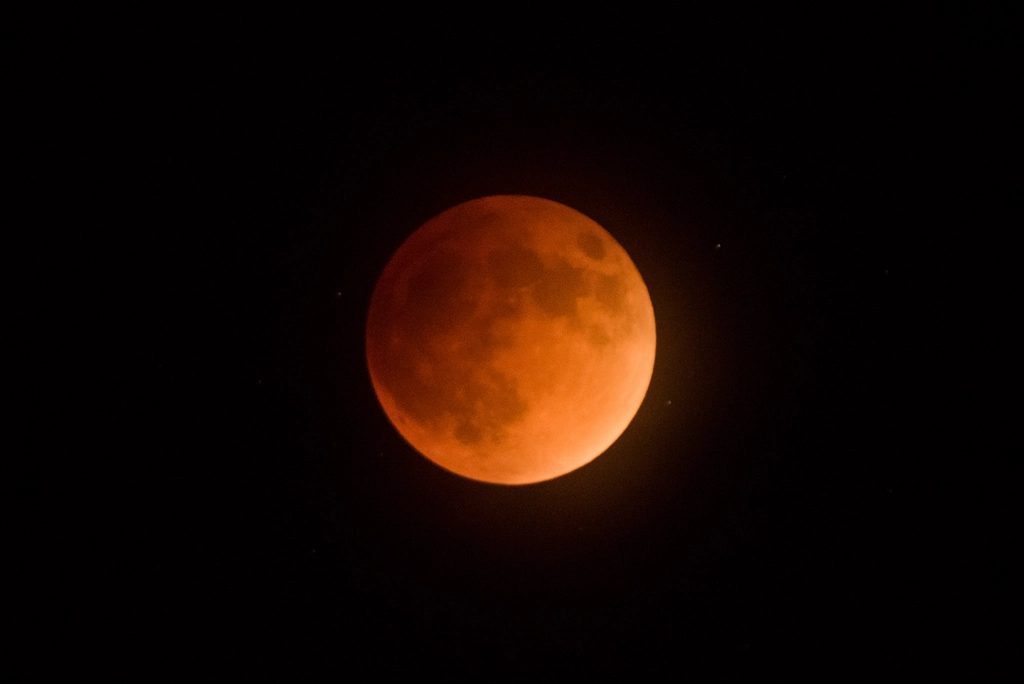
If a solar eclipse was a sudden blackout, a lunar eclipse was a slow-burning drama – the Moon slipping into Earth’s shadow and sometimes glowing a deep, rusty red. To many ancient societies, that blood-colored Moon looked like a wounded deity or a sign of coming violence. In Mesopotamia, elaborate rituals aimed to “protect” the king during lunar eclipses, and specialists were tasked with reading subtle variations – how dark, how long, how fast – as coded messages about the state and its enemies. There was a sense that the universe was sending detailed memos, if only you had the right priest to translate them.
Elsewhere, the stakes could be brutally practical. In Mesoamerica, eclipse lore was woven into cycles of sacrifice and renewal, tying celestial change directly to social order and agricultural success. Over time, though, astronomer-priests noticed regularities: lunar eclipses only happened at full Moon, and they followed long-term cycles that could be tracked and anticipated. That realization turned chaos into calendar, and fear into power, giving elites a way to stage ceremonies right on cue with the sky. When modern scientists overlay those ancient eclipse records with current models, they sometimes use them to refine estimates of tiny shifts in Earth’s rotation, showing how a frightened gaze at the Moon accidentally created a scientific dataset spanning millennia.
The “Wandering Stars”: Planets as Gods, Guides, and Warnings
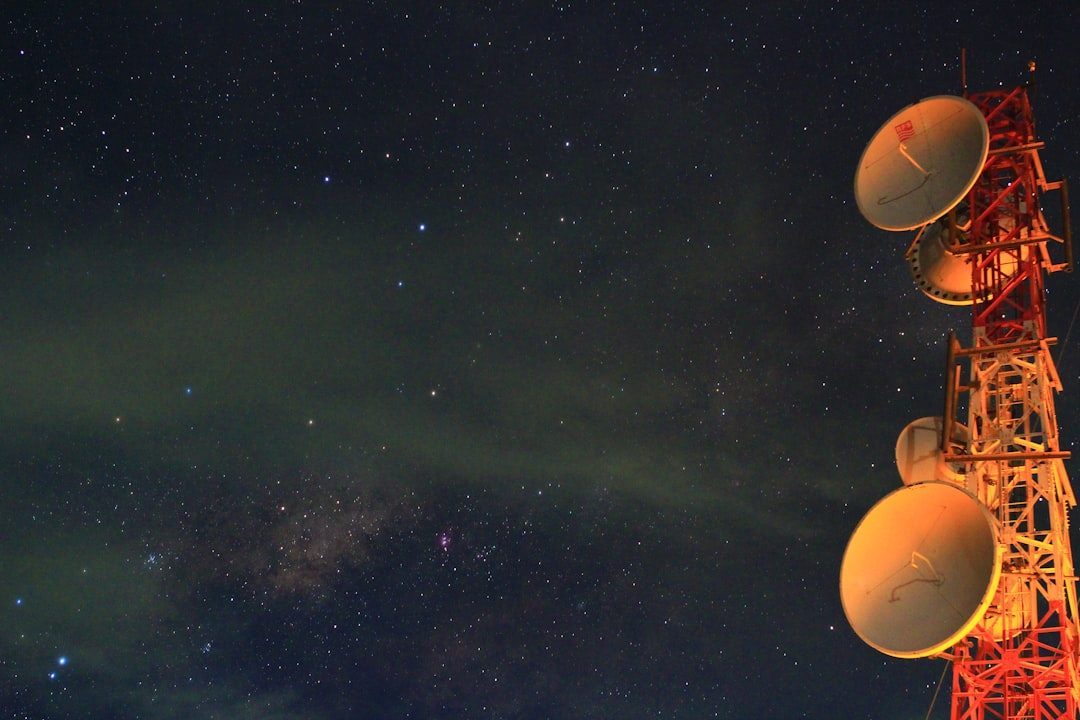
To the naked eye, planets looked like particularly bright stars that broke the rules – they drifted against the fixed constellations, sometimes looping backward in puzzling retrograde motion. That rebellious behavior made them irresistible candidates for divine personalities in ancient belief systems. The Babylonians mapped the paths of Venus, Jupiter, and Mars with patient precision and linked each to gods who meddled in war, prosperity, and love. Across the Mediterranean, Greek and Roman thinkers absorbed and reworked these ideas, fusing sky-watching with emerging philosophy and early physics.
These “wandering stars” did far more than decorate myths; they shaped concrete decisions. Planetary alignments were used to choose coronation dates, launch campaigns, and bless trade ventures. Over centuries, attempts to explain their erratic paths drove some of the boldest intellectual gambles in history, from geometric epicycles to heliocentric models that quietly dethroned Earth from the cosmic center. In that sense, every time an ancient observer puzzled over a strangely bright point of light creeping across the zodiac, they were nudging humanity one step closer to modern astronomy. The planets forced people to admit that not everything in the heavens obeyed a simple, comforting script.
Great Comets: Hairy Stars That Toppled Certainty
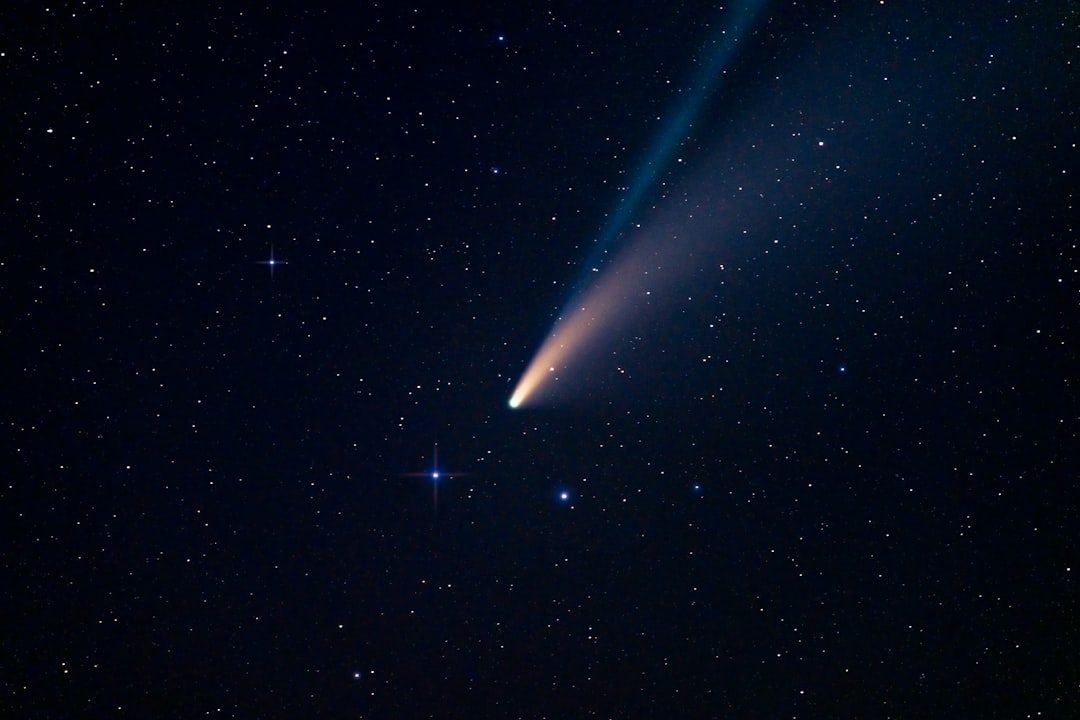
Comets were the ultimate cosmic wildcards – sudden visitors that sliced across the sky with glowing tails, defying prediction in the eyes of early sky-watchers. Many ancient Chinese records describe comets as “broom stars” that swept away dynasties, and detailed their color, direction, and duration as if compiling a forensic report on fate. In the Mediterranean world, these bright intruders were variously branded as signs of assassinated rulers, impending disasters, or the rise of new leaders. When something that striking appears without warning, it is almost impossible not to read meaning into it, especially in societies where the king’s legitimacy seemed tied to the heavens.
Over time, those same fear-tinged observations became essential scientific clues. Babylonian and later Islamic scholars carefully logged the appearances and paths of comets, building a rough statistical sense of how often they came back. Centuries later, this legacy allowed astronomers like Edmond Halley to recognize that multiple historic “great comets” were actually the same object returning on a stable orbit. What had once been treated as one-off prophecies turned out to be regular visitors following the laws of gravity. That shift – from omen to orbit – quietly dismantled a long-held assumption that the heavens were a realm of perfect, unchanging purity.
Supernovae and Guest Stars: When New Suns Appeared Overnight
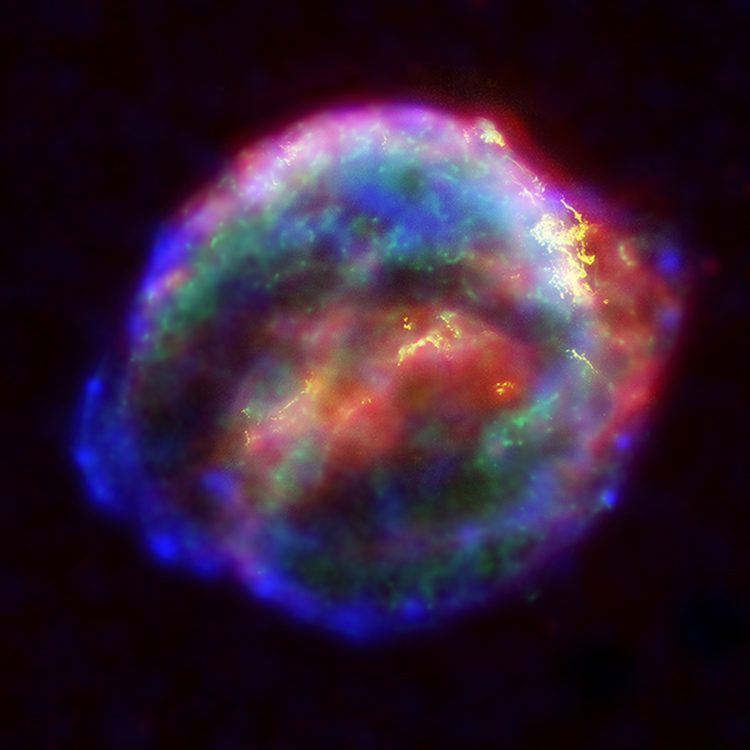
Every so often, a star explodes with such intensity that it outshines entire constellations, suddenly appearing where no visible star was seen before. Ancient Chinese and Japanese records refer to these as “guest stars,” noting how they flared into existence and then slowly faded over months or years. These events were so rare and spectacular that they often made their way into court chronicles as portents too powerful to ignore, sometimes linked to sweeping political changes or moral judgments about emperors. In the absence of any physical explanation, the sudden birth of a new star looked like the universe adding a loud footnote to history.
Modern astronomers have matched some of these recorded guest stars to supernova remnants – expanding clouds of gas and dust still visible through telescopes. By comparing the dates and sky positions given in old texts with present-day images, researchers reconstruct not just the astrophysics of the explosions, but also the historical context in which they were first observed. One famous supernova recorded in the eleventh century, for example, left behind a still-expanding nebula that has become a staple of modern space imagery. The same event that once rattled imperial courts now serves as a laboratory for high-energy physics, reminding us that the universe does not recognize the line we draw between human drama and stellar violence.
Meteor Showers and Falling Fire: Stones from the Gods
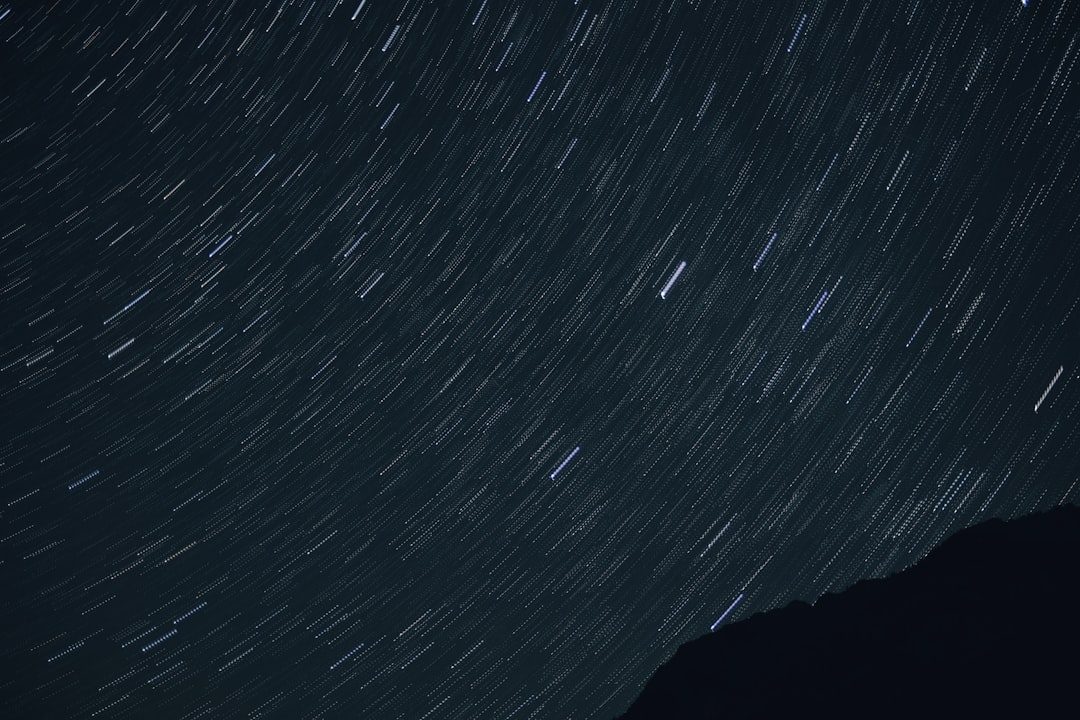
Imagine watching the sky suddenly fill with streaks of light, dozens or even hundreds per hour, as if invisible hands were flinging sparks across the darkness. For many ancient cultures, meteor showers and bright fireballs were interpreted as messages sent directly from the divine realm. In some cases, actual meteorites that survived the plunge to Earth became sacred objects – black stones enshrined in temples, guarded, touched, or paraded as literal pieces of heaven. These rocks were physical proof that the boundary between the human world and the sky was not just symbolic; it could be crossed, violently.
Only much later did thinkers begin to accept that these stones truly came from space rather than thunderstorms or volcanic eruptions. That realization reshaped more than just religious symbolism; it rewired humanity’s sense of vulnerability and connection to the wider cosmos. Ancient chronicles of unusually intense meteor storms now help scientists understand the long-term behavior of comet debris fields that Earth periodically plows through. What started as awe and fear under a raining sky has grown into a subtle way to track how our planet moves through a crowded and dynamic solar system.
Star Catalogs and Sacred Calendars: When Belief Became Data
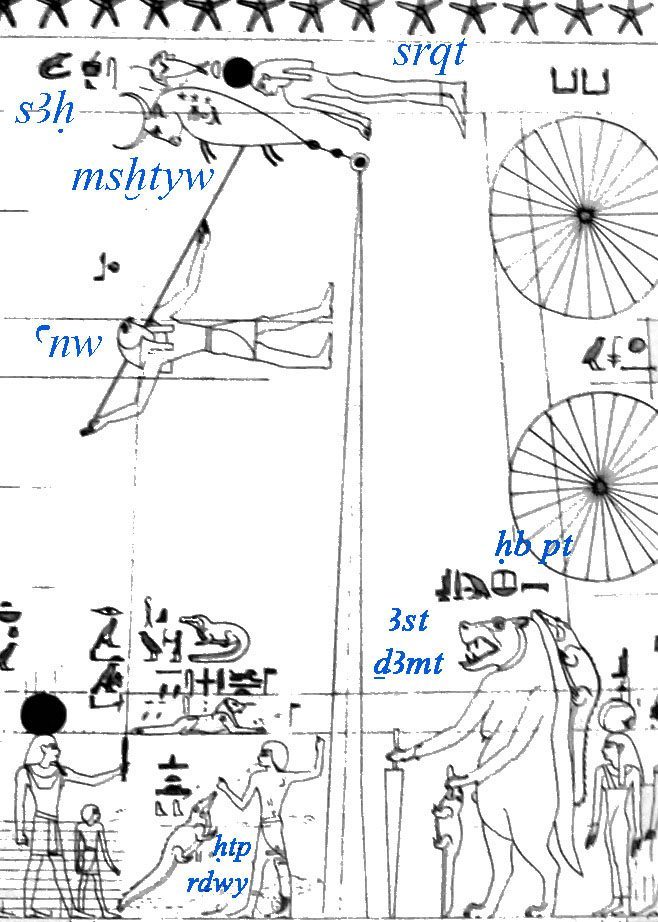
Not all celestial influence arrived as dramatic events; some of the most powerful came from patient, almost obsessive watching of the ordinary night sky. Across Mesopotamia, Egypt, and later Greece, priest-astronomers compiled lists of rising and setting stars, noting the first appearance of key constellations each year. These records underpinned agricultural calendars, religious festivals, and tax schedules, tying celestial regularity to earthly order. When certain stars first appeared just before dawn, it could signal the coming of floods, planting seasons, or crucial ritual dates.
Star catalogs turned belief into something close to data science. By cross-checking patterns over generations, ancient observers discovered that the heavens were not arbitrary but astonishingly reliable, even if they still wrapped that reliability in a sacred narrative. Those same catalogs now let modern researchers reconstruct what the sky looked like thousands of years ago and, in some cases, correct or confirm historical timelines. The fact that you can match a line from a cuneiform tablet to a simulated sky on a laptop shows just how deeply those early scientists, working under the banner of religion, were already quantifying the cosmos. Their quiet, nightly work was the backbone behind the more spectacular omens and prophecies.
Why It Matters: Ancient Skies, Modern Minds
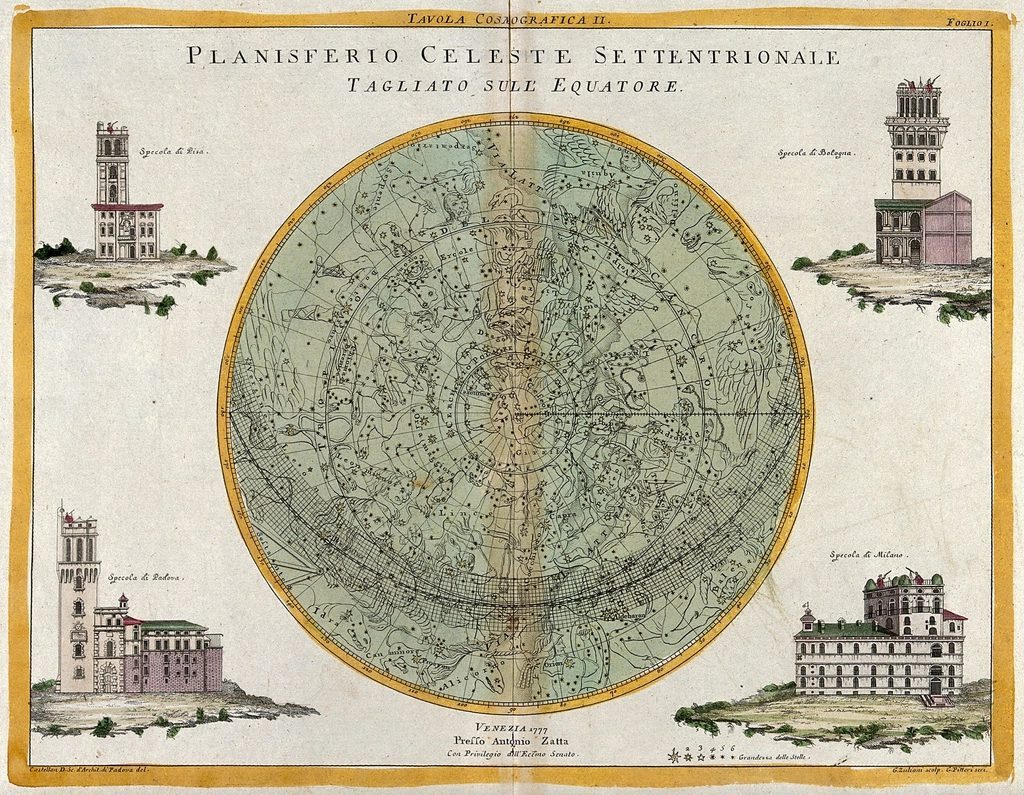
It is tempting to view ancient sky beliefs as quaint errors swept away by modern physics, but that misses the deeper story. Those early interpretations were not random superstition; they were structured attempts to wrestle meaning from consistent, often bewildering patterns in nature. Unlike many modern tools, the sky was available to everyone, from kings to shepherds, making it a shared canvas for both control and resistance. When different cultures read omens into the same eclipse or comet, they were also revealing their political anxieties, moral codes, and ideas about what counted as evidence.
Compared with today’s methods – radio telescopes, space-based observatories, and simulations that run on supercomputers – ancient sky-watching looks primitive, but the intellectual move is strikingly similar. We still tie celestial events to questions of identity and destiny, debating what it means to find habitable exoplanets or detect gravitational waves. The shift has been from deities to data, yet both systems rest on the conviction that the universe is telling us something, if only we learn how to listen. Studying how past civilizations responded to celestial phenomena helps modern science stay honest about its own stories, biases, and power structures. It reminds us that every graph and image is also a narrative choice about what in the universe we decide to care about.
The Future Landscape: Replaying Ancient Wonders with New Tools
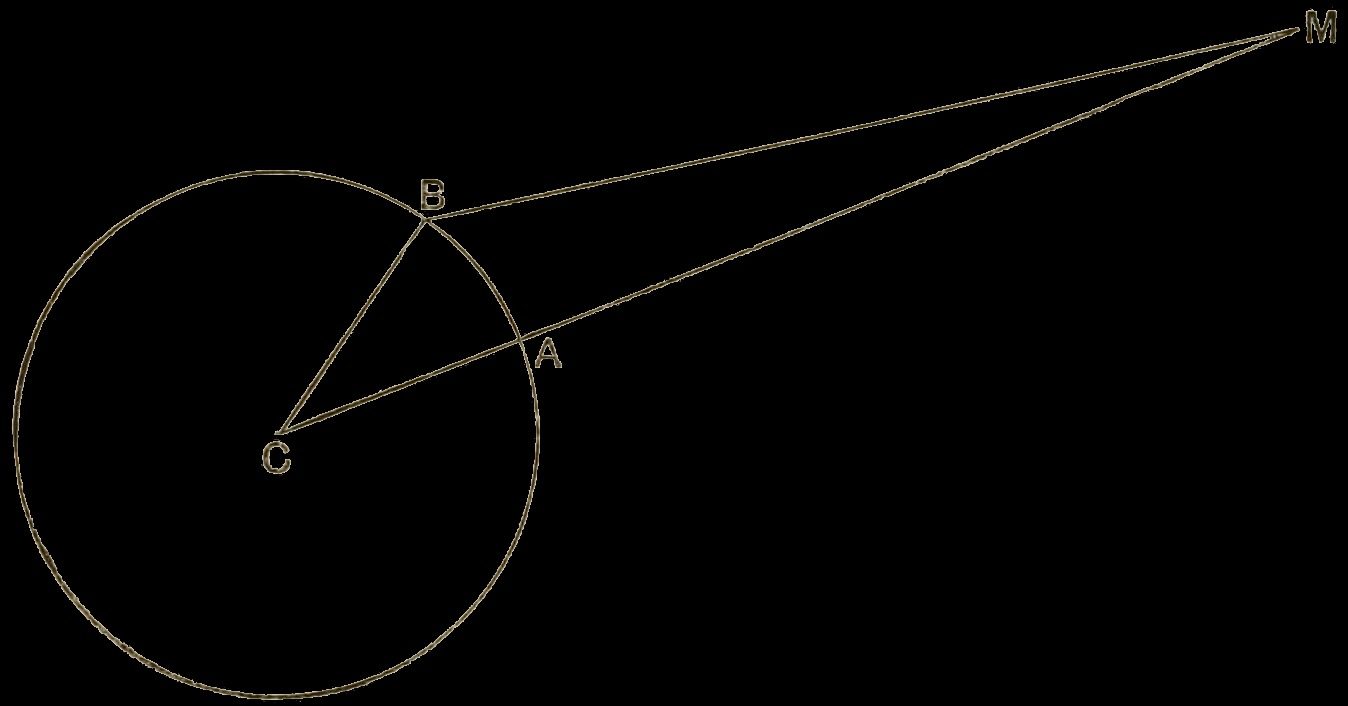
In the coming years, advances in sky surveys and archival research are going to sharpen the link between ancient belief and cosmic reality. All-sky telescopes now scan the heavens every clear night, catching sudden flares, incoming comets, and near-Earth asteroids with a regularity that would have stunned any royal astronomer. At the same time, historians and computational linguists are digitizing and analyzing thousands of old star records, from Babylonian tablets to medieval chronicles, looking for mentions of strange lights that match known or predicted events. This cross-disciplinary approach turns myths and chronicles into a searchable dataset that can be compared directly with orbital models and stellar evolution codes.
There are big stakes here. Understanding long-term comet orbits, for example, can refine future impact-risk assessments, while reconstructing past supernovae helps calibrate cosmic distance scales used in modern cosmology. On the cultural side, communities are reclaiming traditional sky stories and combining them with current science to shape education, tourism, and even policy around dark-sky protection. In a sense, we are circling back: once again, societies are letting the night sky guide decisions, but this time with satellite data and planetary-defense plans in the mix. The next great celestial event that captures global attention – a blazing naked-eye comet, a series of bright supernovae, or a close asteroid flyby – will unfold in a world that finally has the tools to measure what our ancestors could only mythologize.
Conclusion: Looking Up with New Eyes
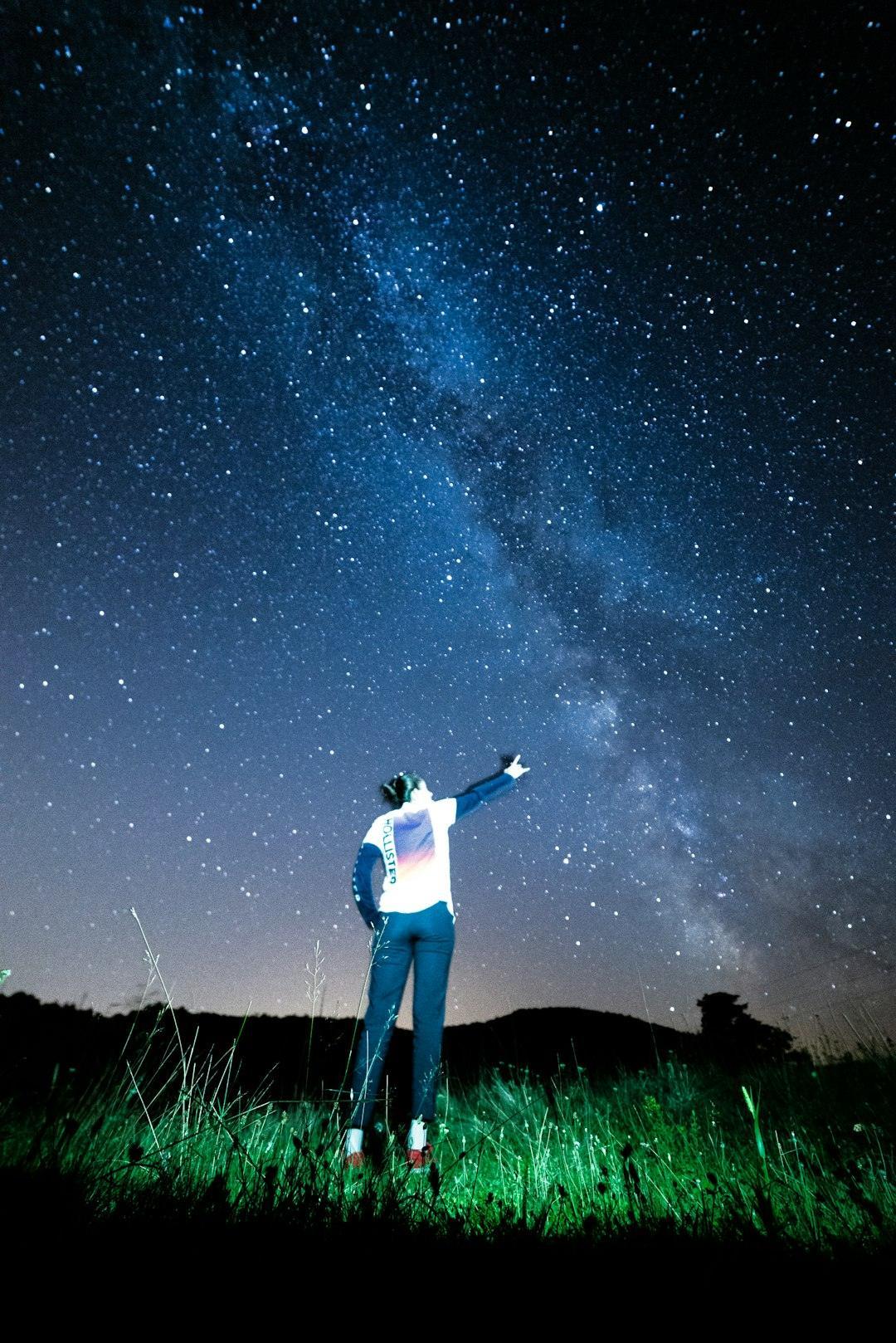
Engaging with this legacy does not require a degree in astrophysics or access to cutting-edge equipment; it starts with simply paying attention to the sky the way ancient observers did. Learning when eclipses, meteor showers, or bright planetary conjunctions will occur and actually stepping outside to watch connects you directly to people who stood in awe thousands of years ago. Supporting local planetariums, dark-sky reserves, and citizen-science projects helps ensure that future generations can still see the Milky Way that inspired early star catalogs. Small choices – shielded outdoor lighting, curiosity about Indigenous sky stories, sharing a meteor shower with kids instead of a screen – echo the same impulse to find meaning overhead.
There is also room to back the science that turns those ancient records into modern insight, from archives that preserve fragile manuscripts to research programs that model the orbits of long-period comets. Each new connection between a line in an old chronicle and a confirmed cosmic event deepens our sense that history and astronomy are, at their core, a shared human project. The next time the Moon reddens, a bright comet appears, or a planet glows unusually high in the sky, you can see it not just as a spectacle but as another frame in a film that started long before recorded time. The universe has always been writing across the night; the most meaningful step we can take is to keep reading.
Suhail Ahmed is a passionate digital professional and nature enthusiast with over 8 years of experience in content strategy, SEO, web development, and digital operations. Alongside his freelance journey, Suhail actively contributes to nature and wildlife platforms like Discover Wildlife, where he channels his curiosity for the planet into engaging, educational storytelling.
With a strong background in managing digital ecosystems — from ecommerce stores and WordPress websites to social media and automation — Suhail merges technical precision with creative insight. His content reflects a rare balance: SEO-friendly yet deeply human, data-informed yet emotionally resonant.
Driven by a love for discovery and storytelling, Suhail believes in using digital platforms to amplify causes that matter — especially those protecting Earth’s biodiversity and inspiring sustainable living. Whether he’s managing online projects or crafting wildlife content, his goal remains the same: to inform, inspire, and leave a positive digital footprint.