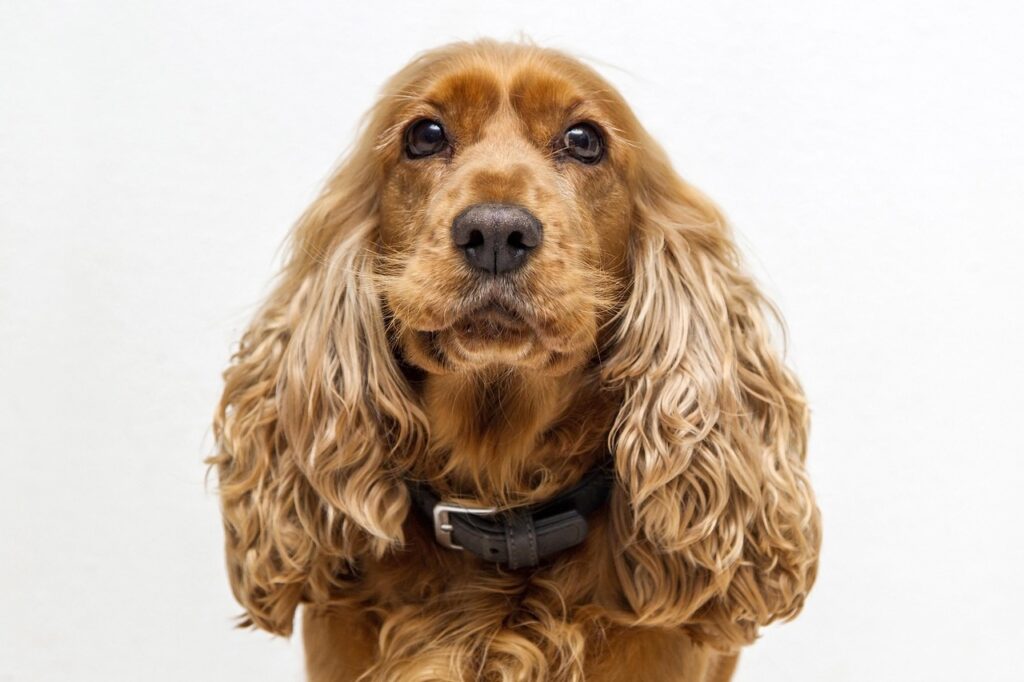

If you share your life with a dog, you already know they’re more than a pet. They’re a routine, a heartbeat in the house, sometimes even the reason you get out of bed and out the door. As you get older, though, the right dog no longer means the biggest or the cutest one you see first – it means the one that actually fits your energy, health, and lifestyle.
In this guide, you’ll walk through ten breeds that tend to be fantastic fits for many seniors, and five that usually do better with younger, more active people. You’ll see what kind of grooming, exercise, and temperament you can expect, and you’ll get practical, real-world advice instead of fantasy. Use it as a starting point, not a final verdict – because at the end of the day, your best match is the dog whose needs line up with the life you really live, not the life you wish you lived.
1. Cavalier King Charles Spaniel: A Lap Dog With Just Enough Spark

If you imagine a dog who is happiest pressed against your side on the couch, a Cavalier King Charles Spaniel might be exactly what you’re picturing. You get a gentle, people-focused dog that generally thrives on companionship and doesn’t need hours of intense exercise to be content. A few short walks and some play inside are usually plenty if you keep them mentally engaged with toys or training games.
You do need to be ready for regular grooming, because their silky coat tangles easily and benefits from frequent brushing and occasional professional trims. This breed can be prone to certain health issues, especially involving the heart, so you’ll want to work closely with a vet and budget for preventive care. If you enjoy calm companionship with a bit of cheerful energy but don’t want a dog who drags you into a hardcore fitness routine, this sweet, portable spaniel deserves a serious look.
2. Shih Tzu: Small, Sturdy, and Content Indoors

If your idea of a perfect afternoon is a slow walk around the block followed by tea and television, a Shih Tzu can slide into that routine almost effortlessly. These little dogs were bred as companions, so they often adapt well to apartments, condos, and quieter lifestyles. They usually need just moderate exercise: a few short strolls and some play on a soft rug can meet their daily needs.
The main trade-off is grooming. That glorious coat takes real effort to keep clean and mat-free, so you’ll either be brushing often or keeping them in a shorter “puppy cut” that’s easier to manage. On the plus side, they’re not sporting dogs or guard dogs; they are relationship dogs. If you like the idea of a small, affectionate partner who tolerates slower days and indoor living, a Shih Tzu might be an excellent fit, especially if you’re willing to keep up with coat care or schedule regular grooming appointments.
3. Pug: A Comedian in a Compact Package

If you love a little humor in your life, a Pug is like a stand‑up comic who moved into your living room. They’re usually people‑oriented, clownish, and extremely attached to their owners, and they tend to do very well in smaller homes with modest exercise routines. Many seniors appreciate that a Pug often prefers a good nap almost as much as a walk, especially as the dog gets older.
However, you do need to be mindful of their flat faces and breathing. You cannot safely push a Pug into long, hot walks or intense outdoor activity, and you have to watch their weight carefully, because extra pounds make breathing and joint issues worse. If you want a dog that will happily stroll with you at a gentle pace, keep you laughing with their antics, and then snore softly beside you on the sofa, a Pug can be a wonderfully low‑key, high‑personality companion.
4. Bichon Frise: Cheerful, Hypoallergenic‑Leaning Companion

If allergies or a sensitive nose make you nervous about dog hair, the Bichon Frise is worth considering. No dog is truly non‑allergic, but this breed sheds far less than most, and many people with sensitivities find them easier to live with. Bichons are typically bright, upbeat, and social, which can be a huge emotional lift if you live alone or find your days a bit too quiet.
You will, however, need to commit to grooming, because that fluffy white coat mats quickly without regular brushing and professional care. Exercise needs are moderate: several short walks and some interactive play or training usually keep them satisfied. If you want a small, happy dog that feels like a little cloud following you from room to room, and you don’t mind scheduling grooming regularly, a Bichon Frise might be one of your best senior‑friendly options.
5. French Bulldog: Low‑Mileage Walker With Big Personality

The reality check is health and cost: French Bulldogs are prone to breathing issues, skin problems, and some orthopedic concerns, all of which can mean higher vet bills and extra monitoring. You’ll also have to protect them from heat, because they overheat easily and cannot cool themselves efficiently. If you’re realistic about the financial and medical side, and what you want most is a sociable companion who doesn’t require a high‑intensity routine, a Frenchie can bring a lot of joy and character into a senior household.
6. Maltese: Tiny Dog, Big Heart for Quiet Homes
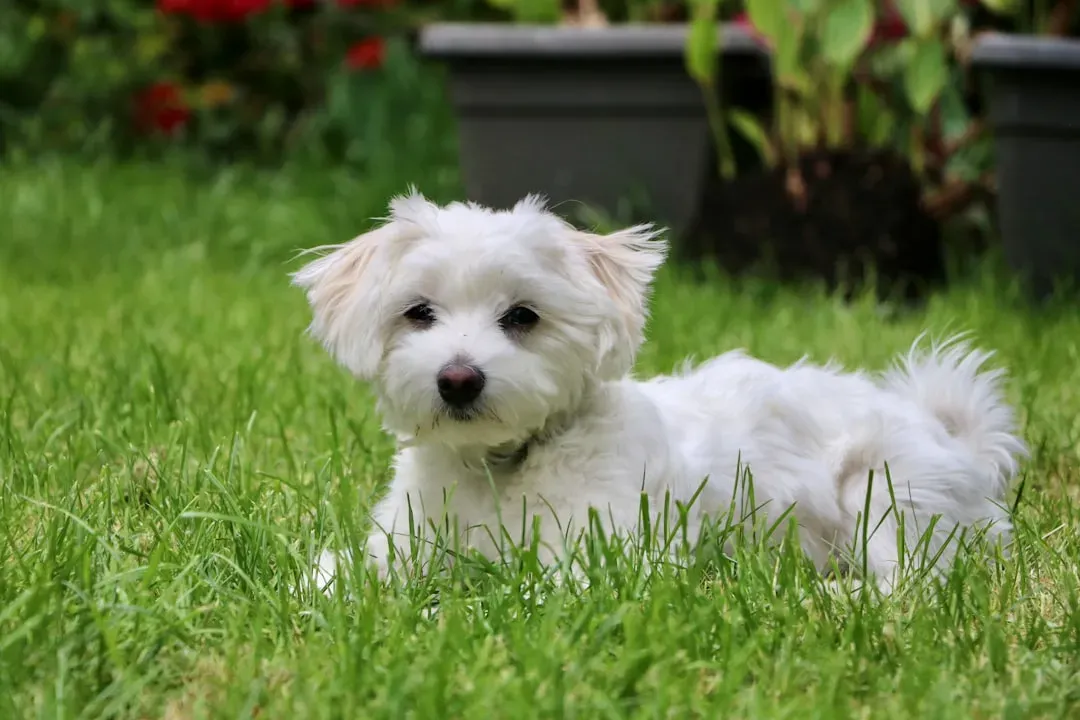
If you like the idea of a truly small dog who still feels elegant and expressive, the Maltese might catch your eye. These dogs are light enough to pick up easily, which can be a real advantage if stairs or heavy lifting are harder than they used to be. Many Maltese are extremely bonded to their person, often choosing one favorite lap or one favorite side of the bed as their spot.
Like other long‑haired toy breeds, grooming is your main investment, whether that means daily brushing at home or frequent salon visits for a shorter cut. Their exercise needs are typically modest – little walks and a bit of indoor play can be enough – but they do need mental stimulation and affection to thrive. If you enjoy gentle pampering and want a dog that can live comfortably in a smaller space, a Maltese can be a graceful, loving match for a calmer senior lifestyle.
7. Greyhound: The Surprising Couch Potato
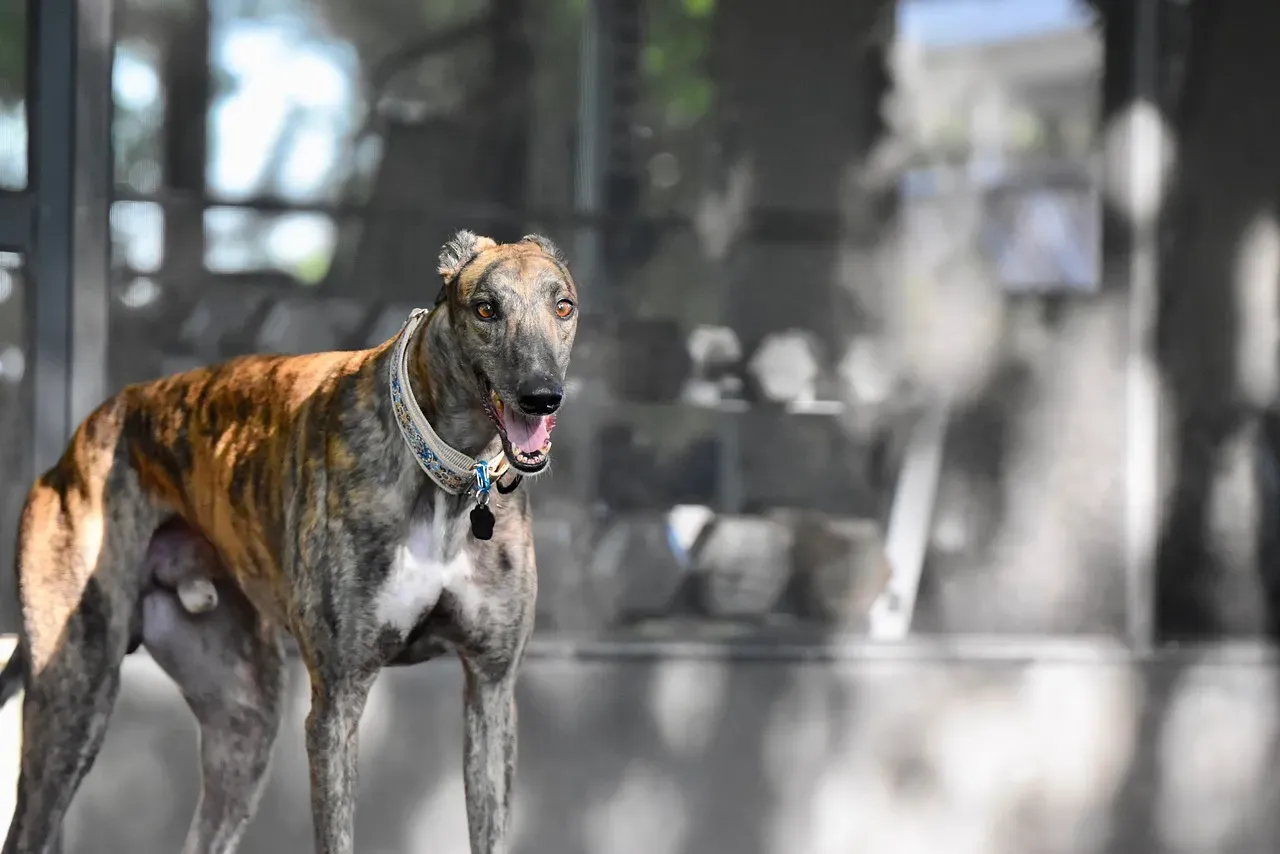
If you assume tall, athletic dogs are always too much for seniors, the Greyhound may surprise you. Former racing Greyhounds, especially, are often happy with a couple of decent walks and then long stretches of quiet lounging. Many owners compare them to cats in dog bodies: elegant, self‑possessed, and shockingly lazy indoors once their basic exercise needs are met.
You do need the strength and balance to manage a larger dog, especially if you choose one that is still learning leash manners or is easily excited outdoors. Greyhounds also have thin skin and very little body fat, so hard floors and cold weather can be a challenge, meaning you might invest in soft beds and dog coats. If you still enjoy walking but want a dog that is calm, clean, and low‑key inside, and you can physically handle a taller companion, a Greyhound can be one of the most unexpectedly senior‑friendly breeds out there.
8. Poodle (Toy or Miniature): Clever, Trainable, and Low‑Shedding
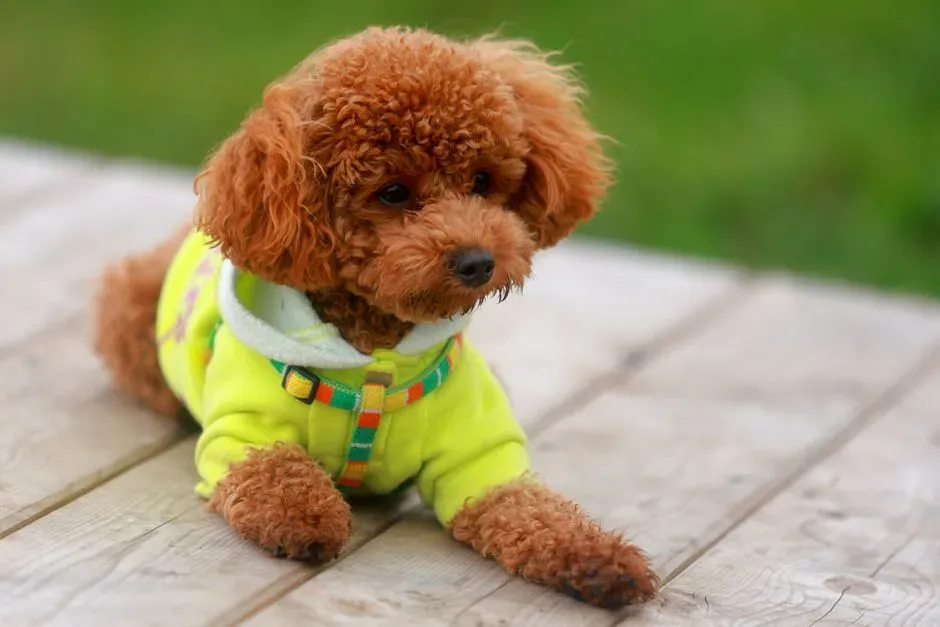
If you want a dog that keeps your brain as engaged as your heart, a Toy or Miniature Poodle can be a great choice. These dogs are known for their intelligence and trainability, which makes things like house manners, leash walking, and basic obedience easier if you’re consistent. Their curly coat sheds very little, which many seniors appreciate, especially if they like a neater home.
The flip side is that a smart dog gets bored quickly, so you’ll need to provide puzzles, training sessions, or little games in addition to regular walks. Grooming is also a long‑term commitment, because Poodles need professional clipping every few weeks to stay comfortable and tidy. If you like the idea of teaching tricks, doing short training sessions, or even trying low‑impact dog sports at a local club, a smaller Poodle can give you both affection and an enjoyable mental challenge.
9. Cocker Spaniel: Gentle Soul for Active‑but‑Not‑Athlete Seniors

If you’re still fairly active but not up for extreme adventures, a Cocker Spaniel can be a nice middle ground. They often have a soft, affectionate temperament and usually enjoy regular walks, light hikes, and playing fetch in the yard. That makes them a good fit if you like to be outside but do not want the relentless pace of a true working or sporting dog.
You will need to keep an eye on ears and coat, because Cockers can be prone to ear infections and matting if grooming is neglected. Regular brushing and routine ear cleaning become part of your weekly rhythm. If your lifestyle includes daily walks, moderate activity, and plenty of affection, and you do not mind brushing a silky coat, a well‑bred and well‑socialized Cocker Spaniel can be a very rewarding companion as you age.
10. Mixed‑Breed Shelter Dogs: Senior Dogs for Senior People

If you’re open‑minded, you may find your ideal match at a shelter, in a dog that doesn’t fit neatly into a single breed box. Shelters and rescue groups often have older dogs whose puppy chaos is long gone, and those dogs can be perfect for seniors. When you adopt a grown dog, you already know their adult size, their general energy level, and often their personality with people and other animals.
Many organizations now actively match senior citizens with senior pets, sometimes with reduced adoption fees or extra support. You can talk honestly about your health, mobility, and housing, and let the staff guide you toward calm, gentle dogs that actually fit your life. If you like the idea of giving a dog a second chance, and you care more about temperament than pedigree, a mixed‑breed adult or senior dog can be the most senior‑friendly choice of all.
11. Border Collie: Brilliant but Demanding (Best for Younger, Very Active Owners)
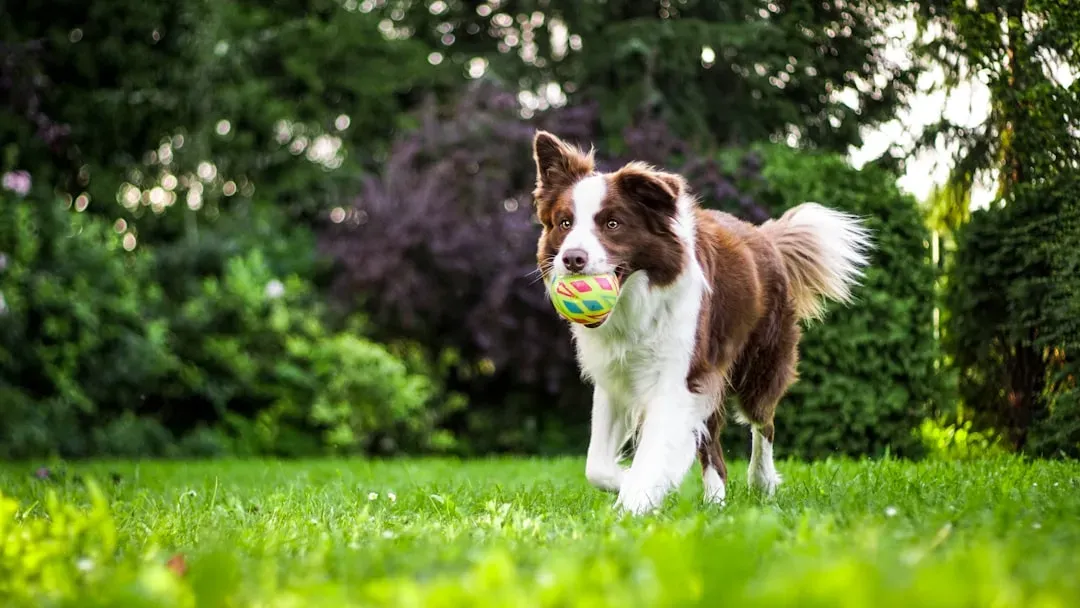
If you picture yourself curled up with a book most afternoons, a Border Collie is almost certainly not your dog. This breed was developed to work sheep all day, think independently, and react quickly, and those instincts do not disappear in a suburban living room. A bored Border Collie will invent jobs, and you probably will not like the ones they choose.
To keep this dog content, you need serious daily exercise and mental work: long, brisk walks or runs, advanced training, dog sports, or real farm work. That kind of schedule usually matches younger, extremely active people more than seniors dealing with joint pain, balance concerns, or energy limits. If you admire this breed, you can still enjoy them from a distance or through videos, while choosing a calmer dog that will not be frustrated by a slower lifestyle.
12. Siberian Husky: Adventure Partner, Not a Sofa Buddy
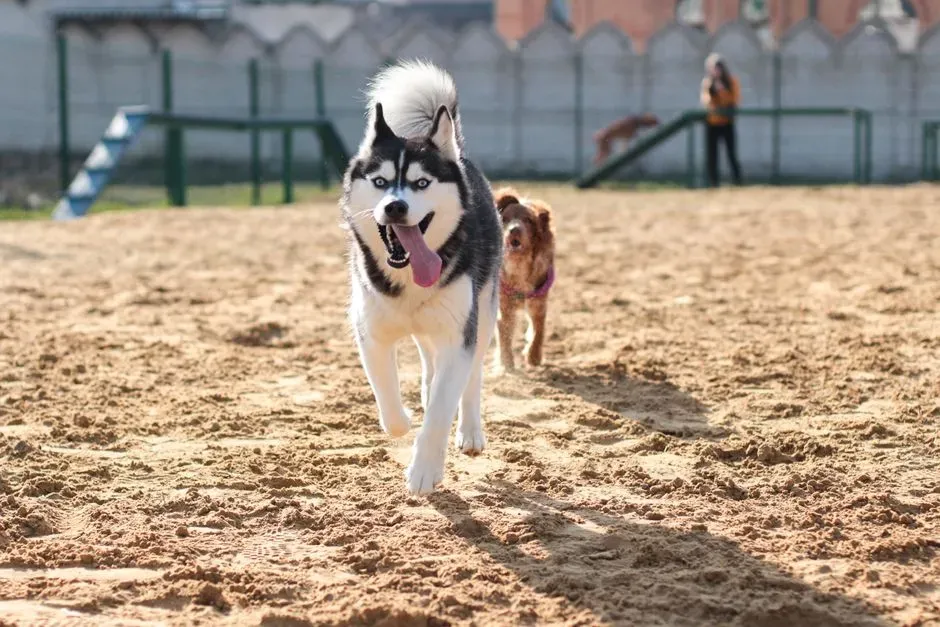
If your winters are icy and your sidewalks feel treacherous, a Siberian Husky is going to complicate your life more than enrich it. Huskies are bred to pull sleds and run for miles in cold climates, and those drives remain incredibly strong. They are escape artists, diggers, and vocal dogs, and they often follow their noses and impulses rather than strolling politely by your side.
To keep a Husky truly happy, you need a secure yard, a lot of time outdoors, and the stamina for long, fast walks or runs several times a week. Younger, outdoorsy people who love hiking, jogging, or skijoring tend to match better with this breed’s relentless energy. If your reality is more about managing blood pressure and watching for icy patches, a Husky is best admired from afar while you choose a dog whose needs do not outpace your mobility.
13. Australian Shepherd: Workaholic Dog in a Retired House
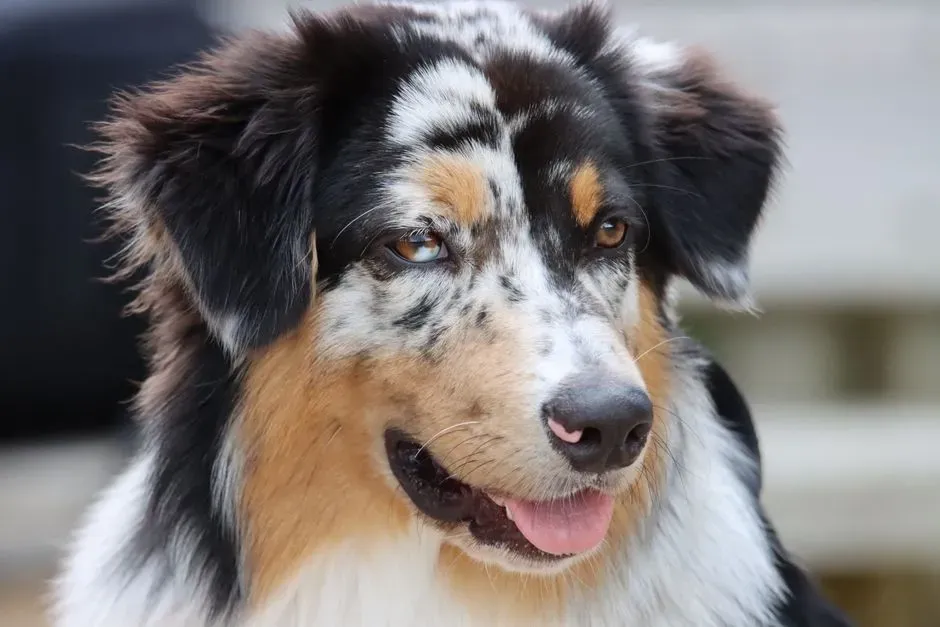
If you are officially retired but the dog you bring home is mentally still clocked in at a full‑time job, you’re going to clash. Australian Shepherds are classic herding dogs: alert, intense, and constantly scanning their environment. They can be wonderful in the right setting, but their need for activity and engagement is very high.
These dogs thrive with people who want to train, hike, play vigorous games, and possibly compete in agility or herding trials. If your daily routine is more about gentle walks, gardening, and visiting family, an Aussie is likely to feel underused and frustrated, which can lead to unwanted behaviors. Unless you’re an unusually athletic, dog‑sport‑loving senior, you’re usually better off choosing a breed that appreciates casual strolls over endless tasks.
14. Belgian Malinois and Similar Protection Breeds: Too Intense for Most Seniors
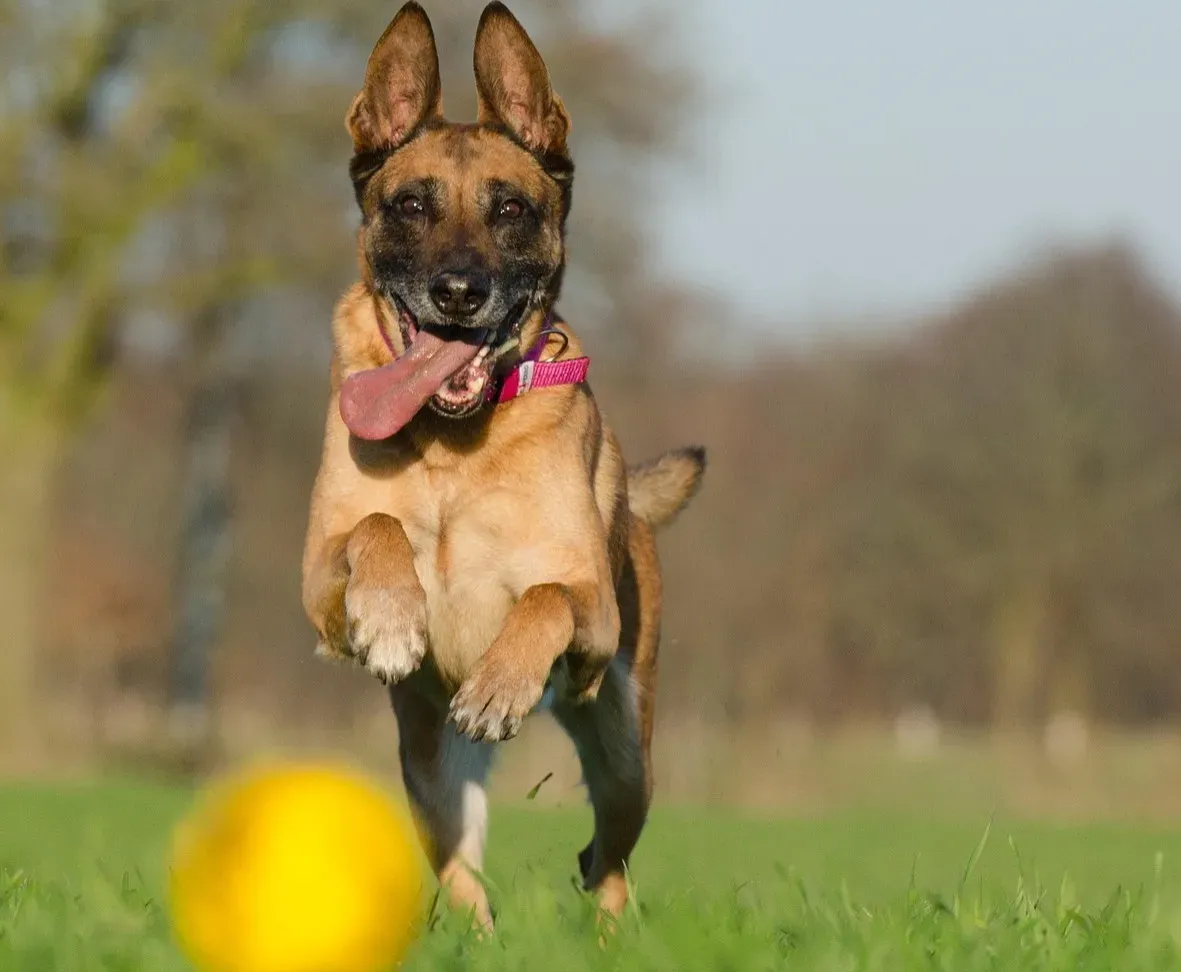
If you’ve ever watched impressive police or military dogs and thought about owning one, it’s important to separate respect from reality. Breeds like the Belgian Malinois are bred for intense focus, drive, and work, and they can quickly overwhelm even experienced owners. These dogs often need structured training, consistent leadership, and long periods of daily activity to stay stable and satisfied.
That kind of lifestyle rarely fits a typical senior household where visitors, grandkids, and quieter days are part of the picture. A Malinois or similar protection‑type breed without an appropriate outlet can develop serious behavior problems that are difficult and sometimes dangerous to manage. If you want to feel secure, you’re usually better off with a calmer, more biddable breed or a good home security system, not a high‑drive working dog that expects a full‑time career.
15. High‑Energy Sporting Mixes: The Lottery Ticket You May Not Want

If you walk into a shelter and fall for a young dog labeled as a “lab mix” or “shepherd mix,” you may be looking at a canine fitness coach rather than a relaxed companion. Many mixed‑breed dogs with strong sporting or herding ancestry inherit big energy, stamina, and a need for outlets. That doesn’t mean they’re bad dogs; it just means they will keep you on your toes in a way that may not feel sustainable as you age.
Before you adopt, you can ask staff about how much the dog pulls on leash, how they behave after a long play session, and whether they settle easily indoors. If the answer is that the dog still bounces off the walls after a vigorous walk, that’s a sign they may be better matched with a younger person or an athletic family. As a senior, you’re allowed to prioritize a calmer, lower‑maintenance temperament over the thrill of trying to tire out a nonstop dynamo every single day.
Choosing a dog as a senior is not about proving you can keep up with the toughest breeds on the planet; it is about setting yourself and the dog up for a peaceful, happy life together. When you match your real energy level, health, and schedule to a breed’s typical needs, you give both of you the gift of comfort instead of constant compromise. In the end, the best dog for you is the one whose tail wags at your pace, not the one that drags you into a life you did not really want – so which kind of companion are you starting to picture by your side?