The natural world is stranger than most of us will ever fully appreciate. Animals do things every single day that leave even the most seasoned researchers scratching their heads, furiously scribbling notes, and debating with each other in lab hallways. It’s not just rare species in remote jungles. It’s dolphins in your local aquarium, orcas off the coast of Spain, and crows in your neighborhood, all doing things that don’t quite fit the rulebook we’ve written for them.
What makes these behaviors so fascinating isn’t just their weirdness. It’s the reminder that for all our technology, satellite tracking, MRI brain scans, and genetic sequencing, nature keeps throwing us curveballs. There are behaviors documented for decades that remain unsolved mysteries. Get ready, because some of these will genuinely surprise you. Let’s dive in.
1. Orcas Ramming Boats Off the Iberian Coast
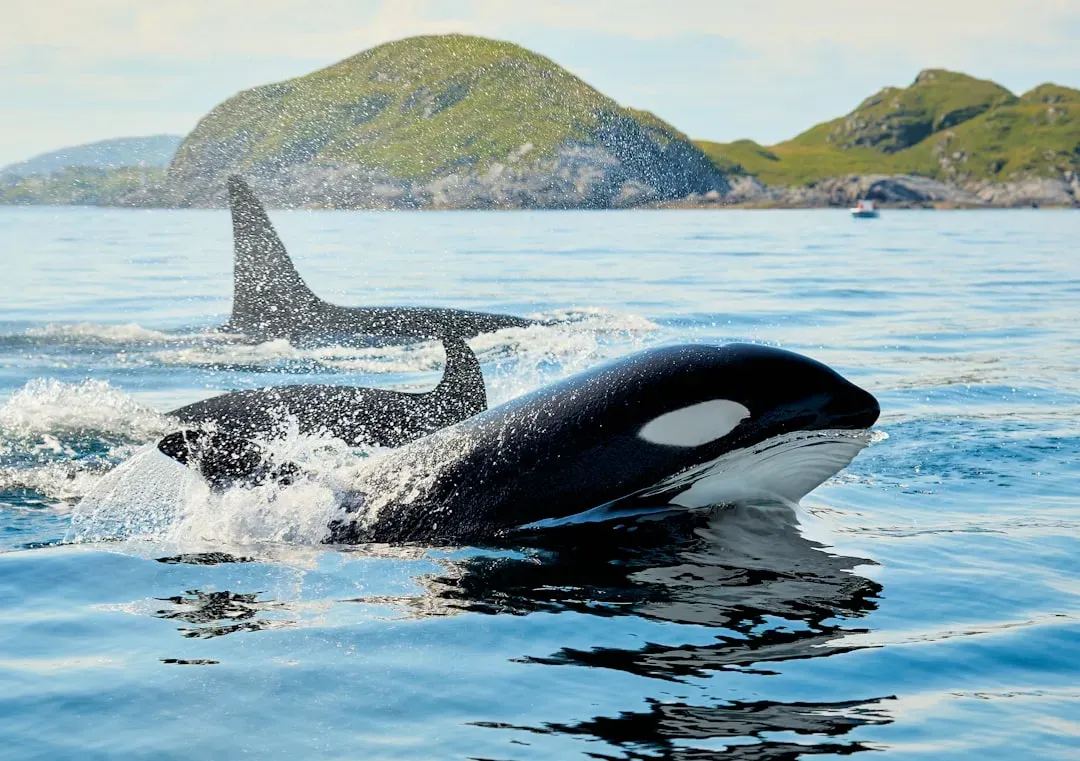
Few animal stories have gripped the sailing community and the scientific world quite like this one. Beginning in 2020, a subpopulation of orcas began ramming boats and attacking their rudders in waters off the Iberian Peninsula, with the behavior generally directed toward slow-moving, medium-sized sailboats in the Strait of Gibraltar and off the Portuguese, Moroccan, and Galician coasts. The novel behavior is thought to have spread between different pods, with over 500 reported interactions from 2020 to 2023 attributed to fifteen different individual orcas.
Here’s the thing though: scientists genuinely can’t agree on why. A variety of theories have been floated about the orcas’ motivation for ramming boats, but many scientists think it is most likely a learned cultural behavior that is simply fun for the animals. Others disagree. A study from the Bottlenose Dolphin Research Institute in Spain asserts that the young orcas are not attacking boats for fun but doing it to improve their hunting skills, with the theory being that while there is plenty of tuna, catching them is not easy. Honestly, we’re watching an underwater mystery unfold in real time, and nobody has the definitive answer yet.
2. Mass Whale Strandings With No Clear Cause
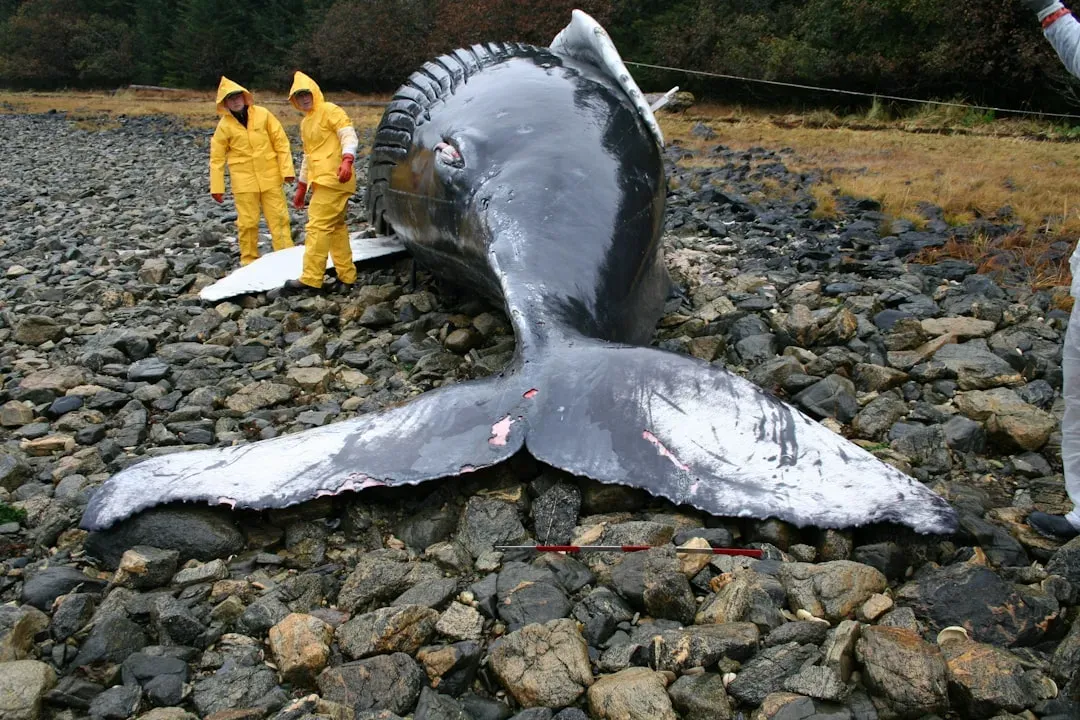
Some coastal regions experience repeated episodes in which cetaceans such as whales and dolphins strand themselves on beaches and shorelines, sometimes by the hundreds, and a variety of causes have been suggested for these events, which remain a mystery in marine biology, from the use of active sonar by the military to interactions with fishing vessels or acoustical effects from the ocean floor. It’s heartbreaking to witness, and the scale of it can be staggering. One of the largest known mass strandings involved 337 sei whales stuck on a beach in Chile in 2015, and another saw 600 pilot whales stranded in the shallows of New Zealand’s South Island.
The solar storm theory is one of the most intriguing explanations on the table right now. Researchers found that on days with high levels of radio-frequency noise, as caused by solar storms, whale strandings were four times more likely, pointing to the possibility that gray whales may use Earth’s magnetic fields to navigate. Several explanations for why cetaceans strand themselves have been proposed, including changes in water temperatures, peculiarities of whales’ echolocation in certain surroundings, and geomagnetic disturbances, but none have so far been universally accepted as a definitive reason for the behavior. The mystery persists, and likely will for years.
3. Cattle Running in Circles for Hours

This one sounds almost comical until you actually see it. In pastures across the world, farmers occasionally witness a bizarre phenomenon where cattle suddenly begin running in perfect circles for hours on end. In 2021, a video from Russia went viral showing dozens of cows and sheep moving in a continuous circular pattern for nearly twelve hours without stopping, and similar incidents have been documented across continents, with animals maintaining these circular movements despite obstacles or attempts to disrupt the pattern.
While some cases have been linked to listeriosis, a bacterial infection that can cause neurological symptoms, many others occur in perfectly healthy herds with no evidence of disease. Some scientists theorize these behaviors might result from extreme anxiety, perhaps triggered by environmental stressors undetectable to humans, while others propose they could represent a primitive defensive strategy gone haywire. Think about it like a deeply glitched software loop in a biological system. Something triggers the circular movement, but nobody knows what flips the switch or how it spreads through a herd so rapidly.
4. Crow “Funerals” for the Dead
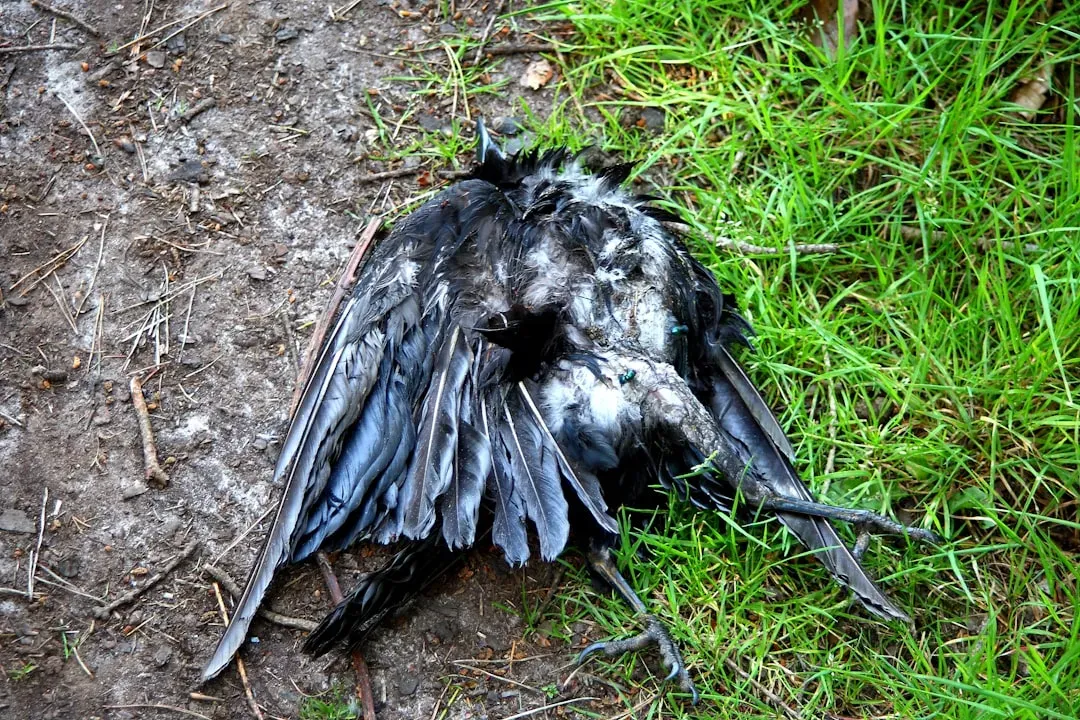
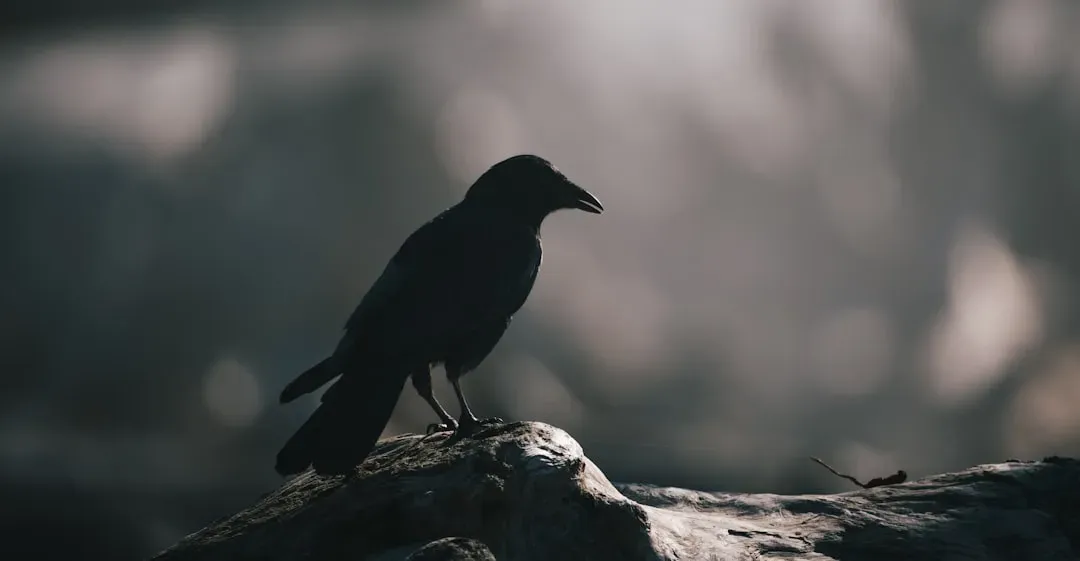
If you’ve never watched a group of crows gather around a fallen bird, you’re missing one of nature’s most sobering spectacles. If you’ve ever seen a group of crows gather around a fallen bird, you’ve witnessed what ornithologists call “crow funerals,” where dozens, sometimes hundreds, of crows will circle, perch nearby, or caw noisily, and sometimes the gathering lasts minutes, sometimes hours. Experiments suggest crows use these events to learn about danger, and if a crow sees another dead in a place, it remembers and avoids the area.
The learning function makes some sense. But here’s where it gets philosophically unsettling. There may be more to it, as some gatherings seem excessive for mere information-sharing. Do crows feel something akin to grief? Are they reinforcing social bonds during the ritual? Crows are remarkably smart and, as researchers in Seattle discovered, not only do they remember the faces of humans who held them captive, they’ll foster grudges to the point where, years later, they’ll attack, peck, and dive-bomb their ex-captors. The emotional and cognitive depth here is genuinely hard to wrap your head around.
5. Dolphins Creating Bubble Rings for No Obvious Reason
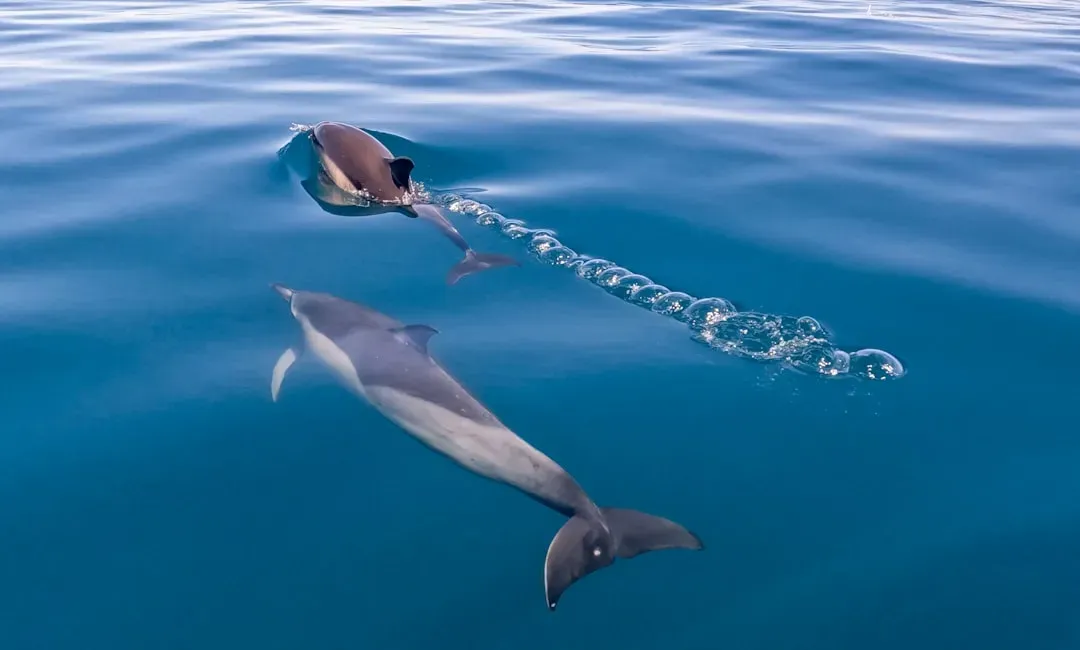
Dolphins are known to be playful. Most people accept that. But this particular behavior is different enough to stop researchers in their tracks. Dolphins have been widely observed blowing perfectly shaped rings of air underwater and then interacting with them for extended periods. Some researchers argue that bubble rings are simply a form of play, helping dolphins practice coordination and creativity, while others think they might be tools for social bonding or that they could sharpen problem-solving abilities, yet no definitive answer has surfaced.
The puzzle isn’t just what the rings are for. It’s a deeper question. Why would animals invest so much energy in behaviors that seem to serve no survival goal at all? From an evolutionary standpoint, behavior that wastes energy should be phased out over generations. Yet bubble ring creation persists, spreads through dolphin groups, and shows clear intentionality. It’s as if someone is trying to tell us something about animal consciousness, and we still don’t have the vocabulary to understand the message.
6. The Mysterious Pre-Earthquake Behavior of Animals

This is one of those phenomena that has been observed across human history but still hasn’t received a definitive scientific stamp of approval. Throughout history, people have reported animals behaving strangely before earthquakes, with dogs barking or whining, fish thrashing in ponds, birds taking off in sudden flocks, and ancient records from China, Greece, and Japan describing these warnings, often taken as omens.
It’s one thing for an animal to sense an earthquake seconds before it happens, which has been known since ancient Greece. We even know part of why: according to the US Geological Survey, two types of waves come out of an earthquake, a large S-wave and a tiny P-wave that typically arrives seconds before, and animals, unlike humans, can sense the tiny P-wave. The deeper mystery is the reports of animals fleeing hours or even days before a seismic event. That gap in time cannot be explained by P-wave detection alone, and science has struggled to offer a convincing alternative ever since.
7. Humpback Whales “Kelping” Around the Globe
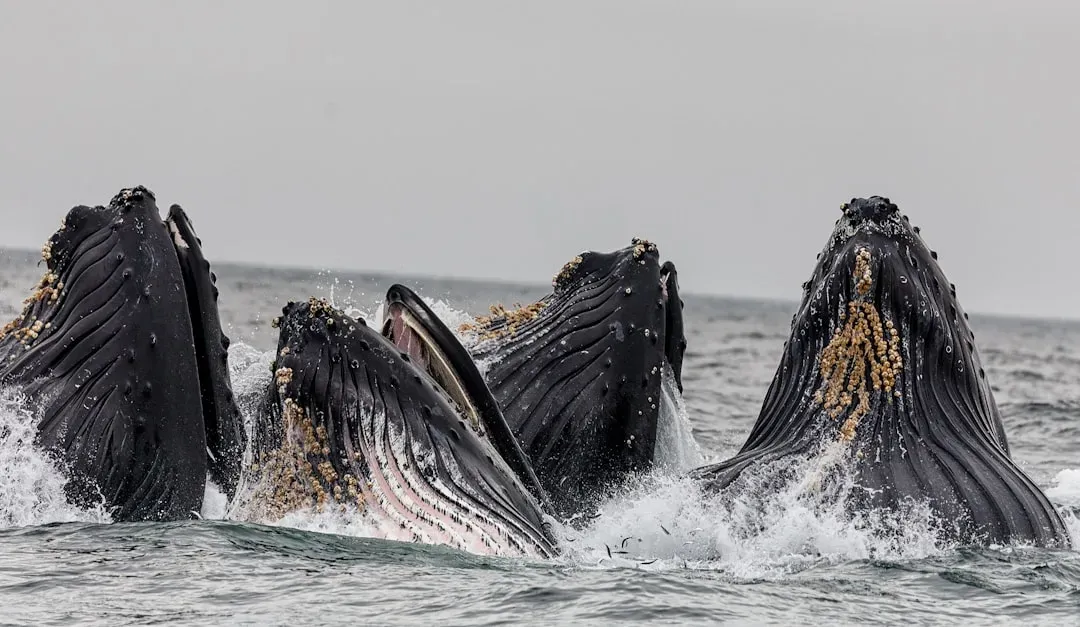
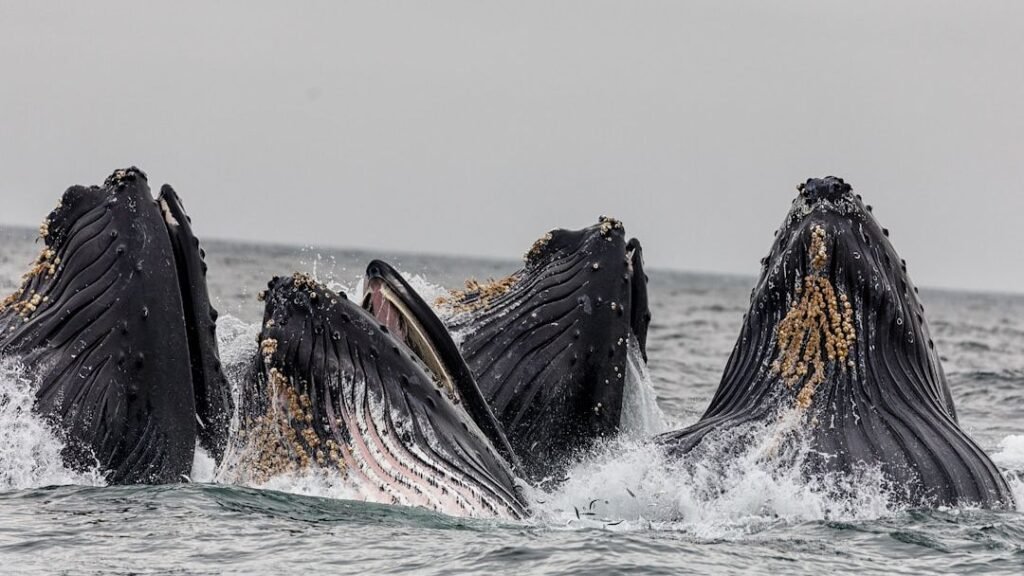
You might not have heard of “kelping” before, but it’s become one of the more fascinating behavioral puzzles in modern marine biology. The behavior known as “kelping,” in which humpback whales play with seaweed, has become so widespread that it’s now a global phenomenon, with seaweed potentially acting as a body scrub for the whales as they may use it to remove parasites, treat their skin, or just play with it. The habit involves whales picking up strands of kelp or seaweed and draping them over their bodies, rolling in them, and passing them around.
What makes this truly puzzling is the sheer scale of its spread. Humpback whales in vastly separated ocean regions have all independently developed or adopted this behavior. It’s not localized. It looks almost like a trend, a social fashion spreading across ocean basins. Whether it’s therapeutic, recreational, or something else entirely remains unanswered. Researchers are observing it more and more, but the explanation remains elusive, and it’s a good reminder that these creatures have complex social lives we’re only beginning to glimpse.
8. Animal Play Behavior That Defies Survival Logic

Play seems simple enough at first glance. Young animals play, they learn, they grow up. Clean and tidy. Except the reality is far messier than that. We actually know nothing definitive about why animals play because, when you break it down, the very idea makes very little sense. Why would animals risk injury, waste energy, or expose themselves to predators just to play? Play may be one of the most universal yet least understood behaviors in nature.
Play doesn’t fit neatly into the survival framework, and sometimes it simply looks like animals are having fun. Maybe it develops motor skills, maybe it strengthens social bonds, maybe it’s practice for hunting or fighting, but none of these explanations account for the sheer variety and persistence of play. Ravens slide down snowy rooftops repeatedly with no apparent goal. Otters juggle pebbles. Octopuses have been observed pushing objects through water currents just to catch them again. The deeper the researchers look, the stranger and more philosophically challenging the behavior becomes.
9. The Bonobo’s Unexplained Use of Sex as a Social Tool
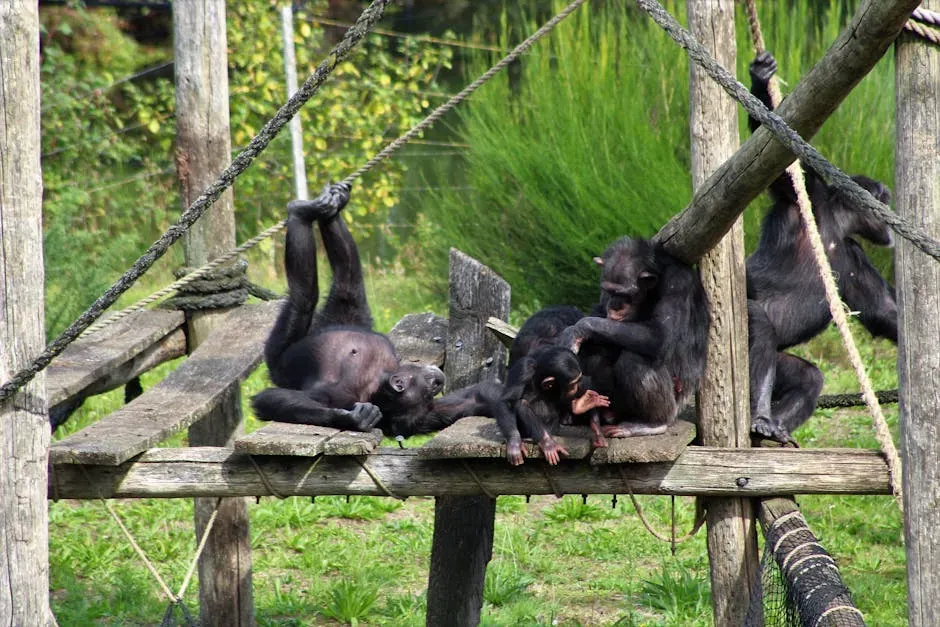
Bonobos are, let’s be real, one of the most confounding species in the animal kingdom from a behavioral standpoint. When things get testy in bonobo communities, they don’t respond by lashing out aggressively. Instead, the apes defuse the situation with sex, and it’s not just love they share, as bonobos seem to be altruistic creatures in general who are more inclined to share with strangers than fight them for property and engage in sexual acts with bonobo pals if tempers flare.
Here’s what science struggles to explain fully. This behavior appears across virtually every social tension scenario bonobos face, regardless of age, sex, or relationship. A bonobo named Kanzi also surprised scientists by successfully playing along in pretend tea party experiments, tracking imaginary juice and grapes as if they were real. The combination of their remarkable cognitive sophistication and their unique social-sexual conflict resolution system suggests a level of emotional and social intelligence we’re still working to understand. It challenges almost everything we thought we knew about primate social structure.
10. The Mass Migration Mysteries of the Monarch Butterfly
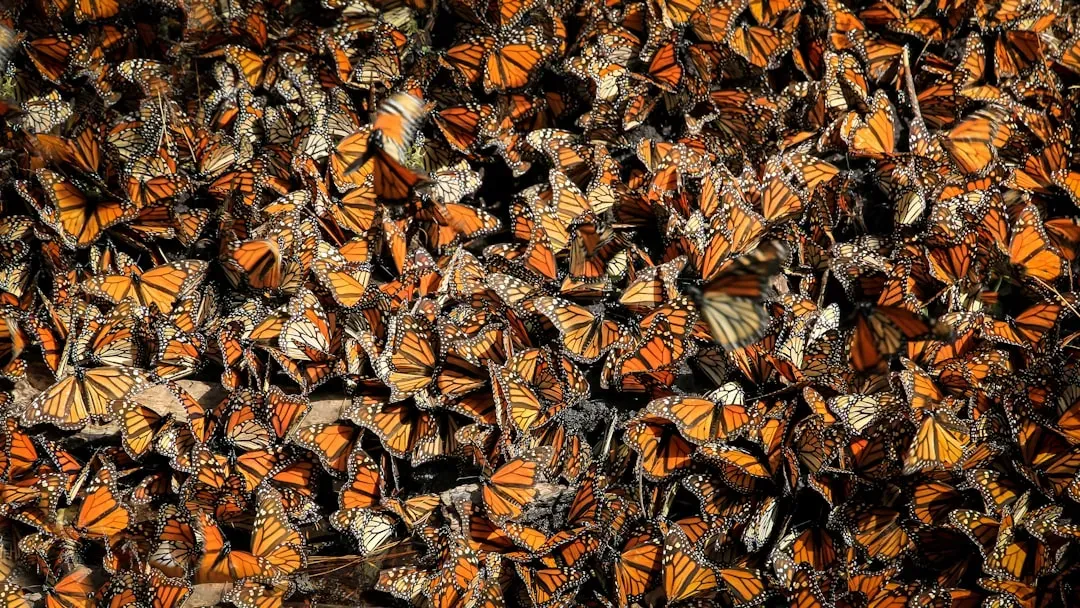
Every year, hundreds of millions of monarch butterflies travel enormous distances across North America in one of the most spectacular migrations on Earth. They navigate with extraordinary precision, often returning to the exact same trees their great-great-grandparents used, trees they have never personally visited. The animal kingdom is filled with bizarre behaviors that continue to baffle even the most seasoned scientists, from mysterious mass deaths to inexplicable navigation abilities, and these peculiar actions challenge our understanding of animal cognition and natural instincts, with some phenomena remaining tantalizingly unexplained despite decades of study.
The monarch’s navigation system is particularly mysterious because the individual butterflies making the journey have never made it before. They are several generations removed from those that previously completed the route. Scientists believe they use a sun compass in combination with an internal circadian clock. The strange animal behaviors in the natural world represent the fascinating frontiers of zoology and behavioral science, areas where our current understanding reaches its limits, and these mysteries remind us that despite centuries of scientific progress, nature still holds secrets that elude our full comprehension. The monarch encodes knowledge across generations in a way we are still nowhere near fully understanding.
Conclusion: Nature Keeps Writing Chapters We Can’t Finish Reading
What ties all ten of these behaviors together isn’t just weirdness. It’s humility. Every single one of these phenomena reminds us that the animal world is not a simple, decoded system. For every discovery that science brings, nature offers another puzzle, and the lesson is humbling: despite centuries of observation and leaps in technology, some behaviors remain stubbornly unsolved.
We’re living in a golden age of animal research. Remote cameras, GPS trackers, neural imaging, genetic sequencing. The tools have never been better. Yet the questions keep multiplying. These mysteries underscore how much we have yet to learn about cognition, adaptation, and communication in the animal kingdom. The animal kingdom isn’t just out there waiting to be catalogued. It’s actively challenging us, evolving, surprising us, and refusing to fit neatly into our categories.
So the next time you watch a crow eyeing you a little too intently, or see a pod of dolphins doing something that seems almost playful in a suspiciously intentional way, remember: scientists are watching too. Often just as baffled as you are. Which of these ten behaviors surprised you the most?