Some ruins feel finished, like closed chapters in a history book. Others feel more like a half-burned manuscript, daring us to guess what was on the missing pages. Around the world, archaeologists are pulling lidar maps out of the jungle, scraping soot from temple walls, and reading microscopic pollen to reconstruct lives that vanished thousands of years ago – yet the biggest questions still refuse to yield. Why did some cities collapse almost overnight? What stories were carved into stones that conquerors later smashed? And perhaps most unsettling of all: what else lies hidden, just beneath our feet, that we have not even begun to imagine?
The Nazca Lines: Messages Too Big to Read Up Close
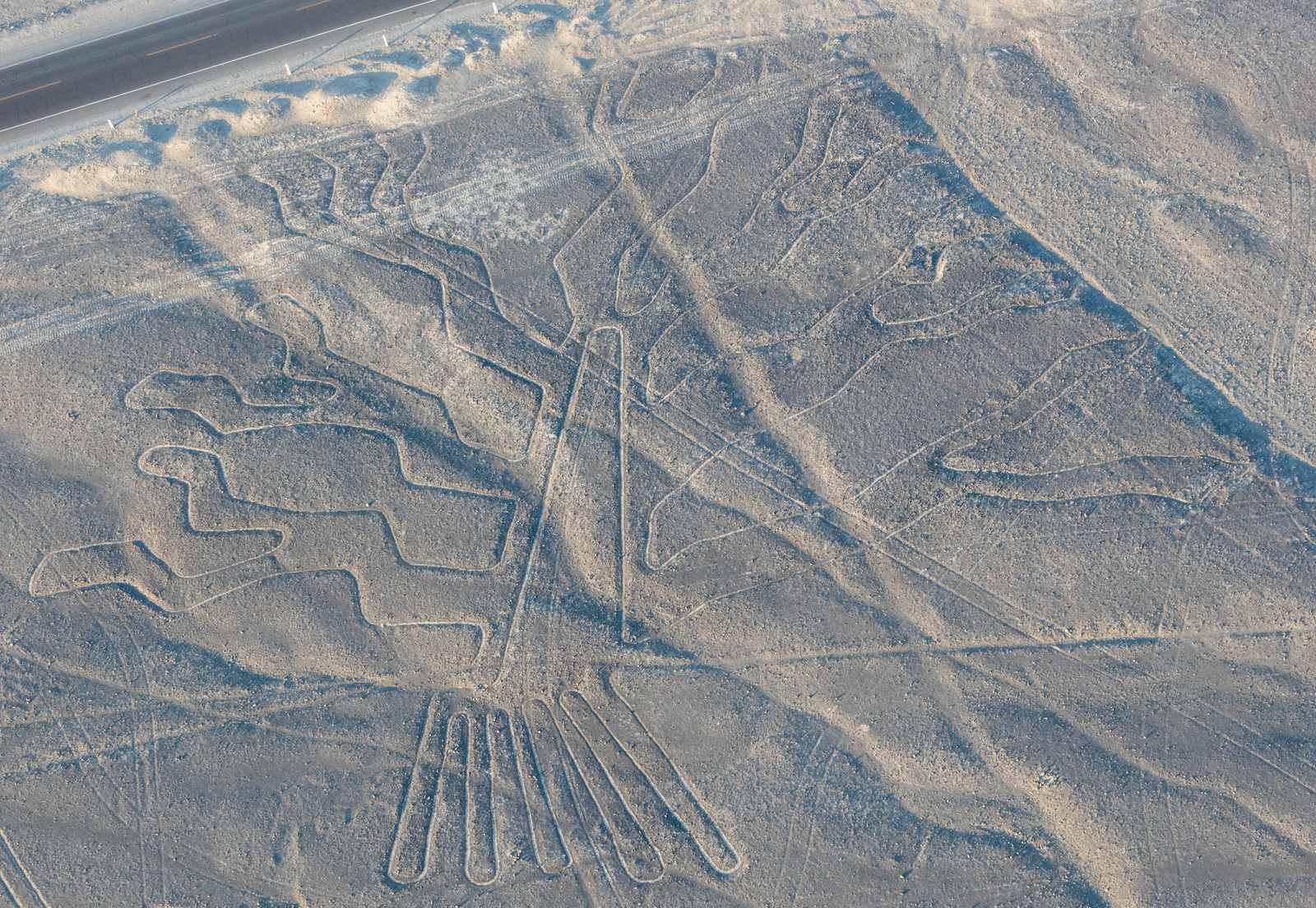
The Nazca Lines in southern Peru are one of those landscapes that only make sense when you are not standing on them. Giant hummingbirds, spiders, and long, ruler-straight lines stretch across the desert plateau, some longer than many city blocks, etched into the earth by removing a thin layer of reddish pebbles to expose pale soil underneath. From the ground, most of these forms are almost invisible; from the air, they become startlingly precise. That contradiction has fueled decades of speculation, from navigational markers and ritual pathways to astronomical calendars.
Scientific work in the last few years has become less obsessed with wild theories and more focused on context. Drone surveys and satellite imagery have revealed new, faint geoglyphs that had been missed entirely, suggesting that what we see today is only a fraction of the original ritual landscape. Soil and pigment analyses hint that the lines may have guided processions during ceremonies tied to water and fertility in one of the driest regions on Earth. Yet no surviving Nazca text explains who planned the designs or how decisions were made, which means the lines still feel like a conversation where we only catch every third word.
Göbekli Tepe: The Temple That Came Before the Village
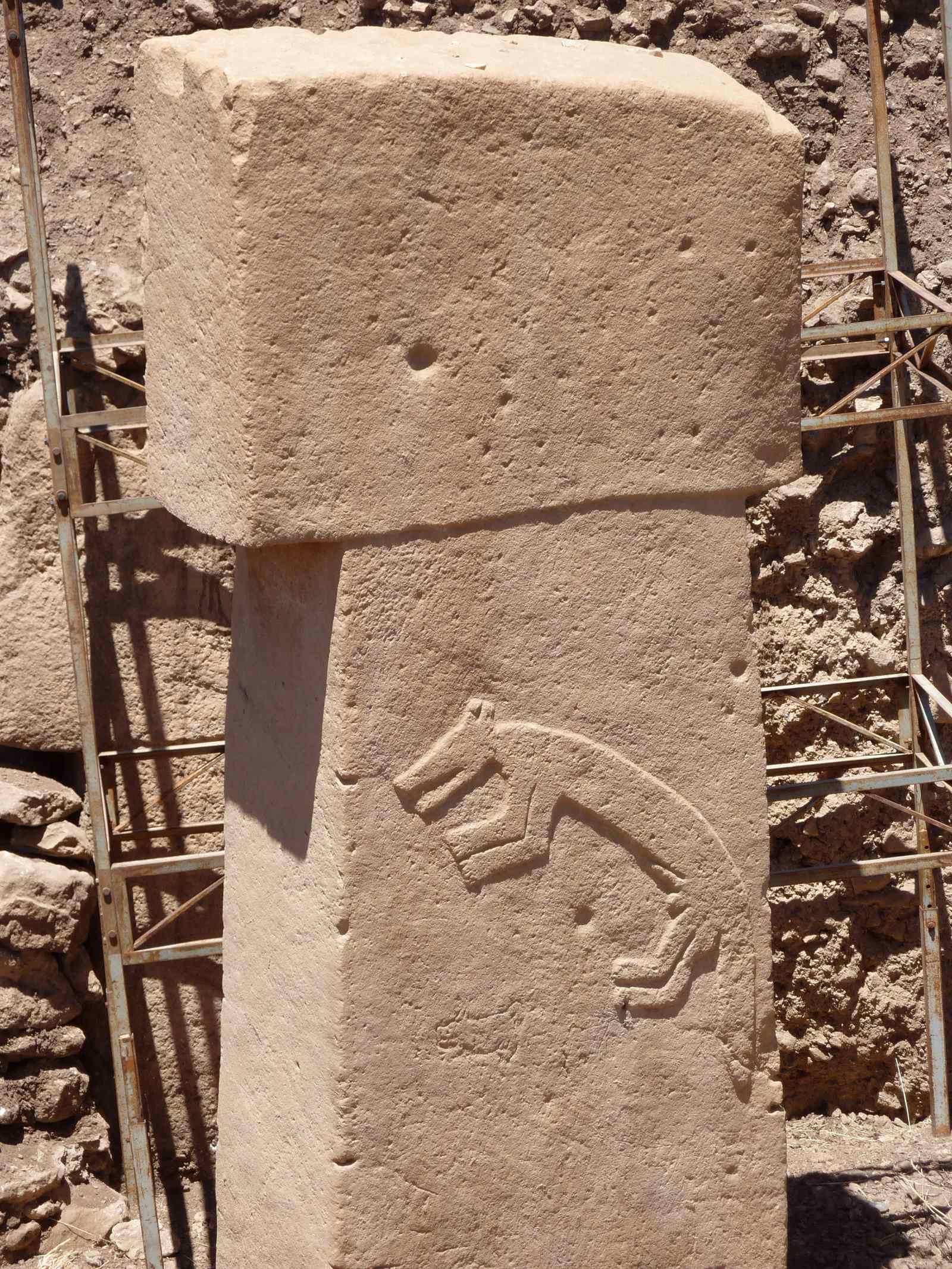
Perched on a hill in southeastern Türkiye, Göbekli Tepe rewrote the story many of us learned about the birth of civilization. Massive stone pillars carved with foxes, birds, and abstract symbols were raised here roughly eleven thousand years ago, long before pottery, metal, or what we usually call cities. For a long time, the assumption in archaeology was simple: first farming, then villages, then temples. Göbekli Tepe flipped that order. Here, it seems the temple came first, and permanent settlement followed.
Excavations and radiocarbon dates suggest that hunter-gatherer groups gathered at this complex for ritual feasts, perhaps seasonally, hauling limestone blocks that weigh as much as small cars without wheels or draft animals. Microscopic animal bone fragments and plant remains show large-scale food preparation, indicating big communal events rather than small family rituals. But the symbolic language – rows of headless animals, abstract H-shaped signs, strange vulture scenes – remains opaque. Archaeologists can model how the pillars were raised and when the site was deliberately buried, but not why its builders chose to entomb their own monument under tons of soil, as if hiding their most sacred experiment from posterity.
Mohenjo-daro: An Ordered City Without a Deciphered Voice
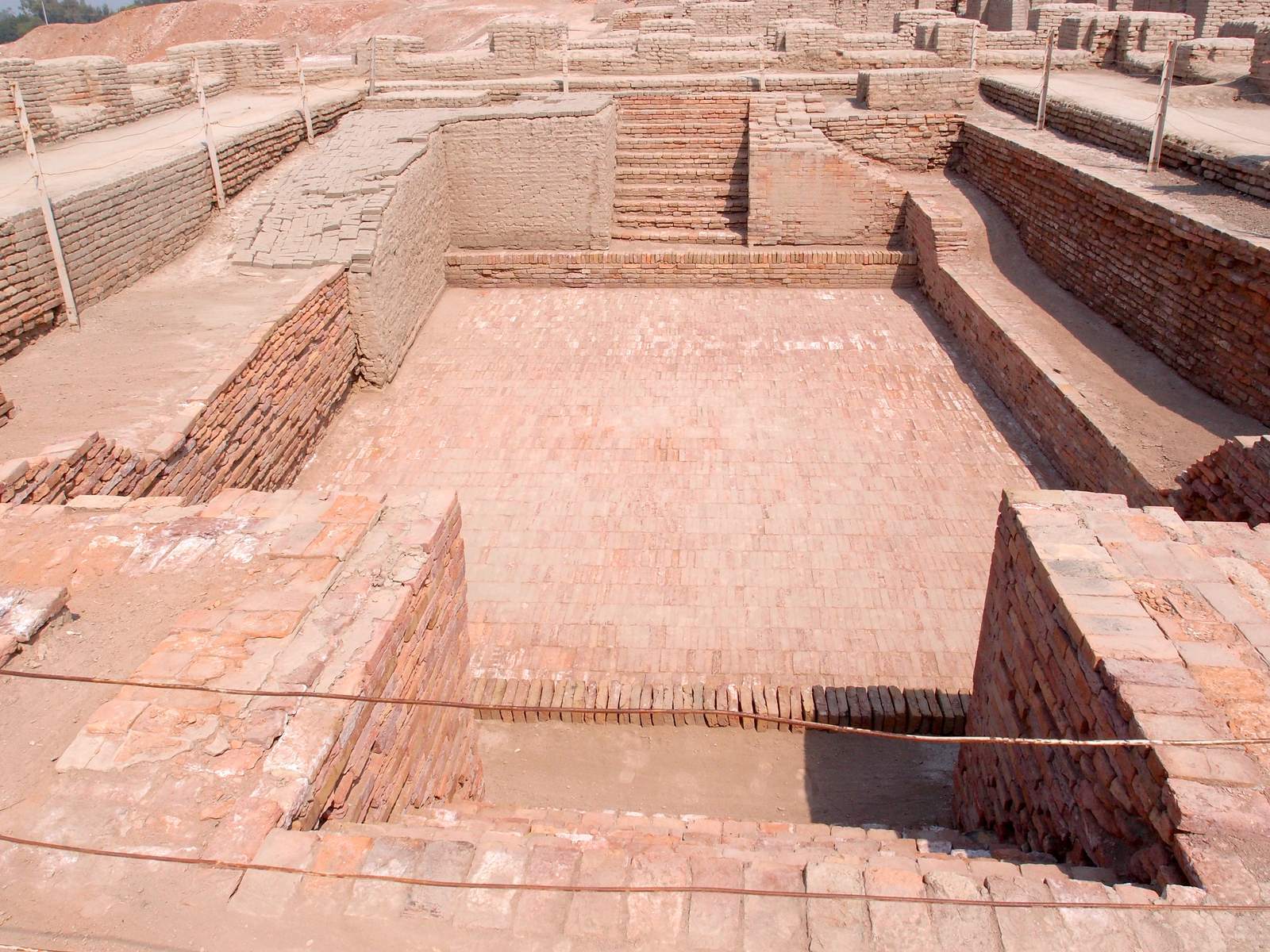
In Pakistan’s Indus River plain, the ruins of Mohenjo-daro rise like a grid pulled from a modern urban planner’s notebook. Straight streets, standardized bricks, covered drains, and bathing platforms point to a society that prized hygiene and order nearly four thousand years ago. Unlike many Bronze Age cities, there are no obvious royal tombs, monumental statues of kings, or carved lists of battles. Instead, we see wells, workshops, and courtyards – signs of everyday life meticulously organized.
The puzzle is that the Indus script, stamped on seals and etched into pottery, still has not been convincingly deciphered. Without it, the political structure of Mohenjo-daro remains a guessing game: was power concentrated in a small elite, shared among merchant groups, or embedded in religious institutions we no longer recognize? Climate data from lake sediments and river cores points to shifting monsoon patterns and drying rivers in the same centuries the city declined, hinting that environmental stress played a role. Yet how residents responded – through migration, conflict, reform, or quiet collapse – remains one of archaeology’s most frustrating blanks.
Machu Picchu: Royal Estate, Pilgrimage Site, or Something More?
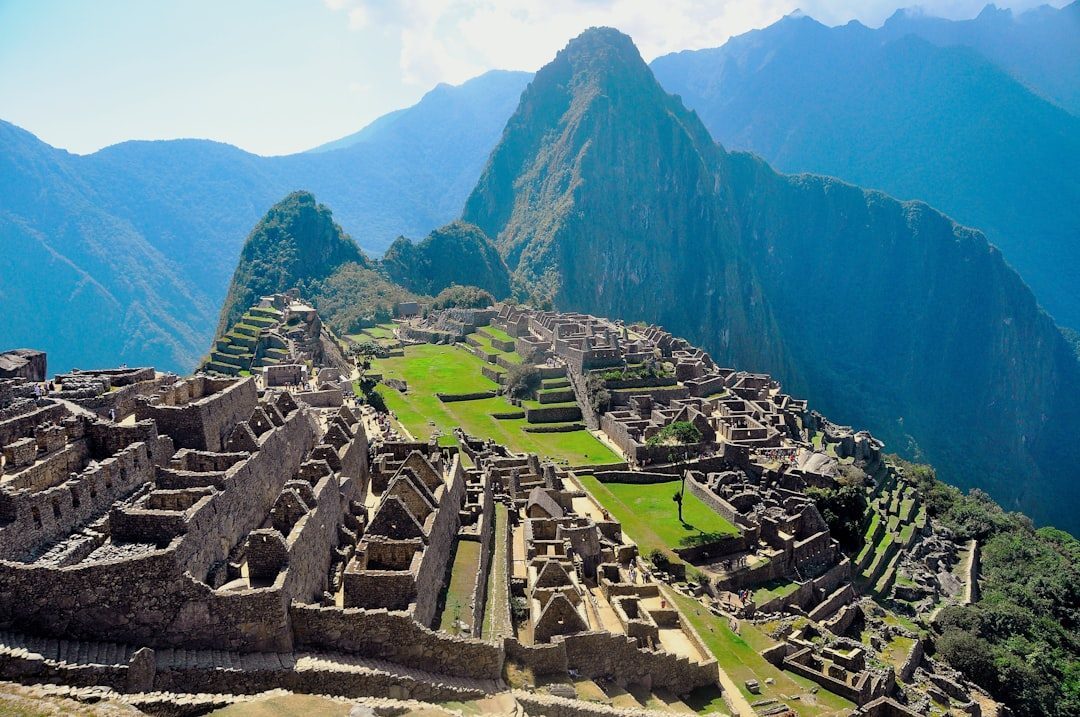
Machu Picchu, clinging to a ridge high in the Peruvian Andes, is often described as a lost city, even though local communities never forgot it. Built in the fifteenth century and abandoned within a century, its stone terraces and finely fitted walls still feel unnervingly intact, as if the inhabitants stepped out for a moment and never returned. Excavations and archival work suggest it likely served as an estate for the Inca emperor Pachacuti, complete with ritual fountains, astronomical alignments, and separate sectors for elites and retainers.
Recent analyses of human remains have complicated that tidy story. Isotope studies of teeth show that many of the individuals buried there had grown up far from Cusco, in distant parts of the empire, suggesting a multiethnic population of specialists, servants, and ritual attendants. DNA analysis has further emphasized that diversity, indicating that Machu Picchu was more of an imperial microcosm than a local village. Yet even with this detail, we still do not know precisely which ceremonies played out in its temples, or what moment finally tipped the balance toward abandonment in the shadow of Spanish conquest and disease.
Teotihuacan: The City of Unknown Rulers
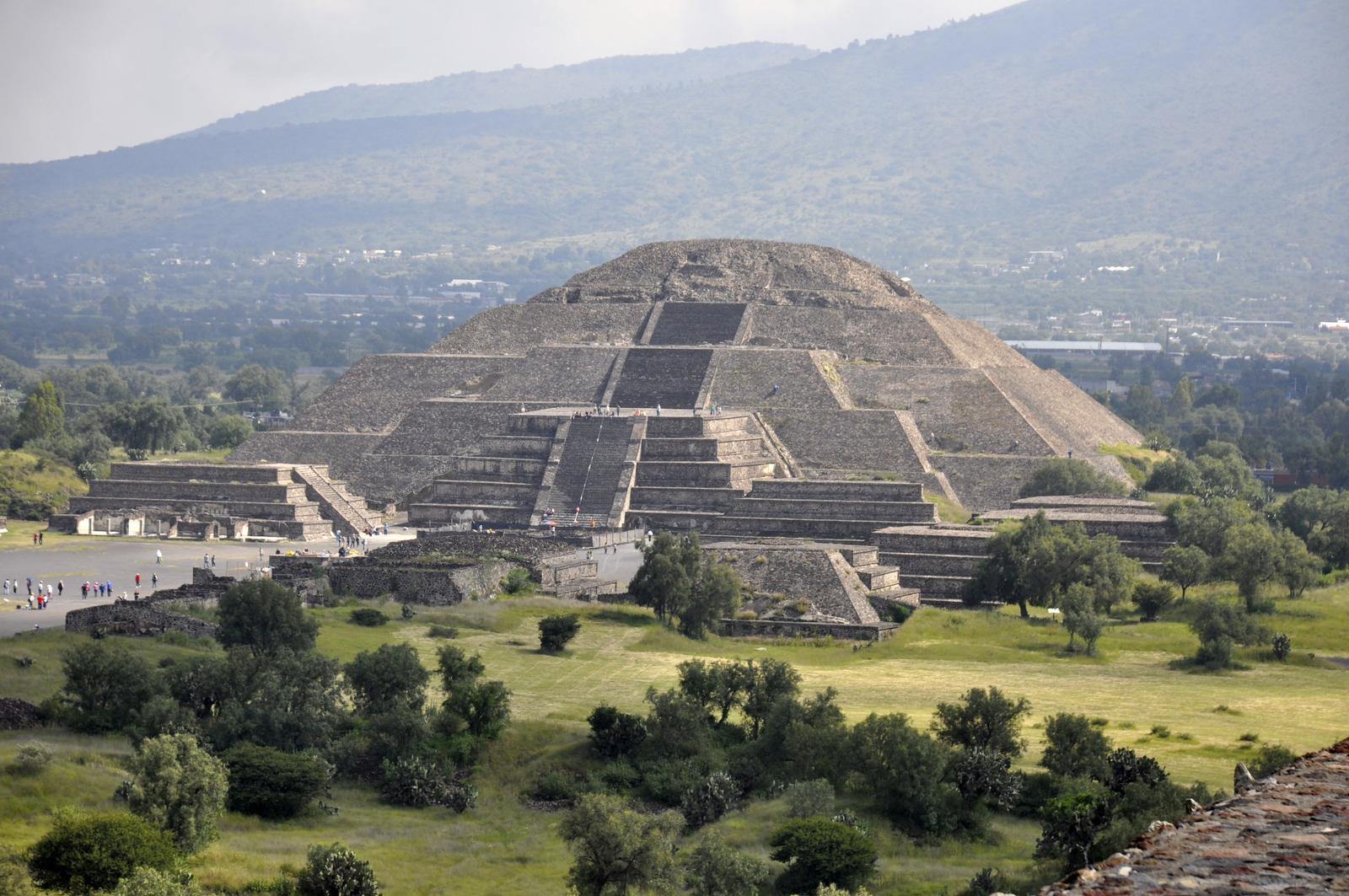
Teotihuacan, northeast of modern Mexico City, was once home to tens of thousands of people and dominated central Mesoamerica for centuries. The Avenue of the Dead, flanked by the Pyramids of the Sun and the Moon, draws obvious comparisons to later Aztec and Maya capitals, yet the identity of its original rulers remains stubbornly unclear. No surviving stelae proclaim the glory of specific kings, and written records from neighboring cultures mention the city more as a looming presence than a named power. For a metropolis that shaped trade and religion on a continental scale, its leadership is strangely anonymous.
Archaeologists have turned to forensics, chemistry, and geophysics to fill the gap. Tunnels beneath pyramids have yielded offerings of obsidian, rubber balls, and even pools of liquid mercury, likely representing ritual underworlds rather than practical storage. Isotope studies on sacrificed individuals suggest that many were captives from distant regions, which fits with Teotihuacan’s far-reaching influence. Still, the city’s social system – whether it was governed by a council, a hidden dynasty, or rotating factions – remains up for debate, leaving us to read power from architecture rather than from names.
Yonaguni: Natural Formation or Submerged Monument?
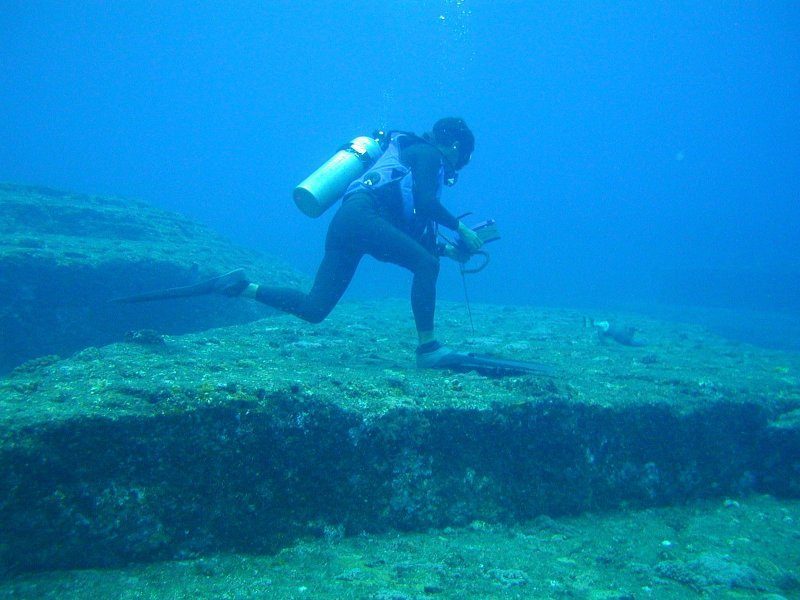
Off the coast of Yonaguni Island in Japan, a stepped stone structure lies beneath the waves, its flat platforms and sharp-edged terraces looking uncannily like a giant, submerged ziggurat. Divers have popularized dramatic images of what some describe as an ancient sunken city, complete with alleged roads and pillars. Geologists, on the other hand, point out that layered sandstone can fracture in blocky patterns under wave action, producing regular-looking shapes without human help. The debate has become a tug-of-war between imagination and petrographic evidence.
Careful surveys and measurements have shown that some features line up with natural bedding planes and joints, while others hint at possible modification, such as scratch-like grooves or seemingly squared corners. The surrounding seabed has produced stone tools and evidence of prehistoric human activity from times when sea levels were lower, but not a clear, continuous cityscape. The result is a site that lives precisely in the gray zone: not confirmed as a monument, but too striking to ignore. Whether future underwater mapping and dating can nudge the balance one way or another remains an open question, keeping Yonaguni firmly in the realm of contested mystery.
The Plain of Jars: Megaliths, War Scars, and Silent Burials
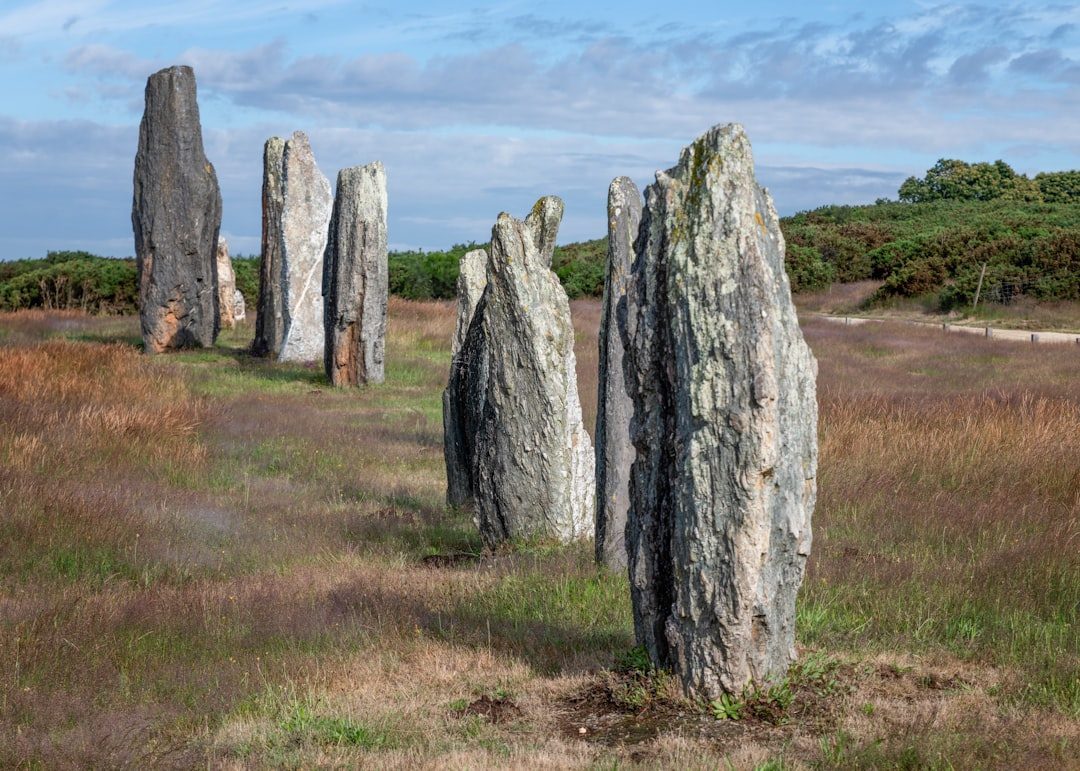
Scattered across the uplands of Laos, thousands of massive stone jars sit in clusters, some taller than an adult, many scarred by lichen and time. Archaeologists now largely agree that they were connected to complex burial rituals roughly two thousand years ago, with human remains and grave goods found in and around some of the jars. Yet the specifics of those rituals – who was honored, how status was expressed, how beliefs about death shaped daily life – remain frustratingly incomplete. Oral traditions add possible layers of meaning but do not easily map onto the archaeological record.
Fieldwork here has been hampered in a way that feels almost like a second ancient curse: unexploded ordnance from twentieth-century conflicts still litters parts of the landscape. That means large areas of jars remain off-limits or slow to investigate, limiting our sample of studied sites. Where detailed excavations have been possible, researchers have turned to techniques such as optically stimulated luminescence dating to determine when surrounding sediments last saw sunlight, piecing together occupation phases. Each new jar cluster mapped and dated adds another piece to the puzzle, but the big picture – how this megalithic tradition spread and what social system maintained it – remains partly hidden behind the very real dangers of modern war debris.
Derinkuyu: The Underground City Built to Vanish
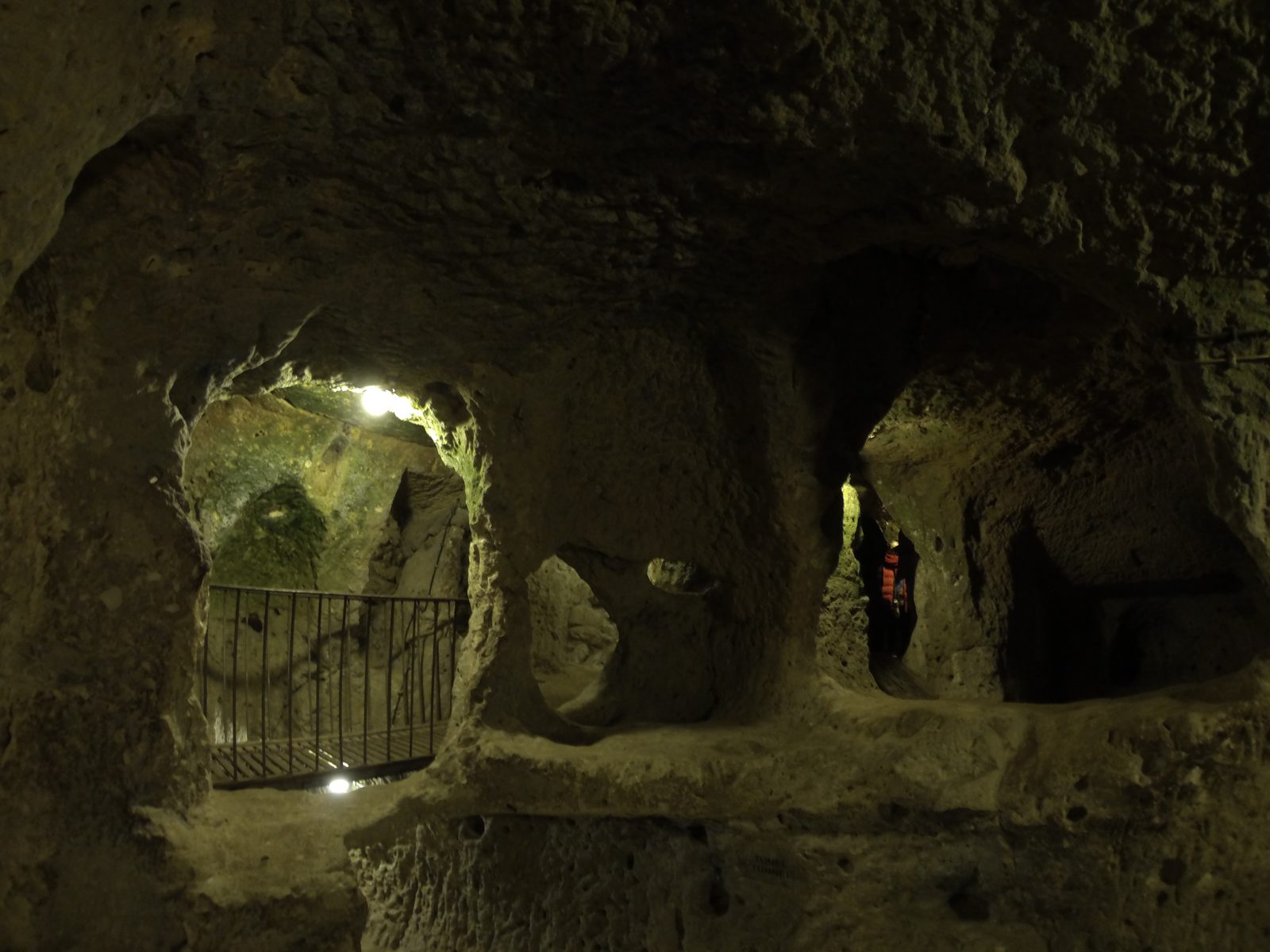
Beneath the landscapes of Cappadocia in Türkiye, soft volcanic rock hides entire multilevel underground cities, the most famous being Derinkuyu. Descending into its tunnels feels like walking into an engineered beehive: stables, wine presses, kitchens, and ventilation shafts stacked through the rock, with rolling stone doors ready to seal passages from the inside. These spaces could shelter thousands of people, along with their animals and supplies, for extended periods. Archaeologists generally link their extensive use to periods of invasion and persecution, when living invisibly underground might have meant survival.
Yet the deeper origins of Derinkuyu are difficult to pin down with confidence. Carving styles and limited finds suggest that some of the earliest levels may have been started in the first millennium BCE, then expanded over many centuries by different cultural and religious communities. Because organic materials like wood and textiles rarely survive in such conditions, and inscriptions are scarce, many phases remain undated more precisely than “late ancient” or “medieval.” Ground-penetrating radar and 3D mapping have begun to reveal additional, still-unexcavated corridors, underlining how much of this hidden world is literally still in the dark.
Analysis: Why These Silent Ruins Still Matter
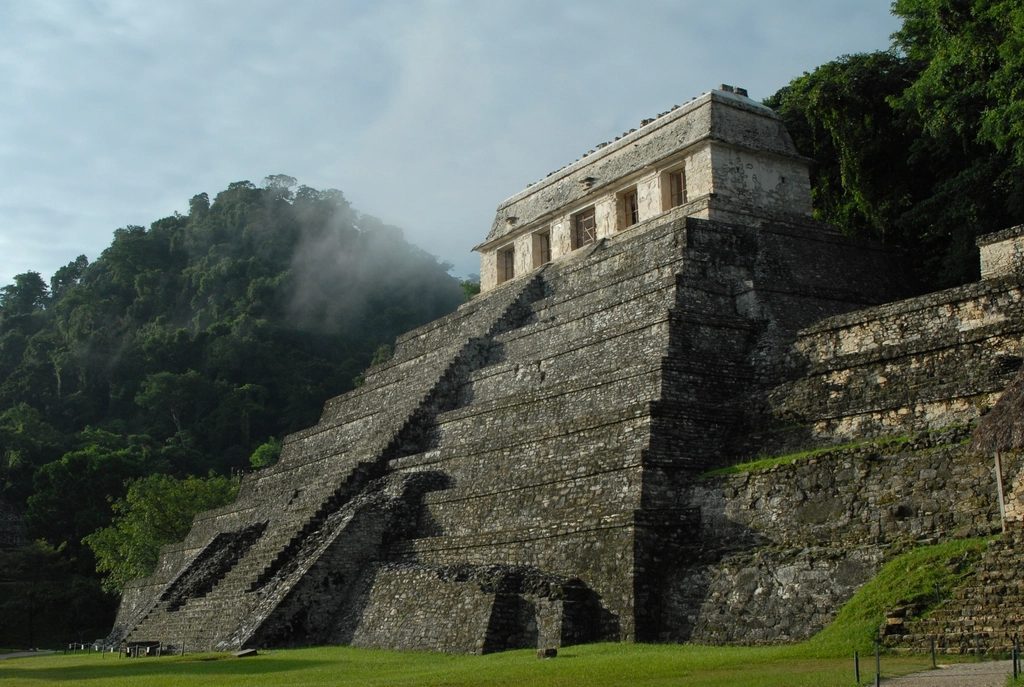
It is tempting to treat enigmatic ruins as little more than atmospheric backdrops for travel photos or fodder for speculative documentaries. But scientifically, they matter because they stress-test our ideas about how societies form, thrive, and fail. Sites like Göbekli Tepe and Mohenjo-daro quietly undermine neat timelines that once dominated textbooks, reminding us that human creativity and complexity do not always follow a linear script from “primitive” to “advanced.” When we bump up against undeciphered scripts or anonymous rulers, we are forced to admit how much our reconstructions rely on what has accidentally survived rather than on any objective hierarchy of importance.
Compared with traditional archaeology of the nineteenth and early twentieth centuries – which often focused on kings, conquests, and big monuments – today’s work on these mysterious sites leans heavily on micro-evidence. Tiny traces such as pollen grains, isotopes in teeth, microplastics in soil layers, or soot on ceilings can completely overturn long-standing narratives about diet, trade, or climate stress. That shift matters far beyond the past: by studying how ancient people coped with droughts, overcrowding, or shifting borders, we gain additional case studies for our own age of environmental and social upheaval. The secrets these ruins keep are not just about who carved which stone, but about which human strategies worked – or failed – when the world changed around them.
The Future Landscape: New Tools for Old Mysteries
For all the romance of trowels and brushes, the next big revelations at these sites are likely to come from technologies that barely touch the ground. Airborne lidar has already peeled back jungle canopies in Central America and Southeast Asia, exposing hidden road networks and city grids that had blended into the vegetation. Similar techniques, along with satellite radar and hyperspectral imaging, are now being turned toward deserts, floodplains, and even shallow seas, promising to reveal buried walls, canals, and foundations without a single trench. That kind of remote x-ray vision is especially valuable in politically unstable or environmentally sensitive zones where large excavations are impossible.
At a finer scale, advances in ancient DNA extraction, proteomics, and isotope geochemistry are turning teeth, bones, and even residues on pottery into detailed biographies of individuals and communities. We can increasingly say where a person grew up, what they ate, which pathogens circulated in their population, and how people moved across continents. The challenge is that these tools produce torrents of data that must be interpreted carefully, ideally in collaboration with local scholars and descendant communities to avoid repeating extractive patterns of the past. As climate change accelerates erosion, sea-level rise, and extreme weather, there is also a growing sense of urgency: many ruins are degrading faster than they can be studied. The future of these mysteries will depend not just on technology, but on political will, ethical frameworks, and global cooperation.
How Readers Can Engage With Fragile, Mysterious Places
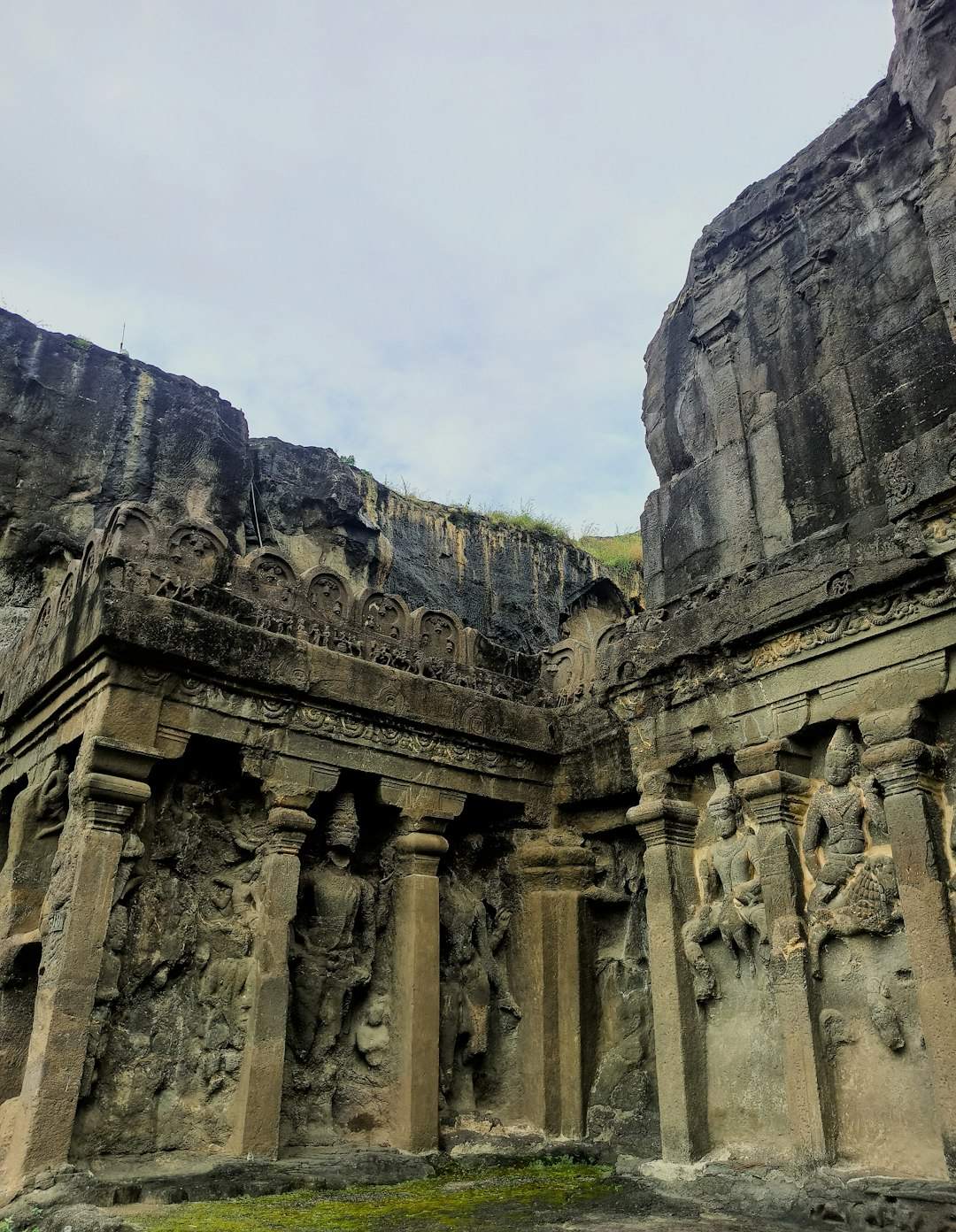
Most of us will never lead an excavation, but that does not mean we are locked out of the story these ruins are telling. If you visit any of these sites, the simplest and most powerful actions are practical ones: stick to marked paths, respect barriers, and avoid touching carved surfaces that erode faster under the constant abrasion of hands. Supporting responsible tourism operators – those who partner with local communities and follow conservation guidelines – helps ensure that money flowing into these regions strengthens both scientific work and local livelihoods. Even something as mundane as reading site signage or official guides rather than relying solely on sensational online stories makes a difference, because it rewards institutions that invest in accurate, up-to-date interpretation.
From home, there are quiet but meaningful ways to help. Public archaeology projects and nonprofits often crowdfund specific analyses, from radiocarbon dating to lidar flights, allowing small donations to unlock big scientific gains. Museums and universities increasingly share open-access reports and virtual tours, making it easier to follow ongoing research instead of frozen snapshots of “what we know.” And perhaps most important, talking about these ruins as complex, living research sites rather than mystical props shifts the cultural conversation. When we treat mystery not as an excuse to invent anything, but as an invitation to ask better questions, we become allies in the long, careful work of understanding how deeply human history runs.
Suhail Ahmed is a passionate digital professional and nature enthusiast with over 8 years of experience in content strategy, SEO, web development, and digital operations. Alongside his freelance journey, Suhail actively contributes to nature and wildlife platforms like Discover Wildlife, where he channels his curiosity for the planet into engaging, educational storytelling.
With a strong background in managing digital ecosystems — from ecommerce stores and WordPress websites to social media and automation — Suhail merges technical precision with creative insight. His content reflects a rare balance: SEO-friendly yet deeply human, data-informed yet emotionally resonant.
Driven by a love for discovery and storytelling, Suhail believes in using digital platforms to amplify causes that matter — especially those protecting Earth’s biodiversity and inspiring sustainable living. Whether he’s managing online projects or crafting wildlife content, his goal remains the same: to inform, inspire, and leave a positive digital footprint.