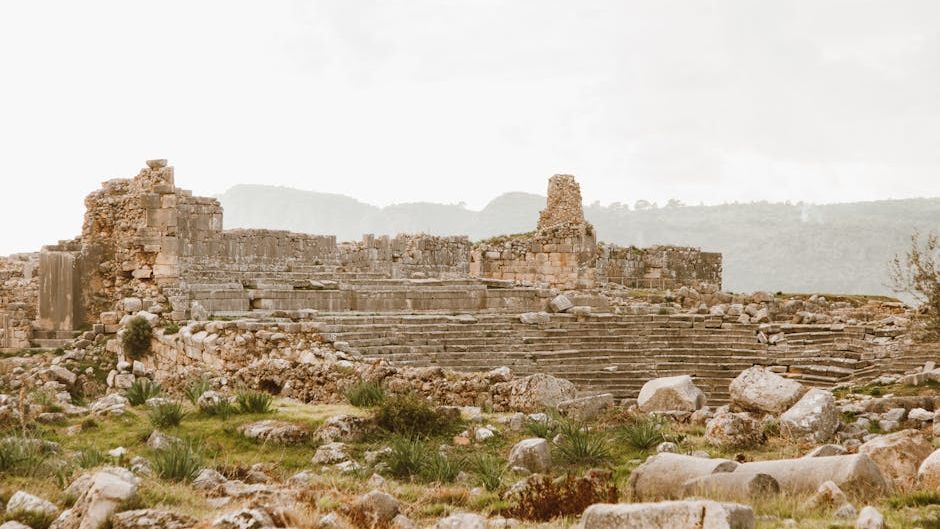
Every so often, archaeology feels less like science and more like a detective story with half the pages missing. All that is left are silent cities swallowed by jungle, scripts nobody can read, and bones that refuse to tell us exactly what happened. We see the end result – empty streets, broken temples, abandoned fields – but the moment when people actually walked away is still a mystery hanging in the air.
What fascinates me most is how normal these places once were. People argued over land, fell in love, raised kids, and worried about next year’s harvest, convinced tomorrow would look like today. Then, at some point, everything changed. Below are ten civilizations that rose, flourished, and then disappeared in ways we still cannot fully explain. The theories are often compelling, sometimes wild, and occasionally unsettlingly close to problems we face right now.
The Indus Valley Civilization: A Lost Urban Giant
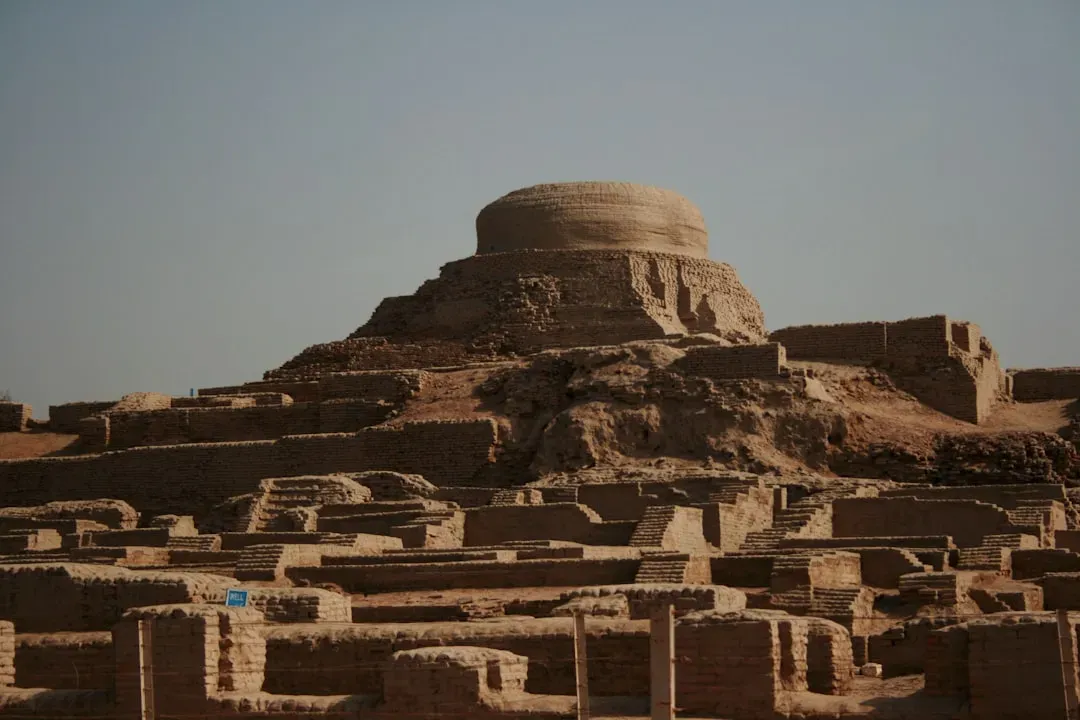
Imagine a Bronze Age world where cities had straight streets, drainage systems, and standardized weights while much of the planet was still figuring out basic farming. That was the Indus Valley Civilization, spread across what is now Pakistan and northwest India, with major centers like Harappa and Mohenjo-daro. They built in carefully planned grids, used baked bricks, and seem to have had surprisingly advanced sanitation, with homes connected to complex sewer systems.
Then, somewhere around the second millennium BCE, this vast urban culture fragmented and faded, and we still do not have a neat answer for why. Climate change leading to river shifts, gradual decline in trade, possible disease, or social upheaval have all been proposed, but the absence of deciphered written records keeps the story frustratingly blurry. It is like walking into a high-tech ancient city, seeing that everyone left in a hurry centuries ago, and finding their entire library written in a code we cannot crack.
The Bronze Age Collapse and the Mysterious Sea Peoples
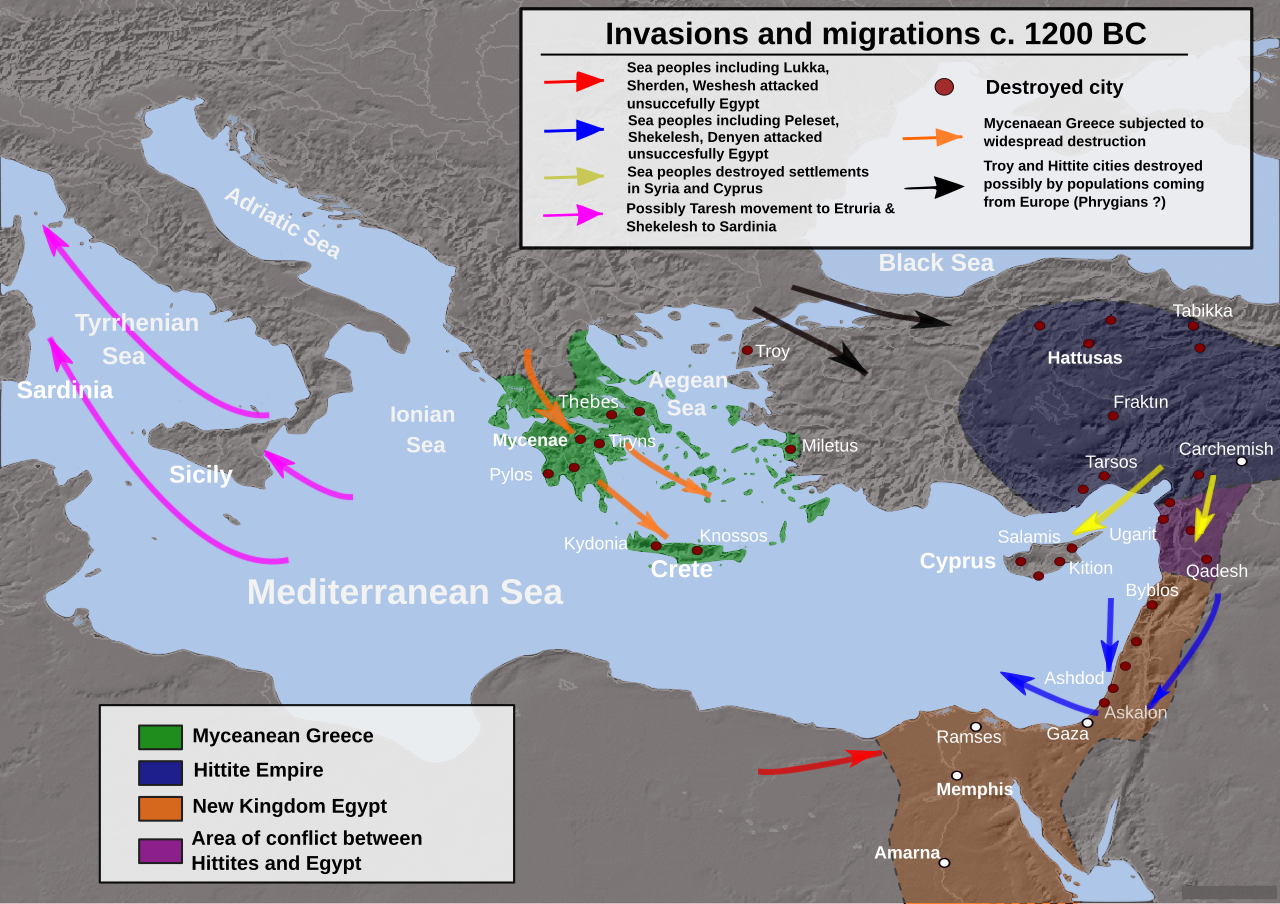
In just a few generations around the late second millennium BCE, several powerful kingdoms in the eastern Mediterranean were wrecked: the Mycenaeans in Greece, the Hittites in Anatolia, and major cities along the Levantine coast. Archaeological layers show widespread destruction, sudden breaks in trade networks, and population shifts. It looked like the ancient equivalent of a global economic crash combined with a series of wars and mass migrations.
Ancient Egyptian records refer to invaders often grouped together under the label “Sea Peoples”, but who they really were remains debated, and so does the chain reaction that brought so many societies to their knees. Were these catastrophic raids the cause or just a symptom of deeper problems like drought, famine, and internal instability? Instead of a single smoking gun, the Bronze Age Collapse feels like a pileup on a foggy highway – too many shocks hitting at once, leaving us with ruins and more questions than answers.
The Mycenaeans: Greece Before the Greeks We Know
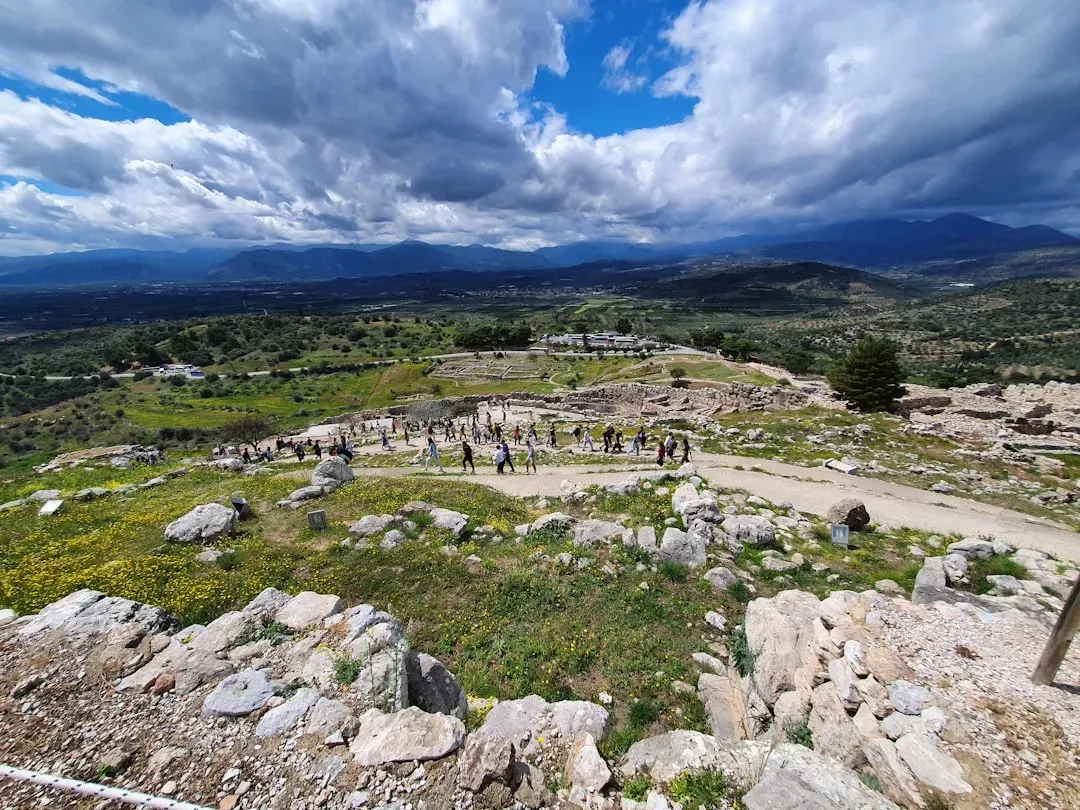
Before classical Athens, marble temples, and famous philosophers, there were the Mycenaeans – the palace-builders of Bronze Age Greece, remembered dimly in later myths of kings and wars. They left behind fortified citadels like Mycenae and Tiryns, rich grave goods, and a bureaucratic script known as Linear B that records economic and administrative details. They were plugged into wider Mediterranean trade and seemed to dominate the Aegean for centuries.
Yet around the same period as the wider Bronze Age Collapse, Mycenaean palaces burned, populations shrank, and literacy vanished. Greece slipped into what historians call a “Dark Age”, with fewer large settlements and much simpler material culture. We can point to likely culprits – warfare, climate stress, earthquakes, disrupted trade – but the exact balance of these factors remains murky. The real puzzle is how such a sophisticated palace system unraveled so thoroughly that even their writing disappeared for generations.
The Hittite Empire: Vanished From the Tablets
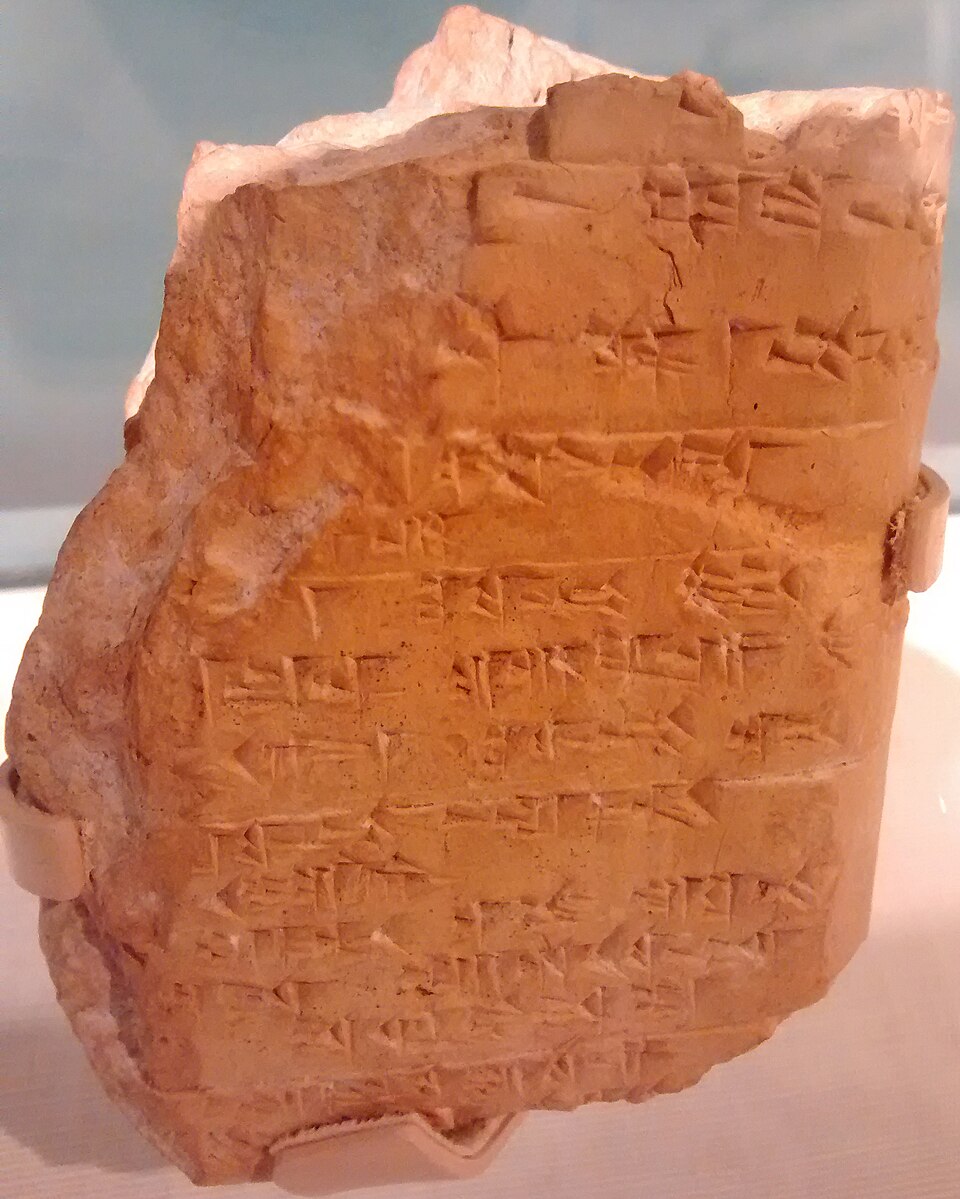
The Hittites ruled a major empire from central Anatolia, powerful enough to fight Egypt to a standstill and sign one of the earliest known international peace treaties. Their capital, Hattusa, sat behind massive walls and contained archives of clay tablets written in cuneiform. For a while, they were one of the three great powers of the Late Bronze Age, alongside Egypt and Mesopotamian states.
Then, in a relatively short span, the Hittite heartland was abandoned, their capital went quiet, and their political structure dissolved. Some sites show signs of burning, others of gradual desertion, but there is no single, neat narrative. Invasions, internal strife, famine, and shifting trade routes are all likely pieces of the puzzle. What feels uncanny is how completely they slipped out of the written record for centuries, to the point that early modern historians barely knew they had ever existed until archaeologists started unearthing their lost cities.
Nabatea and Petra: The Desert Traders Who Faded Away
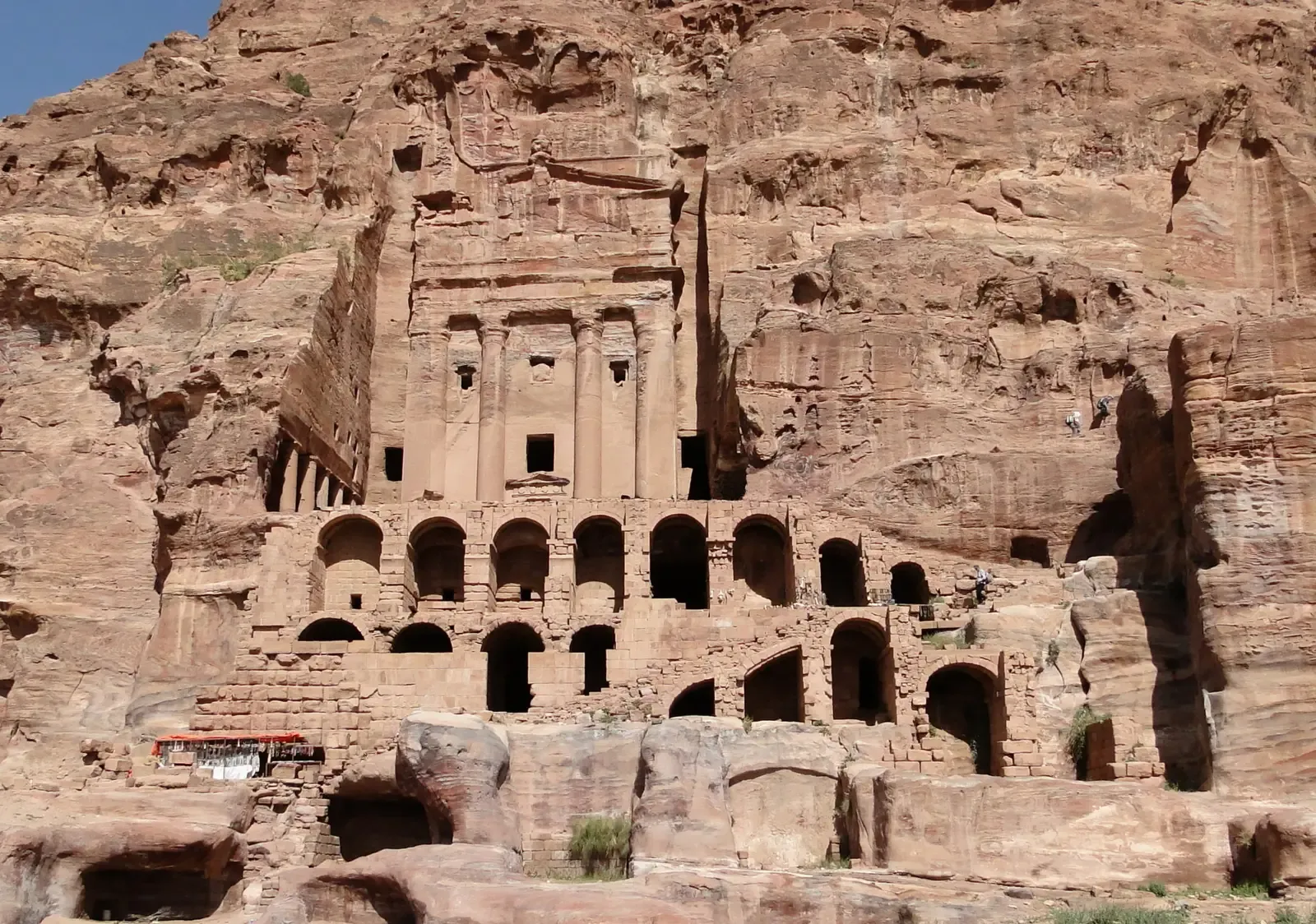
Petra, carved into rose-red rock in modern Jordan, looks like a stage set from an epic film, but it was once the bustling core of the Nabatean Kingdom. These people built their wealth by controlling caravan routes that moved spices, incense, and other luxury goods across the desert between Arabia, the Mediterranean, and beyond. They were master water engineers, channeling and storing precious rainfall in a harsh landscape that did not forgive mistakes.
Over time, the Nabateans were absorbed into the Roman Empire, and their key trade routes shifted as sea transport became dominant. Petra’s influence declined, earthquakes damaged its structures, and slowly the city fell out of major use, eventually slipping into obscurity for outside observers. This is one of those disappearances that feels less like sudden catastrophe and more like a long, quiet fade-out. Still, the question lingers why such a spectacular site, with such clever infrastructure, was not repurposed more visibly by later populations instead of being largely left for sand and silence.
The Olmec: The “Mother Culture” of Mesoamerica
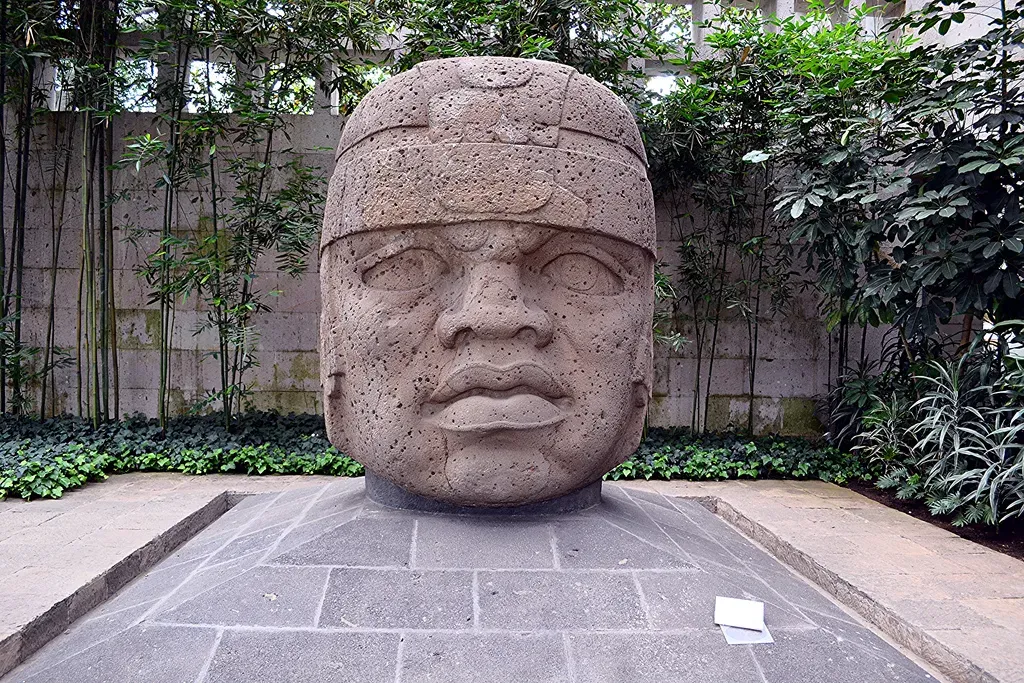
Along the Gulf Coast of what is now Mexico, the Olmec built ceremonial centers, raised earthen mounds, and carved enormous stone heads with distinctive facial features and helmets. Many later Mesoamerican civilizations, like the Maya and the Aztecs, seem to have borrowed or inherited key ideas in art, religion, and possibly writing from the Olmec world. Because of that, they are often described as a kind of foundational culture in the region.
But by the first millennium BCE, major Olmec centers were being abandoned, and their distinctive art style faded from prominence. Possible explanations include environmental changes, particularly rivers shifting or wetlands transforming, which would have undercut their agriculture and trade. Social and political upheaval almost certainly played a role as well, but with no surviving written narrative from the Olmec themselves, we are left reading patterns in ruins. It feels a bit like walking into a theater after the final act ended, seeing all the props left behind, but having no idea how the story actually concluded.
The Maya City-State Collapse in the Southern Lowlands
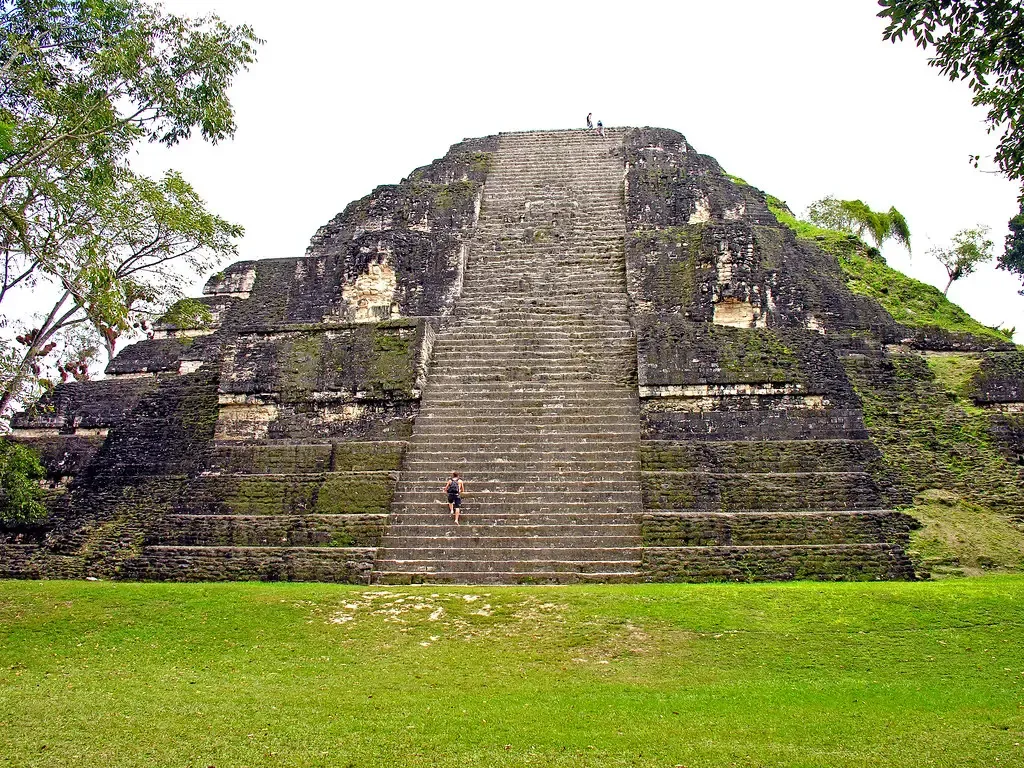
Unlike some entries on this list, the Maya themselves did not vanish; millions of Maya people are very much alive today. What did collapse, dramatically, was the network of powerful city-states in the southern lowlands of present-day Guatemala, Belize, and parts of Mexico around the end of the first millennium CE. Cities like Tikal and Copán went from building towering pyramids and recording royal history on stone to being largely deserted over a few centuries.
Deforestation, overuse of land, severe droughts, warfare between rival cities, and internal social stresses are all strongly implicated, and many researchers now see the collapse as a drawn-out, regionally varied process rather than a single apocalyptic moment. Still, there is no single, universally agreed trigger that explains why certain cities fell when they did, while others in different regions persisted. When you stand atop an overgrown pyramid and look out over jungle where once there were plazas and homes, it is hard not to feel a shiver of recognition; a complex society can be both resilient and surprisingly fragile at the same time.
Cahokia: North America’s Forgotten Urban Experiment
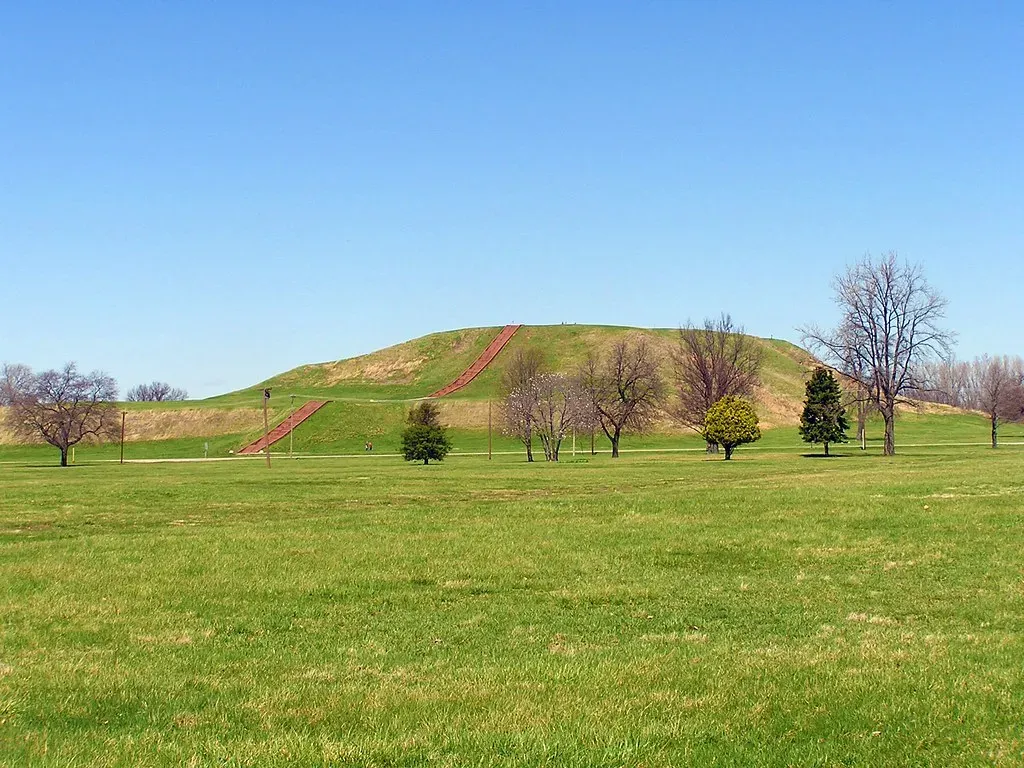
Near present-day St. Louis, long before European colonization, a large city now called Cahokia rose around an enormous earthen platform known as Monk’s Mound. At its peak, its population likely rivaled or exceeded many European cities of the same period, with carefully arranged neighborhoods, plazas, and ritual spaces. It sat at the center of a vast network of trade and influence stretching across much of what is now the eastern United States.
Yet by the time Europeans started writing about the region, Cahokia was already long abandoned, its people dispersed and its story reduced to rumors and mounds on the horizon. Environmental stress, including deforestation and flooding, along with political turmoil and shifting trade patterns, are plausible contributors, but the absence of written records limits how tightly we can connect cause and effect. To me, Cahokia is one of the most haunting examples because it challenges the lazy myth that pre-contact North America was only sparsely populated and simple. A whole urban experiment rose and fell there, and we are still piecing together why.
The Rapa Nui Builders of Easter Island’s Moai
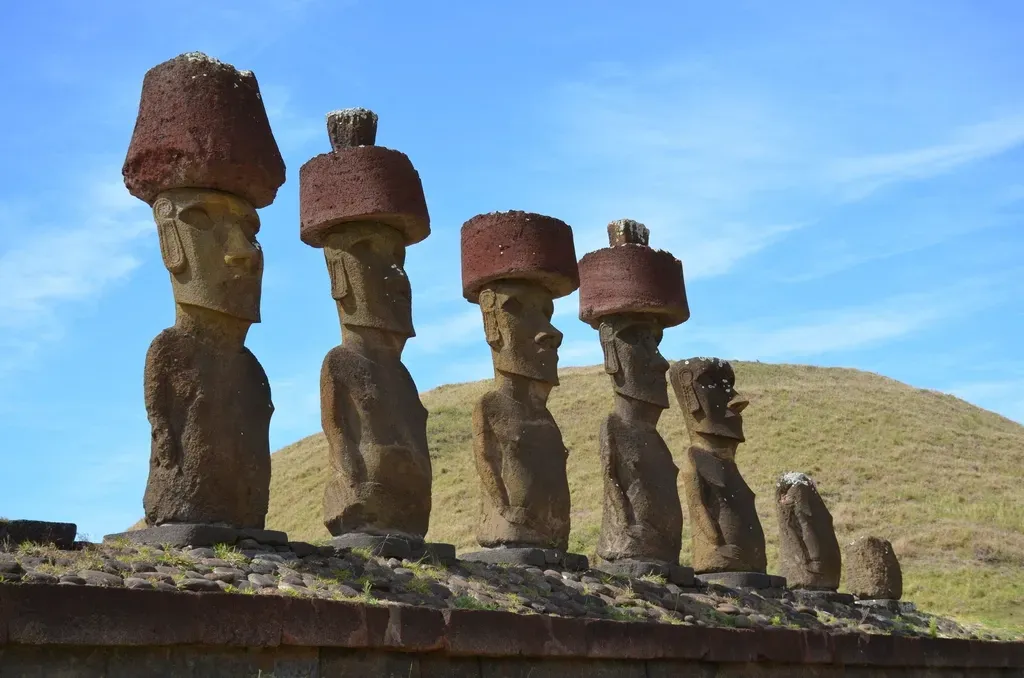
Easter Island, or Rapa Nui, sits in the middle of the Pacific Ocean, incredibly remote and ringed by dramatic cliffs. Its famous moai statues, carved from volcanic rock and transported across the island, are evidence of a complex society with intricate religious and political structures. At one point, the island was forested and supported a relatively dense population engaged in agriculture and monumental building.
By the time outside visitors began recording their observations, that earlier system had changed dramatically, with deforestation, social conflict, introduced diseases, and disruptions from external contact all part of the tangled story. Older narratives that claimed a simple, one-way “ecocide” are now seen as too blunt and partly unfair, but there is still no fully settled account of how Rapa Nui’s social order transformed and why moai construction stopped. The island feels like a cautionary tale wrapped inside a misunderstanding: an example of how easy it is to oversimplify another culture’s rise and fall to fit our own fears and assumptions.
Çatalhöyük: The Neolithic City Without Streets
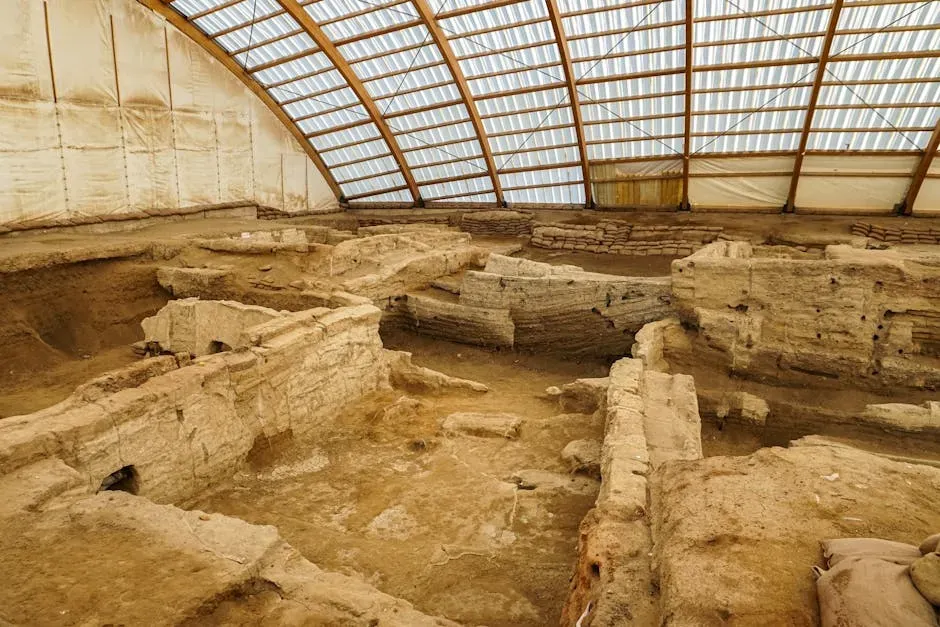
Çatalhöyük, in modern Turkey, is often described as one of the earliest known large settlements, dating back to the Neolithic era. Its houses were packed tightly together, with people apparently moving across the rooftops and entering their homes from above rather than from ground-level doors and streets. Inside, walls were often plastered and painted, and human burials were placed beneath house floors, blending everyday life and ritual in a way that feels very distant from our own habits.
After many centuries of occupation, the settlement was gradually abandoned, and the reasons for this shift are still not completely understood. Changes in local environment, evolving farming practices, social transformations, or the attraction of new locations all likely played a role, but there is no single dramatic event we can point to with certainty. Instead, Çatalhöyük’s “vanishing” feels more like people slowly rewrote the map of their lives and simply stopped choosing that particular mound as home. It is a reminder that not every disappearance needs a catastrophe; sometimes, the mystery is why people moved on quietly and left so much of their story buried in the dust.
Conclusion: When Civilizations Go Quiet, What Are They Really Saying?
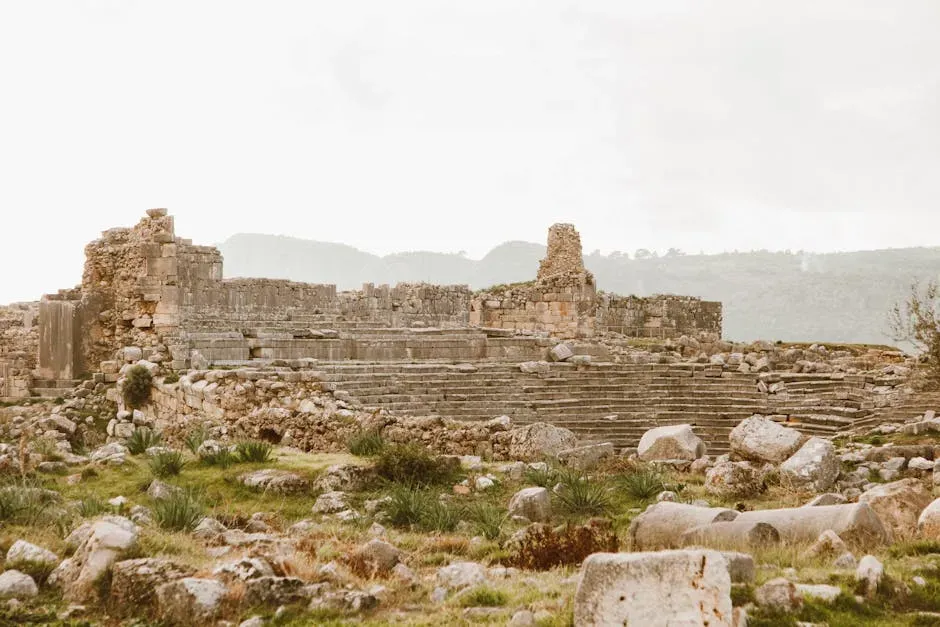
Looking across these ten cases, what strikes me is how rarely there is a clean, cinematic ending. No single villain, no one final battle, no neat explanation that ties up every loose thread. Instead, we see overlapping pressures – climate shifts, resource strains, warfare, disease, political missteps, and sheer bad luck – playing out over decades or centuries until even great cities lose their grip. The real shock is not that civilizations vanish, but that we keep expecting them to last forever.
Personally, I think the most unsettling lesson is how normal the final years must have felt to the people living through them. A little less rain than usual, a few more conflicts than before, some trade routes getting unreliable – nothing that screamed final chapter until it was too late to reverse the slide. That is why these vanished worlds still hit a nerve today: they force us to see our own societies as temporary, contingent, and far from guaranteed. When you look at these silent ruins, the real question is not how they disappeared, but whether we are any better at hearing the warning signs than they were. Did you expect that?