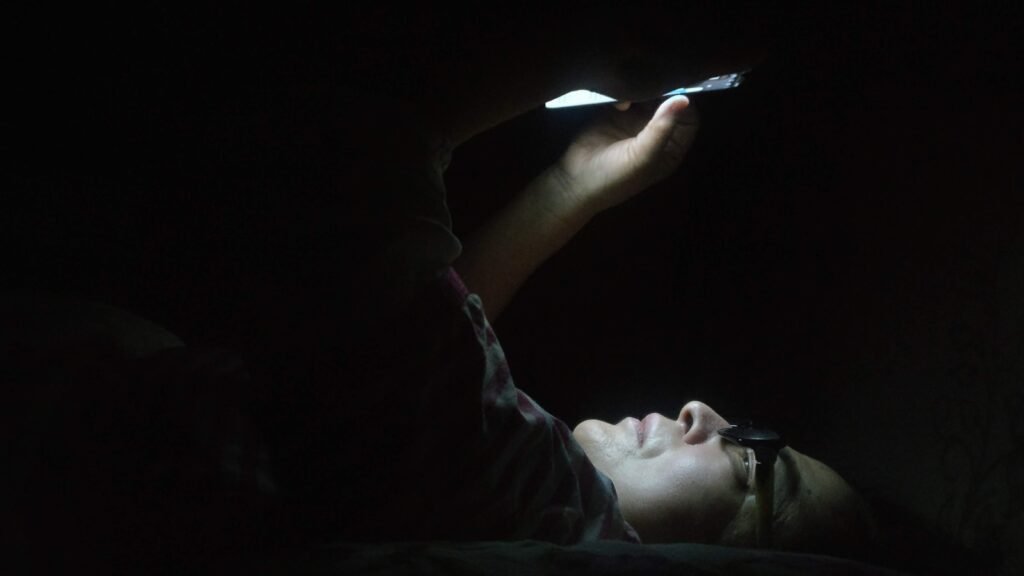

Night owls swear the dark sharpens their minds, while early larks chase sunrise like a personal deadline. In labs, circadian biologists track melatonin curves and core body temperature to explain why the same 24 hours feel different in different bodies. Meanwhile, astrology hands us a colorful language for temperament that many people intuitively recognize. Today, we’re blending those worlds – carefully – to ask a playful but practical question: which signs lean owl, which lean lark, and how can sleep science help every sign rest better?
The Hidden Clues
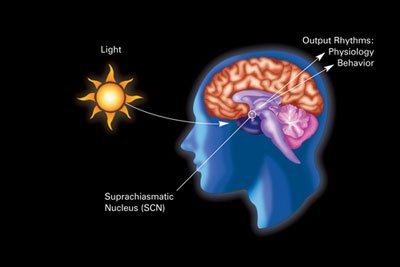
What if your peak hours aren’t a moral choice but a measurable rhythm, nudged by biology and only narrated by your sign? In chronobiology, people cluster into chronotypes, with morningness and eveningness shaped by genes, age, light exposure, and daily habits. That pattern explains why dawn can feel like a launchpad for some and a gravel road for others.
Astrology adds personality texture that many readers find relatable: impulsive or deliberate, social or solitary, steady or restless. When those textures overlap with sleep timing, behaviors start to look a lot like animal archetypes – skygazing larks versus shadow-savvy owls. Think of the zodiac not as destiny, but as a storytelling frame around a clock that’s real and ticking.
From Ancient Tools to Modern Science
Ancient sky-watchers used stars to mark seasons, migrations, and agricultural timing, long before anyone named a circadian gene. Today’s labs map the same cycles with wrist wearables, dim-light melatonin onset tests, and questionnaires that sort people by preferred sleep windows. Both systems chase patterns; only one measures hormone curves, but both can help people notice what already happens in their bodies.
That’s the spirit here: use zodiac-inspired traits to recognize your likely habits, then correct course using evidence-based sleep tactics. When archetype and data rhyme, the lesson sticks. And when they don’t, trust your body clock first and adjust the story later.
The Zodiac Map: Owls and Larks by Sign
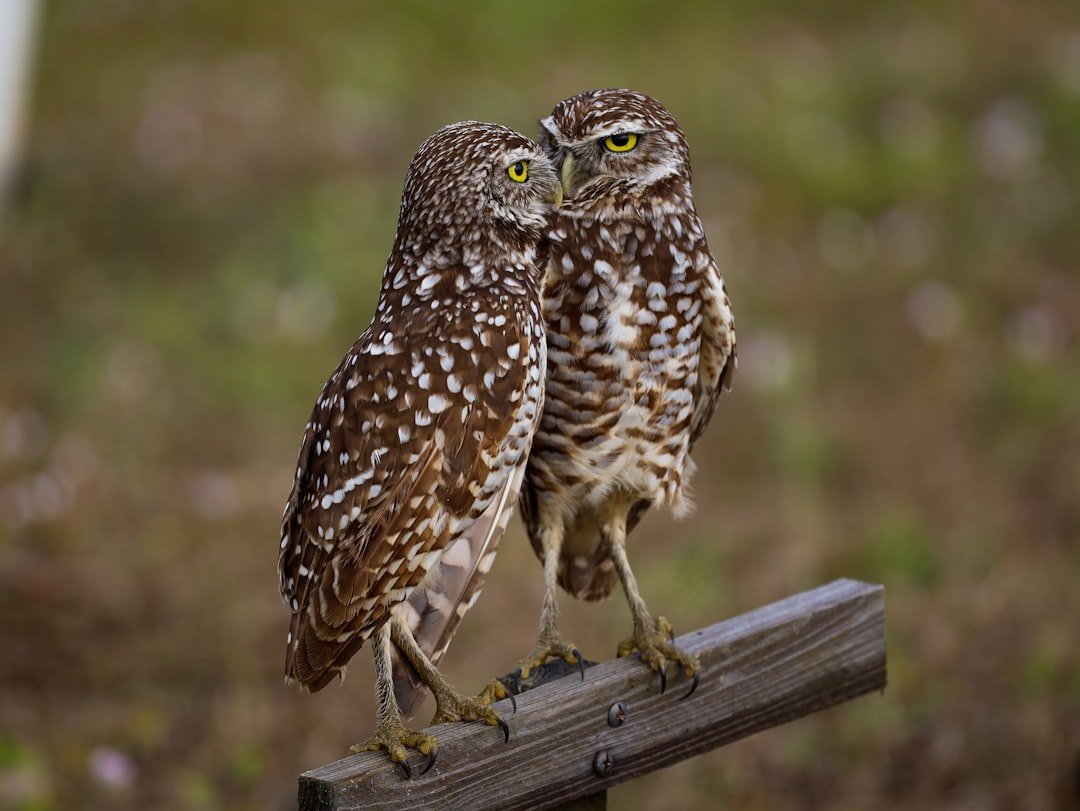
Here’s the working map: dawn-leaning larks include Aries, Taurus, Cancer, Virgo, Sagittarius, and Capricorn, the signs most associated with decisive starts, routine-building, and sunrise momentum. Night-leaning owls include Gemini, Leo, Libra, Scorpio, Aquarius, and Pisces, the signs often linked with late creativity, social buzz, deep-focus tunneling, or fluid schedules. It’s a clean split for clarity, not an iron law.
If you want an animal metaphor, think lark-coded signs as the early-foraging robin or the first-light ant that gets the dry trail, and owl-coded signs as the quiet nocturnal hunter that owns the calm. Your real chronotype might sit in between – many people are mixed or shift with age. The map is a compass, not a cage.
Inside the Body Clock
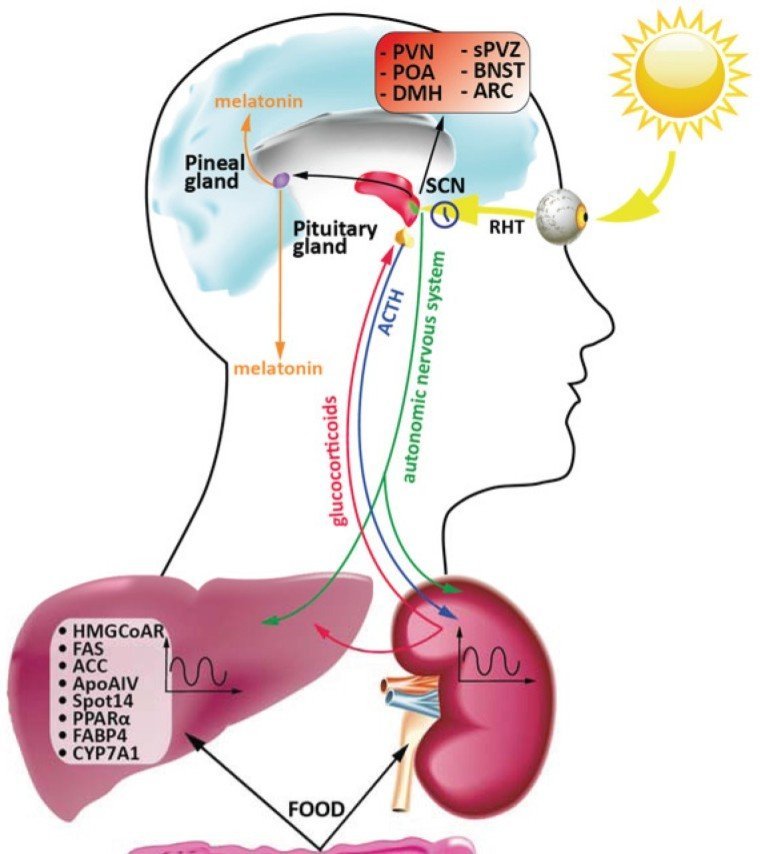
Chronotypes hinge on a network of clock genes that orchestrate daily rises and falls in sleep pressure, alertness, and temperature. Evening types tend to show a delayed melatonin rise and a later temperature minimum, sliding the whole alertness curve toward the night. Morning types shift that curve earlier, finding focus and physical readiness near sunrise.
Light is the steering wheel: bright light soon after waking advances the clock, while bright light late at night drags it later. Food timing, exercise, and consistent wake-ups act like gentle tugs on the same system. Even small shifts, repeated daily, remake your sleep terrain over weeks.
Why It Matters
Mismatched schedules create social jetlag, the weekday-weekend time-zone hop that leaves many people groggy and irritable. Over time, chronic misalignment is linked with mood dips, metabolic strain, and riskier decisions, especially in shift workers who fight their clocks regularly. Getting the timing roughly right can improve reaction time, learning, and emotional steadiness.
That’s why the zodiac frame can be useful as a conversation starter: it nudges self-observation. If a Scorpio recognizes their late-night deep-dive habit, they can pair it with dark-mode screens and a hard cutoff to protect sleep. If a Capricorn loves daybreak plans, they can leverage morning light and caffeine timing to extend that natural edge.
Global Perspectives
Chronotype distributions vary by latitude, season, and culture, with longer evenings and nightlife economies nudging people later and early-start school or work systems pushing people earlier. Adolescents tend to skew later regardless of sign, then drift earlier with age, which is why teenage morning classes feel punishing to so many. Urban light pollution and always-on screens amplify the night-owl pull almost everywhere.
In regions experimenting with flexible schedules, people often gravitate toward their natural peaks, and productivity doesn’t seem to suffer. The gains often show up in fewer mistakes, calmer moods, and steadier attendance. The lesson travels: respect the clock, and the clock returns the favor.
Field Notes, Personal and Practical
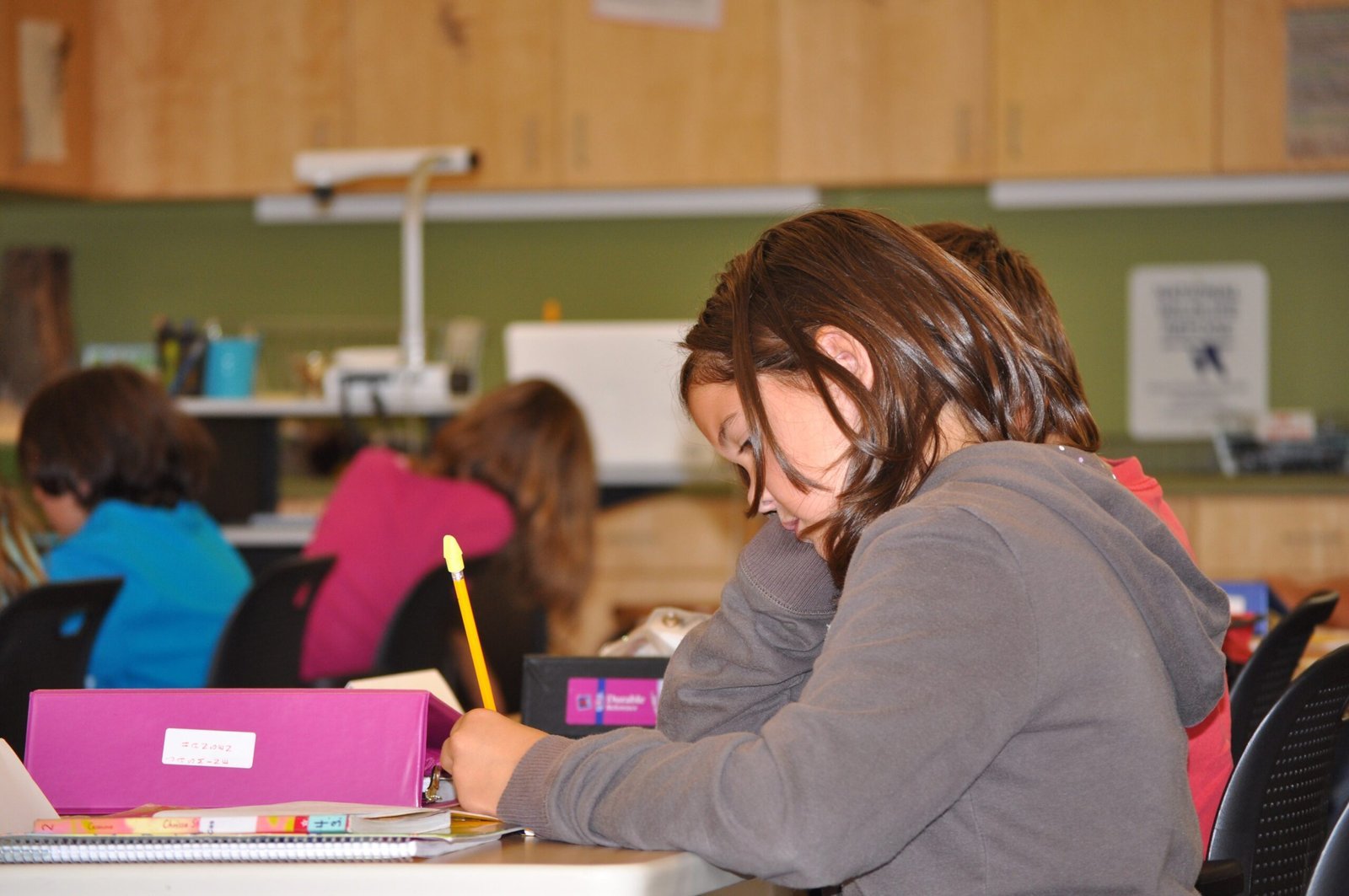
I once kept a notebook by my bed for a month, jotting down when words came easily and when they refused to appear. My own pattern – late creative bursts, early clumsy thinking – made sense only after I charted it beside light exposure and caffeine. The graph looked like a tide chart, with predictable highs and lows I could finally surf instead of fight.
Readers tell me similar stories: the Virgo who organizes tomorrow at dusk but sleeps best after a sunrise walk, the Aquarius who prototypes at midnight yet needs blackout curtains to quit on time. Observing without judgment turns habit into data. Once you see the tide, you plan your boat.
Methods That Sort Owls from Larks
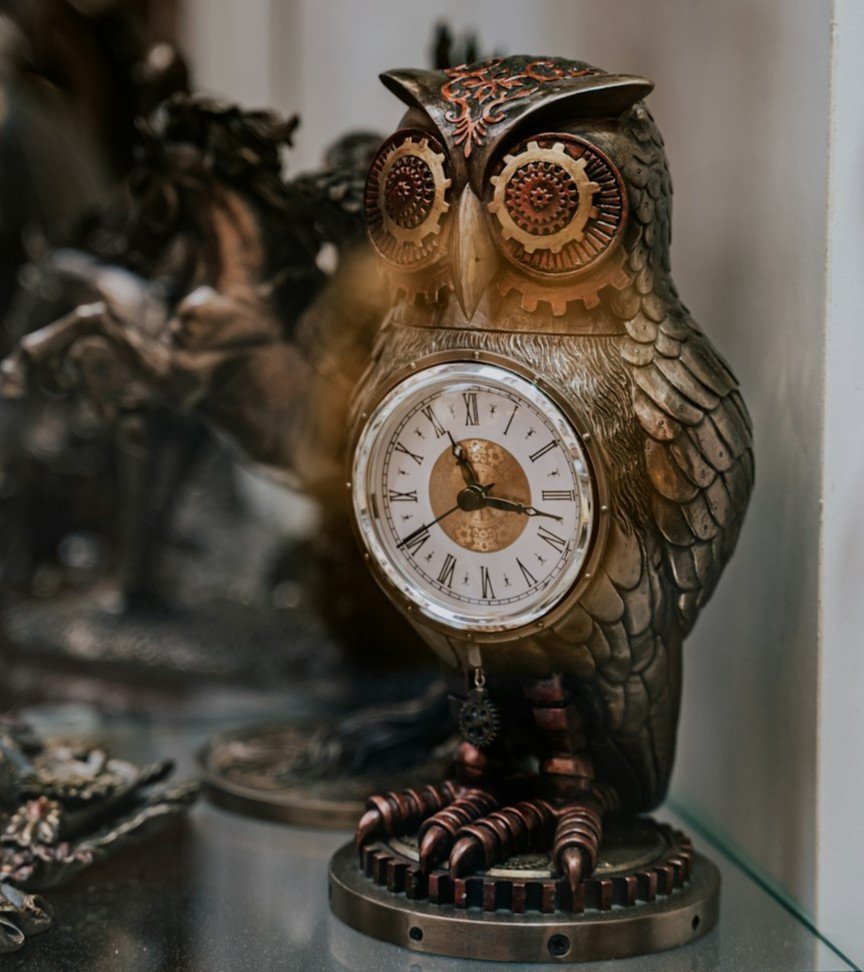
Researchers commonly use morningness-eveningness questionnaires, sleep diaries, and wearable-derived rest-activity cycles to estimate chronotype. A gold-standard lab measure looks for the evening point when melatonin rises under dim light, pegging the clock’s internal dusk. Temperature rhythms and reaction-time tests add detail to the profile.
Outside the lab, practical proxies work: consistent wake time, weekend drift, and energy curves across the day. If you’re regularly sliding bedtime later despite intentions, your physiology is voting owl. If you pop awake before alarms and peak before lunch, your clock is casting lark ballots.
Matching Signs to Strategies
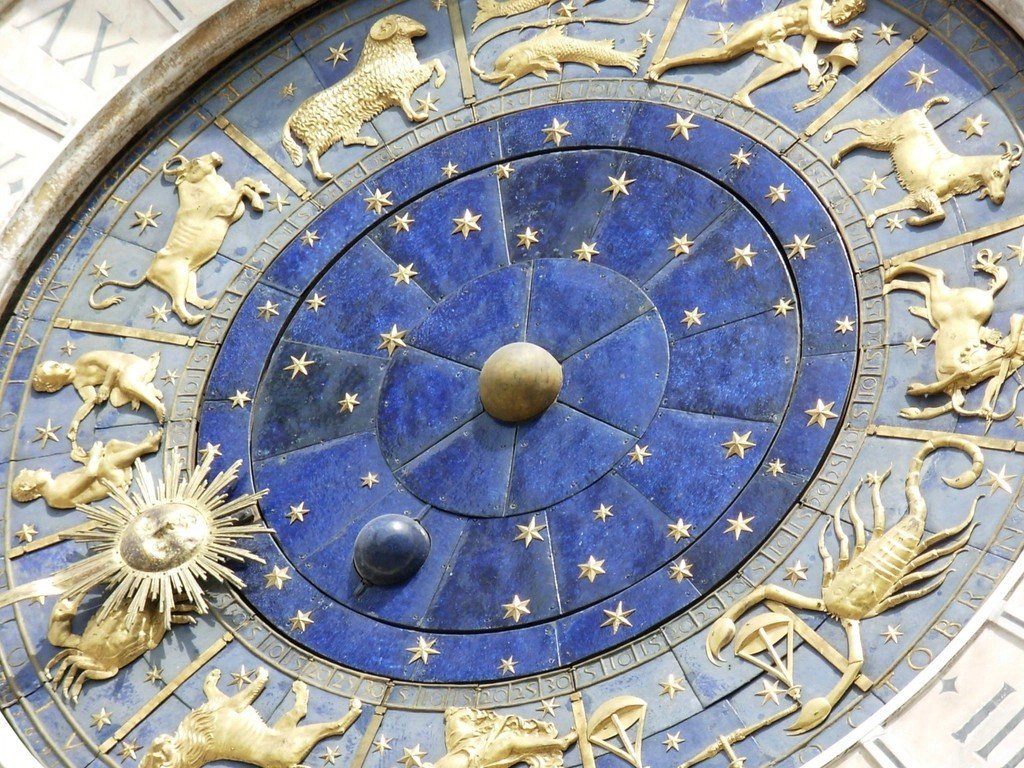
Aries and Sagittarius thrive on morning challenges, so stacking workouts and hard decisions early can amplify their lark lean. Taurus and Virgo love rhythm; fixed wake times, breakfast protein, and morning light give their clock a steady metronome. Cancer and Capricorn often carry family or leadership duties; guard early hours for deep work and move screens away from evening wind-down.
Gemini and Aquarius channel late curiosity; cap blue light, time caffeine before midafternoon, and schedule ideation just after dusk, not after midnight. Leo and Libra savor social evenings; set a digital sunset and shift intense socializing earlier in the night. Scorpio and Pisces ride deep focus and imagination; capture the first night wave, then land it with rituals that cue sleep on time.
The Future Landscape
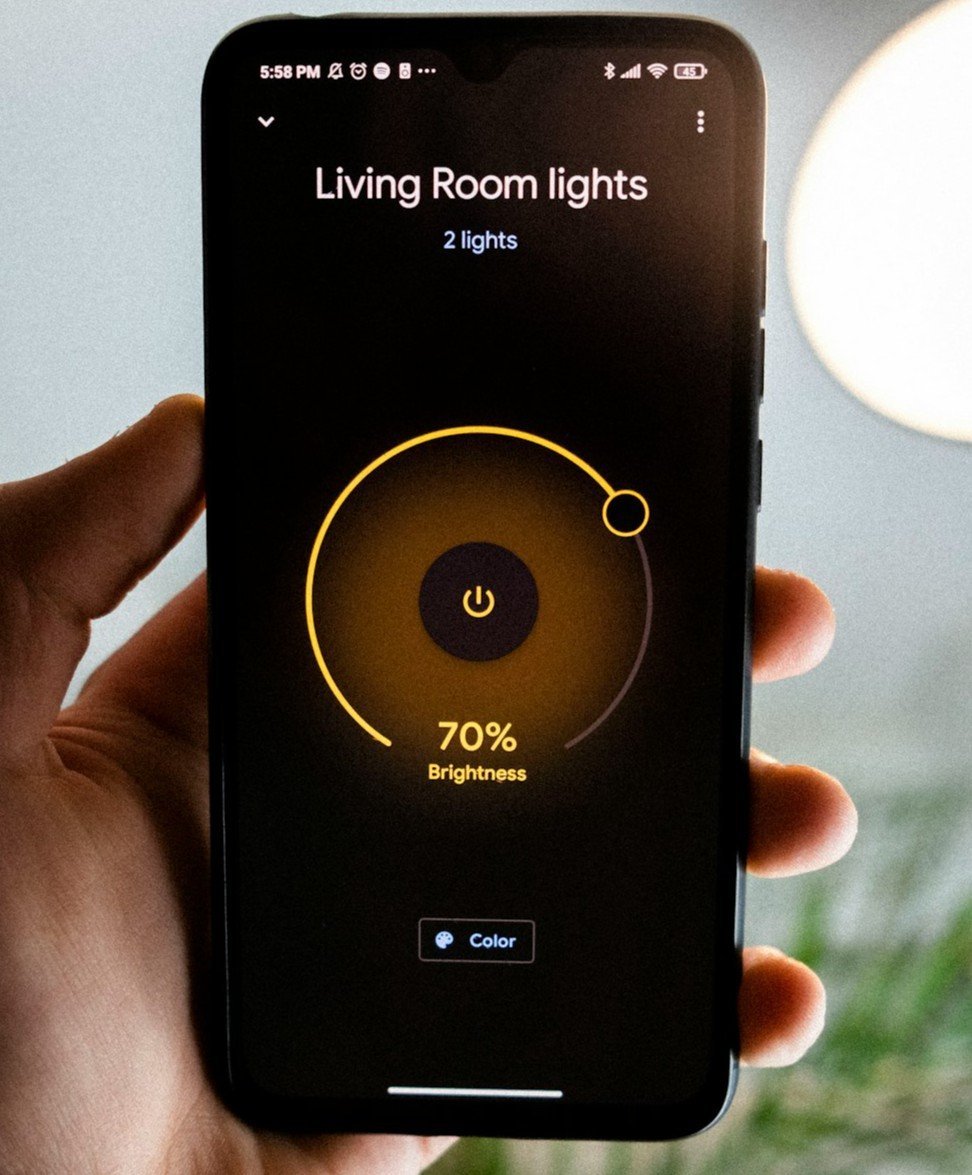
Personalized lighting is accelerating, from tunable bulbs that change spectrum by hour to wearables that coach micro-adjustments based on daily light history. Workplaces are testing chronotype-aware scheduling, rotating safety-critical tasks toward each person’s peak window. Schools are piloting later starts for older students while preserving earlier slots for younger grades.
On the horizon, home devices may learn your circadian phase from passive signals and adapt light, temperature, and notifications automatically. The challenge will be equity: making sure these tools don’t become luxuries that widen health gaps. Policy, not just gadgets, will decide how widely the benefits spread.
Conclusion
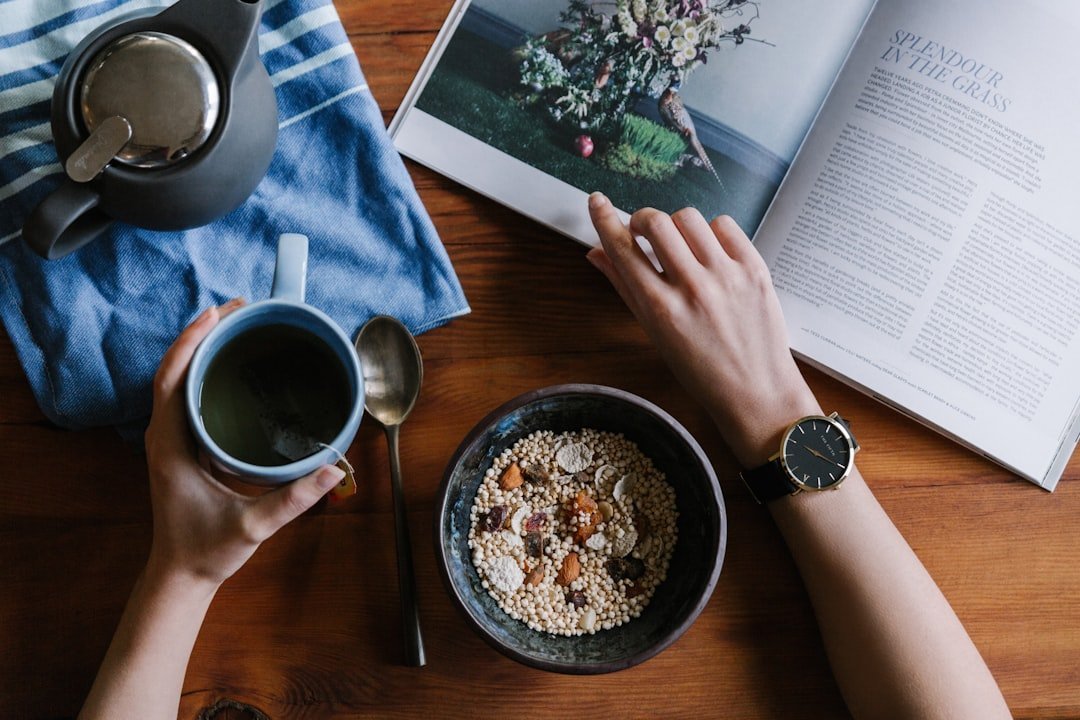
Map your rhythm for two weeks: note wake time, light exposure, exercise, caffeine, and the hours when thinking feels sharp or muddy. Align the basics – morning light, consistent wake-up, and an evening wind-down that dims screens and noise. Then layer personality-informed tactics that you actually enjoy, because routines you like are the ones you keep.
If you lead a team or a household, experiment with flexible timing where possible and protect sleep like any critical resource. Advocate for later starts where the data support them, especially for teens, and push for darker nights in your neighborhood. Small changes at the right time of day beat big changes at the wrong hour.
Suhail Ahmed is a passionate digital professional and nature enthusiast with over 8 years of experience in content strategy, SEO, web development, and digital operations. Alongside his freelance journey, Suhail actively contributes to nature and wildlife platforms like Discover Wildlife, where he channels his curiosity for the planet into engaging, educational storytelling.
With a strong background in managing digital ecosystems — from ecommerce stores and WordPress websites to social media and automation — Suhail merges technical precision with creative insight. His content reflects a rare balance: SEO-friendly yet deeply human, data-informed yet emotionally resonant.
Driven by a love for discovery and storytelling, Suhail believes in using digital platforms to amplify causes that matter — especially those protecting Earth’s biodiversity and inspiring sustainable living. Whether he’s managing online projects or crafting wildlife content, his goal remains the same: to inform, inspire, and leave a positive digital footprint.